The best road cycling routes around Montegrotto Terme
4.6
(397)
13,368
riders
27
rides
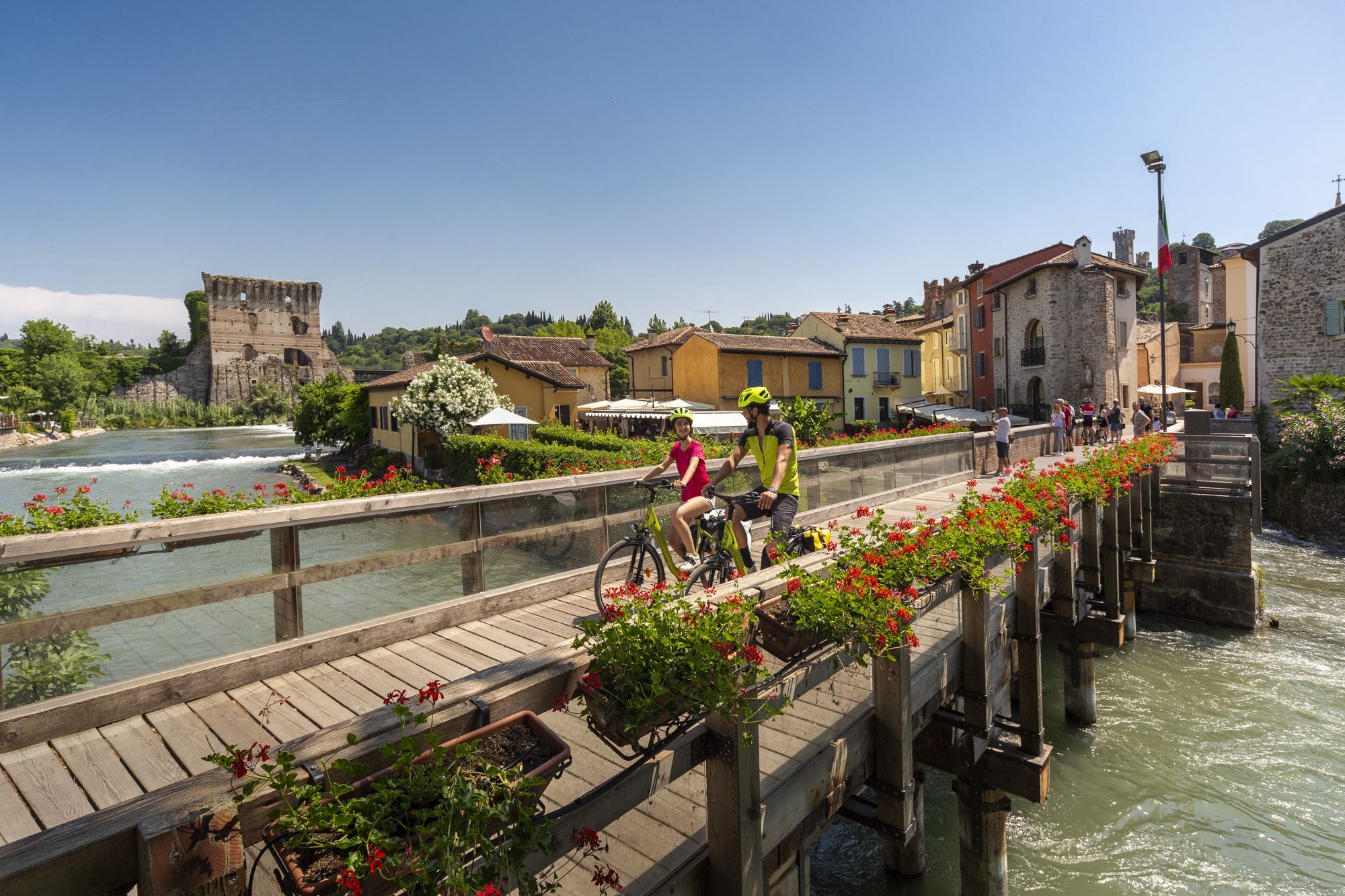
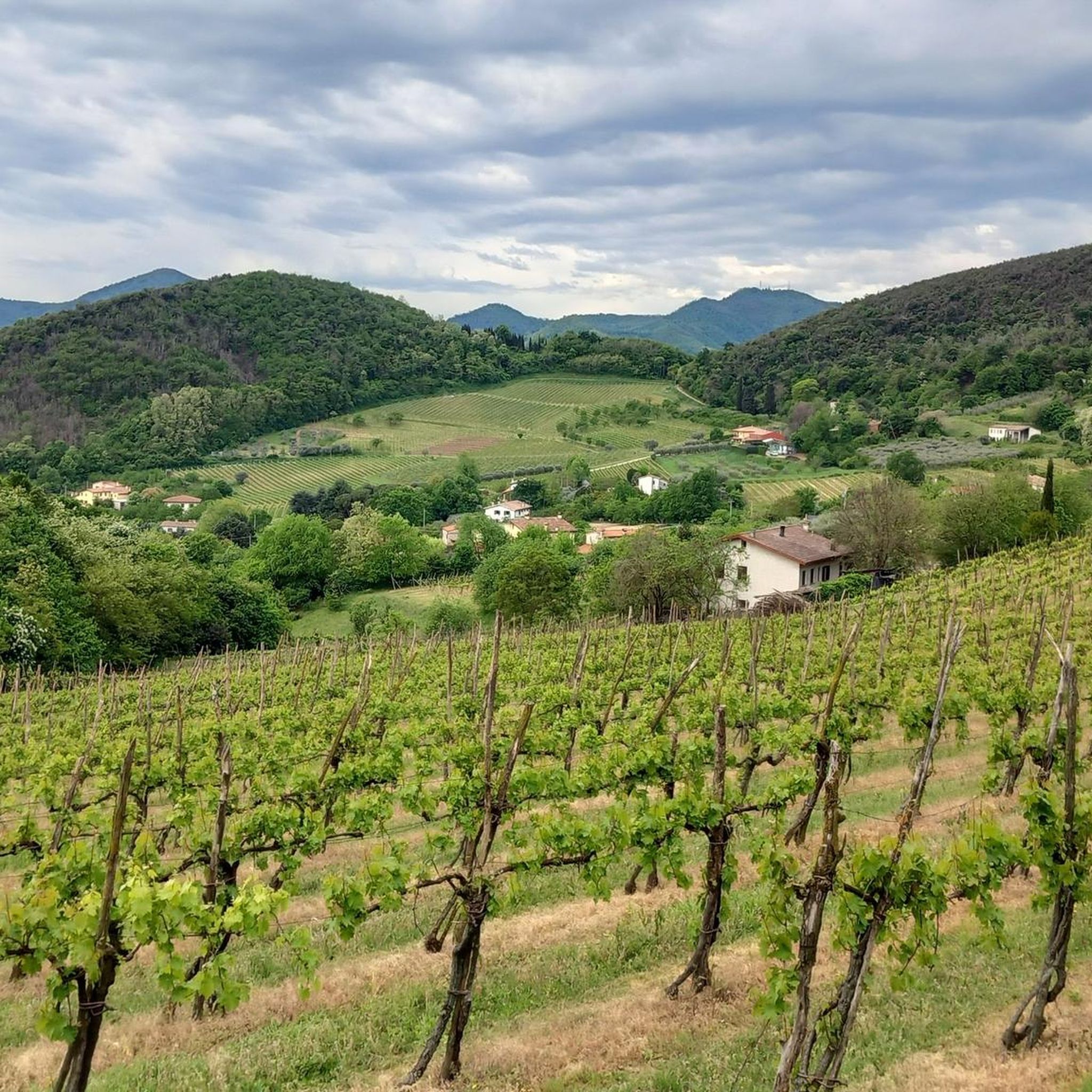
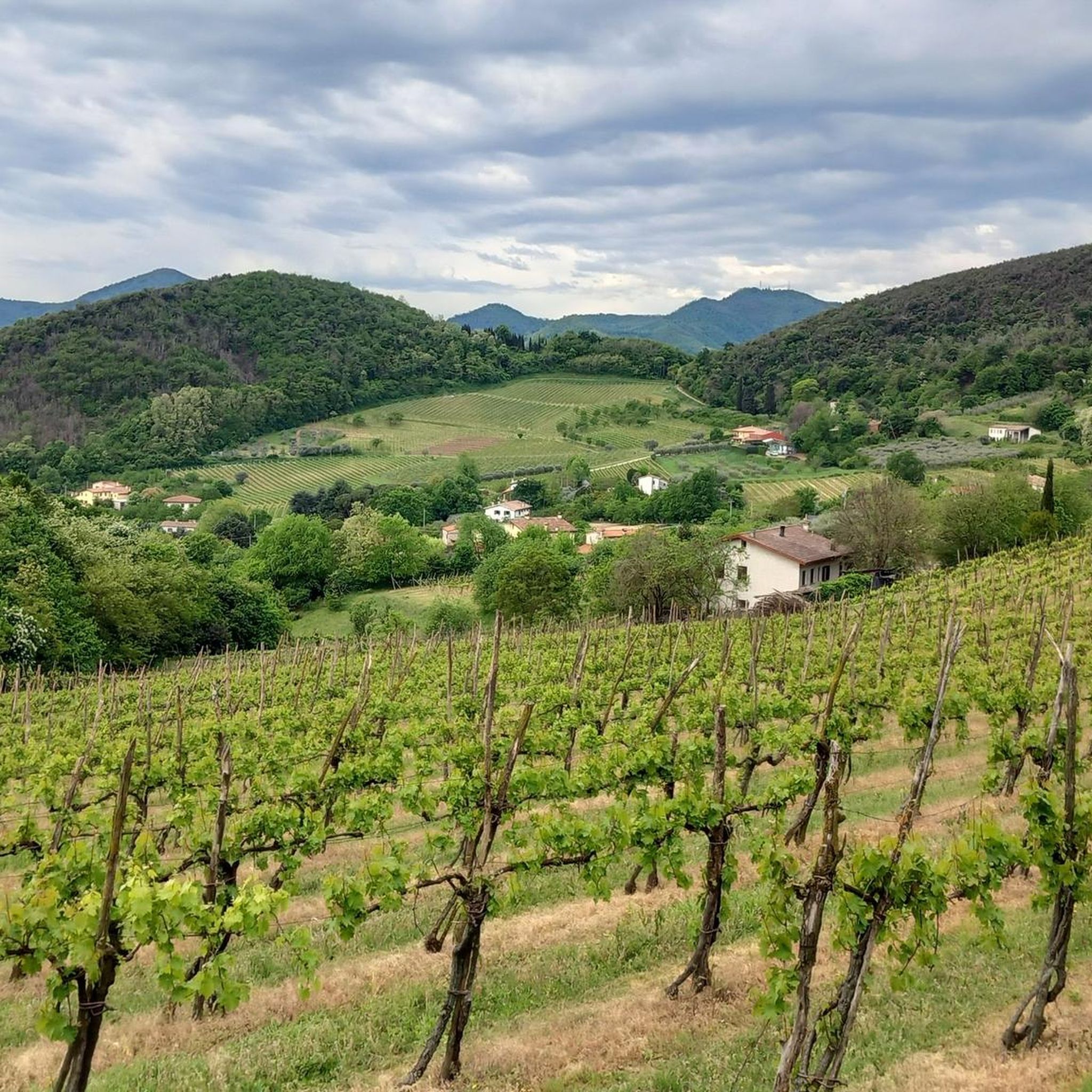
Road cycling routes around Montegrotto Terme are set within the Euganean Hills of Italy's Veneto region, offering diverse landscapes for cyclists. The area features a blend of challenging ascents and leisurely flat paths, characterized by vineyards, thermal springs, and a mix of asphalted and well-maintained gravel surfaces. The Euganean Hills Regional Park provides a backdrop of varied terrain, including chestnut and oak woods, meadows, and rocky areas. This region caters to road cyclists of all levels, with routes ranging from flat circular paths to more demanding climbs.
Best road cycling routes around Montegrotto Terme
- The most popular road cycling route is Porta Garibaldi, Chioggia – Bridge over the Vena Canal loop from Terme Euganee - Abano - Montegrotto, a 64.9 miles (104.4 km) trail that takes 4 hours 9 minutes to complete. This route offers a long, predominantly flat ride, likely exploring coastal or canal-side areas.
- Another top favourite among local road cyclists is Boat Dock at Battaglia Terme – Teolo – Castelnuovo Junction loop from Terme Euganee - Abano - Montegrotto, a moderate 29.7 miles (47.8 km) path. This route includes significant elevation gain, providing scenic views across the Euganean Hills.
- Local road cyclists also love the Palazzo Contarini – Villa–Teolo Scenic Climb loop from Terme Euganee - Abano - Montegrotto, a 33.3 miles (53.6 km) trail leading through varied terrain with scenic climbs, often completed in about 2 hours 28 minutes.
- Road cycling around Montegrotto Terme is defined by the rolling Euganean Hills, expansive vineyards, and thermal spring areas. The network offers options for different ability levels, from flat loops to routes with significant ascents.
- The routes in Montegrotto Terme are highly rated by the komoot community with an average score of 4.7 stars from over 30 reviews. More than 1,500 road cyclists have used komoot to explore Montegrotto Terme's varied terrain.
Last updated: September 2, 2026
4.4
(14)
443
riders
Moderate road ride. Good fitness required. Some segments of this route may be unpaved and difficult to ride.
4.4
(13)
317
riders
Moderate road ride. Good fitness required. Mostly well-paved surfaces and easy to ride.

Sign up for free
4.8
(4)
136
riders
Moderate road ride. Good fitness required. Mostly well-paved surfaces and easy to ride.
121
riders
Moderate road ride. Good fitness required. Mostly well-paved surfaces and easy to ride.
5.0
(3)
81
riders
Hard road ride. Very good fitness required. Mostly well-paved surfaces and easy to ride.
Get access to more routes and recommendations from other explorers.
Sign up for free
Already have an account?
Our route recommendations are based on thousands of hikes, rides, and runs completed by other people on komoot.
Start today with a free account
Your next adventure awaits.
Login or Signup

Other adventures around Montegrotto Terme

Tips from the Community

It is one of the most challenging climbs in the Euganean Hills. Monte della Madonna da Teolo is a climb located in the Padova region. It has a length of 4.2 km, an elevation gain of 362 m, and an average gradient of 8.6%. The highest point is at 522 m above sea level. After Monte Venda (601 m) it is the second highest point in the Euganean Hills.
1
0

The Villa Barbarigo Pizzoni Ardemani in Valsanzibio di Galzignano Terme is a Baroque masterpiece from the 17th century, world-renowned for its extraordinary historic garden, considered among the most important and intact in Europe. Designed by architect Luigi Bernini, the complex was created at the behest of the noble Venetian Barbarigo family as a solemn vow to God for having escaped the terrible plague of 1631. The park is not a simple ornamental work, but a true allegorical and spiritual path of purification. The visitor is invited to experience a journey of salvation that unfolds through scenic fountains, streams, fishponds, and over seventy statues rich in symbolism. The central and iconic element of the garden is the monumental labyrinth of centuries-old boxwood, one of the oldest and largest in the world, symbolizing the difficulties and redemption of the human soul.
0
0

It is the best-known image of the very famous villa.
0
0

The Porta di Santa Maria Assunta is also popularly known as Porta Garibaldi. The historic city gate was originally built around 1520 and was part of the city fortifications. It is located at the southern end of the main street, the Corso del Popolo, and today serves as a freestanding gate around which road traffic flows. On the side facing the mainland, there is a marble relief of the Lion of Saint Mark, the symbol of Venice's former rule over the city.
0
0
It is a 15th-century building in the Venetian Gothic style. The palace is located in the center of the village
0
0
The Porta di Santa Maria is the ancient monumental gateway that marks the entrance to the historic center of Chioggia for those coming from the mainland. Located at the southern end of the Corso del Popolo, the gate was built in 1530 to a design attributed to Michele Sanmicheli, replacing a previous medieval structure for the city's defense. The elegant and austere architecture served as a customs and military barrier in an era when Chioggia was a strategic stronghold of the Serenissima. Today, the gate represents the starting point of the main city promenade, welcoming visitors with its Istrian stone structure that introduces the Venetian atmosphere of the village, amidst canals and historic palaces.
0
0
The Canal Vena is the most picturesque and vital waterway in Chioggia, often described as the city's "Grand Canal". What makes it unique are its nine bridges, each with its own history and appearance, connecting the side foundations and allowing passage between the alleys. The most majestic is undoubtedly the Ponte di Vigo, located at the northern end of the canal, towards the lagoon. Built of marble in 1685, it represents the monumental gateway to the city: with its imposing staircase and elegant decorations, it offers a spectacular view that ranges from the canal to the nearby island of Pellestrina. The other eight bridges, such as the Ponte di San Giacomo or the Ponte Caneva, follow one another along the route, offering postcard-worthy glimpses between moored boats and historic markets. These passages are not just architectural structures, but the beating heart of Chioggia life, where the Venetian atmosphere blends with the authenticity of the fishing village.
0
0
Chioggia, an island that was once under Venetian rule, is beautiful despite the potential – in my humble opinion – for its appearance to be improved.
0
0
Frequently Asked Questions
How many road cycling routes are available around Montegrotto Terme?
There are over 25 road cycling routes around Montegrotto Terme, catering to various skill levels. This includes 8 easy routes, 17 moderate routes, and 3 more challenging options.
What is the best time of year for road cycling in the Euganean Hills?
The Euganean Hills are particularly popular for cycling during July and September. The region offers a pleasant climate and stunning landscapes during these months, making it ideal for exploring the diverse routes.
Are there any family-friendly road cycling routes in Montegrotto Terme?
Yes, the region offers several routes suitable for families. The Porta Garibaldi, Chioggia – Bridge over the Vena Canal loop is a long, predominantly flat ride that can be adapted for a leisurely family outing. Additionally, the Euganean Hills circular cycle route (E2) is largely flat and suitable for various types of bicycles, including those used by families.
What kind of landscapes can I expect to see while cycling in the Euganean Hills?
The Euganean Hills Regional Park provides a dramatic backdrop with breathtaking green landscapes, vineyards, and panoramic vistas. You'll cycle through varied environments including chestnut, acacia, and oak woods, expansive meadows, and rocky areas. The region is also known for its thermal springs and ancient Roman heritage.
Are there any circular road cycling routes around Montegrotto Terme?
Yes, the most prominent circular route is the Euganean Hills circular cycle route (E2), a 63-kilometer path that winds around the edge of the Regional Park. It's largely flat and suitable for various bikes. Another option is the Monte Lozzo – Carrarese Castle of Este loop, which offers a moderate challenge with scenic views.
What historical attractions can I visit along the road cycling routes?
Many routes pass by significant historical and cultural sites. You can visit the majestic Praglia Abbey, a Benedictine monastery, or explore charming medieval villages like Arquà Petrarca. Other notable sites include Catajo Castle, Monselice Castle, and various Venetian villas.
Are there routes with significant climbs or more challenging terrain?
Yes, for those seeking a challenge, routes like the Boat Dock at Battaglia Terme – Teolo – Castelnuovo Junction loop include significant elevation gain, providing scenic views across the Euganean Hills. Ascents to Monte Grande and short climbs around Arquà Petrarca also offer panoramic views and technical segments.
Where can I find parking for road cycling routes in Montegrotto Terme?
Montegrotto Terme and the surrounding towns within the Euganean Hills Regional Park offer various parking options. Many hotels in Montegrotto Terme cater to cyclists and may provide dedicated parking. Specific parking areas are often available near popular trailheads and town centers, though it's advisable to check local signage.
What do other road cyclists enjoy most about cycling in Montegrotto Terme?
The area is highly rated by the komoot community, with an average score of 4.7 stars from over 30 reviews. Cyclists frequently praise the diverse landscapes, from challenging ascents to leisurely flat paths, and the well-maintained surfaces that make for an enjoyable ride through vineyards and thermal spring areas.
Are there any scenic viewpoints along the road cycling routes?
Absolutely. The Euganean Hills are dotted with spectacular viewpoints. Climbing peaks like Monte Ceva or Monte Grande offers panoramic views of the surrounding area. The Mottolone Plateau is another highlight known for its scenic vistas.
Can I access road cycling routes using public transport in Montegrotto Terme?
Montegrotto Terme is well-connected, and public transport options are available to reach the area. From there, many cycling routes are easily accessible. It's recommended to check local bus or train schedules for connections to specific starting points within the Euganean Hills.
Are there accommodations in Montegrotto Terme that are bike-friendly?
Yes, many hotels in Montegrotto Terme cater specifically to cyclists. These accommodations often provide services such as secure bike storage, bike rentals, and sometimes even repair facilities, making it convenient for visitors to enjoy the local cycling routes.
Most popular routes around Montegrotto Terme
Most popular attractions around Montegrotto Terme

Get inspired with the komoot mobile app


Explore more
Browse the best Road cycling routes in other regions.
