The best cycling routes around Arquà Petrarca
4.4
(3842)
24,423
riders
330
rides
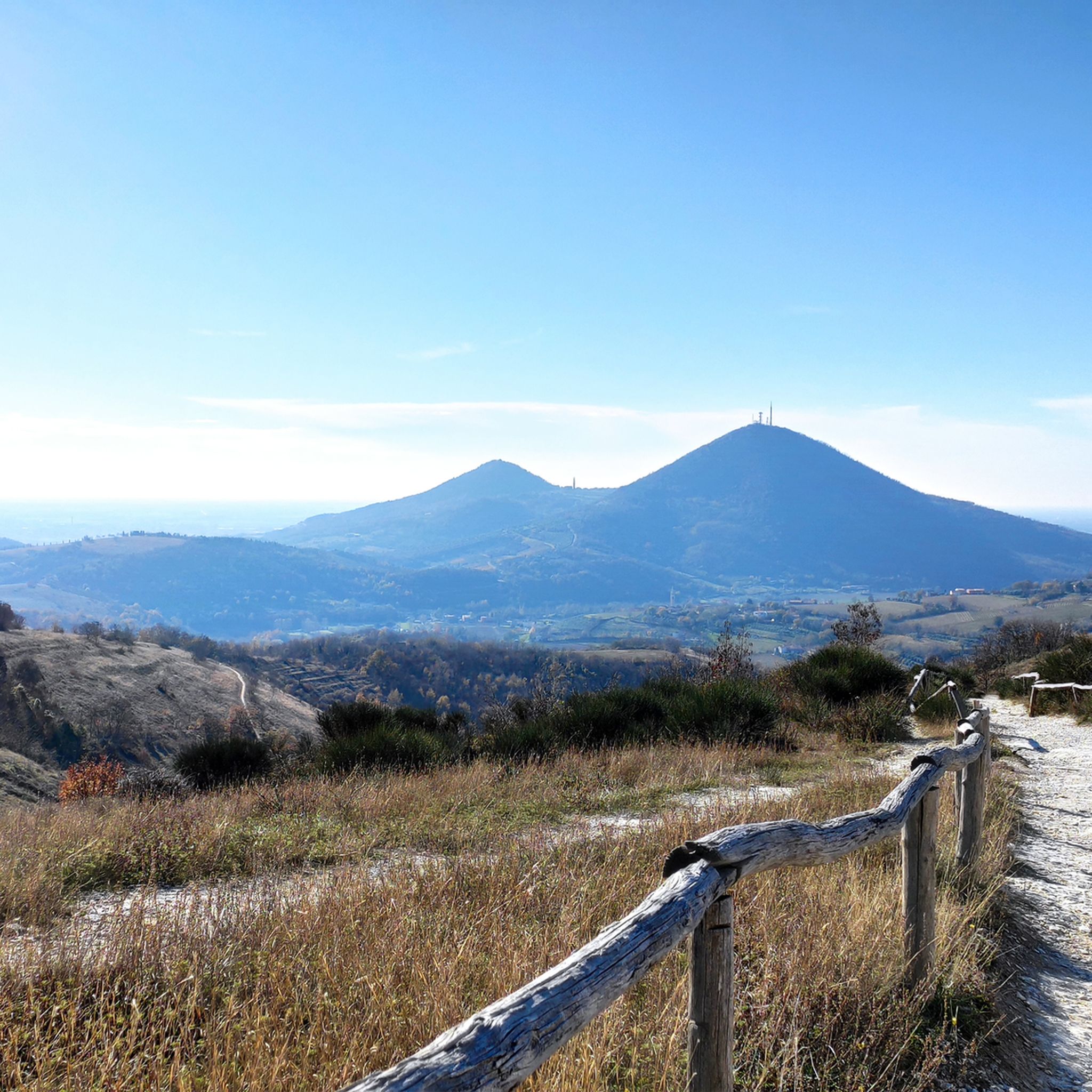
Touring cycling routes around Arquà Petrarca are set within the Euganean Hills Regional Park, an area shaped by volcanic origins. The landscape features expansive vineyards and olive groves, alongside dense forests of chestnut, walnut, beech, ash, and oak trees. Cyclists can explore ridge-top trails offering panoramic views and serene valleys, with the region providing a diverse topography for two-wheeled exploration.
Best touring cycling routes around Arquà Petrarca
- The most popular touring cycling route is Mottolone Plateau – Valsanzibio Gardens loop from Galzignano Terme, a 32.2 miles (51.8 km) trail that takes 5 hours 3 minutes to complete. This difficult route traverses varied terrain, including the notable Valsanzibio Gardens.
- Another top favourite among local touring cyclists is Mottolone Plateau – Este Castle Gardens loop from Arquà Petrarca, a moderate 30.5 miles (49.1 km) path. This route offers views of the Este Castle Gardens and the surrounding Euganean Hills.
- Local touring cyclists also love the Panoramic Singletrack Trail – Roverello Pass loop from Galzignano Terme, a 9.1 miles (14.7 km) trail leading through varied landscapes, often completed in about 1 hour 19 minutes.
- Touring cycling around Arquà Petrarca is defined by its volcanic hills, extensive vineyards, and dense forests. The network offers options for both casual riders and those seeking more challenging routes with significant elevation gains.
- The routes in Arquà Petrarca are highly rated by the komoot community with an average score of 4.4 stars from over 3000 reviews. More than 21000 touring cyclists have used komoot to explore Arquà Petrarca's varied terrain.
Last updated: July 6, 2026
4.8
(28)
133
riders
54.0km
03:30
530m
530m
Hard bike ride. Very good fitness required. Mostly paved surfaces. Suitable for all skill levels.
4.5
(70)
300
riders
50.2km
03:16
320m
320m
Moderate bike ride. Good fitness required. Mostly paved surfaces. Suitable for all skill levels.

Sign up for free
5.0
(1)
40
riders
20.6km
01:54
470m
470m
Hard bike ride. Very good fitness required. Mostly paved surfaces. Suitable for all skill levels.
142
riders
14.8km
01:20
400m
400m
Moderate bike ride. Good fitness required. Mostly paved surfaces. Suitable for all skill levels.
16
riders
17.3km
01:49
540m
540m
Hard bike ride. Very good fitness required. You may need to push your bike for some segments of this route.
Get access to more routes and recommendations from other explorers.
Sign up for free
Already have an account?
Our route recommendations are based on thousands of hikes, rides, and runs completed by other people on komoot.
Start today with a free account
Your next adventure awaits.
Login or Signup
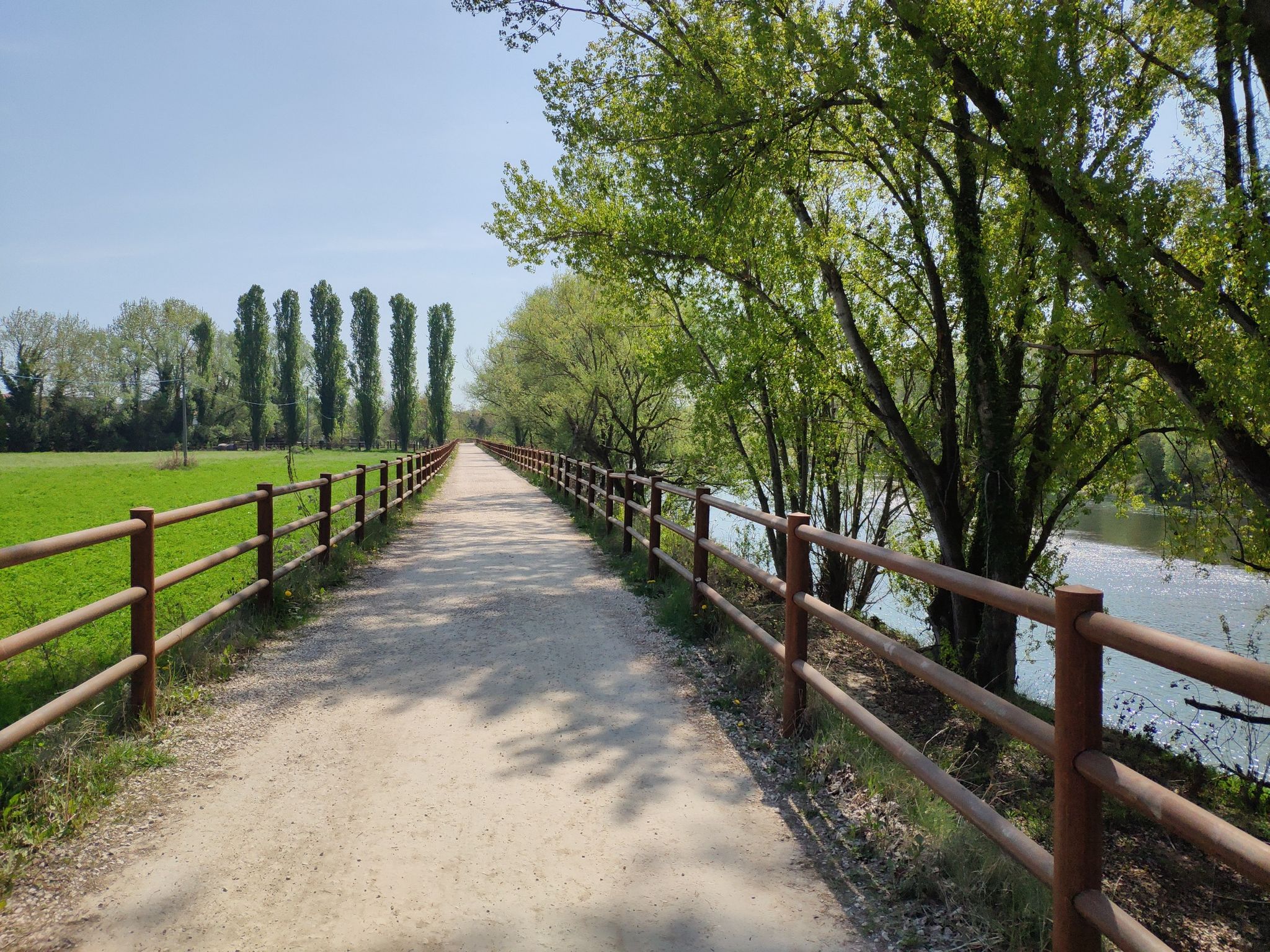
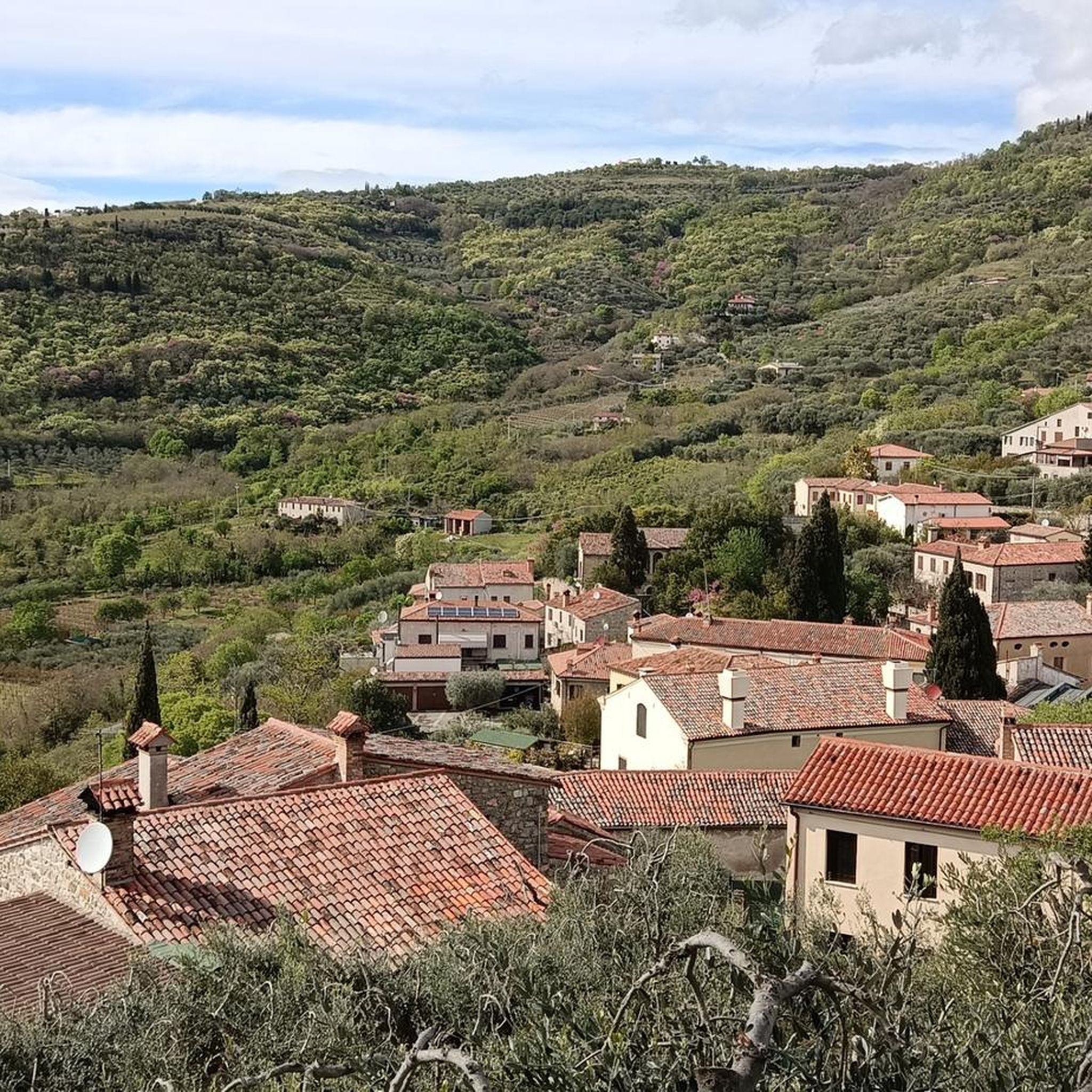
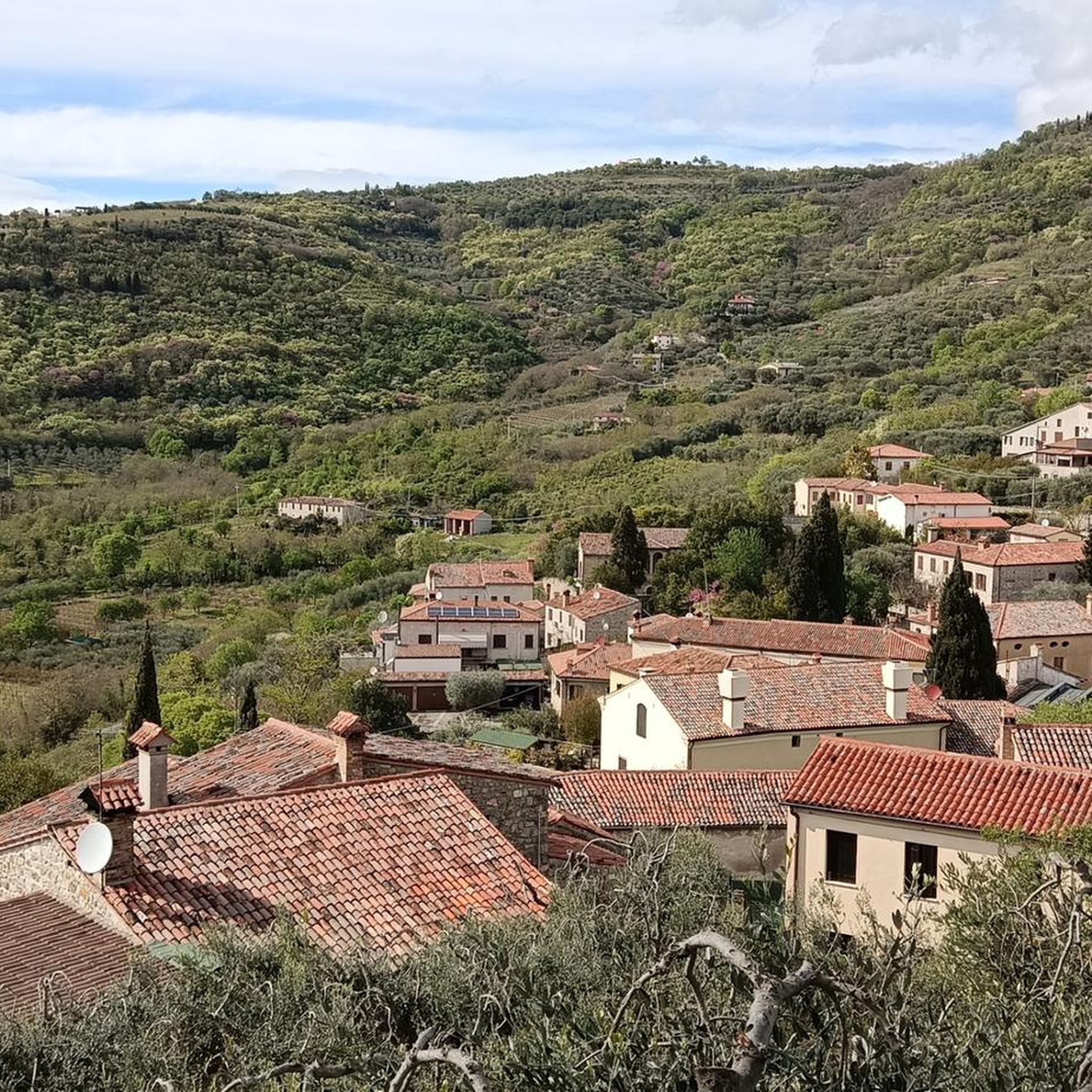
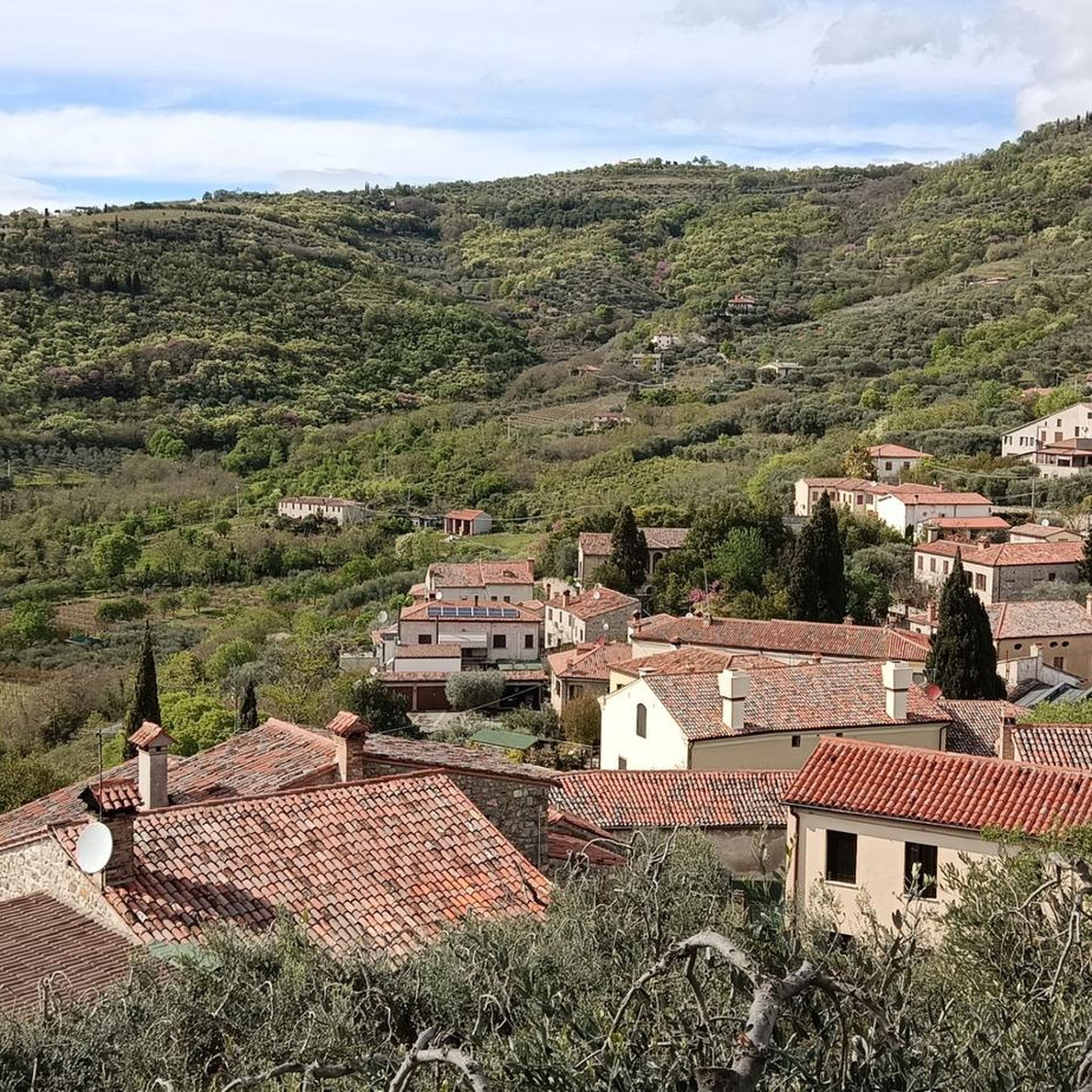

Other adventures around Arquà Petrarca

Tips from the Community

absolutely not to be missed
0
0
from the Sassonegro crossroads, between the Sassonegro and Cecilia woods
0
0
scenically fascinating and adrenaline-pumping to descend by mtb
0
0

One of the oldest garden complexes in Italy with ancient trees. Worth a visit for nature lovers.
0
0

The Villa Barbarigo Pizzoni Ardemani in Valsanzibio di Galzignano Terme is a Baroque masterpiece from the 17th century, world-renowned for its extraordinary historic garden, considered among the most important and intact in Europe. Designed by architect Luigi Bernini, the complex was created at the behest of the noble Venetian Barbarigo family as a solemn vow to God for having escaped the terrible plague of 1631. The park is not a simple ornamental work, but a true allegorical and spiritual path of purification. The visitor is invited to experience a journey of salvation that unfolds through scenic fountains, streams, fishponds, and over seventy statues rich in symbolism. The central and iconic element of the garden is the monumental labyrinth of centuries-old boxwood, one of the oldest and largest in the world, symbolizing the difficulties and redemption of the human soul.
0
0

Beautiful village to visit and taste the typical Venetian dishes.
0
0
There are thousands of them, you're spoiled for choice, but be careful, not all of them are easy and accessible for the inexperienced!
0
0
Very beaten down by those coming up from Valsanzibio.
0
0
Frequently Asked Questions
How many touring cycling routes are available around Arquà Petrarca?
There are over 300 touring cycling routes in the Arquà Petrarca area, offering a wide range of options for different skill levels and preferences. You'll find everything from easy, shorter loops to more challenging routes with significant elevation gains.
What kind of terrain can I expect when cycling in the Euganean Hills around Arquà Petrarca?
The terrain is quite varied, reflecting the volcanic origin of the Euganean Hills. You'll encounter quiet paved roads winding through vineyards and olive groves, as well as gravel paths and some unpaved sections through dense forests. Panoramic ridge-top trails offer breathtaking views, while serene valleys provide a different scenic experience. The region also features dry uncultivated meadows known as 'vegri'.
Are there family-friendly or easy cycling routes suitable for beginners?
Yes, the area offers a good selection of easier routes. Out of over 300 routes, 84 are classified as easy, making them suitable for families or those new to touring cycling. These routes often feature gentler gradients and less technical terrain, allowing for a relaxed exploration of the picturesque landscapes.
What are some notable landmarks or attractions I can see along the cycling routes?
Many routes pass by significant historical and natural attractions. You can cycle past the imposing Monselice Castle, the historic Carrarese Castle in Este, or the charming Valbona Castle. The region is also home to the famous Valsanzibio Gardens, known as the 'Little Versailles' of the Euganean Hills, which you can experience on routes like the Mottolone Plateau – Valsanzibio Gardens loop from Galzignano Terme. Don't miss Petrarch's House and Tomb in Arquà Petrarca itself.
Are there any circular cycling routes around Arquà Petrarca?
Yes, many of the touring cycling routes in the area are designed as loops, allowing you to start and finish in the same location. For example, the Mottolone Plateau – Este Castle Gardens loop from Arquà Petrarca is a moderate circular route that takes you through diverse scenery and past historical sites.
What is the best time of year to go touring cycling in Arquà Petrarca?
The spring and autumn months are generally considered the best for cycling in the Euganean Hills. Spring offers pleasant temperatures and blooming landscapes, while autumn provides vibrant colors in the forests and vineyards. Summers can be warm, but shaded paths through the dense forests offer some relief. Winters are milder but can be damp.
Where can I find parking for my bike near the cycling routes in Arquà Petrarca?
Arquà Petrarca and surrounding towns like Galzignano Terme offer various parking options. Look for designated parking areas within the villages, especially near popular trailheads or points of interest. Many routes, such as the Mottolone Plateau – Este Castle Gardens loop, are designed to start directly from Arquà Petrarca, making village parking convenient.
Can I bring my dog on the cycling routes in the Euganean Hills?
While many outdoor areas in Italy are generally dog-friendly, specific rules can vary within the Euganean Hills Regional Park. It's advisable to keep dogs on a leash, especially in protected areas or near wildlife. Always ensure your dog is well-behaved and doesn't disturb other cyclists or local fauna. Check local park regulations for any specific restrictions on trails.
Are there challenging routes for experienced touring cyclists?
Absolutely. The Euganean Hills offer plenty of challenging routes for experienced cyclists, with 114 routes classified as difficult. These often feature significant elevation gains and can include more technical sections. An example is the Mottolone Plateau – Valsanzibio Gardens loop from Galzignano Terme, which involves substantial climbing.
What do other touring cyclists enjoy most about cycling in Arquà Petrarca?
The area is highly rated by the komoot community, with an average score of 4.4 stars. Reviewers often praise the stunning panoramic views from the ridge-top trails, the charming medieval villages like Arquà Petrarca itself, and the diverse landscapes that include vineyards, olive groves, and dense forests. The blend of natural beauty and historical attractions makes for a very rewarding cycling experience.
Are there any cafes or places to stop for refreshments along the cycling trails?
Yes, the Euganean Hills region is dotted with small villages and agriturismi (farm stays) that often have cafes, restaurants, or shops where you can stop for refreshments. Arquà Petrarca itself, being one of 'Italy's Most Beautiful Villages,' has several charming spots. Many routes pass through or near these villages, providing opportunities for a break and to sample local produce.
Most popular routes around Arquà Petrarca
Most popular attractions around Arquà Petrarca

Get inspired with the komoot mobile app


Explore more
Browse the best Cycling routes in other regions.
