The best cycling routes around Pianello Val Tidone
4.4
(12)
360
riders
26
rides
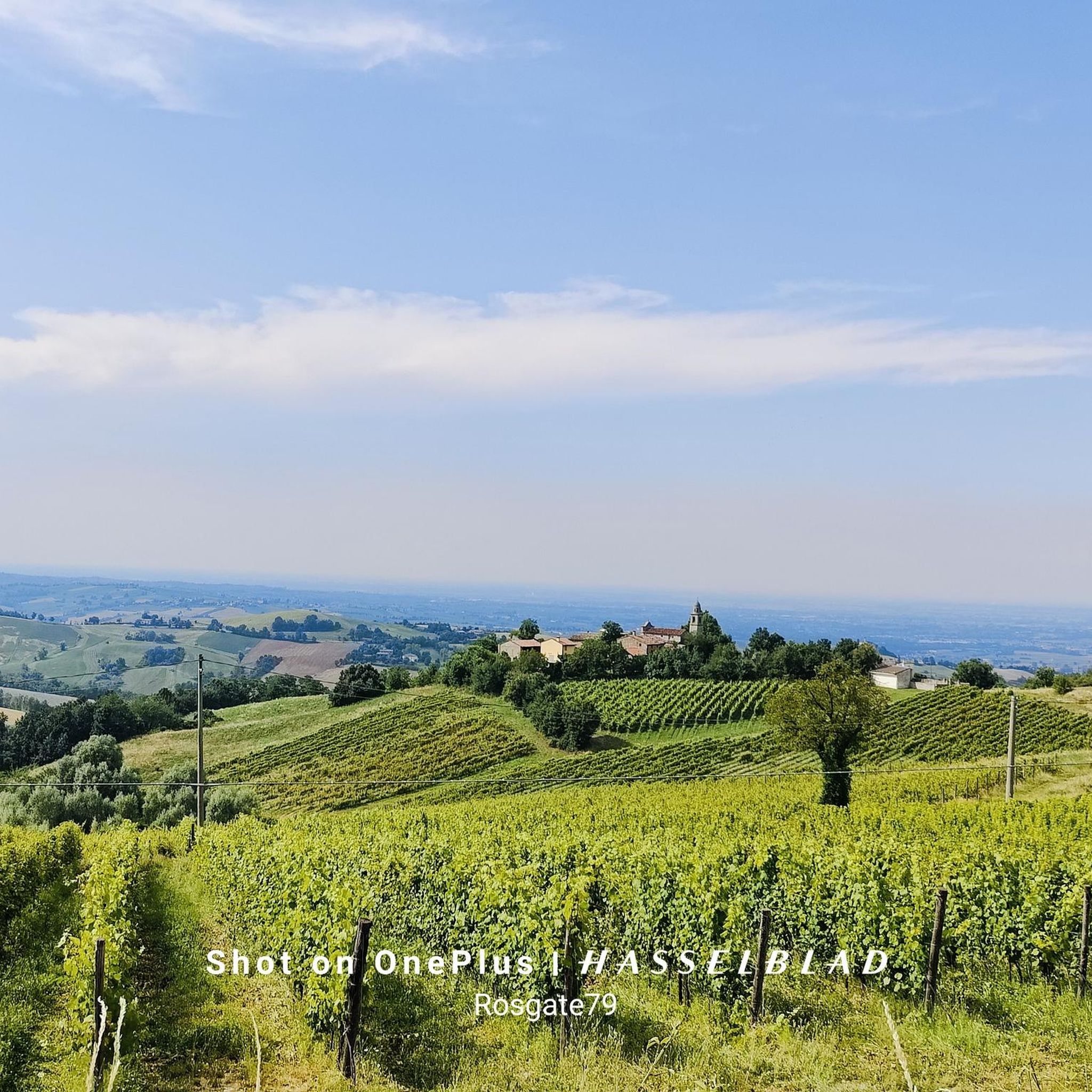
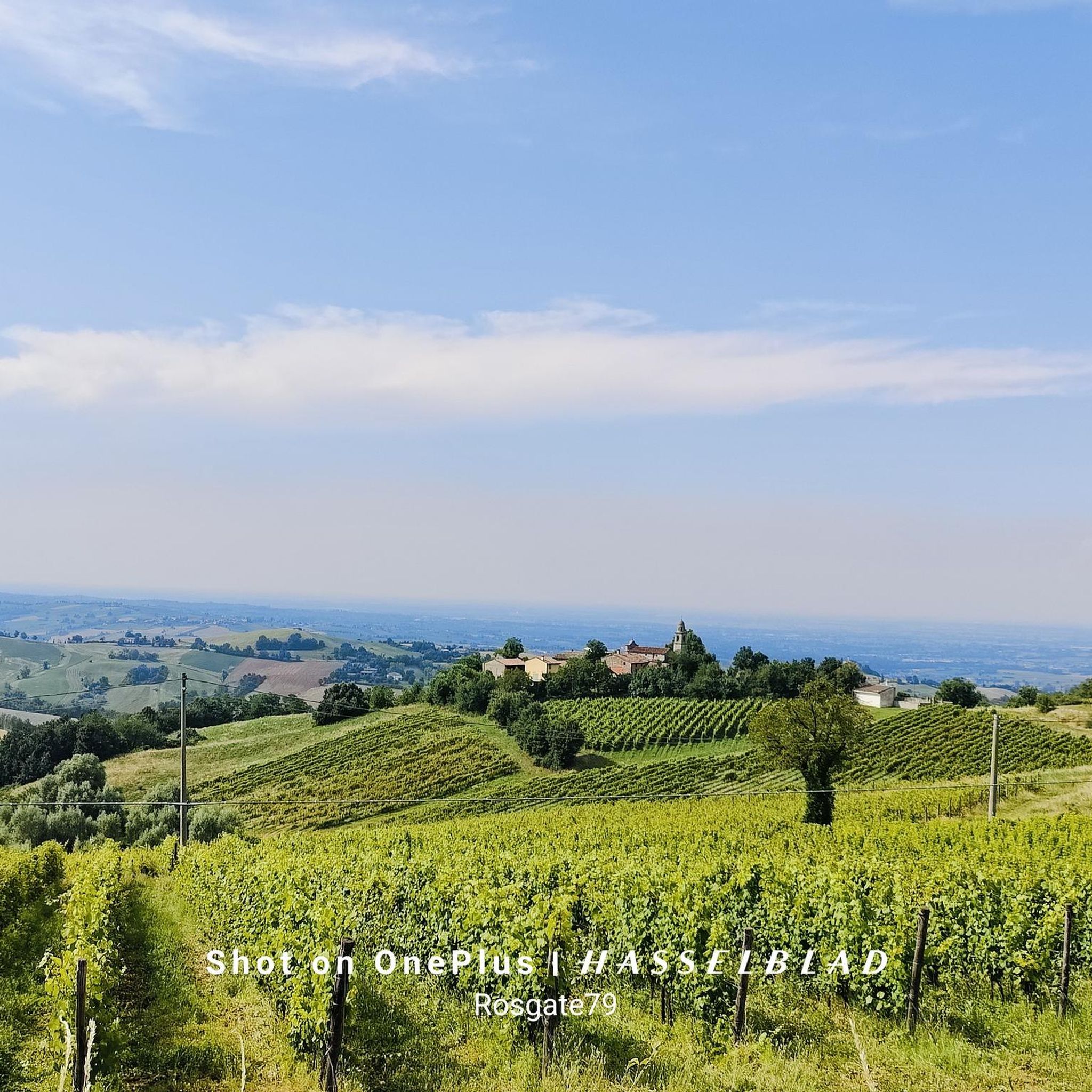
Touring cycling around Pianello Val Tidone offers routes through a landscape characterized by rolling hills and extensive vineyards in the western Piacenza province. The area features a mix of quiet paved roads and dirt paths, providing diverse terrain for cyclists. The Tidone river path, approximately 39 miles (63 km) long, is a notable natural feature suitable for various cycling activities. This region's varied topography includes significant elevation changes, making it suitable for different levels of touring cycling.
Best touring cycling…
Last updated: July 1, 2026
5.0
(3)
98
riders
62.1km
04:08
960m
960m
Hard bike ride. Very good fitness required. Mostly paved surfaces. Suitable for all skill levels.
34
riders
36.9km
03:34
870m
870m
Hard bike ride. Very good fitness required. You may need to push your bike for some segments of this route.

Sign up for free
4.0
(1)
30
riders
78.2km
05:52
1,910m
1,910m
Hard bike ride. Very good fitness required. Mostly paved surfaces. Suitable for all skill levels.
22
riders
56.2km
05:30
1,370m
1,370m
Hard bike ride. Very good fitness required. You may need to push your bike for some segments of this route.
23
riders
Hard bike ride. Very good fitness required. You may need to push your bike for some segments of this route.
Get access to more routes and recommendations from other explorers.
Sign up for free
Already have an account?
Our route recommendations are based on thousands of hikes, rides, and runs completed by other people on komoot.
Start today with a free account
Your next adventure awaits.
Login or Signup

Tips from the Community

It is the best-known restaurant in the pass area.
13
0
The panoramic view from Passo Penice is one of the most beautiful in the Apennines between Val Trebbia and Val Tidone.
15
0

Romantic, suitable for everyone.
0
0
The Ponte Gobbo in Bobbio, also known as the "Devil's Bridge", is a medieval structure 273 meters long with 11 irregular arches, located on the Trebbia River. Legend has it that the Devil built it in one night in exchange for the soul of the first passerby, who was then tricked by Saint Columbanus, who made an animal cross first.
11
0
A classic from Oltrepo Pavese.
11
0
Not too complicated slopes.
22
0

From the eastern side (from Agazzano) it is a long but rideable climb, the side from Travo is harder.
2
0

Hunchback Bridge or Devil's Bridge In the Middle Ages, the construction of a bridge was considered a miraculous feat. For this reason, the construction of such structures gave rise to many legends, often involving the devil: joining two places that God had wanted separated was seen by many as a "diabolical" work. According to an ancient legend, Saint Columbanus, a 7th-century Irish monk, was eager to bring the word of God to the people living on the other bank of the Trebbia River, near the town of Bobbio. The devil promised to build the bridge in a single night, in exchange for the first mortal soul to cross it. The saint accepted. That night, the devil summoned several little devils who assisted him in the construction work, holding up the bridge's arches. The demons were of different heights, and thus the various arches of the bridge were of varying sizes. In the morning, the devil stationed himself at the end of the bridge to demand his payment. But Saint Columbanus outwitted him by having his poor, suffering and very sick dog (some say it was a bear) cross the bridge instead of a man. The enraged devil returned to hell, but not before kicking his handiwork, which has been crooked ever since. It is said that the footprints of the unfortunate animal that served as a guinea pig still remain in the crypt of the Church of Saint Columbanus. The Hunchback Bridge, also known as the Ponte Vecchio or, more precisely, the Devil's Bridge, is a Roman structure that has undergone numerous renovations over the centuries. The structure above dates back to the 7th century, but traces of an older bridge, dating back to before Columbanus' arrival, have been found underneath. The bridge, characterized by its undulating shape, irregular arches, and relatively narrow carriageway, is 280 meters long and connects the two banks of the river through a complicated succession of 11 irregular spans, varying in span and height, creating an undulating path from one end to the other. The Bobbio Bridge, now used only as a pedestrian crossing, is the very symbol of the city of San Colombano, as well as one of the strangest and most original architectural structures in Italy. Source: Emilia-Romagna Region
1
0
Frequently Asked Questions
How many touring cycling routes are available in Pianello Val Tidone?
Pianello Val Tidone offers a diverse selection of over 30 touring cycling routes. These routes cater to various preferences, ranging from moderate loops to more challenging climbs through the region's hilly terrain.
What is the best time of year to go touring cycling in Pianello Val Tidone?
The region is known for its 'hilly coolness,' making it a pleasant summer resort for cycling. Autumn is also a popular time, drawing visitors with its vibrant wine production season. Both periods offer excellent conditions to explore the vineyards and scenic landscapes.
What are the typical terrain conditions for touring cycling in Pianello Val Tidone?
The terrain around Pianello Val Tidone is characterized by a hilly landscape with extensive vineyards. You'll find a mix of quiet paved roads suitable for road cycling and numerous dirt roads and paths ideal for gravel biking. The Tidone path, running along the river, also offers varied surfaces.
What is the general difficulty level of touring cycling routes in Pianello Val Tidone?
The touring cycling routes in Pianello Val Tidone are predominantly challenging, with 24 out of 30 routes classified as difficult. There are also 6 moderate routes available, offering options for different fitness levels. Expect significant elevation changes on many trails.
Are there any challenging climbs for experienced touring cyclists?
Yes, experienced touring cyclists will find several challenging climbs. The region features a mythical climb known as the 'Little Stelvio' Pavese, which gains over 250 meters in altitude over 4 kilometers. Routes like the Penice Pass – Ponte Gobbo loop from Pianello Val Tidone involve substantial ascents, with over 1900 meters of elevation gain.
What historical sites can I explore while touring cycling in Val Tidone?
The Val Tidone region is rich in history. While cycling, you can encounter numerous castles and ancient fortifications. Notable sites include the Rocca dal Verme in Pianello Val Tidone, which houses the Archaeological Museum, the historic Church of S. Maurizio, and the mighty Rocca d'Olgisio in the surrounding area. Many charming stone villages also feature remains of fortifications.
Are there any natural attractions or scenic viewpoints along the cycling routes?
Absolutely. The region is dotted with natural beauty, including extensive vineyards and the scenic Tidone river path. For panoramic views, consider routes that pass by natural monuments and peaks such as Pietra Parcellara or Monte Pillerone Summit Cross. The Triton Pool of Perduca is another unique natural highlight.
Are there any circular touring cycling routes in the area?
Yes, many of the touring cycling routes in Pianello Val Tidone are designed as loops, allowing you to start and finish in the same location. Examples include the Molato Dam – Lago di Trebecco loop from Pianello Val Tidone and the Passo Ca' del Diavolo – Molato Dam loop from Pianello Val Tidone.
Can I find routes suitable for gravel biking in Pianello Val Tidone?
Yes, Pianello Val Tidone is well-suited for gravel biking. The region offers a mix of quiet paved roads and numerous dirt roads and paths, providing a '360-degree cycling experience' that includes excellent options for gravel enthusiasts. The 63 km Tidone path is particularly popular for gravel and mountain biking.
What do other touring cyclists enjoy the most about touring cycling in Pianello Val Tidone?
The area is highly rated by the komoot community, with an average score of 4.4 stars from over 10 reviews. Reviewers often praise the diverse terrain, the picturesque vineyards, and the challenging climbs that offer rewarding panoramic views of the surrounding valleys and historical sites.
Are there any family-friendly touring cycling routes in Pianello Val Tidone?
While many routes in the region are classified as difficult, the Tidone path, which runs along the Tidone river, offers sections that can be more suitable for families looking for a less strenuous ride. It's a great option for a more relaxed cycling experience away from the challenging hills.
Where are good starting points for touring cycling routes in Pianello Val Tidone?
Many routes, such as the Molato Dam – Lago di Trebecco loop, typically start directly from Pianello Val Tidone itself. This allows for convenient access to the varied terrain, whether you're heading towards the Molato Dam, the Tidone river, or into the surrounding hills.
Most popular routes around Pianello Val Tidone
Most popular attractions around Pianello Val Tidone

Get inspired with the komoot mobile app


Explore more
Browse the best Cycling routes in other regions.
