Attractions and Places To See around Castagnito - Top 20
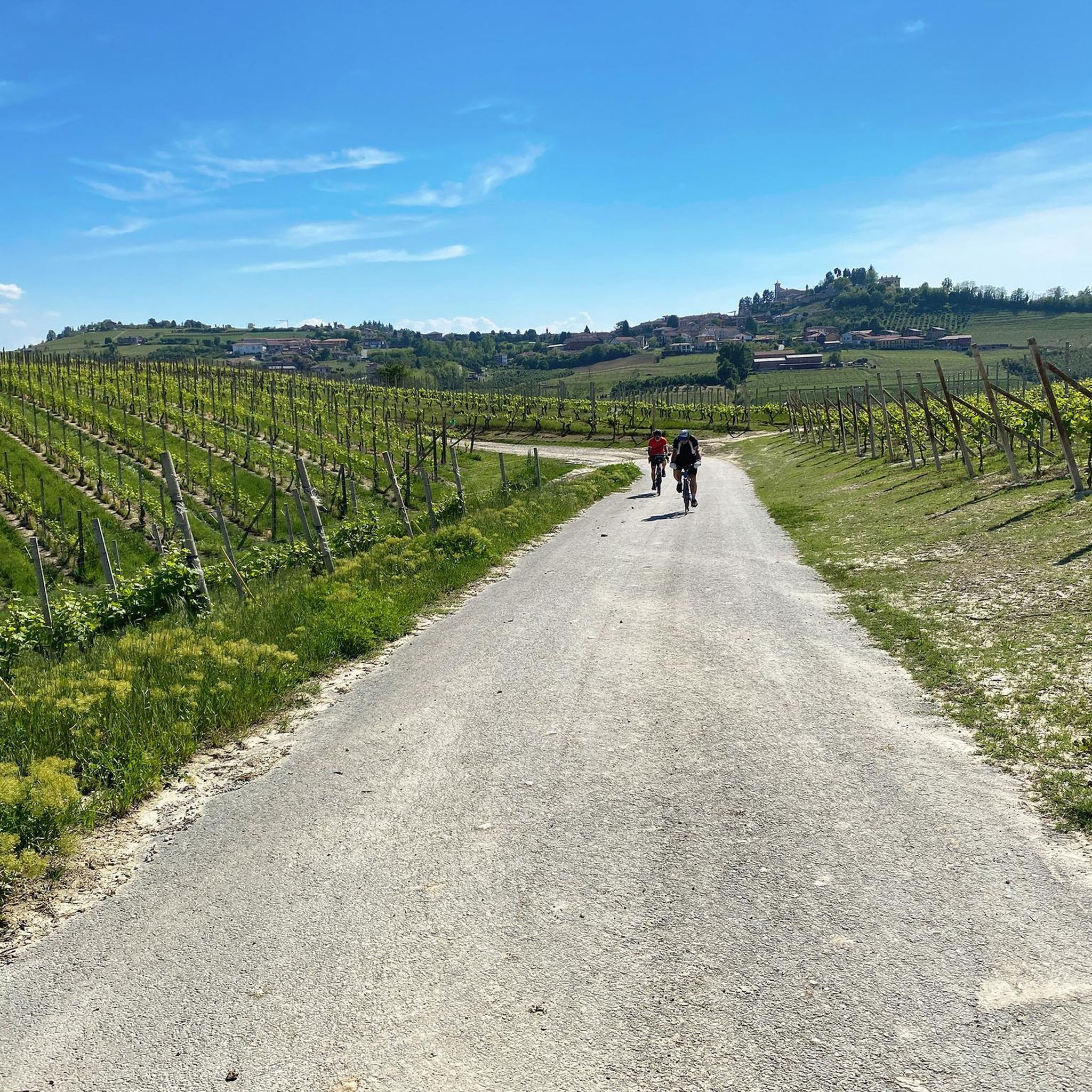
Best attractions and places to see around Castagnito include a blend of historical sites and natural landscapes. This commune is located in the Piedmont region of Italy, nestled on hills to the left of the Tanaro river. It features diverse terrain, from plains to rolling hills, known for wine and fruit production. Castagnito is part of the renowned Langhe and Roero area, offering cultural and scenic points of interest.
Best attractions and places to see around Castagnito
- The most popular…
Last updated: August 16, 2026
Barbaresco Tower
Highlight • Monument
Translated by Google •
Tip by

Historic Center of Alba
Highlight • Historical Site
Translated by Google •
Tip by

Sign up now to discover places like this
Get recommendations on the best single tracks, peaks, & plenty of other exciting outdoor places.
Sign up for free
San Martino Alfieri Castle
Highlight • Castle
Translated by Google •
Tip by

Castello di Roddi
Highlight • Castle
Translated by Google •
Tip by

Costigliole d'Asti Castle
Highlight • Castle
Translated by Google •
Tip by

Sign up for free to discover even more attractions around Castagnito.
Sign up for free
Already have an account?
Start today with a free account
Your next adventure awaits.
Login or Signup

Tips from the Community

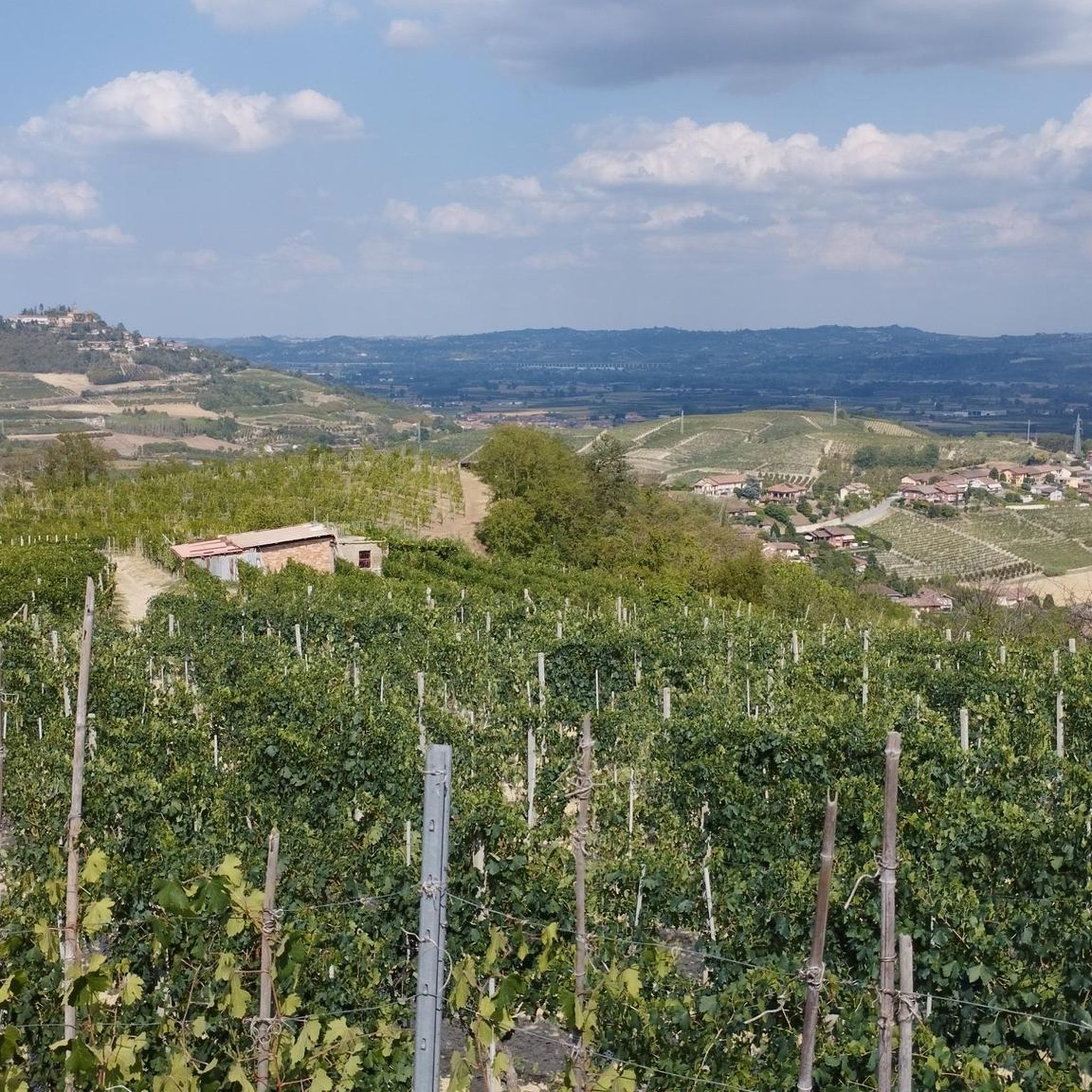
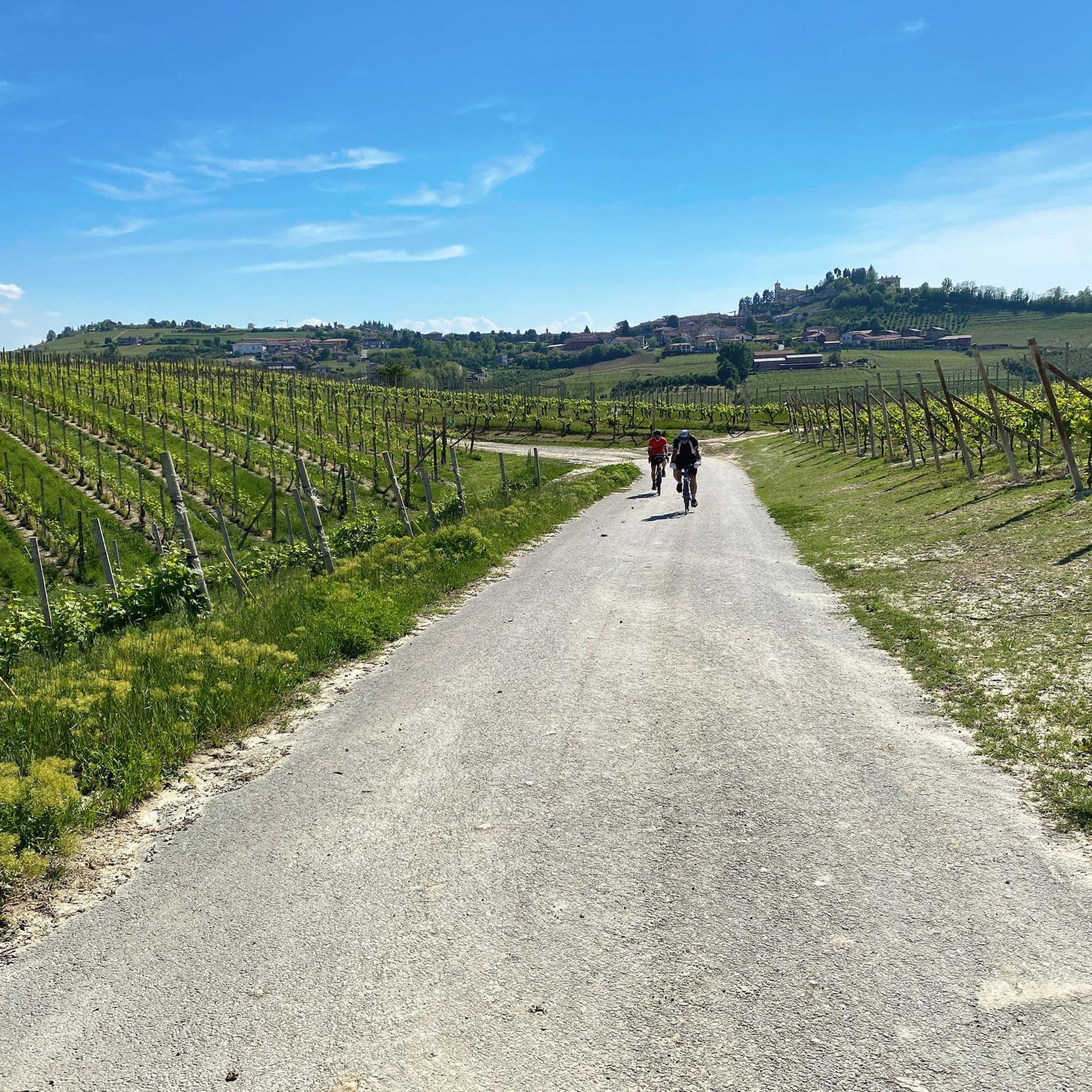
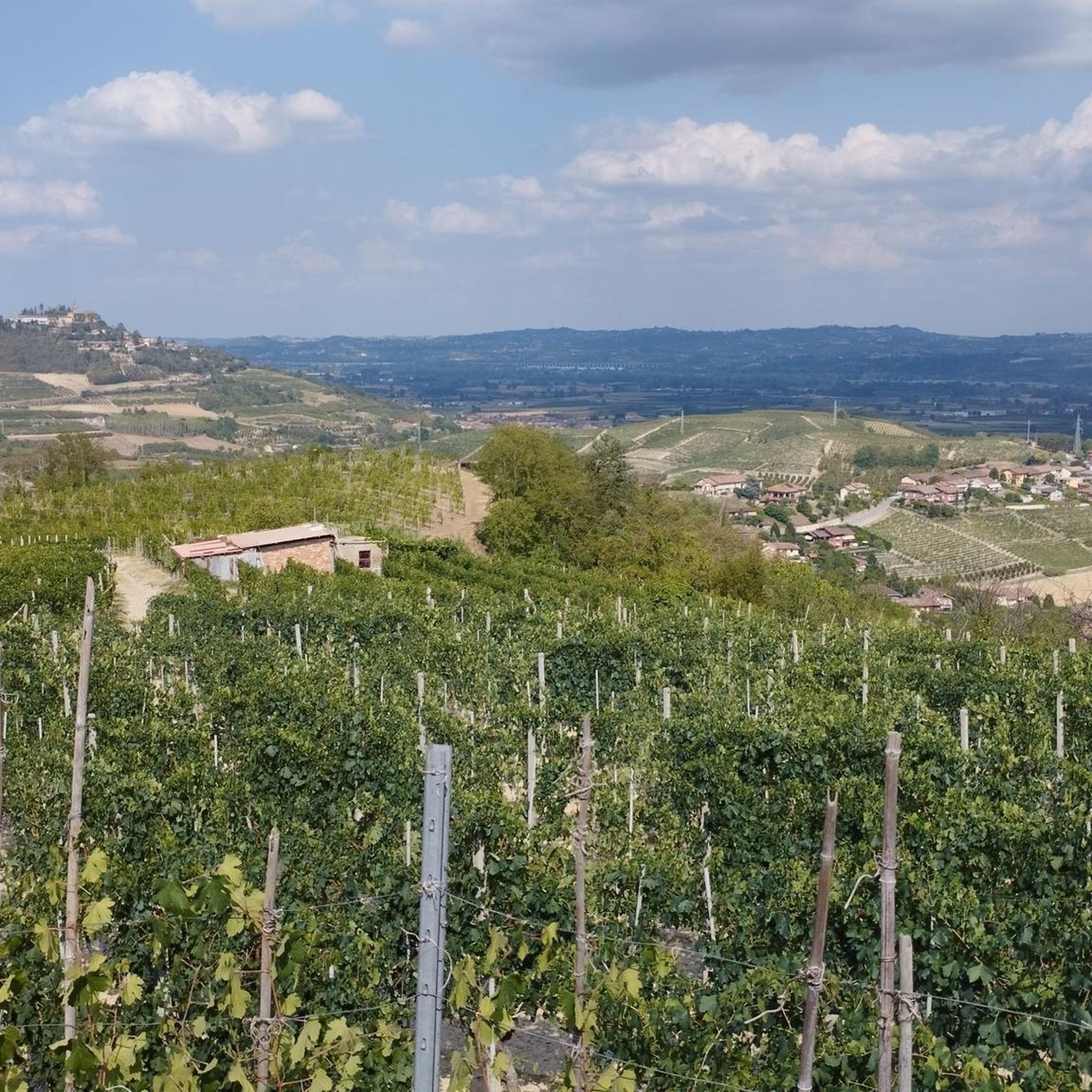
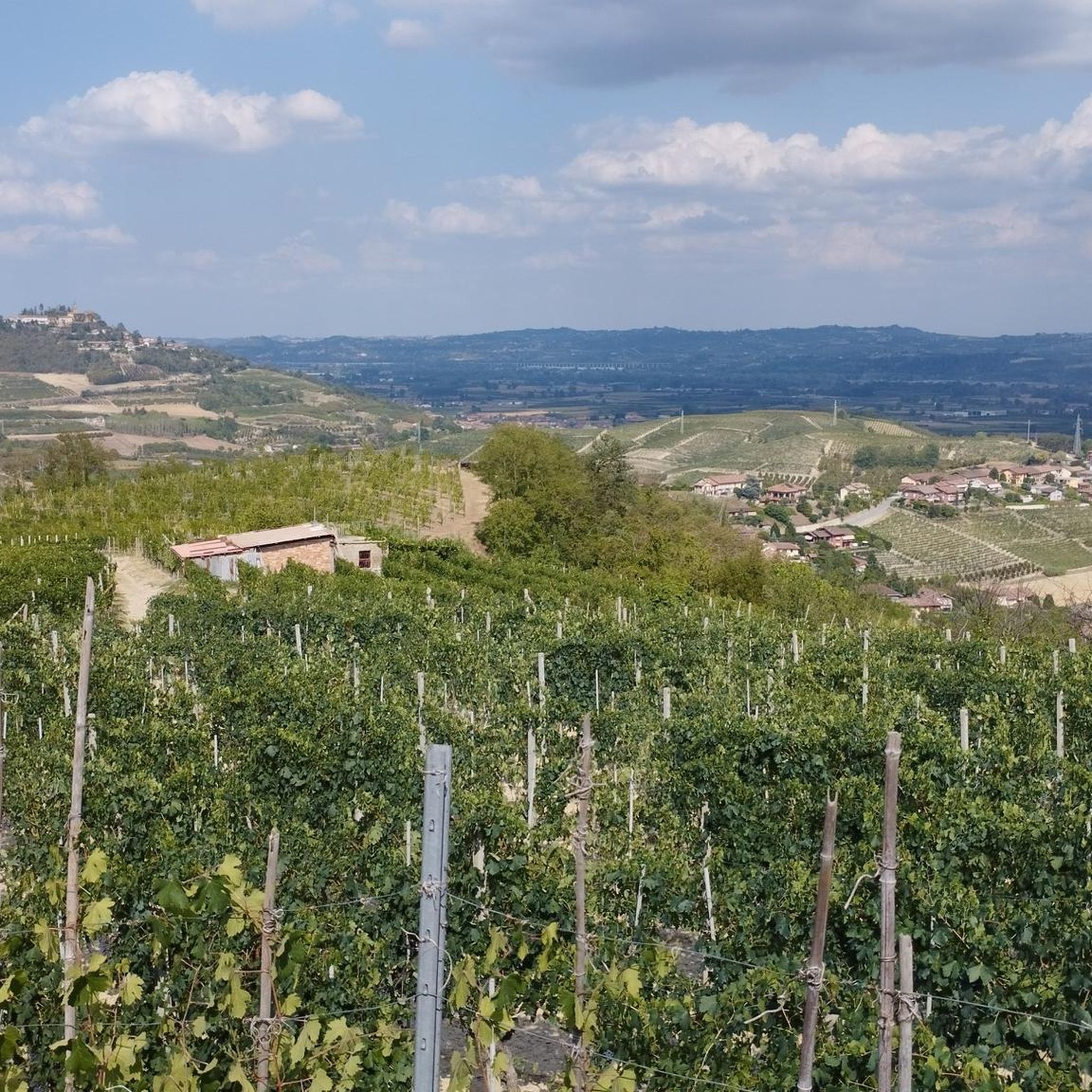
Located in the heart of the Langhe, the Borgo e Castello di Roddi is one of the area's most charming destinations. The perfectly preserved village offers picturesque streets and panoramic views that reveal the region's medieval history. The castle dominates the hilltop and offers spectacular views of the surrounding vineyards. Strolling within Roddi's walls immerses you in an atmosphere of times gone by, amidst the scents of wine and tradition. I recommend visiting the castle during one of the local events, when the village comes alive with cultural events and traditional tastings. The route is easily accessible for those who enjoy walking or cycling, and is an unmissable stop for those who want to experience the true essence of the Langhe.
0
1

A beautiful castle complex and two churches, set against a panoramic backdrop of the Asti hills.
0
0

It rises in Astesana, in the tourist area called "Le Colline dei Fiumi", on the watershed of the Tanaro and Borbore rivers, controlling the important ridge line that connected Asti to Roero.
0
0

The small town of Barbaresco is famous for being the place of origin of the wine of the same name. The municipality is part of the Langhe, Roero and Monferrato area, which has been part of the UNESCO heritage since 2014.
3
0

Imposing structure with internal courtyard with panoramic view
2
0

The cathedral of San Lorenzo, commonly called the Cathedral of Alba, takes on the role of the main place of worship within the town of Alba, which also enjoys the nickname of "capital of the Langhe". On the occasion of a visit to the Piedmontese hills, recognized as a UNESCO heritage site, I highly recommend you contemplate the magnificence of this building. The streets and this square host important events, and a starred restaurant lends itself to delight your palate, offering an experience steeped in the historical and traditional essence of Piedmont. On the façade of the cathedral you will be able to spot the bas-reliefs of the symbols of the four evangelists that make up the initials of the city (angel, lion, ox, eagle).
4
0
The castle, configured in a single and imposing square volume, reveals evident architectural stylistic differences, originating from the layout choices undertaken in the 17th century by the legitimate owners. Starting from 1625, the Asinari nobles shared the rank of "counts of Costigliole" with the noble Verasis family. This complex was therefore divided between two feudal lords, who, with autonomous determination, gave rise to transformations and embellishments on subjective bases. The northern part of the manor, pertaining to the Asinari, retains the appearance derived from the interventions of the second half of the eighteenth century, duly inspired by the architectural canons propagated by Benedetto Alfieri. At the same time, the external aspect of the southern part, pertaining to the Verasis, constitutes an interesting example of neo-medieval stylistic re-proposition, dating back to the first decades of the 19th century.
5
0

Country junction of several roads and therefore crucial for many of my tours in the area. From here you can reach Motta di Costigliole, Govone, San Damiano, Antignano and Celle Enomondo.
0
0
Frequently Asked Questions
What historical and cultural sites are there to visit directly in Castagnito?
Castagnito offers several significant historical and cultural sites. You can explore the Parish Church of San Giovanni Battista, built in 1674 and housing a precious painting by Moncalvo. Nearby is the Church of Santo Spirito, also known as the Baroque Brotherhood of 'Disciplinanti', founded in 1708. Don't miss the unique, circular Church of San Bernardo, an 18th-century Baroque structure, or the rural 18th-century small church near San Giuseppe, also with a circular plan and elegant Baroque pronaos.
Where can I find panoramic viewpoints around Castagnito?
For breathtaking views, head to Castelverde. Once the site of a medieval fortress, this hilltop now serves as a magnificent panoramic viewpoint, perfect for enjoying the surrounding landscape of the Roero hills and the Tanaro River. The Barbaresco Tower also offers stunning views from its 30-meter high roof terrace, overlooking vineyards and the UNESCO heritage area.
Are there opportunities for wine tasting or vineyard visits near Castagnito?
Absolutely. The region around Castagnito is renowned for its excellent wines, particularly Nebbiolo for Roero and Arneis. The local terrain is ideal for grape growing. You can explore numerous wine producers in and around Castagnito, such as Patrunèt, PQlin, and Cascina Torniero, to experience the distinct full-bodied character of the local wines.
What outdoor activities, like hiking or cycling, are available near Castagnito?
The area around Castagnito is excellent for outdoor enthusiasts. For hiking, consider the 'Sentiero dell'Acino' (Trail of the Grape), which takes you through vineyards and offers views of Castagnito and the surrounding hills. You can find more hiking routes in the Hiking around Castagnito guide. Cyclists can enjoy routes like 'By bicycle from Monticello to Bra' or explore options in the Road Cycling Routes around Castagnito guide or MTB Trails around Castagnito guide.
What are some family-friendly attractions in the Castagnito area?
Many attractions in the Castagnito area are suitable for families. The Historic Center of Alba is a great place to explore with its charming streets and historical significance. Castles like Castello di Roddi, known for its 'university for truffle dogs', and the Barbaresco Tower, with its elevator to a panoramic roof terrace, also offer engaging experiences for all ages.
What is the best time of year to visit Castagnito and the surrounding Langhe and Roero region?
The Langhe and Roero region, including Castagnito, is beautiful throughout much of the year. Autumn (October to December) is particularly popular due to the famous Truffle Fair in Alba and the vibrant colors of the vineyards. Spring and early summer also offer pleasant weather for outdoor activities and enjoying the lush landscapes.
Are there any unique or lesser-known attractions near Castagnito?
Beyond the main highlights, the region holds unique charm. The small, circular Church of San Bernardo in Castagnito, with its elegant Baroque lines and slightly leaning structure, offers a distinctive architectural sight. Additionally, exploring the numerous local wineries provides a more intimate experience of the region's renowned viticulture.
What makes the Langhe, Roero, and Monferrato area, where Castagnito is located, special?
Castagnito is nestled within the UNESCO World Heritage area of Langhe, Roero, and Monferrato. This region is celebrated for its exceptional wine production, particularly Barolo and Barbaresco, its picturesque hilly landscapes, and its rich culinary traditions, including the famous white truffles. It's a blend of natural beauty, historical significance, and gastronomic excellence.
Can I visit any castles near Castagnito?
Yes, the area is dotted with impressive castles. You can visit Castello di Roddi, an ancient Celtic castle known for its 'university for truffle dogs'. Other notable castles include San Martino Alfieri Castle, a baroque summer residence, and Costigliole d'Asti Castle, a grand quadrangular fortress with a rich history.
What are the main natural features that define the landscape around Castagnito?
Castagnito's landscape is characterized by the rolling Hills of Roero, which extend to the Tanaro River, separating it from the Langhe region. These fertile hills are famous for their vineyards and fruit production, particularly peaches and pears. The diverse environment includes both plains and picturesque hilly areas, offering a varied and scenic backdrop for exploration.
Is the Barbaresco Tower accessible for visitors with mobility considerations?
Yes, the Barbaresco Tower is considered wheelchair accessible. An elevator takes visitors 30 meters high to a spacious roof terrace, allowing everyone to enjoy the beautiful panoramic views of the surrounding vineyards and the UNESCO heritage area.
Most popular routes around Castagnito
Most popular attractions around Castagnito

Get inspired with the komoot mobile app


Explore more
Still not found the Highlight you’re looking for? See guides of the top attractions in other regions:
