Top 18 Natural Monuments around Corneliano D'Alba
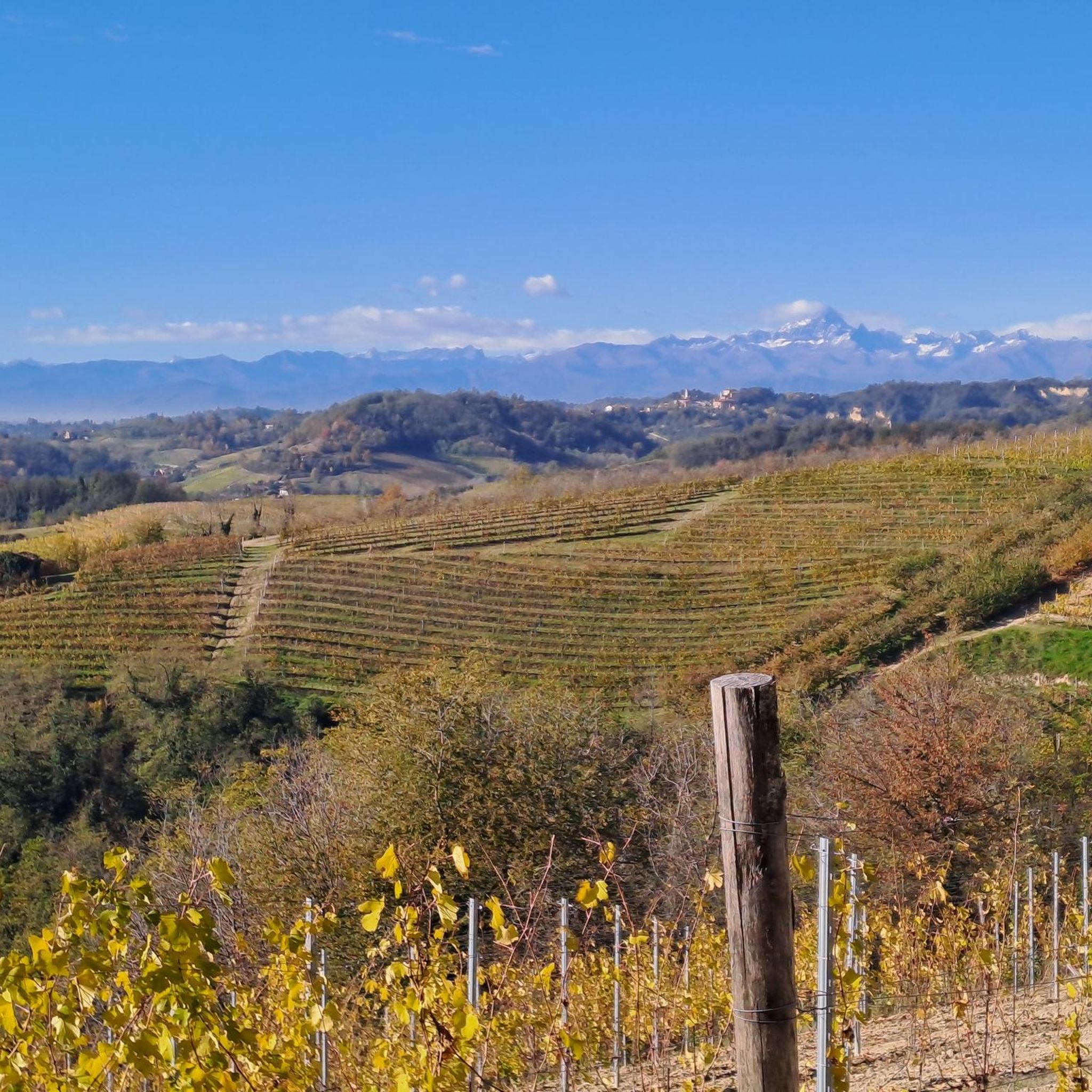
Best natural monuments around Corneliano D'Alba are primarily found within the Rocche del Roero, a significant geological formation in Italy's Piedmont region. This area is characterized by deep chasms, ravines, and picturesque gullies that cut through sandy hills, creating a distinctive landscape. The Rocche del Roero extend for about 35 kilometers, offering a striking contrast of steep sandy cliffs and lush woodlands. These formations provide diverse microclimates and ecosystems, supporting varied flora and fauna.
Best natural monuments around Corneliano D'Alba
…Last updated: August 19, 2026
La Castagna Granda
Highlight • Natural Monument
Translated by Google •
Tip by

Rocche of the Seven Brothers
Highlight (Segment) • Gorge
Translated by Google •
Tip by

Sign up now to discover places like this
Get recommendations on the best single tracks, peaks, & plenty of other exciting outdoor places.
Sign up for free
Cedar of Lebanon in the Langhe
Highlight • Natural Monument
Translated by Google •
Tip by

Sanctuary of the Piloni of Montà
Highlight • Religious Site
Translated by Google •
Tip by
Castagna Granda Monumental Chestnut Tree
Highlight • Natural Monument
Translated by Google •
Tip by

Sign up for free to discover even more natural monuments around Corneliano D'Alba.
Sign up for free
Already have an account?
Start today with a free account
Your next adventure awaits.
Login or Signup

Tips from the Community

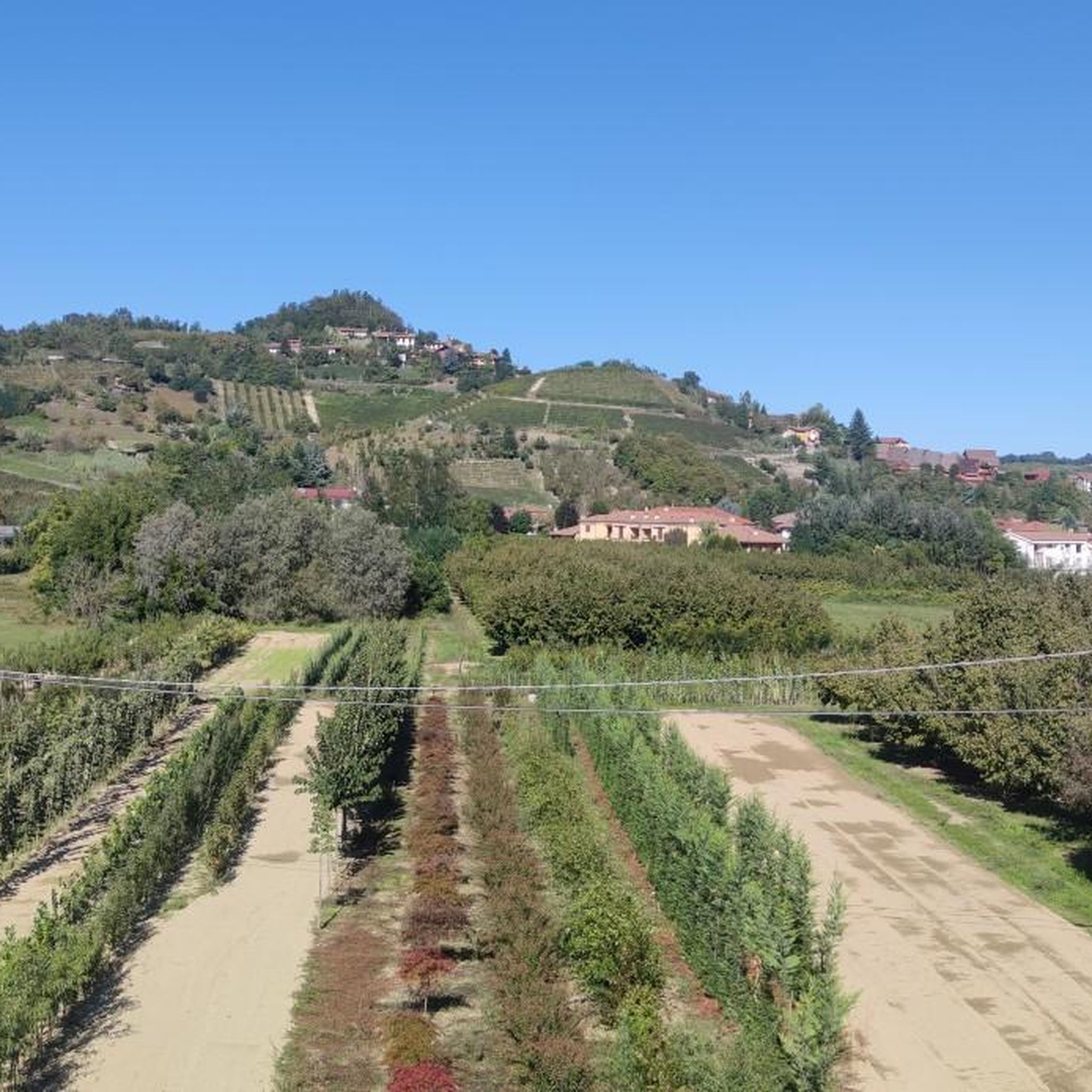
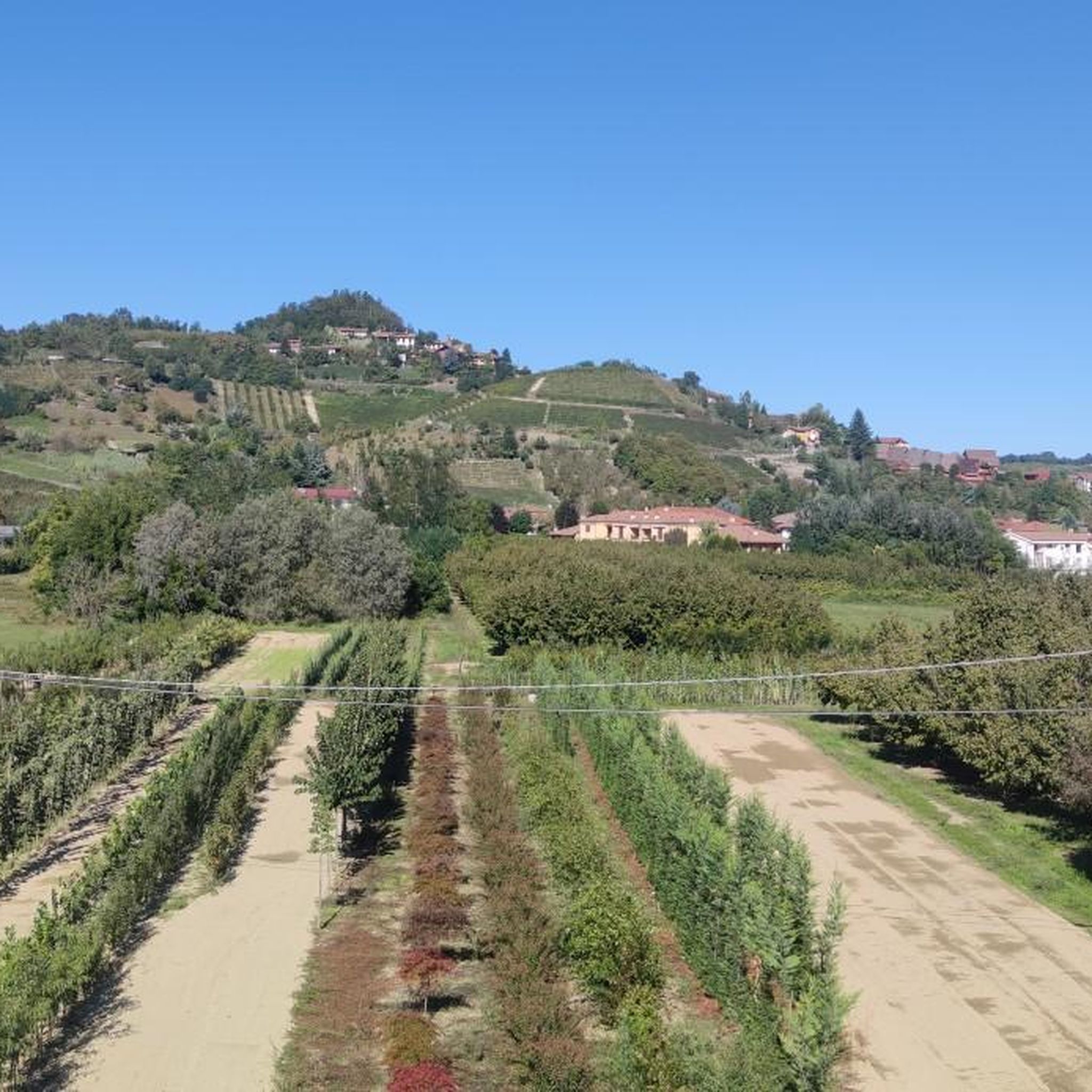
This trail has two entrances and a slight elevation gain. If you arrive in San Grato and drive up, the hike takes just over an hour, and the chestnut tree is located along the way and is clearly visible.
0
0

The most famous tree of the Langhe
0
0

On the Castagna Granda Path, we find the protagonist, that is, this imposing centuries-old chestnut tree
3
0

pity it can not be visited because it is located on a private property
0
2

Stunning path that crosses a centuries-old chestnut farm with the monumental Castagna Granda at its heart
1
1
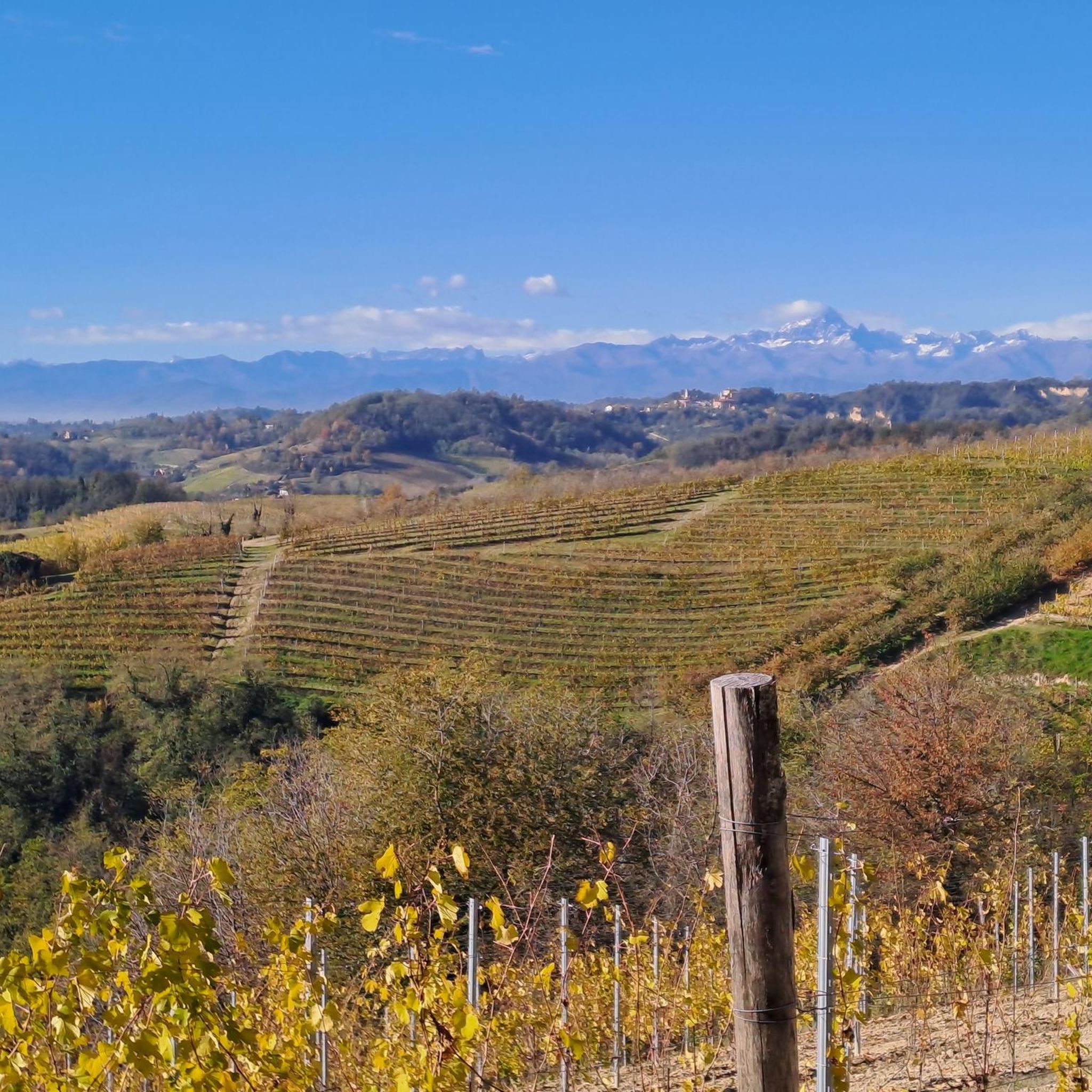
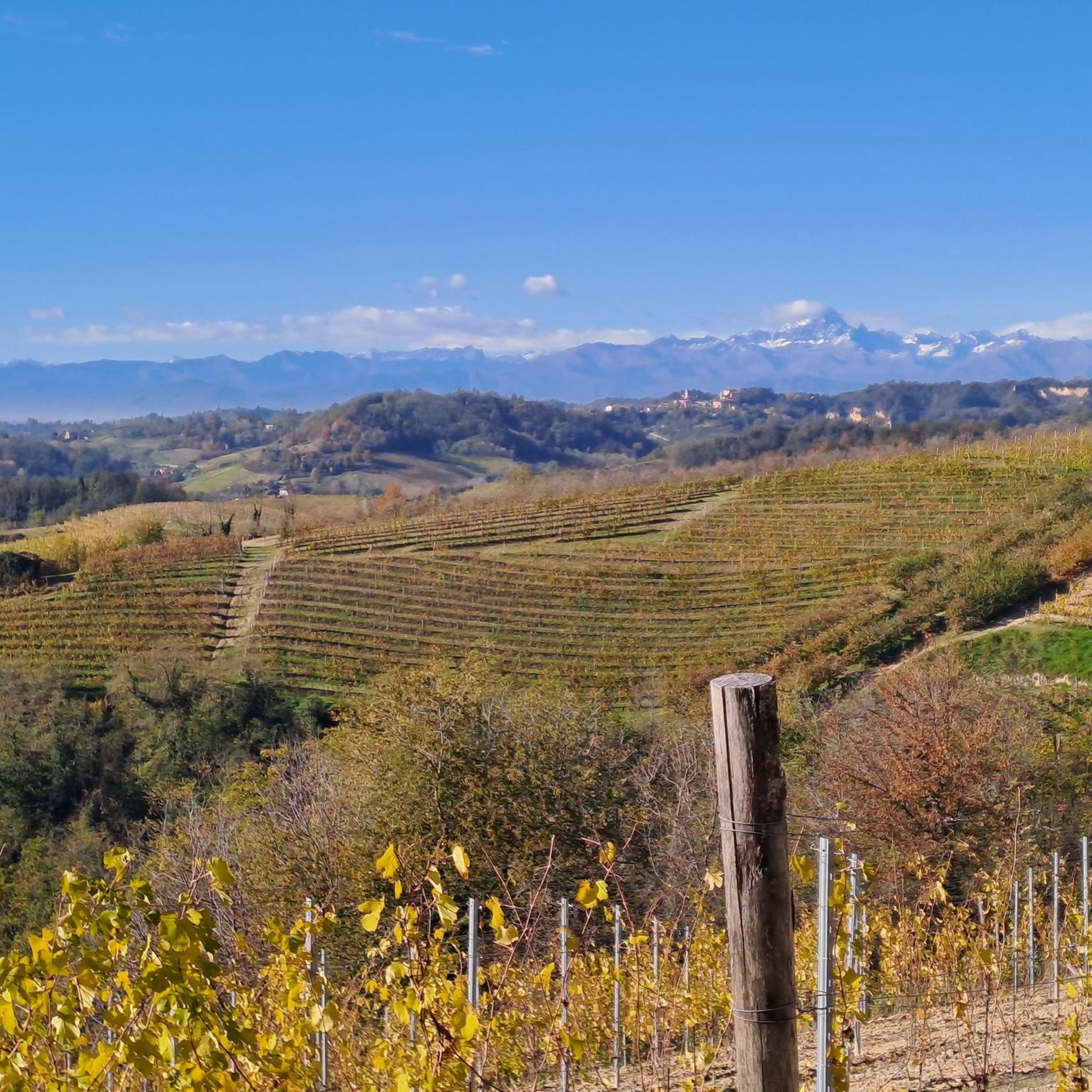
The cedar of Lebanon is one of the most visited places in the Lamorresi Langhe. Unfortunately there is no longer the possibility of access near the tree because the adjacent area has been fenced off.
1
0

Shrine of great beauty. Peace and tranquility reign throughout the area where you can walk and cycle peacefully without the stress of traffic. Outside the Sanctuary there are: a monumental cross, a car park and a picnic area.
1
0
The tree gives its name to the path, of the Castagna Granda, and is a reference point for those who walk in the area. Really beautiful and impressive. The immersion in nature is total.
1
0
Frequently Asked Questions
What are the main natural features to explore around Corneliano D'Alba?
The primary natural feature is the Rocche del Roero, a distinctive geological formation characterized by deep chasms, ravines, and picturesque gullies. This area, often called Piedmont's "Grand Canyon," features dramatic sandy cliffs and pinnacles emerging from lush woodlands, creating a unique and varied landscape.
Are there any specific natural monuments worth visiting near Corneliano D'Alba?
Yes, several notable natural monuments are appreciated by visitors. These include the imposing centuries-old chestnut tree, La Castagna Granda, and the famous Cedar of Lebanon in the Langhe. You can also explore the dramatic badlands of the Rocche of the Seven Brothers.
What makes the Rocche del Roero unique from a geological perspective?
The Rocche del Roero were formed around 250,000 years ago due to the diversion of the Tanaro River, which caused other rivers to cut deep into the sandy soils. This erosion created the distinctive ravines and gullies. The area was once covered by the sea, and it's still possible to find fossils of fish and shells within the sandy walls, offering a glimpse into its ancient past.
Are there hiking trails to explore the natural monuments around Corneliano D'Alba?
Yes, the Rocche del Roero offer an extensive network of over 300 km of marked trails, including the 40 km "Gran Sentiero del Roero" (S-1). These paths allow you to explore chestnut woods, vineyards, and the dramatic geological formations. For more hiking options, check out the Hiking around Corneliano D'Alba guide.
What kind of outdoor activities can I do in the Rocche del Roero area?
Beyond hiking and trekking, the region is excellent for cycling. You can find numerous routes for mountain biking and road cycling. Explore options in the Gravel biking around Corneliano D'Alba and Road Cycling Routes around Corneliano D'Alba guides.
Are there family-friendly natural monuments or trails suitable for children?
Absolutely. The path to La Castagna Granda is considered easy and suitable for families. The Cedar of Lebanon in the Langhe is also a popular and accessible spot. Additionally, the Sanctuary of the Piloni of Montà offers a peaceful area with a picnic spot, ideal for a family outing.
What are the difficulty levels of hiking trails in the Rocche del Roero?
The trails vary in difficulty. Some, like the Castagna Granda Path, are easy and accessible. Others, such as the circumnavigation of the Rocche of the Seven Brothers, are marked for "escursionisti esperti" (expert hikers) due to steep ascents and descents, especially when wet.
What kind of flora and fauna can I expect to see in the Rocche del Roero?
The Rocche's diverse microclimates support a rich variety of life. You can find willows, ferns, and poplars in humid areas, while pines, junipers, and brooms thrive on higher, sandy walls. Wildlife includes salamanders, frogs, snakes, hedgehogs, squirrels, foxes, and wild boars.
Is there a historical or cultural aspect to the natural monuments in this area?
Yes, the Sanctuary of the Piloni of Montà is a significant site, combining a Romanesque church, a cave, and 13 chapels, offering both natural beauty and historical depth. The Ecomuseo delle Rocche del Roero also actively preserves and promotes the region's heritage, including traditional architecture and local crafts.
What is the best time to visit the natural monuments around Corneliano D'Alba?
The Rocche del Roero are beautiful year-round. Spring and autumn offer pleasant temperatures for hiking and cycling, with vibrant colors. Summer is also popular, though some trails can be exposed to the sun. It's advisable to avoid very wet conditions for challenging trails like the Rocche of the Seven Brothers.
Can I find local products or culinary experiences near the natural monuments?
Absolutely. The Rocche region is renowned for its local delicacies. You can discover excellent local honey, and the unique environment is perfect for the highly prized white truffle. The geological characteristics also influence local wine production, with Roero Arneis DOCG being a notable white wine from the sandy soils.
Are there viewpoints offering panoramic views of the Rocche del Roero?
Yes, many trails and natural monuments, such as the Rocche of the Seven Brothers, offer breathtaking panoramic views of the dramatic landscape. The contrast of steep cliffs and lush woodlands provides spectacular scenery for photographers and nature lovers.
Most popular routes around Corneliano D'Alba
Most popular attractions around Corneliano D'Alba

Get inspired with the komoot mobile app


Explore more
Extend your search for the best caves by checking out these guides of the top ones around Corneliano D'Alba:
