The best cycling routes around Felino
4.4
(61)
1,248
riders
42
rides
Touring cycling around Felino offers diverse routes through varied landscapes, including the Carrega Woods, vineyards, and the Val Baganza river valley. The region features a mix of paved and unpaved surfaces, with routes ranging from gentle rides to challenging ascents into the Apennine Hills. Historical landmarks such as Felino Castle and Castello di Torrechiara are often integrated into these cycling paths. This area provides a rich environment for exploring both natural beauty and cultural heritage by bike.
Best touring cycling…
Last updated: July 2, 2026
4.6
(8)
215
riders
30.2km
02:37
450m
450m
Hard bike ride. Very good fitness required. Mostly paved surfaces. Suitable for all skill levels.
4.1
(7)
102
riders
36.2km
02:12
160m
160m
Moderate bike ride. Good fitness required. Mostly paved surfaces. Suitable for all skill levels.

Sign up for free
5.0
(1)
66
riders
38.9km
02:31
490m
490m
Hard bike ride. Very good fitness required. Mostly paved surfaces. Suitable for all skill levels.
4.3
(4)
57
riders
21.6km
01:33
360m
360m
Moderate bike ride. Good fitness required. Mostly paved surfaces. Suitable for all skill levels.
35
riders
78.4km
04:59
910m
910m
Hard bike ride. Very good fitness required. Mostly paved surfaces. Suitable for all skill levels.
Get access to more routes and recommendations from other explorers.
Sign up for free
Already have an account?
Our route recommendations are based on thousands of hikes, rides, and runs completed by other people on komoot.
Start today with a free account
Your next adventure awaits.
Login or Signup
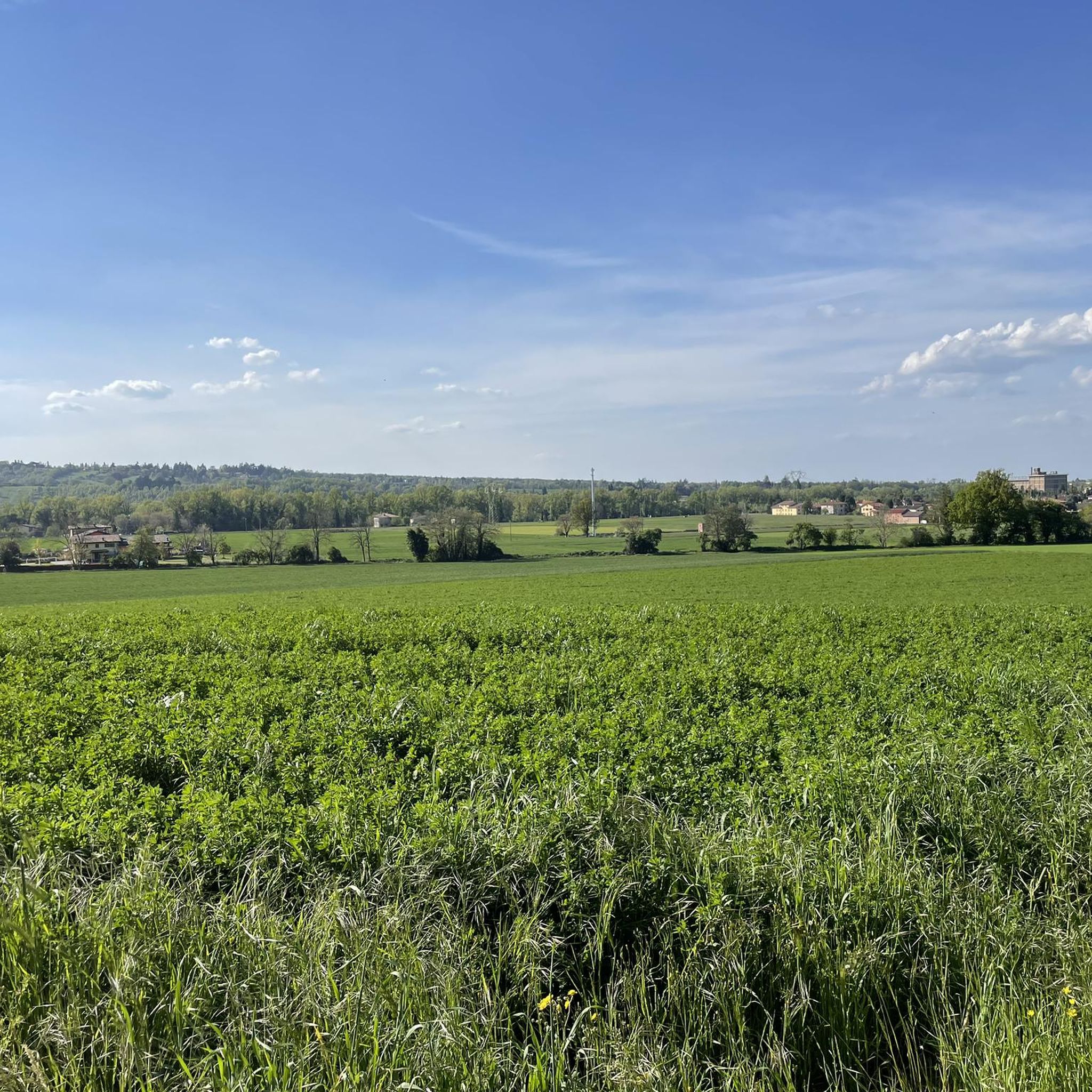
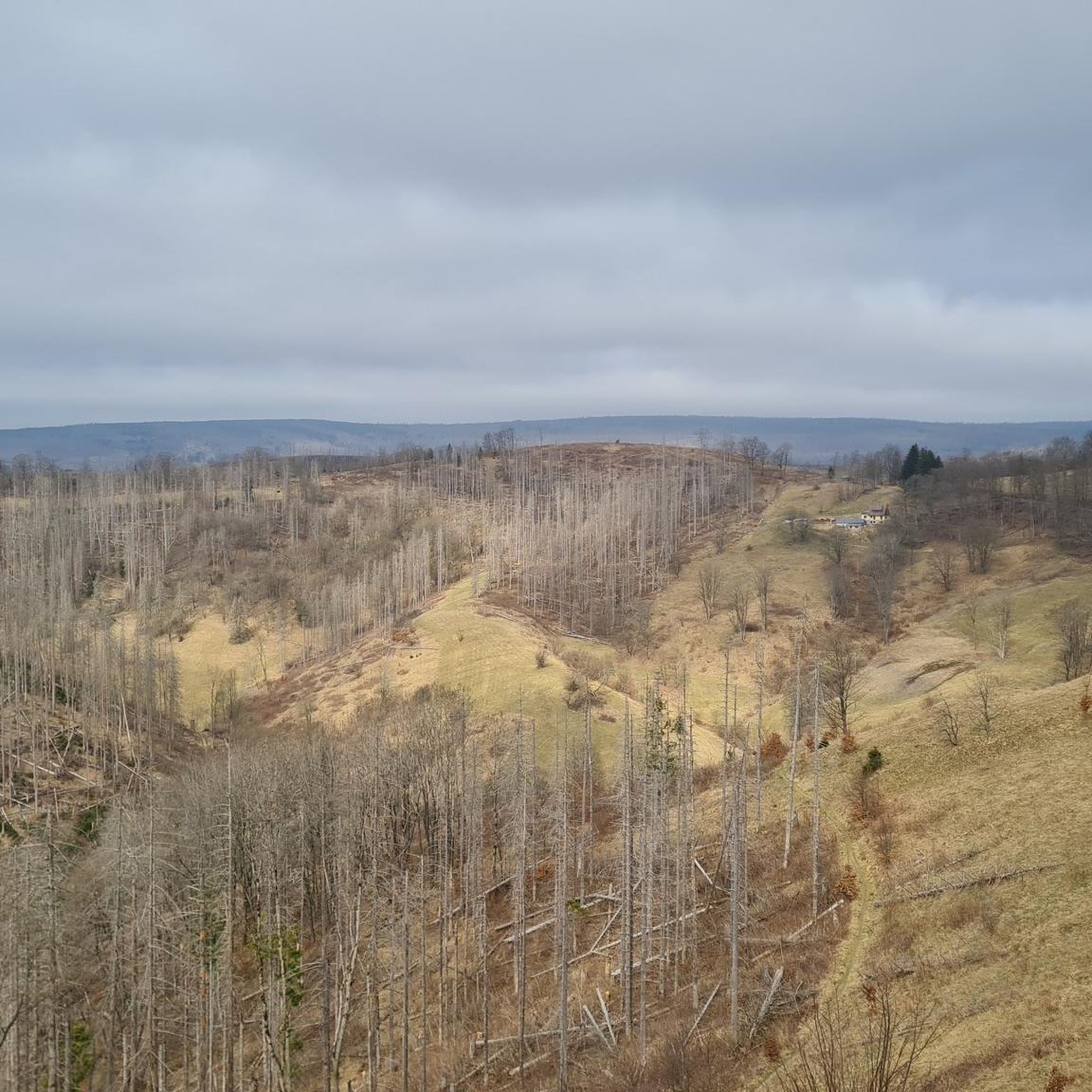
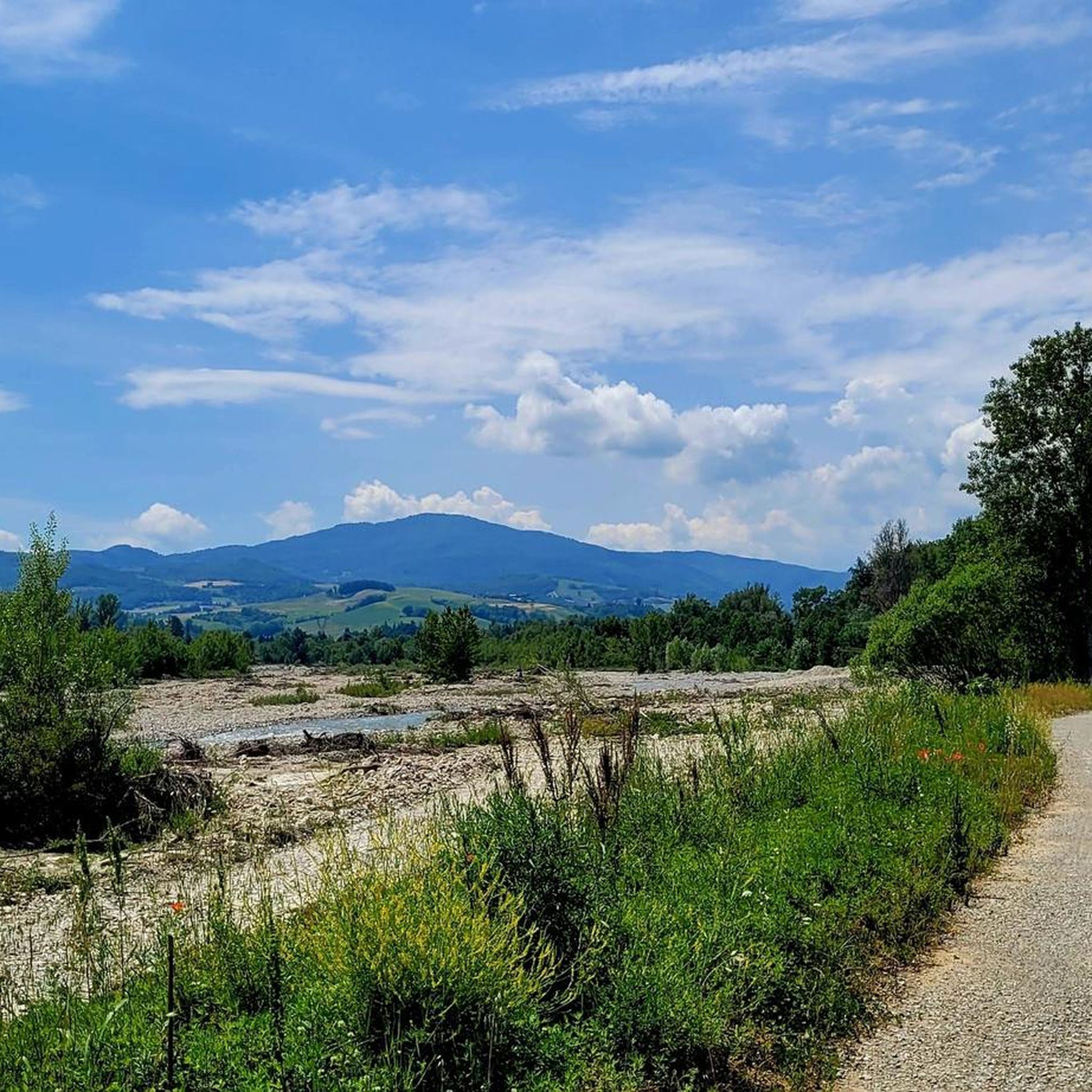
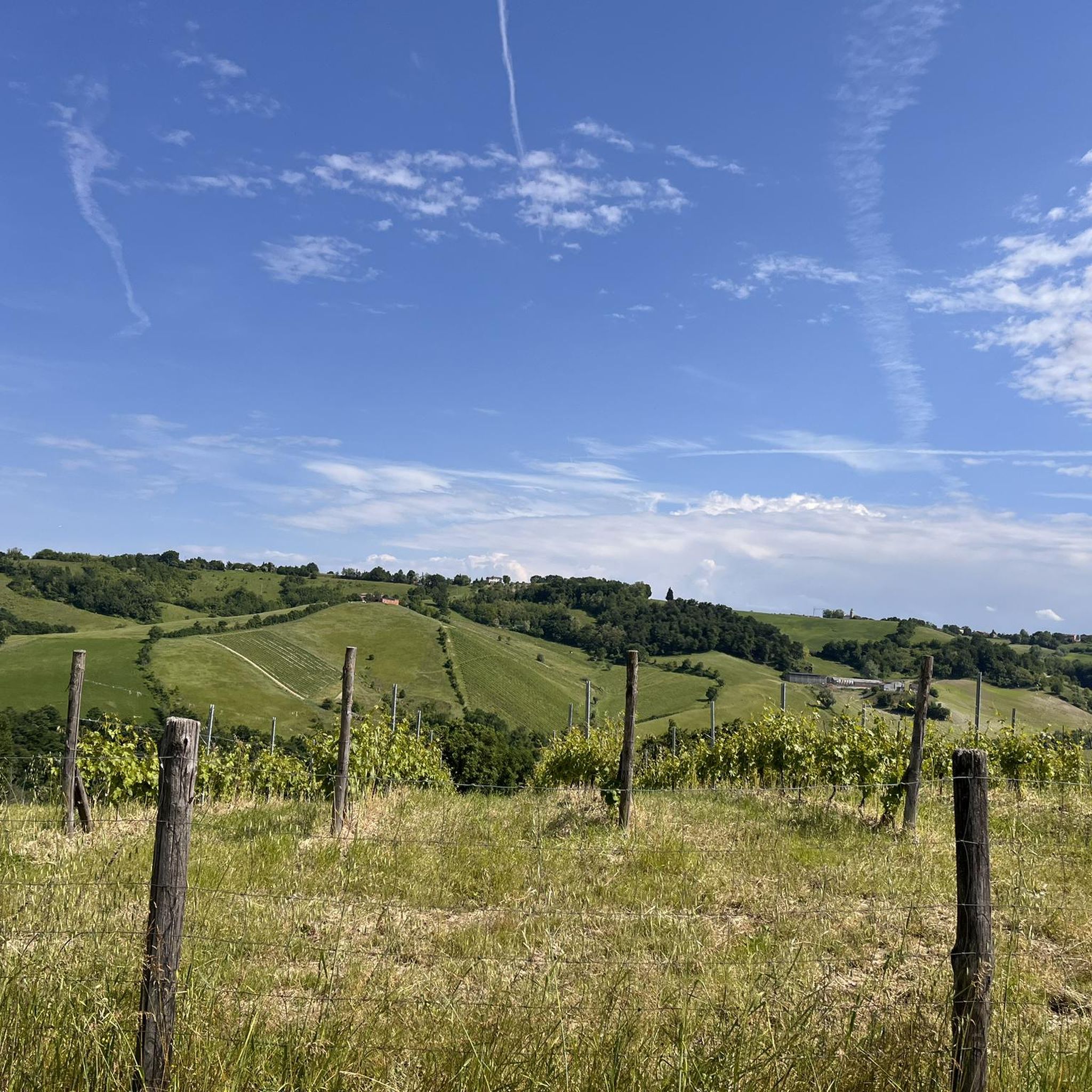
Tips from the Community

During the Appennino bike tour, a short detour is necessary to enter the historic center of the town. But it is absolutely worth it.
2
0

A must-see when passing through Calestano
0
0

Felino Castle is located in the hills between the Parma and Baganza rivers in Emilia, a manor surrounded by a wide, deep moat and defended by imposing bastions. You will enter an elegant and charming atmosphere in the interior rooms and enchanting outdoor spaces, where summer events can be held, illuminated by the vibrant light of torches and the romantic glow of the moon. The main courtyard is accessed via a bridge over a wide moat. The bridge, now fixed but a drawbridge until the 19th century, was the castle's last defense against invaders. The dark bronze door, once opened, reveals a bright, luminous courtyard overlooked by porticoes and galleries that, over time, have replaced the ancient accesses to the patrol walkways. The high walls, defensive towers, and mighty keep are surrounded by a lawn whose position and shape resemble a terrace overlooking the hills and the plains stretching below the castle. Today, after over twenty years of careful restoration, it can be admired in all its splendor. Its nighttime illumination is so evocative and powerful that it can be seen from kilometers away. SOURCE: https://castelliemiliaromagna.it/it/s/felino/6005-castello_di_felino/ HISTORY of the castle and other information; https://it.wikipedia.org/wiki/Castello_di_Felino
0
0
The Governor's Palace is a Baroque and Neoclassical building located on the entire north side of Parma's central Piazza Garibaldi. The palace was originally built on the north side of Piazza Nuova (now Piazza Garibaldi) between 1283 and 1285 as the "Merchants' Palace," following the demolition of pre-existing dwellings. In late Romanesque style, it consisted of two separate buildings, separated in the center by the narrow Borgo di San Marco, which no longer exists. Entirely clad in brick, it rose above a portico on the ground floor and featured two rows of mullioned windows on the first floor; the façade was crowned by battlements at the top. Having lost its original mercantile function, the building soon became the seat of the Captain of the city and, later, of the Governor, the Civil Auditor, and other municipal magistrates. However, its architectural structure remained unchanged for centuries. Following the collapse of the towering Civic Tower on January 27, 1606, which also caused the destruction of the Town Hall, the need arose to renovate the Governor's Palace. Initially, the building was unified by enclosing the Borgo di San Marco with a vault. A tower was erected on top of this vault in 1673, designed by Piacenza engineer Gian Battista Barattieri. This tower assumed the former functions of the destroyed Civic Tower, retaining the original bell known as the "third bell," dating back to 1453, which remained intact over the centuries until it was replaced with a copy in 1998. In 1760, the court architect Ennemond Alexandre Petitot was commissioned to redesign the square; the Governor's Palace was thus renovated in elegant neoclassical style, with the addition of typical decorative elements. The central niche was also opened to house the statue of the Crowned Virgin, sculpted by Jean-Baptiste Boudard. In 1829, Duchess Maria Luigia commissioned Lorenzo Ferrari and Luigi Pazzoni to create the large sundials on the façade. In the 1920s, the interior and rear of the building underwent a major renovation in the Rationalist style, which preserved only some of the original interior decorations. The entire building, home to several municipal offices until the end of the 20th century, underwent a complete restoration between 2000 and 2009, transforming it into today's "Place of Modern and Contemporary Art": inaugurated in January 2010 with the Nove100 exhibition, it hosts temporary exhibitions of mostly contemporary art. SOURCE and further information https://it.wikipedia.org/wiki/Palazzo_del_Governatore_(Parma)
0
0

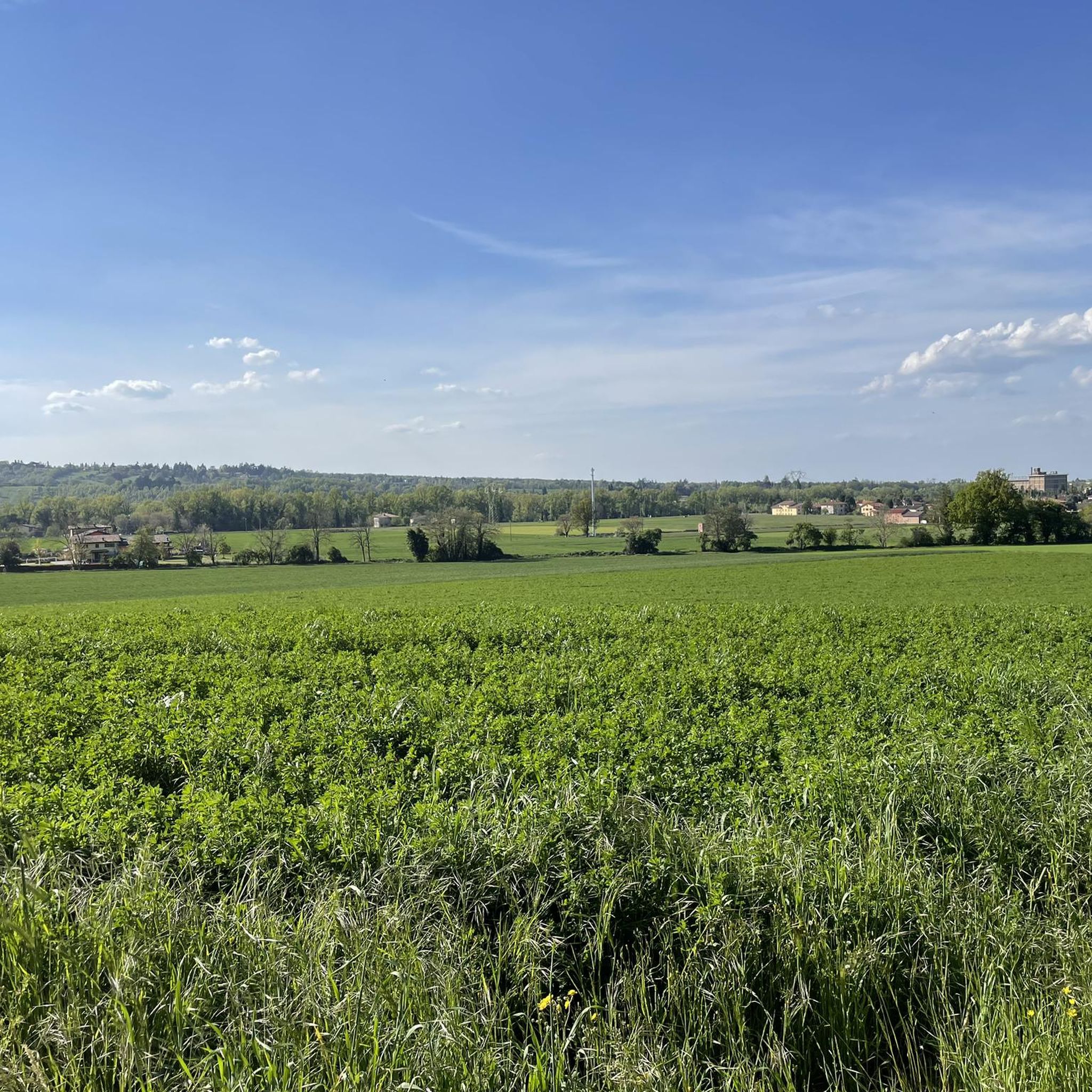
The Parma Hills are beautiful!
0
0
Convenient cycle path along the bridge that allows you to safely cross the stream.
0
0

⚠️ Pay attention to the signs in case of bad weather.
0
0
Locality of San Michele Tiorre Language Follow Edit The Church of San Michele is a Catholic place of worship with Baroque architecture, located at Piazza Pontirol Battisti 7 in San Michele Tiorre, a hamlet of Felino, in the province and diocese of Parma. It is the seat of a parish within the pastoral area of the Pedemontana. HISTORY: The original chapel was built before the 11th century and dedicated, together with the entire Cinghio Valley, to the Archangel Michael by the Benedictines of the Abbey of San Benedetto in Polirone, to whom it was donated by Pope Paschal II in 1105 and confirmed by the Holy Roman Emperor Henry IV of Franconia the following year. The friars built a cloister next to the place of worship, which they entrusted to a group of monks led by a prior. The existence of the chapel is also attested by a document from 1230, when the "Ecclesia di Sancti Michaelis de Toliorio" depended on the parish church of San Martino di Arola;[3] the Prior Sancti Michaelis de Toiorio was also mentioned in the Ratio Decimarum of 1299. Between 1699 and 1700, the ancient building was almost completely rebuilt in Baroque style at the initiative of Abbot Andrea Rainieri; at the time, the church was dependent on the abbey of Santa Maria della Neve di Torrechiara. The Benedictines maintained control of the place of worship until the suppression of religious orders sanctioned by Napoleon at the beginning of the 19th century. On July 15, 1971, the church was severely damaged by a strong earthquake, which caused it to be closed for worship. The building was subsequently consolidated and renovated both externally and internally, with the side altars and Baroque choir lofts being removed. The work was completed in late 1974, and the church was solemnly inaugurated by the Bishop of Parma, Amilcare Pasini. On December 23, 2008, the church was again damaged by earthquakes; restoration work, begun the following year, was completed in 2014. SOURCE and other information: https://it.m.wikipedia.org/wiki/Chiesa_di_San_Michele_(Felino,_San_Michele_Tiorre)
1
0
Frequently Asked Questions
How many touring cycling routes are available around Felino?
There are over 30 touring cycling routes around Felino, catering to various skill levels. You'll find 2 easy routes, 12 moderate routes, and 20 challenging options, ensuring there's something for every cyclist.
Are there any family-friendly cycling routes in Felino?
Yes, Felino offers a few easier routes suitable for families. While specific easy routes aren't detailed, the region provides options that are less demanding, often through vineyards or along river valleys, allowing for a pleasant family outing. Look for routes with lower elevation gain and shorter distances.
Are there any circular touring cycling routes around Felino?
Many of the touring cycling routes around Felino are designed as loops, allowing you to start and end in the same location. For example, the Vineyards in the Carrega Woods – Villa Casino dei Boschi loop from Felino and the Ascent to Felino Castle – Val Baganza Bridge loop from Felino are popular circular options.
What kind of landscapes can I expect to see on touring cycling routes in Felino?
Felino's touring cycling routes offer a diverse range of landscapes. You can expect to cycle through picturesque vineyards, the scenic Carrega Woods, and along river valleys like the Baganza. Many routes also venture into the Apennine Hills, providing more challenging terrain and panoramic views.
What historical landmarks can I visit while cycling in Felino?
Felino is rich in historical landmarks accessible by bike. You can incorporate visits to prominent sites such as Felino Castle, which occasionally offers guided tours and houses a Salami Museum. Other notable castles like Castello di Torrechiara and Rocca Sanvitale di Sala Baganza are also featured in various cycling loops, offering a glimpse into the region's heritage.
Are there challenging touring cycling routes for experienced riders?
Absolutely. Felino offers several challenging routes with significant elevation gains, particularly those heading into the Apennine Hills. The Ascent to Felino Castle – Val Baganza Bridge loop from Felino is a difficult 33.5-mile (54.0 km) path with over 1,100 meters of ascent, perfect for experienced touring cyclists seeking a demanding ride.
What do other touring cyclists say about the routes in Felino?
The touring cycling routes in Felino are highly regarded by the komoot community, with an average score of 4.4 stars from over 30 reviews. Cyclists often praise the varied terrain, the beautiful scenery through vineyards and woodlands, and the integration of historical sites into the routes.
Are there any natural attractions or points of interest along the routes?
Yes, the region boasts several natural attractions. You can explore highlights like the Road in the Boschi di Carrega, the Barboj Park of Rivalta, and the Footbridge over the Naviglio Taro. These offer scenic stops and opportunities to connect with nature during your ride.
What is the best season for touring cycling in Felino?
The best seasons for touring cycling in Felino are typically spring and autumn. During these times, the weather is generally mild and pleasant, making for comfortable riding conditions. The vineyards are particularly beautiful in spring with new growth and in autumn with changing colors.
Are there any bike parks near Felino for specialized cycling experiences?
Yes, for those interested in specialized cycling, there are bike parks around Felino. Highlights within these parks include trails like La Cava Descent, Fallen Tree Trail at Costa, and Pinkupank Trail, offering diverse riding experiences.
Can I find routes that combine historical sites with natural beauty?
Many routes in Felino perfectly blend historical exploration with natural scenery. For instance, the Ascent to Felino Castle – Castello di Torrechiara loop from Felino takes you past two significant castles while traversing varied landscapes, offering both cultural and natural highlights.
Are there routes with a mix of paved and unpaved surfaces?
Yes, the touring cycling routes around Felino often feature a mix of asphalt and paved roads, but also include unpaved sections. This provides a diverse riding experience, allowing cyclists to enjoy both smooth stretches and more rustic paths through natural areas like the Carrega Woods.
Most popular attractions around Felino

Get inspired with the komoot mobile app


Explore more
Browse the best Cycling routes in other regions.
