Attractions and Places To See around Sant'Albano Stura - Top 20
Best attractions and places to see around Sant'Albano Stura, a municipality in the province of Cuneo, Piedmont, offer a mix of historical sites, cultural landmarks, and natural features. The area is characterized by its tranquil rural atmosphere and proximity to the Stura river, providing diverse landscapes for exploration. Visitors can discover ancient archaeological findings, significant churches, and expansive natural parks. This region combines historical depth with opportunities for outdoor activities.
Best attractions and places to see around Sant'Albano Stura
- The most popular attractions is Piazza Pio VI, Rocca de' Baldi, a historical site featuring a medieval village and a castle. The castle, built in the 12th century, can be visited to explore its internal rooms, ethnographic museum, and park.
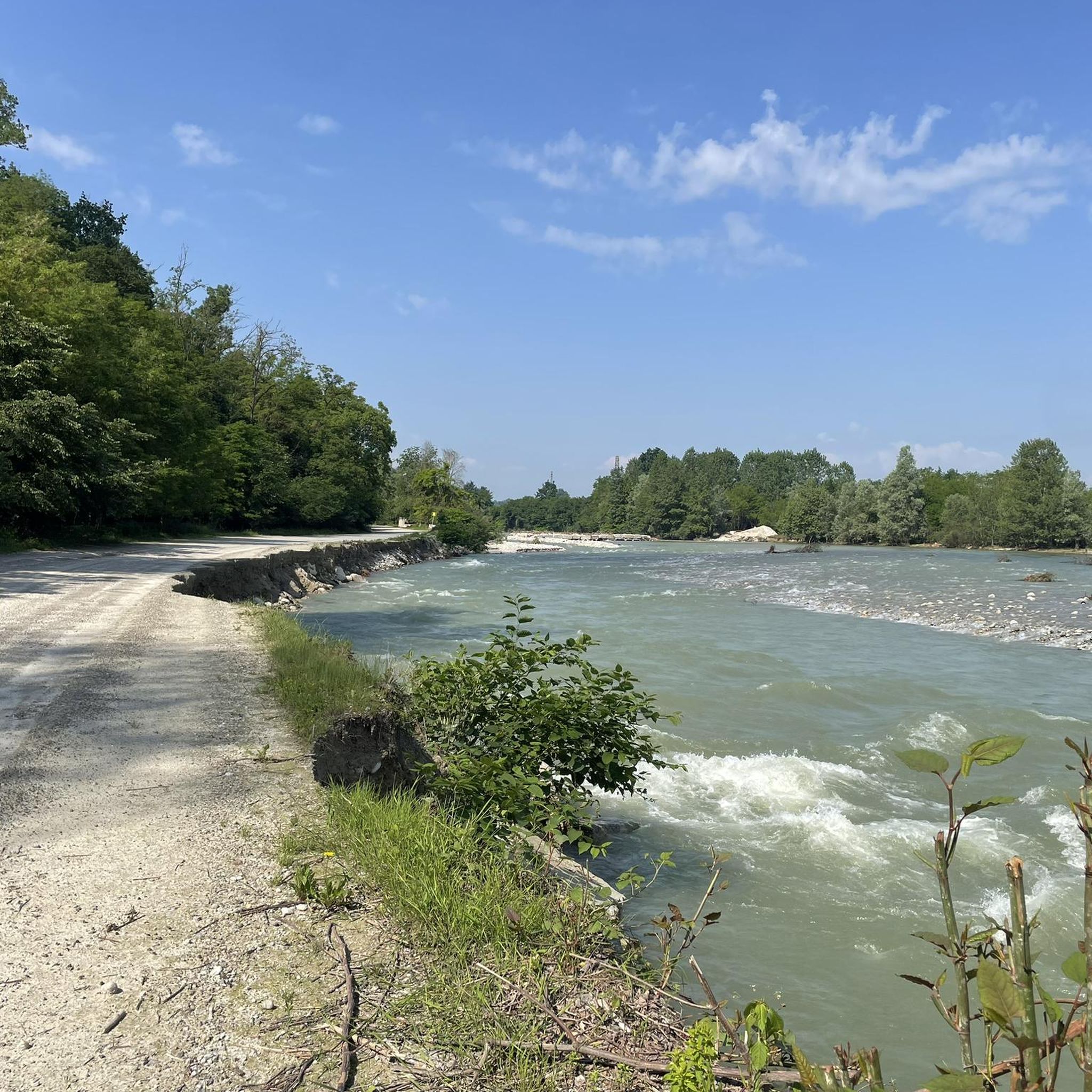
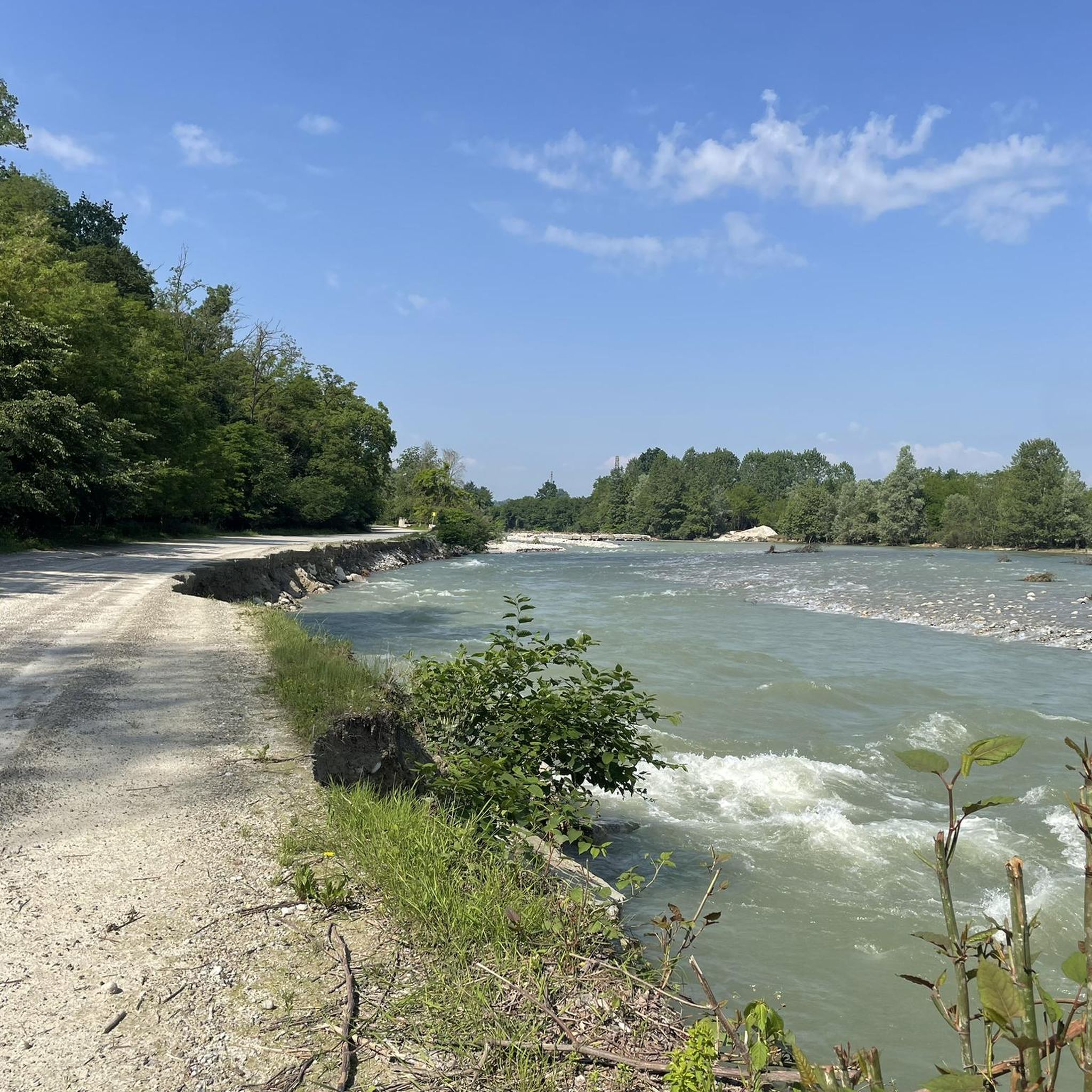
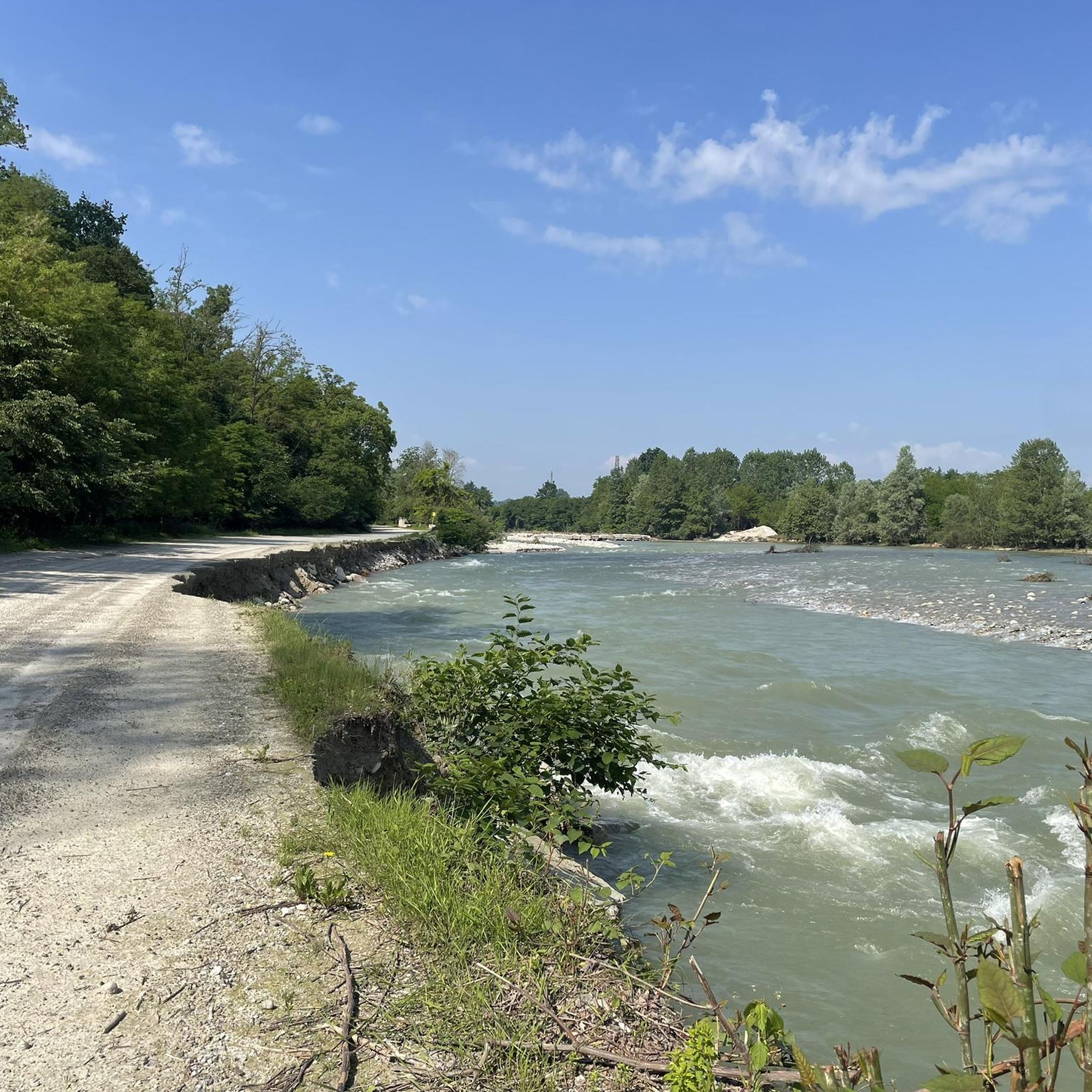
- Another must-see spot is Sentiero del Pescatore, Fossano, a trail that forms a 9 km loop along the Stura river. This path is suitable for both walking and cycling, offering views from a railway bridge platform with spiral staircases.
- Visitors also love Brick viaduct with spiral staircase over the Stura di Demonte, a bridge that crosses the Mellea stream. It is notable for its spiral staircases on both sides, which allow access and offer views of the stream.
- Sant'Albano Stura is known for its historical sites, natural oases, and extensive river parks. The area provides a variety of attractions to see and explore, including archaeological complexes, churches, and numerous hiking and cycling trails.
- The attractions around Sant'Albano Stura are appreciated by the komoot community, with 29 upvotes and 12 photos shared by visitors.
Last updated: August 30, 2026
Sentiero del Pescatore, Fossano
Highlight • Trail
Translated by Google •
Tip by

Brick viaduct with spiral staircase over the Stura di Demonte
Highlight (Segment) • Bridge
Translated by Google •
Tip by

Sign up now to discover places like this
Get recommendations on the best single tracks, peaks, & plenty of other exciting outdoor places.
Sign up for free
Carrù Castle
Highlight • Castle
Translated by Google •
Tip by

Piazza Pio VI, Rocca de' Baldi
Highlight • Historical Site
Translated by Google •
Tip by

La Madonnina Nature Reserve
Highlight • Natural Monument
Translated by Google •
Tip by

Sign up for free to discover even more attractions around Sant'Albano Stura.
Sign up for free
Already have an account?
Start today with a free account
Your next adventure awaits.
Login or Signup

Tips from the Community

Beautiful medieval village on a hill, so a short 5-7% climb before and after.
0
0

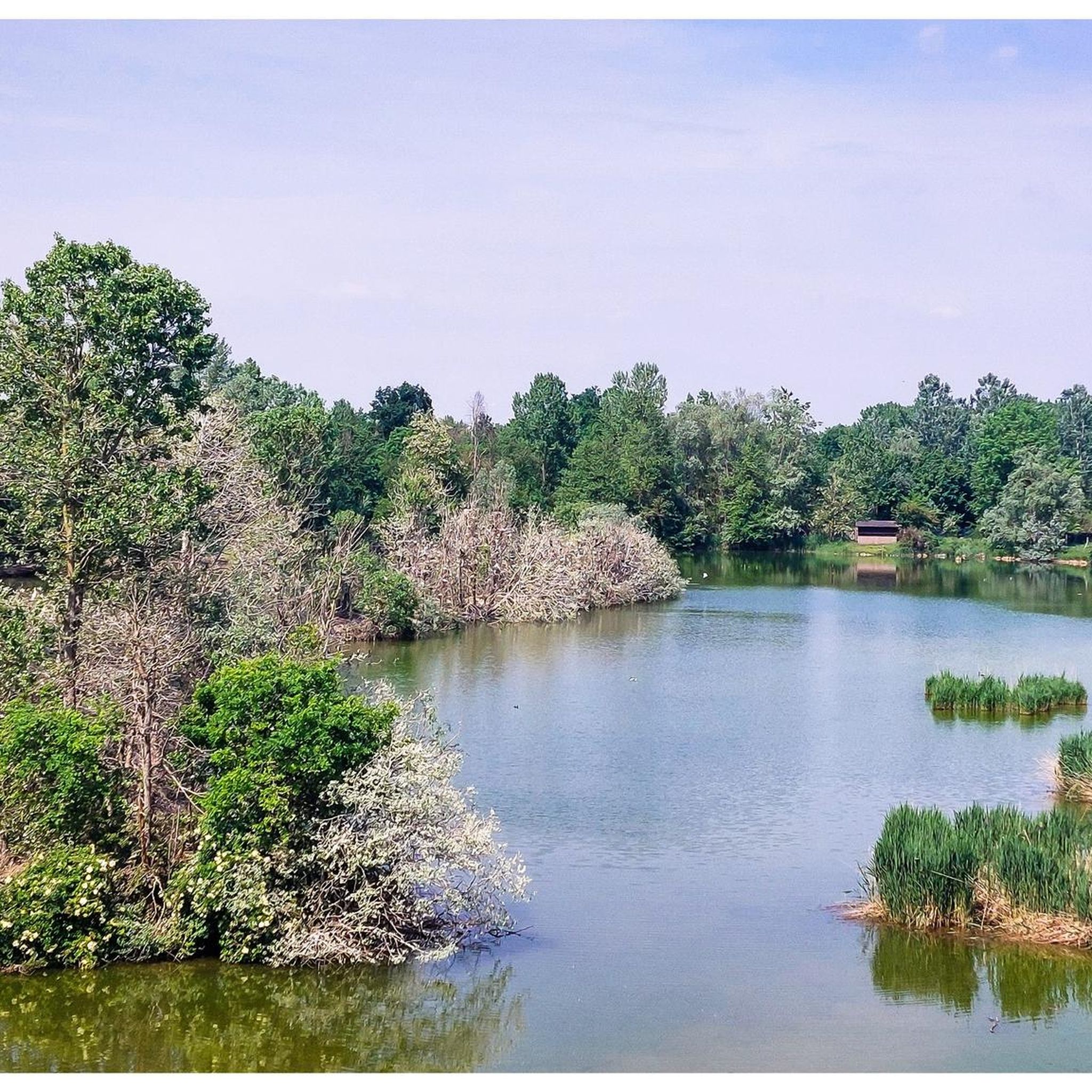
https://www.oasimadonnina.eu/index.asp The "La Madonnina" Natural Oasis is one of the most important wetlands in Piedmont (20Ha) and offers a protected habitat and many bird species. Free entry. The Oasis is fenced. Dogs are prohibited from entering.
1
0

The Castle of Carrù is an ancient fortress located in the city of Carrù, in the province of Cuneo. Dating back to the 12th century, the castle was built to defend the city from enemy attacks and has undergone numerous transformations over the centuries. In addition to its history, Castello di Carrù is also famous for the legend of the Blue Lady, a ghost who is said to still appear in the castle today. The castle is open to the public and can be visited during some Carruccesi events, such as the Grape Festival, and the surrounding area offers various activities, including excursions on foot and by bicycle, visits to wine cellars and tastings of local products.
2
0

Spiral staircase that allows the passage on a small portico with an iron walkway
2
0

Naturalistic area with free access at certain times/days with several huts set up for birdwatching
3
0

Nice variant. However, you have to get off the bike and carry it up the stairs by hand, but the effort will be rewarded by the landscape that can be admired by passing over the bridge.
1
0

Here is the entrance to the naturalistic oasis of the madonnina, where there are over 200 species of different birds. Over 340,000 square meters in one of the wettest areas of Piedmont.
2
0

Spiral staircase impassable with e-bikes. Perhaps with a normal bike, but in any case be prepared for a grind... if you decide not to climb the ladder, it's better to go back and cross the bridge in via Mondovì. Continuing towards the Parco della Rossa means dragging your bike up the long and very steep tree trunk staircase that goes around the pillar of the bridge ... it's not worth it for the effort you have to do ...
4
1
Frequently Asked Questions
What historical and cultural sites can I explore around Sant'Albano Stura?
Sant'Albano Stura is rich in history. You can visit the Piazza Pio VI, Rocca de' Baldi, which features a medieval village and a castle with an ethnographic museum. Another significant site is the Longobard Necropolis and Civic Museum, showcasing artifacts from one of Italy's most important Longobard archaeological discoveries. The 18th-century Parrocchiale dell'Assunta and the Confraternita dei Disciplinati also offer architectural interest. Don't miss the elegant villa known as 'The Castle' and the historic center with its narrow streets reflecting Roman origins.
Are there natural attractions or parks for outdoor enthusiasts?
Absolutely. The Sentiero del Pescatore, Fossano, offers a scenic 9 km loop along the Stura river, perfect for walking or cycling. The Oasi Naturalistica 'La Madonnina' is a vital wetland habitat for over 200 bird species, with hides and observation towers for birdwatching. Sant'Albano Stura is also part of the expansive Parco Fluviale Gesso e Stura, providing 160 km of cycling and hiking trails through diverse landscapes and pristine natural areas.
What kind of hiking trails are available near Sant'Albano Stura?
The area offers a variety of hiking trails. You can explore the Sentiero del Pescatore, Fossano, a moderate 9 km loop along the Stura river. For an easier option, consider the 'Sant'Albano Stura Loop via Chiesa La Madonnina', which connects the historic church with the natural oasis. Many trails, including those within the Parco Fluviale Gesso e Stura, offer diverse landscapes from riverside views to countryside paths. You can find more hiking routes in the Hiking around Sant'Albano Stura guide.
Are there cycling routes suitable for different skill levels?
Yes, cycling is a popular activity here. The Sentiero del Pescatore, Fossano, is a 9 km loop that can be cycled, though some sections might require carrying your bike. The Parco Fluviale Gesso e Stura boasts over 160 km of dedicated cycling trails. For more options, including moderate and difficult routes, check out the Cycling around Sant'Albano Stura guide and the Road Cycling Routes around Sant'Albano Stura guide.
What are some family-friendly attractions in the area?
Families can enjoy several attractions. The Piazza Pio VI, Rocca de' Baldi, with its castle and ethnographic museum, offers an engaging historical experience. The Carrù Castle is another historical site that can be interesting for all ages during special events. The Oasi Naturalistica 'La Madonnina' and the Parco Fluviale Gesso e Stura provide excellent opportunities for nature walks, birdwatching, and cycling on easy trails, suitable for children.
Where can I find good viewpoints around Sant'Albano Stura?
For panoramic views, the platform of the railway bridge on the Sentiero del Pescatore, Fossano, offers a spectacular panorama of the Stura river. The Brick viaduct with spiral staircase over the Stura di Demonte also provides a beautiful view of the Mellea stream. Further afield, the Civic Tower of the Belvedere (Mondovì) is known for its indescribable panoramic views from the top of the hill.
What is the best time of year to visit Sant'Albano Stura for outdoor activities?
Spring and autumn are generally the best times for outdoor activities around Sant'Albano Stura. The weather is mild, and the natural landscapes are particularly vibrant with blooming flowers or rich autumn colors. Summer can be pleasant, especially for riverside activities, but be prepared for warmer temperatures. Winter offers a different charm, though some trails might have specific conditions, especially at higher elevations.
Are the trails around Sant'Albano Stura dog-friendly?
Many of the natural trails and paths, particularly within the Parco Fluviale Gesso e Stura and along the Stura river, are suitable for walks with dogs. Always ensure your dog is on a leash and that you clean up after them to respect the natural environment and other visitors. Specific rules might apply in protected areas like the Oasi Naturalistica 'La Madonnina', so it's advisable to check local signage.
What is the 'Castle' in Sant'Albano Stura, and can I visit it?
What is commonly referred to as 'The Castle' in Sant'Albano Stura is actually an elegant villa with refined architectural lines and a beautiful attached park. While it's a notable landmark, it's a private residence (the palace of the Nicolis di Robilant family) and not typically open to the public for tours like a traditional castle. However, its exterior and surrounding park contribute to the town's charm.
What is unique about the Brick viaduct with spiral staircase?
The Brick viaduct with spiral staircase over the Stura di Demonte is unique for its architectural design. It crosses the Mellea stream and features distinctive spiral staircases on both sides, allowing access to the bridge. These staircases, while requiring you to carry your bike if cycling, offer a memorable experience and a beautiful view of the stream below. It's considered a suggestive and impressive passage by visitors.
What do visitors enjoy most about the attractions around Sant'Albano Stura?
Visitors frequently appreciate the blend of historical significance and natural beauty. Highlights like the Piazza Pio VI, Rocca de' Baldi, are praised for their historical depth and the opportunity to explore ancient structures. The scenic trails, such as the Sentiero del Pescatore, Fossano, are loved for their tranquil riverside views and accessibility for walking and cycling. The unique architectural features, like the spiral staircases of the Brick viaduct, also leave a lasting impression.
Are there any archaeological sites to visit?
Yes, Sant'Albano Stura is home to one of Italy's most significant archaeological discoveries: the Longobard Necropolis. While the necropolis itself is not directly visitable, the Civic Museum in the ancient Chapel of Sant'Antonio di Padova showcases a selection of precious funerary artifacts and grave goods from the Longobard period. The museum provides a fascinating insight into their daily life and customs through original artifacts, videos, and informative panels.
Most popular routes around Sant'Albano Stura

Get inspired with the komoot mobile app


Explore more
Still not found the Highlight you’re looking for? See guides of the top attractions in other regions:
