Top 18 Mountain Passes around Rittana
Best mountain passes around Rittana are located within the Valle Stura di Demonte in Italy's Piedmont region. This area features rugged terrain, dense forests, and alpine meadows, serving as a natural corridor between Italy and France. The region offers various high-altitude locations and passes known for their scenic beauty and outdoor activities.
Best mountain passes around Rittana
- The most popular mountain passes is Sanctuary of Madonna del Colletto, a religious building that sits on the watershed between the Stura…
Last updated: June 26, 2026
Sanctuary of Madonna del Colletto
Highlight • Religious Site
Translated by Google •
Tip by

Colle Le Funse (1230 m)
Highlight • Mountain Pass
Translated by Google •
Tip by

Sign up now to discover places like this
Get recommendations on the best single tracks, peaks, & plenty of other exciting outdoor places.
Sign up for free
Ruitor Rosa – Cradle of the Resistance
Highlight • Rest Area
Translated by Google •
Tip by

Ascent to Colle Fauniera from Demonte
Highlight (Segment) • Climb
Translated by Google •
Tip by

Colle dell'Arpione
Highlight • Mountain Pass
Translated by Google •
Tip by

Sign up for free to discover even more mountain passes around Rittana.
Sign up for free
Already have an account?
Start today with a free account
Your next adventure awaits.
Login or Signup

Tips from the Community

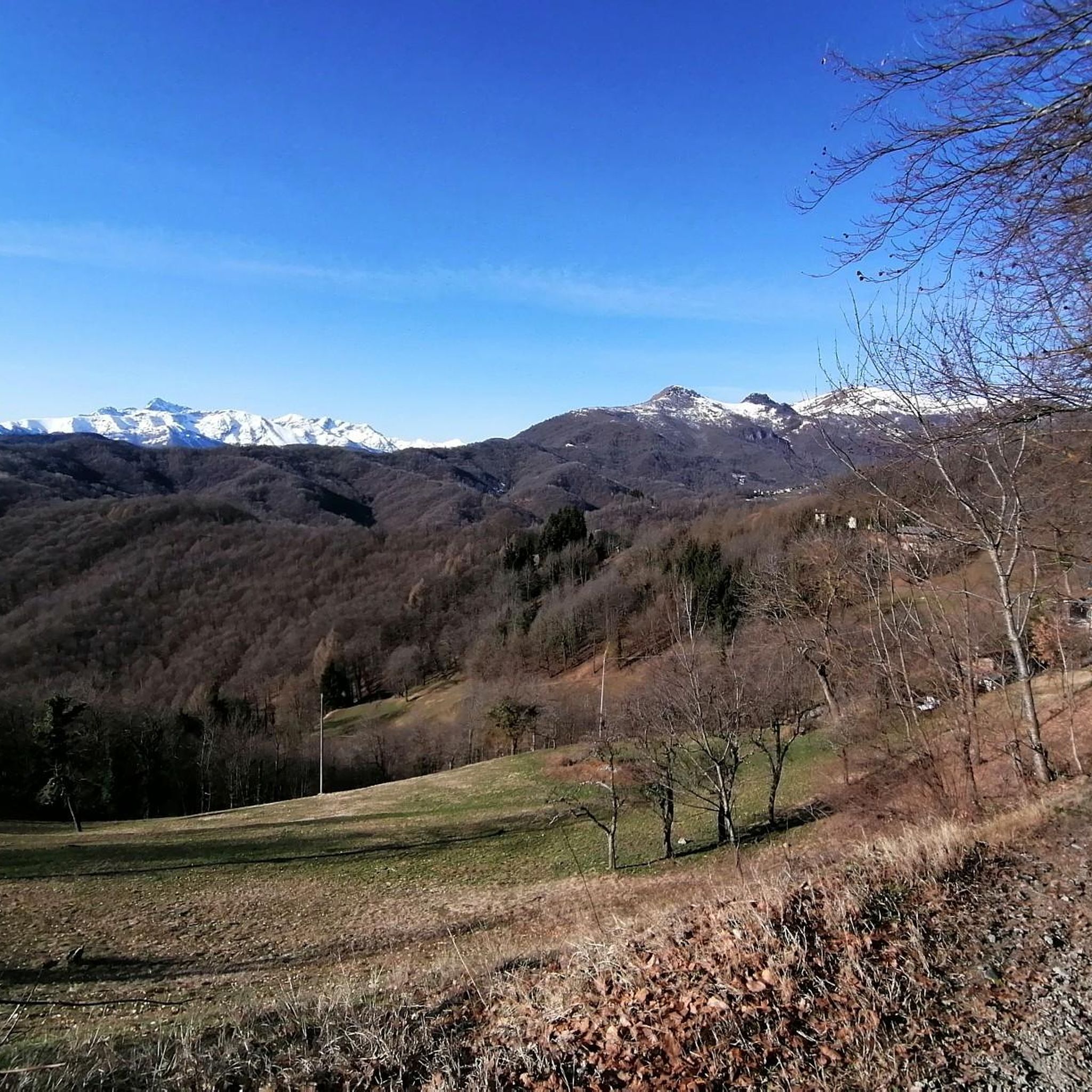
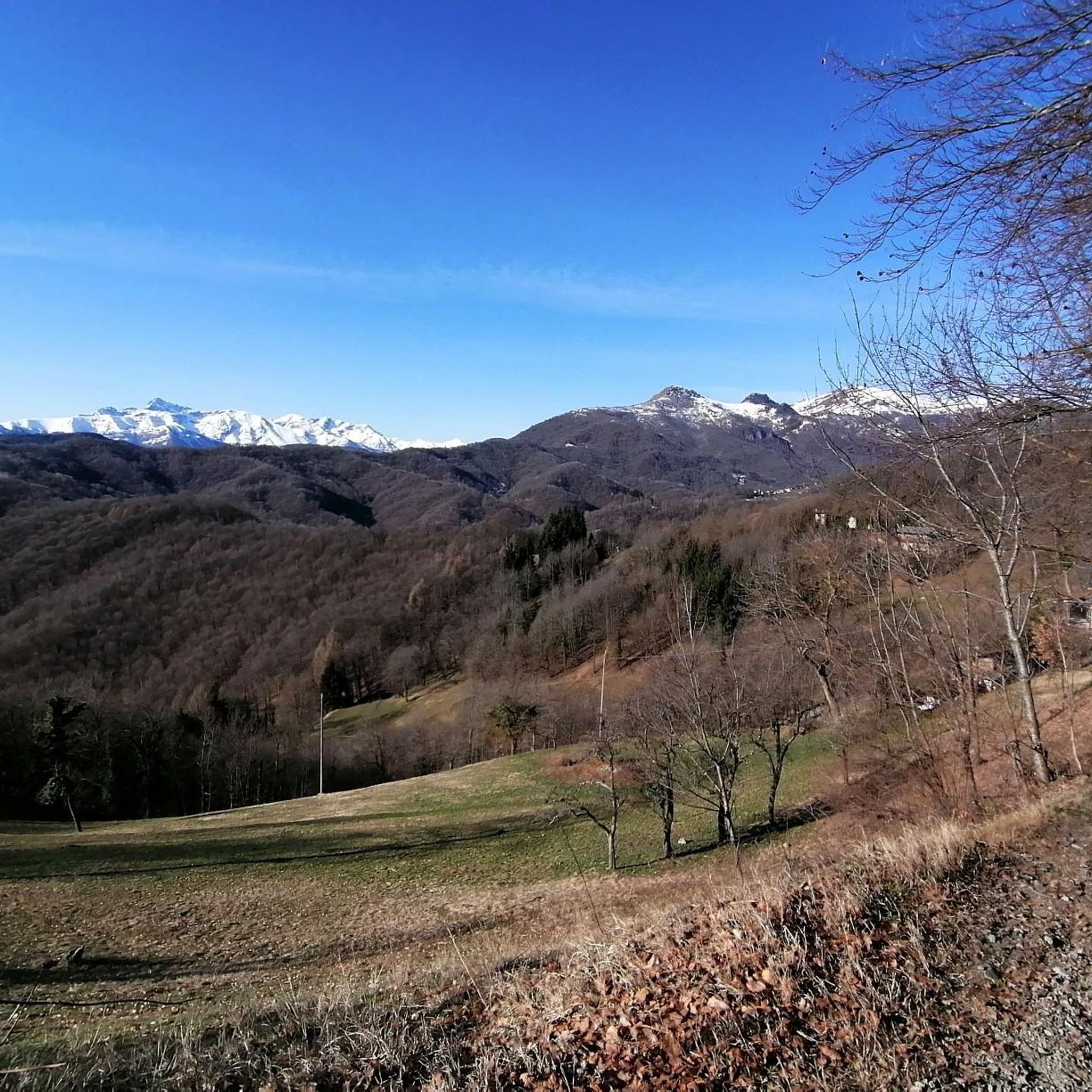
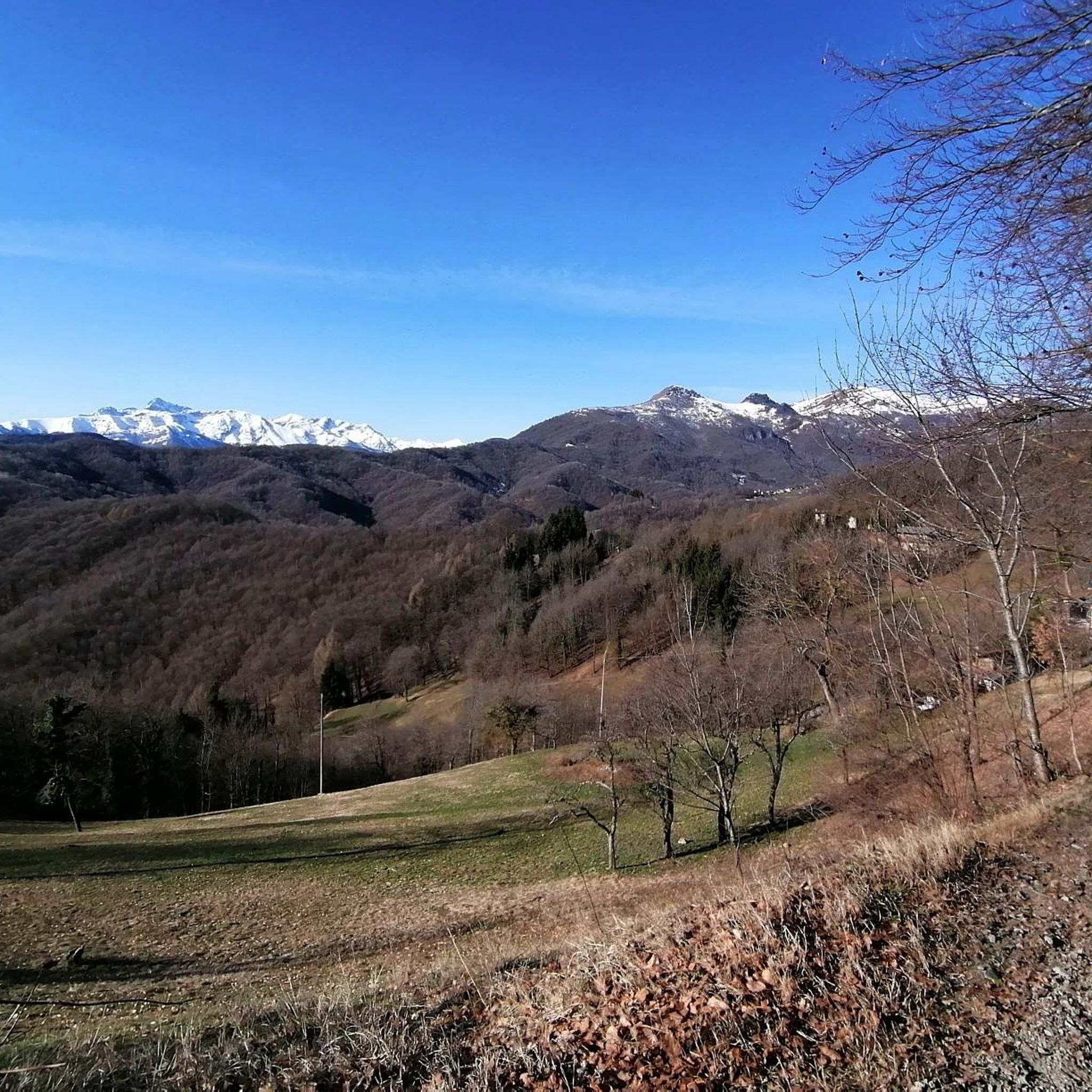
Wonderful valley that climbs from Demonte to the Colle della Fauniera. Green and lush in the lower part, with interesting geological formations, it becomes a beautiful grassy plain in the upper part, to conclude above the Valcavera pass in a gorge among the rocks that seems to have come out of a fantasy tale. Beautiful segment.
0
0


The hardest climb I've ever done.
16
0

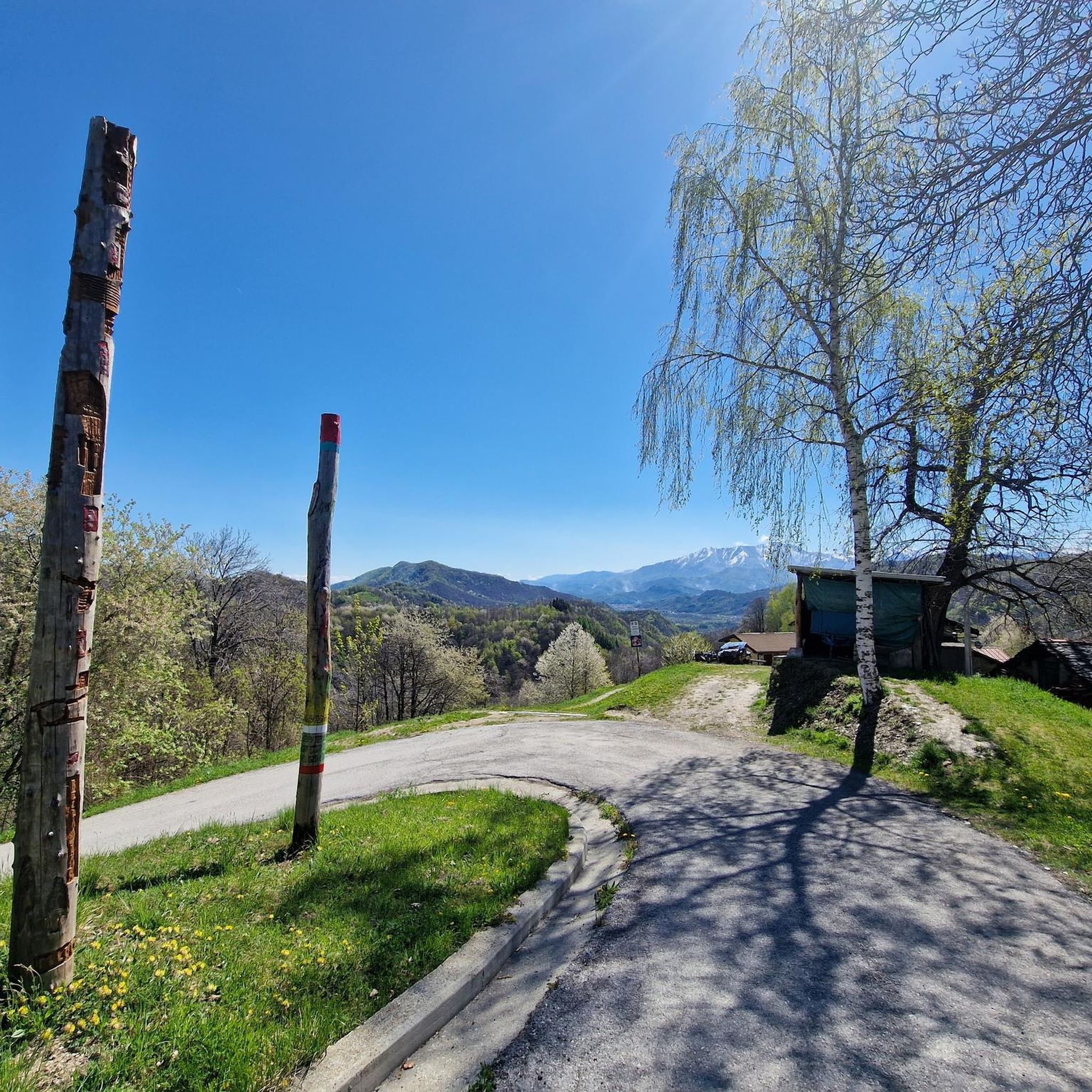
Convenient area to park and set off on various trails
0
0

Colle Fauniera, located at 2481 m, is also known as Colle dei Morti. The climb from the Demonte side (Valle Stura) is one of the most challenging in the Maritime Alps. It is about 24 km long with a 1700 m difference in altitude. The average gradient of 7% is made tough by the consistency of the effort, with long stretches often between 8% and 10%. The effort is rewarded by the spectacular view, and at the top is the monument to Marco Pantani.
3
0

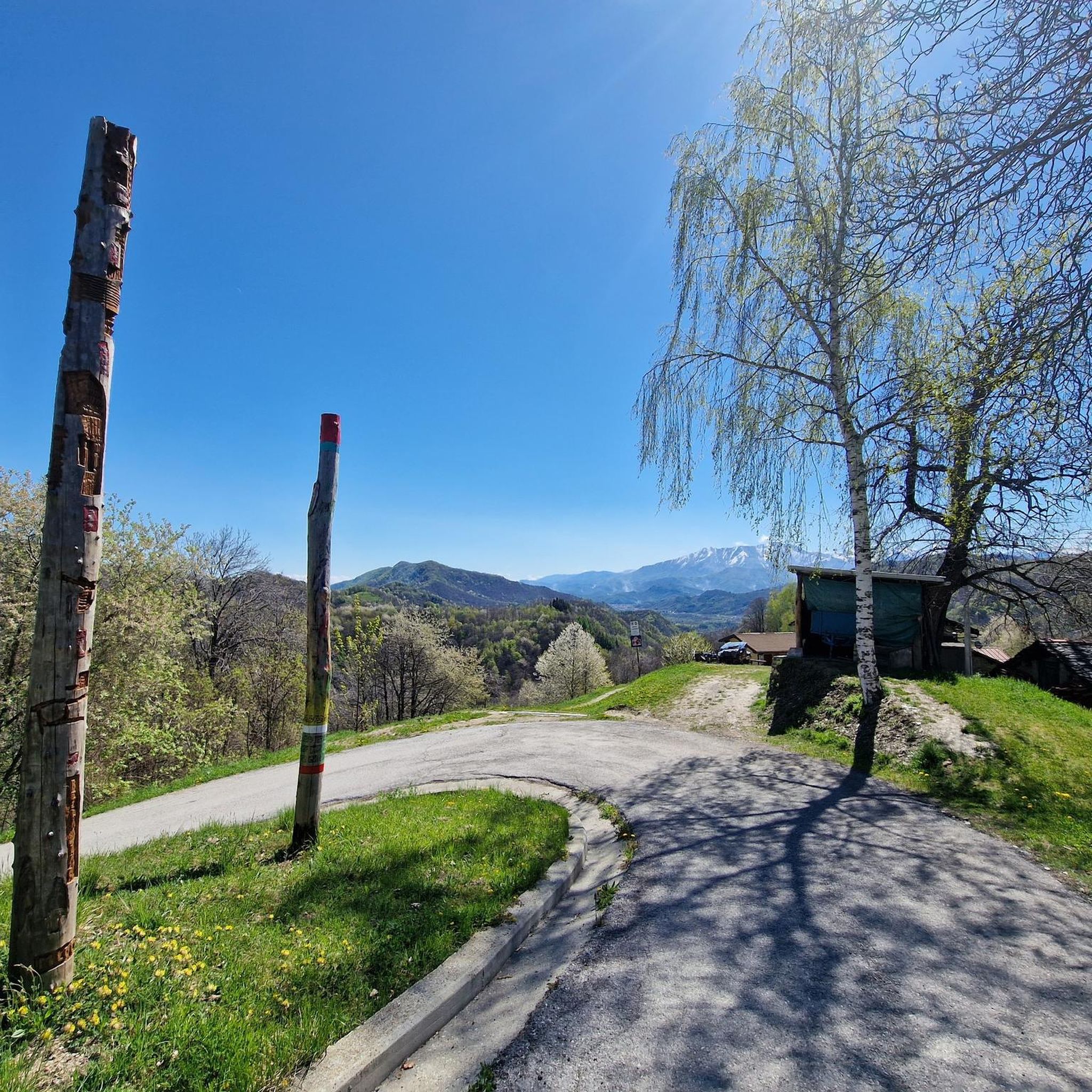
Hill at the confluence between the path that comes from Bernezzo and the dirt road that comes from Chiot Rosa. From here you can easily reach Mount Tamone
1
0

I was really looking forward to going up to the Santuario della Madonna del Colletto. I had been to this area several times and had not had the opportunity to go up here. So on the trip through Piedmont in July 2022 I made sure that the planned route passed through here. We went up the western slope, the one used by the Giro d'Italia when it first went up here in 1999, on the famous stage where the Fauniera was climbed, with the spectacle of Pantani climbing and the stratospheric descent of Paolo Savoldelli. I have to admit that the climb itself is not very attractive. Once you leave the village of Festiona behind, you enter a forest and there are hardly any views over the valley. You can only focus on the road, its curves, straights (which there are) and difficult slopes. The asphalt is old, with a lot of gravel and very uneven, which obviously adds difficulty to the climb. The climb up the western side is 7.1 km, 576 metres of elevation and an average gradient of 8.1%. Therefore, it is very hard!! And there are several sections above 12%, especially in the first kilometres, where the gradient is irregular, with very hard sections and small rest areas. The views of the Valdieri valley from the Sanctuary are very beautiful, and also of all the mountains covered with forests and vegetation in the surroundings. We took advantage of the porch at the entrance to the Sanctuary to take shelter from the sun and the heat, and to stock up on food and eat some spectacular sandwiches. I remember it fondly. Below is the altimetry of the climb published by @cyclingcols, the best in these matters --> http://www.cyclingcols.com/col/Colletto
2
0
It separates the Stura valley from the Gesso valley, reachable from the municipality of Valdieri (Deseretto valley) or from the municipality of Demonte
0
0
Frequently Asked Questions
What are some of the most scenic mountain passes and high points near Rittana?
The region around Rittana, nestled in the Valle Stura di Demonte, offers several scenic high points. The Alpe di Rittana, though not a pass, provides expansive panoramic views across the Ligurian, Maritime, and Cottian Alps. Another notable spot is the Sanctuary of Madonna del Colletto, which offers splendid views of the surrounding mountain ranges and a peaceful atmosphere. For a challenging cycling experience with breathtaking alpine views, consider Colle Fauniera, accessible from Demonte.
Are there family-friendly mountain passes or areas to visit near Rittana?
Yes, the area offers family-friendly options. Ruitor Rosa – Cradle of the Resistance is a great starting point for excursions with a large parking area and a picnic area, making it suitable for families. The nearby hamlet of Paraloup, accessible from Chiot Rosa Pass, also offers renovated houses, some functioning as an Alpine refuge or museum, which can be an interesting family visit.
What historical sites can be found near the mountain passes around Rittana?
The region is rich in history. The hamlet of Paraloup, near Chiot Rosa Pass, is historically significant as a headquarters for the first partisan groups in Piedmont during the Resistance. Today, some renovated houses serve as an Alpine refuge or museum. The Sanctuary of Madonna del Colletto is also a historical religious landmark, a site of pilgrimage since at least 1633.
What outdoor activities can I do near these mountain passes?
The Valle Stura di Demonte, where Rittana is located, offers a wide array of outdoor activities. You can find extensive trail networks for hiking, such as 'Lou Viage.' Cycling is very popular, with routes like the challenging ascent to Colle Fauniera. For more cycling options, explore the Road Cycling Routes around Rittana or Gravel biking around Rittana guides. In winter, the Alpe di Rittana is popular for snowshoeing.
Are there challenging climbs for cyclists in the Rittana area?
Absolutely. The ascent to Colle Fauniera from Demonte is known as one of the most challenging in the Maritime Alps. It's about 24 km long with a 1700 m difference in altitude and an average gradient of 7%, with long stretches between 8% and 10%. Sanctuary of Madonna del Colletto also involves a steep, though shorter, climb.
What is the best time to visit the mountain passes around Rittana?
The best time to visit for most activities like hiking and cycling is generally during the warmer months, from late spring to early autumn, when the passes are clear of snow and accessible. For snowshoeing, winter offers vast, snow-covered ridges, particularly around the Alpe di Rittana.
Can I find dog-friendly trails near the mountain passes?
Yes, many trails in the region are suitable for dogs. For example, Colle Le Funse (1230 m) is explicitly categorized as dog-friendly and serves as a crossing point for various trails, offering opportunities to continue towards Monte Tamone.
Where can I park when visiting the mountain passes?
Many starting points for excursions offer parking. For instance, Ruitor Rosa – Cradle of the Resistance has a large on-site parking area. The Chiot Rosa Pass is also accessible by car during the summer, providing a gateway to the Alpe di Rittana.
Are there any accommodations or places to eat near the mountain passes?
Yes, you can find options in the nearby villages and at some high points. The hamlet of Paraloup, near Chiot Rosa Pass, has renovated houses, some of which function as an Alpine refuge. Additionally, Ruitor Rosa – Cradle of the Resistance features a picnic area with a bar and bathrooms, ideal for a stop during your excursions.
What is the <a href="https://www.komoot.com/highlight/236475" target="_blank" rel="noopener">Sanctuary of Madonna del Colletto</a> known for?
The Sanctuary of Madonna del Colletto is a religious landmark situated on the watershed between Valle Stura and Valle Gesso. It's a popular destination for cyclists due to its peaceful atmosphere and scenic routes. The sanctuary, dedicated to the Madonna della Neve, has been a site of pilgrimage since at least 1633 and offers splendid views of the surrounding mountains.
What makes the Valle Stura di Demonte significant?
The Valle Stura di Demonte, where Rittana is located, is a significant alpine valley known for its rugged terrain, dense forests, and alpine meadows. It historically served as a natural corridor between Italy and France. Beyond its natural beauty, it offers extensive trail networks like 'Lou Viage' and cultural sites such as Forte Albertino and the Santuario di Sant'Anna di Vinadio, which is the highest church in Europe accessible by car.
Are there any viewpoints that offer panoramic vistas?
Yes, several locations offer stunning panoramic views. The Alpe di Rittana provides expansive vistas across the Ligurian, Maritime, and Cottian Alps, and on clear days, even to Monte Rosa. The Sanctuary of Madonna del Colletto also rewards visitors with splendid views of the surrounding mountain ranges after its ascent.
Most popular routes around Rittana
Most popular attractions around Rittana

Get inspired with the komoot mobile app


Explore more
See even more epic mountain passes by checking out these guides around Rittana:
