Attractions and Places To See around Minucciano - Top 20
Attractions and places to see around Minucciano are found in the Garfagnana region of Tuscany, Italy. This area features a blend of historical landmarks, such as medieval architecture, and natural landscapes, including the Apuan Alps and pristine lakes. Visitors can explore historical sites and engage with the diverse natural environment. The municipality offers a variety of points of interest for outdoor activities and cultural exploration.
Best attractions and places to see around Minucciano
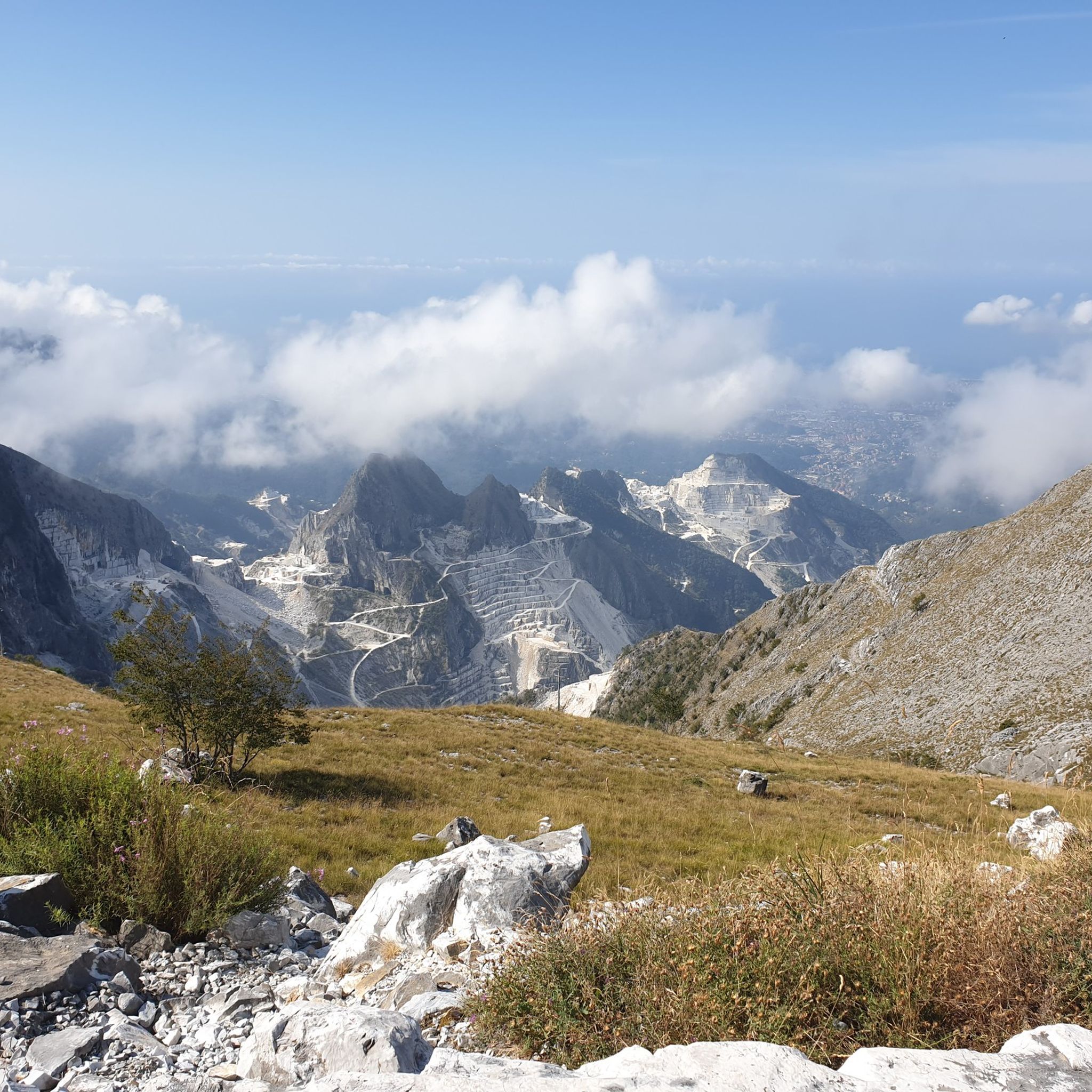
- The most popular attractions is Tambura Pass, a mountain pass located at 1630 meters above sea level. It offers 360-degree views and is one of the highest peaks in the region, known for its historical engineering.
- Another must-see spot is Nello Conti Hut, a hut in the Apuan Alps. This location provides about 20 places to sleep and serves coffee and lunch.
- Visitors also love Passo del Vestito, a mountain pass with views of the surrounding mountains and down to the sea. This passage is known for its long climb and short tunnels.
- Minucciano is known for its mountain passes, historical sites, and natural features. The area offers a variety of attractions to see and explore, from medieval architecture to the Apuan Alps.
- The attractions around Minucciano are appreciated by the komoot community, with more than 130 upvotes and 90 photos.
Last updated: July 6, 2026
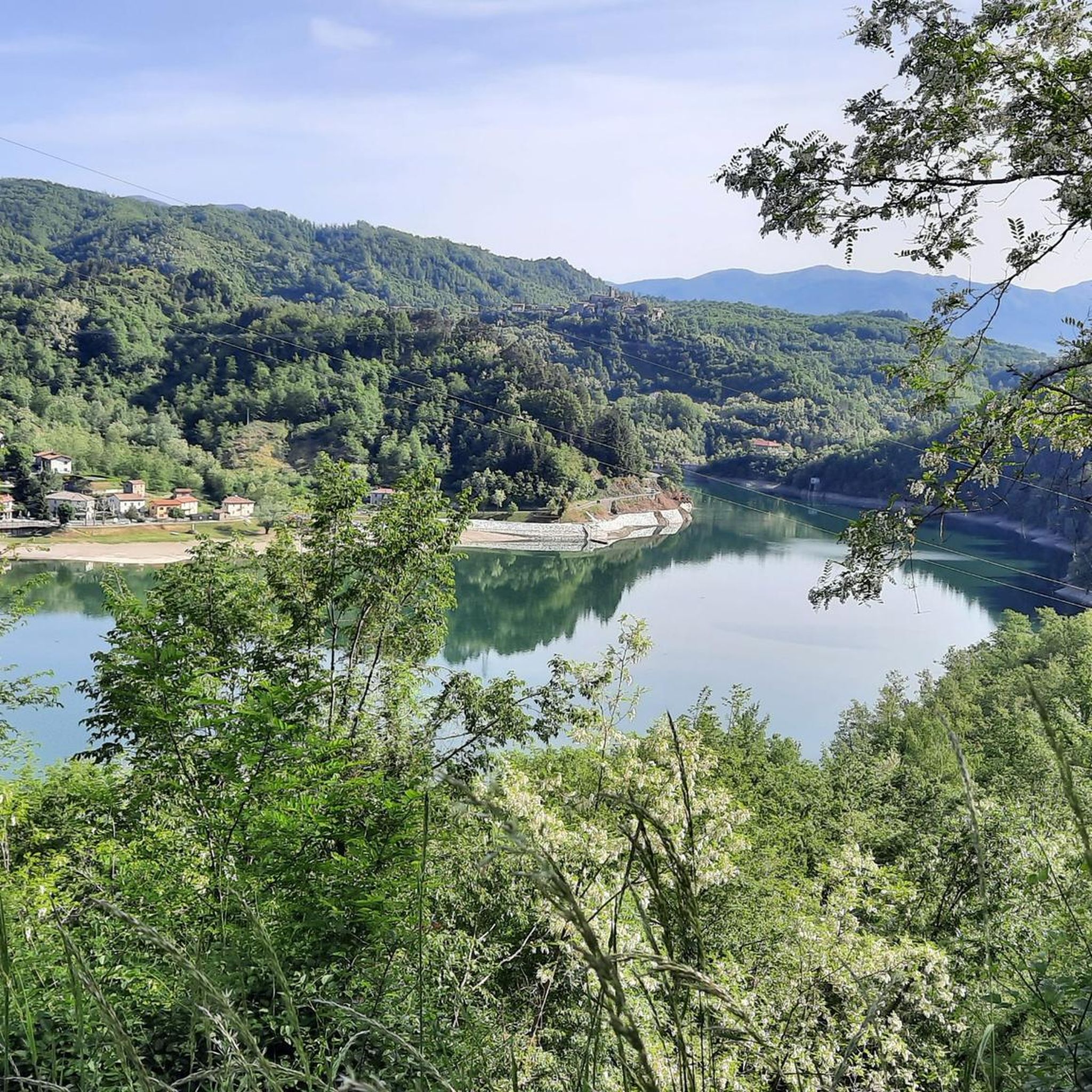
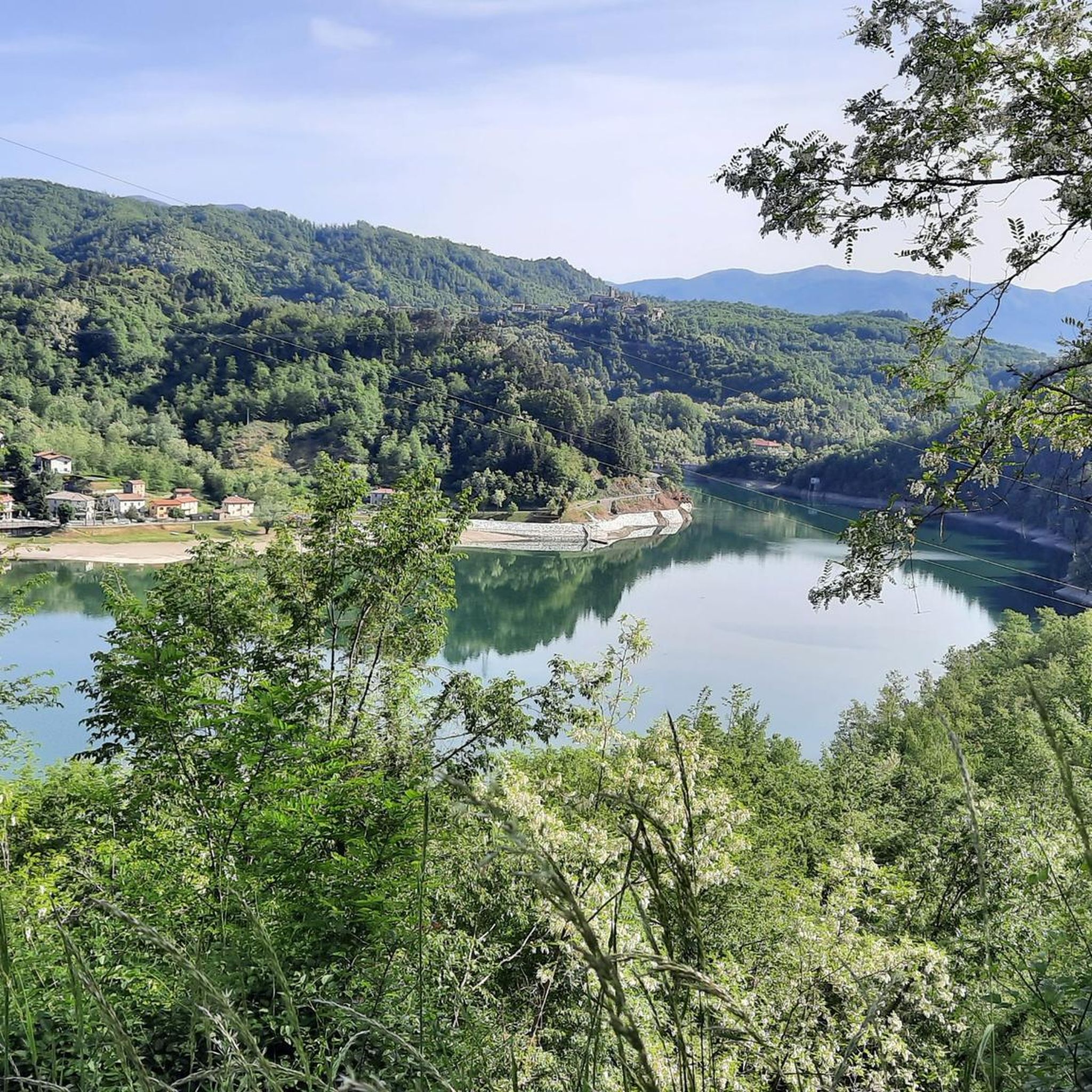
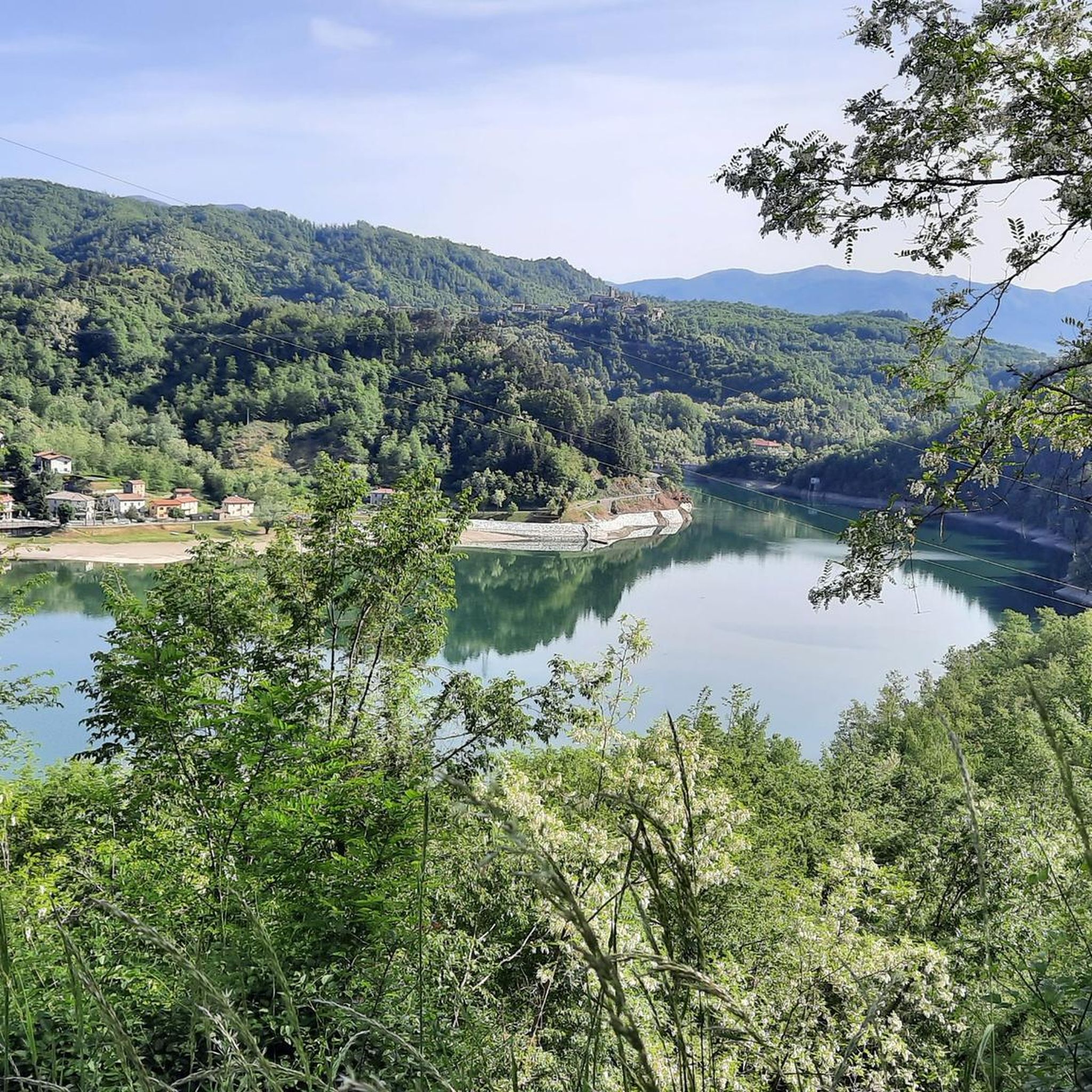
Lake Vagli
Highlight • Lake
Translated by Google •
Tip by

Tambura Pass
Highlight • Mountain Pass
Nearby Mount Tambura is one of the largest mountains in the Apuan Alps, easily visible from afar.
Translated by Google •
Tip by

Sign up now to discover places like this
Get recommendations on the best single tracks, peaks, & plenty of other exciting outdoor places.
Sign up for free
Nello Conti Hut
Highlight • Mountain Hut
Translated by Google •
Tip by

Passo del Vestito
Highlight • Mountain Pass
Translated by Google •
Tip by

Kobra’s David mural at Cava Cima di Gioia
Highlight • Monument
Translated by Google •
Tip by

Sign up for free to discover even more attractions around Minucciano.
Sign up for free
Already have an account?
Start today with a free account
Your next adventure awaits.
Login or Signup
Tips from the Community

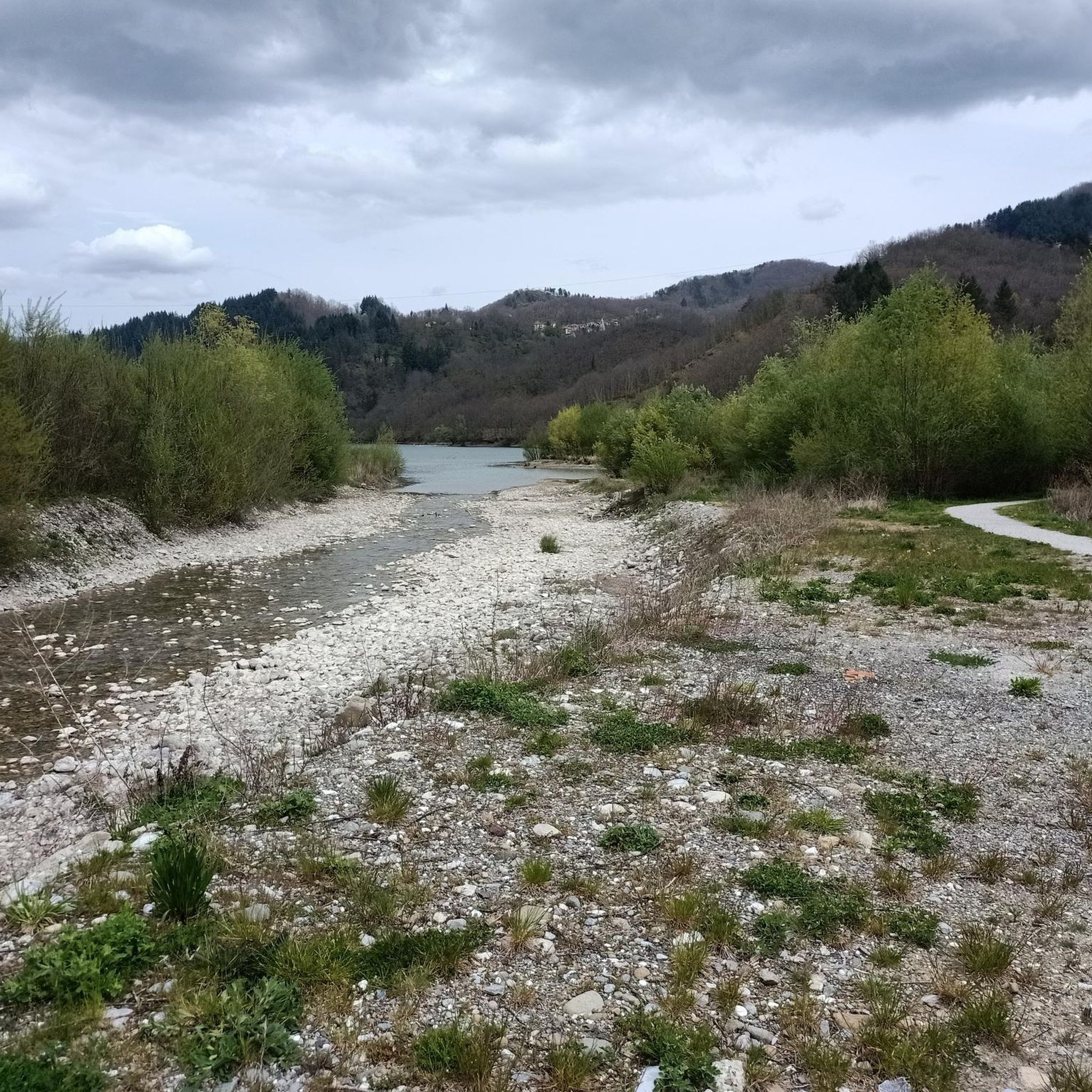
The construction of the hydroelectric dam, designed by Count Eng. Ignazio Prinetti Castelletti, began in 1941, slowed down during wartime, and was completed in 1947 under the supervision of SELT Valdarno (now Enel). In the period 1951-53, the dam was raised by about 30 m, bringing the overall height to about 88-92 m. The ordinary arch and gravity dam, built in concrete, has a crest 150 m long and 5 m wide, while the width at foundation level is about 70 m. The crest is accessible to the public all year round. The lake, artificially formed in 1947 by damming the Edron stream, constitutes the dam's reservoir. Upon filling, the rising lake waters submerged some villages, the main one being Fabbriche di Careggine, a small village of blacksmiths from Brescia, founded in the 13th century, which re-emerges with every emptying of the basin. Since the Vajont disaster, the basin has not been filled beyond 80% of its maximum capacity. The basin holds about 35 million cubic meters of water and is exceptionally emptied in case maintenance intervention is necessary. This has happened four times: in 1958, 1974, 1983, and 1994. In the latter year, almost 1 million tourists from all over the world arrived in Vagli.
0
0

A huge plaque that marks the death of the Apuan Alps due to criminal marble mining, and on which they didn't even have the good sense to include the dates of birth and death. 200,000,000 years of the Apuan Alps' geological formation pulverized into marble destined for the chemical industry. After this excursion, when you brush your teeth before bed tonight, you might find Apuan marble in your toothpaste. Visit this place because you need to see the pollution and devastation with your own eyes, and you need to know what it means to destroy mountains. And mountains don't grow back: what's taken away is gone forever. And if during your visit you think you see "beauty" around you in this place of devastation and pollution, perhaps you haven't yet developed the consciousness to truly understand what marble quarries are.
0
0

A beautiful refuge nestled in the mountains. I recommend booking in advance to secure a spot, even just for lunch. The trail is steep; I recommend appropriate equipment, especially footwear.
0
0

Perhaps the most beautiful refuge in the Apuan Alps
1
0

Perhaps the most beautiful bivouac in the Apuan Alps!
1
0

Easy to ride, interesting views. Front and rear bike lights highly recommended!
0
0

I do not recommend it in the hot season
0
0
Frequently Asked Questions
What natural attractions can I explore around Minucciano?
Minucciano is surrounded by stunning natural beauty. You can visit Lake Gramolazzo, an artificial lake perfect for relaxation and surrounded by trekking routes. The area is also an excellent base for exploring the vast Apuan Alps Regional Park, offering endless hiking trails and breathtaking mountainous landscapes. Within the Apuan Alps, Val Serenaia and Orto di Donna are known for their high mountains and numerous water springs.
Are there good hiking opportunities in the Minucciano area?
Yes, the region around Minucciano is crisscrossed with numerous scenic hiking trails. You can find routes suitable for various skill levels, from moderate walks around Lake Gramolazzo to more challenging excursions in the Apuan Alps. For a comprehensive list of trails, check out the Hiking around Minucciano guide.
What historical landmarks can I visit in Minucciano?
Minucciano boasts a rich history. You can explore the medieval Tower of Minucciano, an 11th-12th century fortification that now serves as the bell tower for the Parish Church of San Michele. Other significant religious sites include the Romanesque Parish Church of San Lorenzo and the Church of Castagnola. Don't miss the Sanctuary of the Beata Vergine del Soccorso, which includes an archaeological park with copies of Bronze Age menhirs.
Where can I find the best panoramic views around Minucciano?
For spectacular panoramic views, head to Tambura Pass, which offers exceptional 360-degree vistas from 1630 meters above sea level. Passo del Vestito also provides magnificent views of the surrounding mountains and down to the sea. Additionally, Monte Argegna is known for its magical panoramic views, and Mount Sagro offers a fantastic outlook over Massa-Carrara and Versilia.
Are there any unique or unusual sights to see near Minucciano?
Yes, for something truly unique, seek out Kobra’s David mural at Cava Cima di Gioia, an immense, colorful mural hidden in the heart of the Apuan Alps. Another intriguing sight, though only visible during periods of low water, is the submerged 'ghost town' of Fabbriche di Careggine in Lake Gramolazzo.
Are there family-friendly activities or attractions suitable for children?
Families can enjoy relaxing by Lake Gramolazzo, which offers a pleasant environment for all ages. Many of the easier hiking trails around the lake and in the lower elevations of the Apuan Alps are also suitable for families. The Passo del Vestito is also categorized as family-friendly, offering scenic views without overly strenuous climbs.
What are some challenging hikes for experienced trekkers in the area?
Experienced trekkers can tackle the ascent to Tambura Pass, known for its steep slopes and historical engineering. Excursions to Foce di Giovo or even the summit of Monte Pisanino offer splendid views and a significant challenge. For specific difficult routes, consider the 'Orto di Donna e Pizzo d'Uccello — Round trip' or 'Summit of Monte Pisanino – Roses Gully loop' found in the Hiking around Minucciano guide.
Where can I learn about the local culture and history of the Garfagnana region?
To delve into the local identity and history of the Upper Garfagnana region, visit the 'Olimpio Cammelli' Alta Garfagnana Identity Museum located in Gorfigliano. The ancient village of Gorfigliano itself, with its medieval origins and castle, is also worth exploring for a cultural experience.
Are there any cycling or gravel biking routes near Minucciano's attractions?
Yes, the Minucciano area offers various routes for cycling and gravel biking, often incorporating scenic attractions like Lake Gramolazzo and mountain passes. You can find detailed routes, such as the 'Lake Gramolazzo – Lake Gramolazzo loop' for gravel biking or 'Between Lake Vagli and Lake Gramolazzo — Ring tour' for cycling, by exploring the Gravel biking around Minucciano and Cycling around Minucciano guides.
What is the best time of year to visit Minucciano for outdoor activities?
The best time to visit Minucciano for outdoor activities like hiking and cycling is generally during the spring (April to June) and autumn (September to October). During these seasons, the weather is typically mild and pleasant, ideal for exploring the natural landscapes. Summer (July and August) is also popular, especially for enjoying Lake Gramolazzo, though mountain trails can be quite warm.
Are there places to stay or eat near the main attractions?
Yes, in the heart of the Apuan Alps, you can find the Nello Conti Hut, which offers about 20 places to sleep and serves coffee and lunch, making it a great stop for hikers. Additionally, the various villages around Minucciano, such as Gorfigliano, offer local accommodations and dining options.
Most popular routes around Minucciano
Most popular attractions around Minucciano

Get inspired with the komoot mobile app


Explore more
Still not found the Highlight you’re looking for? See guides of the top attractions in other regions:
