The best running trails around Fosdinovo
4.7
(32)
979
runners
25
runs
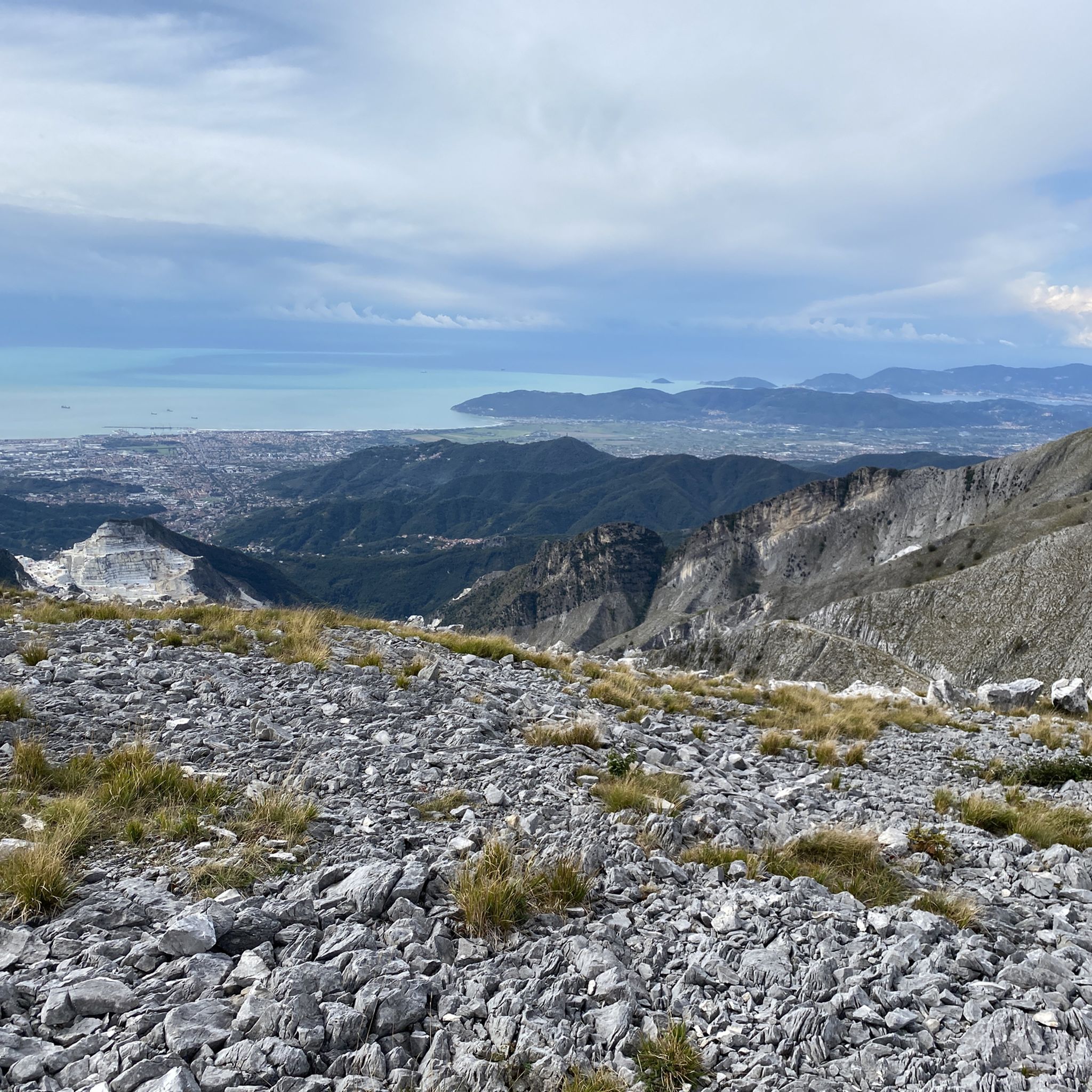
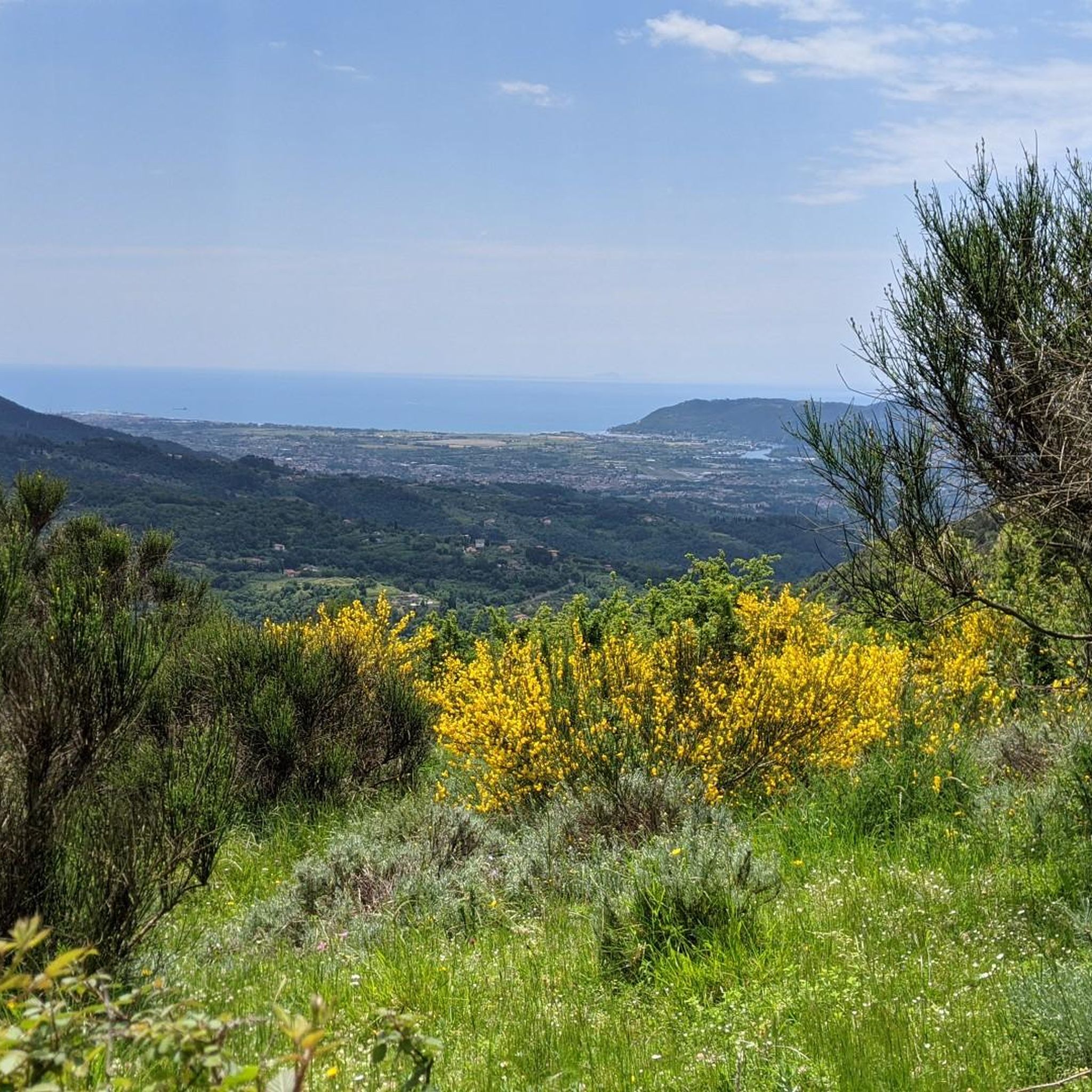
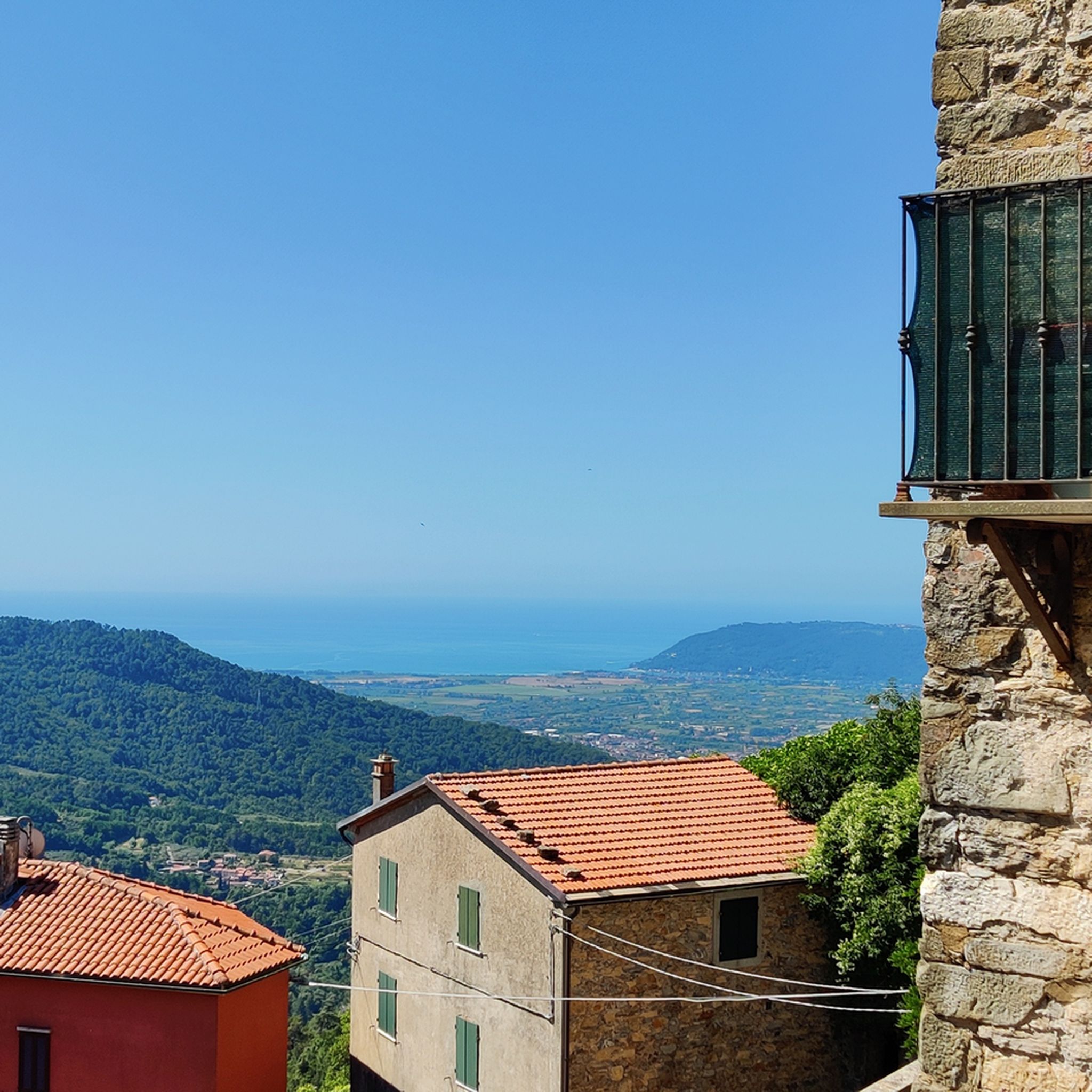
Jogging routes around Fosdinovo traverse a diverse landscape within Tuscany's Lunigiana region, characterized by lush mountainous terrain and dense woodlands. The area features varied elevations, with paths winding through forests and offering panoramic views of the Apuan Alps and the Ligurian Sea. This geology, including limy material and sandstone, contributes to a unique natural environment for running.
Best jogging routes around Fosdinovo
- The most popular jogging route is Start of Canale Lunense Trail – View of Via Mazzini loop from…
Last updated: June 30, 2026
18
runners
Hard run. Good fitness required. Sure-footedness, sturdy shoes and alpine experience required.
15
runners
11.7km
01:18
270m
270m
Moderate run. Good fitness required. Mostly paved surfaces. Suitable for all skill levels.

Sign up for free
5.0
(1)
15
runners
3.45km
00:22
30m
30m
Easy run. Great for any fitness level. Mostly paved surfaces. Suitable for all skill levels.
12
runners
18.8km
02:24
530m
530m
Hard run. Very good fitness required. Sure-footedness, sturdy shoes and alpine experience required.
8
runners
Hard run. Very good fitness required. Mostly paved surfaces. Suitable for all skill levels.
Get access to more routes and recommendations from other explorers.
Sign up for free
Already have an account?
Our route recommendations are based on thousands of hikes, rides, and runs completed by other people on komoot.
Start today with a free account
Your next adventure awaits.
Login or Signup

Tips from the Community

Improperly named Palazzo Roderio, after the Genoese architect who designed it. The building, constructed between the 15th and 16th centuries, features the typical structure of Genoese palaces, with a central courtyard bordered by a portico around which the various rooms unfold. The courtyard displays several coats of arms and several fragments of ancient columns from the Roman colony of Luni. The municipal council chamber, located on the first floor and at the top of the imposing marble staircase, houses large paintings depicting some of the illustrious men who shaped Sarzana's history, including Nicholas V.
0
0
It was built on the area where the parish church of San Basilio once stood, starting in 1204. Construction work ended in 1474 with the completion of the upper part of the façade by Leonardo Riccomanni. Following the completion of the work, in 1735 the statues of Saint Eutychiano in the centre, of Sergius IV on the left and of Nicholas V on the right were placed on the façade. The building, which represents the sum of all the historical-artistic production of Sarzana and the Magra Valley, has been elevated to a minor basilica. It preserves, among other works, the crucifix by Mastro Gugliermo (1138), the first dated example of a painted cross in the history of art.
0
0

The building of the Cathedral of St. Mary of the Assumption, erected on the area occupied by the previous parish church of San Basilio, is consequent to the transfer of the bishop's seat from Luni to Sarzana in 1204. È assai probabile che i lavori siano effettivamente iniziati solo alla fine del secolo XIII. In 1355, the lower part of the façade was completed (as recalled by the inscription engraved on the marble architrave of the portal), while in 1474 Lorenzo Riccomanni da Pietrasanta created the rose window that adorns the upper part. The construction of the bell tower also dates back to the 15th century, while between the end of the 17th century and the beginning of the 18th century, the two side bodies flanking the marble façade were built to open the six internal chapels. Also dating back to the 18th century are the statues placed at the crowning of the building depicting three important exponents of the Lunigiana church: Pope Sergius IV, St. Eutichiano and Nicholas V. The interior with three wide naves divided by octagonal pillars and covered by a valuable wooden coffered ceiling, created in 1670 by Pietro Giambelli from Pisa, preserves important testimonies of art and faith: among them, the Reliquary of the Precious Blood of Christ and the painted Cross by Mastro Guglielmo, a cornerstone of Italian Romanesque painting, signed and dated 1138. (c) https://visitsarzana.it/cathedral-santa-maria-assunta/
0
0
The Lunense Canal is an artificial system, built in the last century, which begins at the intake on the Magra River in Stadano di Aulla and from there, after a short tunnel section, flows open-air for 23 kilometers through the Magra Valley, connected to a distribution network consisting of 150 kilometers of various types of canals. (c) https://rivistanatura.com/il-canale-lunense-compie-100-anni/
0
0

The Testaforte Tower was built in 1513 by the mayor of Sarzana, Luchino Stella. The Carpena family later built their residence, Villa Carpena, on the tower. The tower is connected to the Citadel by a footbridge that crosses Porta Romana, the southern entrance to the city, surmounted by a large statue of the Madonna and the coat of arms of Genoa.
1
0
Piazza Giacomo Matteotti, also known as “piazza della Calcandola”, is the heart of the historic center of Sarzana. The square has an irregular shape that is the result of a long-term adaptation of humans to settle in this special area. This area between the Calcandola River and the Burgus Sarzane (11th century) was originally an extensive alluvial terrain formed by rocks and sediments that often underwent flooding from the Calcandola River. In this square, on the morning of October 6, 1306, before mass, Dante Alighieri received a blank power of attorney from Franceschino Malaspina, Marquis of Mulazzo. Along the perimeter of the square you will find the town hall and many commercial activities such as shops, bars and restaurants. In the middle of the square there is a fountain that you can sit next to.
7
0
The cathedral has a marble reredos (1432) by Riccomani. To the right of the choir, a vial that is said to have contained Christ's blood is kept in a chapel. In the chapel on the left hangs a crucifix, a masterpiece of Romanesque art by Guglielmo de Lucques (1138).
6
0

The patronage of this church, “SANTA MARIA ASSUNTA” (in German: “Assumption of Mary”), refers to one of the many memorial days or feast days in honor of the Mother of God Mary. It goes back to the feast of her bodily assumption into heaven, which the (Catholic) Church celebrates annually on August 15th. In the Orthodox churches, the feast is called “Dormition of Mary”. In many rural areas, it is customary for the population to collect bundles of herbs on this day and to bless them in the festive service.
6
0
Frequently Asked Questions
How many running routes are there in the Fosdinovo area?
There are over 20 running routes around Fosdinovo, offering a variety of experiences for different fitness levels. These trails traverse the diverse landscapes of Tuscany's Lunigiana region.
Are there easy running routes suitable for beginners or families in Fosdinovo?
Yes, Fosdinovo offers several easy running routes. For instance, the Running loop from San Lazzaro is a gentle 2.1 miles (3.5 km) path, often completed in about 22 minutes, perfect for a relaxed jog through local landscapes.
What kind of terrain can I expect on the running trails near Fosdinovo?
The terrain around Fosdinovo is quite varied, ranging from lush mountainous paths and dense woodlands to trails through medieval villages. You'll find options from mostly paved surfaces to more challenging climbs requiring sure-footedness, reflecting the region's diverse geology of limy material and sandstone.
Are there any running routes that offer panoramic views or pass by historical landmarks?
Absolutely. Many routes provide stunning panoramic views of the Apuan Alps and the Ligurian Sea. You can also incorporate historical sightseeing into your run; for example, the Castello dei Vescovi di Luni loop from San Lazzaro offers views of the historic castle. The area is also home to the impressive Malaspina Castle and other medieval hamlets like Giucano and Ponzanello, which can be explored on various trails.
What do other runners say about the trails in Fosdinovo?
The running routes in Fosdinovo are highly rated by the komoot community, with an average score of 4.76 stars from over 30 reviews. Runners often praise the beautiful scenery, the mix of historical and natural sights, and the variety of trails available for different abilities.
Are there any challenging running trails for experienced runners?
Yes, for those seeking a challenge, Fosdinovo has several difficult routes. The Via Paterno climb loop from San Lazzaro is a demanding 11.7 miles (18.8 km) trail with significant elevation gain, ideal for experienced runners looking for a strenuous workout.
Can I find circular running routes in the Fosdinovo area?
Yes, many of the running paths around Fosdinovo are designed as loops, allowing you to start and finish in the same location. This includes trails that connect Fosdinovo to other medieval villages or offer scenic circuits through the countryside.
What are some notable natural features or attractions I might see while running?
Beyond the stunning views of the Apuan Alps and the Ligurian Sea, you might encounter lush forests and unique geological formations. Nearby natural highlights include Mount Sagro and the famous Carrara Marble Quarries of Colonnata, offering impressive sights along or near some routes.
Is Fosdinovo a good destination for trail running with dogs?
While specific dog-friendly regulations can vary, the natural environment of Fosdinovo, with its extensive network of trails through woodlands and open spaces, generally lends itself well to running with dogs. Always ensure your dog is leashed and that you clean up after them to respect the local environment and other trail users.
Are there any longer running routes for endurance training?
For longer runs, consider routes like the Start of Canale Lunense Trail – View of Via Mazzini loop from Municipal Airport of Sarzana-Luni, which spans 8.9 miles (14.3 km). This difficult route connects historical areas with scenic viewpoints, providing a good challenge for endurance.
What is the best time of year to go running in Fosdinovo?
Fosdinovo's blooming natural world makes spring and autumn particularly pleasant for running, with milder temperatures and vibrant scenery. Summer offers shade in the dense woodlands, providing a refreshing environment, though it can be warmer. Winter runs are also possible, especially on lower elevation trails.
Are there options for parking near the running trails in Fosdinovo?
Yes, many trailheads and starting points for running routes in and around Fosdinovo offer convenient parking options. It's advisable to check specific route details for the most accurate information on parking availability.
Most popular routes around Fosdinovo
Most popular attractions around Fosdinovo

Get inspired with the komoot mobile app


Explore more
Browse the best Running Trails & Routes in other regions.
