The best road cycling routes around Montecatini Val Di Cecina
4.7
(473)
9,372
riders
11
rides
Road cycling around Montecatini Val Di Cecina offers diverse terrain, from challenging climbs to gentle slopes, winding through the heart of Tuscany. The region is characterized by rolling Tuscan hills, ancient villages, and the lush Cecina River Valley. Cyclists encounter olive groves, vineyards, and Mediterranean scrub, providing varied scenery and elevation changes. This landscape offers a compelling mix for road bike trails, with routes featuring both mostly flat sections and demanding climbs.
Best road cycling routes around Montecatini Val Di…
Last updated: July 8, 2026
4.9
(31)
421
riders
83.8km
04:14
1,340m
1,340m
Hard road ride. Very good fitness required. Mostly well-paved surfaces and easy to ride.
4.2
(5)
114
riders
46.8km
02:22
750m
750m
Moderate road ride. Good fitness required. Some segments of this route may be unpaved and difficult to ride.

Sign up for free
5.0
(3)
57
riders
56.8km
02:36
680m
680m
Moderate road ride. Good fitness required. Mostly well-paved surfaces and easy to ride.
5.0
(5)
85
riders
46.5km
02:29
820m
820m
Moderate road ride. Good fitness required. Some segments of this route may be unpaved and difficult to ride.
4.5
(4)
66
riders
25.8km
01:22
480m
480m
Moderate road ride. Good fitness required. Some segments of this route may be unpaved and difficult to ride.
Get access to more routes and recommendations from other explorers.
Sign up for free
Already have an account?
Our route recommendations are based on thousands of hikes, rides, and runs completed by other people on komoot.
Start today with a free account
Your next adventure awaits.
Login or Signup
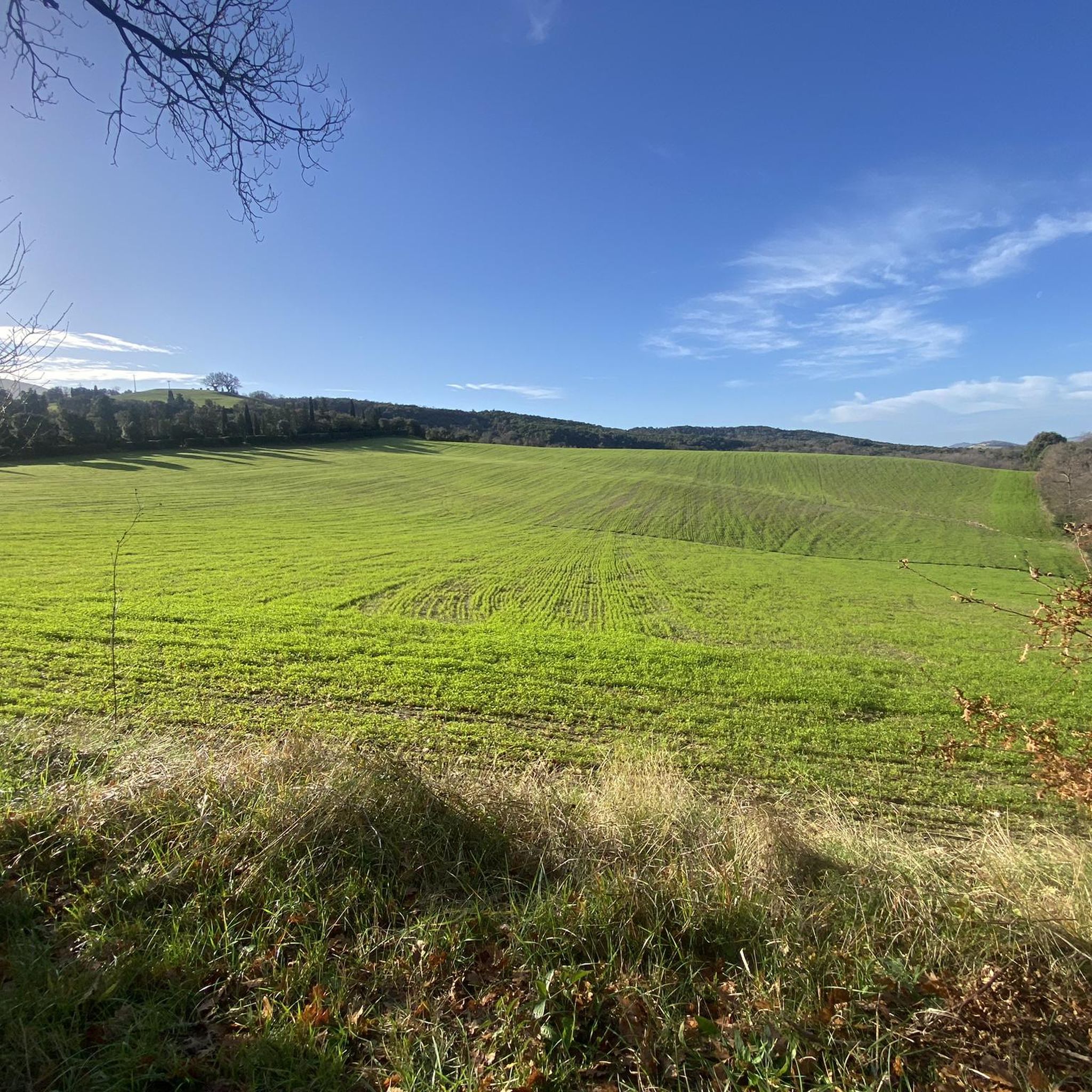

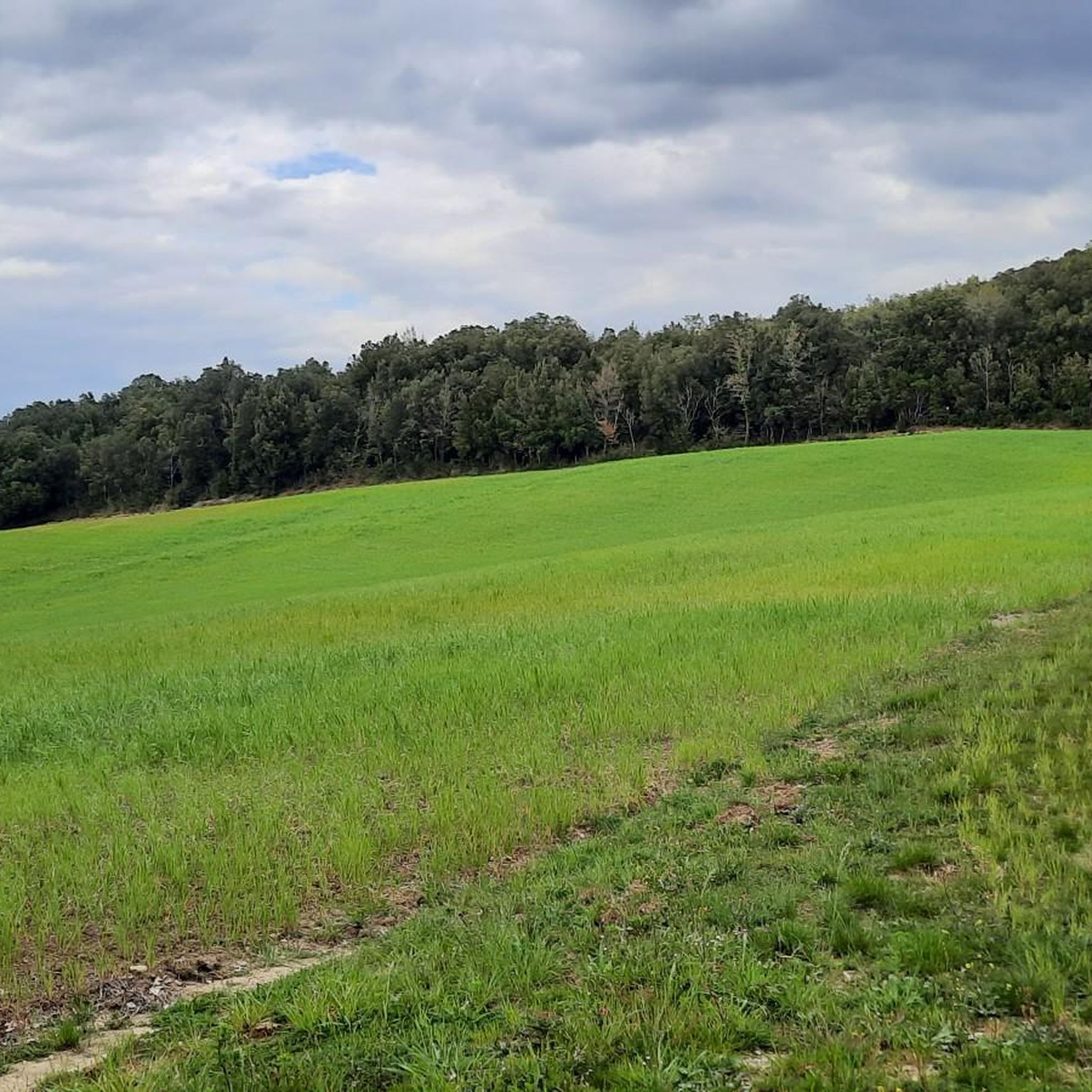
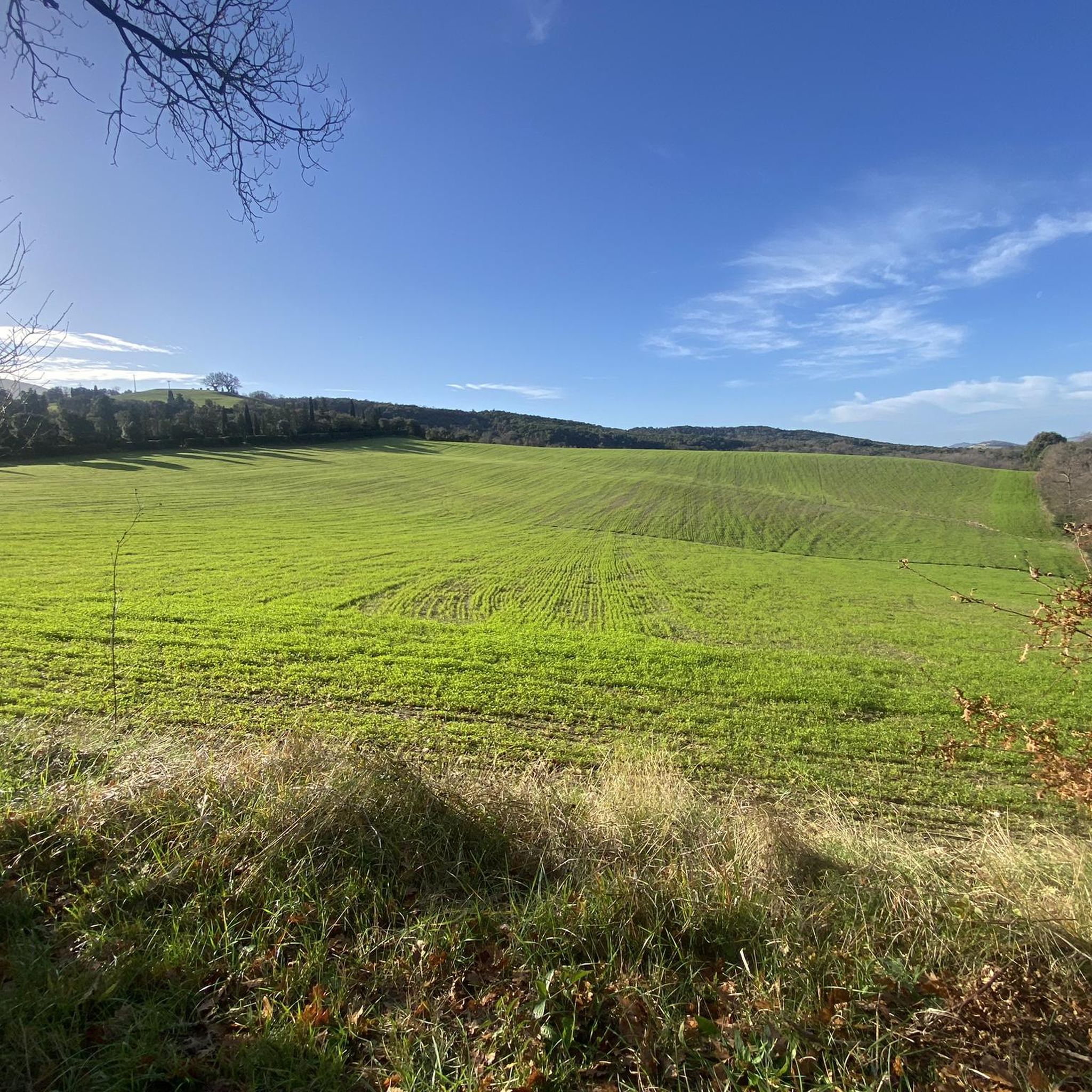
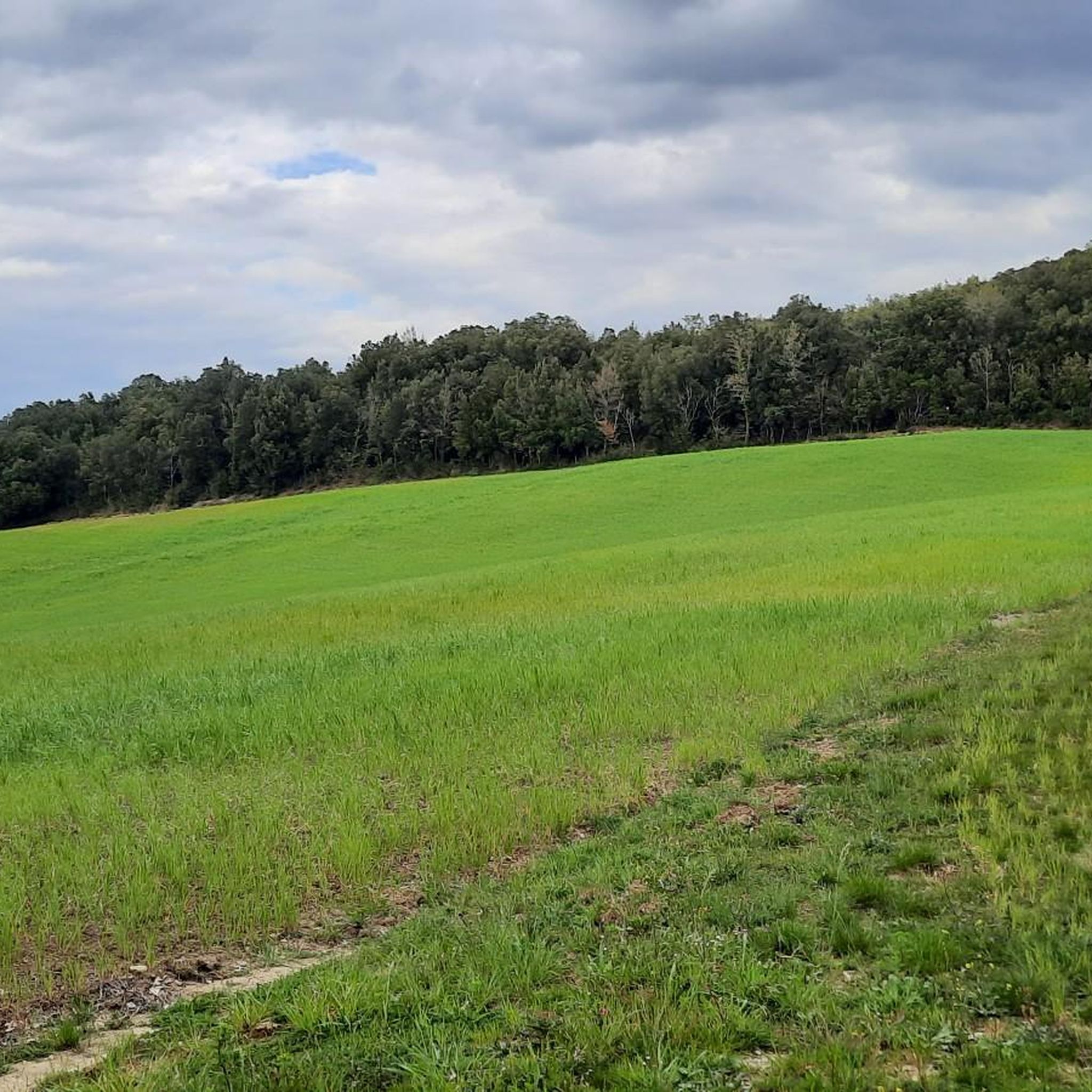
Tips from the Community

The Castello di Querceto is a historic medieval fortress and a renowned winery located in the heart of Chianti Classico, precisely in the municipality of Greve in Chianti (FI). Since 1897, the property has belonged to the François family, who have transformed the estate into an international benchmark for Tuscan wine production.
0
0
Montecatini Val di Cecina is a charming medieval village located in the province of Pisa, in Tuscany, famous for its rich mining history and the magnificent view over the hills of the Val di Cecina.
0
0
The Historic Hamlet of Bibbona is a charming village of Etruscan and medieval origins located on the Etruscan Coast. Characterized by a labyrinth of stone-paved alleys, stairways, and arches, the village stands on a hill overlooking the sea, surrounded by the picturesque landscapes of the Val di Cecina.
0
0

A jewel nestled among the hills of Val di Cecina, Castello di Querceto dominates the landscape with its discreet and timeless elegance. 🚴♂️✨ 🌾 Surrounded by vineyards and white roads, it represents one of the most evocative points of passage in the area of Montecatini Val di Cecina. 📸 The contrast between the historic architecture of the castle and the Tuscan rural landscape makes it a perfect spot for a photo stop.
1
0

Castrum Montis Leonis, as the village of Montecatini Val di Cecina was called in ancient times, and its center is indeed characterized by imposing buildings and thick black-and-white striped walls, a castle that must have served as a residence for knights from the North. For a long time it was a territory of contention between Pisa and Volterra, and that war was part of the life of this village can be understood, for example, from the two openings made transversely to the Torre dei Belforti, which allow control of the Mastio of Volterra and the Rocca Sillana, a "telescope"... of yesteryear. This territory, dotted with small villages immersed in nature, is then intimately linked to an element - "precious" in many ways - since the time of the Etruscans: copper. In the 19th century, the copper mines in this area were the largest in Europe and - although they have not been in operation since 1907 - today the tunnel, the mining site of Camporciano, the Mining Museum are still visitable, and one can also admire the various stages of the ancient processing of this element.
1
0

An ancient castle located north of the Monterufoli Forest, Micciano stands out from its high reddish gabbro cliff called the 'Pinzo', which faces the hill on which the village of Libbiano stands, separated from the deep Adio Valley. Its name appears to derive from the Latin 'Fundus Mitianus or Maecianus', the name of a Roman legionary who, benefiting from the 'Julian Law', was gifted a large plot of land in that area in exchange for valorous military deeds. The oldest document of the small village's history, dating back to 947, is preserved in the Episcopal Curia of Volterra and refers to the investiture of Giovanni di Giovanni as parish priest, while a papal bull from Pope Alexius III, dated 1076, confirms the donation of Micciano and its court to the Abbey of Monteverdi by Emperor Henry II of Saxony.
0
0

Small ice cream parlor with delicious ice cream or a quick espresso - centrally located at the intersection in Bibbona.
1
0

Climb towards Montecatini Val di Cecina. 10 km long, cyclable, but in some parts you need to have legs. It is taken from the road that goes from Saline di Volterra to Cecina. The asphalt is not perfect, better to do it uphill, but you can also do it downhill, perhaps with a little attention. Once you get to the top, where there is the wall, if you turn left, you go another 500 meters and you arrive at the Copper mine. It can be visited, and was the largest Copper mine in Europe.
0
0
Frequently Asked Questions
What kind of terrain can I expect on road cycling routes around Montecatini Val di Cecina?
The region offers a diverse mix of terrain, from challenging climbs in the Montalbano hills with slopes over 10% incline, to gentle slopes and mostly flat sections, particularly in the Valdinievole. You'll cycle through rolling Tuscan hills, ancient villages, olive groves, vineyards, and Mediterranean scrub, providing varied scenery and elevation changes.
Are there routes suitable for different fitness levels?
Yes, Montecatini Val di Cecina caters to various abilities. You can find moderate rides, such as the Cecina River Bridge – View of Montescudaio loop from Ponteginori (61.2 km, 575m elevation gain), or more challenging routes like the Castello di Querceto – Riparbella loop from Querceto (83.7 km, 1341m elevation gain), which features significant climbing.
What are some notable natural features or viewpoints I might encounter on a ride?
Cyclists can enjoy breathtaking sea views, sometimes extending to Corsica on clear days, and panoramic vistas over the Valdinievole and the Cecina River valley. Routes often pass through the wooded landscape of the Metalliferous Hills. The region also features unique geological formations near Volterra, known as the 'balze' or 'calanchi', which are steep rock slopes and deep cracks.
Are there any historical or cultural landmarks to explore along the routes?
Absolutely. The region is rich in history. You can cycle through charming medieval villages like Querceto, Sassa, Miemo, Montescudaio, and Canneto. The village of Montecatini Val di Cecina itself boasts the 11th-century Belforti Tower and a mining museum. Near Volterra, you can find ancient Etruscan tombs, such as the Necropoli del Portone Etruscan Tomb.
What is the best time of year for road cycling in Montecatini Val di Cecina?
The region is generally pleasant for cycling for much of the year. Spring and autumn offer milder temperatures and beautiful scenery with blooming wildflowers or changing foliage. Summer can be warm, but early morning rides are still enjoyable. The well-paved, quiet roads are accessible in most seasons.
Are there any long-distance road cycling options available?
Yes, for those seeking longer rides, routes like the Bibbona Historic Village – View of Casale Marittimo loop from Ponteginori cover over 100 km (104.7 km) with significant elevation gain (1009m), offering a full day's adventure through diverse landscapes.
Can I find cafes or restaurants along the cycling routes?
Many routes pass through or near charming hamlets and villages where you can find local cafes and restaurants. These provide excellent opportunities for a break, to refuel, and to experience local Tuscan cuisine. Montecatini Val di Cecina is bike-friendly, with services catering to cyclists.
What do other cyclists say about road cycling in Montecatini Val di Cecina?
The area is highly rated by the komoot community, with an average score of 4.7 stars from over 290 reviews. Cyclists often praise the varied terrain, the stunning panoramic views, and the opportunity to explore ancient villages and natural reserves.
Are there any specific routes that offer a unique cycling experience?
Beyond the scenic loops, the famous Bolgheri Cypress Avenue, though not directly on these routes, offers a unique straight asphalt strip flanked by tall cypresses, providing an intriguing cycling experience in the wider region. Within the listed routes, the Scenic Road to Canneto – Historic Village of Sassetta loop from Querceto leads through charming medieval villages and offers panoramic vistas.
Where can I find parking for my car when starting a cycling route?
Many of the routes start from villages like Querceto or Ponteginori. These smaller towns typically offer public parking areas where you can leave your vehicle before beginning your ride. It's advisable to check local parking regulations upon arrival.
Are there any shorter, moderate routes for a less strenuous ride?
Yes, for a more moderate ride, consider the Central Bar Montecatini – Saline di Volterra loop from Podere Le Volpaie. This route is about 26.4 km with 415m of elevation gain, making it a good option for a shorter, enjoyable outing.
Can I combine cycling with exploring natural reserves?
While the primary road cycling routes stick to paved roads, the region is home to the Monterufoli-Caselli Nature Reserve and the Berignone-Tatti Nature Reserve. These reserves offer extensive networks of paths for exploration, rich in wildlife, and could be visited as a separate activity or a short detour if your bike is suitable for mixed terrain.
Most popular routes around Montecatini Val Di Cecina
Most popular attractions around Montecatini Val Di Cecina

Get inspired with the komoot mobile app


Explore more
Browse the best Road cycling routes in other regions.
