The best MTB trails around Montefalco
4.3
(482)
3,999
riders
231
rides
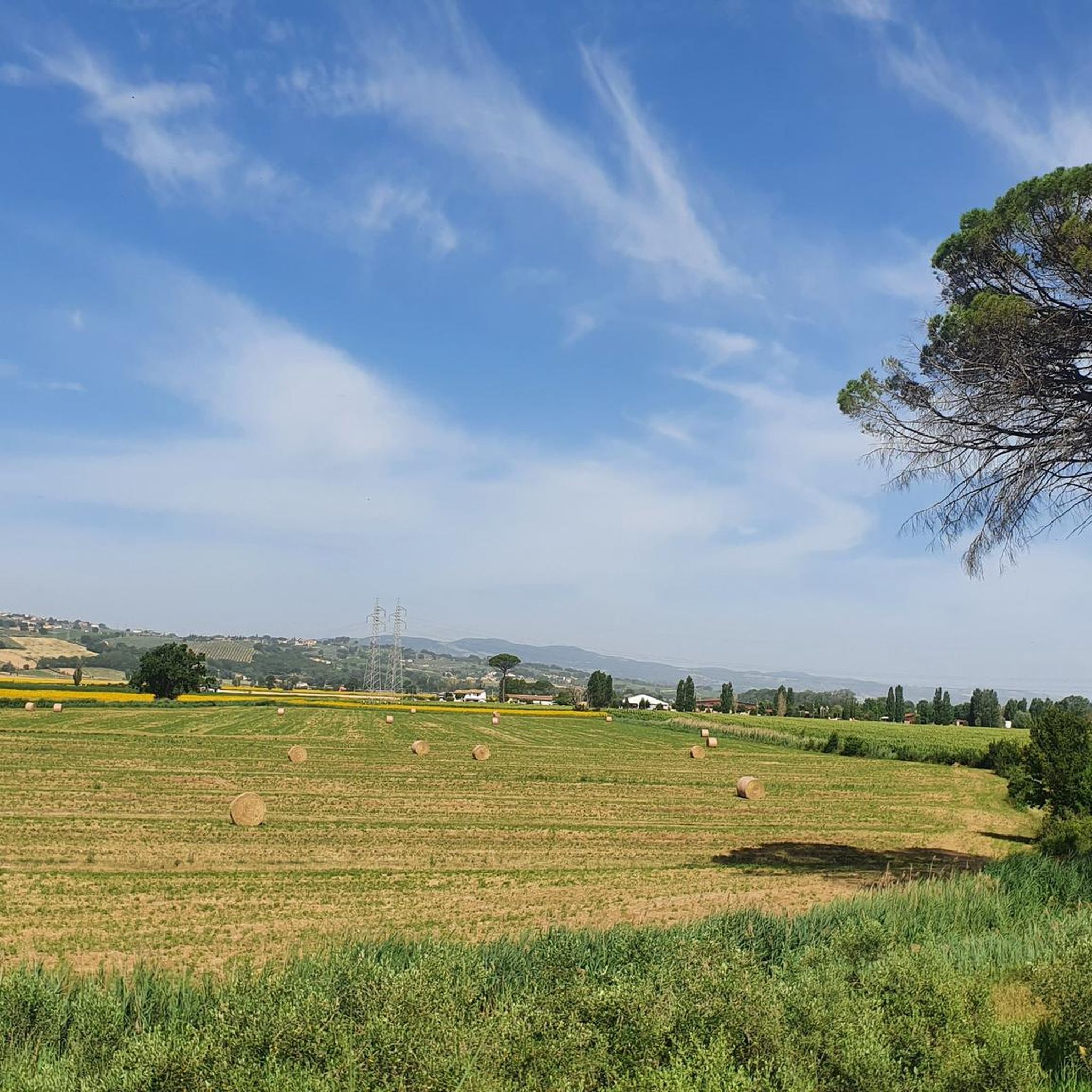
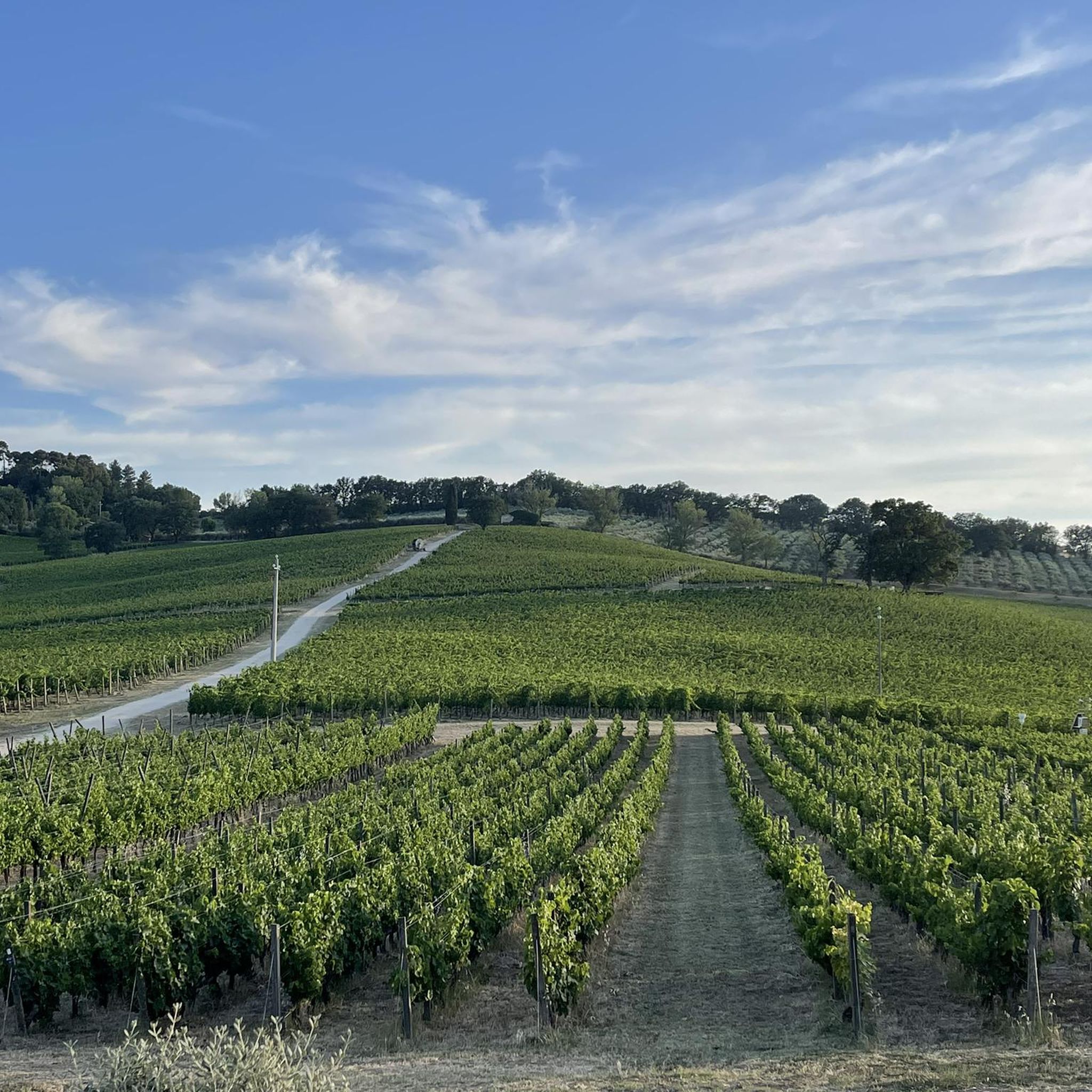
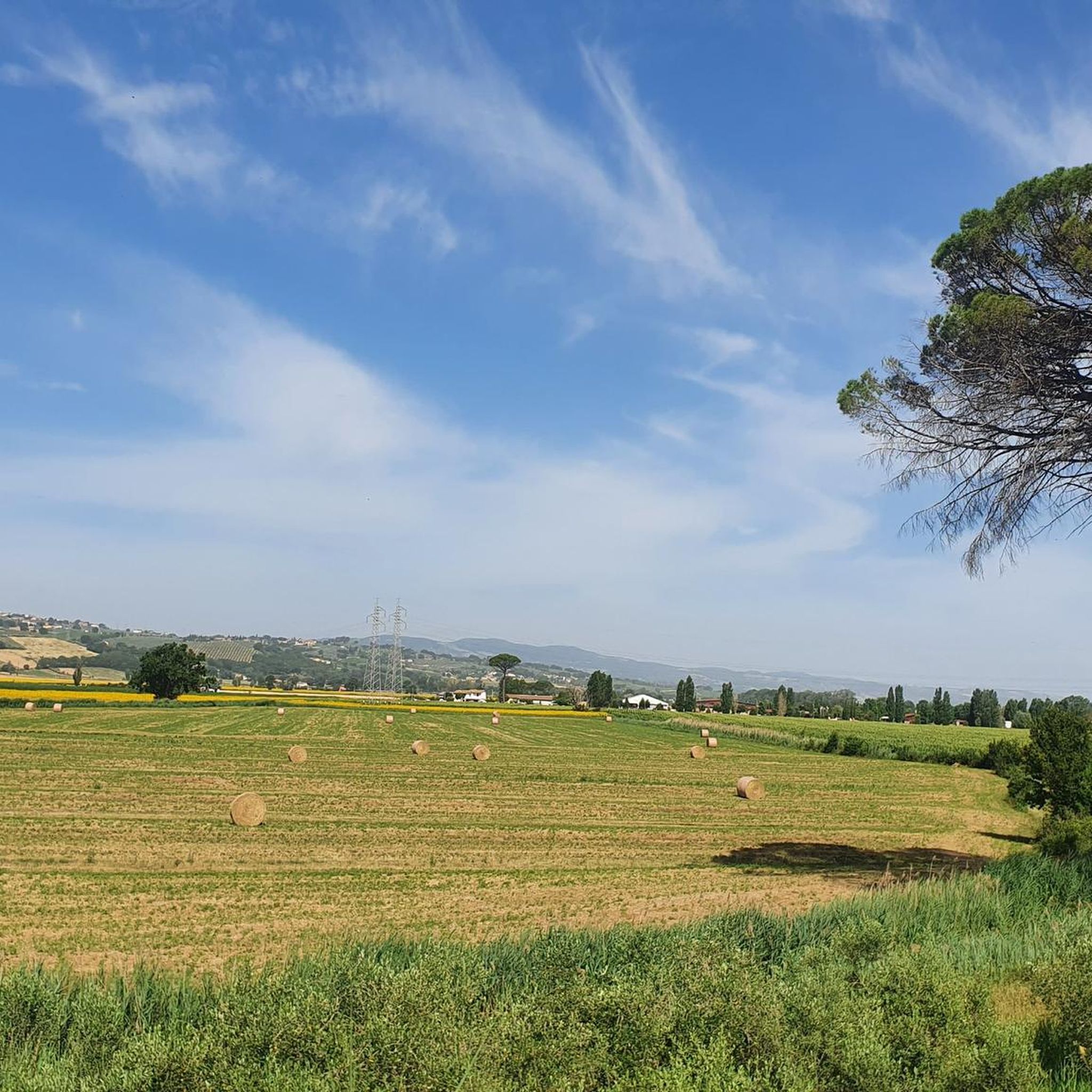
Mountain biking around Montefalco, often called "the balcony of Umbria," offers diverse terrain in a historic hill town setting. The region is characterized by gentle slopes, abundant olive groves, and sprawling vineyards, providing a picturesque backdrop for rides. Trails often weave through the Umbrian Valley, where the Clitunno, Topino, and Tiber rivers run, and include views of the Monti Martani. This landscape provides a mix of easy and challenging routes for mountain bikers.
Best mountain bike trails around Montefalco
- The…
Last updated: October 24, 2026
4.3
(3)
33
riders
Moderate mountain bike ride. Good fitness required.
4.0
(4)
14
riders
36.4km
03:23
990m
990m
Hard mountain bike ride. Very good fitness required.

4.0
(2)
12
riders
37.2km
03:19
950m
950m
Hard mountain bike ride. Very good fitness required.
7
riders
Moderate mountain bike ride. Good fitness required.
3.5
(2)
9
riders
95.2km
05:52
890m
890m
Hard mountain bike ride. Very good fitness required.
Get access to more routes and recommendations from other explorers.
Already have an account?
Our route recommendations are based on thousands of hikes, rides, and runs completed by other people on komoot.
Start today with a free account
Your next adventure awaits.

Tips from the Community

It has just been restored, I remember it since I was a child but I couldn't say when it dates back to, it should be at least over a hundred years old. It is interesting because at the bottom it shows indications about the measurement. For the record, when I photographed it, it was 4:20 PM, is it a coincidence or is it substantially well made?
0
0

Spello's historic center is an elegant and well-preserved medieval village. It's definitely worth a visit.
0
0
Spello is an elegant and well-preserved medieval village. It's definitely worth a visit.
0
0
Natural waterfalls on the Topino river near Cannara
0
0
of the ancient Roman temple only the six-column façade remains. The church is the seat of the TOR, Third Regular Order of Saint Francis
2
0

Bevagna / Region – Umbria / Province – Perugia (PG) The town, surrounded by a city wall with towers and gates, has an intact medieval structure (12th-13th centuries). In the upper part of the town, numerous Roman remains can still be seen: the ruins of a temple, the theater, and a thermal bath complex, of which a frigidarium with a magnificent black and white floor mosaic depicting marine figures from the 2nd century AD survives. The medieval town structure, with its squares and noble houses, developed over the Romanesque foundations: The magnificent Piazza Silvestri is home to the Palazzo dei Consoli (1270), which houses the Torti Theater, the Romanesque churches of San Silvestro and San Michele Arcangelo, both from the late 12th century, and the church of San Domenico e Giacomo (1291). Worth seeing is the Palazzo Comunale (late 18th century), which houses the historical archives, the library, and the art gallery. The Baroque churches of the Monastery of Santa Margherita and San Filippo are also very interesting. At the highest point in the town stands the Church of San Francesco (late 13th century). Next to the altar, one can see the stone on which St. Francis knelt when he preached to the flock of birds at Pian d'Arca. The 18th-century Palazzo Lepri houses the Museum of Bevagna, with works that tell the story of the town from pre-Roman times to the 18th century: archaeological finds from the ancient city of Mevania, medieval documents, and paintings by Dono Doni, Fantino, and Corrado Giaquinto. In the surrounding area, the Sanctuary of Madonna delle Grazie (late 16th century), the Sanctuary of Madonna della Valle, and the Monastery of Annunziata (11th century), formerly a defensive castle, rise up against the hillsides. Text / Source: Umbria Tourism.it contatti@umbriatourism.it https://www.umbriatourism.it/de/bevagna
16
1
Assisi With its world-famous city walls, declared a UNESCO World Heritage Site, Assisi promises visitors a wealth of culture and history. Shopping and long walks in the old town are also part of Assisi's itinerary. Near Perugia, the capital of Umbria, lies Assisi. The birthplace and place of work of St. Francis and St. Clare, it is a city worth visiting, and not only because of its famous children. Assisi's medieval city center and city walls are so well preserved that they were declared a UNESCO World Heritage Site in 2000. The city walls and the Basilica of San Francesco are therefore popular attractions for travelers. Founded by the Romans under the name Asisium, the terraced layout of the oldest Roman part of the city can still be seen today. The forum, an amphitheater, and the temples of the goddess Minerva (goddess of wisdom) are almost completely preserved. Text / Source: italien.de GmbH https://www.italien.de/staedte/assisi
15
0

The baroque basilica is located on the town hall square.
2
0
Frequently Asked Questions
How many mountain bike trails are available around Montefalco?
There are over 220 mountain bike trails around Montefalco, offering a wide range of options for different skill levels. The komoot community has explored more than 3500 of these routes.
What types of terrain and landscapes can I expect on Montefalco's mountain bike trails?
Montefalco's mountain bike trails traverse diverse terrain, from gentle slopes through abundant olive groves and sprawling vineyards to more challenging sections in the Monti Martani. You'll often find yourself riding through the picturesque Umbrian Valley, with views of the Clitunno, Topino, and Tiber rivers, and charming medieval villages.
Are there mountain bike trails suitable for beginners or families in Montefalco?
Yes, Montefalco offers a good selection of easier routes. There are 27 easy trails and 123 moderate trails available, many of which are suitable for leisure cyclists or families looking for a less strenuous ride through the scenic countryside.
Where can I find more challenging mountain bike routes in Montefalco?
For experienced riders seeking a challenge, Montefalco has 79 difficult mountain bike routes. Trails like the Olivo di Macciano – Cross of Monti Martani loop from Bastardo offer significant elevation gain and demanding sections through the Monti Martani.
Are there any circular mountain bike routes around Montefalco?
Many of the mountain bike routes in Montefalco are designed as loops, allowing you to start and end in the same location. Examples include the Historic Center of Bevagna – Montefalco loop from Bevagna, which connects historic towns, and the Castel Ritaldi Castle – Cross of Monti Martani loop from Castel Ritaldi.
What kind of scenic views or landmarks can I see while mountain biking in Montefalco?
Montefalco, known as the 'balcony of Umbria,' offers breathtaking panoramic views of the Umbrian Valley. Trails often pass through areas rich in medieval castles and charming villages. You can also find specific viewpoints like View of Monte Brunette or ride past historic towers, as seen on the View of Trevi – Montefalco Tower loop from Bevagna.
Can I combine mountain biking with other local experiences, like wine tasting?
Absolutely. The Montefalco region is famous for its Sagrantino wine. Many routes, such as the popular Sagrantino Wine Trail, weave through vineyards and olive groves, offering opportunities to stop at local wineries for tastings and to sample regional products.
What do other mountain bikers say about the trails in Montefalco?
The mountain bike routes in Montefalco are highly rated by the komoot community, with an average score of 4.2 stars from over 340 reviews. Riders often praise the stunning panoramic views, the diverse terrain, and the blend of natural beauty with cultural landmarks like historic towns and vineyards.
What is the best time of year to go mountain biking in Montefalco?
The spring and autumn months generally offer the most pleasant conditions for mountain biking in Montefalco, with milder temperatures and beautiful scenery. Summers can be hot, especially in the open valley areas, while winters can be cooler but still offer rideable days.
Are there options for parking near the mountain bike trails in Montefalco?
Many mountain bike routes around Montefalco start from towns or villages like Bevagna, Bastardo, or Castel Ritaldi, where public parking is typically available. It's advisable to check specific starting points for parking facilities when planning your tour.
Are there any bike parks or dedicated mountain biking areas near Montefalco?
Yes, for those looking for dedicated mountain biking facilities, there are bike parks in the wider Montefalco area. You can explore highlights such as the Sassovivo Wild MTB & E-Bike Event or specific trails like the Pimpa Trail and Hannibal Trail.
Are there any trails that follow old railway lines for a unique riding experience?
Yes, you can experience a unique ride along converted railway lines. The Spoleto–Norcia Railway Station – Spoleto–Norcia Cycle Path loop from Castel Ritaldi offers a moderate route that utilizes the former Spoleto–Norcia Cycle Path, providing a relatively flat and scenic journey.
Most popular routes around Montefalco
Most popular attractions around Montefalco

Get inspired with the komoot mobile app


Explore more
Browse the best MTB trails in other regions.
