Attractions and Places To See around Sant'Anatolia Di Narco - Top 20
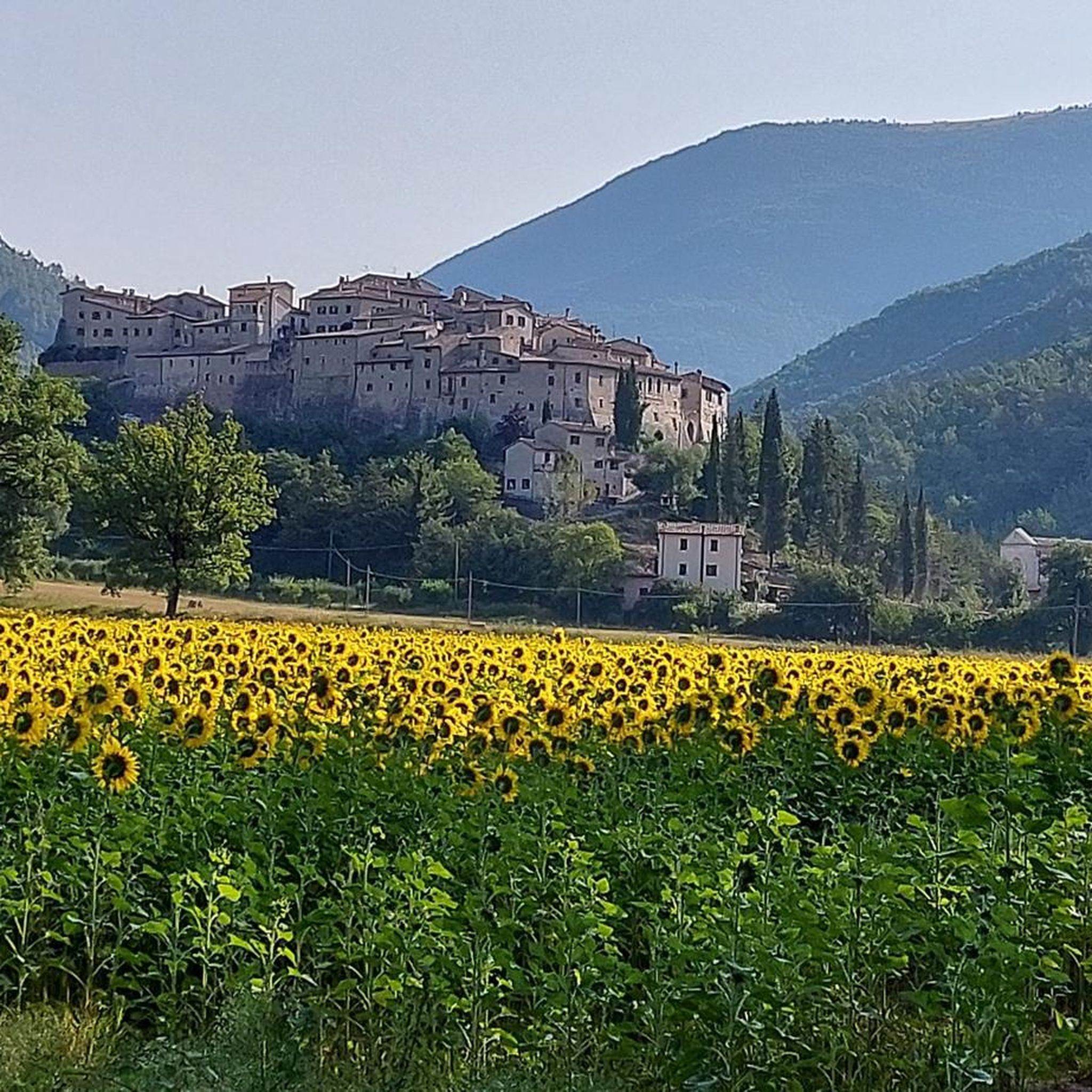
Attractions and places to see around Sant'Anatolia Di Narco include a medieval village setting in the heart of Umbria, characterized by its historical landmarks and natural landscapes. Situated on a river terrace overlooking the Nera River, the area retains features of an ancient fortified castle with 14th-century walls and 16th-17th century palaces. The region offers a blend of historical sites and natural beauty within the picturesque Valnerina valley.
Best attractions and places to see around Sant'Anatolia Di Narco
- The most…
Last updated: August 16, 2026
Caprareccia Station
Highlight • Structure
Translated by Google •
Tip by

Cathedral of Spoleto
Highlight • Religious Site
Cathedral: the symbol of the city of Spoleto
With its magnificent façade, Spoleto Cathedral provides a kind of backdrop to the Piazza Duomo, …
Translated by Google •
Tip by

Sign up now to discover places like this
Get recommendations on the best single tracks, peaks, & plenty of other exciting outdoor places.
Sign up for free
Section of the Spoleto-Norcia Railway
Highlight (Segment) • Cycleway
Translated by Google •
Tip by

Spoleto–Norcia Railway Trail
Highlight • Cycleway
Translated by Google •
Tip by

Historic Center of Spoleto
Highlight • Historical Site
Translated by Google •
Tip by

Sign up for free to discover even more attractions around Sant'Anatolia Di Narco.
Sign up for free
Already have an account?
Start today with a free account
Your next adventure awaits.
Login or Signup
Tips from the Community

Cathedral of Santa Maria Assunta, Spoleto Cathedral Cathedral: the symbol of the city of Spoleto With its magnificent façade, Spoleto Cathedral provides a kind of backdrop to the Piazza Duomo, which is home to many other buildings. The cathedral was built in the 12th century on the remains of an earlier religious building named after Santa Maria del Vescovado, which in turn stood on an older church dedicated to the martyr Primiano. The crypt of Santa Primiano, accessed through the rectory, dates back to the 9th century and represents the only original part of the old cathedral, which was rebuilt at the end of the 12th century. Adjacent to the facade of the cathedral, on the left side, is the imposing square-shaped bell tower. The façade also features an elegant portico with five rounded arches supported by Corinthian columns, a marvelous work by the master Ambrogio Barocci dating from 1492. The upper part is divided into two levels separated by a cornice supported by blind arches: the lower part is decorated with five beautiful rose windows, the central one being larger and surrounded by the symbols of the four evangelists; the upper part features three rose windows and three pointed-arch niches, of which the central, larger one is decorated with a wonderful mosaic depicting Christ enthroned between the Madonna and Saint John the Evangelist. The decorative elements are further emphasized by the use of blocks of local white and pink stone, which highlight the architectural details. Inside, the space is divided into three naves with a central apse, and the plan is a Latin cross with a transept. The building houses numerous works of art by artists from various eras: the bronze bust of Urban VIII was made by Gian Lorenzo Bernini in 1640; the cross with the iconography of the Living Christ (Triumphal) is a work by Alberto Sotio from 1187; and the cycle of the Stories of the Virgin, which adorns the central apse, was painted by Filippo Lippi between 1467 and 1469. Finally, two chapels are particularly admirable: the Chapel of the Santissima Icona, which houses a 12th-century Byzantine panel that, according to tradition, was given to the city of Spoleto by Frederick Barbarossa as a sign of peace; and the Chapel of the Reliquies, which houses one of the only two surviving letters written by Saint Francis himself. It is a small rectangular parchment (13 x 6 cm) made of goatskin, consisting of nineteen lines, addressed to Fra Leone. The other handwritten letter is the so-called Chartula, kept in the Basilica of Assisi and, according to tradition, written by Francis in 1224 after his stigmatization on Mount Verna. The interior of the building, as it appears today, is the result of a decisive intervention in the 17th century that gave it a Baroque style. Text / Source: Exploring Umbria srl, https://www.exploring-umbria.com/de/entdecke-spoleto/gehenswuerdigkeiten-in-spoleto/kathedrale-santa-maria-assunta-dom-von-spoleto/#:~:text=Die%20Kathe Drale%20 was%20 built%20 in the%20tw%C3%B6th%20th century%20 on%20, a%20%C3%A4older%2C%20%20%20%20M%C3%A4rtyr%20Primiano%20%20%20house%20dedicated to the%20M%C3%A4rtyr%20Primiano%20.
15
0


Long steps down to the cathedral of Spoleto. The old town of Spoleto is definitely worth seeing. Beautiful, winding old town streets, small, cozy squares and many restaurants. Spoleto does attract visitors, but the town has not yet been overrun by large-scale international tourism. Accordingly, there are still numerous shops selling everyday items in the old town and not just souvenir shops. There are bakeries, butchers, cheese shops - where you can still buy food from regional production.
0
0

Here, during the Festival dei due Mondi, I exhibited my works... I returned to cycling after 44 years...
0
0
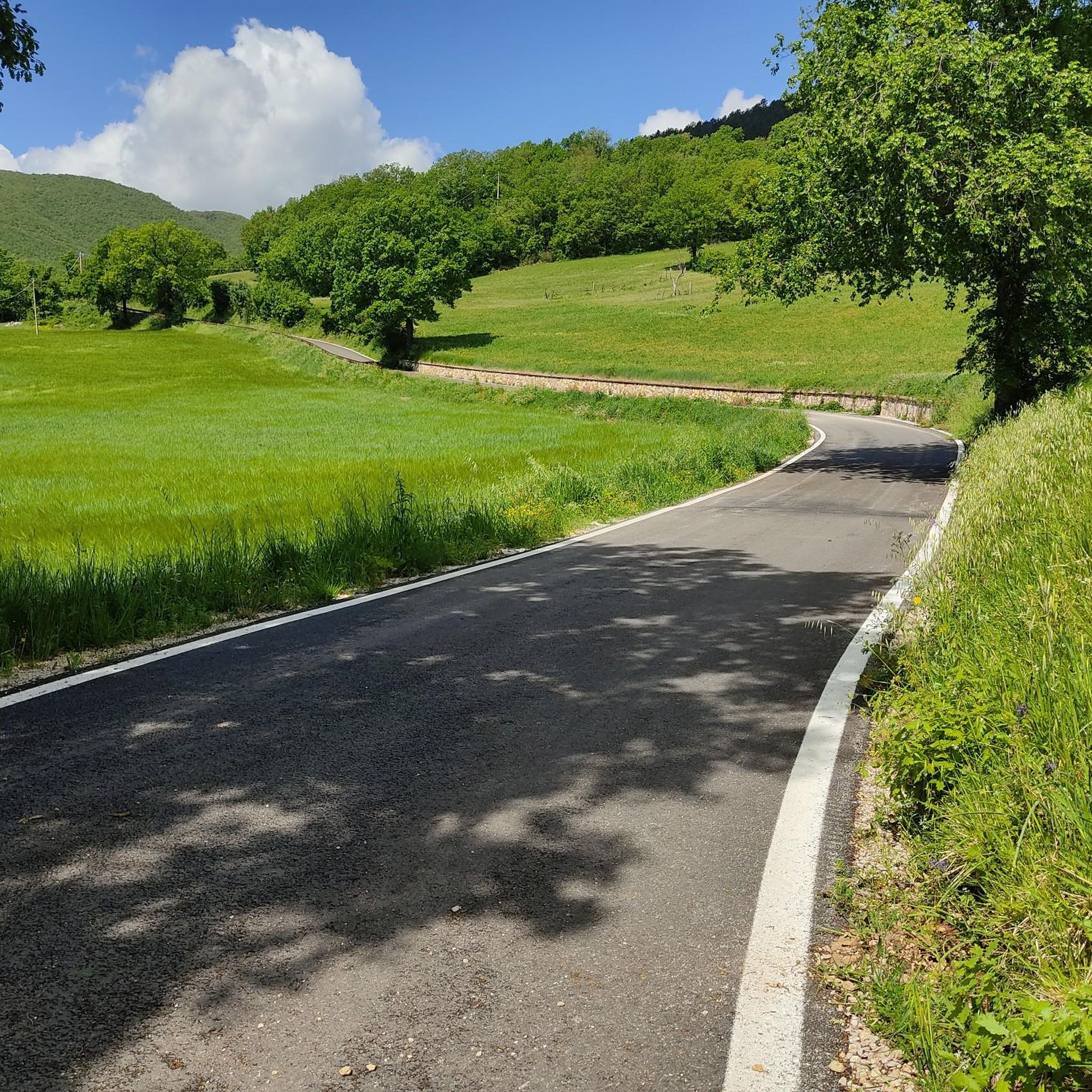
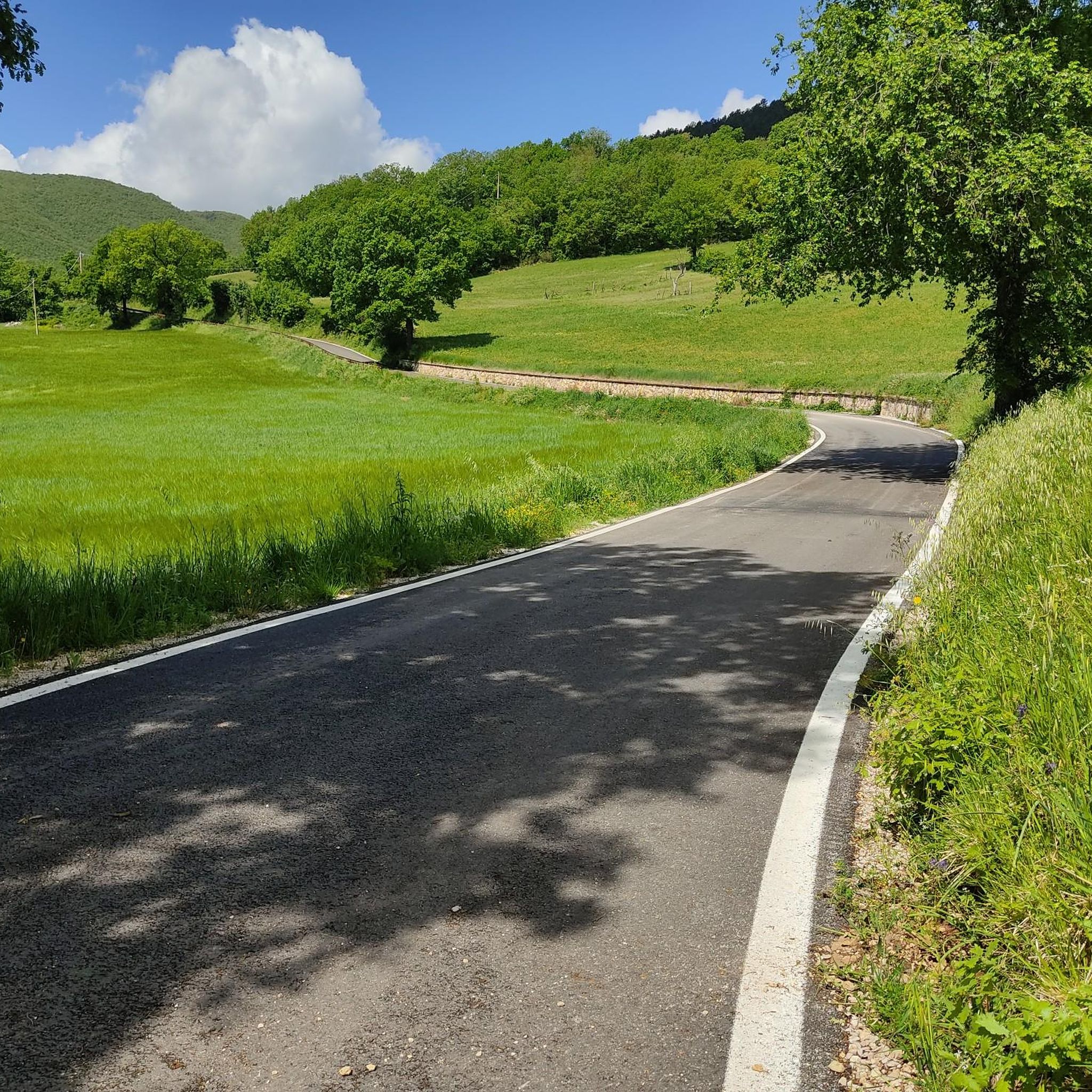
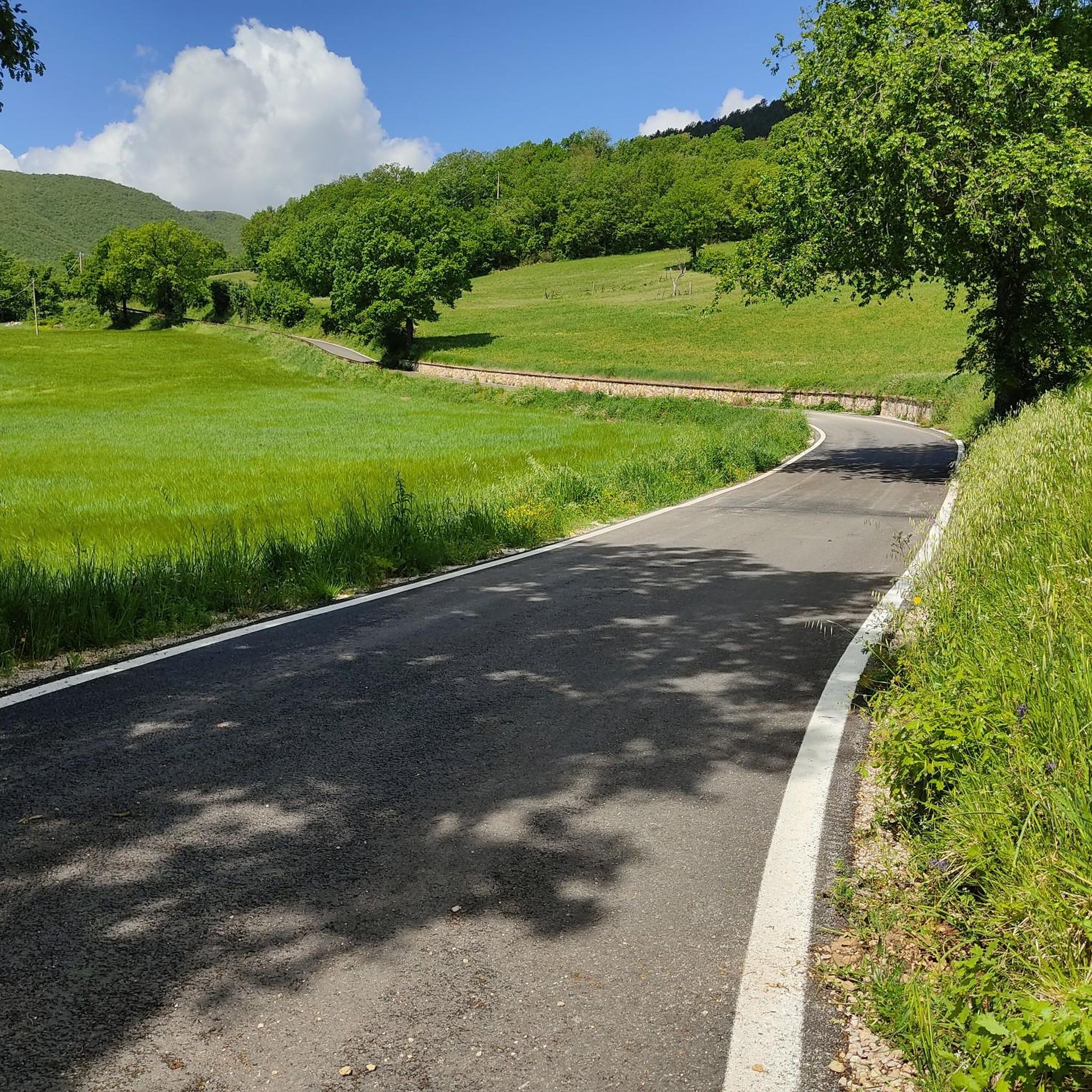
Fascinating at least up to Borgo Cerreto towards Norcia.
0
3
From here it is possible to bypass the tunnel of the same name by taking the SR 595
0
0
In 1980 I had the opportunity to exhibit during the Festival dei Due Mondi in a space adjacent to the Piazza and being here after 44 years moves me...
0
0
The square and the Duomo are the natural setting for the nights of the Festival dei Due Mondi
0
0
Frequently Asked Questions
What historical sites can I explore in Sant'Anatolia di Narco?
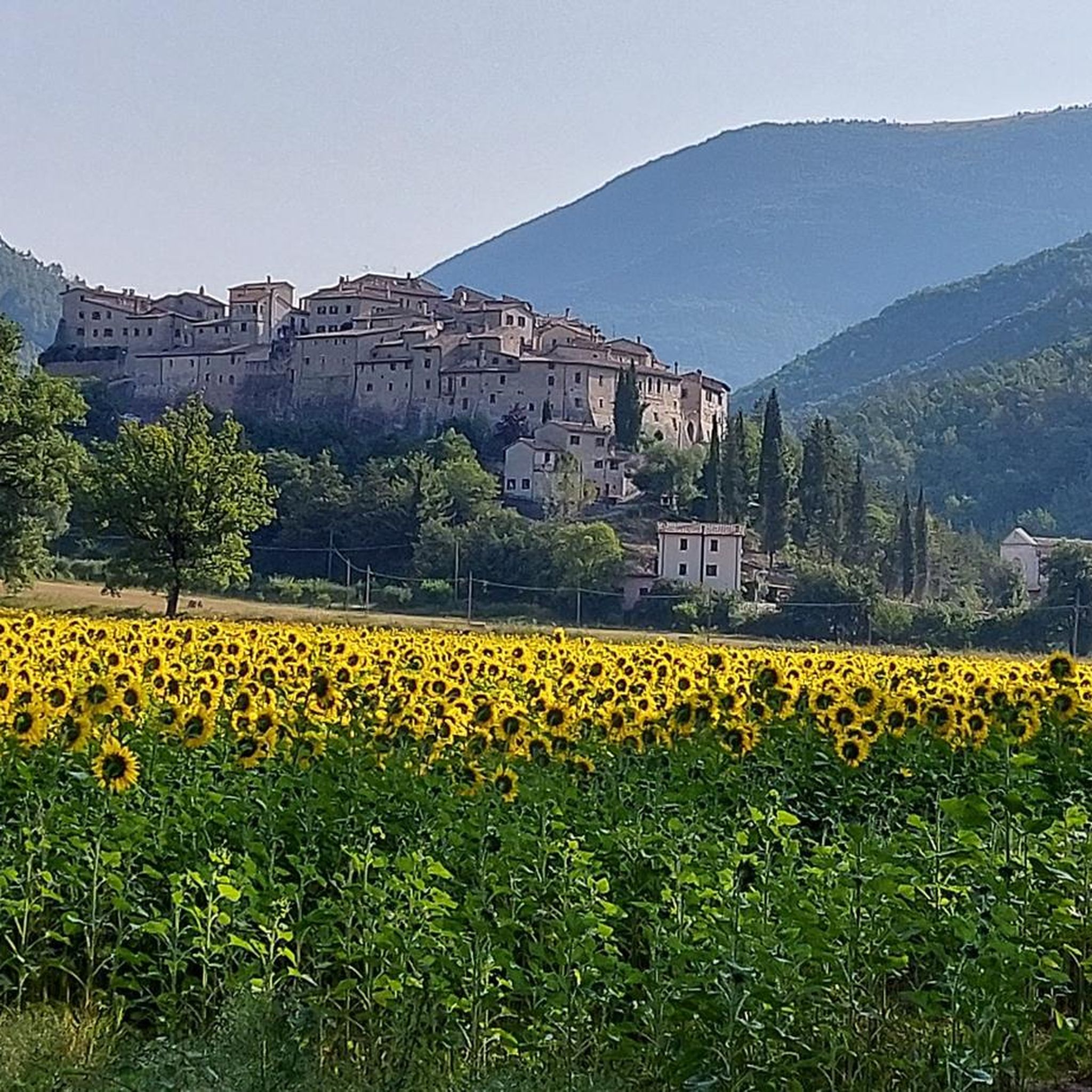
Sant'Anatolia di Narco is rich in history, featuring a well-preserved medieval castle founded in 1198, along with 14th-century walls and a remaining intact gate. You can also see houses from the 13th century and palaces from the 16th and 17th centuries within the historic center. The former Town Hall, a 16th-century building, now houses the Hemp Museum, offering insight into the region's past.
Are there any museums in Sant'Anatolia di Narco?
Yes, the town is home to the Hemp Museum (Museo della Canapa), located in the 16th-century former Town Hall. This museum is dedicated to the history of hemp cultivation in the Valnerina area, showcasing traditional processing techniques and textile artifacts.
What natural attractions are there around Sant'Anatolia di Narco?
The area is nestled within the picturesque Valnerina valley, alongside the Nera River, offering breathtaking landscapes. Nearby, you can find the Mount Coscerno and Aspra Natural Oasis, known for its diverse wildlife. The Parco Fluviale del Nera (Nera River Park) and the stunning Cascata delle Marmore are also within reach.
What outdoor activities are popular near Sant'Anatolia di Narco?
The region is ideal for outdoor enthusiasts, offering numerous trekking paths and cycle routes. Popular options include the former Spoleto-Norcia railway cycleway and the Nera River cycle route. You can also enjoy hiking on the Nera Greenway, which stretches from Sant'Anatolia di Narco to Ceselli. For more adventurous activities, canyoning, rafting in Valnerina, and rock climbing in Ferentillo are available nearby. For specific routes, check out the hiking guide, cycling guide, or gravel biking guide for the area.
Are there family-friendly attractions or activities available?
Yes, the region offers several family-friendly options. The Cathedral of Spoleto is listed as family-friendly. Additionally, many of the easier hiking and cycling paths, such as sections of the Nera River cycle route, can be enjoyed by families. Exploring the medieval village of Sant'Anatolia di Narco itself provides an engaging historical experience for all ages.
What are some notable religious buildings in the area?
Beyond the main village, you can visit the Church of Santa Maria delle Grazie, which houses a significant 15th-century fresco of the Madonna and Child. Nearby, the ancient medieval settlement of Castel San Felice is home to the Abbey of Saints Felice and Mauro, a striking example of Umbrian Romanesque architecture. The hamlets of Caso and Gavelli also feature religious buildings with important pictorial cycles.
Can I find any unique historical infrastructure related to transportation?
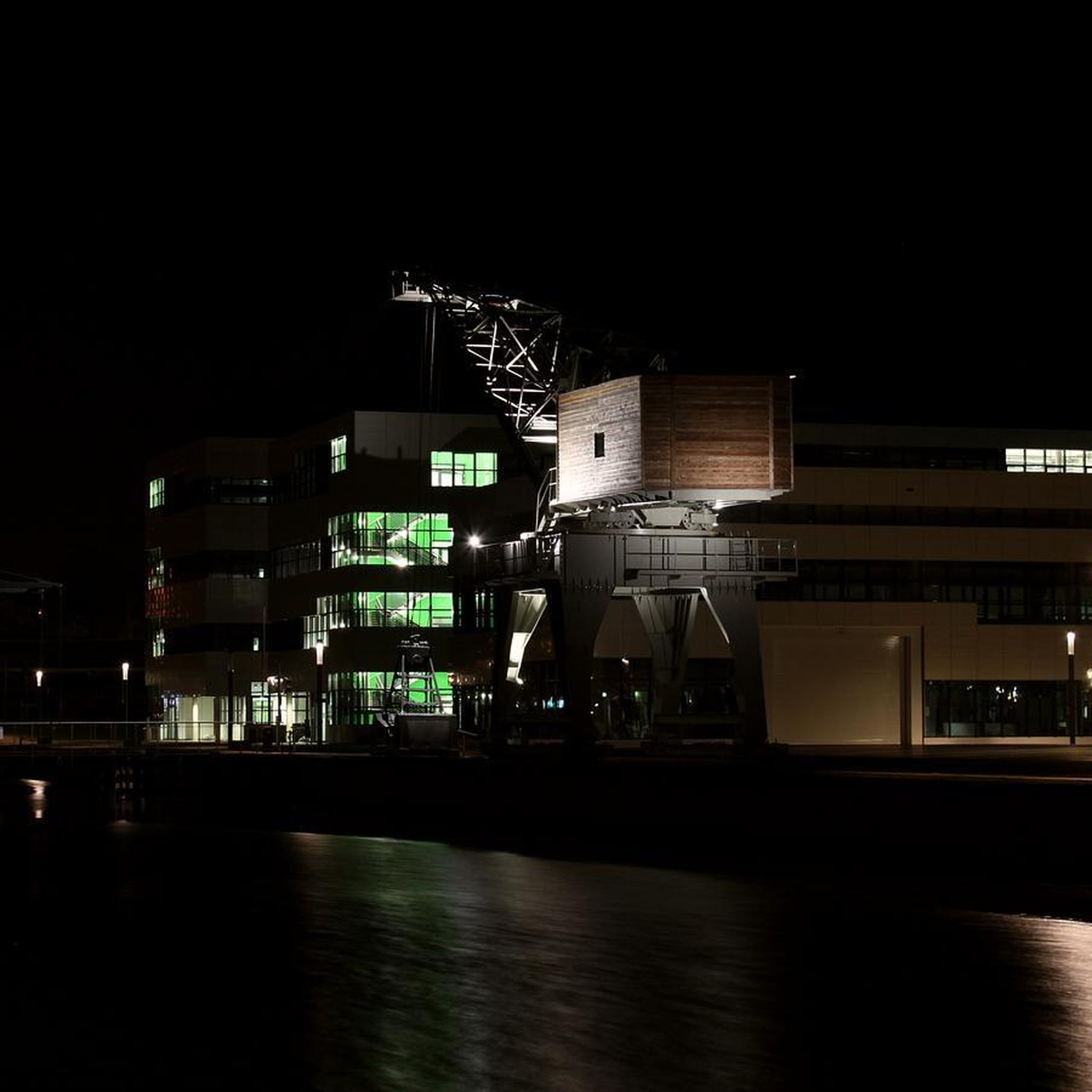
Absolutely. The area is known for the former Spoleto-Norcia railway line, which has been converted into a popular cycleway. You can explore highlights like Caprareccia Station, an old station situated near one of the route's emblematic tunnels, and various sections of the railway trail itself, such as the Section of the Spoleto-Norcia Railway.
What is the <a href="https://www.komoot.com/highlight/7837118" target="_blank" rel="noopener">Ponte delle Torri</a>?
The Ponte delle Torri, or Bridge of Towers, is a historic bridge that once served as an aqueduct towards the city of Spoleto. It gets its name from its largest pylons, which are hollow inside like towers. Please note that the structure is currently closed and not accessible for crossing.
What are the hamlets of Caso and Gavelli known for?
Caso and Gavelli are two fortified villages located along the transhumance route on Mount Coscerno. They are notable for their religious buildings, which contain important pictorial cycles, some attributed to the artist Giovanni di Pietro, known as Lo Spagna. Examples include the Churches of Santa Cristina and Santa Maria delle Grazie in Caso, and San Michele Arcangelo in Gavelli.
What kind of wildlife can be found in the region?
The Mount Coscerno and Aspra Natural Oasis, located near Sant'Anatolia di Narco, is known for its rich wildlife. Visitors might spot species such as the golden eagle, wolf, and Apennine partridge.
Are there any long-distance cycling routes in the vicinity?
Yes, the area is well-suited for cycling, particularly with the former Spoleto-Norcia railway cycleway and the Nera River cycle route. These offer scenic paths for longer rides. For detailed routes, refer to the cycling guide around Sant'Anatolia di Narco.
What is the significance of the Nera River in this region?
Sant'Anatolia di Narco is situated on a river terrace overlooking the Nera River, which flows through the picturesque Valnerina valley. The river is central to the region's natural beauty and offers opportunities for activities like hiking along the Nera Greenway and exploring the Parco Fluviale del Nera.
Most popular routes around Sant'Anatolia Di Narco
Most popular attractions around Sant'Anatolia Di Narco

Get inspired with the komoot mobile app


Explore more
Still not found the Highlight you’re looking for? See guides of the top attractions in other regions:
