The best cycling routes around Notaresco
4.4
(653)
4,946
riders
256
rides
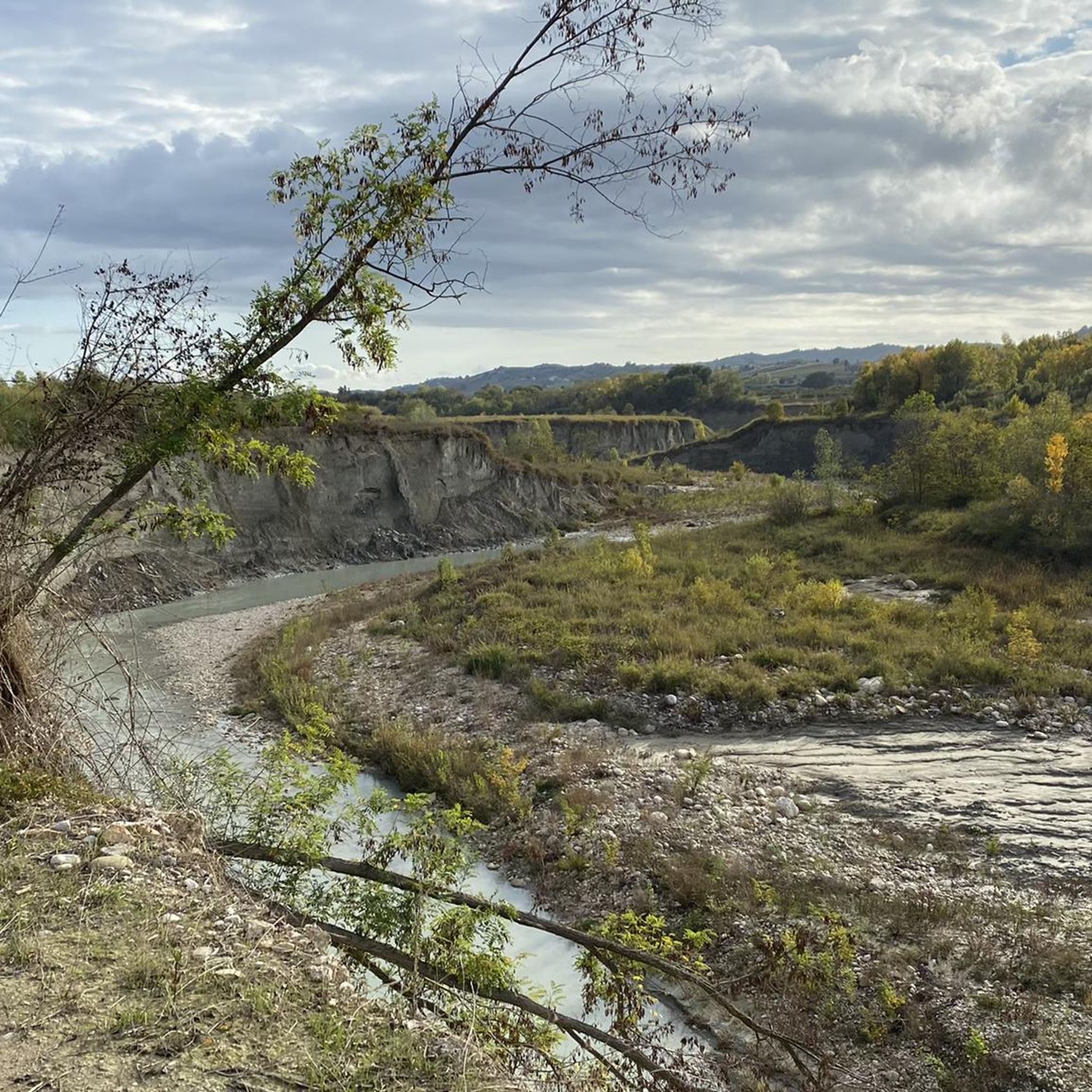
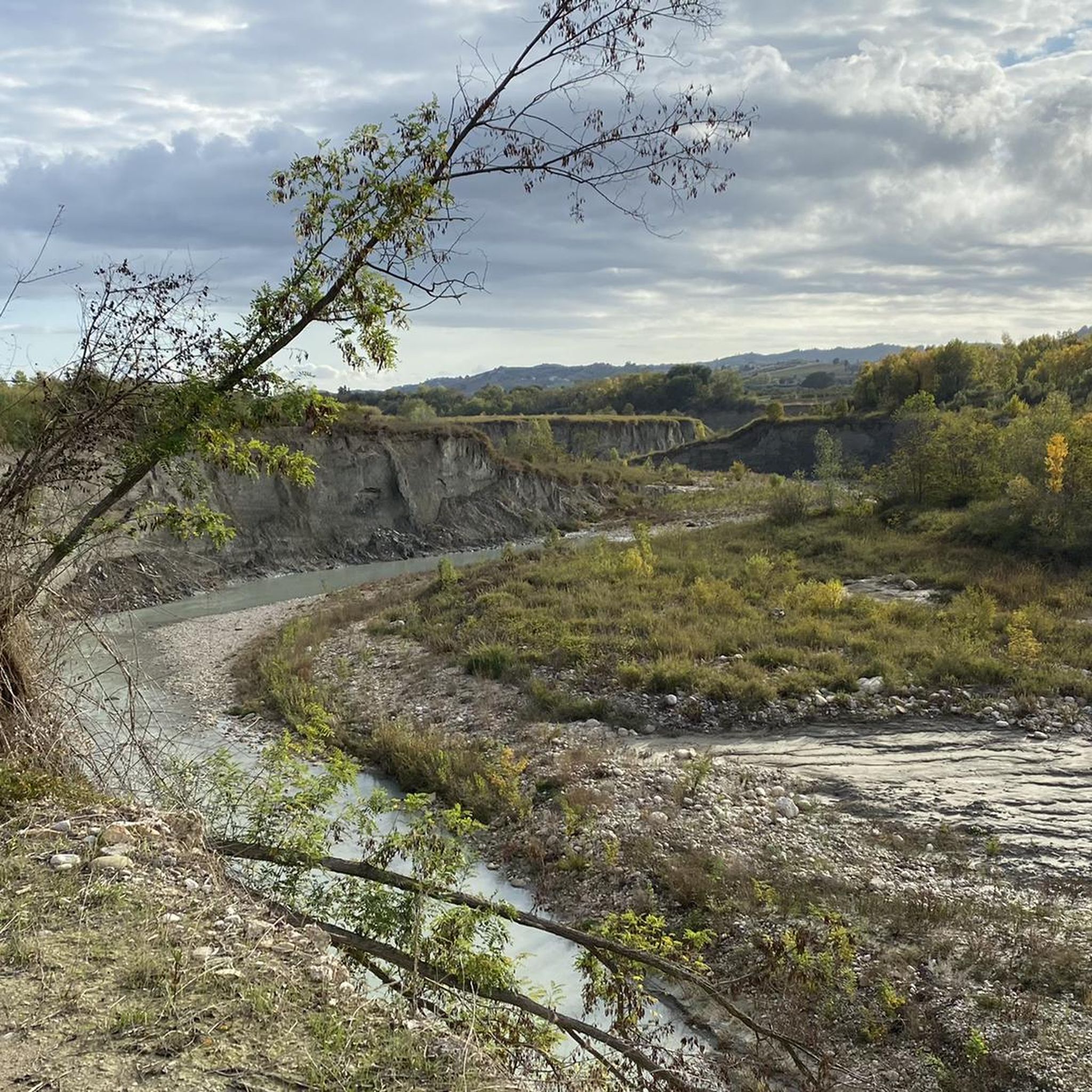
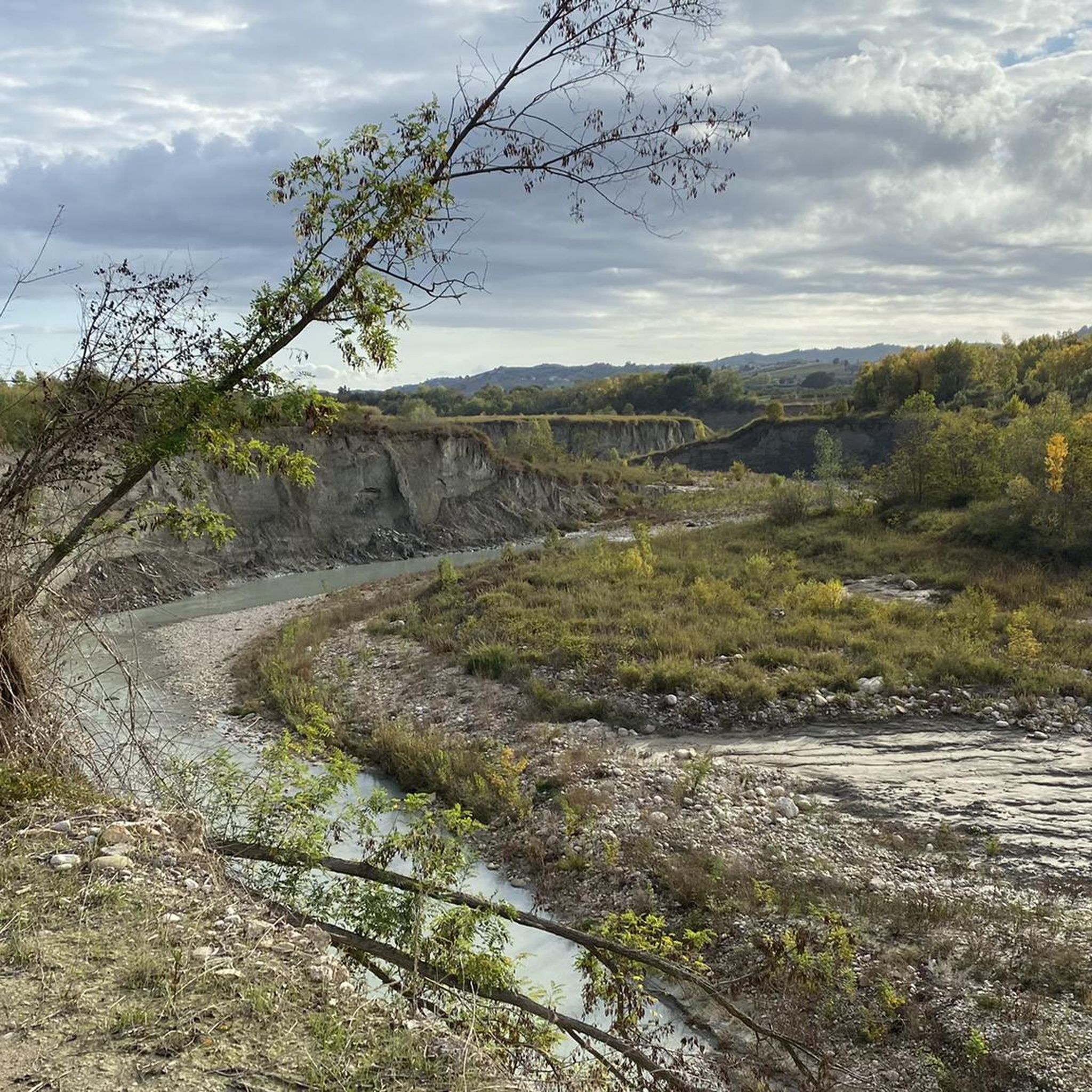
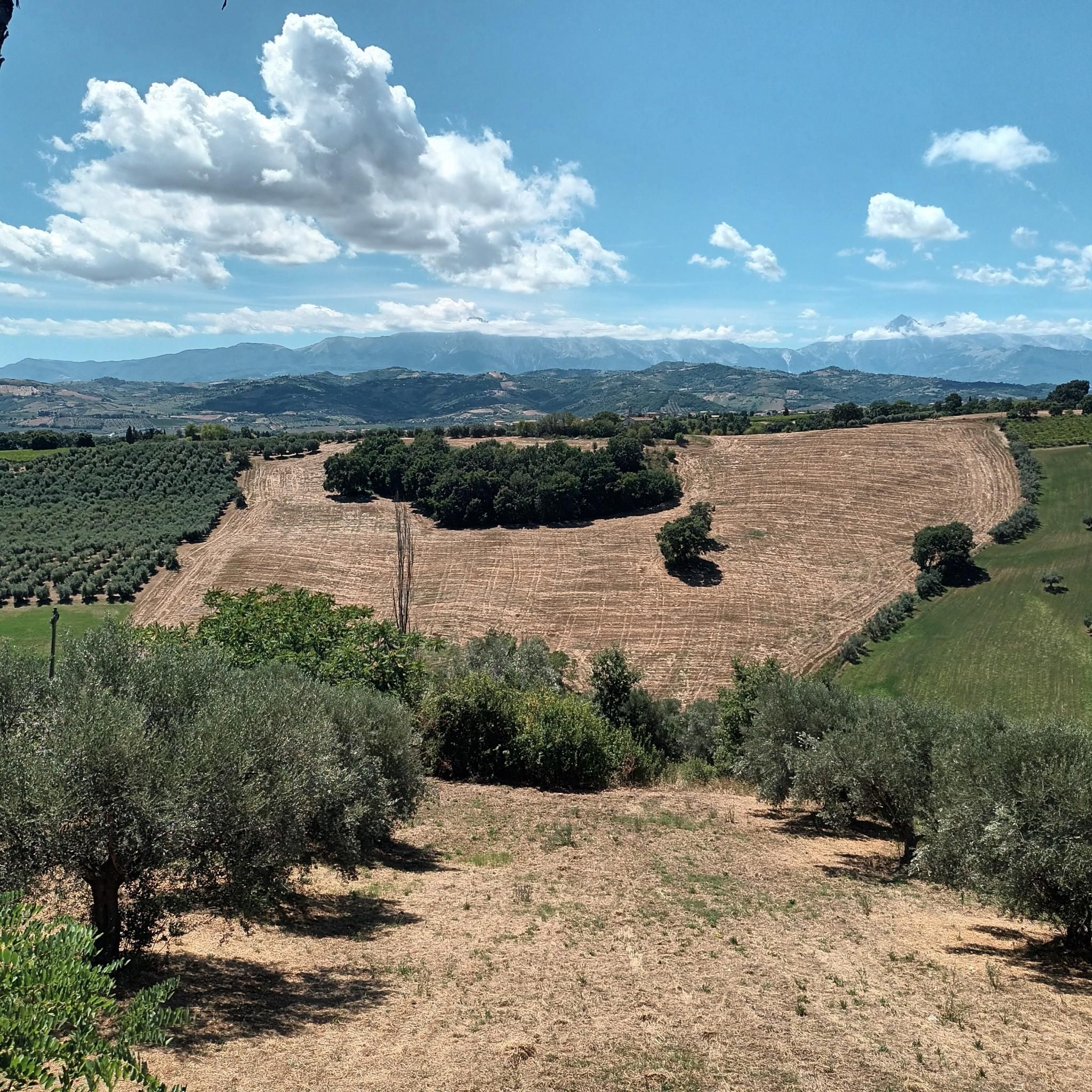
Touring cycling routes around Notaresco traverse a diverse landscape, transitioning from the Adriatic coast to verdant inland hills and the Apennine peaks. The region features river valleys, including the Tordino and Vomano, and unique geological formations like the "Calanchi" (badlands) of Roseto. This varied terrain provides options ranging from coastal paths to challenging climbs through hilly areas.
Best touring cycling routes around Notaresco
- The most popular touring cycling route is Heart Sculpture in Giulianova – Vomano Riverside Path loop from…
Last updated: August 18, 2026
5.0
(1)
14
riders
43.8km
03:13
750m
750m
Hard bike ride. Very good fitness required. Mostly paved surfaces. Suitable for all skill levels.
5.0
(1)
22
riders
Hard bike ride. Very good fitness required. You may need to push your bike for some segments of this route.

Sign up for free
19
riders
45.4km
02:49
420m
420m
Moderate bike ride. Good fitness required. Mostly paved surfaces. Suitable for all skill levels.
4.0
(1)
20
riders
61.2km
04:07
930m
930m
Hard bike ride. Very good fitness required. Mostly paved surfaces. Suitable for all skill levels.
12
riders
Hard bike ride. Very good fitness required. Mostly paved surfaces. Suitable for all skill levels.
Get access to more routes and recommendations from other explorers.
Sign up for free
Already have an account?
Our route recommendations are based on thousands of hikes, rides, and runs completed by other people on komoot.
Start today with a free account
Your next adventure awaits.
Login or Signup

Tips from the Community

Santuario della Madonna delle Grazie – A church awaiting its rebirth Anyone visiting the Santuario della Madonna delle Grazie today will see a church completely encased in scaffolding. However, behind this temporary covering, hard work is underway for the future of one of Teramo's most important religious monuments. The restoration work became necessary due to structural damage the church has sustained over the years, particularly after the severe earthquakes that struck Abruzzo, including the earthquakes of 2016. With extensive repair work and seismic reinforcements (miglioramento sismico), the centuries-old building is not only being restored but also better protected against future earthquakes. The planned reopening is currently scheduled for September 8, 2026. On that day, the sanctuary will be festively reopened with a procession and a special Eucharistic celebration. Tip: Even during the restoration, this place is worth a visit. The historical surroundings, the adjacent monastery, and the centuries-old art treasures clearly show why this sanctuary is so important to Teramo. For prayer and services, the temporary chapel next to the church is currently being used.
1
0
What can you see today? The Teatro Romano di Teramo is today an impressive archaeological site where the past is gradually being uncovered. From street level, you look three meters down at the ancient arches, the stage, and the orchestra area of this Roman theatre. Excavation and restoration work are in full swing, allowing you to witness a unique piece of living history. In a few years, this monument should once again become the setting for open-air performances and concerts – a visit now lets you experience the restoration up close.
2
0
The Roman Theatre of Teramo takes you back to the time of the mighty Roman Interamnia. This impressive theatre from the reign of Emperor Augustus once seated around 3,000 spectators. After the fall of the Roman Empire, parts of the theatre disappeared into the city walls, including the nearby cathedral, and the rest remained hidden underground for centuries. Today, you can admire one of the most important Roman archaeological sites in Abruzzo – a place where almost 2,000 years of history come back to life.
2
0

Avoid during peak sea hours but convenient for avoiding city traffic... use it calmly
0
0
The Porta Reale, invariably called Porta Madonna by the inhabitants of Teramo, is a historic city gate and an important landmark in the city. The gate forms the direct entrance to the street that leads to the Santuario della Madonna delle Grazie. Some facts: Built for a royal visit. The gate was erected in the first half of the 19th century (partially rebuilt in 1825) as an arch of triumph. This was specifically intended to ceremoniously welcome King Ferdinand I of the Two Sicilies of the House of Bourbon to the city. Two names: The official name is Porta Reale (Royal Gate). However, the locals always call it Porta Madonna, due to its direct proximity to the sanctuary of the Madonna delle Grazie. Medieval foundations: Although its current appearance is 19th-century, the gate stands on the site of a much older, medieval city gate. Those who look closely can still see some scarce remains of the old medieval city wall next to the gate. Strategic junction: Today, the gate marks the transition from modern Teramo to the historic center. It forms the starting point of the Corso De Michetti, the atmospheric axis that leads you deeper into the old city.
3
0
The Santuario della Madonna delle Grazie is one of the most beloved religious buildings in the Italian city of Teramo. This sanctuary is dedicated to the city's patron saint. Some facts: originally a women's monastery: The complex began in the 12th century as a Benedictine monastery for nuns, then known as Sant'Angelo delle Donne. Transferred to Franciscans: Pope Eugene IV transferred the complex to the Friars Minor (Franciscans) in 1448.
2
0
Cathedral with ceramic plates! On Piazza Duomo, the Basilica di Santa Maria Assunta will surely catch your eye immediately. If you look closely, you will see that the tower of the Gothic cathedral from 1300 is decorated with ceramic plates in various colors, which change throughout the day with the position of the sun. Incidentally, the shape of the tower, an octagon with a pyramid on top, is unique for the time when the cathedral was built. The funny thing is that you also see this reflected in other churches in Atri and in other villages and towns in Abruzzo. The story goes that the architect of the cathedral applied it here first, after which the idea was adopted by other builders. Underground church and water reservoirs Around 300 BC, on the spot where the cathedral now stands, there was a large square with baths and reservoirs underneath to store rainwater. Only then was the cathedral built on top of it, after which the reservoirs were converted into an underground church. Triggered? Want to know more, click through to https://ciaotutti.nl/reizen-door-italie/abruzzen/atri-een-levendige-stad-vol-geschiedenis/
5
0
Nice route for walking or cycling. Sharing the path, each at their own pace. Historical context: this beautiful pine forest was planted from 1923 onwards by the visionary Luigi Corrado Filiani and even gave the town its name. Today you walk in the shade of thousands of umbrella pines, with the Adriatic Sea always nearby. A quiet and atmospheric route where nature, history and coastal experience come together perfectly.
7
0
Frequently Asked Questions
How many touring cycling routes are available around Notaresco?
There are over 260 touring cycling routes in the Notaresco area, offering a wide range of options for different skill levels and preferences. These routes are highly rated by the komoot community, with an average score of 4.3 stars from over 870 reviews.
What kind of terrain can I expect on touring cycling routes near Notaresco?
The region around Notaresco offers a diverse landscape for touring cyclists. You can experience transitions from the Adriatic coast to verdant inland hills and even some challenging climbs towards the Apennine peaks. Routes often feature river valleys, such as those along the Tordino and Vomano rivers, and unique geological formations like the 'Calanchi' (badlands) of Roseto.
Are there any circular touring cycling routes in the Notaresco area?
Yes, many of the touring cycling routes around Notaresco are designed as loops, allowing you to start and finish at the same point. For example, the Murals of Casoli di Atri – Vomano Cycle Bridge loop from Piazza dei Poeti is a popular moderate option, and the more challenging The Calanchi of Atri loop from Piazza dei Poeti also offers a circular journey.
What are some scenic viewpoints or natural features I can see along the touring cycling routes?
Touring cycling routes in Notaresco offer numerous scenic spots. You can enjoy views of the Giulianova seafront, follow the Vomano River, and witness the unique 'Calanchi' badlands. The View of the Calanchi of Roseto – Vomano Cycle Bridge loop from Pianura Vomano specifically highlights these geological formations. You might also encounter the Wooden Bridge over the Tordino River, an area rich in fauna.
Are there any family-friendly touring cycling routes in Notaresco?
Yes, Notaresco offers routes suitable for various fitness levels, including easy options perfect for families. While specific 'family-friendly' routes are not explicitly tagged, you can find 26 easy routes that are generally flatter and shorter, making them ideal for a leisurely ride with children. Coastal paths, such as sections of the Adriatic Cycle Route, are often good choices for families.
What historical or cultural sites can I explore while cycling in Notaresco?
The region is rich in history and culture. Cycling through the area allows you to discover charming villages and historical attractions. The Vomano Cycle Bridge – View of Montepagano loop from Piazza dei Poeti, for instance, offers views of the historic Montepagano village. Notaresco itself has a rich heritage, and nearby sites include Torre Ripattoni, Porta San Domenico, and Palazzo Ducale in Atri. You can also visit the Co-Cathedral Basilica of Saint Mary of the Assumption.
What is the best time of year for touring cycling in Notaresco?
The best time for touring cycling in Notaresco is generally during the spring and autumn months when the weather is milder and more pleasant. Summers can be quite warm, especially along the coast, but early mornings or late afternoons can still be enjoyable. Winters are cooler, but cycling is still possible on many routes, particularly those at lower elevations.
Are there options for more challenging touring cycling routes for experienced riders?
Absolutely. For experienced touring cyclists seeking a challenge, Notaresco offers 165 difficult routes with significant elevation gains, especially in the inland hills and towards the Apennine peaks. Routes like the Heart Sculpture in Giulianova – Vomano Riverside Path loop from Mosciano Sant'Angelo and Vomano Cycle Bridge – View of Montepagano loop from Piazza dei Poeti feature considerable ascents and descents, appealing to those looking for a workout amidst scenic vistas.
Can I find places to eat or stay that are cyclist-friendly in Notaresco?
Notaresco and the surrounding Abruzzo region are well-equipped for outdoor enthusiasts. While specific cyclist-friendly cafes or accommodations are not listed in detail, the presence of an active local cycling community, such as 'ASD Cycling Notaresco,' suggests that you will find welcoming establishments. Many villages and towns along the routes offer cafes, restaurants, and various types of accommodation.
What are the options for parking or public transport access to touring cycling routes?
Information on specific parking areas for touring cycling routes is not detailed, but generally, you can find parking in the towns and villages where routes often start or pass through. For public transport, while direct access to trailheads might vary, major towns in the region are connected by bus services. It's advisable to check local public transport schedules for specific routes if you plan to use them to reach your starting point.
What do other touring cyclists enjoy most about cycling in Notaresco?
The area is highly rated by the komoot community, with an average score of 4.3 stars. Touring cyclists often praise the diverse landscape, which transitions from coastal views to rolling hills and river valleys. The blend of natural beauty with opportunities to discover charming historic villages and cultural sites is also a frequently mentioned highlight.
Most popular routes around Notaresco
Most popular attractions around Notaresco

Get inspired with the komoot mobile app


Explore more
Browse the best Cycling routes in other regions.
