Attractions and Places To See around Castellalto - Top 20
Best attractions and places to see around Castellalto offer a mix of historical sites, cultural experiences, and natural scenery. This municipality in the province of Teramo, Italy, is notable for its two distinct historic centers, Castellalto and Castelbasso, nestled between the Tordino and Vomano valleys. From its elevated position, the area provides expansive panoramic views stretching from the Gran Sasso d'Italia to the Adriatic Sea. The region features ancient origins with evidence of settlements dating back to pre-Roman times.
Best…
Last updated: August 16, 2026
Atri Calanchi Cycle Route
Highlight • Cycleway
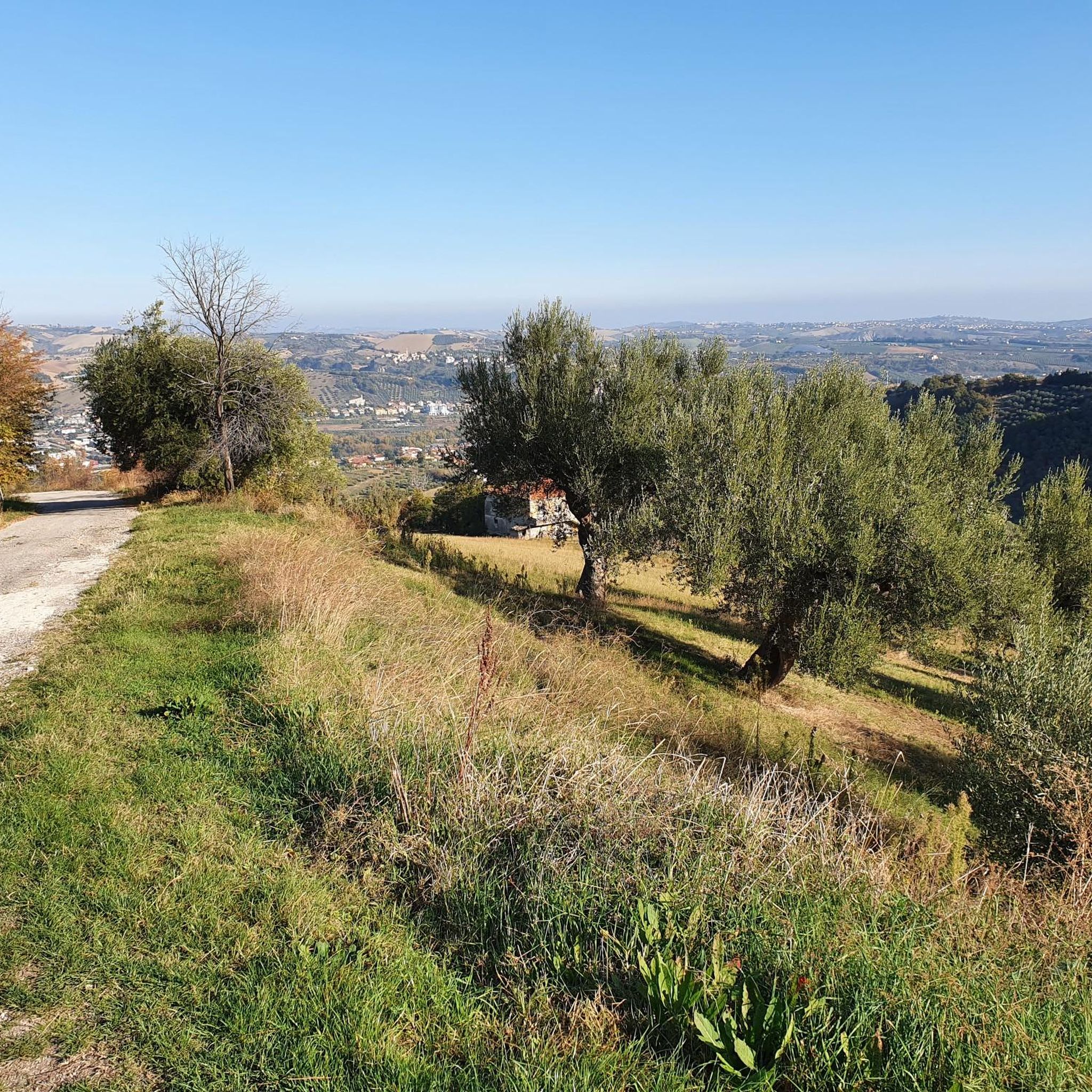
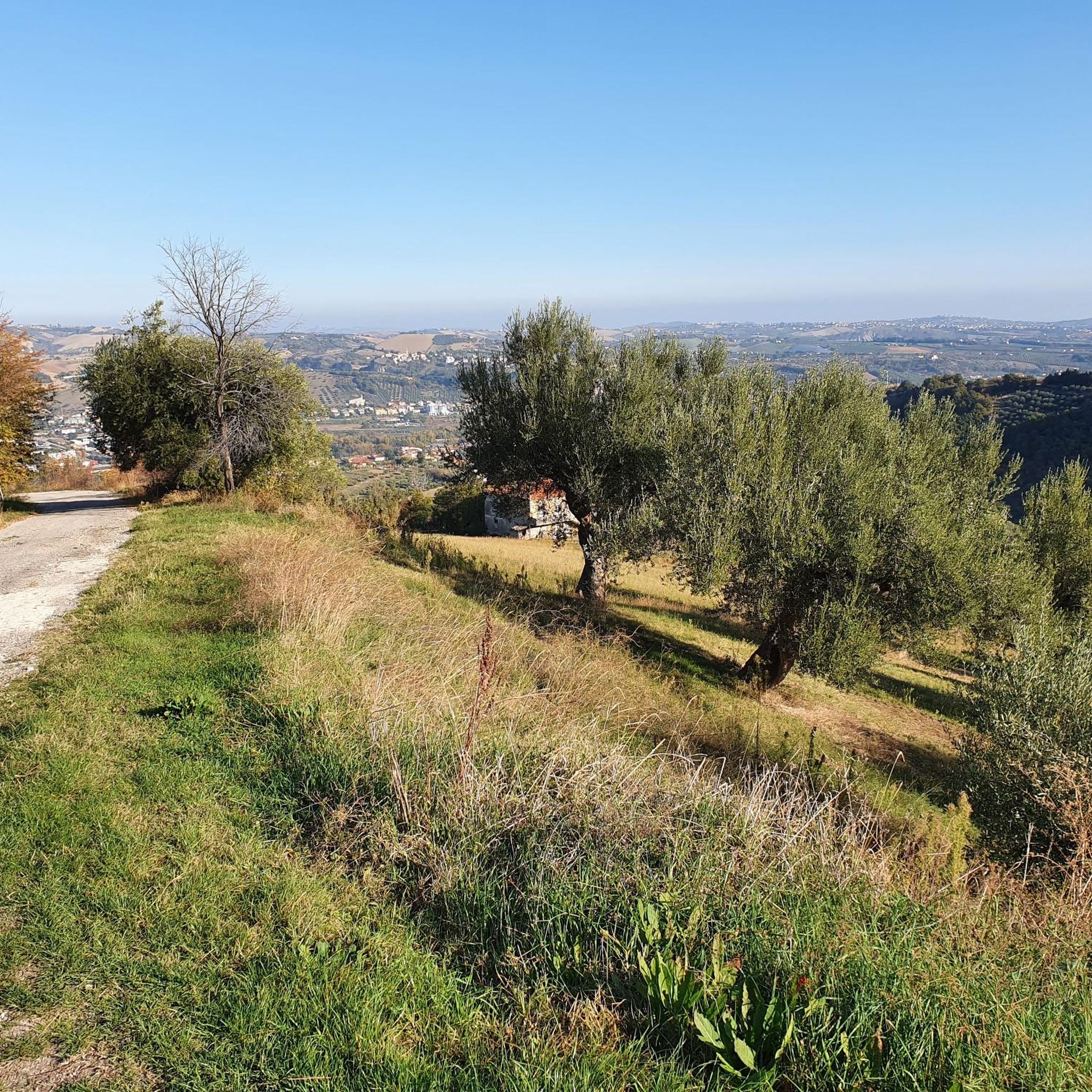
Breathtaking panorama that covers fatigue and sweat and caresses the fantastic descent with the wind
Translated by Google •
Tip by

Co-Cathedral Basilica of Saint Mary of the Assumption
Highlight • Religious Site
Showing Translation
Tip by

Sign up now to discover places like this
Get recommendations on the best single tracks, peaks, & plenty of other exciting outdoor places.
Sign up for free
Atri Historic Center
Highlight • Historical Site
Showing Translation
Tip by
Wooden Bridge over the Tordino River
Highlight • Bridge
Translated by Google •
Tip by

Calanchi di Atri Regional Nature Reserve
Highlight • Natural Monument
Translated by Google •
Tip by

Sign up for free to discover even more attractions around Castellalto.
Sign up for free
Already have an account?
Start today with a free account
Your next adventure awaits.
Login or Signup
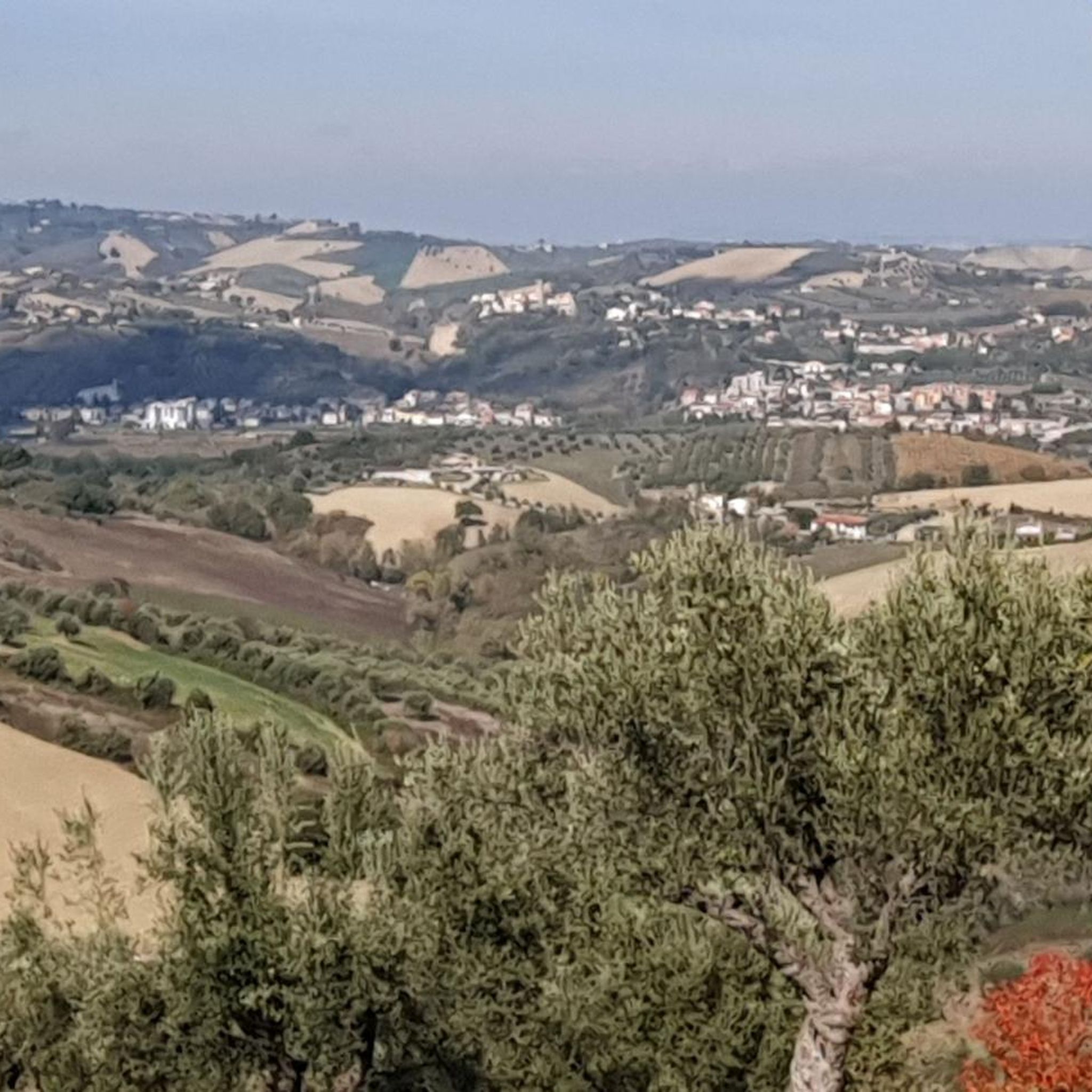
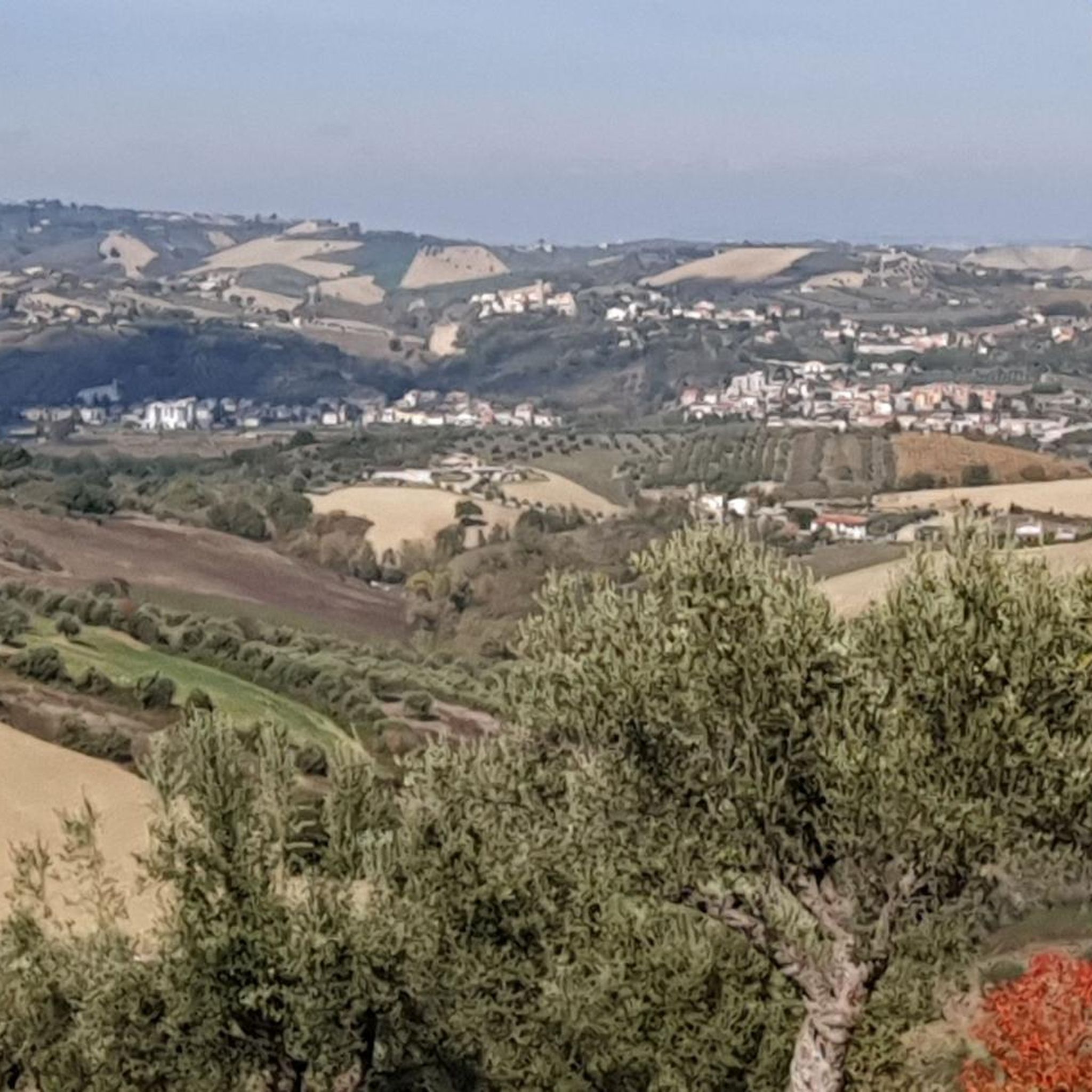
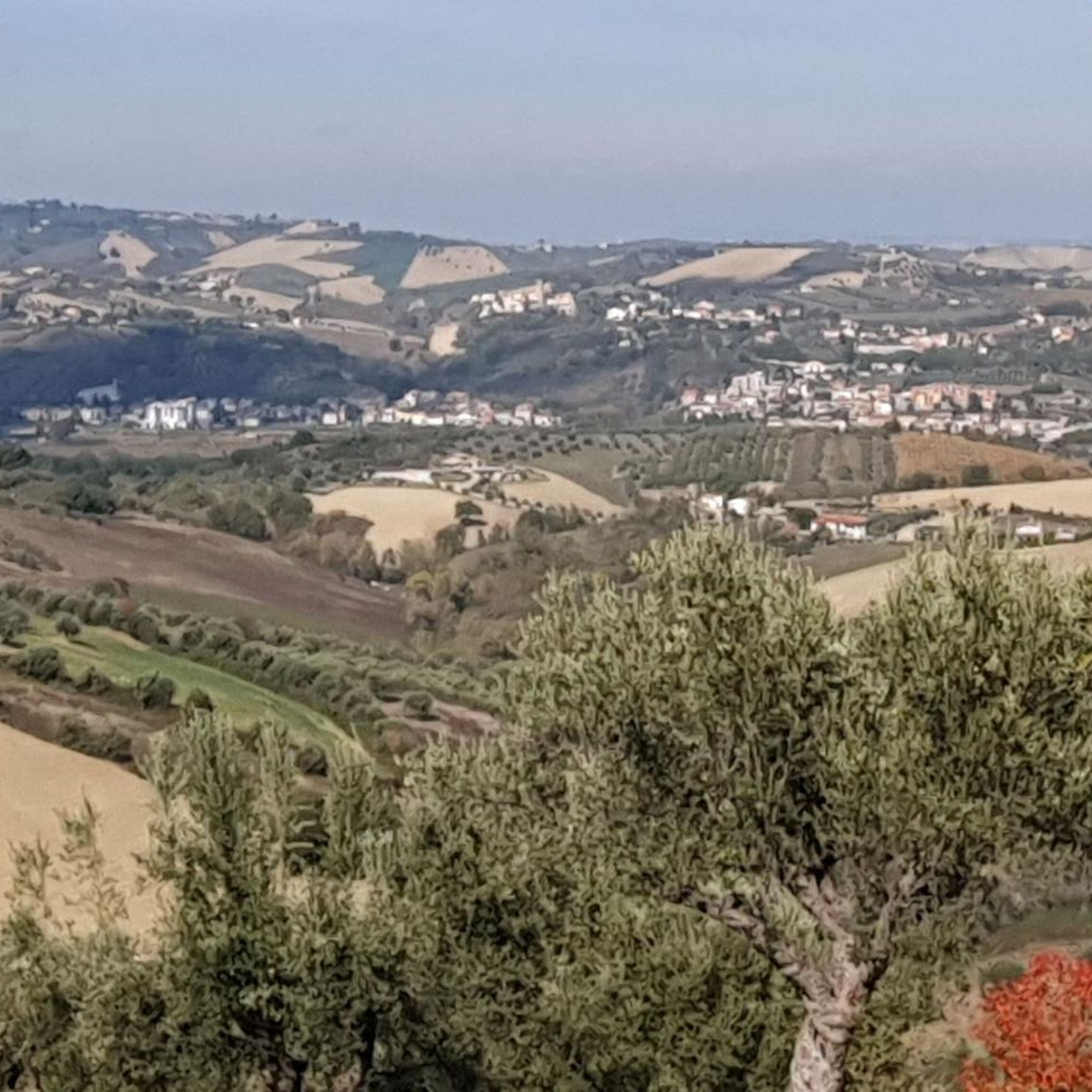

Tips from the Community

Cathedral with ceramic plates! On Piazza Duomo, the Basilica di Santa Maria Assunta will surely catch your eye immediately. If you look closely, you will see that the tower of the Gothic cathedral from 1300 is decorated with ceramic plates in various colors, which change throughout the day with the position of the sun. Incidentally, the shape of the tower, an octagon with a pyramid on top, is unique for the time when the cathedral was built. The funny thing is that you also see this reflected in other churches in Atri and in other villages and towns in Abruzzo. The story goes that the architect of the cathedral applied it here first, after which the idea was adopted by other builders. Underground church and water reservoirs Around 300 BC, on the spot where the cathedral now stands, there was a large square with baths and reservoirs underneath to store rainwater. Only then was the cathedral built on top of it, after which the reservoirs were converted into an underground church. Triggered? Want to know more, click through to https://ciaotutti.nl/reizen-door-italie/abruzzen/atri-een-levendige-stad-vol-geschiedenis/
5
0
The historic center of Atri is one of the oldest, best-preserved, and most atmospheric hilltop towns in the Abruzzo region. Situated on a hilltop, the town offers spectacular views of both the Adriatic Sea and the peaks of the Gran Sasso. As the town existed long before Roman times (then known as Hatria), you are literally walking through three thousand years of history here. Main attractions: Piazza Duomo & the Cathedral: the central heart of the town. Besides the imposing Cattedrale di Santa Maria Assunta with its famous frescoes, you'll find cozy cafes and historic palazzi here. Palazzo Ducale (Palazzo Acquaviva): this robust 14th-century palace on Piazza Duca d'Acquaviva was the seat of the powerful Dukes of Atri. Today, it partly serves as the town hall. Be sure to take a look at the beautiful courtyard. Teatro Comunale: located opposite the Palazzo Ducale. This 19th-century theater is horseshoe-shaped inside and is also called the "Little Scala of Abruzzo" due to its perfect acoustics and lavish decorations. The Roman Cisterns: beneath the historic center lies a vast network of underground passages, Roman mosaics, and water storage facilities dating back to antiquity. Chiese Storiche: walking through the narrow streets, you'll encounter beautiful old churches, such as the Chiesa di San Francesco with its impressive baroque external staircase and the Chiesa di San Domenico.
7
0
The Cattedrale di Santa Maria Assunta (Duomo di Atri) is one of the most important and impressive religious monuments in the Abruzzo region. This co-cathedral was built between 1260 and 1305 on the foundations of an older Romanesque church and even older Roman baths. Daily open in the morning from 09:00 - 12:30.
6
0
The cathedral was built between 1260 and 1305 on the foundations of an older Romanesque church and even older Roman baths. Visits are possible at the following times: every morning: 09:00 - 12:30.
5
0

A beautiful circular hike in the Calanchi di Atri Regional Nature Park. The reserve is always open and free of charge. You can admire various rock formations created by the action of water on the clay soil.
0
0

Bridge creaks a bit but great view
0
0

The Cathedral of Atri represents one of the most beautiful churches in the Province of Teramo and Abruzzo. The symbol of the town is located in the homonymous Piazza Duomo in front of the Municipal Theatre.
2
0

Atri and its gullies
0
1
Frequently Asked Questions
What are the main historical centers to explore in the Castellalto area?
The Castellalto municipality is notable for its two distinct historic centers: Castellalto and Castelbasso. Castelbasso, founded in the 11th century, preserves much of its original medieval structure with ancient walls, including the Renaissance-style Porta Sud and the defensive Porta Est. Castellalto's historic center, developed in the 19th century, also features medieval walls and offers a Belvedere with panoramic views.
Are there any significant religious sites to visit near Castellalto?
Yes, the area boasts several notable religious buildings. In Castelbasso, you can visit the Church of Saints Peter and Andrew, built in 1338. In Castellalto, there's the Church of St. John the Evangelist, originally Norman and rebuilt in the 16th century, and the Church of S. Maria degli Angeli from 1580. Further afield, consider visiting the Co-Cathedral Basilica of Saint Mary of the Assumption in Atri, an important historical and artistic center, or the Romanesque Abbey of Santa Maria di Propezzano in the Vomano valley.
What natural attractions or unique geological formations can I see?
The region is known for its impressive natural scenery. You can explore the Atri Calanchi Cycle Route and the Atri Badlands, which feature majestic natural architectures also known as 'Dante's bolge' or 'scrimoni'. These extraordinary geological formations are a result of clayey soil erosion, offering an amazing color palette and making numerous marine fossils visible. The area also provides expansive panoramic views stretching from the majestic Gran Sasso d'Italia to the Adriatic Sea.
Are there family-friendly activities or attractions around Castellalto?
Yes, several attractions are suitable for families. The Co-Cathedral Basilica of Saint Mary of the Assumption and the Abbey of Santa Maria di Propezzano are both listed as family-friendly historical sites. For a unique outdoor experience, the Wooden Bridge over the Tordino River offers a pleasant cycle or walk, and the area is rich in fauna, including the Kingfisher, which can be exciting for children to spot.
What kind of outdoor activities can I do near Castellalto?
Castellalto is an excellent base for various outdoor activities. You can find numerous routes for cycling, running, and hiking. For cycling, explore routes like the 'Vomano Cycle Bridge – View of Montepagano loop' or 'The Calanchi of Atri loop'. Runners can enjoy trails such as the 'Running loop from Villa Torre'. Hikers have options like the 'River Park Fountain – Fonte della Noce loop'. You can find more details on these activities in the dedicated guides for cycling, running, and hiking around Castellalto.
Where can I find panoramic views in the Castellalto area?
Castellalto's elevated position provides exceptional panoramic views. From the Belvedere in Castellalto's historic center, you can enjoy expansive vistas stretching from the majestic Gran Sasso d'Italia, including its highest peak Corno Grande, to the vastness of the Adriatic Sea. The Atri Calanchi Cycle Route and Atri Badlands also offer stunning viewpoints of the unique geological formations and surrounding landscape.
What is the Castelbasso Festival?
The Castelbasso Festival is an annual cultural event held in the historic center of Castelbasso between July and August. Organized by the Malvina Menegaz Foundation, it focuses on art, music, literature, and visual arts, aiming to revitalize the territory and social fabric of the area. It's a great opportunity to experience local culture in a unique medieval setting.
Are there any easy hiking trails suitable for beginners or families near Castellalto?
Yes, there are easy hiking options available. For instance, the 'River Park Fountain – Fonte della Noce loop from Teramo' offers a shorter, easier route of approximately 4 km. Another easy option is the 'Church of Sant'Antonio loop from Teramo', which is about 2.8 km. These trails are generally suitable for those looking for less strenuous walks. You can find more details in the hiking guide for Castellalto.
What historical artifacts have been found in the Castellalto region?
The territory of Castellalto has ancient origins, with evidence of settlements dating back to pre-Roman times by the Italic people of the Pretuzi. Roman-era artifacts from the 2nd century BC to the 5th century AD have also been discovered. Notably, an Italic bronze statuette depicting Hercules, dating to the 3rd/2nd century B.C., was found near the Tordino river in Casemolino, highlighting the region's rich historical past.
What do visitors particularly enjoy about the attractions around Castellalto?
Visitors appreciate the diverse mix of historical sites, unique natural monuments, and religious buildings. The Wooden Bridge over the Tordino River is loved for its scenic beauty and rich fauna, including the Kingfisher. The Atri Calanchi Cycle Route is praised for its breathtaking panoramas and extraordinary geological formations. The Co-Cathedral Basilica of Saint Mary of the Assumption is highly recommended for its beauty and its location in a charming historical village.
Is the Wooden Bridge over the Tordino River accessible?
Yes, the Wooden Bridge over the Tordino River is noted as being wheelchair accessible. It serves as a wonderful wooden cycle bridge and is located in an area rich in fauna, making it a pleasant and inclusive spot for various visitors to enjoy the natural surroundings.
What are the characteristics of the Tordino and Vomano valleys surrounding Castellalto?
Castellalto is strategically nestled between the Tordino and Vomano valleys. These valleys contribute to the region's diverse landscape, offering both natural beauty and historical significance. The Tordino river area, for example, is where the Wooden Bridge over the Tordino River is located, known for its rich fauna. The Vomano valley is home to historical sites like the Abbey of Santa Maria di Propezzano.
Most popular routes around Castellalto
Most popular attractions around Castellalto

Get inspired with the komoot mobile app


Explore more
Still not found the Highlight you’re looking for? See guides of the top attractions in other regions:
