The best road cycling routes around Castilenti
4.7
(12)
388
riders
36
rides
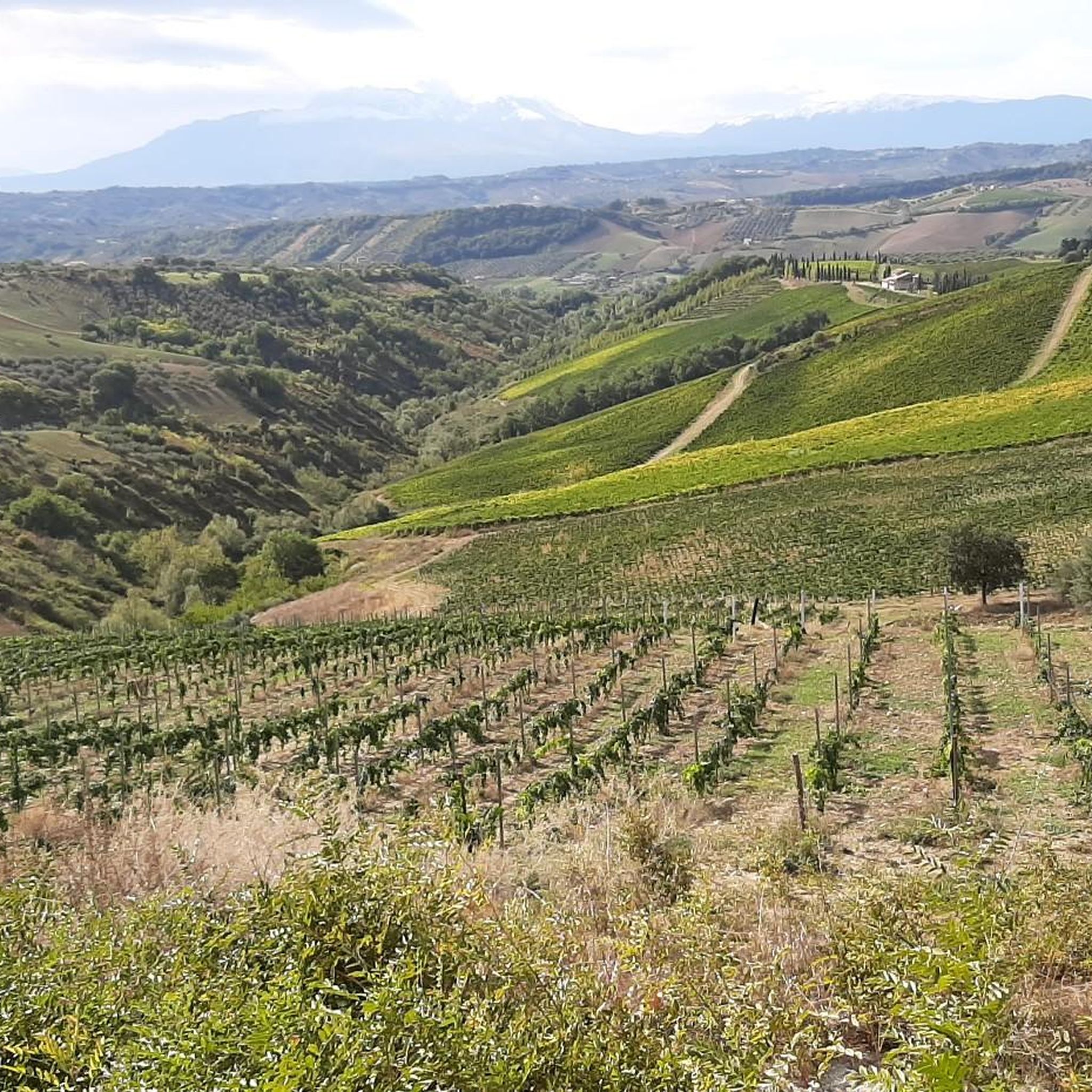
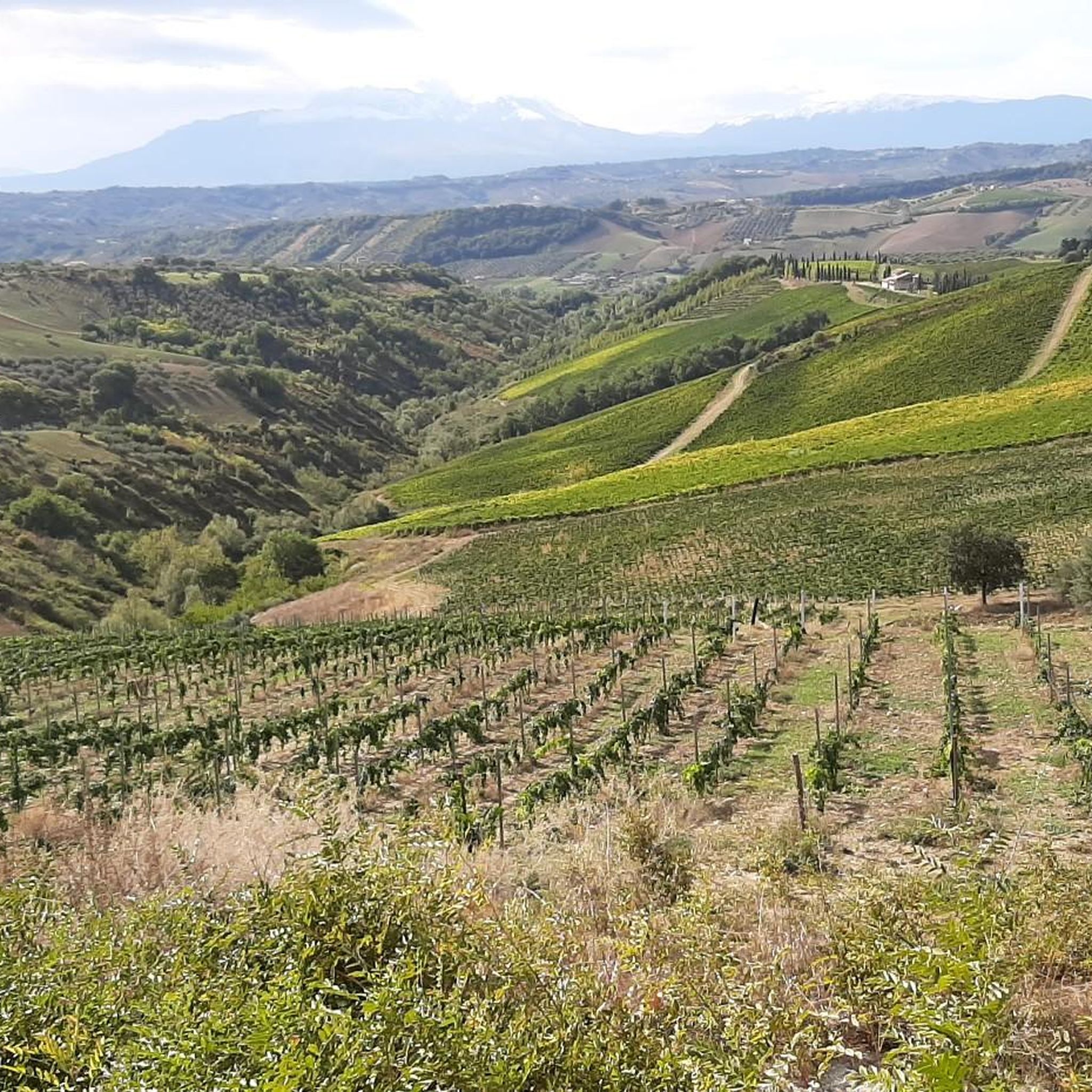
Road cycling around Castilenti offers a diverse landscape characterized by rolling hills, coastal stretches, and pine forests. The region features varied terrain, including routes that traverse agricultural areas and connect to historic towns. Road cyclists can expect a mix of ascents and descents, with some routes leading towards the Adriatic coast.
Best road cycling routes around Castilenti
- The most popular road cycling route is Penne Beach and Pine Forest – Pineto Beach loop from Atri, a 30.5 miles (49.2…
Last updated: July 8, 2026
4.8
(4)
28
riders
58.9km
03:06
1,090m
1,090m
Hard road ride. Very good fitness required. Some segments of this route may be unpaved and difficult to ride.
19
riders
78.6km
04:02
1,180m
1,180m
Hard road ride. Very good fitness required. Some segments of this route may be unpaved and difficult to ride.

Sign up for free
9
riders
Hard road ride. Very good fitness required. Mostly well-paved surfaces and easy to ride.
10
riders
31.8km
02:01
740m
740m
Moderate road ride. Good fitness required. Mostly well-paved surfaces and easy to ride.
5.0
(1)
10
riders
54.8km
02:46
900m
900m
Moderate road ride. Good fitness required. Mostly well-paved surfaces and easy to ride.
Get access to more routes and recommendations from other explorers.
Sign up for free
Already have an account?
Our route recommendations are based on thousands of hikes, rides, and runs completed by other people on komoot.
Start today with a free account
Your next adventure awaits.
Login or Signup
Tips from the Community

The Cathedral of Santa Maria Assunta (the Duomo of Atri) is one of the most important and impressive religious monuments in the Abruzzo region. This co-cathedral was built between 1260 and 1305 on the foundations of an older Romanesque church and even older Roman baths. Open daily in the morning from 09:00 - 12:30
3
0
Place of cooling and refreshment.
3
0
De Porta San Francesco is the most monumental and iconic city gate of the historic town of Penne, located on four hills. The gate forms the main entrance to the medieval center and is a striking example of local architecture. The gate owes its name to Francis of Assisi, who according to legend visited Penne on September 16, 1216. He came to the city at the time to establish peace between two violent, rival family clans. In memory of this historic visit, the original medieval city gate was later named after him. Although the origin of the gate is medieval, its current baroque appearance dates from 1780 (with later adjustments around 1870). The gate, to be renovated, came from the drawing board of architect Francesco Di Sio and was completely rebuilt, along with the adjacent buildings. Since then, they have formed a monumental, stylish entrance to 'the city of brick'. Bonus: if you stand in front of the gate and look closely, you will see the patron saint of Penne, San Massimo, at the top of the gate.
4
0
Cathedral with ceramic plates! On Piazza Duomo, the Basilica di Santa Maria Assunta will surely catch your eye immediately. If you look closely, you will see that the tower of the Gothic cathedral from 1300 is decorated with ceramic plates in various colors, which change throughout the day with the position of the sun. Incidentally, the shape of the tower, an octagon with a pyramid on top, is unique for the time when the cathedral was built. The funny thing is that you also see this reflected in other churches in Atri and in other villages and towns in Abruzzo. The story goes that the architect of the cathedral applied it here first, after which the idea was adopted by other builders. Underground church and water reservoirs Around 300 BC, on the spot where the cathedral now stands, there was a large square with baths and reservoirs underneath to store rainwater. Only then was the cathedral built on top of it, after which the reservoirs were converted into an underground church. Triggered? Want to know more, click through to https://ciaotutti.nl/reizen-door-italie/abruzzen/atri-een-levendige-stad-vol-geschiedenis/
3
0
The round church of San Nicola was built in the 19th century to a design by engineer Dottorelli. From the outside, its unusual shape is immediately striking: a cylindrical building that, interrupted by pilasters, rises above the lower annexes of the church. On the side of Corso Alessandrini, the church has a simple brick facade, adorned with a small aedicule and a triangular tympanum. On the side of Largo San Francesco, the bell tower particularly catches the eye, with its double arched opening and tympanum-shaped crowning. Together, these elements give the church a restrained yet characteristic appearance.
3
0
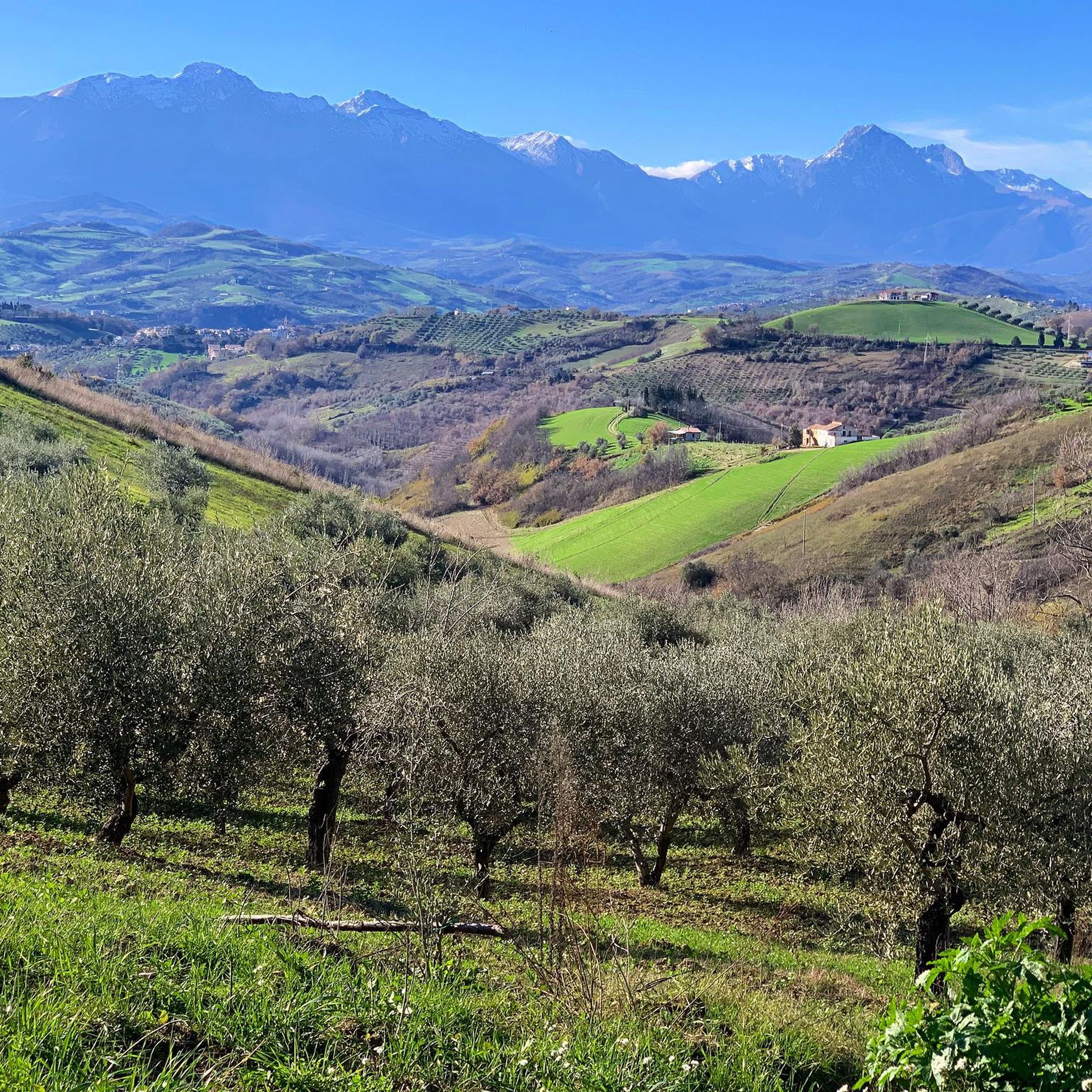
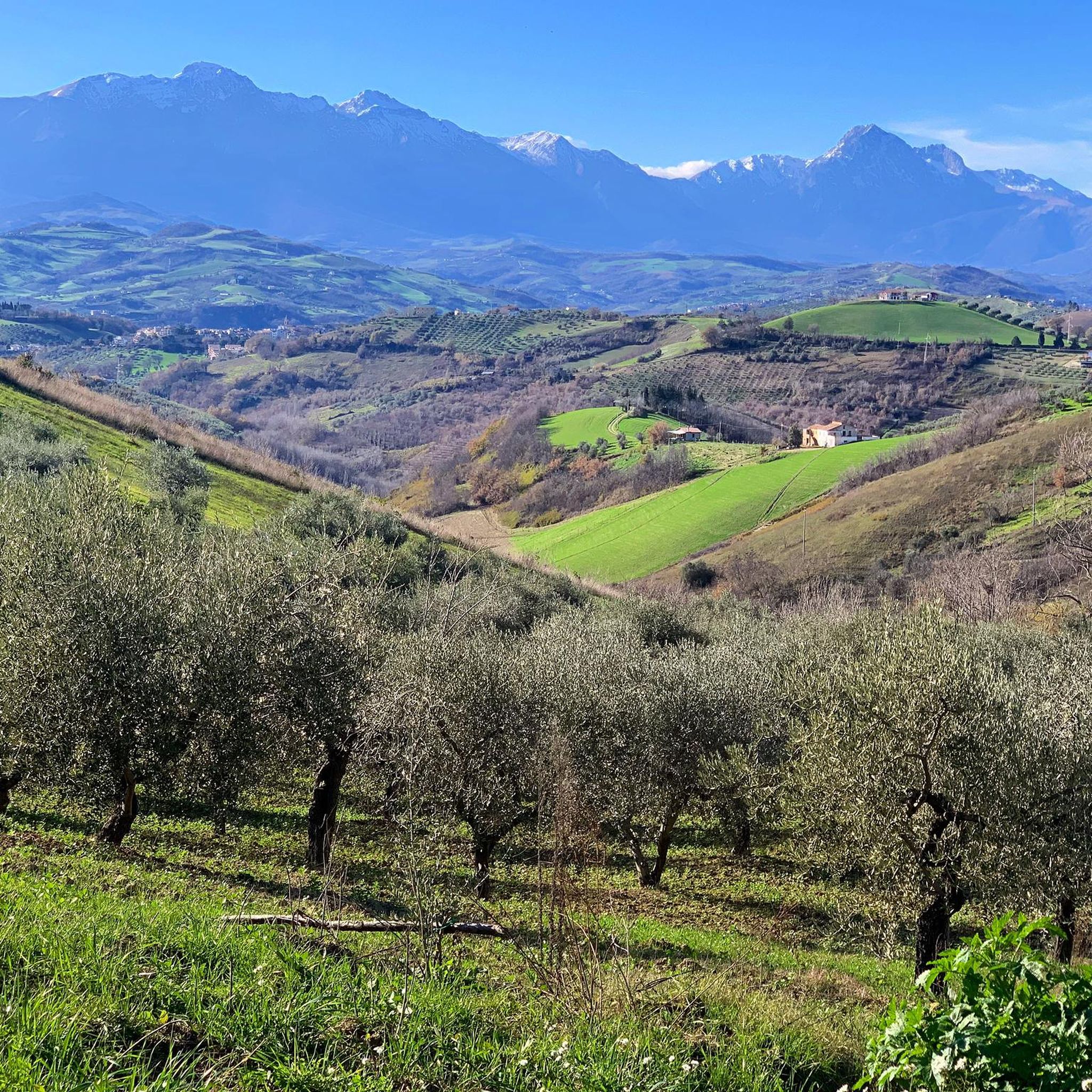
Plate to enjoy panoramic views. On the left you see the mountains and on the right you have a beautiful view of the sea.
6
0
The Cattedrale di Santa Maria Assunta (Duomo di Atri) is one of the most important and impressive religious monuments in the Abruzzo region. This co-cathedral was built between 1260 and 1305 on the foundations of an older Romanesque church and even older Roman baths. Daily open in the morning from 09:00 - 12:30.
5
0
The cathedral was built between 1260 and 1305 on the foundations of an older Romanesque church and even older Roman baths. Visits are possible at the following times: every morning: 09:00 - 12:30.
4
0
Frequently Asked Questions
How many road cycling routes are available around Castilenti?
There are over 40 road cycling routes around Castilenti, offering a diverse range of experiences. These include routes through rolling hills, along coastal stretches, and into pine forests.
Are there beginner-friendly road cycling routes in Castilenti?
While there are no routes specifically classified as 'easy', many of the 27 moderate routes are suitable for cyclists with some experience. These routes offer a good balance of distance and elevation without being overly challenging. For example, the Penne Beach and Pine Forest – Pineto Beach loop from Atri is a moderate option combining coastal riding with sections through pine forests.
What are some challenging road cycling routes in the Castilenti area?
For experienced cyclists seeking a challenge, Castilenti offers 14 difficult routes with significant elevation gains. A notable option is the Porta di San Francesco – Baricelle – Penne loop from Castilenti, which features substantial climbs through inland areas and connects to historic towns.
What is the best time of year for road biking in Castilenti?
The region's Mediterranean climate generally makes spring and autumn ideal for road cycling, with pleasant temperatures and less extreme weather. Summers can be hot, especially along coastal routes, while winters are milder but may have more unpredictable weather.
Are there any scenic viewpoints or natural attractions along the road cycling routes?
Yes, many routes offer scenic views and pass by natural attractions. You can explore areas like the Atri Badlands or the Calanchi di Atri Nature Reserve. Some routes also feature coastal vistas and sections through pine forests.
What kind of terrain can I expect on road cycling routes around Castilenti?
Road cycling around Castilenti features a diverse landscape. You'll encounter rolling hills, flat coastal stretches, and routes that traverse agricultural areas. Expect a mix of ascents and descents, with some routes leading towards the Adriatic coast and others venturing into historic inland towns.
Are there any loop trails for road cycling in Castilenti?
Yes, many of the road cycling routes around Castilenti are designed as loops, allowing you to start and finish in the same location. An example is the Historic Center of Penne – Porta di San Francesco loop from Castilenti, which offers a moderate challenge.
What do other road cyclists say about the routes in Castilenti?
The road cycling routes in Castilenti are highly rated by the komoot community, with an average score of 4.5 stars from nearly 20 reviews. Cyclists often praise the varied terrain, from coastal paths to challenging inland climbs, and the opportunity to explore historic towns.
Are there routes that combine coastal riding with inland exploration?
Absolutely. Several routes offer a blend of coastal scenery and inland exploration. The Malibu Beach, Silvi Marina – Moderate climb after Atri loop from Atri is a great example, leading through coastal areas and featuring climbs after Atri.
Can I find routes that pass through historic towns or villages?
Yes, many road cycling routes in the Castilenti area connect to historic towns and villages. For instance, the Pineto Beach – Historic Village of Mutignano loop from Atri allows you to cycle past the Historic Village of Mutignano.
What are some notable landmarks or places to see near the cycling routes?
Beyond the natural beauty, you can find historical and cultural landmarks. The Cerrano Tower and Marine Garden and the Co-Cathedral Basilica of Saint Mary of the Assumption are examples of interesting places to explore near some of the routes.
Most popular attractions around Castilenti

Get inspired with the komoot mobile app


Explore more
Browse the best Road cycling routes in other regions.
