The best walks and hikes around Tessennano
4.1
(21)
94
hikers
13
hikes
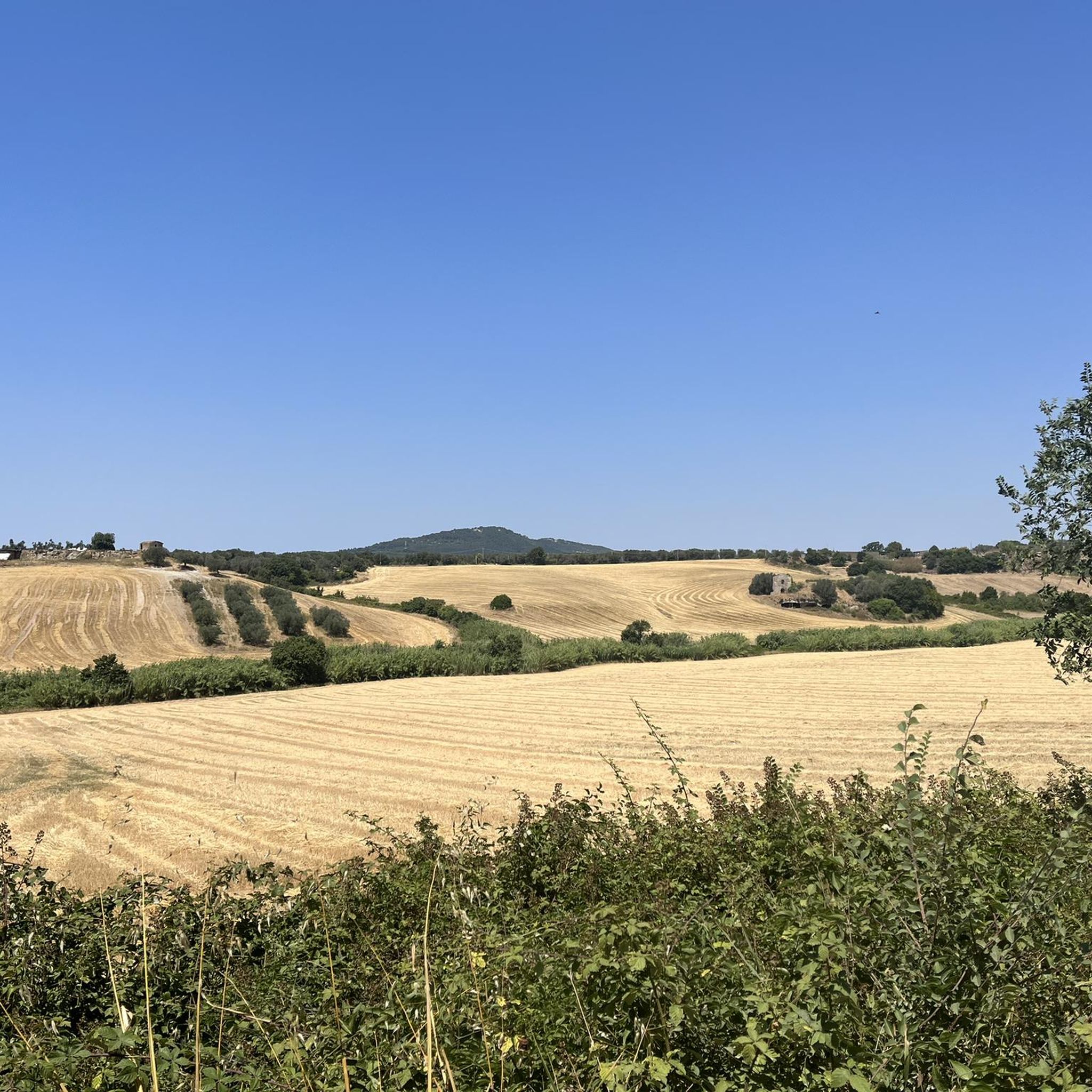
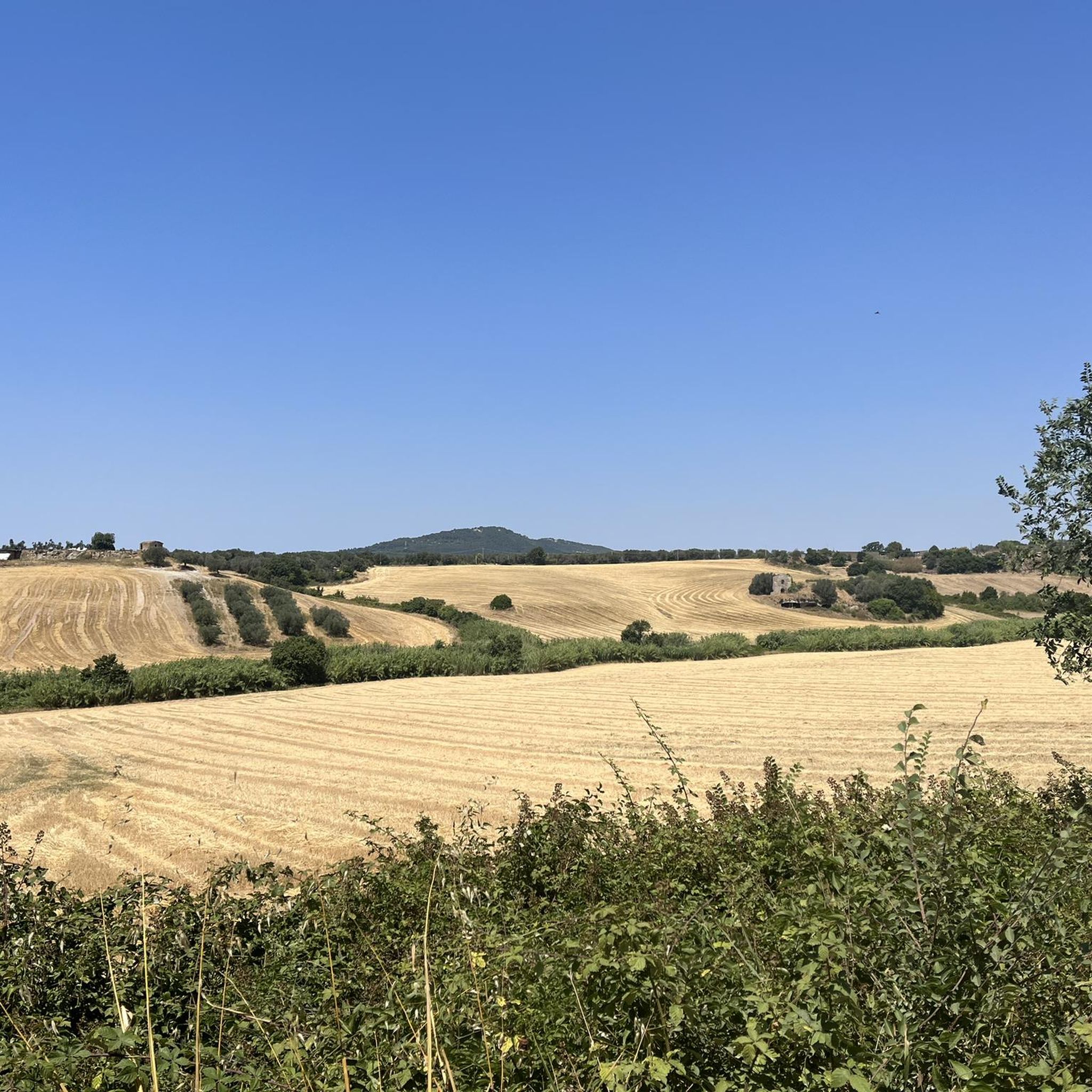
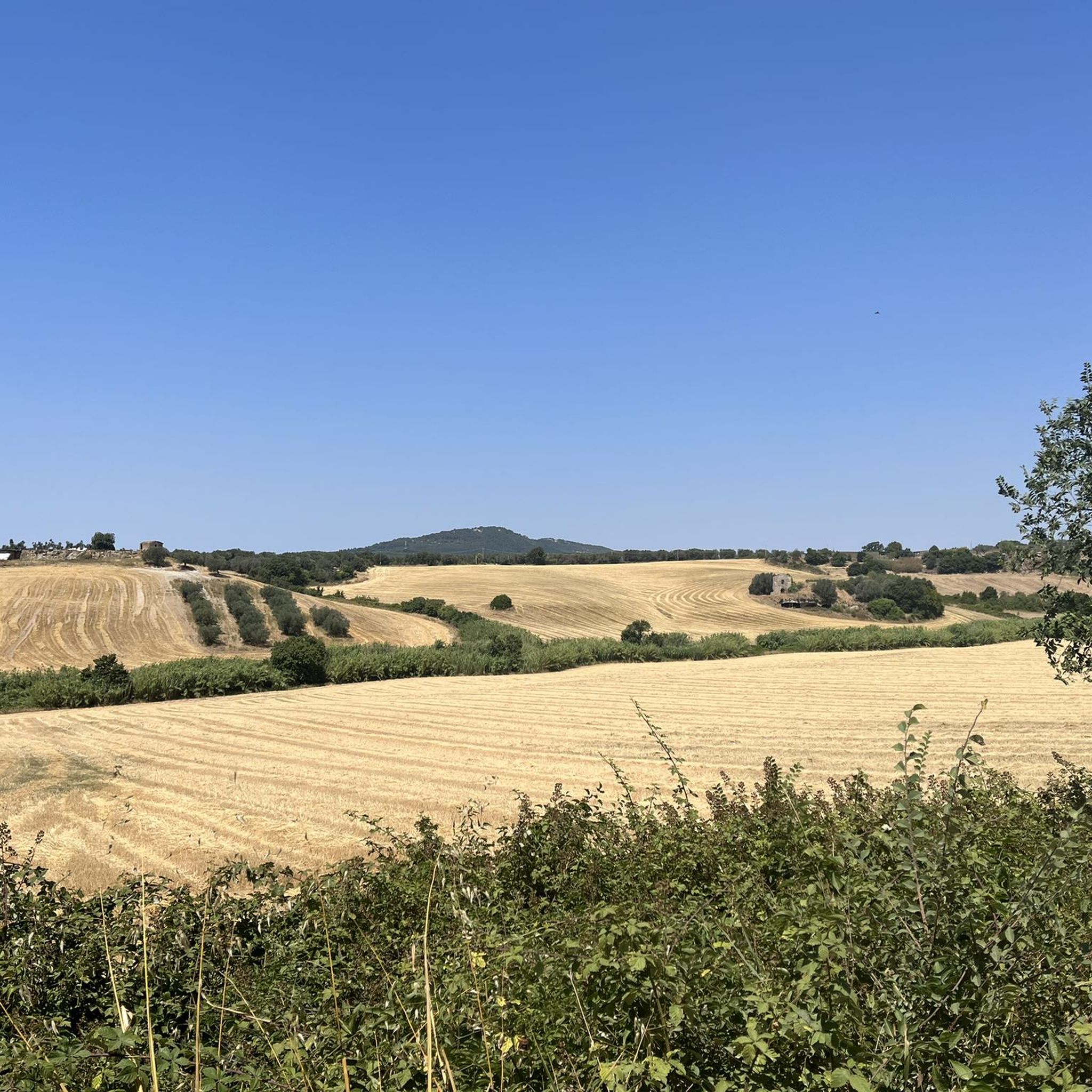
Hiking around Tessennano offers exploration through a landscape characterized by lush countryside, ancient olive groves, and extensive woodlands. The region rests upon a Pleistocene tuff bed, featuring gentle hills with altitudes ranging between 121 and 387 meters above sea level. Waterways like the Fosso della Cadutella traverse the area, providing natural corridors for trails. This varied topography creates diverse terrain for outdoor activities.
Best hiking trails around Tessennano
- The most popular hiking route is Ancient Via Clodia Stage 08 Loop…
Last updated: July 5, 2026
2.5
(2)
3
hikers
16.2km
04:24
230m
230m
Hike the Ancient Via Clodia Stage 08 Loop, a 10.1-mile moderate trail through historical sites and varied terrain near Tuscania.
3.3
(3)
28
hikers
29.0km
07:46
340m
340m
Hard hike. Very good fitness required. Easily-accessible paths. Suitable for all skill levels.

Sign up for free
3.0
(1)
12
hikers
Moderate hike. Good fitness required. Easily-accessible paths. Suitable for all skill levels.
10
hikers
8.94km
02:23
100m
100m
Moderate hike. Good fitness required. Easily-accessible paths. Suitable for all skill levels.
5.0
(1)
8
hikers
3.56km
00:58
60m
60m
Easy hike. Great for any fitness level. Easily-accessible paths. Suitable for all skill levels.
Get access to more routes and recommendations from other explorers.
Sign up for free
Already have an account?
Our route recommendations are based on thousands of hikes, rides, and runs completed by other people on komoot.
Start today with a free account
Your next adventure awaits.
Login or Signup


Tips from the Community

The current Palazzo del Comune of Tuscania overlooks Piazza Basile, between the Church of San Lorenzo and the former Church of Santa Croce, currently home to the Historical Archives and the Municipal Library. Previously, the administrators of the municipality resided in the ancient Palazzo del Rivellino, on the hill of the same name; the structure was so called because it was similar to a fortress. Subsequently, the podestà was transferred first to the palace that today is home to the Teatro Comunale, and then to the current one. The latter is accessed via a beautiful external staircase, which features a bronze plaque in memory of the restoration, in 1912, of the ancient name of the city that had been changed by Boniface VIII to Toscanella. (c) https://www.italiavirtualtour.it/dettaglio_member.php?id=96308
0
0
Consecrated in 1333, it was completely renovated in 1838 as documented in the restoration estimate kept in the archives of the church itself and in the related project, which shows the structures of the older church and the changes to be made. Following the collapse of the 1971 earthquake, many structural and decorative elements of the older church have come to light and, thanks to recent restorations, have been highlighted, thus giving us very precise traces of the original Romanesque construction. The façade, decorated with a portal enriched with twisted columns, very similar to that of San Silvestro, has a lunette decorated with a fresco depicting the Madonna with Child and Saints from the 16th century, while the upper rose - octagonal in shape and very modest in construction - seems, according to the mentioned project, to be currently lower than its original location. The interior, with a nave, has a wooden ceiling and trusses supported by pointed arches on a high pier with brackets. As for the depth of the nave, perhaps reduced today, a wall made of tuff blocks with a curved shape, evident in a room located on the back of the terminal wall with which the church ends today, is perhaps an indication of an apse that seems lowered compared to the level of the current church. On the back wall, to the right of the apse, there is a small Gothic ciborium. On the counter-façade, in a niche to the left of the portal, there are some 14th-century frescoes including an Annunciation, a Holy Bishop, Madonna with Child and, above, Eternal Father and Angels. Behind the high altar, in a large niche created in the dividing wall pertaining to the renovation of 1838, there is a 15th-century wooden crucifix from the church of Santa Maria del Riposo, here in temporary storage; on the right are remains of 15th-century frescoes. The 17th-century organ located to the right of the high altar was recently restored. (c) https://www.parrocchietuscania.it/chiesatuscania/chiesa-di-s-marco-2/
0
0
The church and the convent belonged to the Augustinian order. The buildings date back to the end of the 13th century and were completely rebuilt in the 18th century. Of the original church, only the single-nave plan remains, with no internal divisions and a rectilinear apse. The façade, which dates back to the 18th century, has a window on the outside. The interior is characterized by Baroque-style altars. In the apse, behind the 18th-century stucco altar, 15th-century frescoes were found. To the right of the entrance, a Renaissance stone arch gives access to the stone Chapel of San Giobbe, with beautiful reliefs. It is also known as the Ludovisi Chapel, named after the client who had it built in 1486. In the apse of the chapel, there is a fresco from the Viterbo school with a carved stone frame that was painted in 1492 and which represents the Ludovisi family in prayer at the sides of a Crucifixion. Next to the church is the building of the former convent of Sant'Agostino characterized by a beautiful cloister, numerous rooms and, on the upper floor, the monks' cells. It is located within the city walls right in the middle of the town. In 1818 it became the seat of the bishop's seminary, then during the Second World War it was used as accommodation for displaced people. Restored together with the church after the 1971 earthquake, it was finally abandoned around 1980. (c) https://www.cassiciaco.it/navigazione/monachesimo/chiese/italia/lazio/tuscania.html
0
0
Fontana Grande, also known as the Fontana di San Giacomo, is a stunning 17th-century fountain located in the heart of Tuscania's historic center. It stands prominently in Piazza Domenico Bastianini and was part of a renewal project led by Cardinal Cambara. The fountain's basin, carved from a single block of stone sourced from a nearby quarry, showcases impressive craftsmanship. (c) https://wanderlog.com/place/details/8697871/fontana-grande
0
0
Porta di Poggio is one of the entrance gates to the medieval citadel of Tuscania
0
0
Ancient fountain located in the heart of the historic center of Tuscania, famous for the seven masks that compose it from which the water flows. The coats of arms of some noble families of the time appear on the structure. In the small square that towards the end of the Middle Ages was the market square, there is the ancient source of the Seven Spouts, also known as the Fontana del Butinale, so called because the water comes out of the mouth of seven masks, the Fountain of the Seven Spouts is the oldest of the cities of Tuscania, of Etruscan-Roman age the fountain was completed in 1309 by the podestà Lorenzo da Guglielmo, to better serve the needs of the city. The source seems to have fed the Roman baths existing near the church of Santa Maria Maggiore. In more recent times it seems to have fed a mill near the small square. (c) https://fondoambiente.it/luoghi/fontana-delle-sette-cannelle?ldc
0
0

What can be enjoyed today from the medieval walls of Tuscania is one of the most beautiful landscapes of Tuscia.
0
0

Beautiful panoramic view of the church of San Pietro. The garden is very well-kept and it is very pleasant to spend a short break there.
0
0
Frequently Asked Questions
How many hiking trails are available around Tessennano?
There are over 10 hiking routes available around Tessennano, offering a variety of experiences. These trails range from easy walks through the countryside to more moderate excursions, ensuring options for different skill levels.
What kind of terrain can I expect on hikes around Tessennano?
Hiking around Tessennano offers diverse terrain. You'll find trails winding through lush countryside, ancient olive groves, and extensive woodlands. The region is characterized by gentle hills, resting on a Pleistocene tuff bed, with altitudes ranging between 121 and 387 meters above sea level. Waterways like the Fosso della Cadutella also traverse the area, providing natural corridors for exploration.
Are there easy hiking options for beginners or casual walkers in Tessennano?
Yes, Tessennano offers several easy hiking options perfect for beginners or those seeking a relaxed stroll. For example, the Rocca di Ischia di Castro loop from Ischia di Castro is an easy 4.1 km route that can be completed in just over an hour, providing a pleasant experience through the local landscape.
What is the best time of year to go hiking in Tessennano?
Tessennano benefits from a mild yet cool climate, especially in summer, making it enjoyable for outdoor activities almost year-round. The ancient woods provide healthy air and shade, which is particularly pleasant during warmer months. Spring and autumn offer vibrant colors and comfortable temperatures, ideal for exploring the lush countryside and olive groves.
What natural features or landmarks can I see while hiking near Tessennano?
While hiking near Tessennano, you can explore several interesting natural and historical features. The area is rich in ancient woods and olive groves. You might also encounter the Fosso della Cadutella, a local waterway. For cultural landmarks, consider routes that pass near the Tuscania Historic Center, or the Fountain of the Seven Spouts, offering a blend of nature and history.
Are there any longer, more challenging hikes in the Tessennano area?
Yes, for those seeking a longer and more challenging experience, the Ancient Via Clodia Stage 08 Loop is a moderate 16.2 km trail that takes approximately 4 hours and 24 minutes to complete. This route follows a historic Roman road, offering both a physical challenge and a journey through history.
What do other hikers enjoy the most about hiking in Tessennano?
The hiking routes in Tessennano are highly rated by the komoot community, with an average score of 4.2 stars from over 10 reviews. Hikers often praise the serene and verdant countryside, the ancient woodlands, and the gentle hilly terrain that provides a beautiful and refreshing environment for nature lovers.
Are there any circular hiking routes available around Tessennano?
Yes, several circular routes are available, allowing you to start and end your hike in the same location. A notable example is the Church of Saint Augustine – Porta di Poggio loop from Tuscania, a moderate 16.3 km trail that offers a comprehensive exploration of the area's landscapes and historical points.
Can I combine hiking with exploring historical towns near Tessennano?
Absolutely. Tessennano's location makes it an excellent base for combining nature walks with cultural exploration. Routes like the Lavello Tower Park – Tuscania Historic Center loop from Tuscania allow you to explore both natural parkland and the rich cultural landmarks of Tuscania's historic center, including sites like the Town Hall and the Church of San Lorenzo.
What makes the landscape around Tessennano unique for hiking?
The landscape around Tessennano is unique due to its combination of ancient woodlands, expansive countryside with olive groves, and its geological foundation on a Pleistocene tuff bed. This creates a varied and picturesque environment, with gentle hills and natural waterways like the Fosso della Cadutella, offering a tranquil setting for connecting with nature.
Are there any specific points of interest or villages to explore near Tessennano while hiking?
Beyond Tessennano itself, you can explore charming nearby areas. Many routes lead towards or through Tuscania, where you can visit the Tuscania Historic Center. Another interesting point is Farnese, a settlement that can be part of a broader exploration of the region.
Most popular attractions around Tessennano

Get inspired with the komoot mobile app


Explore more
Browse the best Hikes in other regions.
