The best walks and hikes around Tuscania
4.3
(143)
864
hikers
60
hikes
Hiking around Tuscania offers diverse landscapes, characterized by rolling hills, verdant countryside, and river valleys. The region features unique tuff rock formations, which shape both the town and surrounding trails. Hikers can explore a mix of woodlands and open clearings, providing varied scenery and ecosystems. This area provides a tranquil escape for outdoor activities.
Best hiking trails around Tuscania
- The most popular hiking route is Ancient Via Clodia Stage 08 Loop, a 10.1 miles (16.2 km) trail that takes…
Last updated: July 7, 2026
2.5
(2)
3
hikers
16.2km
04:24
230m
230m
Moderate hike. Good fitness required. Easily-accessible paths. Suitable for all skill levels.
4.2
(18)
63
hikers
15.1km
03:55
80m
80m
Moderate hike. Good fitness required. Easily-accessible paths. Suitable for all skill levels.

Sign up for free
3.3
(3)
28
hikers
29.0km
07:46
340m
340m
Hard hike. Very good fitness required. Easily-accessible paths. Suitable for all skill levels.
3.8
(4)
30
hikers
8.66km
02:14
40m
40m
Moderate hike. Good fitness required. Easily-accessible paths. Suitable for all skill levels.
3.0
(1)
12
hikers
Moderate hike. Good fitness required. Easily-accessible paths. Suitable for all skill levels.
Get access to more routes and recommendations from other explorers.
Sign up for free
Already have an account?
Our route recommendations are based on thousands of hikes, rides, and runs completed by other people on komoot.
Start today with a free account
Your next adventure awaits.
Login or Signup
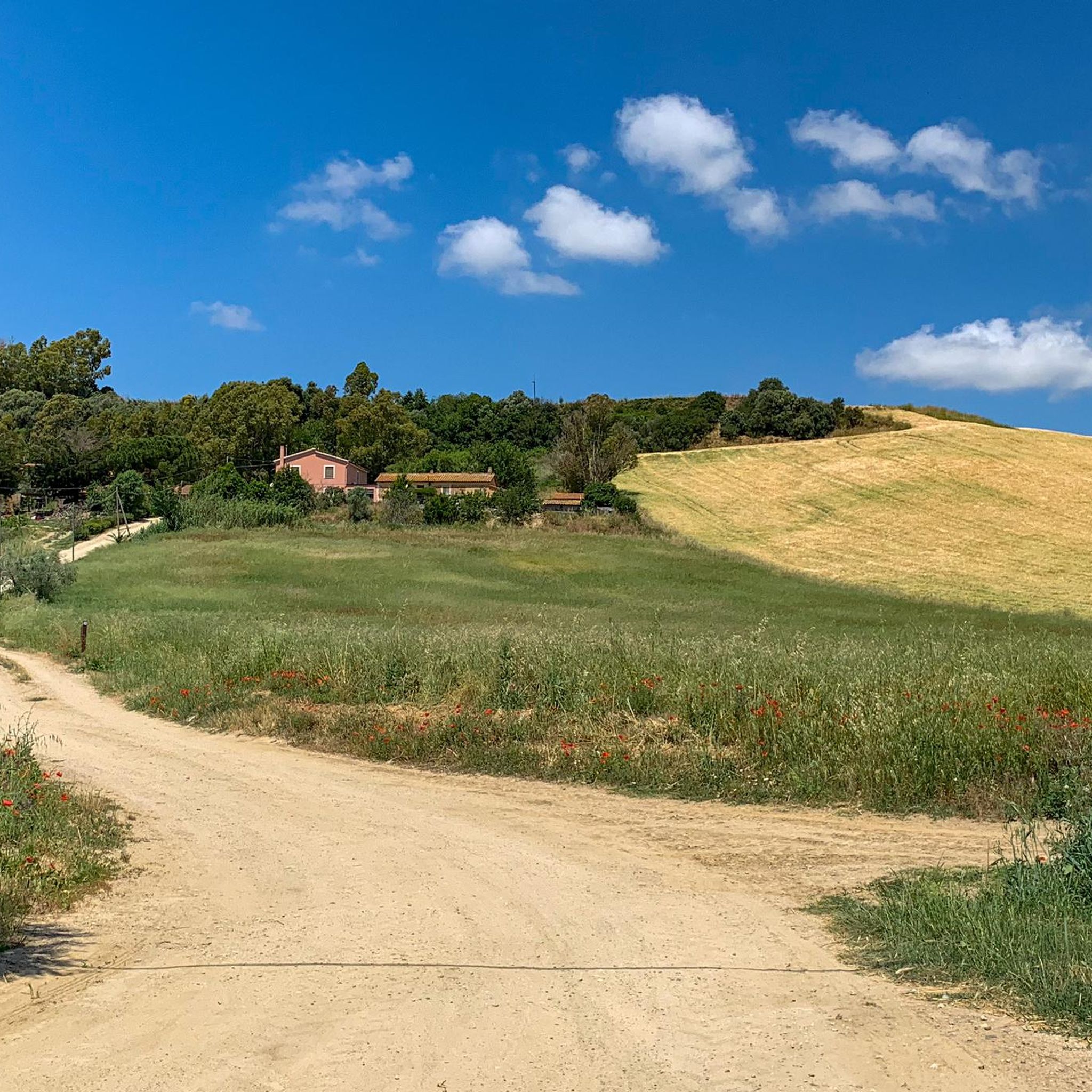
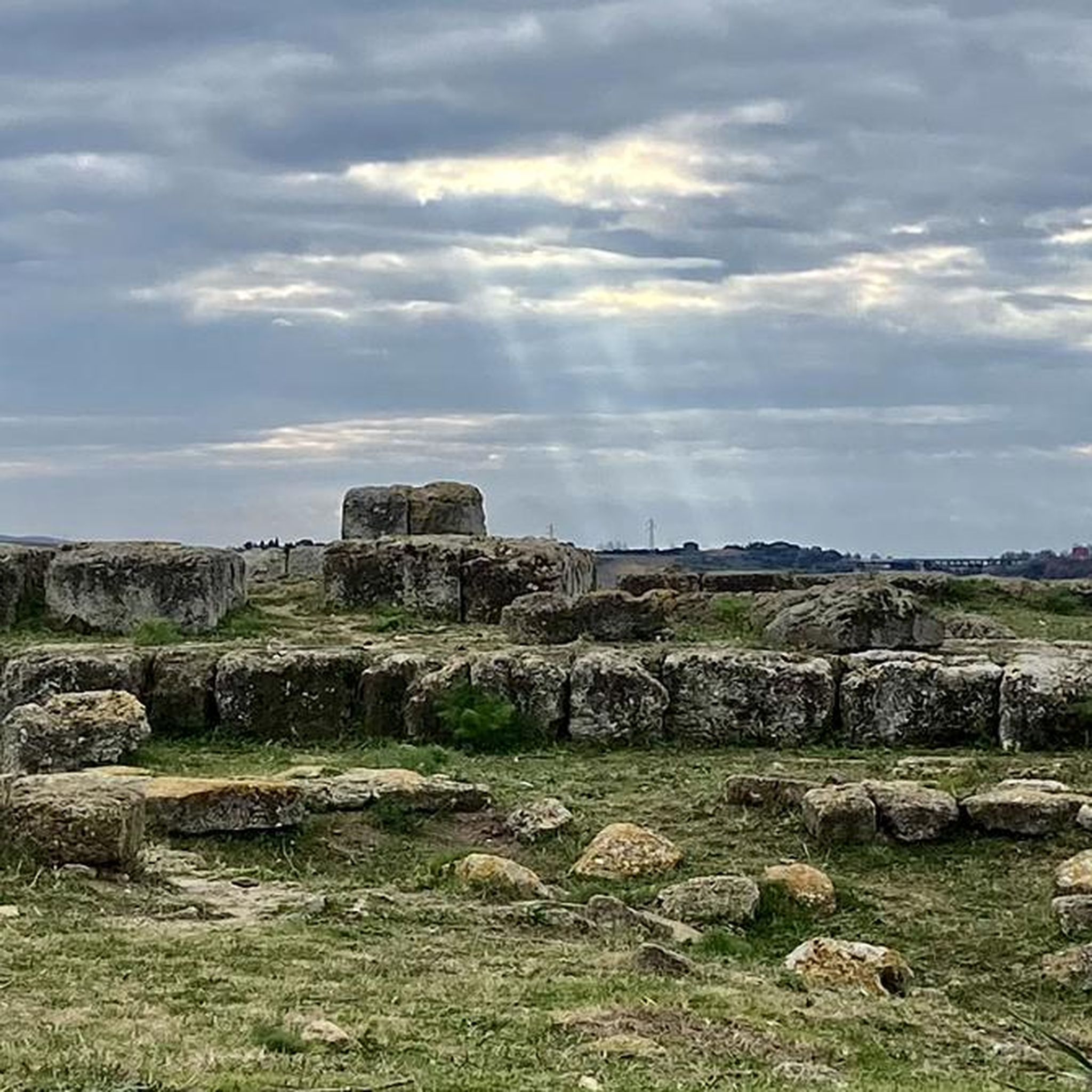
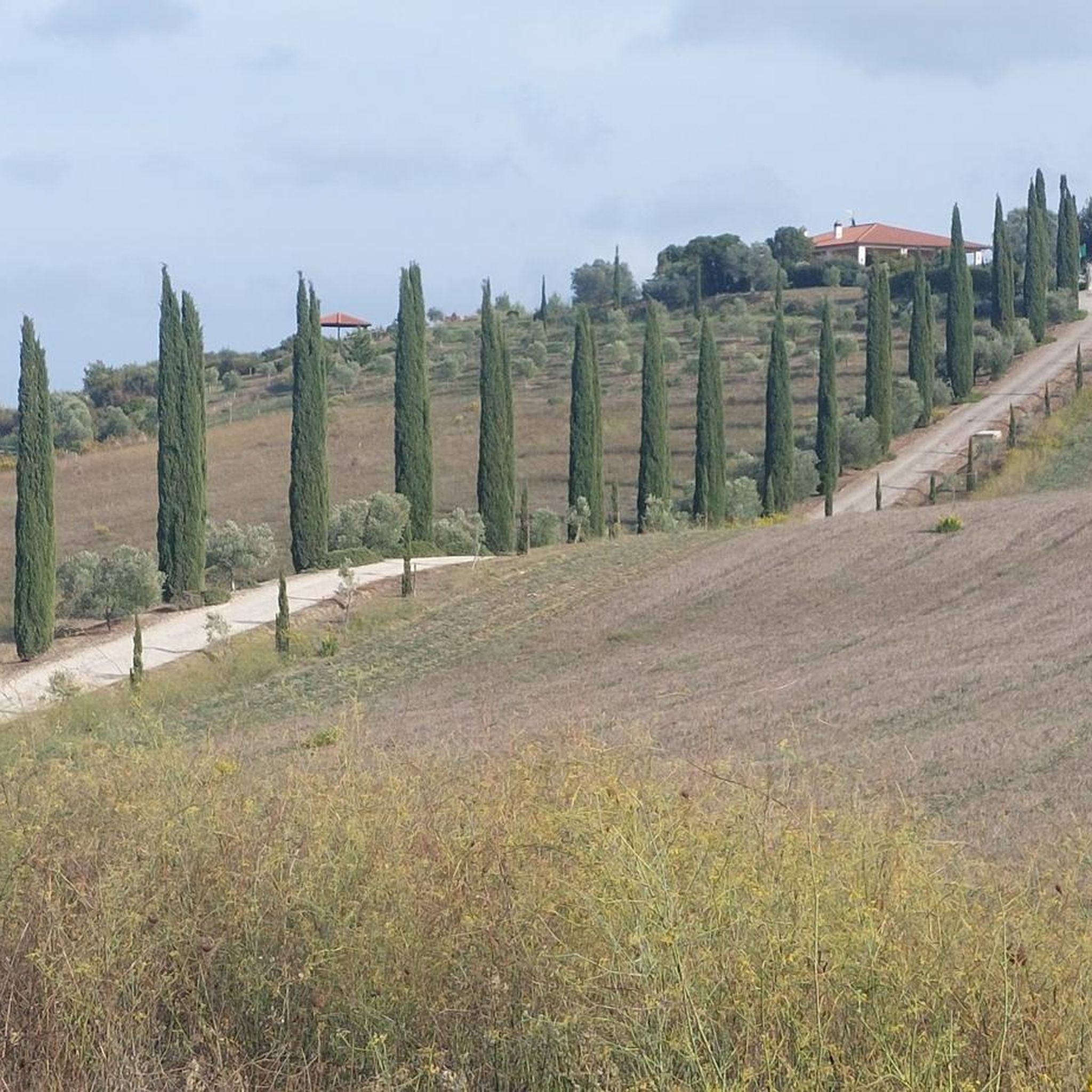
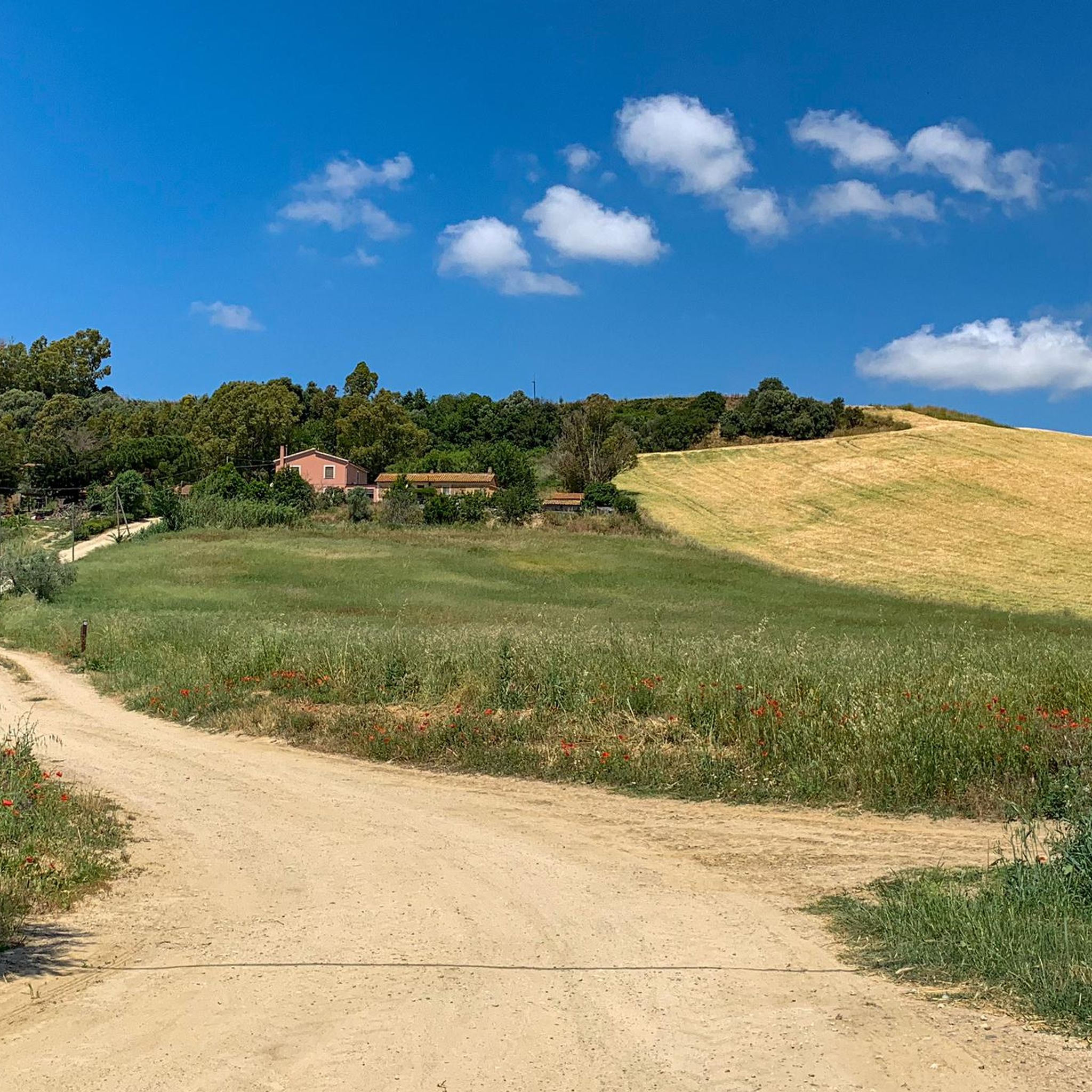

Tips from the Community

Marta is a charming town on the southern shore of Lake Bolsena in the province of Viterbo, Lazio, Italy. It is known for its picturesque location, fishing port, and relaxed atmosphere. Here is some information about Marta on Lake Bolsena: * Location: Marta is located directly on Lake Bolsena, opposite Isola Martana, from which it takes its name. * Fishing Village: Marta is a traditional fishing village, and you can still see fishing boats in the harbor. Fishing, especially eels and other freshwater fish, plays an important role in the local cuisine. * Lakeside Promenade: The town has a pleasant lakeside promenade, ideal for strolling and enjoying the views of the lake and its islands. * Sights: * Torre dell'Orologio (Clock Tower): A striking tower in the historic center that can offer panoramic views. * Harbor: A lively spot where you can watch fishing boats and take ferries to the islands of Lake Bolsena. * Activities: * Water sports: The lake offers opportunities for swimming, boating, and fishing. * Local cuisine: Be sure to try the local seafood dishes in the town's restaurants. * Festivals: Marta is known for its traditional festivals, such as the "Barabbata" festival, which takes place in May and celebrates local culture and history. * Starting point: Marta is a good base for exploring other towns on Lake Bolsena and in the surrounding Tuscia region, including Bolsena, Capodimonte, and historic sites such as Civita di Bagnoregio. Marta offers an authentic Italian atmosphere and is an ideal place for a peaceful and relaxing stay on Lake Bolsena.
0
0
Lake Bolsena is a large volcanic lake in central Italy, about 90 km north of Rome in the province of Viterbo, Lazio. It is a popular tourist destination, known for its natural beauty, clear waters, and relaxed atmosphere. The lake was formed by the collapse of a caldera of the Vulsini volcano. This geological history contributes to its black volcanic beaches, some of which are black in color. Lake Bolsena is known for its clean, spring-fed waters, which are excellent for swimming. The shores often slope gently, making it suitable for families with children. The lake has two islands, Bisentina and Martana, formed by underwater eruptions. Public access to the islands may be limited, but boat tours often offer views of them.
0
0

The current Palazzo del Comune of Tuscania overlooks Piazza Basile, between the Church of San Lorenzo and the former Church of Santa Croce, currently home to the Historical Archives and the Municipal Library. Previously, the administrators of the municipality resided in the ancient Palazzo del Rivellino, on the hill of the same name; the structure was so called because it was similar to a fortress. Subsequently, the podestà was transferred first to the palace that today is home to the Teatro Comunale, and then to the current one. The latter is accessed via a beautiful external staircase, which features a bronze plaque in memory of the restoration, in 1912, of the ancient name of the city that had been changed by Boniface VIII to Toscanella. (c) https://www.italiavirtualtour.it/dettaglio_member.php?id=96308
0
0
The church and the convent belonged to the Augustinian order. The buildings date back to the end of the 13th century and were completely rebuilt in the 18th century. Of the original church, only the single-nave plan remains, with no internal divisions and a rectilinear apse. The façade, which dates back to the 18th century, has a window on the outside. The interior is characterized by Baroque-style altars. In the apse, behind the 18th-century stucco altar, 15th-century frescoes were found. To the right of the entrance, a Renaissance stone arch gives access to the stone Chapel of San Giobbe, with beautiful reliefs. It is also known as the Ludovisi Chapel, named after the client who had it built in 1486. In the apse of the chapel, there is a fresco from the Viterbo school with a carved stone frame that was painted in 1492 and which represents the Ludovisi family in prayer at the sides of a Crucifixion. Next to the church is the building of the former convent of Sant'Agostino characterized by a beautiful cloister, numerous rooms and, on the upper floor, the monks' cells. It is located within the city walls right in the middle of the town. In 1818 it became the seat of the bishop's seminary, then during the Second World War it was used as accommodation for displaced people. Restored together with the church after the 1971 earthquake, it was finally abandoned around 1980. (c) https://www.cassiciaco.it/navigazione/monachesimo/chiese/italia/lazio/tuscania.html
0
0
Fontana Grande, also known as the Fontana di San Giacomo, is a stunning 17th-century fountain located in the heart of Tuscania's historic center. It stands prominently in Piazza Domenico Bastianini and was part of a renewal project led by Cardinal Cambara. The fountain's basin, carved from a single block of stone sourced from a nearby quarry, showcases impressive craftsmanship. (c) https://wanderlog.com/place/details/8697871/fontana-grande
0
0
Porta di Poggio is one of the entrance gates to the medieval citadel of Tuscania
0
0
Ancient fountain located in the heart of the historic center of Tuscania, famous for the seven masks that compose it from which the water flows. The coats of arms of some noble families of the time appear on the structure. In the small square that towards the end of the Middle Ages was the market square, there is the ancient source of the Seven Spouts, also known as the Fontana del Butinale, so called because the water comes out of the mouth of seven masks, the Fountain of the Seven Spouts is the oldest of the cities of Tuscania, of Etruscan-Roman age the fountain was completed in 1309 by the podestà Lorenzo da Guglielmo, to better serve the needs of the city. The source seems to have fed the Roman baths existing near the church of Santa Maria Maggiore. In more recent times it seems to have fed a mill near the small square. (c) https://fondoambiente.it/luoghi/fontana-delle-sette-cannelle?ldc
0
0
Located in the heart of the village of Marta, on the southern shore of Lake Bolsena, the Clock Tower is one of the main historical and tourist attractions of the area. This medieval tower, which stands majestically in the historic center, is not only a symbol of the city, but also a witness to centuries of history, art and local traditions. The Clock Tower stands imposingly at 21 meters high. Its structure is characterized by a truncated pyramid base with a square plan and an octagonal body that culminates with a small octagonal tower about 2.5 meters high, where the clock bells are located. This clock, installed in 1575 during the Farnese domination, is one of the distinctive elements of the tower. Originally, the tower was part of the Rocca, a medieval fortification that has seen numerous restorations and alterations due to the turbulent historical events of the village. The tower has survived various modifications and reconstructions, and today represents one of the most fascinating testimonies of Marta's past. (c) https://www.visittuscia.eu/torre-orologio-marta/
0
0
Frequently Asked Questions
What kind of terrain can I expect on hiking trails around Tuscania?
Hiking around Tuscania offers diverse landscapes, characterized by rolling hills, verdant countryside, and lush river valleys. You'll encounter unique tuff rock formations, which shape both the town and surrounding trails, along with a mix of woodlands and open clearings. The region is also known for its Etruscan archaeological sites and medieval towns, often integrated into the hiking experience.
Are there easy hiking trails suitable for beginners or casual walkers in Tuscania?
Yes, Tuscania offers many accessible options. Out of over 50 hiking routes, 30 are classified as easy. For example, the Lavello Tower Park – Tuscania Historic Center loop from Tuscania is a moderate 5.3-mile trail that provides an accessible path through the park and historic center, often completed in about 2 hours 18 minutes. The Tuscania Provincial Nature Reserve also features easier walking routes.
What historical or natural landmarks can I see while hiking near Tuscania?
The region is rich in history and natural beauty. You can explore ancient Etruscan necropolises and relics, particularly around areas like Colle di San Pietro. Notable sites include the Etruscan Necropolis of Monterozzi (Tarquinia) and the Norchia Necropolis. Hikers can also enjoy views of Bisentina Island on Lake Bolsena, or visit Lago di Pellicone.
Are there any circular hiking routes available in the Tuscania area?
Yes, many routes in Tuscania are designed as loops, allowing you to start and end in the same location. A popular option is the Ancient Via Clodia Stage 08 Loop, a 10.1-mile moderate trail that takes you through historical sites and diverse terrain.
What is the best time of year to go hiking in Tuscania?
The best times for hiking in Tuscania are generally spring (April to June) and fall (September to October). During these seasons, the weather is mild and pleasant, and the scenery is at its most vibrant, making for ideal conditions to explore the region's trails and historical sites.
Are there family-friendly hiking options around Tuscania?
Yes, Tuscania offers several routes suitable for families. Many of the 30 easy trails are perfect for outings with children. The Marta Town Hall – Marta loop from Marta, for instance, is a moderate 5.4-mile path that explores the town of Marta and its lakeside surroundings, offering a pleasant experience for various ages.
Can I bring my dog on the hiking trails in Tuscania?
Many trails in the Tuscania region are dog-friendly, allowing you to enjoy the natural beauty with your canine companion. It's always advisable to keep dogs on a leash, especially in protected areas or near livestock, and to check specific trail regulations before you go.
What do other hikers say about the trails in Tuscania?
The hiking routes in Tuscania are highly rated by the komoot community, with an average score of 4.4 stars from over 100 reviews. Hikers often praise the region for its unique blend of historical sites, such as Etruscan necropolises, and the tranquil beauty of its rolling hills and river valleys. Many appreciate the varied terrain and the opportunity to explore charming medieval towns.
Are there any challenging hikes for experienced hikers in Tuscania?
While most trails are easy to moderate, there is at least one difficult route available for experienced hikers seeking a greater challenge. The region's diverse terrain, including tuff rock formations and varied elevations, can provide demanding sections on longer routes like the multi-stage 'Via Clodia - Gemme di Tufo'.
Are there any trails that offer great viewpoints of the Tuscania area?
Absolutely. Tuscania itself, perched on a tuff rock promontory, offers stunning panoramic views of the surrounding 'Etruscan valley' and iconic walled cities. Many trails traverse hillsides and open clearings, providing vistas of olive groves, vineyards, and the picturesque countryside. The Historic Center of Marta – View of Marta loop from Marta offers scenic perspectives of the town and its surroundings.
How many hiking routes are there in total around Tuscania?
There are over 50 hiking routes available around Tuscania, catering to various skill levels. This includes 30 easy routes, 20 moderate routes, and 1 difficult route, ensuring options for every type of hiker.
Are there any trails that pass through or near other towns besides Tuscania?
Yes, some routes connect Tuscania with nearby towns or explore their surroundings. For example, the Marta Town and Lakeside Promenade – Historic Center of Marta loop from Marta explores the charming town of Marta and its lakeside promenade, offering a different perspective of the region.
Most popular attractions around Tuscania

Get inspired with the komoot mobile app


Explore more
Browse the best Hikes in other regions.
