Top 5 Castles around Barisciano
Castles around Barisciano are primarily centered on the historic Castle of Barisciano, a significant fortification in the Abruzzo region of Italy. Perched at 1,500 meters on the Selva mountain, this enclosure castle offered commanding views of the Navelli plateau and access to the Gran Sasso d'Italia. Its strategic location made it a crucial defensive outpost, playing a vital role in the region's history and the founding of L'Aquila. The area's terrain features around Barisciano hiking offer diverse exploration opportunities.
Best…
Last updated: October 31, 2026
Rocca Calascio Castle
Highlight • Castle
Translated by Google •
Tip by

Forte Spagnolo (Cinquecento Castle), L'Aquila
Highlight • Castle
Showing Translation
Tip by

Sign up now to discover places like this
Get recommendations on the best single tracks, peaks, & plenty of other exciting outdoor places.
Forte Spagnolo
Highlight • Castle
Showing Translation
Tip by
Castel Camponeschi
Highlight • Castle
Translated by Google •
Tip by

View of Rocca Calascio and the Gran Sasso Peaks
Highlight • Viewpoint
gransassolagapark.it/pagina.php?id=42
Translated by Google •
Tip by

Sign up for free to discover even more castles around Barisciano.
Already have an account?
Start today with a free account
Your next adventure awaits.
Tips from the Community

The Forte Spagnolo (also known as Castello Cinquecentesco) is one of the most impressive 16th-century military strongholds of Central and Southern Italy. Although it is a defensive work, its true historical significance lies in the fact that it was never built to protect the city, but rather to suppress it. After the Spanish threat diminished over time, the complex successively served as the residence of the Spanish governor, barracks for French troops in the 19th century, and headquarters for the German occupier during World War II. In 1902, it was officially declared a national monument. Shortly after World War II, it became the home of the National Museum of Abruzzo (MuNDA). Since the devastating earthquake of 2009, the fort has been undergoing a lengthy and complex restoration, but it remains one of the most impressive symbols of the city when viewed from the outside.
4
0
The Forte Spagnolo (also known as Castello Cinquecentesco) is one of the most impressive 16th-century military strongholds in Central and Southern Italy. Although it is a defensive work, its true historical significance lies in the fact that it was never built to protect the city, but rather to suppress it. Once the Spanish threat subsided over time, the complex successively served as the residence of the Spanish governor, barracks for French troops in the 19th century, and headquarters for the German occupiers during World War II. In 1902 it was officially declared a national monument. Shortly after World War II, it became the home of the Museo Nazionale d'Abruzzo (MuNDA). Since the devastating earthquake of 2009, the fort has been undergoing a lengthy and complex restoration, but it remains one of the most impressive symbols of the city when viewed from the outside.
5
0


It will be my next destination
4
0

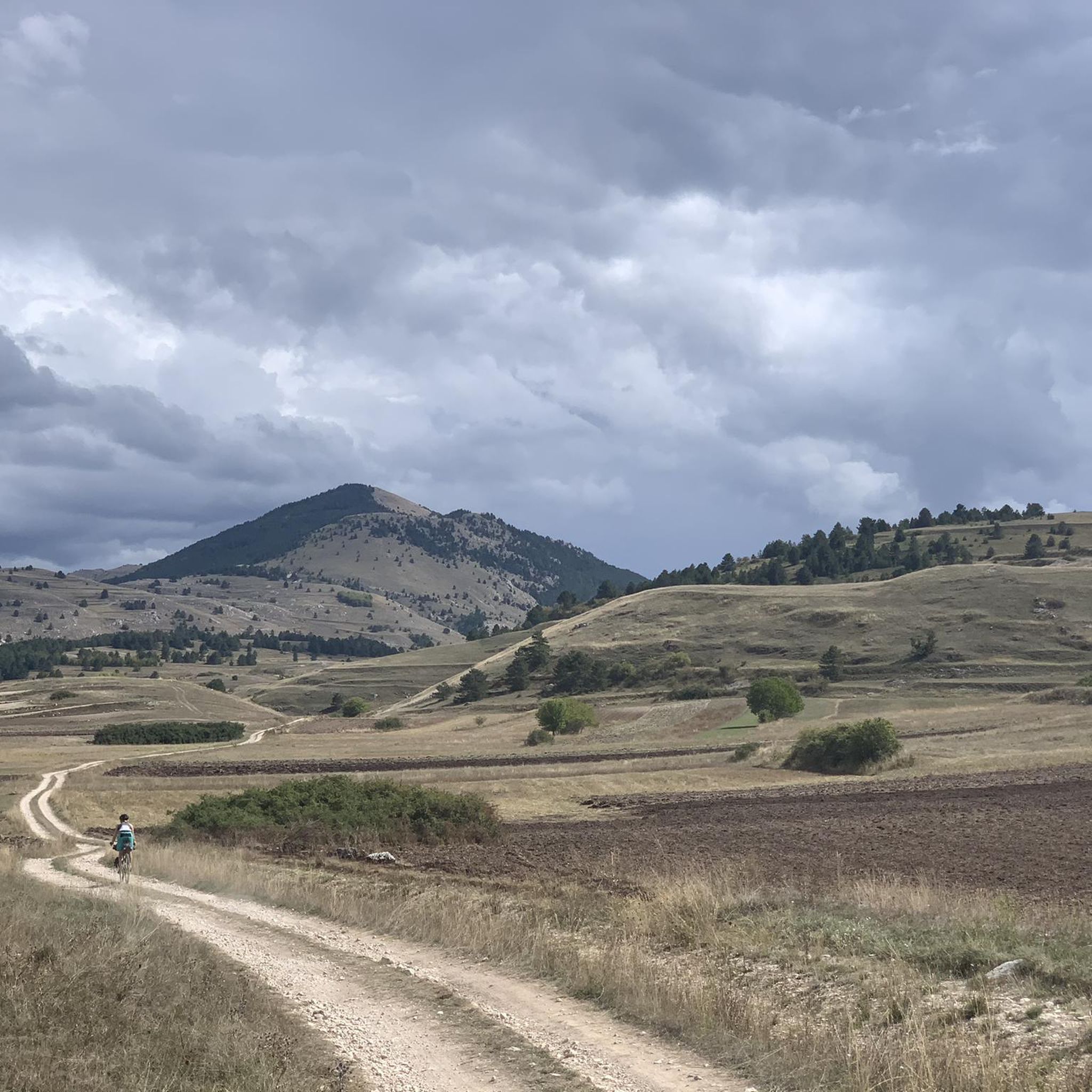
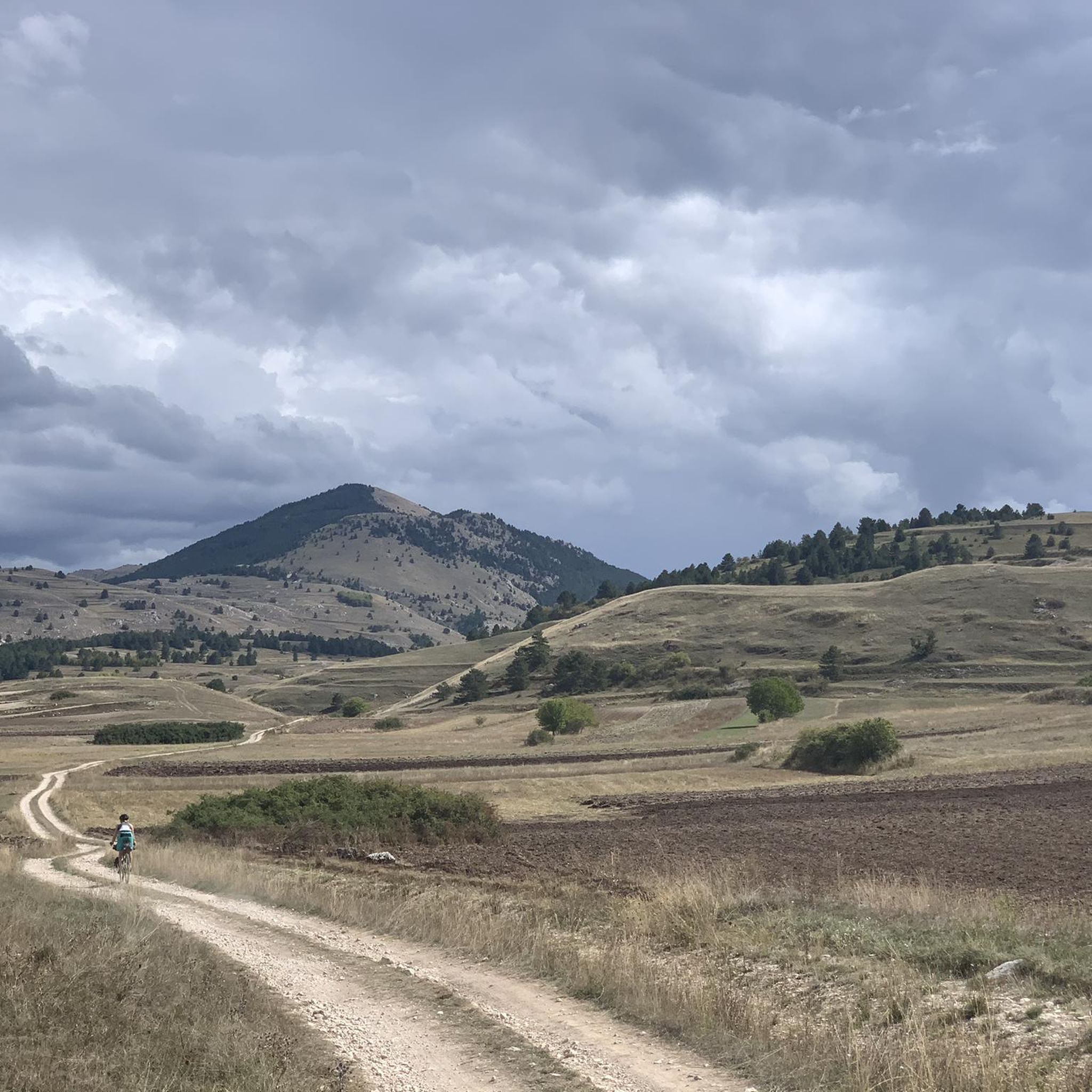
Campo Imperatore, of great landscape impact, presents numerous floristic and faunal peculiarities, as well as interesting geological and geomorphological aspects. https://www.gransassolagapark.it/pagina.php?id=42
0
0

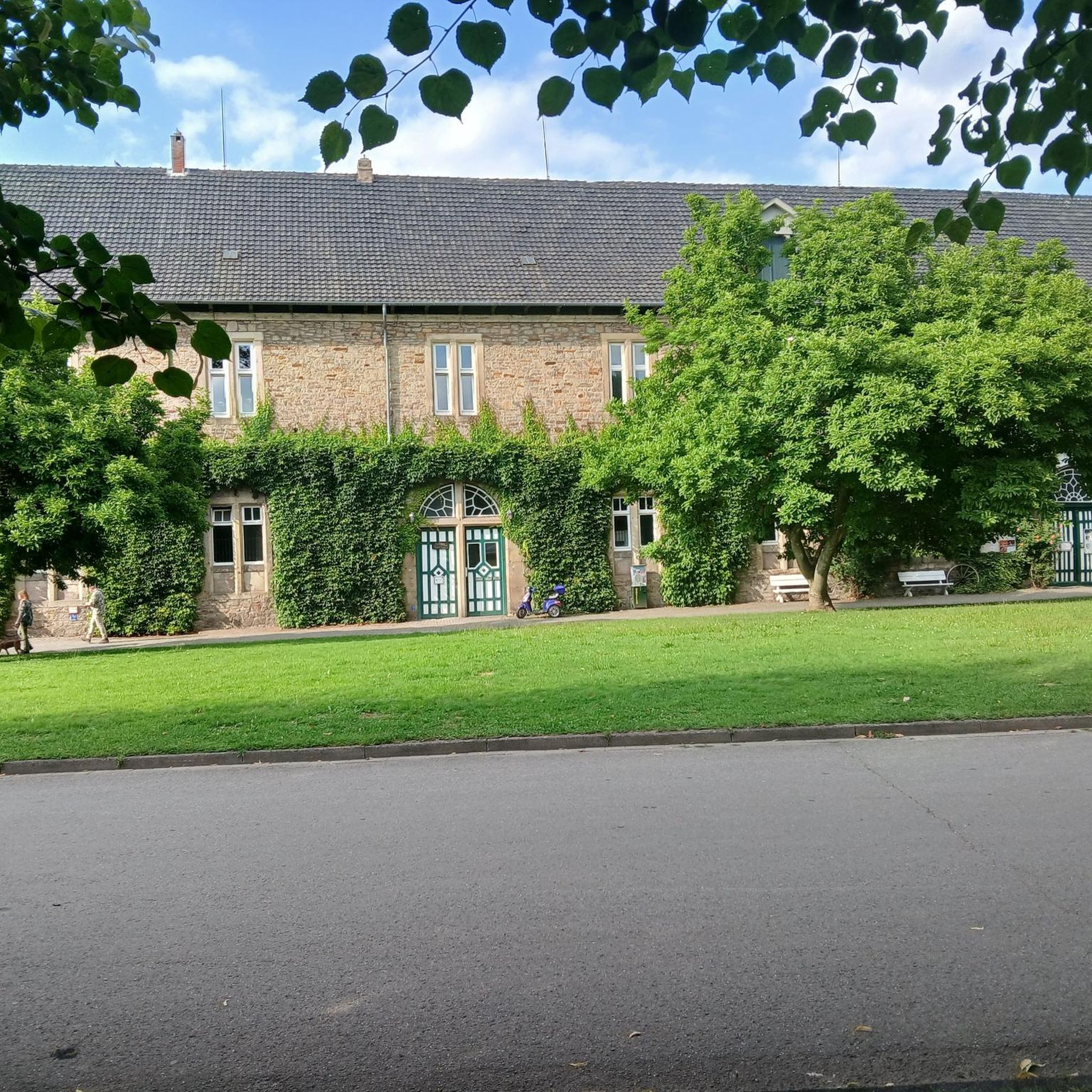
Fortified town of the Camponeschi family in the municipality of Prata D'Ansidonia
0
0
Also known as the sixteenth-century castle.
0
0
The sixteenth-century Castle of L'Aquila is one of the largest, best-preserved buildings of modern military architecture in Europe.
0
0
Frequently Asked Questions
What is the historical significance of the Castle of Barisciano?
The Castle of Barisciano, originally built around the 8th century and enlarged in the 13th, was a crucial defensive outpost. Perched at 1,500 meters, it offered commanding views and played a vital role in the region's history, including the founding of L'Aquila. It was designed as an enclosure castle to protect the entire population during conflicts and was attacked in 1424.
What kind of views can I expect from the castles in the Barisciano area?
Many castles in the Barisciano area, especially the Castle of Barisciano and Rocca Calascio Castle, offer breathtaking panoramic views. From Barisciano, you can see the Piana di Navelli and the road to Gran Sasso. Rocca Calascio, one of the highest castles in Italy, provides spectacular vistas of the Gran Sasso mountain range and the surrounding landscape, particularly at sunset.
Are there family-friendly castles to visit near Barisciano?
Yes, Forte Spagnolo (Cinquecento Castle) in L'Aquila is noted as a family-friendly historical site. While the Castle of Barisciano is a ruin, its open spaces and historical context can also be engaging for families, though it requires some walking on uneven terrain.
What is the best time of year to visit the castles around Barisciano?
The best time to visit is generally during the spring (April-June) and autumn (September-October) months. The weather is pleasant for exploring the ruins and enjoying the panoramic views. Summer can also be good, but it might be warmer, especially at lower altitudes. Winter visits are possible but can be cold, and some higher-altitude sites might be less accessible due to snow.
What outdoor activities can I do near these castles?
The region around Barisciano offers diverse outdoor activities. You can find numerous hiking trails, including moderate to difficult routes like those around Campo Imperatore. There are also mountain hikes and running trails available, allowing you to combine castle visits with active exploration of the Gran Sasso and Monti della Laga National Park.
Is there parking available at the castles around Barisciano?
Parking availability varies by location. For the Castle of Barisciano, visitors typically park in the town and walk up to the ruins. For more popular sites like Rocca Calascio Castle, there are usually designated parking areas a short walk from the castle itself. It's advisable to check local signage upon arrival.
What is the terrain like around the Castle of Barisciano?
The Castle of Barisciano is perched at 1,500 meters on the Selva mountain, meaning the approach involves an ascent. The terrain around the ruins can be uneven, typical of historical sites. The area offers diverse exploration opportunities with varying terrain, from gentle slopes to more challenging mountain paths, especially if you venture into nearby hiking areas.
Are there other notable historical sites or castles near Barisciano besides the main castle?
Yes, beyond the Castle of Barisciano, you can explore other significant sites. Rocca Calascio Castle is a must-see, known as one of the highest in Italy. Castel Camponeschi is an abandoned fortified village offering insight into a historical fortified town. Additionally, Forte Spagnolo (Cinquecento Castle) in L'Aquila is one of Europe's largest and best-preserved modern military architecture buildings.
Can I visit the castles with my dog?
While specific rules for each castle may vary, outdoor ruins like the Castle of Barisciano and Rocca Calascio Castle are generally dog-friendly, especially in their exterior areas, provided dogs are kept on a leash. For indoor sections or museums (like at Forte Spagnolo), it's best to check their specific pet policies beforehand.
What do visitors enjoy most about the castles around Barisciano?
Visitors frequently highlight the incredible panoramic views, especially from high-altitude sites like Rocca Calascio Castle. The historical significance and the opportunity to explore ancient ruins, imagining past lives, are also major draws. The integration of these castles within the stunning natural landscape of the Gran Sasso National Park adds to their appeal, making them popular for photography and outdoor enthusiasts.
Are there cafes or restaurants near the castles in Barisciano?
Barisciano town center offers cafes and restaurants where you can find refreshments and local cuisine. For castles further afield, such as Rocca Calascio, there are typically small eateries or bars in the nearby villages. It's always a good idea to check opening hours, especially during off-peak seasons.
How long should I allocate to visit the castles in the Barisciano area?
For the Castle of Barisciano itself, you might spend 1-2 hours exploring the ruins and enjoying the views. If you plan to visit multiple castles like Rocca Calascio, Castel Camponeschi, and Forte Spagnolo, it's best to dedicate a full day or even spread your visits over two days, especially if you include hiking or other activities.
Most popular routes around Barisciano
Most popular attractions around Barisciano

Get inspired with the komoot mobile app


Explore more
Looking for the best castles somewhere else? Discover other guides around Barisciano:
