The best cycling routes around Civitaquana
4.2
(52)
965
riders
56
rides
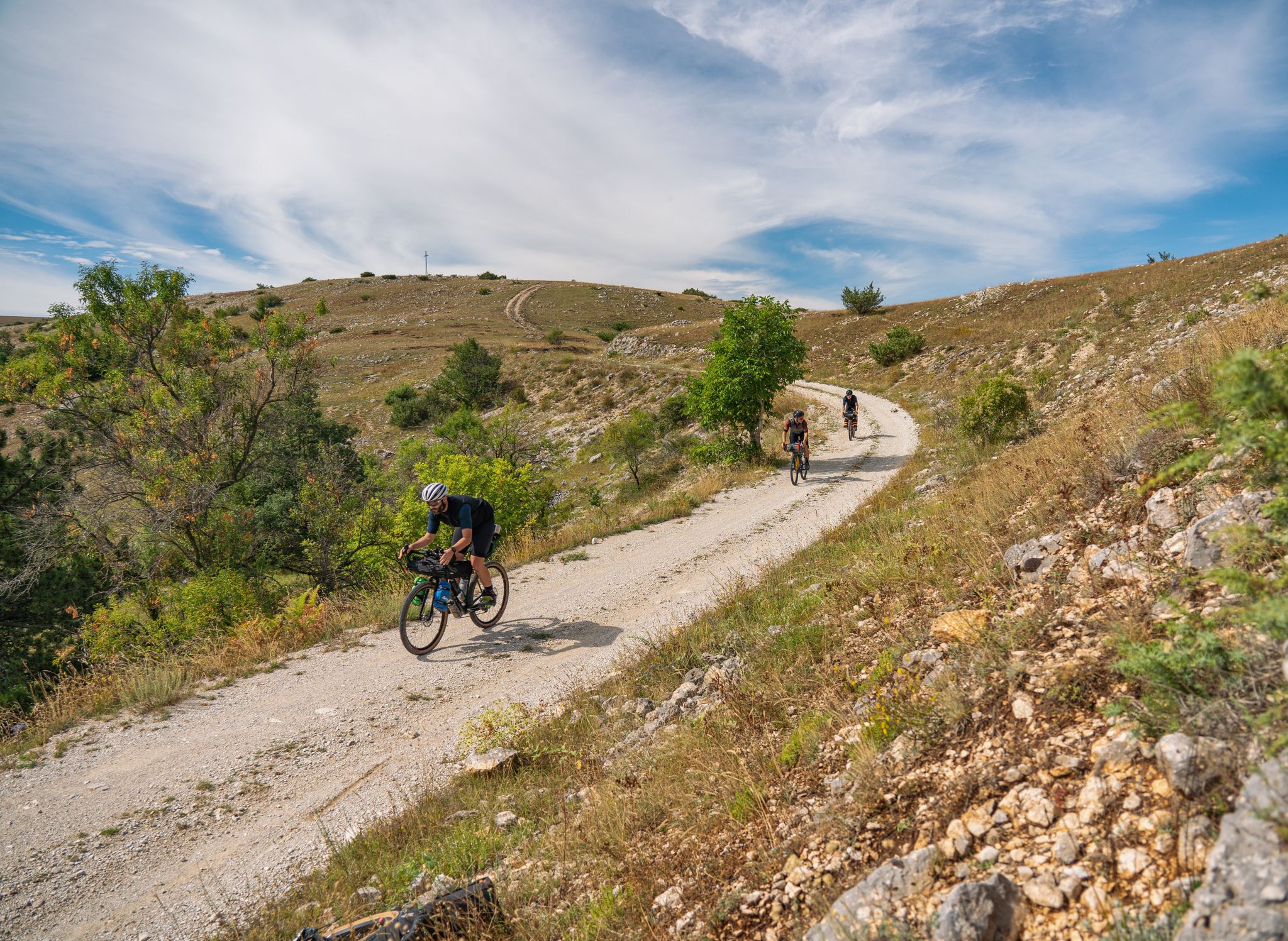
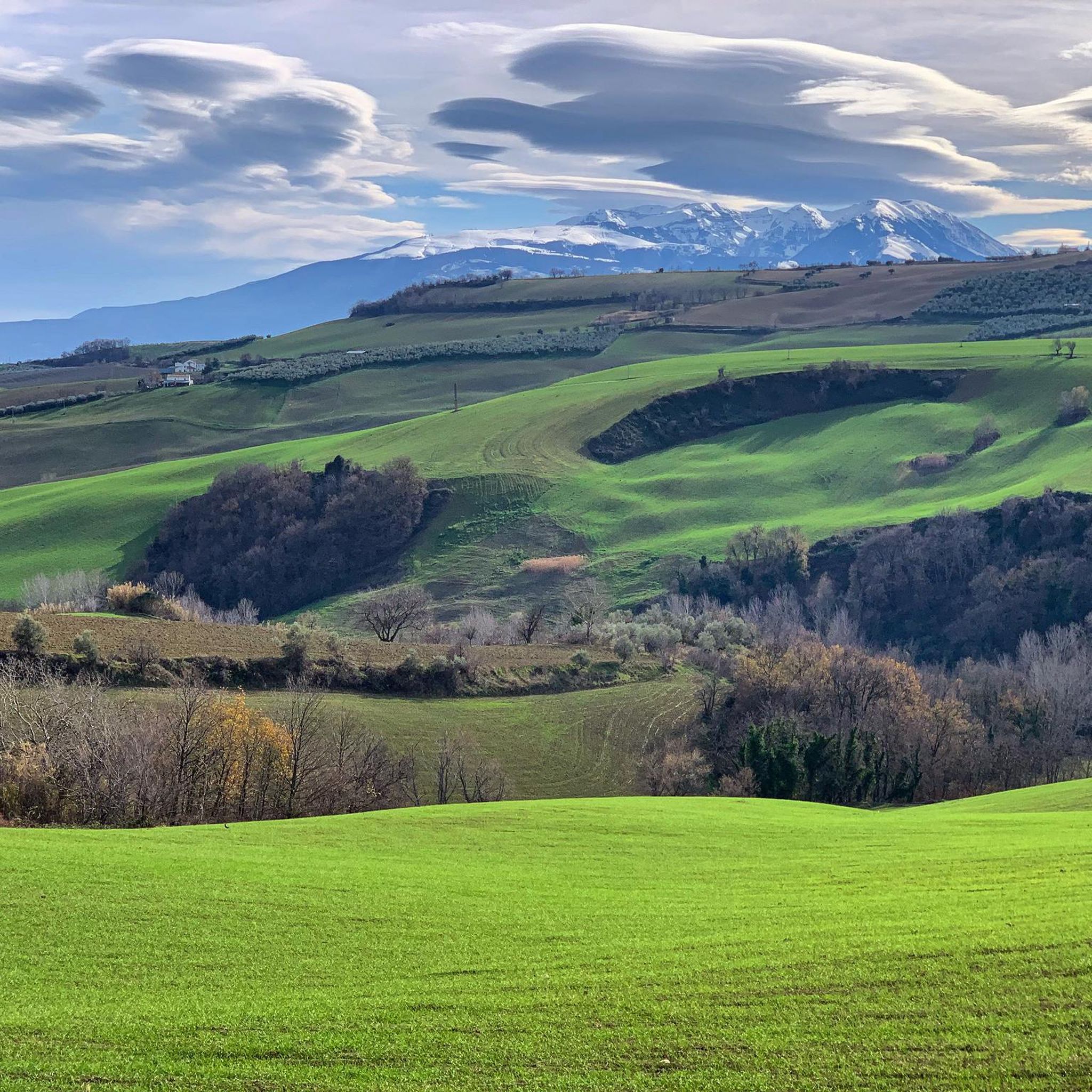
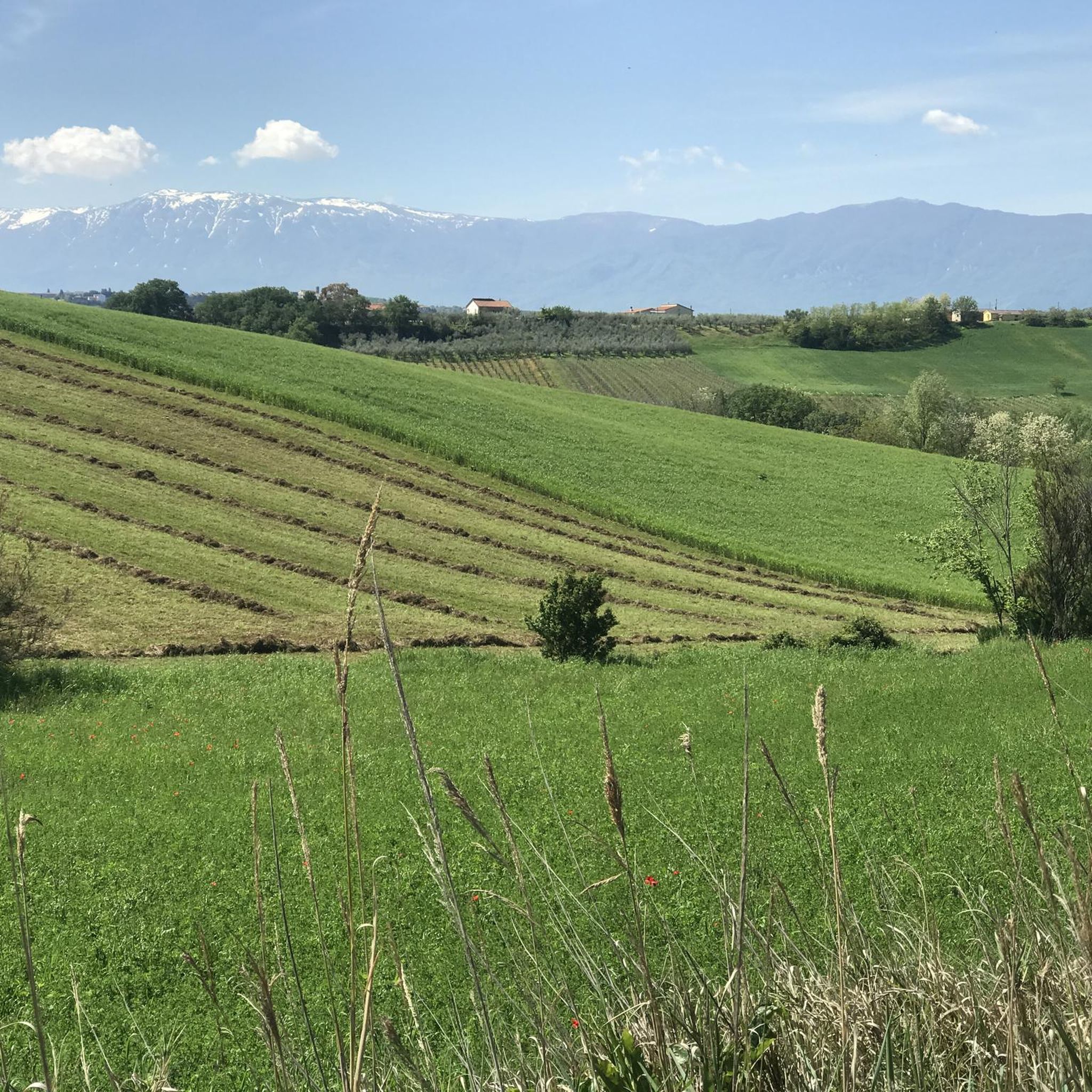
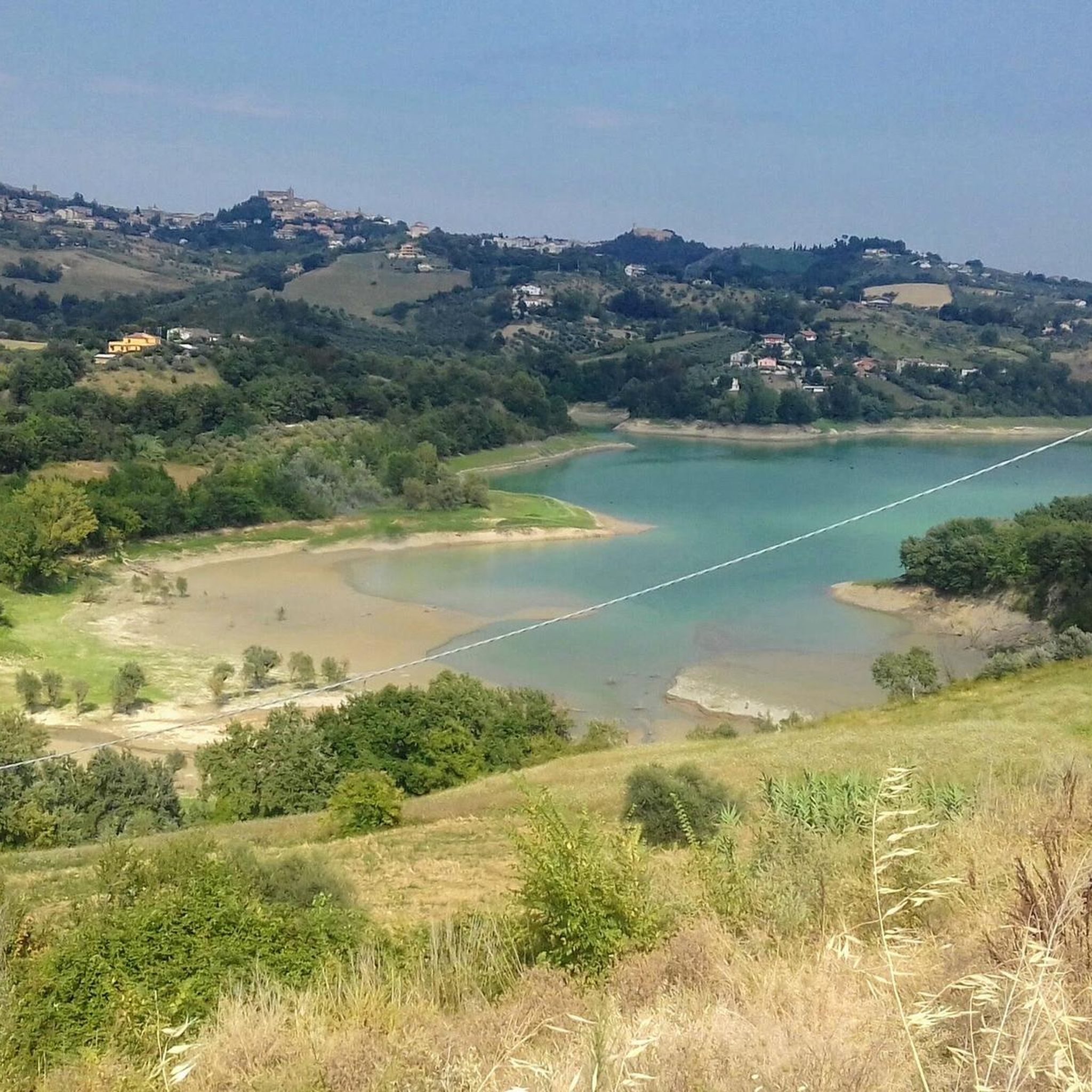
Touring cycling routes around Civitaquana traverse a landscape characterized by the Pescara river valley and the foothills of the Apennine mountains. The region offers panoramic views of the Gran Sasso and Majella massifs, providing a dramatic backdrop for cycling. Cyclists can explore varied terrain, from valley paths alongside the Tirino River to ascents towards higher elevations. This area is known for its unspoiled natural features and a network of paths suitable for diverse cycling experiences.
Best touring cycling routes around…
Last updated: July 5, 2026
5.0
(1)
43
riders
35.2km
03:27
800m
790m
Hard bike ride. Very good fitness required. Mostly paved surfaces. Suitable for all skill levels.
5.0
(1)
20
riders
Hard bike ride. Good fitness required. You may need to push your bike for some segments of this route.

Sign up for free
12
riders
Hard bike ride. Very good fitness required. Mostly paved surfaces. Suitable for all skill levels.
11
riders
110km
08:07
2,540m
2,540m
Hard bike ride. Very good fitness required. You may need to push your bike for some segments of this route.
4.0
(2)
8
riders
Hard bike ride. Very good fitness required. Mostly paved surfaces. Suitable for all skill levels.
Get access to more routes and recommendations from other explorers.
Sign up for free
Already have an account?
Our route recommendations are based on thousands of hikes, rides, and runs completed by other people on komoot.
Start today with a free account
Your next adventure awaits.
Login or Signup
Other adventures around Civitaquana

Tips from the Community

The story of Pupo Nunzio di Roio from October 1919 is one of the most poignant historical tragedies of the Abruzzo region. It symbolises the harsh and dangerous reality of the transumanza (the seasonal migration of livestock), which for centuries determined the economic and social life of this Italian mountain region. This place commemorates one of the most tragic events in the history of the transumanza, the age-old migration where shepherds drove their sheep every summer to the green pastures of Campo Imperatore and returned in the autumn to the warmer plains of Puglia. In the autumn of 1919, the 41-year-old shepherd Nunzio Pupi, better known as Pupo Nunzio, postponed the descent for a few days. The autumn was exceptionally mild, and he wanted to let his flock of no less than 5,000 sheep graze for as long as possible. But the weather unexpectedly turned. A fierce snowstorm caught him by surprise in the middle of the high plain. Together with his two young sons, Idolo (12) and Alfredo (11), and their loyal sheepdog, he became disoriented in the snow. None of them survived the icy storm. The entire flock also perished. According to local legend, his wife Ersilia Caruso could not cope with the loss of her husband, her children, and their sole source of livelihood. She died a short time later, consumed by grief. This moving story recalls the hard life of the shepherds, who were completely dependent on nature and often paid a high price for their existence. About the monument: Monument of Fonte Vetica In Fonte Vetica, on the southeastern plateau of Campo Imperatore, stands an impressive monument commemorating the tragedy of 1919. The Abruzzese sculptor Vicentino Michetti immortalised the shepherd, his two sons, and their dog as they desperately fought against the icy snowstorm. A little further away stands the statue of the mother, with outstretched arms directed towards the mountains, hoping to see her family return alive. Although the monument tells one poignant story, it has become a tribute to all the shepherds of Abruzzo who, over the centuries, risked their lives during the arduous transumanza. Anyone who stops at Fonte Vetica today immediately feels the impressive combination of overwhelming beauty and the unforgiving power of this mountain landscape.
2
0
Although the Cattedrale di San Massimo (the Duomo of Penne) is currently completely scaffolded for extensive restoration and earthquake-resistant reinforcement works, a visit to this historic site is absolutely worthwhile. Climb the hill and discover the monument's rich history. Even from the outside and in the accessible parts, you can sense the centuries-old atmosphere and get a glimpse into the archaeological treasures and stories this special cathedral has to offer. Some facts: the Duomo was built on pagan foundations. The cathedral stands on the Colle Sacro (the Sacred Hill). The early Christian church was founded even before the year 1000, directly on top of the remains of an old Roman temple. The road to the cathedral via the narrow, steep streets from Porta San Francesco is a historical experience in itself. The Duomo marks the highest point of Penne. Even with scaffolding around the facade, the square in front of the church offers a spectacular panoramic view over the roofs of the Città del Mattone and the surrounding Abruzzese hills.
4
0
De Porta San Francesco is the most monumental and iconic city gate of the historic town of Penne, located on four hills. The gate forms the main entrance to the medieval center and is a striking example of local architecture. The gate owes its name to Francis of Assisi, who according to legend visited Penne on September 16, 1216. He came to the city at the time to establish peace between two violent, rival family clans. In memory of this historic visit, the original medieval city gate was later named after him. Although the origin of the gate is medieval, its current baroque appearance dates from 1780 (with later adjustments around 1870). The gate, to be renovated, came from the drawing board of architect Francesco Di Sio and was completely rebuilt, along with the adjacent buildings. Since then, they have formed a monumental, stylish entrance to 'the city of brick'. Bonus: if you stand in front of the gate and look closely, you will see the patron saint of Penne, San Massimo, at the top of the gate.
5
0

There's 2 rooms, one is locked and the other is open. The open one is big enough to sleep 4 people. There's a broom to clean a bit.
0
0

Open on Saturdays and Sundays in autumn and winter, excellent arrosticini
0
0

A small shelter, a bit battered but essential in cold and bad weather. I believe it's always open.
0
0
Unfortunately, it's not always open, but you'll find a fountain nearby.
0
0

what beautiful places to cycle
0
0
Frequently Asked Questions
What kind of terrain can I expect on touring cycling routes around Civitaquana?
The routes around Civitaquana offer a diverse landscape, from the Pescara river valley to the foothills of the Apennine mountains. You'll find paths alongside the pristine Tirino River and ascents towards higher elevations, providing panoramic views of the majestic Gran Sasso and Majella massifs. The region is known for its unspoiled natural features, offering a blend of challenging climbs and more gentle valley rides.
How many touring cycling routes are available in the Civitaquana area?
There are over 50 touring cycling routes available around Civitaquana. These routes cater to various skill levels, with a good selection of moderate and difficult options to explore the region's diverse landscapes.
Are there any family-friendly touring cycling routes near Civitaquana?
While many routes in the area are rated moderate to difficult, there is at least one easy touring cycling route available. For a more relaxed experience, consider exploring the flatter sections along the Tirino River valley, which offers scenic paths suitable for families. Always check the route details for elevation and distance to ensure it matches your family's ability.
What are some notable natural features or viewpoints I can see while cycling?
The Civitaquana area is rich in natural beauty. You can cycle past the 'artificial jewel' of Lake Capodacqua, which feeds the clean Tirino River. For breathtaking vistas, routes may offer views of the Majella and Gran Sasso massifs, or the expansive Valle del Tirino. Some challenging routes even lead towards Mount Cappucciata, offering a sweeping 180-degree panorama.
Are there any circular touring cycling routes in the region?
Yes, many routes around Civitaquana are designed as loops, allowing you to start and finish at the same point. An example is the moderate Voltigno Farmhouse – Voltigno Plain loop from Parco Nazionale di Gran Sasso e Monti della Laga, which explores the open landscapes of the Voltigno Plain. Another option is the Shepherd and Family Statue – Mucciante Refreshment Stop loop from Parco Nazionale di Gran Sasso e Monti della Laga, a more difficult route with extensive views within the Gran Sasso National Park.
What historical or cultural sites can I explore along the cycling routes?
Civitaquana and its surroundings are dotted with historical and cultural points of interest. You might encounter ancient hill towns or historical landmarks. For instance, the difficult Lago di Penne – Porta di San Francesco loop from Cattedrale di San Massimo includes the area around Lago di Penne and passes near Porta di San Francesco, a historical site.
What do other touring cyclists say about the routes in Civitaquana?
The touring cycling routes around Civitaquana are highly regarded by the komoot community, with an average rating of 4.6 stars from over 40 reviews. Cyclists often praise the stunning mountain views, the tranquility of the river valleys, and the blend of natural beauty with opportunities to discover historical villages.
Are there any challenging touring cycling routes for experienced riders?
Absolutely. The region offers numerous challenging routes, particularly those ascending into the Apennine foothills. For a significant challenge, consider the difficult Capo la Serra Pass – Capo la Serra Pass loop from S.da Acquamorta, which covers over 110 km and features substantial elevation gain, providing a rewarding experience for advanced touring cyclists.
Can I find places to eat or rest along the touring cycling routes?
Yes, some routes pass by or near places where you can refuel. For example, the moderate Voltigno Farmhouse – Voltigno Plain loop from Valle d'Ombra is in proximity to Voltigno Farmhouse, which is listed as a restaurant, offering a potential stop for a meal or refreshment.
What is the best time of year for touring cycling in Civitaquana?
The Abruzzo region, including Civitaquana, is generally suitable for cycling from spring through autumn. The warmer months offer pleasant conditions for exploring both the valley paths and higher elevations. However, always check local weather forecasts, especially when planning routes that ascend into the mountains, as conditions can change rapidly.
Are there any specific natural monuments to look out for?
Beyond the general mountain views, you might encounter specific natural monuments. The Cliff at Passo della Quercia is one such feature, offering a unique geological sight. The region's commitment to preserving its 'unspoiled landscapes' means there are many natural wonders to discover.
Most popular attractions around Civitaquana

Get inspired with the komoot mobile app


Explore more
Browse the best Cycling routes in other regions.
