Attractions and Places To See around Petrella Salto - Top 20
Attractions and places to see around Petrella Salto include a blend of historical sites, cultural landmarks, and natural features. This region in the province of Rieti, Lazio, overlooks the artificial Lago del Salto, the largest artificial lake in Lazio. The area is characterized by its medieval and Renaissance architecture, alongside the Cicolano Mountains, offering diverse landscapes for exploration. Visitors can discover ancient fortresses, religious buildings, and significant natural points of interest.
Best attractions and places to see around Petrella Salto
…Last updated: August 17, 2026
Salto Dam
Highlight • Monument
Translated by Google •
Tip by

Ponte Vecchio of Posticciola
Highlight • Bridge
Translated by Google •
Tip by

Sign up now to discover places like this
Get recommendations on the best single tracks, peaks, & plenty of other exciting outdoor places.
Sign up for free
San Rocco Chapel at Lake Turano
Highlight • Religious Site
Translated by Google •
Tip by

Rocca Sinibalda Castle
Highlight • Castle
Translated by Google •
Tip by
View of Lake Turano and Lake Salto from Monte Navegna
Highlight • Summit
Translated by Google •
Tip by

Sign up for free to discover even more attractions around Petrella Salto.
Sign up for free
Already have an account?
Start today with a free account
Your next adventure awaits.
Login or Signup

Tips from the Community

Chapel of San Rocco
0
0
Guided Tours - info www.castelloroccasinibalda.it
0
0

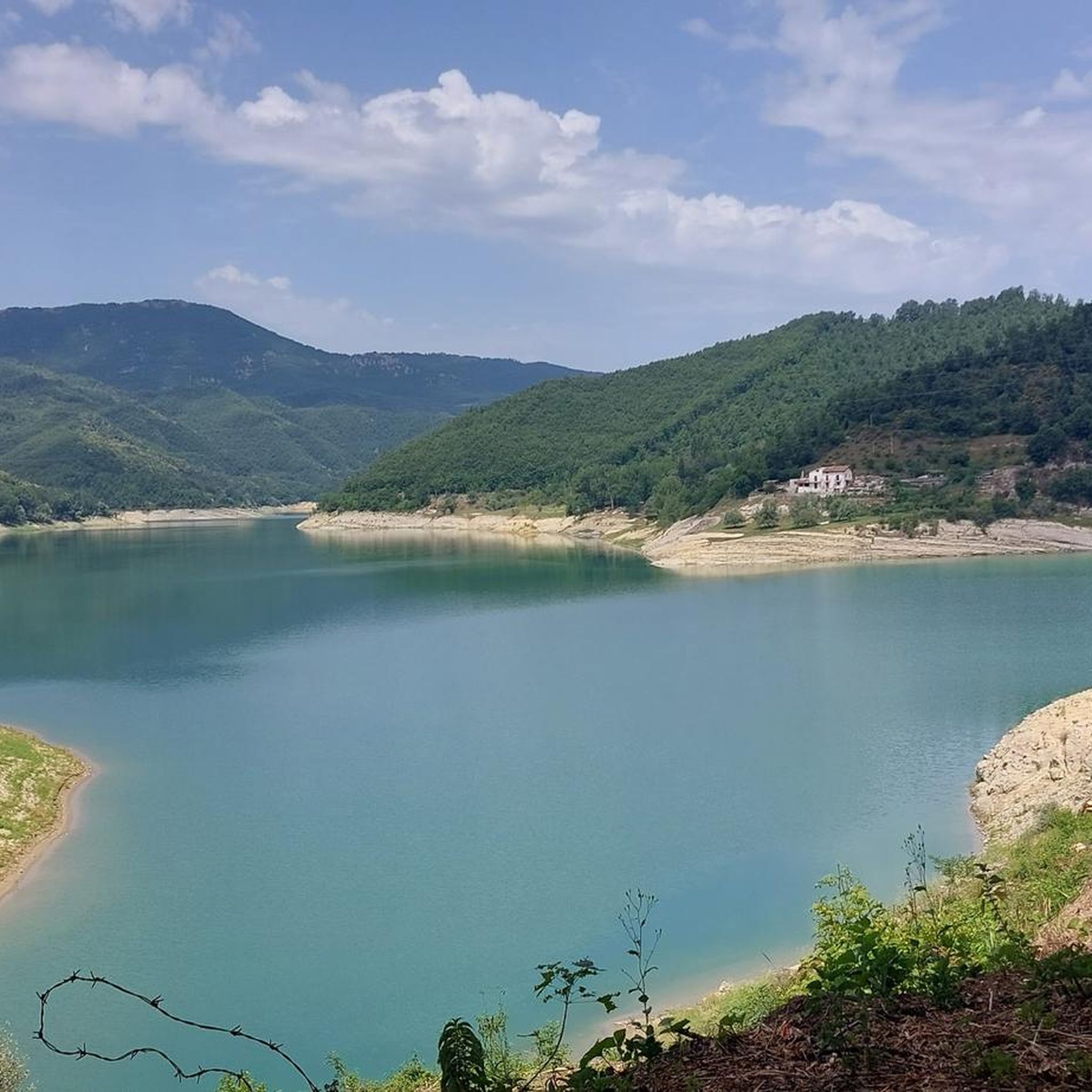
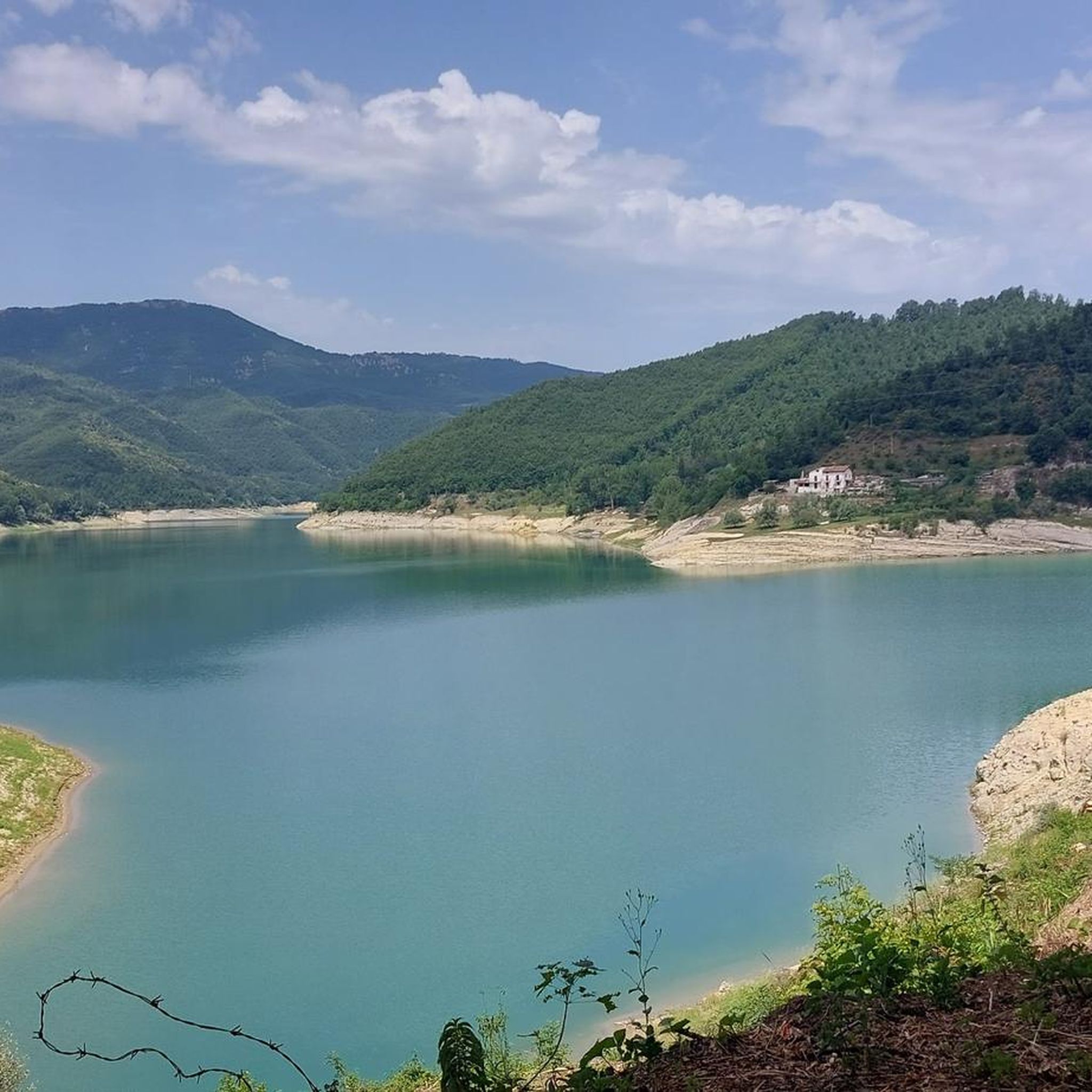
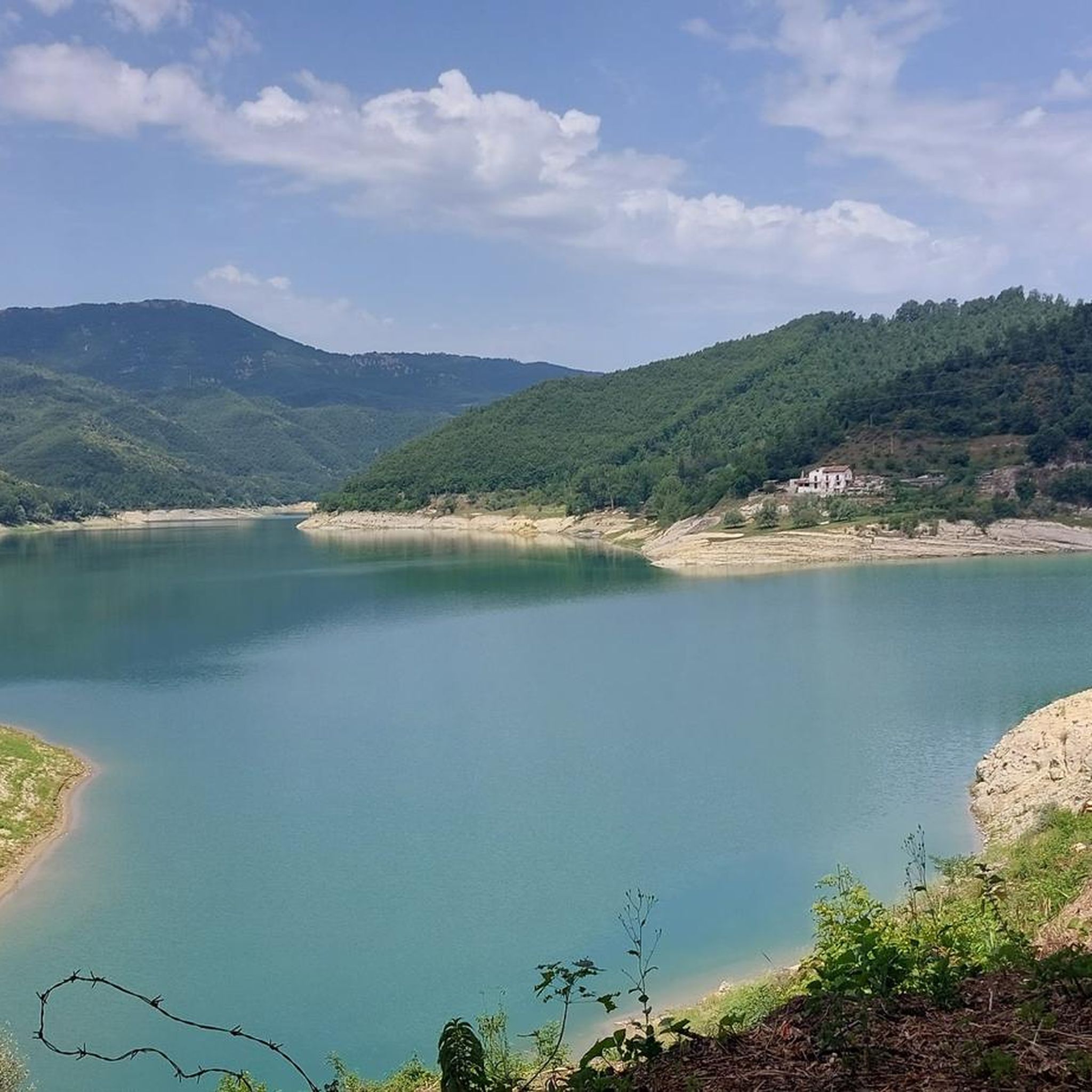
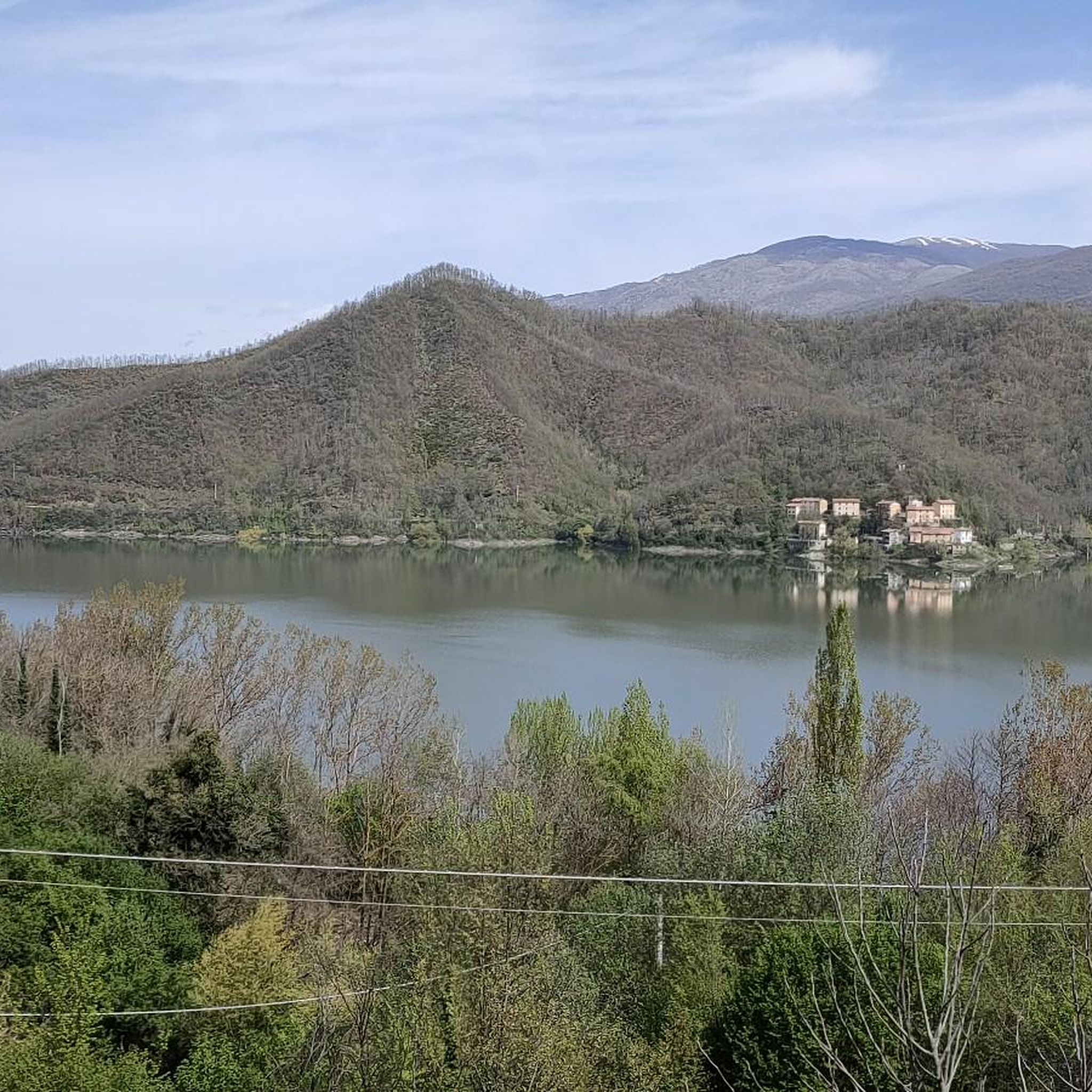
View of Lake Salto
0
0

It is located just before the bridge that crosses the lake and leads to Castel di Tora
4
0

A nice hike, but the view of the two lakes of Turano and Salto is priceless.
0
0

San ROCCO was chosen as the patron saint for this church and the corresponding parish. Saint Roch was born in the middle of the 14th century in Montpellier, France. He is popularly regarded as the "plague saint" - alongside Saint Sebastian. A characteristic feature of Roch's depiction in paintings and as a statue is that he is usually pointing to a plague boil on his leg; a dog can also often be seen at his feet, because according to legend, when he was caring for plague victims, he himself became ill and withdrew into solitude, and the dog provided him with bread every day. The memorial day of San Rocco in the calendar of saints is August 16th.
0
0

Lago del Salto is a small but successive artificial lake near Rieti whose circumference is about 32 km of asphalted and mostly flat road. A wonderful route to do by bike, even with the family, taking into account both the low car traffic and the good condition of the road surface perfectly passable with MTB, GRAVEL, City Bike, Racing bike etc. and the beautiful naturalistic views of the lake and the mountains. Along the route there are several rest areas where you can rest and eat a sandwich, but there is also a bar with a beautiful view near the dam. Also along the route you will encounter the town of Fiumata, diametrically opposite the dam, and the town of Borgo San Pietro, halfway between Fiumata and the dam, this is the ideal starting point thanks to the large spaces available for parking cars, but above all for the numerous restaurants with a view of the lake, open all year round and offering excellent local dishes, ideal to enjoy especially after a nice ride like this. For those who want to make the undertaking more challenging there is the variant that passes through Varco Sabino and then through the town of Rigatti, the tour is extended by a total of 10 km, testing a truly challenging climb and descent. Definitely worth trying.
0
0

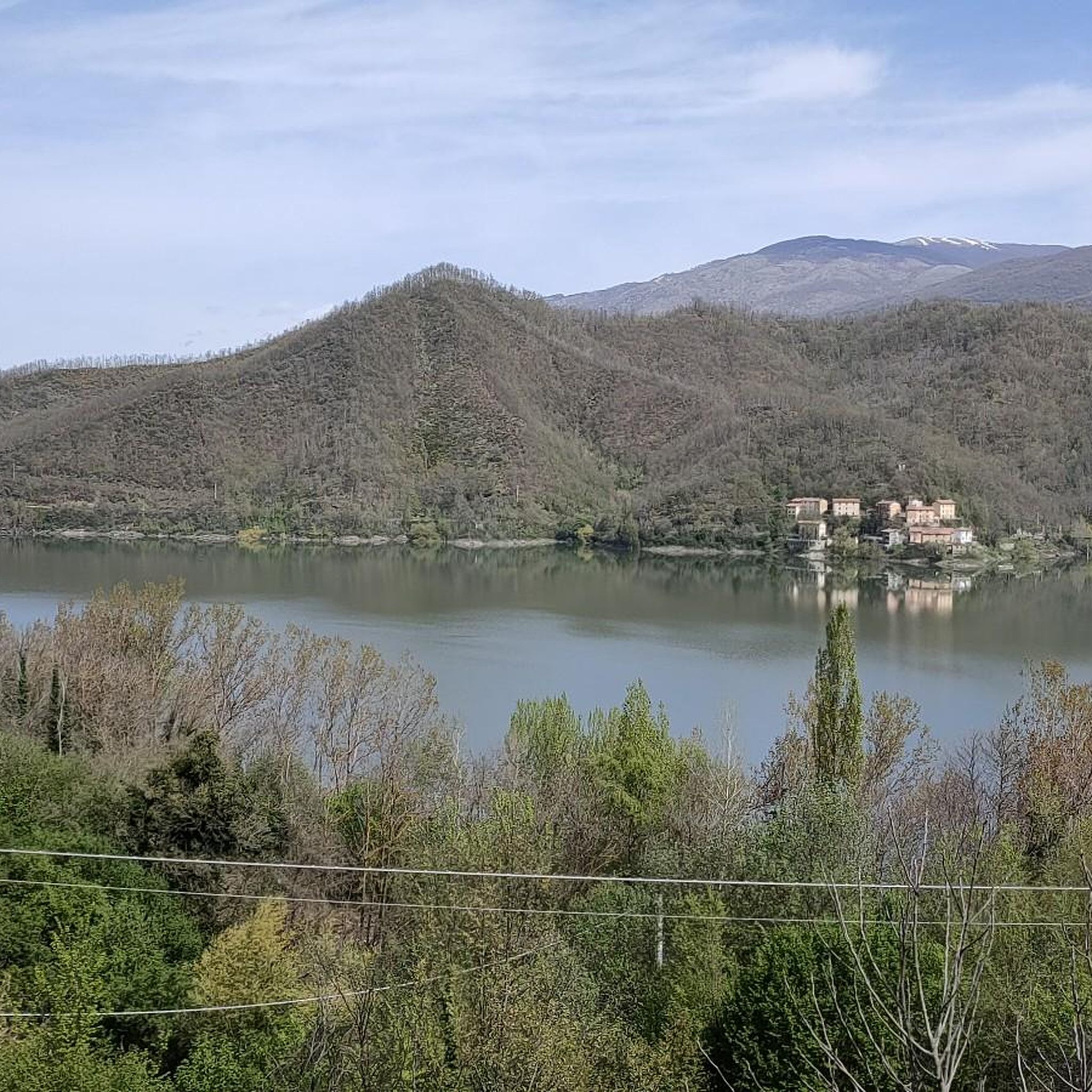
Rocca Sinibalda dominates the lush Turano Valley from above, the second most important river in Sabina after the Velino. The village is dominated by a castle founded around 1060. It was rebuilt as a fortress and noble residence in the 1630s by Cardinal Alessandro Cesarini who hired the famous Sienese architect Baldassarre Peruzzi for the occasion. It can only be visited on certain days. It is therefore advisable to inform yourself before departure.
0
0
Frequently Asked Questions
What historical sites can I explore around Petrella Salto?
The region is rich in history. You can visit the well-preserved Historic Center of Petrella Salto with its medieval and Renaissance buildings. Other significant historical landmarks include the Rocca Sinibalda Castle, a 10th-century fortress dominating the Turano Valley, and the Rocca della Petrella (Rocca Cenci), known for its views and historical associations. Don't miss the Ponte Vecchio of Posticciola, a Romanesque bridge dating back to the 11th century.
Are there natural attractions or scenic viewpoints near Petrella Salto?
Yes, the area offers stunning natural beauty. The artificial Lago del Salto, the largest lake in Lazio, is a central feature. For panoramic views, head to the View of Lake Turano and Lake Salto from Monte Navegna, a summit at 1508 meters above sea level. You can also explore the Grotto of Santa Filippa, a small rock church offering enchanting views of the Cicolano Mountains, or visit the monumental Quercia di Marcetelli, an ancient oak tree.
What outdoor activities can I do around Petrella Salto?
Petrella Salto is ideal for outdoor enthusiasts. The Cicolano Mountains provide excellent opportunities for hiking and trekking. Lago del Salto is popular for water sports and swimming. You can find various hiking routes, including challenging ascents like Monte Nuria, or explore road cycling routes around the lake. For more detailed routes, check out the hiking guide or the road cycling guide for the area.
Are there any religious sites of interest in Petrella Salto?
Certainly. The Collegiate Church of the Santissima Annunziata, originally from the 12th century, is a significant religious landmark. The Church of Sant'Andrea is noted as a pure example of Mannerism in the province. You can also visit the Monastery and Museum of Santa Filippa Mareri, which houses art and showcases the life of the Poor Clares, and the Sanctuary of Santa Maria Apparì with its 17th-century bell tower.
What is the Salto Dam and why is it significant?
The Salto Dam is a man-made monument built in the 1940s. Its construction led to the creation of Lago del Salto, which is now the largest artificial lake in Lazio. The dam is connected to the nearby Turano Dam by a nine-kilometer tunnel and plays a crucial role in hydroelectric power generation for the region.
What is there to do for families around Petrella Salto?
Families can enjoy the natural beauty of Lago del Salto, which offers opportunities for swimming and water sports. The Vallocchie Waterfall, accessible from Castel di Tora, is an easy and short route suitable for families. Exploring the historic center of Petrella Salto can also be an engaging activity for all ages.
Where can I find cultural insights into the region's traditions?
The Civic Museum of Popular Arts and Traditions, established in 1997, is an excellent place to explore the local culture. It displays traditional objects of daily life, including furniture, agricultural tools, and artisanal implements, offering a glimpse into the region's past and customs.
What is the best time to visit Petrella Salto for outdoor activities?
The region is generally pleasant for outdoor activities from spring through autumn. Summer is ideal for water sports on Lago del Salto. For hiking in the Cicolano Mountains, spring and early autumn offer milder temperatures. Winter can be suitable for ascents like Monte Nuria, though crampons are recommended for icy sections.
Are there any unique natural features besides the lake?
Beyond Lago del Salto, you can discover the karst mountain Lake Rascino, perfect for a scenic stop. The Quercia di Marcetelli, a monumental oak over two centuries old, is another impressive natural landmark. The Cicolano Mountains themselves offer diverse landscapes and opportunities for exploration.
What do visitors enjoy most about the attractions around Petrella Salto?
Visitors particularly appreciate the breathtaking panoramic views, such as those from Monte Navegna, which offers vistas of both Lake Turano and Lake Salto. The peaceful atmosphere around the Salto Dam and the historical significance of sites like Rocca Sinibalda Castle are also highly valued.
Can I find archaeological remains from the Roman era in the area?
Yes, the municipality of Petrella Salto and its surrounding hamlets hold archaeological remains from the Roman era, offering insights into the ancient history of the region.
Most popular attractions around Petrella Salto

Get inspired with the komoot mobile app


Explore more
Still not found the Highlight you’re looking for? See guides of the top attractions in other regions:
