The best MTB trails around Tarquinia
4.5
(65)
656
riders
67
rides
Mountain biking around Tarquinia offers diverse terrain, from coastal stretches along the Tyrrhenian Sea to rolling hills and river valleys inland. The region is characterized by traditional peasant landscapes, dense forests, and the Marta River, providing varied backdrops for rides. These physical features create a network of mountain bike trails suitable for different skill levels.
Best mountain bike trails around Tarquinia
- The most popular mountain bike trail is Centumcellae – Farnesiana Church loop from Agriturismo Casale dell'Asco, a 30.7…
Last updated: October 22, 2026
4.3
(8)
44
riders
49.4km
03:52
870m
880m
Moderate mountain bike ride. Good fitness required.
5.0
(3)
34
riders
42.9km
03:31
600m
600m
Moderate mountain bike ride. Good fitness required.

4.3
(3)
31
riders
70.4km
04:58
930m
930m
Hard mountain bike ride. Very good fitness required.
4.8
(6)
33
riders
39.2km
03:23
580m
580m
Moderate mountain bike ride. Good fitness required.
5.0
(2)
27
riders
60.6km
04:39
930m
930m
Hard mountain bike ride. Very good fitness required.
Get access to more routes and recommendations from other explorers.
Already have an account?
Our route recommendations are based on thousands of hikes, rides, and runs completed by other people on komoot.
Start today with a free account
Your next adventure awaits.
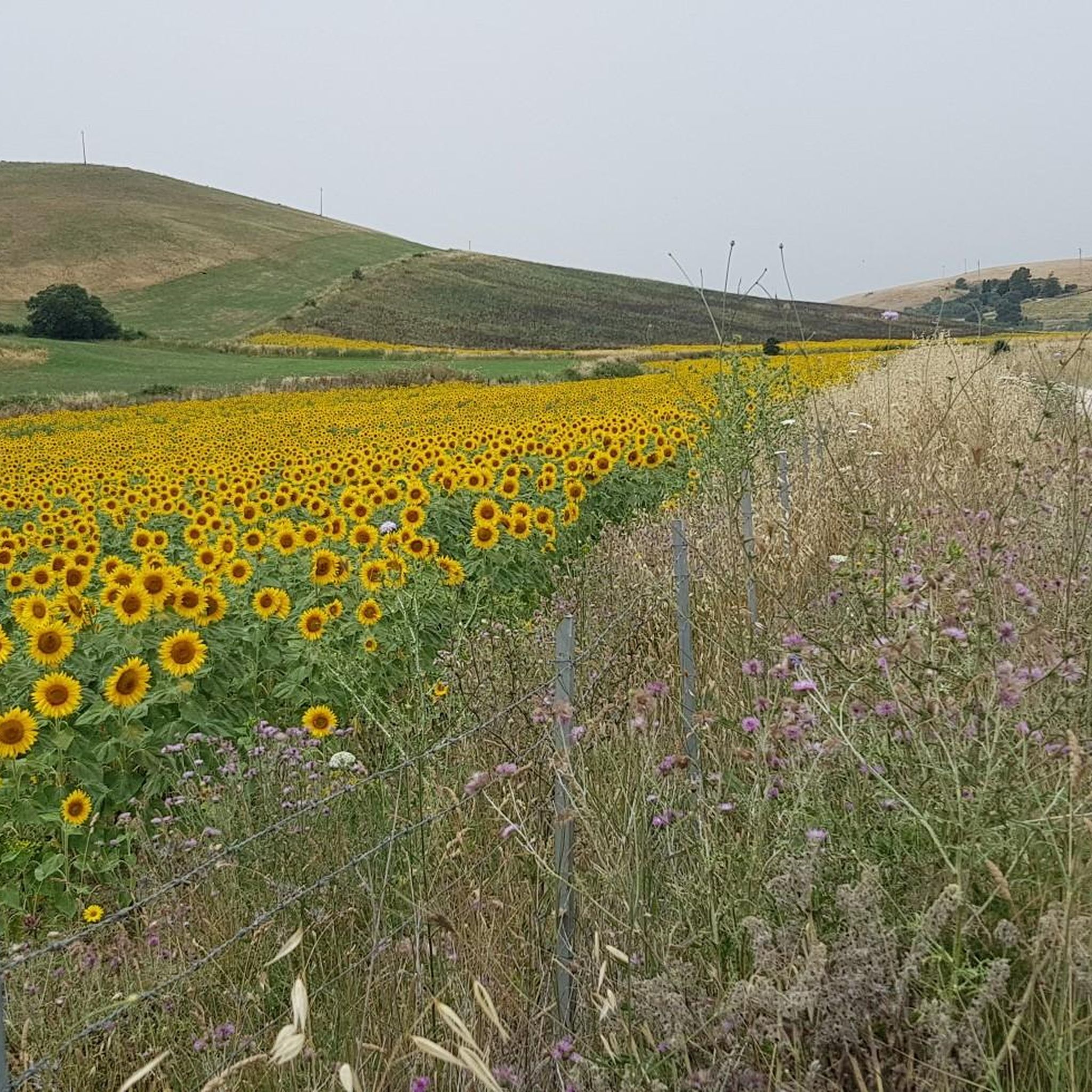
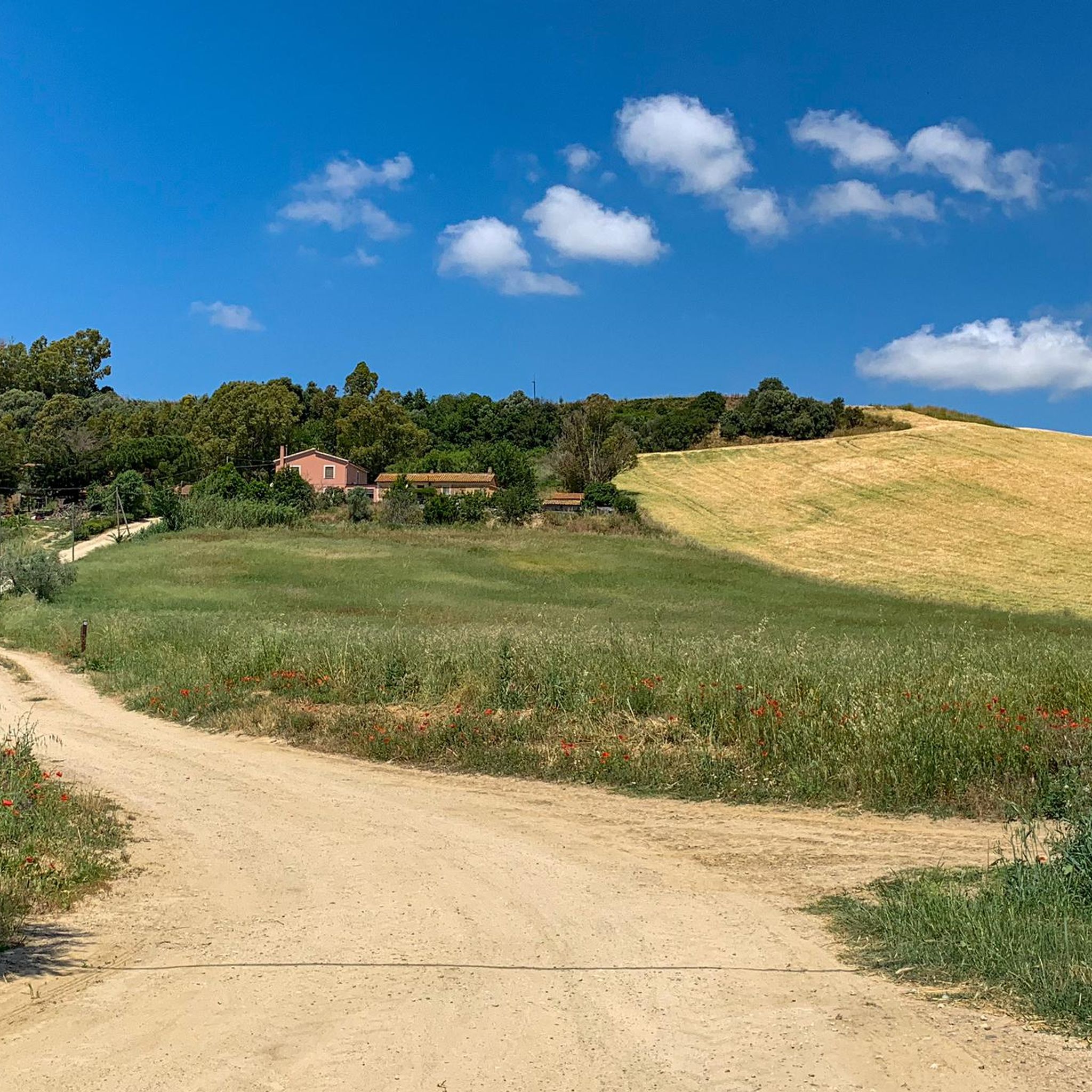
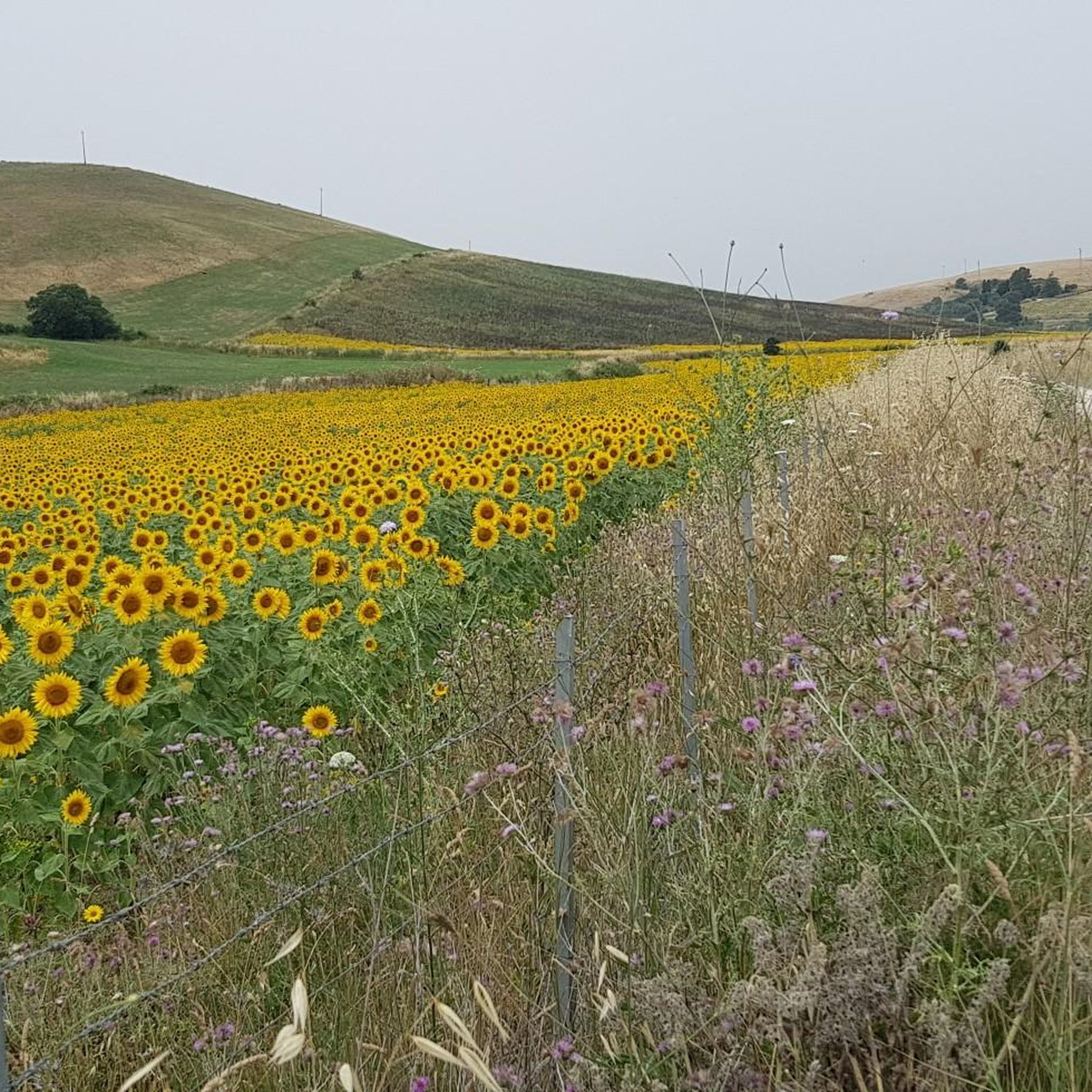
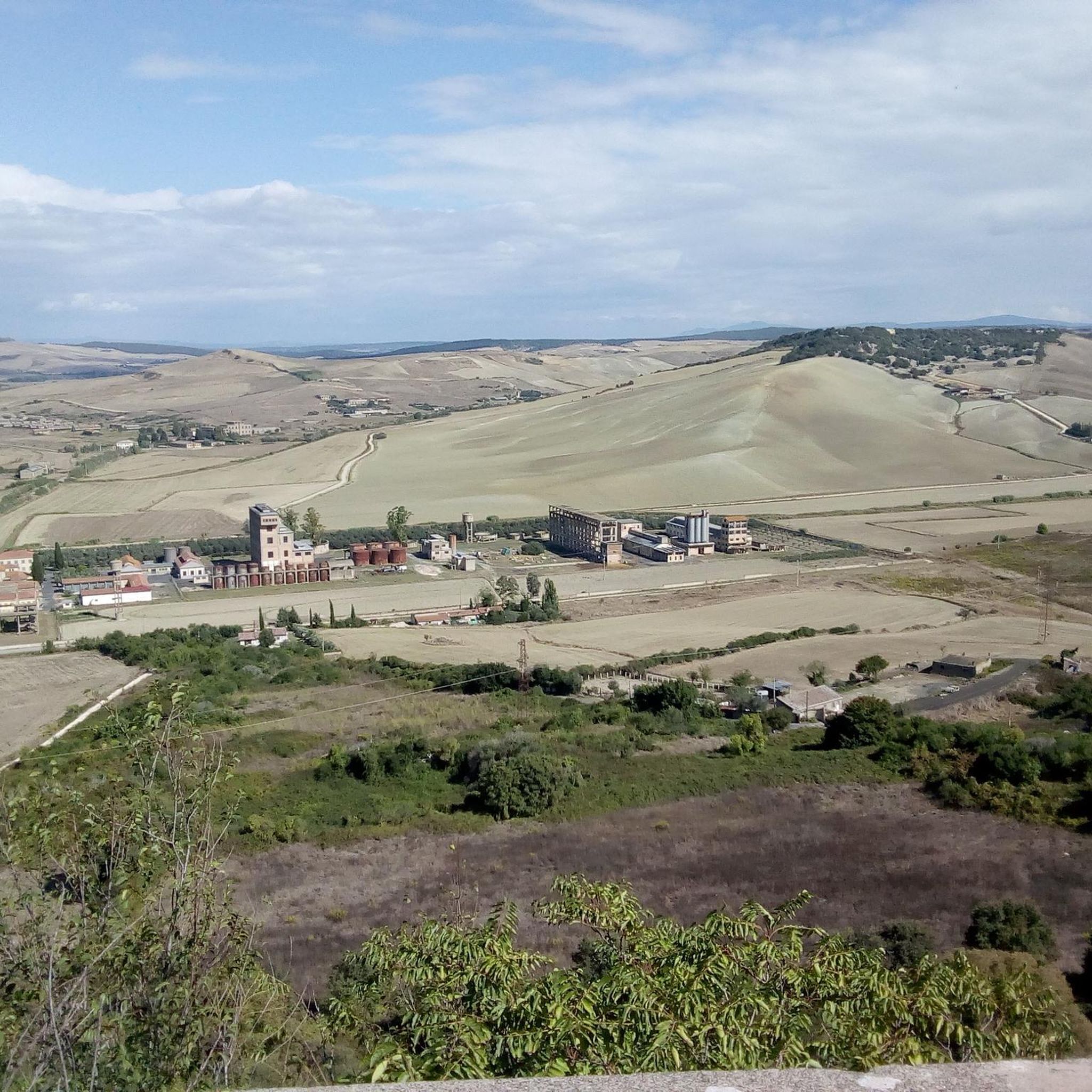

Tips from the Community

There was just a little bit of mud...
0
0

medium difficulty route. some rocky sections
0
0

Ruins of the old city of Cencelle
2
0
Cencelle the old Civitavecchia
2
0
It is a historic place where the old Civitavecchia-Orte railway passed
1
0
It is a place rich in history surrounded by wild nature
2
0

from Wiki: "According to what is reported in the Liber Pontificalis, the city was founded by Pope Leo IV on 15 August of the year 854 to give a safer seat to the citizens of Centumcellae (Civitavecchia) and the related diocese[1], being the city hit by the raids of the Saracens on the Tyrrhenian coast. According to his biographer, the pope gave the new city the name of Leopoli, but in all the documents, in the first centuries, the name of Centumcellae - civitas or castrum centumcellensis, later changed, is found in Centucelle - Cincelle - Cencelle. The new city was founded on a branch of the Via Aurelia, on an easily defensible hill between the Mignone river and its tributary Melledra, which had also been occupied in ancient times by the Etruscans. At the time of the foundation, the city walls were built, a first church, an episcopal seat, with an adjoining cemetery and wooden houses, later replaced by brick houses and buildings. The main church dedicated to Saint Peter was rebuilt larger between the end of the 11th and the beginning of the 12th century. The city was damaged by the earthquake of 1349 and the buildings were subsequently restored. It progressively declined and at the beginning of the 15th century the lands were, according to sources, "destroyed and uninhabited". In the second half of the fifteenth century the city area was used for the exploitation of the alum mines in the Tolfa mountains and in the seventeenth century it was probably the center of an agricultural company".
0
0

The village was born to house the miners who worked in the area. Here, in fact, alunite mines were discovered.
1
0
Frequently Asked Questions
What kind of terrain can I expect on mountain bike trails in Tarquinia?
Mountain biking around Tarquinia offers a diverse landscape, from coastal stretches along the Tyrrhenian Sea to rolling hills and river valleys inland. You'll encounter traditional peasant landscapes, dense forests, and routes along the Marta River. This varied terrain provides options for different skill levels, including both open countryside and wooded sections.
How many mountain bike trails are available in the Tarquinia area?
There are over 60 mountain bike trails around Tarquinia listed on komoot, offering a wide range of options for different preferences and skill levels. These include 13 easy routes, 43 moderate routes, and 7 more challenging trails.
What is the overall difficulty level of mountain biking trails around Tarquinia?
The mountain bike trails in Tarquinia cater to various skill levels. You'll find routes ranging from easy (S0-S1 on the Single Track Scale) suitable for beginners, to moderate paths, and more challenging trails (S3-S6) that require good fitness and advanced riding skills. Some advanced sections may even necessitate pushing your bike.
Are there any scenic viewpoints or natural landmarks along the mountain bike routes in Tarquinia?
Yes, many routes offer scenic views. You can expect coastal vistas along the Tyrrhenian Sea, picturesque stretches through the Marta River Valley, and views of traditional peasant landscapes. The Kiss – Sant'Agostino Beaches loop from Tarquinia, for example, provides coastal views. The Natural Salt Pans Reserve of Tarquinia, a significant natural site and haven for migratory birds, is also near the coast and can be a point of interest.
What historical or cultural sites can I explore near the mountain bike trails in Tarquinia?
Tarquinia is rich in history. You can explore the Historic Center of Tarquinia, a UNESCO World Heritage site with medieval walls and Romanesque churches. The region is also known for its significant Etruscan archaeological sites, including the Monterozzi Necropolis and the National Etruscan Museum. Other nearby points of interest include the Fort Michelangelo and the Vulci Archaeological Site.
What do other mountain bikers enjoy the most about mountain biking in Tarquinia?
The area is highly rated by the komoot community, with an average score of 4.4 stars from over 50 reviews. Mountain bikers often praise the varied terrain, which includes coastal stretches, rolling hills, and river valleys, providing diverse and engaging rides. The network of trails is well-regarded for offering options for different ability levels.
Are there family-friendly mountain bike trails suitable for beginners in Tarquinia?
Yes, Tarquinia offers 13 easy mountain bike routes that are suitable for beginners or families looking for a less strenuous ride. These trails often traverse less challenging terrain, allowing for an enjoyable experience for all skill levels. The varied landscape ensures there are options for everyone.
Are mountain bike routes in Tarquinia dog-friendly?
While many natural areas in Italy are generally accessible for dogs, it's always best to keep them on a leash, especially in protected areas or near wildlife. Specific regulations for dogs on trails can vary, so always observe local signage. Ensure your dog is well-behaved and that you carry waste bags to maintain the cleanliness of the trails.
Is parking available near the mountain bike trails in Tarquinia?
Yes, parking is generally available in and around Tarquinia, particularly at trailheads or in nearby towns. For specific routes, it's advisable to check the route details on komoot, as many tours, like the Centumcellae – Farnesiana Church loop from Agriturismo Casale dell'Asco, often start from locations with parking facilities.
Can I access mountain bike trails in Tarquinia using public transport?
Tarquinia is accessible by public transport, primarily by train and bus, which can get you to the town center. From there, some trailheads might be reachable by a short ride or walk. However, direct public transport links to specific, more remote trail starting points can be limited, so planning your journey in advance is recommended.
Do I need any special permits for mountain biking on trails in Tarquinia?
Generally, no special permits are required for mountain biking on established trails in the Tarquinia region. However, always be mindful of private property, protected natural areas, or specific local regulations that might apply to certain sections of a trail. Respect signage and local guidelines.
What is the best time of year for mountain biking in Tarquinia?
The coastal influence means Tarquinia generally has mild winters and warm summers. Spring (April-May) and autumn (September-October) are often considered the best times for mountain biking, offering pleasant temperatures and comfortable riding conditions. Summers can be hot, especially inland, while winters are generally mild enough for riding, though some trails might be muddy after rain.
Most popular routes around Tarquinia
Most popular attractions around Tarquinia

Get inspired with the komoot mobile app


Explore more
Browse the best MTB trails in other regions.
