The best walks and hikes around Forano
4.4
(533)
1,911
hikers
77
hikes
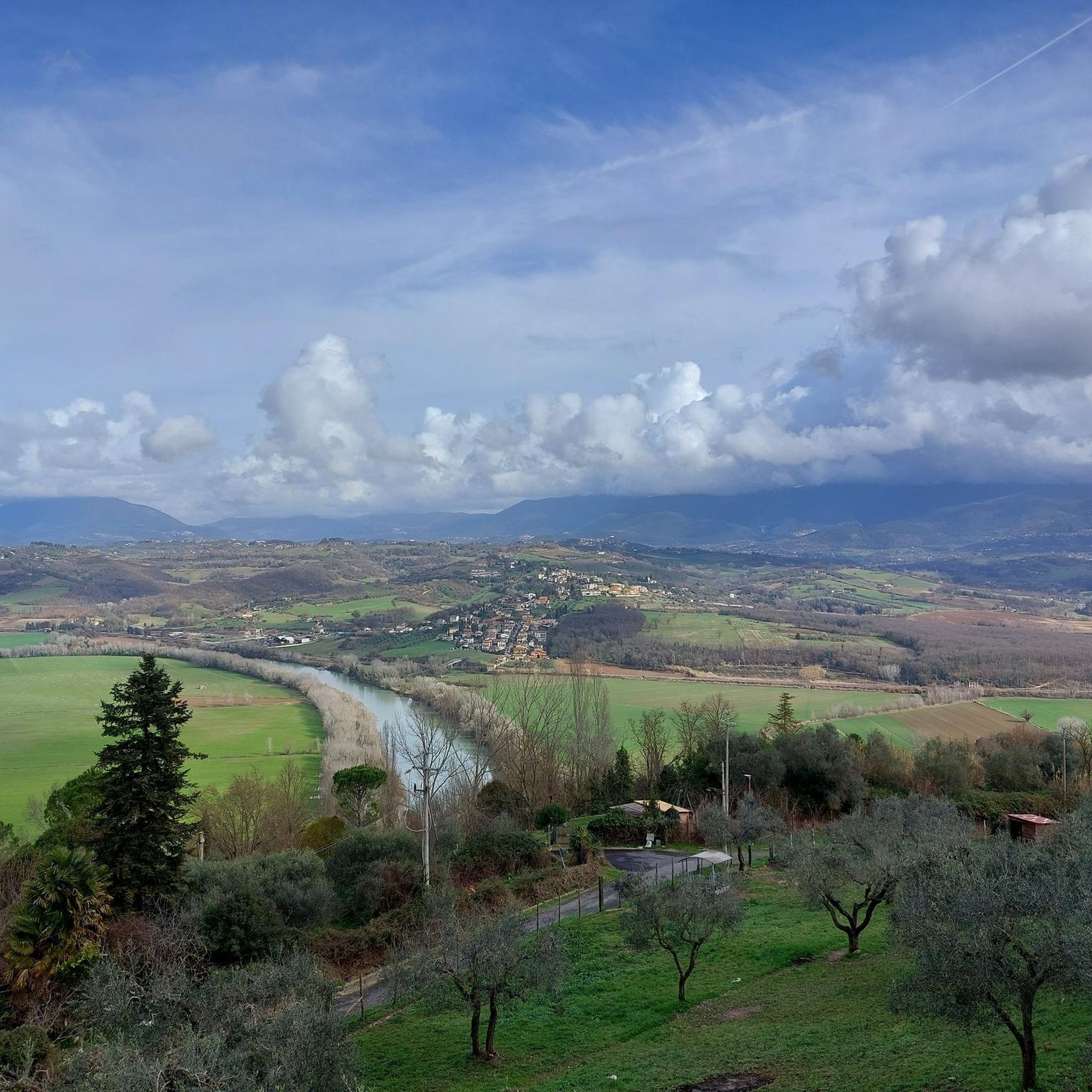
Hiking around Forano offers a variety of trails through the rolling hills and river valleys of the Sabina region. The landscape is characterized by olive groves, historic villages, and natural features like the Tiber River and local waterfalls. This area provides diverse terrain for outdoor activities, from gentle paths to more challenging ascents.
Best hiking trails around Forano
- The most popular hiking route is Poggio Mirteto, Monte San Cosimo, and Poggio Catino Loop, an 8.7 miles (14.0 km) moderate…
Last updated: August 29, 2026
4.1
(8)
14
hikers
13.8km
03:38
110m
110m
Moderate hike. Good fitness required. Easily-accessible paths. Suitable for all skill levels.
5.0
(2)
2
hikers
4.96km
01:27
140m
130m
Easy hike. Great for any fitness level. Easily-accessible paths. Suitable for all skill levels.

Sign up for free
8
hikers
26.8km
07:36
580m
580m
Hard hike. Very good fitness required. Easily-accessible paths. Suitable for all skill levels.
5.0
(3)
4
hikers
9.56km
02:47
250m
250m
Moderate hike. Good fitness required. Easily-accessible paths. Suitable for all skill levels.
5.0
(1)
2
hikers
8.90km
02:33
210m
210m
Moderate hike. Good fitness required. Easily-accessible paths. Suitable for all skill levels.
Get access to more routes and recommendations from other explorers.
Sign up for free
Already have an account?
Our route recommendations are based on thousands of hikes, rides, and runs completed by other people on komoot.
Start today with a free account
Your next adventure awaits.
Login or Signup

Tips from the Community

Lovely place to rest for a while. There are old church pews to sit on.
1
0

Here you enter the Nazzano, Tevere-Farfa Regional Nature Reserve where it is possible to discover a particularly valuable naturalistic environment.
1
0

the Farfa meets the Tiber
0
0

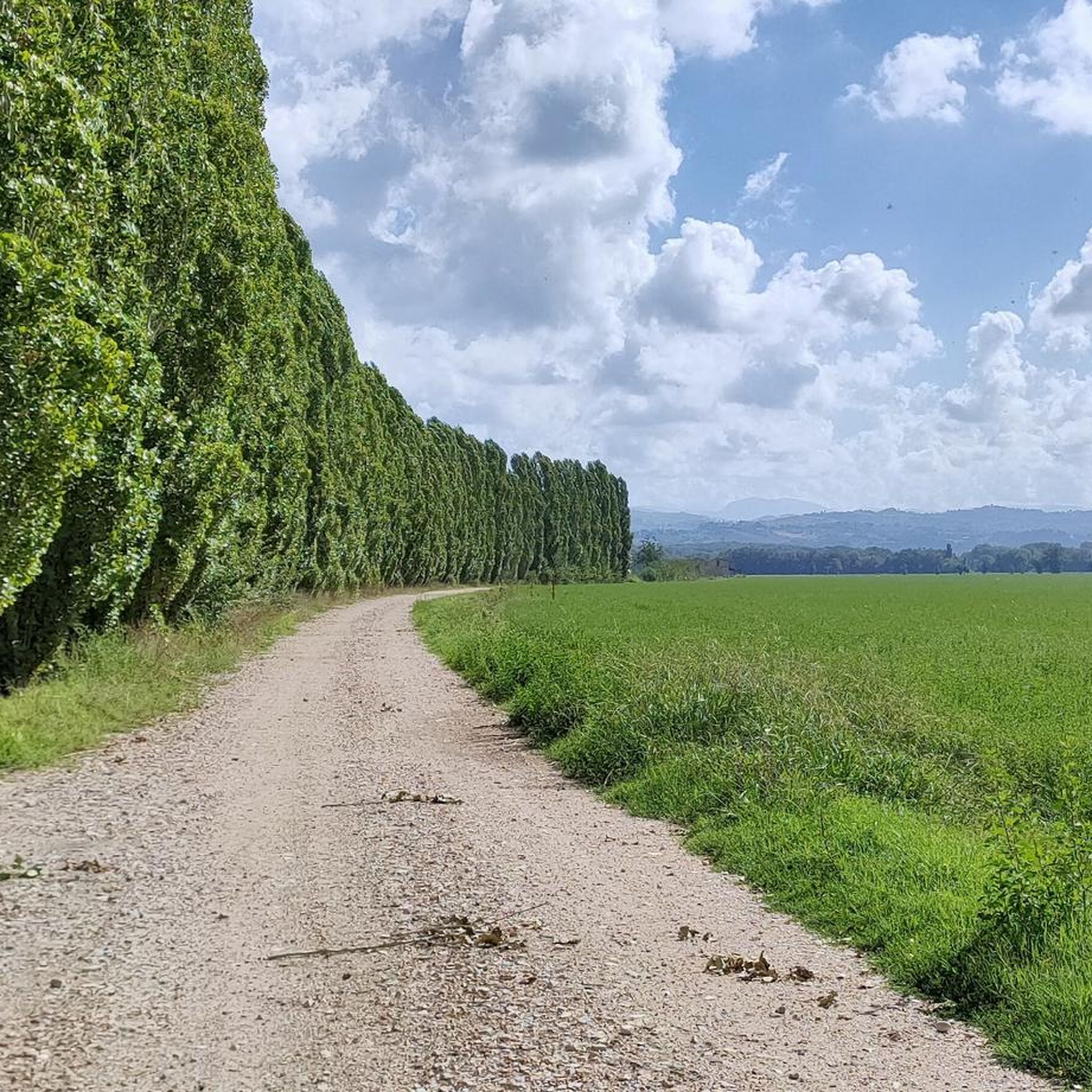
This stretch of dirt road runs along the left bank of the River Tiber. It is flat and well trodden. It is still part of the territory of the Nazzano Tevere-Farfa Regional Nature Reserve but it is not an exclusive cycle-pedestrian path. In August the brambles that line the road are full of delicious blackberries!
1
0
The Tevere Point is a meeting point for all Sabina's outdoor activities, from canoeing to cycling or walking. There is a bar to have a coffee or an aperitif and it is a point of reference for the Nazzano Tevere Farfa Nature Reserve.
4
0
This old mill is located right at the confluence of the Farfa river into the Tiber. A path on the left leads along the river and to an observation house in the reeds. A unique place from which to observe the birds of the area.
3
0
Bridge over the Tiber River, gateway to the Tiber Farfa Nature Reserve. It's worth stopping for a moment to admire the river views.
3
0

along the tiber river on an excellent gravel surface
0
0
Frequently Asked Questions
How many hiking trails are available around Forano?
You'll find over 60 hiking trails around Forano. The area offers a diverse network, including 16 easy routes, 32 moderate paths, and 20 more challenging trails, ensuring options for various skill levels.
Are there easy hiking routes suitable for beginners or families in Forano?
Yes, Forano offers several easy hiking routes perfect for beginners or families. An excellent option is the Selci – The Old Oak loop from Selci, which is a shorter, gentle path through the local landscape.
Are there any challenging hikes in the Forano area?
For those seeking a challenge, Forano has 20 difficult routes. A notable option is the Monte San Cosimo – Pozze del Diavolo Waterfall loop from Poggio Mirteto. This 12.6-mile (20.2 km) trail features significant elevation changes and passes by a waterfall, requiring about 6 hours to complete.
What is the best season for hiking in Forano?
The Sabina region, including Forano, is generally pleasant for hiking in spring and autumn when temperatures are mild and the landscape is vibrant. Summer can be hot, making early morning or late afternoon hikes preferable. Winter offers cooler, quieter trails, though some paths might be muddy after rain.
Are there circular hiking trails around Forano?
Yes, many routes around Forano are circular, allowing you to start and end at the same point. A popular example is the Poggio Mirteto, Monte San Cosimo, and Poggio Catino Loop, which explores local hills and historic towns.
What kind of natural features or landmarks can I expect to see on hikes near Forano?
Hiking around Forano, you'll encounter rolling hills, olive groves, and views of the Tiber River. Some trails, like the Monte San Cosimo – Pozze del Diavolo Waterfall loop, lead past natural features such as the Pozze del Diavolo Waterfall. You can also explore nearby attractions like the Nazzano Tevere-Farfa Nature Reserve.
Are there any historical sites or points of interest along the trails?
The Forano area is rich in history. Many trails pass through or near historic villages and sites. For instance, the Poggio Mirteto, Monte San Cosimo, and Poggio Catino Loop explores historic towns. You might also encounter landmarks like the Hermitage of Saint Sylvester or the Monte Soratte Bunker.
What do other hikers enjoy the most about hiking in Forano?
The hiking trails around Forano are highly rated by the komoot community, with an average score of 4.5 stars from over 400 reviews. Hikers often praise the varied terrain, the blend of natural beauty with historic villages, and the peaceful atmosphere of the Sabina region.
Are there any trails that offer views of the Tiber River?
Yes, some trails provide excellent views of the Tiber River. The Tiber Point – Torrita Tiberina Bridge loop from Torrita Tiberina is specifically designed to showcase the river and its surrounding landscape.
Are dogs allowed on the hiking trails in Forano?
Generally, dogs are welcome on hiking trails in the Forano area, especially on public paths. However, it's always recommended to keep them on a leash, especially when passing through agricultural areas or near wildlife, and to check specific regulations for any nature reserves you might enter.
Are there any trails that lead to a waterfall?
Yes, if you're looking for a waterfall, the Monte San Cosimo – Pozze del Diavolo Waterfall loop from Poggio Mirteto is a great choice. This trail takes you past the Pozze del Diavolo Waterfall, offering a scenic highlight during your hike.
Can I find places to eat or drink near the hiking trails?
Many hiking routes in Forano pass through or near small towns and villages in the Sabina region. These often have local cafes, trattorias, or small shops where you can find refreshments or a meal. Planning your route to include a stop in a village like Poggio Mirteto or Collevecchio can enhance your hiking experience.
Most popular attractions around Forano

Get inspired with the komoot mobile app


Explore more
Browse the best Hikes in other regions.
