Attractions and Places To See around Blera - Top 20
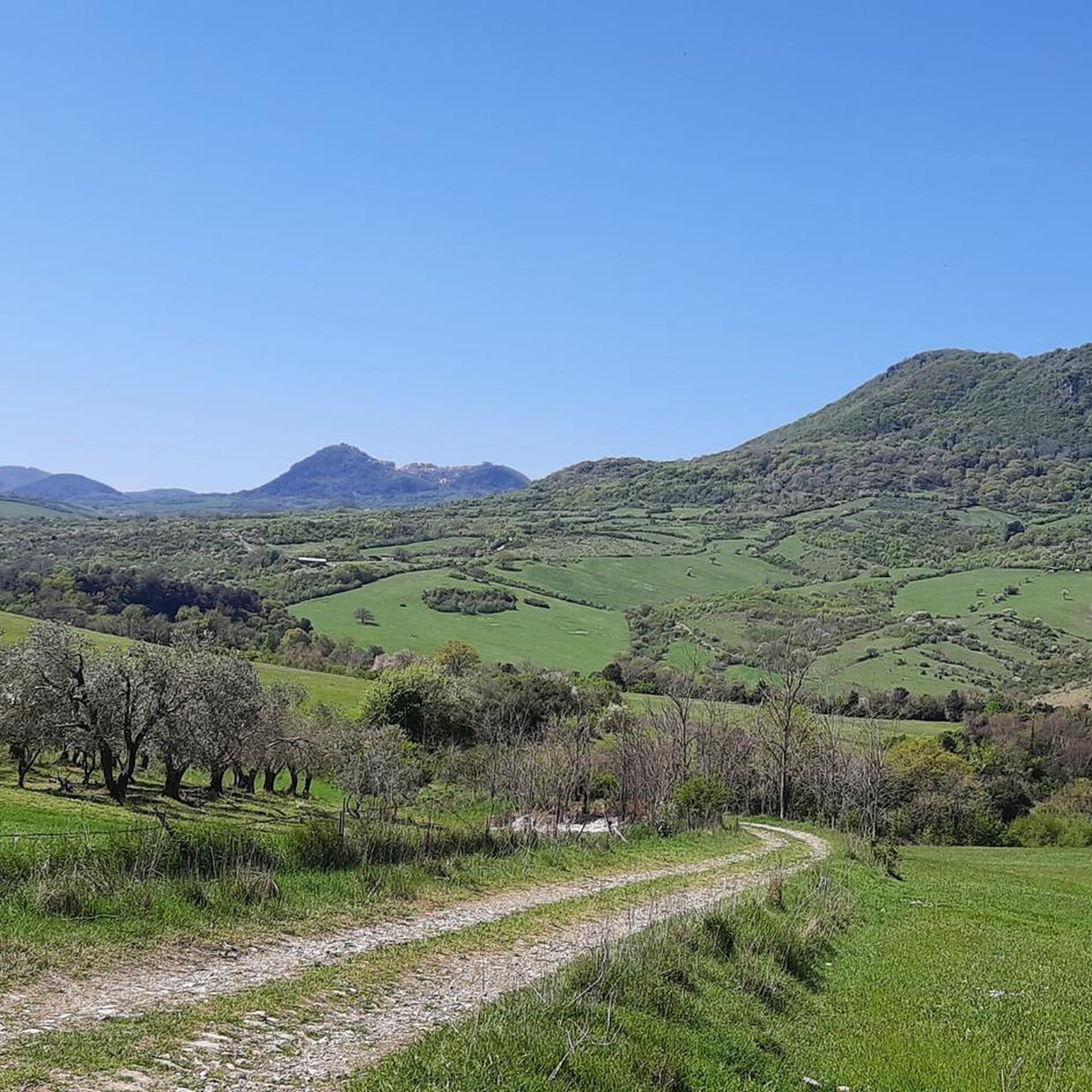
Best attractions and places to see around Blera are rooted in its Etruscan and Roman past, set within a landscape characterized by tufa cliffs and deep glens. This town in Italy's Lazio region is situated at the junction of two deep glens, offering scenic views and a blend of history, architecture, and nature. The area features the Biedano Valley and is part of the Parco Regionale Marturanum, providing diverse natural and historical exploration opportunities.
Best attractions and places to see…
Last updated: May 9, 2026
Terza Mola (Third Mill) Waterfalls and Ancient Aqueduct
Highlight • Waterfall
Translated by Google •
Tip by

Church and Convent of San Bonaventura
Highlight • Religious Site
Translated by Google •
Tip by

Sign up now to discover places like this
Get recommendations on the best single tracks, peaks, & plenty of other exciting outdoor places.
Sign up for free
Piazza Umberto I and its fountain, Oriolo Romano
Highlight • Settlement
Translated by Google •
Tip by

Mignone Railway Bridge
Highlight • Bridge
Translated by Google •
Tip by

Via Francigena
Highlight (Segment) • Trail
Path that runs parallel to the stream and crosses it with wooden bridges in several points.
It …
Translated by Google •
Tip by

Sign up for free to discover even more attractions around Blera.
Sign up for free
Already have an account?
Start today with a free account
Your next adventure awaits.
Login or Signup

Tips from the Community

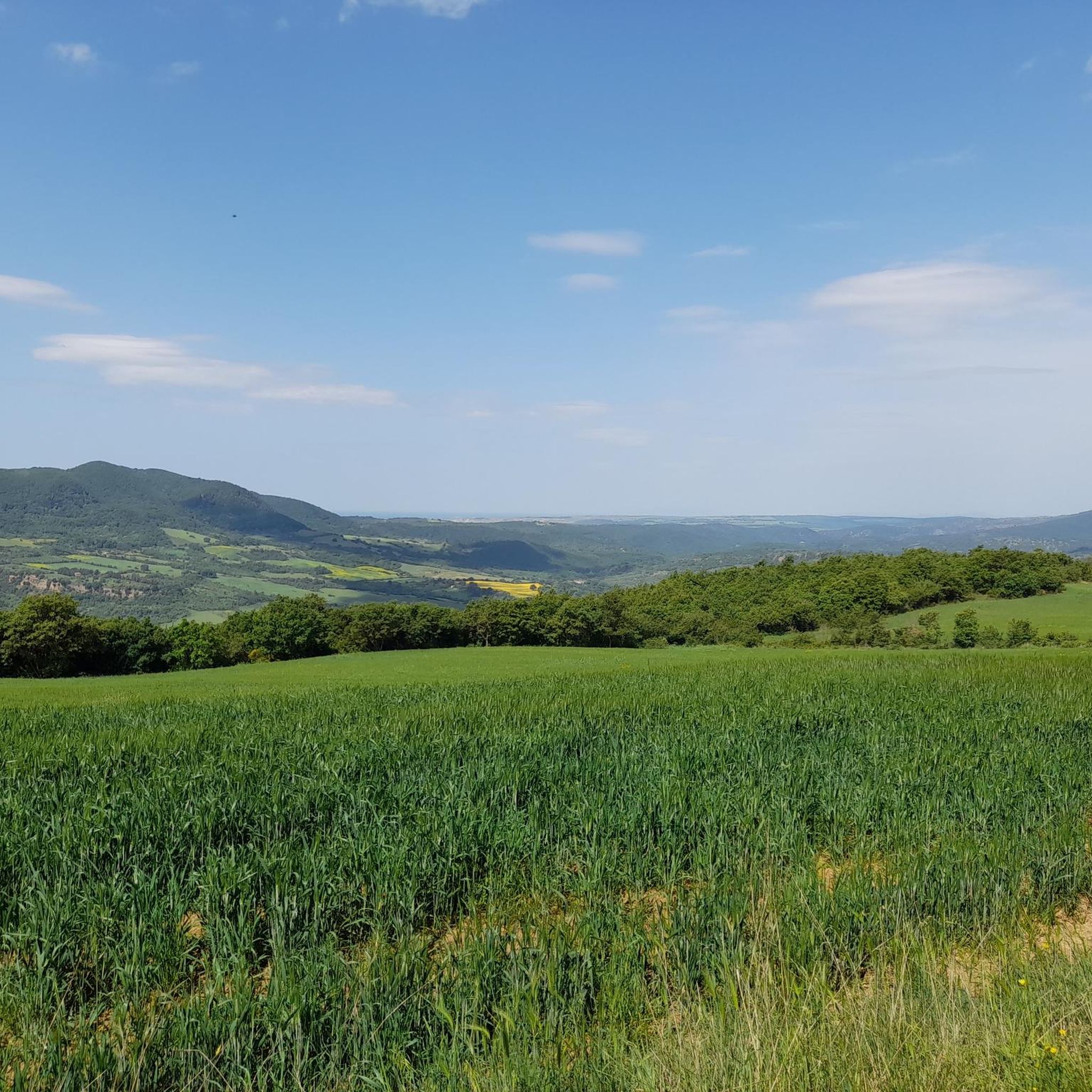
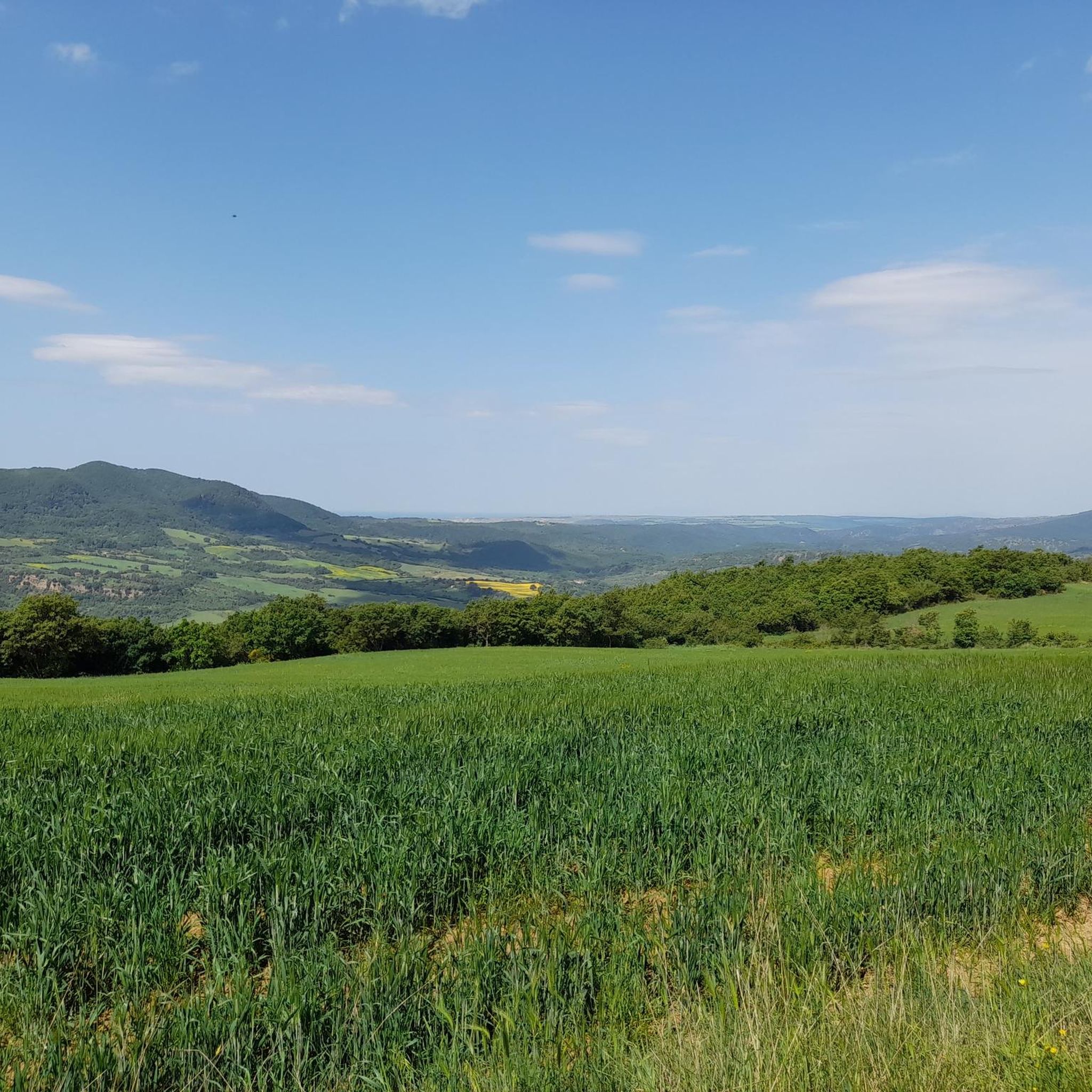
A truly fun section of the Via Francigena to cycle: but watch out for pedestrians
0
0

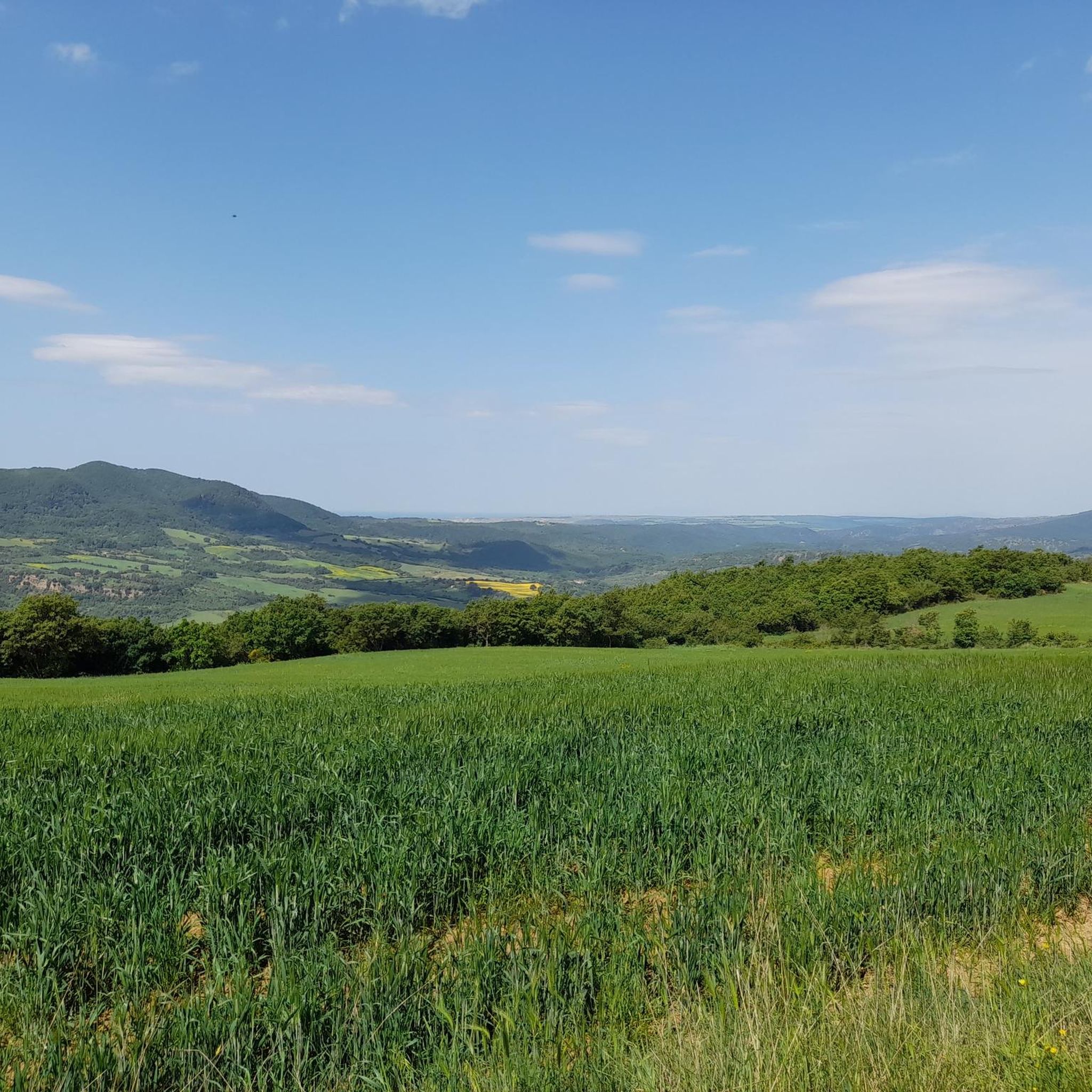
Bridge over the Mignone where the Old Civitavecchia-Orte railway passes. Splendid panoramic point
0
0

very nice village, recommended visit
0
0

The church, in a very poor state of conservation, has a façade framed between two twin bell towers which have now almost completely disappeared (only a faint trace remains of part of the one on the left) and has Doric pilasters (false Doric columns in relief) in stucco with a large triangular gable (also called pediment). The roof of the church was octagonal topped by a lantern, while inside it was domed. Opposite the entrance to the church in the center of the square there is still the base of Bernini's octagonal fountain and, after the restoration works of 1995-96, a copy faithful to the original was placed there. Bernini's fountain can today be admired, however, in the square of the Municipality of Canale Monterano. A representation of the church is in a 1781 painting by G. Barbieri in the Altieri palace in Oriolo Romano. https://www.iluoghidelsilenzio.it/convento-di-san-bonaventura-monterano-di-canale-monterano-rm/
0
0

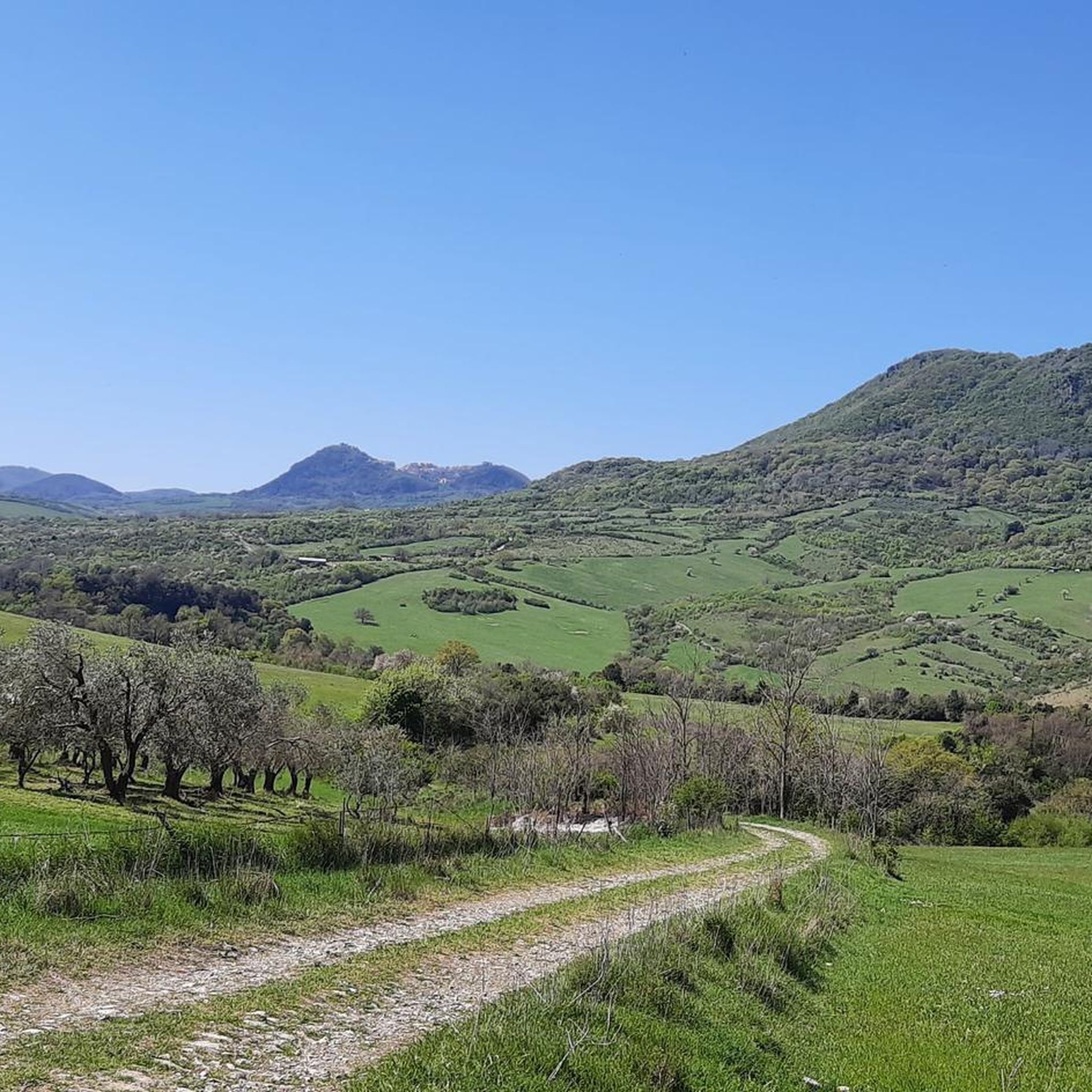
On the hills of the Sabatini mountains, we find Oriolo Romano, lying near Lake Bracciano. This locality became a nature reserve in 1999 and counts among its attractions the Olmate, the gardens of Palazzo Altieri and a luxuriant beech forest. The village has an urban planning that dates back to its foundation and enjoys historical significance as a transit point for the Etruscan and Roman civilizations.
1
0

May 2023 - the path is not really developed but rather a wild path - so go on the adventure with long pants and sturdy shoes. My tip would be to go to the ruins of the third mill. It is an ancient dam with two breakthroughs and therefore two waterfalls. Carefully go over the wall (!) Crashing wouldn't be a good idea...then go right. into the ancient man-made aqueduct. The tunnel is over 2 meters high and was probably a regulated inflow/outflow from the mill. The top highlight of this valley.
1
1
These are the ruins of the church where the Marquis del Grillo was shot
2
0

Just Closed by Cancelli!
2
0
Frequently Asked Questions
What historical sites can I explore in Blera?
Blera is rich in history, offering numerous sites from its Etruscan and Roman past. You can visit the renowned Etruscan necropolises like the Necropolis of Pian del Vescovo and the Monumental Necropolis of Norchia, which feature impressive rock-cut tombs. The historic center of Blera itself is a labyrinth of medieval streets, ancient arches, and buildings like Palazzo Colonna and the Church of Santa Maria Assunta and San Vivenzio. Don't miss the ancient Roman Devil's Bridge (Ponte del Diavolo) along the ancient Via Clodia, showcasing remarkable Roman engineering.
Are there any natural attractions or outdoor areas to visit near Blera?
Absolutely. The Blera area is characterized by its tufa cliffs and deep glens. The Biedano Valley and Gorge offer a woody oasis with caves and ancient water mills, perfect for trekking. You can also explore the Terza Mola (Third Mill) Waterfalls and Ancient Aqueduct, which features a unique rock tunnel path. The entire region is part of the Parco Regionale Marturanum, providing extensive opportunities for nature exploration.
What kind of outdoor activities can I do around Blera?
Blera is an excellent base for outdoor enthusiasts. You can enjoy hiking through the Biedano Valley, exploring ancient Etruscan paths, or following sections of the historic Via Francigena. For more structured routes, consider exploring the various hiking trails around Blera, which include options like the Biedano River loop or the San Giovenale Necropolis loop. Road cycling and running are also popular, with several road cycling routes and running trails available in the vicinity.
Are there family-friendly attractions in Blera?
While many historical and natural sites can be enjoyed by families, specific family-friendly highlights include Piazza Umberto I and its fountain in Oriolo Romano, which offers a pleasant town square environment. The natural areas like the Biedano Valley provide space for children to explore, and some sections of the ancient aqueducts and trails are accessible for walks, depending on the children's age and stamina. Always check the difficulty ratings for specific trails.
Where can I see ancient Roman engineering near Blera?
Beyond the famous Devil's Bridge, you can find other ancient Roman bridges along the Via Clodia in the Biedano Gorge. The Terza Mola (Third Mill) Waterfalls and Ancient Aqueduct also features remnants of Roman-era water management systems, including a unique rock tunnel path that was part of an ancient aqueduct.
What do visitors particularly enjoy about the attractions around Blera?
Visitors frequently appreciate the blend of history and nature. The ancient Etruscan necropolises and Roman structures offer a deep dive into the past, while the natural gorges and valleys provide stunning scenery and opportunities for outdoor activities. The unique rock tunnel path at the Terza Mola Waterfalls is often highlighted as a memorable experience. The Via Francigena section through the tufa gorge is also a favorite for its natural beauty and historical significance.
Can I explore ancient Etruscan sites in Blera?
Yes, Blera is particularly famous for its Etruscan heritage. You can explore several significant Etruscan necropolises, including the Necropolis of Pian del Vescovo and the impressive Monumental Necropolis of Norchia. These sites feature rock-cut tombs, some with temple-like facades, offering a fascinating glimpse into Etruscan civilization. The Archaeological Area of San Giovenale also represents a rare example of Etruscan urban architecture.
What is the best time of year to visit Blera for outdoor activities?
The spring and autumn months are generally ideal for outdoor activities around Blera. The weather is milder, making hiking and cycling more comfortable, and the natural landscapes are vibrant. Summers can be hot, especially in July and August, which might be less suitable for strenuous activities, though the shaded gorges offer some respite. Winters are generally mild but can be damp, and some paths might be muddy.
Are there any religious or cultural buildings of note in Blera?
The historic center of Blera features the Church of Santa Maria Assunta and San Vivenzio, which houses the tomb of Saint Vivenzio, the town's patron. You can also visit the ruins of the Church and Convent of San Bonaventura, a historically significant religious building with a distinctive façade and domed interior. The Grotto Shrine of St. Vivenzio, a small sanctuary complementing the cave where the saint lived, is another site of religious interest.
What are some unique geological features in the Blera area?
Blera is situated on a long, narrow tongue of rock at the junction of two deep glens, a characteristic feature of the region. The landscape is dominated by dramatic tufa cliffs and deep ravines carved by rivers. The Biedano Gorge is a prime example, with its woody oasis and ancient water mills. The network of tunnels and caves carved into the tufa beneath the historic center of Blera also offers a unique subterranean exploration experience.
Can I find ancient Roman roads or trails near Blera?
Yes, the ancient Roman consular road, Via Clodia, passes through the Blera area, and traces of it are still visible, particularly near the Devil's Bridge. A section of the Via Francigena, which often follows ancient routes, also runs parallel to a stream and crosses it with wooden bridges, offering a passage through a natural gorge carved into the tufa.
Most popular attractions around Blera

Get inspired with the komoot mobile app


Explore more
Still not found the Highlight you’re looking for? See guides of the top attractions in other regions:
