The best walks and hikes around Sant'Oreste
4.5
(725)
2,174
hikers
18
hikes
Hiking around Sant'Oreste offers access to the Monte Soratte Nature Reserve, centered around the isolated limestone ridge of Monte Soratte, which peaks at 691 meters. This region features diverse ecosystems, including deciduous forests and steep ravines, providing panoramic views over the Tiber Valley. The terrain includes unique geological formations such as karst sinkholes, and trails often lead through historical sites.
Best hiking trails around Sant'Oreste
- The most popular hiking route is From Sant'Oreste to Monte Soratte – ring tour,…
Last updated: August 17, 2026
4.4
(43)
80
hikers
9.46km
03:27
470m
480m
The "From Sant'Oreste to Monte Soratte – ring tour" offers a moderately challenging hike through the Riserva Naturale Provinciale Monte Soratte. This 5.9 miles (9.5 km) route, with an elevation…
4.3
(40)
69
hikers
8.80km
03:11
490m
490m
Embark on a moderate hike around the Ring of the Hermitages of Monte Soratte, a route that spans 5.5 miles (8.8 km) and climbs 1603 feet (488 metres). You can…

Sign up for free
4.5
(79)
321
hikers
Hard hike. Good fitness required. Sure-footedness, sturdy shoes and alpine experience required.
4.3
(16)
21
hikers
6.93km
02:30
380m
380m
Moderate hike. Good fitness required. Mostly accessible paths. Sure-footedness required.
4.3
(12)
83
hikers
Hard hike. Good fitness required. Sure-footedness, sturdy shoes and alpine experience required.
Get access to more routes and recommendations from other explorers.
Sign up for free
Already have an account?
Our route recommendations are based on thousands of hikes, rides, and runs completed by other people on komoot.
Start today with a free account
Your next adventure awaits.
Login or Signup
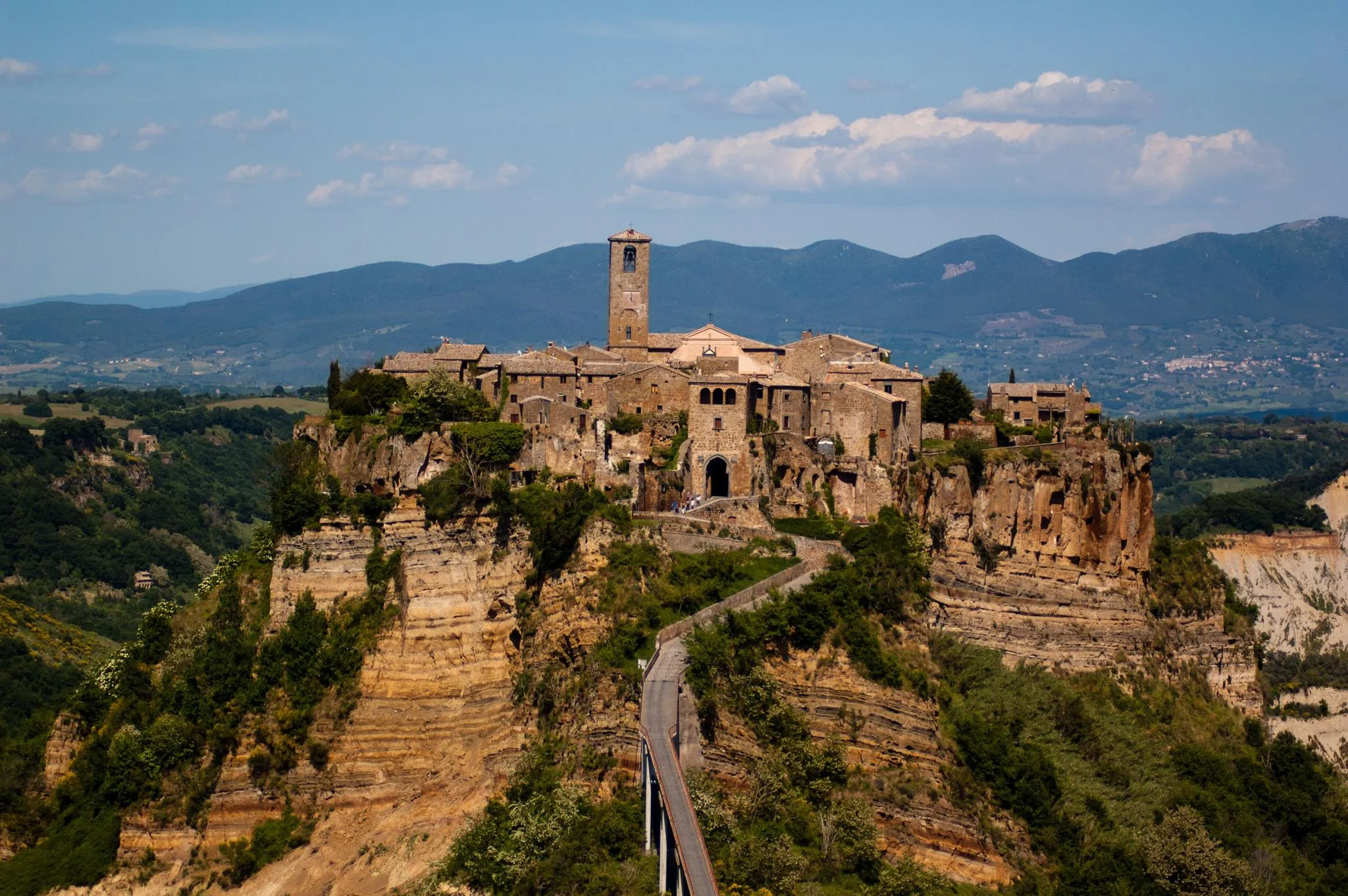
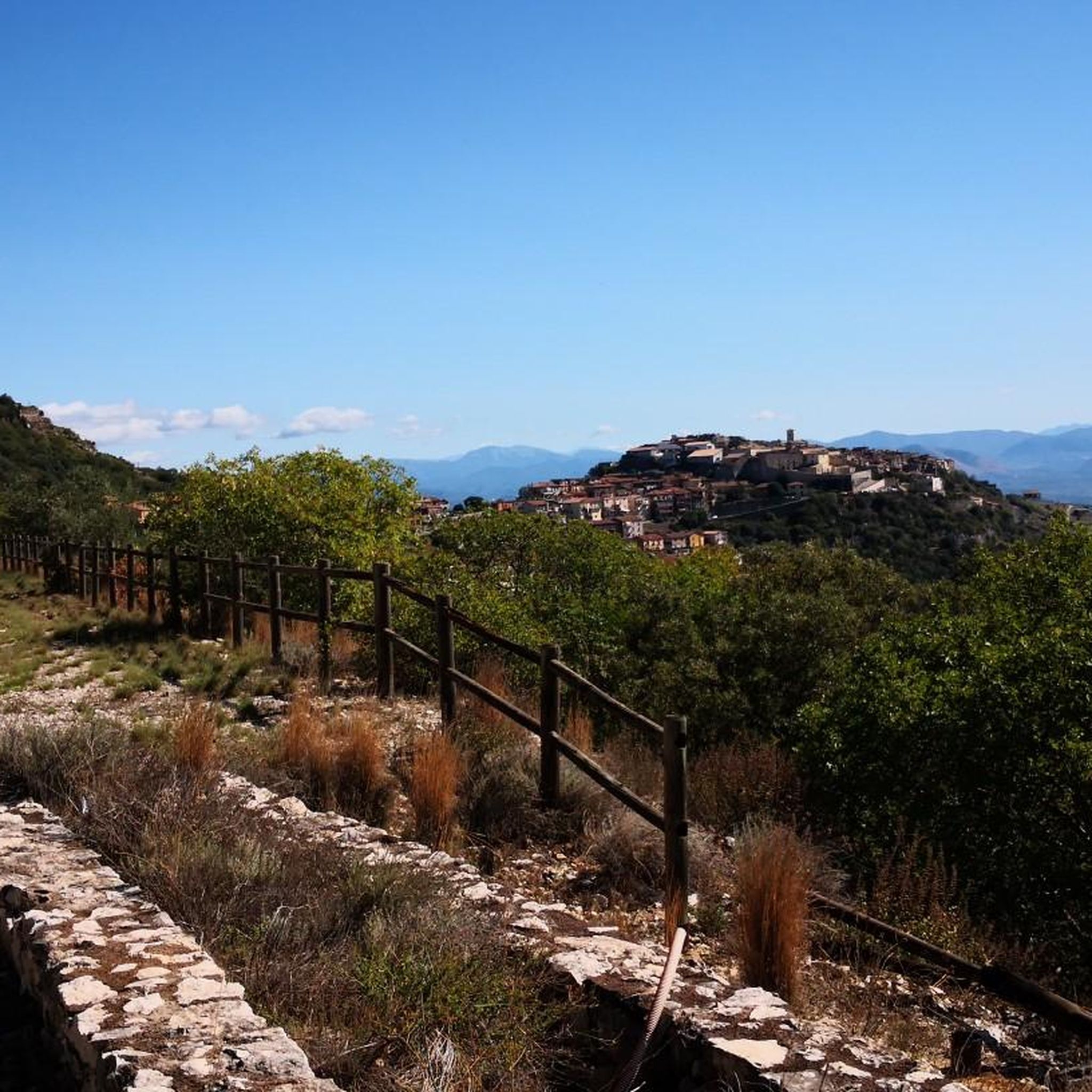

Other adventures around Sant'Oreste

Tips from the Community

The hermitage of Santa Romana, in Sant’Oreste sul Monte Soratte, is a rock-hewn church carved into a cave on the northeast side of the mountain, in a wooded and very evocative setting. According to tradition, it was consecrated in 1218, but the site seems to have even older origins, perhaps also linked to pre-Christian cults. The site preserves remains of walls and ruins that show how the hermitage was larger than it appears today, as well as frescoes visible on the damp cave walls. Inside there is also a marble basin that collects water dripping from the rock, traditionally used for devotion by women who lacked milk,
0
0

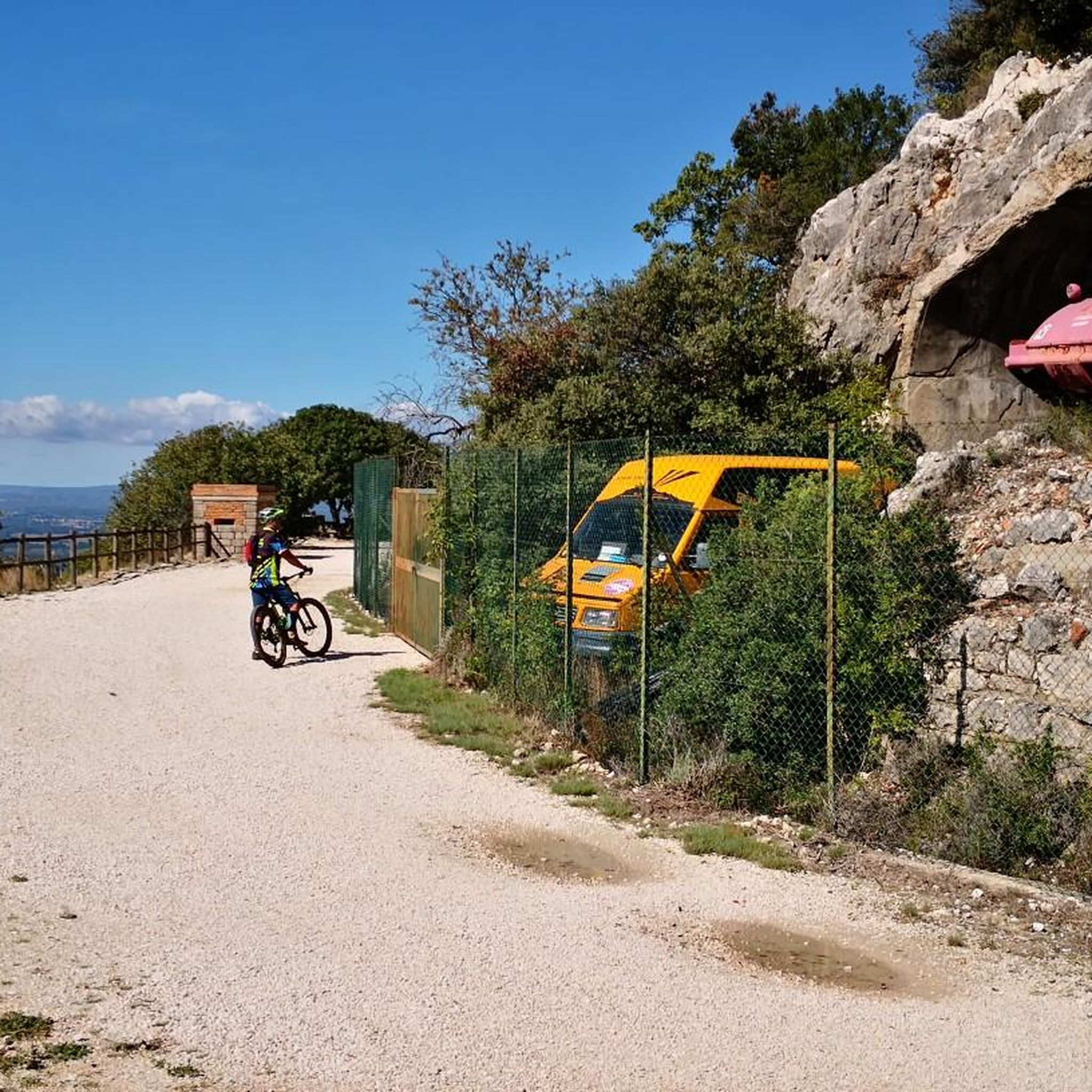
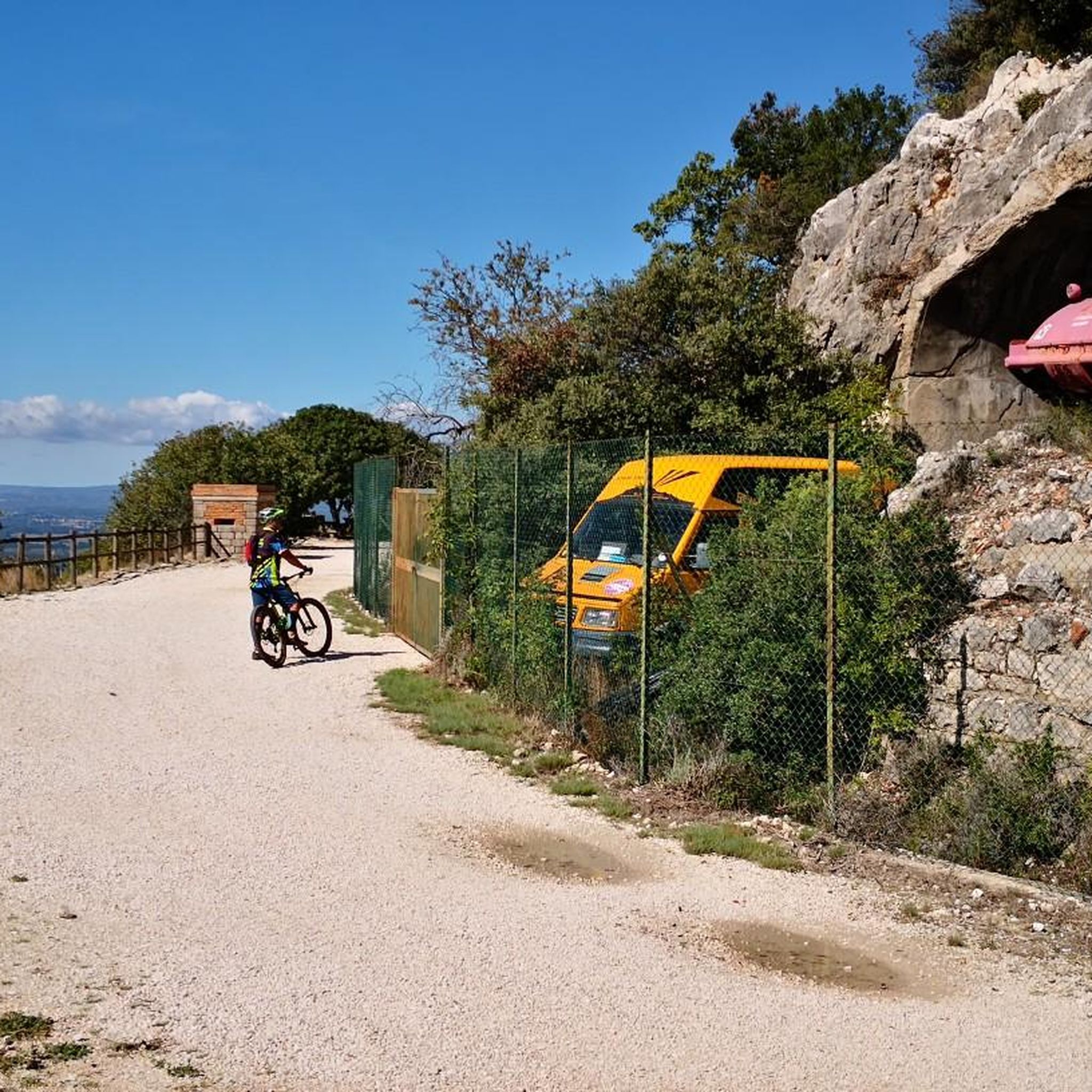
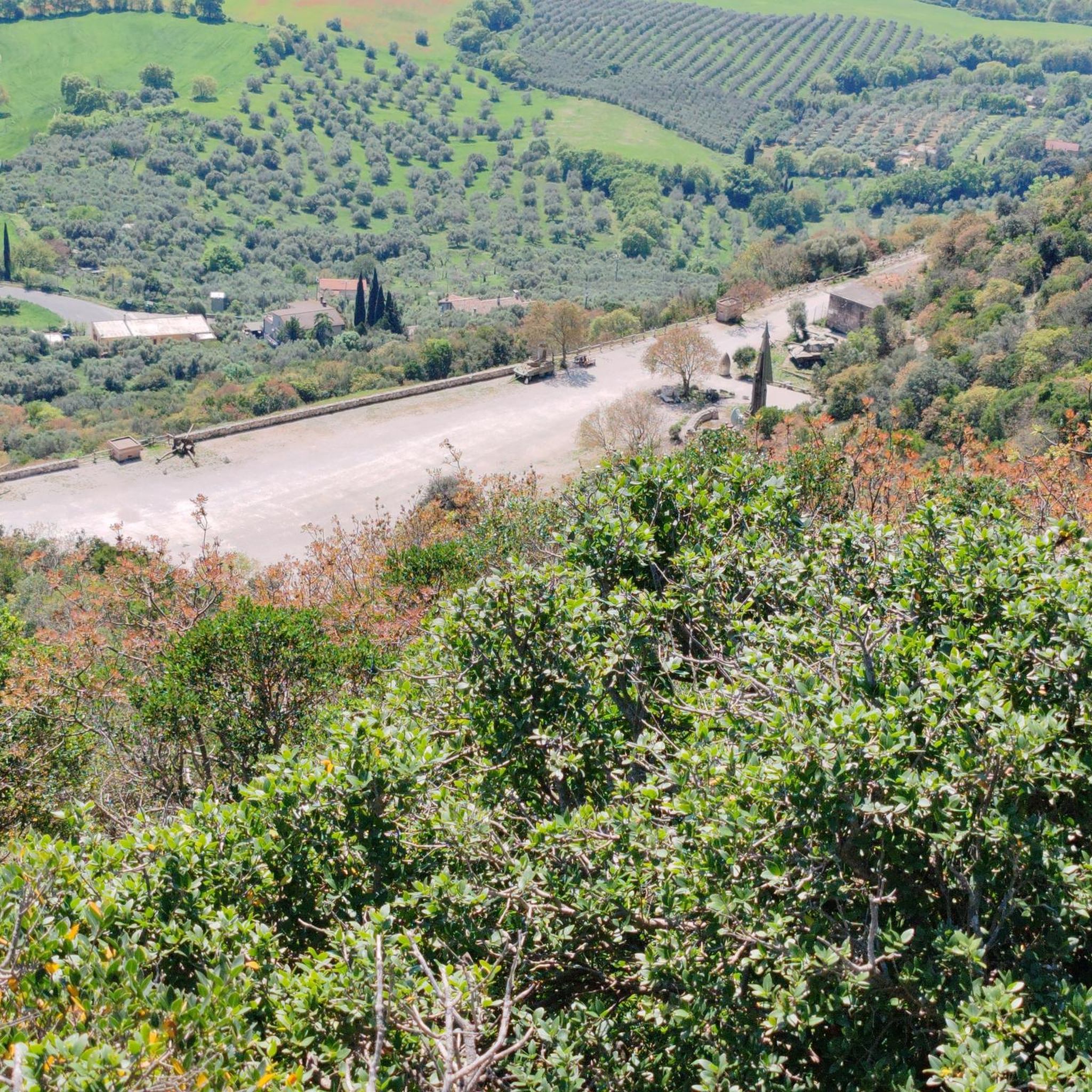
Viewpoint and fork of the sentinel path. You get there along a path that runs parallel to the fence of the old military area. It's very steep at first then it's easy. From this point you can go back along 204B continuing to follow the fence or go down to the bunkers and old military vehicles
0
0
On the path that leads from Sant'Antonio to Santa Lucia there is a deviation to the right which immediately begins to descend very steeply. In the first stretch you have to be careful not to slip, then the path continues without difficulty along the fence of the old military area; in fact it is called the path of the sentinels. At the height of a wooden platform and of a bench there is a deviation to the right which, following it all, descends to the area where there are the bunkers and the open-air museum of old military vehicles.
0
0
On the right side of the church of Santa Maria delle Grazie begins the path that leads to the church of S. Antonio. The first news of this Hermitage dates back to 1532; the prior of all the Soratte hermits resided here. The building has been preserved but the interior cannot be accessed. Other remains are in the rear area of the church where there is also a bench to admire the view. In front of the church the path continues in the direction of Santa Lucia although halfway you can turn left to reconnect to the concrete road that takes us back to the town.
0
0
On the way to the top of Soratte, just before the San Silvestro hermitage, you can take the path on the left that leads to the small San Sebastiano hermitage, of which modest wall traces remain. The latter was home to hermits in the 16th and 17th centuries, after which it began to be abandoned and fell into ruin. In the rock there is a cavity used to collect water. Short trail but to be followed with care.
0
1
Huge boulder leaning against the rock, looking at it it seems like it is about to fall down. Legend has it that Saint Nonnosus was a monk and that rock is in that spot because he managed to move it from the top of Soratte to make room for a vegetable garden for the monks. Panoramic point
0
0
Remains of a building which legend has it belonged to bandits. Very panoramic point on the path to get to the top of Soratte
0
0
The meri are very deep karst cavities. Easy path to follow. Start from the large Sant'Oreste car park, the one below the road. There are three of them, all close together. On the same path, a little further on, there is the church in the cave of Santa Romana, a beautiful place that deserves to be visited.
0
0
Frequently Asked Questions
What types of terrain can I expect on hikes around Sant'Oreste?
The hiking trails around Sant'Oreste primarily feature the limestone ridge of Monte Soratte. You'll encounter diverse landscapes, including deciduous forests, steep ravines, and unique geological formations like karst sinkholes known as "Meri." Many routes offer panoramic views over the Tiber Valley.
Are there any easy hiking trails suitable for beginners in Sant'Oreste?
While the region offers a variety of trails, all routes listed in this guide are rated as moderate or difficult. There are no trails specifically categorized as easy. Hikers should be prepared for varying elevation gains and challenging sections.
What historical sites or landmarks can I see while hiking in Sant'Oreste?
Monte Soratte is rich in history. You can explore several ancient hermitages, such as the Hermitage of Saint Sylvester, which is built over an ancient pagan temple. Other notable sites include the Monte Soratte Bunker from WWII, and the unique Meri del Soratte Karst Sinkholes. Many trails, like the Ring of the Hermitages of Monte Soratte, connect several of these historical points.
Is Monte Soratte Nature Reserve accessible by public transport?
Sant'Oreste is located approximately 40 kilometers north of Rome. While specific public transport routes directly to trailheads are not detailed in the guide, it is generally accessible from Rome. We recommend checking local bus or train schedules to Sant'Oreste for the most current information on reaching the area without a car.
Are there any circular hiking routes around Sant'Oreste?
Yes, several popular routes are circular. For example, the From Sant'Oreste to Monte Soratte – ring tour is a moderate 9.5 km loop. Another option is the Ring of the Hermitages of Monte Soratte, which is an 8.8 km moderate path connecting historical sites.
What is the best time of year to go hiking in Sant'Oreste?
The region's deciduous forests and panoramic views suggest that spring and autumn would be ideal for hiking, offering pleasant temperatures and vibrant foliage. Summer might be warm, while winter could present different challenges depending on conditions, especially at higher elevations on Monte Soratte.
Are the hiking trails in Sant'Oreste suitable for families with children?
The trails around Sant'Oreste are generally rated as moderate to difficult. While some families might find shorter, less strenuous sections manageable, the overall terrain and elevation gains may be challenging for very young children or those unaccustomed to hiking. It's advisable to check individual route details for suitability.
Can I bring my dog on the hiking trails in Monte Soratte Nature Reserve?
The Monte Soratte Nature Reserve is home to diverse wildlife, including wild boar and eagles. While the guide does not explicitly state a dog policy, it's common for nature reserves to require dogs to be on a leash to protect wildlife and ensure safety. We recommend checking local regulations for the Monte Soratte Nature Reserve before bringing your pet.
What do other hikers enjoy most about the trails in Sant'Oreste?
The hiking experience in Sant'Oreste is highly rated by the komoot community, with an average score of 4.4 stars from over 500 reviews. Hikers frequently praise the stunning panoramic views over the Tiber Valley, the historical significance of the hermitages, and the diverse natural beauty of Monte Soratte.
Are there any places to eat or stay near the hiking trails in Sant'Oreste?
Sant'Oreste is a small town, and while the guide does not list specific amenities, it's reasonable to expect local cafes, pubs, or accommodation options within or very close to the town center, which serves as a common starting point for many hikes on Monte Soratte.
How long does it typically take to hike Monte Soratte?
Hiking durations vary depending on the specific route and your pace. For example, the Ascent to Monte Soratte – Hermitage of Saint Sylvester loop from Sant'Oreste, a moderate 5 km trail, typically takes around 2 hours 3 minutes. Longer routes like the From Sant'Oreste to Monte Soratte – ring tour (9.5 km) can take over 3 hours.
Are there any permits required to hike in the Monte Soratte Nature Reserve?
The guide does not mention any specific permits required for general hiking within the Monte Soratte Nature Reserve. However, it's always a good practice to check with local authorities or the park's official website for any updated regulations or special access requirements before your visit.
Most popular attractions around Sant'Oreste

Get inspired with the komoot mobile app


Explore more
Browse the best Hikes in other regions.
