The best road cycling routes around Villa San Giovanni In Tuscia
4.4
(40)
1,210
riders
55
rides
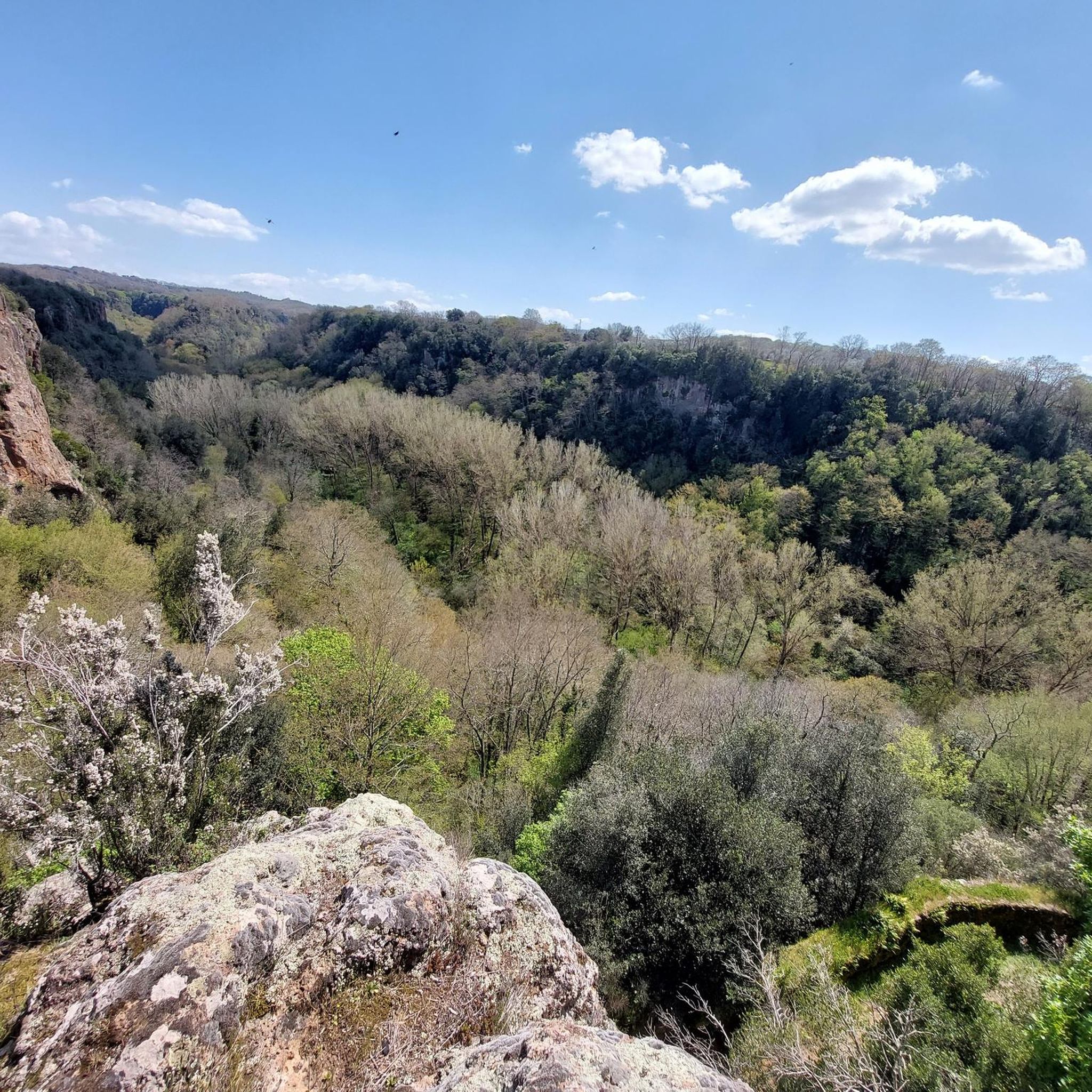
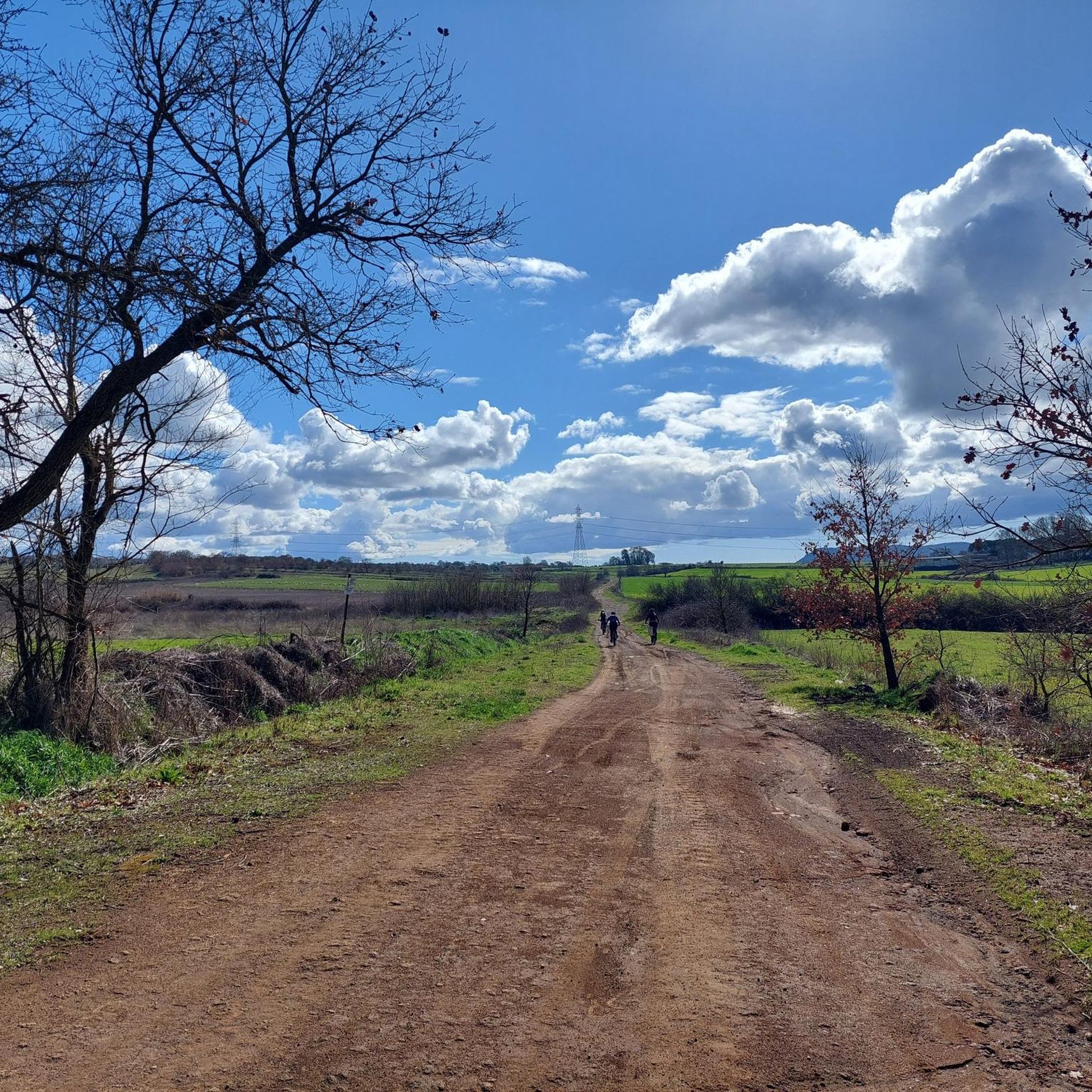
Road cycling around Villa San Giovanni In Tuscia offers diverse landscapes for riders. The region features hilly terrain with a mix of paved roads and less-trafficked tracks, suitable for various cycling preferences. It is characterized by ancient olive groves, dense chestnut and oak woods, and views of rolling hills. This area in the Viterbo province provides a stimulating environment for road cyclists, combining natural beauty with historical elements.
Best road cycling routes around Villa San Giovanni In Tuscia
- The most…
Last updated: July 8, 2026
124km
06:15
1,860m
1,860m
This difficult 76.8-mile road cycling ring tour through Viterbo Tuscia offers 6087 feet of elevation gain and takes about 6 hours.
67
riders
115km
05:22
1,420m
1,420m
Hard road ride. Very good fitness required. Some segments of this route may be unpaved and difficult to ride.

Sign up for free
61
riders
65.9km
03:07
790m
790m
Moderate road ride. Good fitness required. Some segments of this route may be unpaved and difficult to ride.
49
riders
62.0km
02:55
790m
790m
Moderate road ride. Good fitness required. Mostly well-paved surfaces and easy to ride.
25
riders
88.1km
04:10
950m
950m
Hard road ride. Very good fitness required. Some segments of this route may be unpaved and difficult to ride.
Get access to more routes and recommendations from other explorers.
Sign up for free
Already have an account?
Our route recommendations are based on thousands of hikes, rides, and runs completed by other people on komoot.
Start today with a free account
Your next adventure awaits.
Login or Signup
Tips from the Community

Viterbo lived its period of major splendor and power in the 13th century when it was chosen as the seat of the papacy instead of Rome, where powerful warring families made life too dangerous. Eight different popes lived in Viterbo making it is similar to Vatican City and Avignon in France. The longest papal conclave in history happened here from 1 December 1268 to 1 September 1271. Following Pope Clement IV's death, infighting between cardinals and political pressure led to a 34-month deadlock. The cardinals were locked up cum clave (hence the word conclave) inside the palace’s large Conclave Hall. In desperation the town’s population, who were feeding them and their entourages, eventually reduced the cardinals’ food and wine supplies, trying to speed up the election. Time wore on and they finally decided to remove the roof of the palace: in order to help the Holy Spirit come down and illuminate them, it was quipped. That worked.
0
0

the water dispenser is a little hidden from the road, but just look up to the right (if you are going towards Tolfa) and you will see the blue structure in which it is located
0
0

Capranica is a village in Tuscia, built on a tuff cliff between the Cimini Mountains and the Mignone River valley. Its origins are Etruscan, but the center we see today retains its medieval charm, with narrow streets, arches, ancient gates, and evocative churches such as that of Santa Maria Maddalena. Hazelnut groves, olive groves, and woods extend all around, creating a distinctive landscape. It's a pleasant stop on the Via Francigena, where history and nature meet in an authentic and welcoming atmosphere.
0
0

The Papal Palace in Viterbo served as the Vatican for the 24 years of the thirteenth century when the papacy moved there due to ongoing unrest in Rome.
0
0

The dome of the church of Montefiascone is visible from afar and is a beautiful architecture that mimics the dome of St. Peter's which is exactly 100 km away. Montefiascone is on the Via Francigena.
0
0

This family-owned pizzeria in Viterbo has delicious and affordable pizza, made with fresh ingredients and baked in a wood-fired oven. The dough is a highlight, with its perfect texture and taste. It has a warm and friendly atmosphere which makes you feel at home.
2
0

The Palace of the Popes, or Palazzo dei Papi, in Viterbo is a masterpiece of medieval architecture. Built in the 13th century, it served as a residence for the popes. The palace is an example of Gothic architecture and features beautiful vaulted halls, courtyards and an impressive tower that offers panoramic views of the city. The National Museum, with an extensive collection of medieval works of art, is housed in the beautiful spaces of the palace.
1
0

Frequently Asked Questions
How many road cycling routes are available around Villa San Giovanni In Tuscia?
There are over 45 road cycling routes around Villa San Giovanni In Tuscia. These routes cater to various skill levels, with 3 easy, 17 moderate, and 29 difficult options available.
What is the typical terrain like for road cycling in Villa San Giovanni In Tuscia?
The region offers a stimulating mix of hilly landscapes and various road types, including paved roads and some less-trafficked tracks. You'll cycle through ancient olive groves, dense chestnut and oak woods, and enjoy views of rolling hills, characteristic of the Viterbo province.
Are there any loop road cycling routes available in the area?
Yes, many road cycling routes around Villa San Giovanni In Tuscia are designed as loops. For example, the Tuscania – Viterbo Papal Palace loop from Vetralla is a popular moderate route, and the Historic Center of Tarquinia loop from Vetralla offers a more challenging experience.
What natural features can I expect to see along road cycling routes?
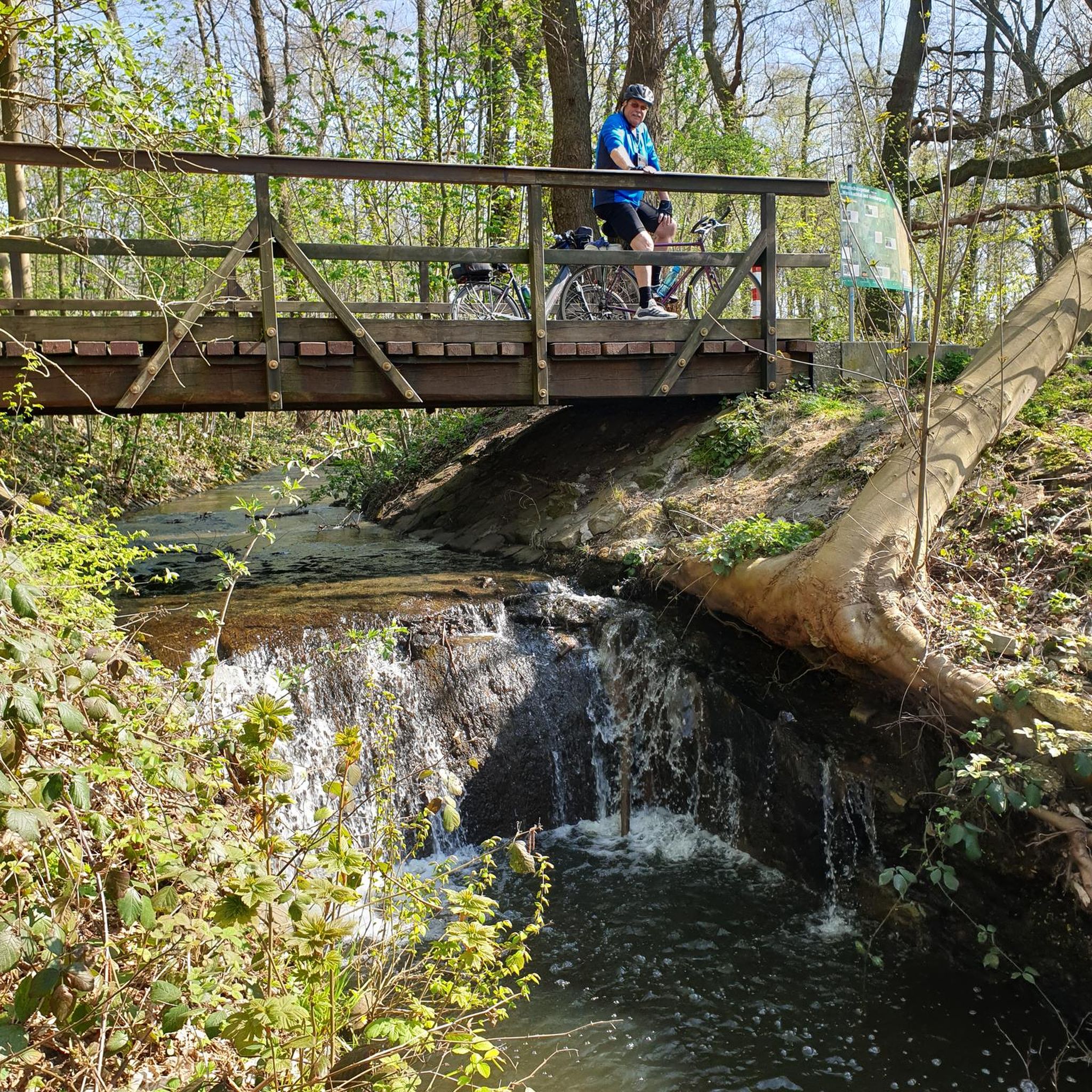
Road cycling routes in this region often feature lush vegetation, ancient olive groves, and dense chestnut and oak woods. You might also encounter notable natural features like the Terza Mola Waterfalls and an ancient aqueduct. Some routes offer scenic views of Lake Vico, such as the Palazzo dei Papi of Viterbo – View of Lake Vico loop from Vetralla.
Are there historical sites or landmarks to explore while cycling?
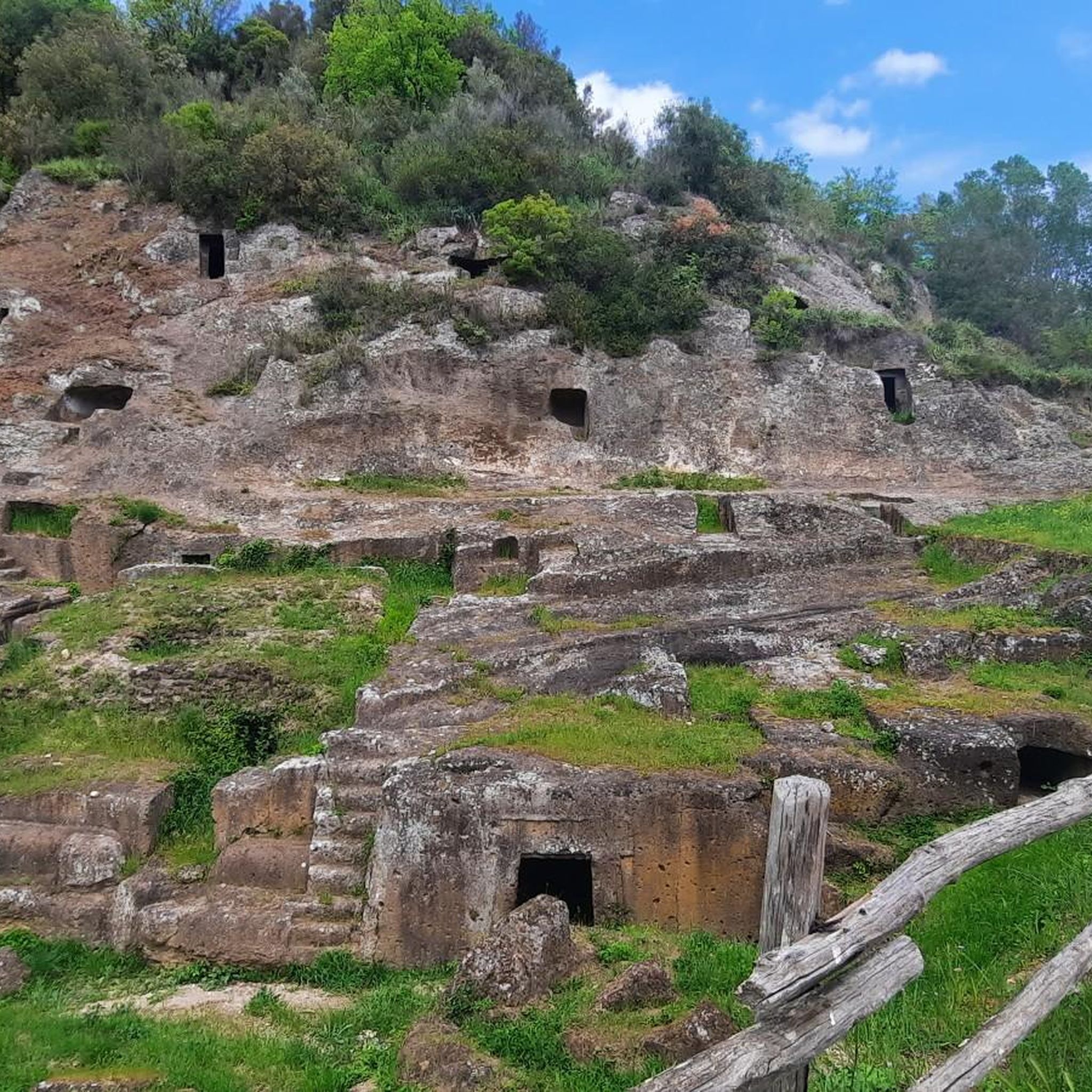
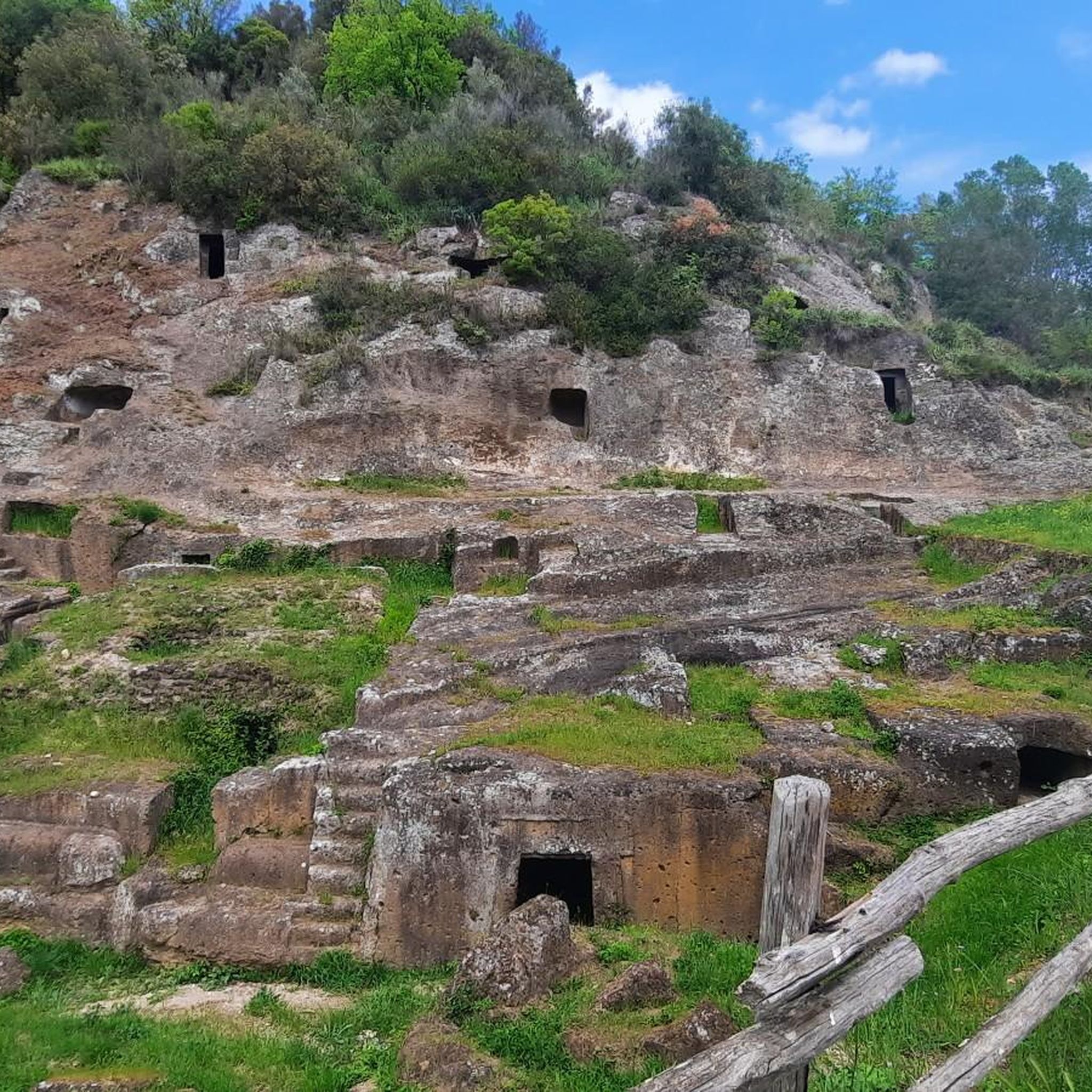
Yes, the region is rich in history. You can discover Etruscan necropolises like Grottone and Ponton Graziolo, and the ruins of a 3rd-century Roman villa. Other historical sites include the Historic Centre of Capranica, Orlando Towers, and Roman Tombs of Vico Matrino. The Tomb of the Stag (Tomba del Cervo) is another significant historical highlight.
When is the best time of year to go road cycling in Villa San Giovanni In Tuscia?
The diverse landscapes and generally mild climate make Villa San Giovanni In Tuscia suitable for road cycling for much of the year. Spring and autumn typically offer pleasant temperatures and beautiful scenery, ideal for exploring the region's routes.
What do other road cyclists enjoy most about road cycling in Villa San Giovanni In Tuscia?
The area is highly rated by the komoot community, with an average score of 4.3 stars from over 40 reviews. Cyclists often praise the diverse terrain, combining challenging climbs with scenic views, and the opportunity to explore both natural beauty and historical elements.
Are there any challenging road cycling routes with significant elevation gain?
Yes, the region offers several challenging routes with significant elevation gain. For instance, the Tuscia Loop: Viterbo, Bomarzo, and Tuscania covers 76.8 miles (123.6 km) with over 1800 meters of elevation gain, and the Direttissima Tramontana – Piazza Vittorio Veneto, Tolfa loop from Vetralla is another difficult route with over 1400 meters of climbing.
Can I find family-friendly road cycling routes in the area?
While many routes feature hilly terrain, there are easier options available. The region has 3 routes classified as 'easy' which might be more suitable for families or those looking for a less strenuous ride. These routes typically have less elevation gain and cover shorter distances.
Are there any cycling events or tours held in the Villa San Giovanni In Tuscia region?
Yes, the area is known for its cycling appeal, hosting events like the 'Cicloturistica dei tre Villaggi'. These events often traverse neighboring towns such as Barbarano Romano and Blera, highlighting the region's diverse routes. You can find more information on local events through resources like VisitLazio.
What kind of views can I expect on road cycling routes around Villa San Giovanni In Tuscia?
Cyclists can expect a variety of scenic views, including panoramic lake views, rolling hills, and the dense Monti Cimini woods. The routes often pass through picturesque countryside with ancient olive groves, offering a blend of natural beauty and historical landscapes.
Is it possible to combine road cycling with exploring ancient Roman roads?
Yes, the historical depth of the region means that ancient roads like Via Clodia and Via Cassia are present. While not always paved for modern road cycling, some routes may intersect with or run parallel to these historic pathways, offering a glimpse into the past.
Most popular routes around Villa San Giovanni In Tuscia
Most popular attractions around Villa San Giovanni In Tuscia

Get inspired with the komoot mobile app


Explore more
Browse the best Road cycling routes in other regions.
