The best walks and hikes around Mompeo
4.3
(455)
1,714
hikers
79
hikes
Hiking around Mompeo offers access to the varied terrain of the Sabine Hills region in Italy. The landscape is characterized by rolling hills, prominent river gorges like the Gole del Farfa, and historical sites. Hikers can explore paths that wind through ancient olive groves and alongside rivers such as the Farfa.
Best hiking trails around Mompeo
- The most popular hiking route is Ford on the River – Gole del Farfa loop from Castelnuovo di Farfa, a 6.7 miles (10.8…
Last updated: June 25, 2026
4.8
(22)
57
hikers
14.9km
04:52
660m
660m
Moderate hike. Good fitness required. Easily-accessible paths. Suitable for all skill levels.
4.8
(20)
47
hikers
Moderate hike. Good fitness required. Easily-accessible paths. Suitable for all skill levels.

Sign up for free
4.7
(7)
32
hikers
15.8km
04:52
550m
550m
Moderate hike. Good fitness required. Easily-accessible paths. Suitable for all skill levels.
4
hikers
Moderate hike. Good fitness required. Easily-accessible paths. Suitable for all skill levels.
4.0
(2)
6
hikers
12.0km
03:42
440m
440m
Moderate hike. Good fitness required. Easily-accessible paths. Suitable for all skill levels.
Get access to more routes and recommendations from other explorers.
Sign up for free
Already have an account?
Our route recommendations are based on thousands of hikes, rides, and runs completed by other people on komoot.
Start today with a free account
Your next adventure awaits.
Login or Signup
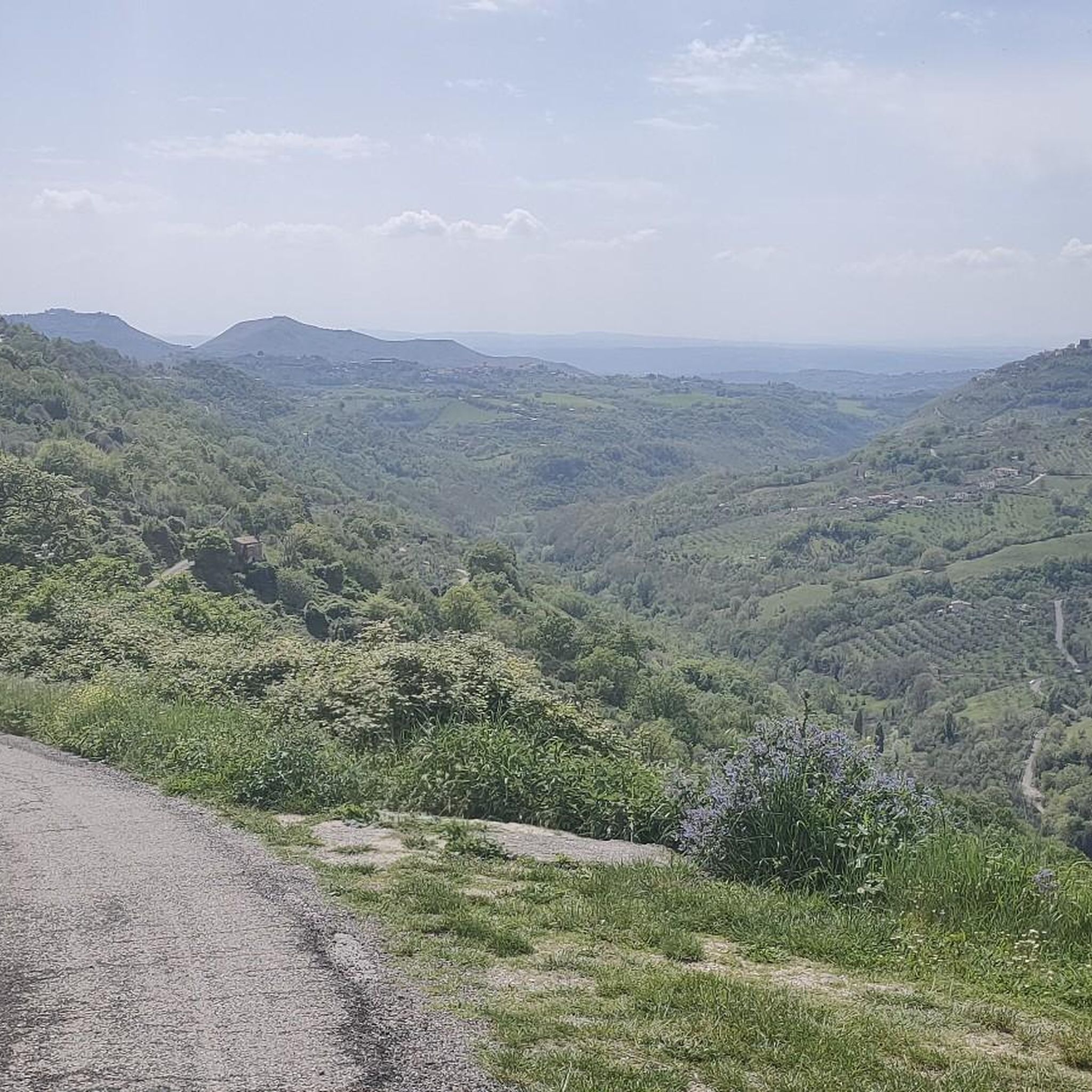
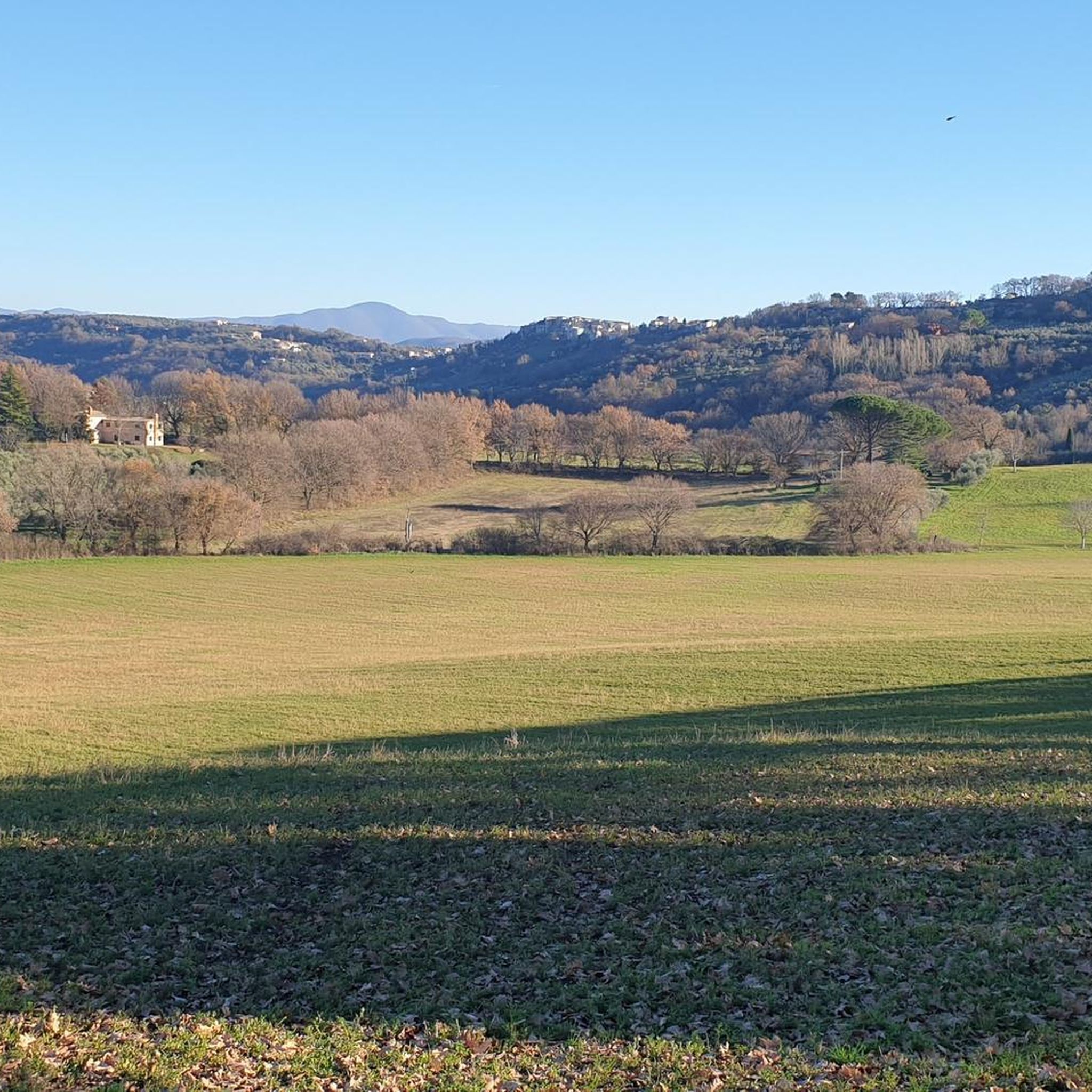
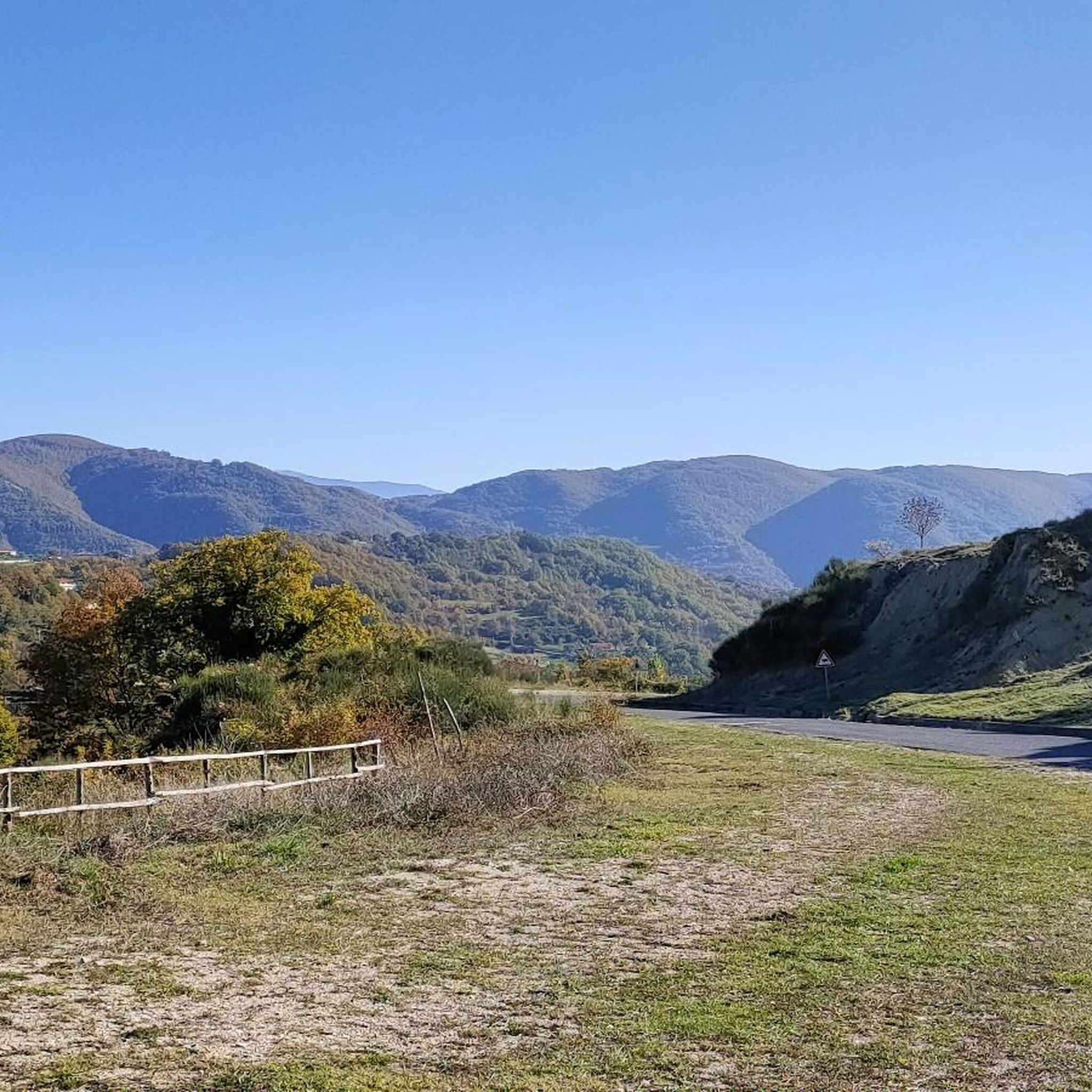


Tips from the Community

The San Michele site is accessible but haunted. The Pozze del Diavolo is accessible if you want to wade through flowing water. Very disappointing!!
0
0

The hike follows ancient paths, quickly immersing itself in the dense vegetation of holm oaks and oaks. The route, typically classified as Hiking (E), offers an intense experience rich in historical and naturalistic points of interest. The Hermitage of San Michele Arcangelo: History and Rock Faith The trail leads to the Hermitage of San Michele Arcangelo, one of the oldest and most significant rock sanctuaries in Sabina, with origins dating back to the 4th century. This place of worship is literally carved into the rock face and is reached via a final climb that culminates in an evocative portal. Inside the cave, the small church still preserves fragments of frescoes, the most famous of which depicts the Archangel Michael in his armor, a symbol of the eternal struggle between good and evil. The isolated and panoramic location invites contemplation. The Hermitage of San Leonardo: The Ancient Hermit Cave Continuing the loop, you reach the Hermitage of San Leonardo, a place that embodies the profound hermit spirituality of the Early Middle Ages. This site is known as the Grotto of San Leonardo, a natural cavity used as a refuge and place of prayer since the 8th century. Its historical importance lies precisely in its being an example of rock worship, where monks sought isolation in the rock. In the immediate vicinity of the hermitage, the geological composition of the wall has created a cliff that, while today a reference point for sport climbing, adds an element of natural majesty to the spiritual context, testifying to the wild beauty of the place. The Medieval Mill: Hydraulic Heritage After leaving the hermitages, the trail descends towards the valley floor of the Galantina stream. Here you come across the remains of the Medieval Mill, a testament to the ingenuity and economy of the past. The ancient hydraulic structure, of which the foundations and sometimes the stone millstones are still visible, was essential for grinding grain and for the life of the Roccantica community, harnessing the driving force of the water flowing in the stream. The Revotano Abyss: The Mysterious Chasm The itinerary continues towards its geological culmination: the Revotano Abyss. This imposing karst sinkhole, of extraordinary dimensions, is one of the most spectacular natural phenomena in the Sabine Mountains. It is a deep chasm formed by the collapse of the ceiling of an underground cave, so large that it is classified as a tiankeng. The Revotano is surrounded by an aura of mystery, fueled by a famous legend that tells of divine punishment and the sinking of an entire village. Visitors can admire the abyss from the vantage point, but the more adventurous and experienced can descend to its bottom, a unique ecosystem with a humid microclimate that favors unusually lush vegetation. The loop ends by returning to the Old Tancia Provincial Road, concluding an experience that spans millennia of history and the power of nature.
1
0

A suggestive and historically significant place in Sabina. A destination to reach by bike in many ways. The only problem from Rome is getting to the area via main roads such as Tiberina and Salaria
0
0


beautiful dirt road next to the farfa
1
0

A beautifully restored church that offers a beautiful panoramic view through a beautiful glass facade
0
0
really beautiful place, absolutely worth seeing
0
0
Frequently Asked Questions
How many hiking trails are available around Mompeo?
There are nearly 80 hiking trails around Mompeo, offering a wide range of options for different skill levels. This includes 22 easy routes, 39 moderate trails, and 15 more challenging hikes.
What types of terrain can I expect on hikes near Mompeo?
Hikes near Mompeo traverse the varied landscape of the Sabine Hills. You'll encounter rolling hills, picturesque river gorges, especially along the Farfa River, and paths winding through ancient olive groves. The terrain often combines natural beauty with historical elements.
Are there easy hiking trails suitable for beginners in Mompeo?
Yes, Mompeo offers 22 easy hiking routes perfect for beginners or those seeking a relaxed walk. An excellent option is the Roman Bridge loop from Castelnuovo di Farfa, which is just under 5 km and features gentle elevation changes.
Are there any circular walks around Mompeo?
Many of the trails around Mompeo are designed as circular routes, allowing you to start and end in the same location. Examples include the popular Ford on the River – Gole del Farfa loop from Castelnuovo di Farfa and the Farfa Abbey – View of Fara in Sabina loop from Fara in Sabina.
Can I find hikes with waterfalls near Mompeo?
Yes, the region around Mompeo features natural attractions including waterfalls. You can explore trails that lead to the beautiful Pozze del Diavolo Waterfall, a notable highlight in the area.
What are some notable viewpoints or landmarks I can see while hiking?
The Mompeo area is rich in viewpoints and historical landmarks. Hikers can reach summits like Monte Pizzuto Summit or Monte Tancia Summit for panoramic views. Cultural highlights include the historic Abbey of Farfa and the Hermitage of San Leonardo.
When is the best time of year to hike in Mompeo?
The best times to hike in Mompeo are typically spring (April-June) and autumn (September-October). During these seasons, the weather is mild and pleasant, and the landscape is vibrant with wildflowers or autumn colors. Summers can be very hot, making early morning or late afternoon hikes preferable, while winters are generally mild but can be damp.
Are dogs allowed on the hiking trails around Mompeo?
Generally, dogs are welcome on hiking trails in the Mompeo area, especially in rural and natural settings. It's always recommended to keep your dog on a leash, especially when passing through agricultural areas or near wildlife, and to carry water for them.
Are there family-friendly hiking options in Mompeo?
Many of the easier trails around Mompeo are suitable for families. These routes often feature gentle gradients and interesting natural or historical points of interest. Consider shorter, well-marked loops that allow for breaks and exploration, such as the Roman Bridge loop from Castelnuovo di Farfa.
What do other hikers enjoy the most about hiking in Mompeo?
The hiking experience in Mompeo is highly rated by the komoot community, with an average score of 4.4 stars from over 400 reviews. Reviewers often praise the diverse landscape, the blend of natural beauty with historical sites like abbeys, and the well-maintained paths that offer both challenging and relaxing options.
Is there public transport access to trailheads around Mompeo?
Public transport options to reach specific trailheads directly around Mompeo can be limited, as is common in many rural Italian areas. While some villages may have bus connections, having a car is generally recommended for greater flexibility and access to a wider range of starting points for hikes.
Where can I find parking for hiking trails near Mompeo?
Parking for hiking trails around Mompeo is typically available in or near the small villages that serve as starting points, such as Castelnuovo di Farfa or Fara in Sabina. Look for designated parking areas or roadside spots where permitted. It's advisable to arrive early, especially on weekends, to secure a spot.
Most popular attractions around Mompeo

Get inspired with the komoot mobile app


Explore more
Browse the best Hikes in other regions.
