Attractions and Places To See around Turrivalignani - Top 20
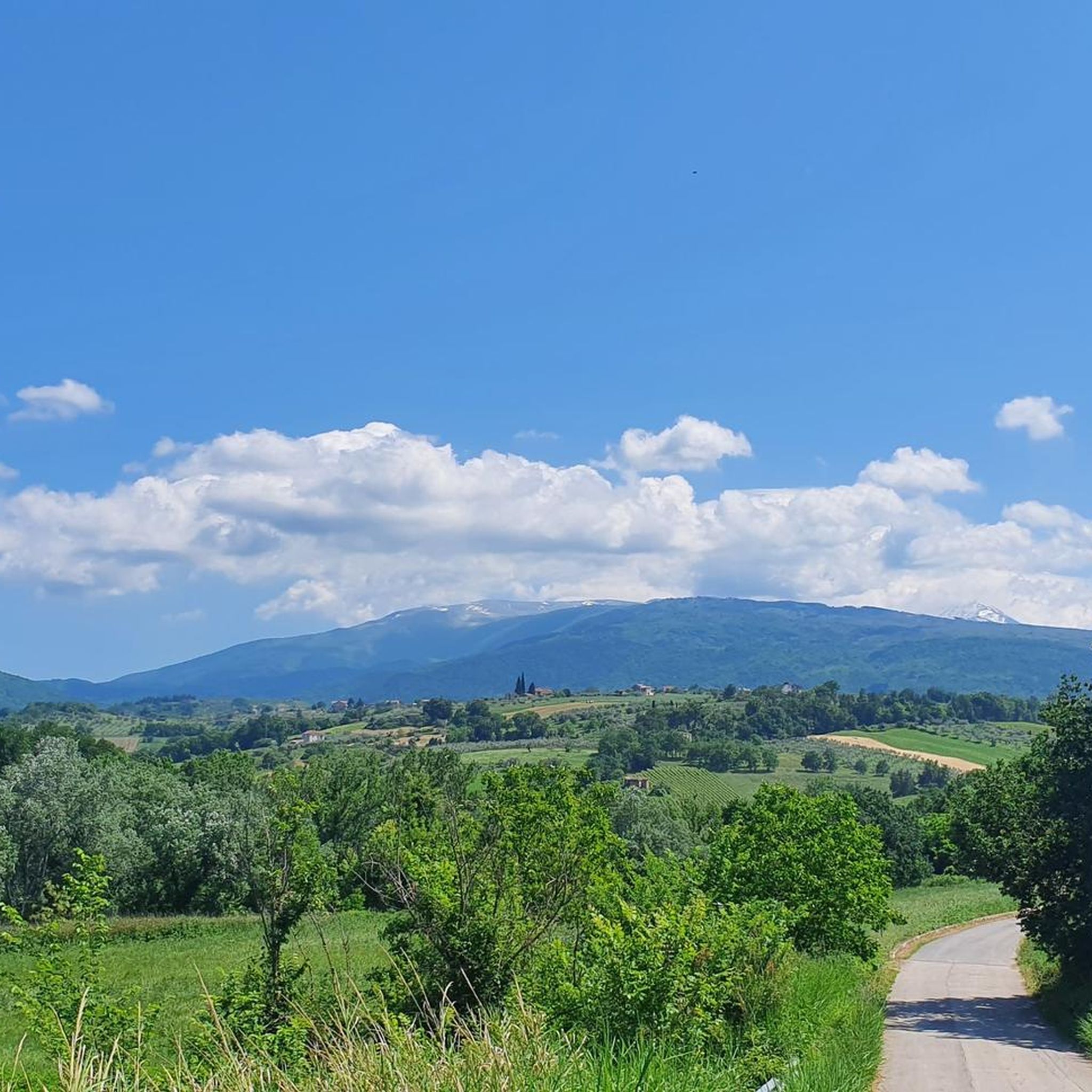
Attractions and places to see around Turrivalignani include a blend of historical, cultural, and natural sites within the province of Pescara, Abruzzo. The municipality features a characteristic historic center that preserves its medieval atmosphere. Surrounded by the Abruzzese Apennine mountains, the area offers both cultural landmarks and natural features like badlands and pine forests. This region is known for its tranquility and connection to Italian countryside heritage.
Best attractions and places to see around Turrivalignani
- The most popular attractions is Statue of the Wolf of Pretoro, a man-made monument that is a beautiful work made with Majella stone and a symbol of the territory. This statue recalls ancestral fears typical of mountain areas.
- Another must-see spot is San Valentino Martire Church, a religious building. The interior is an example of 18th-century Baroque, resulting from restoration work after the 1706 earthquake.
- Visitors also love Serramonacesca, a characteristic hill town. This settlement is located at the foot of the ancient Abbey of San Liberatore a Maiella and serves as a starting point for routes to Passo Lanciano.
- Turrivalignani is known for its historical sites, religious buildings, and natural features. Visitors can explore ancient churches, raw earth houses, and natural landscapes like the Pineta in Belvedere and the Calanchi.
- The attractions around Turrivalignani are appreciated by the komoot community, with 14 upvotes and 7 photos showcasing the diverse points of interest.
Last updated: July 7, 2026
Hermitage of Saint Bartholomew in Legio
Highlight • Religious Site
Translated by Google •
Tip by

San Valentino Martire Church
Highlight • Religious Site
Translated by Google •
Tip by

Sign up now to discover places like this
Get recommendations on the best single tracks, peaks, & plenty of other exciting outdoor places.
Sign up for free
Church of San Tommaso Becket
Highlight • Religious Site
Translated by Google •
Tip by

Statue of the Wolf of Pretoro
Highlight • Monument
The legend of "Lu Lope" of Pretoro recalls ancestral fears typical of mountain areas. Immersed in the Maielletta Mountain Community, Pretoro is part of the most beautiful villages in Italy not only for its historical and architectural peculiarities, but also for the intensity of its traditions. The solemn celebrations in honor of San Domenico Abate combine the sacredness of the religious festival with the profound poetry of popular beliefs. Every year, on the first Sunday of May, after the Holy Mass in the Church dedicated to the Saint, the first morning is always dedicated to the "serpari". The largest and most beautiful snakes found in the surroundings of Pretoro are carried in procession behind the statue of San Domenico and, subsequently, the serpents who have captured the three longest snakes are rewarded.
Translated by Google •
Tip by

Eddy Merckx Monument in Roccamorice
Highlight • Monument
Translated by Google •
Tip by

Sign up for free to discover even more attractions around Turrivalignani.
Sign up for free
Already have an account?
Start today with a free account
Your next adventure awaits.
Login or Signup
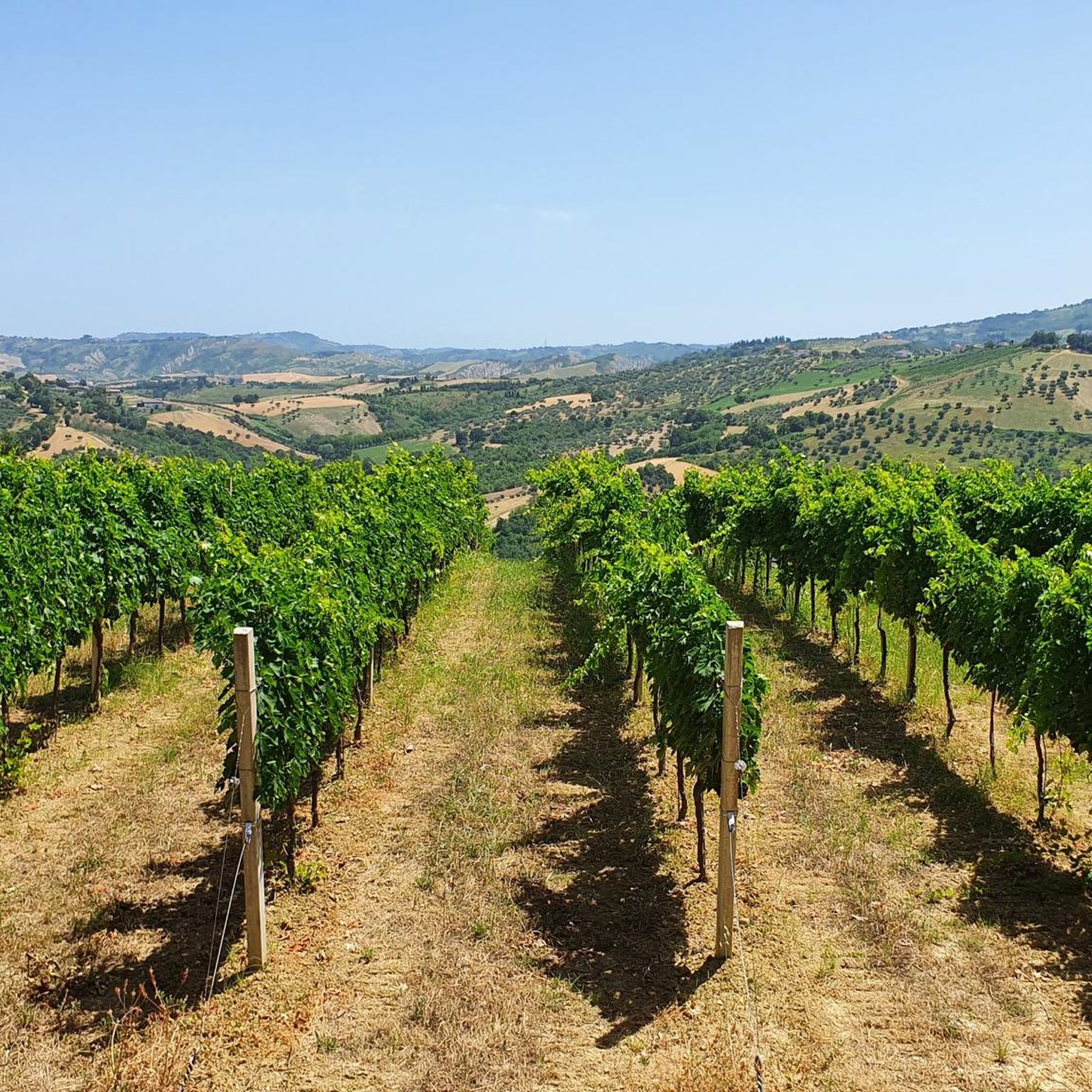
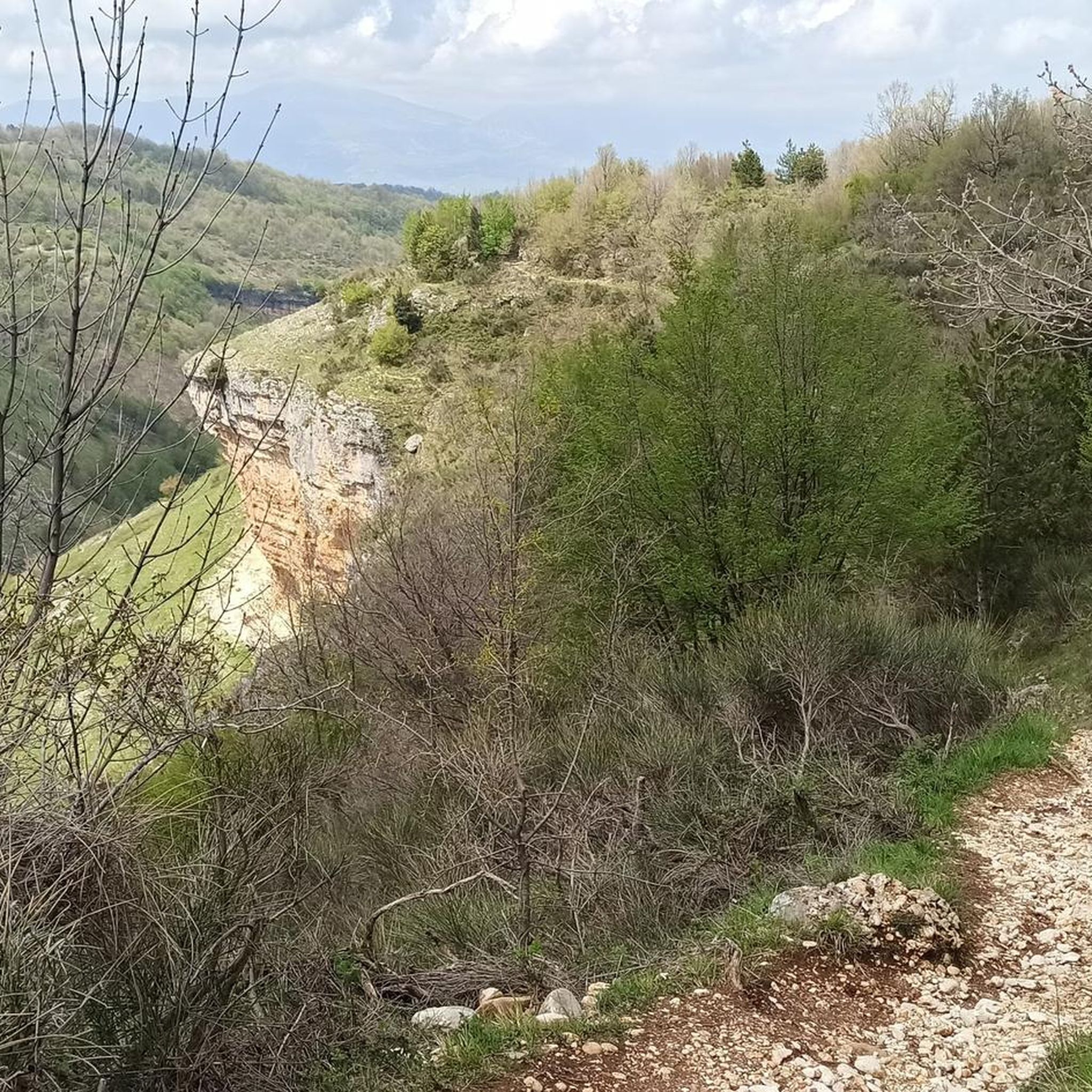
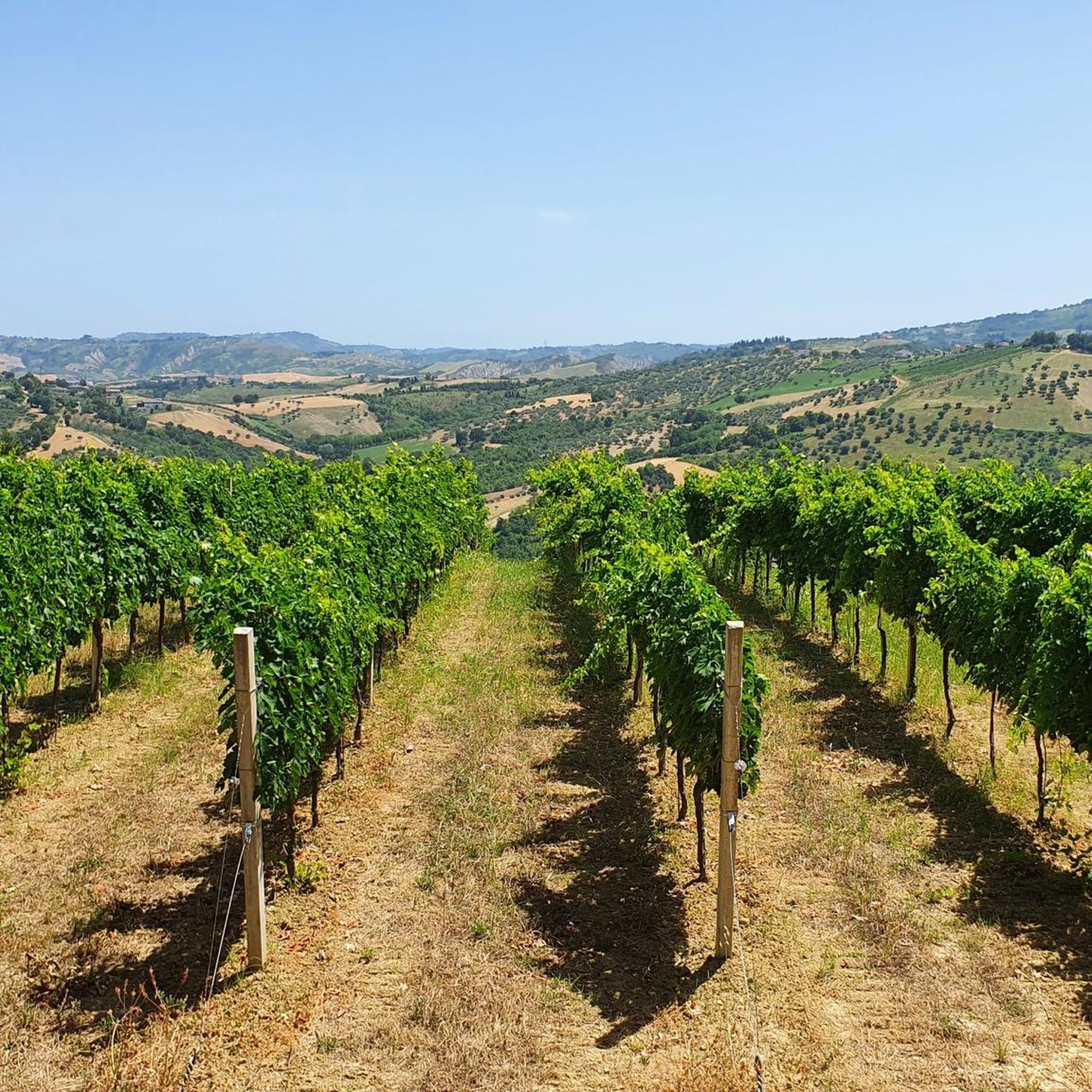
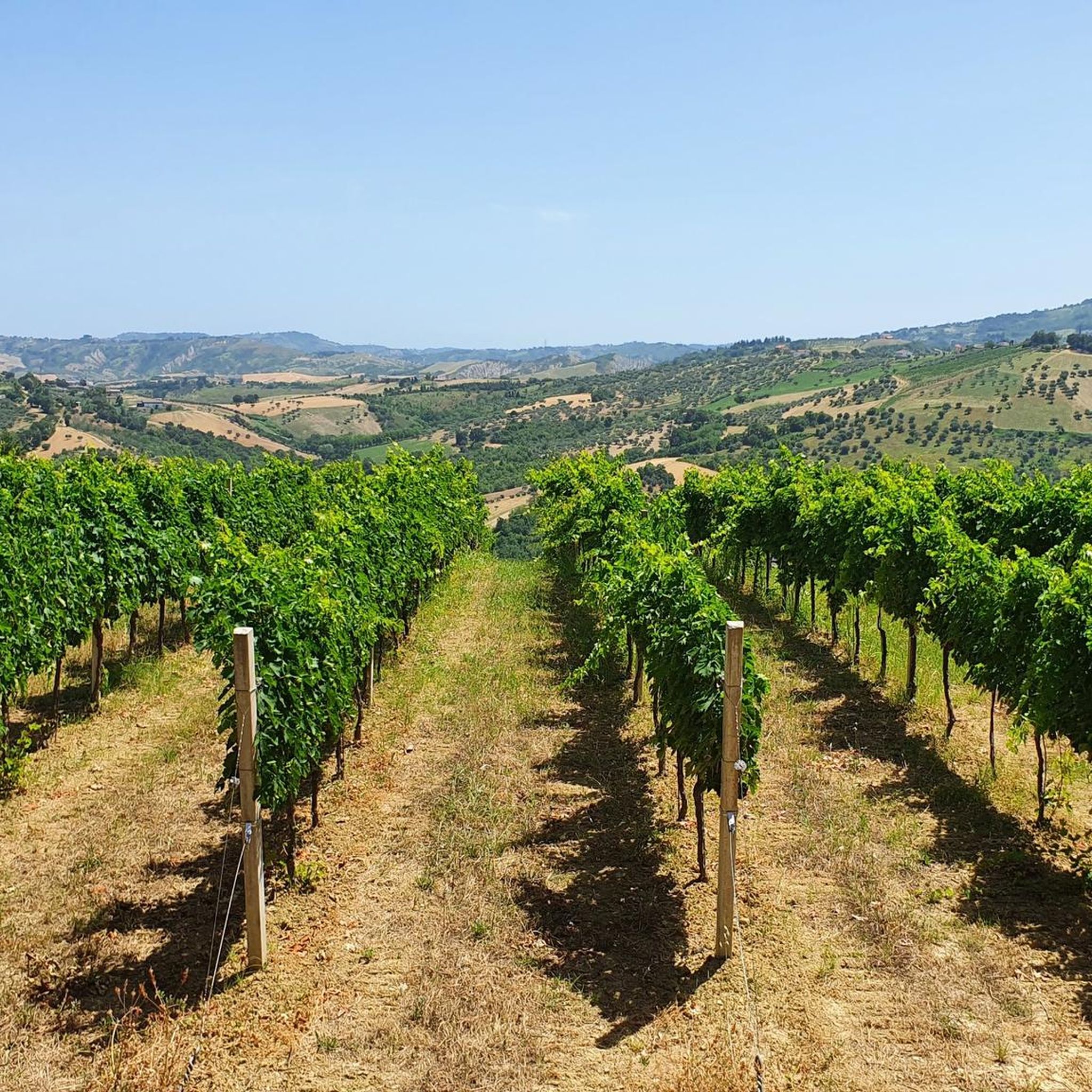
Tips from the Community

The Hermitage of San Bartolomeo in Legio is located in the Majella National Park, between the villages of Abbateggio and Roccamorice. It is a very evocative hermitage, set on the rocky wall of the Vallone dello Spirito, where the Capo La Vena stream flows. The hermitage's oratory is almost entirely embedded in the rock. There is also a 16th-century altar with a niche containing an 19th-century wooden statue depicting the saint. On August 25th, San Bartolomeo is celebrated in Roccamorice, and on this occasion, the villagers carry the wooden statue of the saint in procession from the hermitage to the village church.
1
0

The history of the Eddy Merckx Monument, located in Roccamorice on the ramps leading to the Blockhaus, is a tale that inextricably links the Belgian champion to the Maiella massif, celebrating both sporting glory and human generosity. Its roots lie in a day that changed the history of mountain cycling: a stage of the 1970 Giro d'Italia, the first time the Giro challenged the summit of the Blockhaus. On that occasion, a young Merckx—soon known as the "Cannibal"—accomplished a momentous feat, outlasting all his opponents and securing a victory that became legendary. But it was a gesture that followed the victory that cemented the community's affection: it is said that Merckx, immediately after his triumph, donated the prize money to charity. To honor this dual legacy, sporting and moral, and in anticipation of the centennial of the Giro d'Italia, the municipality of Roccamorice promoted the erection of a monument. The work was created by local craftsman Franco Aceto and sculpted from the typical white Maiella stone, and was inaugurated on May 13, 2017. Since then, the monument has become a landmark and a true cycling sanctuary for all who tackle the climb, a tangible symbol of the strength, history, and altruism that have transformed the Blockhaus into a timeless legend.
0
0
The Cathedral of Saints Valentine and Damian (real name) in San Valentino in Abruzzo Citeriore (PE) is not only the spiritual center of the village, but also a tangible testimony to its millennia-old history. Its roots date back to around the year 1000, when the village, initially known as Castrum Petrae, became the burial place (and subsequent transfer of the bodies) of the Holy Martyrs Valentine and Damian, elevating the site to a pilgrimage destination and decreeing its name change. The current building is the result of a long process of destruction and rebirth, typical of Abruzzo towns. The most crucial moment was the great Maiella earthquake of 1706, which devastated much of the area and necessitated almost complete reconstruction. It was following this earthquake that the church took on its most distinctive character. The interior, in fact, is a magnificent example of sumptuous 18th-century Baroque, the result of restoration work carried out between 1777 and 1791. Here, the wide single nave unfolds beneath a richly decorated barrel vault, punctuated by pilasters with Corinthian capitals, creating an atmosphere of great elegance and sumptuousness. In stark contrast to this interior grace, the exterior boasts a powerful salient façade flanked by twin bell towers. This end block was added only more recently (between 1920 and 1931), designed by architect Antonio Liberi, giving the cathedral the monumental appearance we know today. Guardian of the remains of the patron saints and a symbol of the village's resilience after natural disasters, the cathedral perfectly embodies the faith and history of San Valentino in Abruzzo Citeriore.
0
0

The church of San Tommaso, of the natural pink color of the local stone, is located in the heart of the Majella National Park, in the hamlet of San Tommaso.
0
0
It is one of the gates of the Maiella National Park
0
0

After passing the village of Pretoro in the direction of Passo Lanciano/Roccamontepiano, you will find the beautiful work made with Majella stone and symbol of the territory. The legend of "Lu Lope" of Pretoro recalls ancestral fears typical of mountain areas. Immersed in the Maielletta Mountain Community, Pretoro is part of the most beautiful villages in Italy not only for its historical and architectural peculiarities, but also for the intensity of its traditions. The solemn celebrations in honor of San Domenico Abate combine the sacredness of the religious festival with the profound poetry of popular beliefs. Every year, on the first Sunday of May, after the Holy Mass in the Church dedicated to the Saint, the first morning is always dedicated to the "serpari". The largest and most beautiful snakes found in the surroundings of Pretoro are carried in procession behind the statue of San Domenico and, subsequently, the serpents who have captured the three longest snakes are rewarded.
0
0


The main portal of the façade shows Christ on the throne surrounded by the twelve apostles. It is said that these Byzantine-influenced sculptures are among the most beautiful medieval sculptures in Abruzzo.
2
0
Frequently Asked Questions
What historical and cultural sites can I explore in Turrivalignani?
Turrivalignani offers a rich historical experience. You can wander through its characteristic historic center, which preserves a medieval atmosphere. Key religious sites include the 13th-century Church of Saints Giovanni Evangelista and Vincenzo Martire, known for its unique portal and crypt, and the Church of Santo Stefano Protomartire with its ancient origins and baroque interior. Don't miss the unique Case di Terra Cruda (raw earth houses), which offer a glimpse into historical agricultural life.
Are there any natural attractions or scenic viewpoints in Turrivalignani?
Yes, Turrivalignani is surrounded by natural beauty. You can enjoy outdoor activities and walks in the Pineta (Pine Forest) in Belvedere. For breathtaking panoramic views of the surrounding plains and mountains, including the Maiella and Morrone massifs, visit “La Croce”, situated at the highest point of the village. The area also features fascinating Calanchi (Badlands) and Rupestrian Caves, which served as shelters during WWII.
What are the unique natural features to see around Turrivalignani?
Beyond the pine forest, Turrivalignani is notable for its Calanchi (Badlands) and a series of rupestrian caves. These caves have a fascinating history, having provided refuge during World War II. When exploring them, it's advisable to wear appropriate footwear like trekking shoes. The village is also beautifully surrounded by the Abruzzese Apennine mountains, offering a serene natural backdrop.
What outdoor activities are available near Turrivalignani?
The region around Turrivalignani is ideal for outdoor enthusiasts. You can find numerous trails for various activities. For running, explore routes like the 'Path of the Stone Huts Loop' or 'Path of Peace - Stage 11'. Hikers can enjoy trails such as 'From Roccamorice to Eremo di San Bartolomeo' or the 'Torre di Polegra – Alento River Waterfalls loop'. Mountain biking options include routes like 'San Valentino Martire Church – Thòlos of Valle Giumentina loop'. You can find more details on these activities in the dedicated guides for running, hiking, and MTB trails around Turrivalignani.
Are there any family-friendly attractions in the area?
Many of the historical and natural sites around Turrivalignani can be enjoyed by families. The historic center and the Pineta in Belvedere offer pleasant walks. The San Valentino Martire Church and the Church of San Tommaso Becket are also listed as family-friendly. Additionally, the Eddy Merckx Monument in Roccamorice is easily accessible and can be a quick, interesting stop for all ages.
What is the significance of the Church of Saints Giovanni Evangelista and Vincenzo Martire?
The Church of Saints Giovanni Evangelista and Vincenzo Martire, founded in the 13th century, is a significant historical and architectural landmark in Turrivalignani. It features a Latin cross plan with three naves and apses, built with mountain stone. Its main trilobate portal is uniquely located on the side. The interior boasts two orders of circular columns and a crypt dedicated to Saint John, housing an ancient statue. The crypt also contains an ancient plaster statue of Saint Vincenzo, believed to possess thaumaturgical properties.
Can I visit the ancient castle of Turrivalignani?
While the original 9th-century Castle of Turri/Turrivalignani was largely demolished in the 1960s due to earthquake damage, its historical significance remains. Roman construction remains cited in a 1308 document suggest the presence of an ancient castrum romanum on the territory, with excavations revealing a circular structure, sculptures, and imperial busts. You can learn more about its history on Wikipedia.
What is Serramonacesca and what can I do there?
Serramonacesca is a characteristic hill town located at the foot of the ancient Abbey of San Liberatore a Maiella. It serves as an excellent starting point for routes to Passo Lanciano, offering challenging MTB and hiking trails through the Majella National Park. From here, you can embark on routes that lead to stunning natural landscapes and even other historical sites like the Eramo si Sant'Onofrio.
Where can I find unique local heritage in Turrivalignani?
For a truly unique local heritage experience, seek out the Case di Terra Cruda (raw earth houses). With 47 identified structures, some of which have been renovated for visitor access, these houses are a significant part of rural Abruzzese heritage and provide a fascinating insight into historical agricultural life in the region.
What is the 'Statue of the Wolf of Pretoro'?
The Statue of the Wolf of Pretoro is a beautiful work made with Majella stone, located near the village of Pretoro. It is a symbol of the territory and recalls ancestral fears typical of mountain areas. Pretoro itself is considered one of Italy's most beautiful villages, known for its historical and architectural peculiarities, as well as its vibrant traditions like the celebrations in honor of San Domenico Abate.
Are there any monuments dedicated to famous figures nearby?
Yes, in Roccamorice, you can find the Eddy Merckx Monument. This statue is dedicated to the legendary cyclist Eddy Merckx, who won the Blockhaus stage of the Giro d'Italia in 1967. It commemorates a significant moment in cycling history and his connection to the Abruzzo Apennines.
What is the 'Percorso vita' in Turrivalignani?
The 'Percorso vita' (life path) starts directly from the town center of Turrivalignani. It is a designated path that allows visitors to enjoy and admire the beautiful surrounding landscape, offering a pleasant way to experience the natural environment close to the village.
Most popular routes around Turrivalignani
Most popular attractions around Turrivalignani

Get inspired with the komoot mobile app


Explore more
Still not found the Highlight you’re looking for? See guides of the top attractions in other regions:
