Attractions and Places To See around Caporciano - Top 20
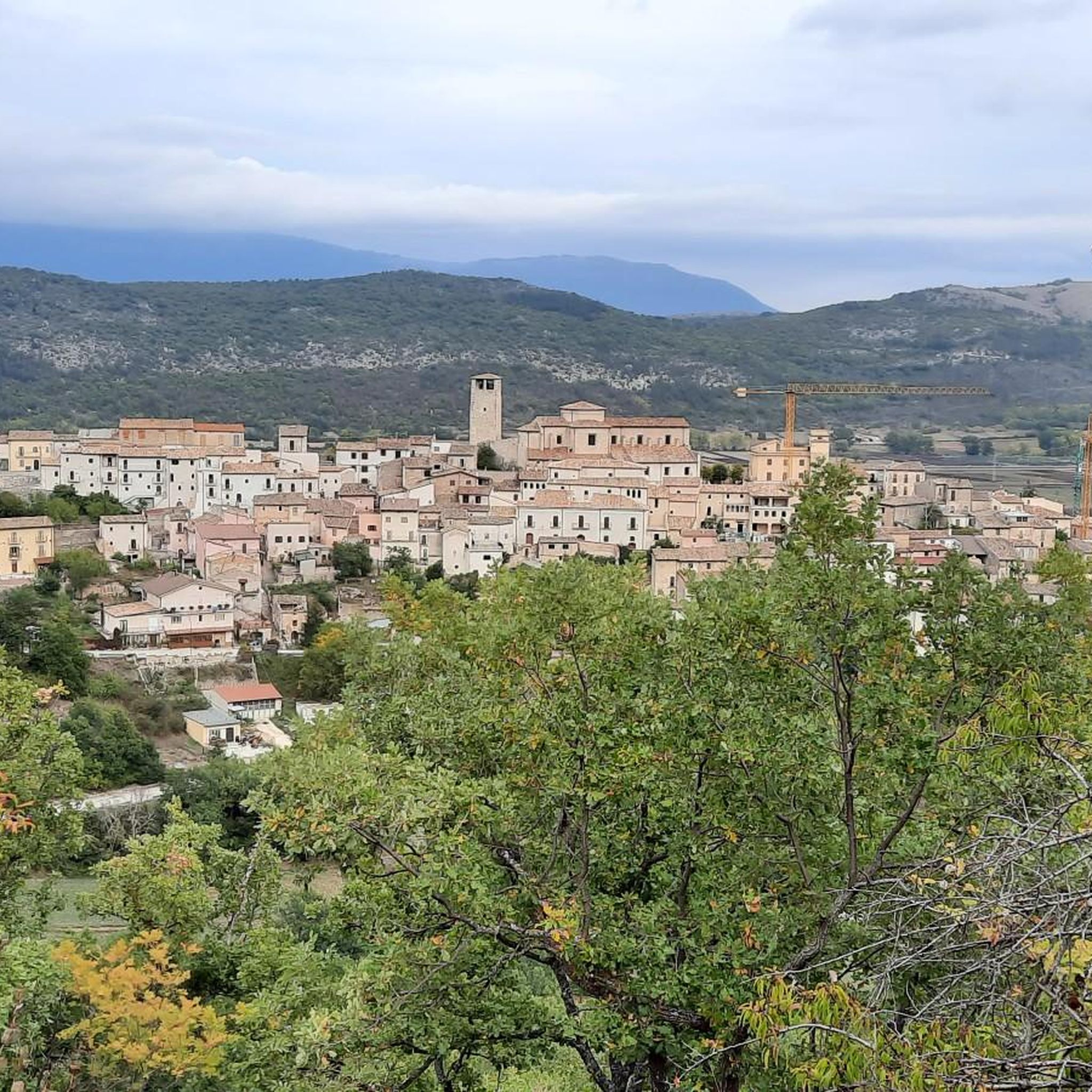
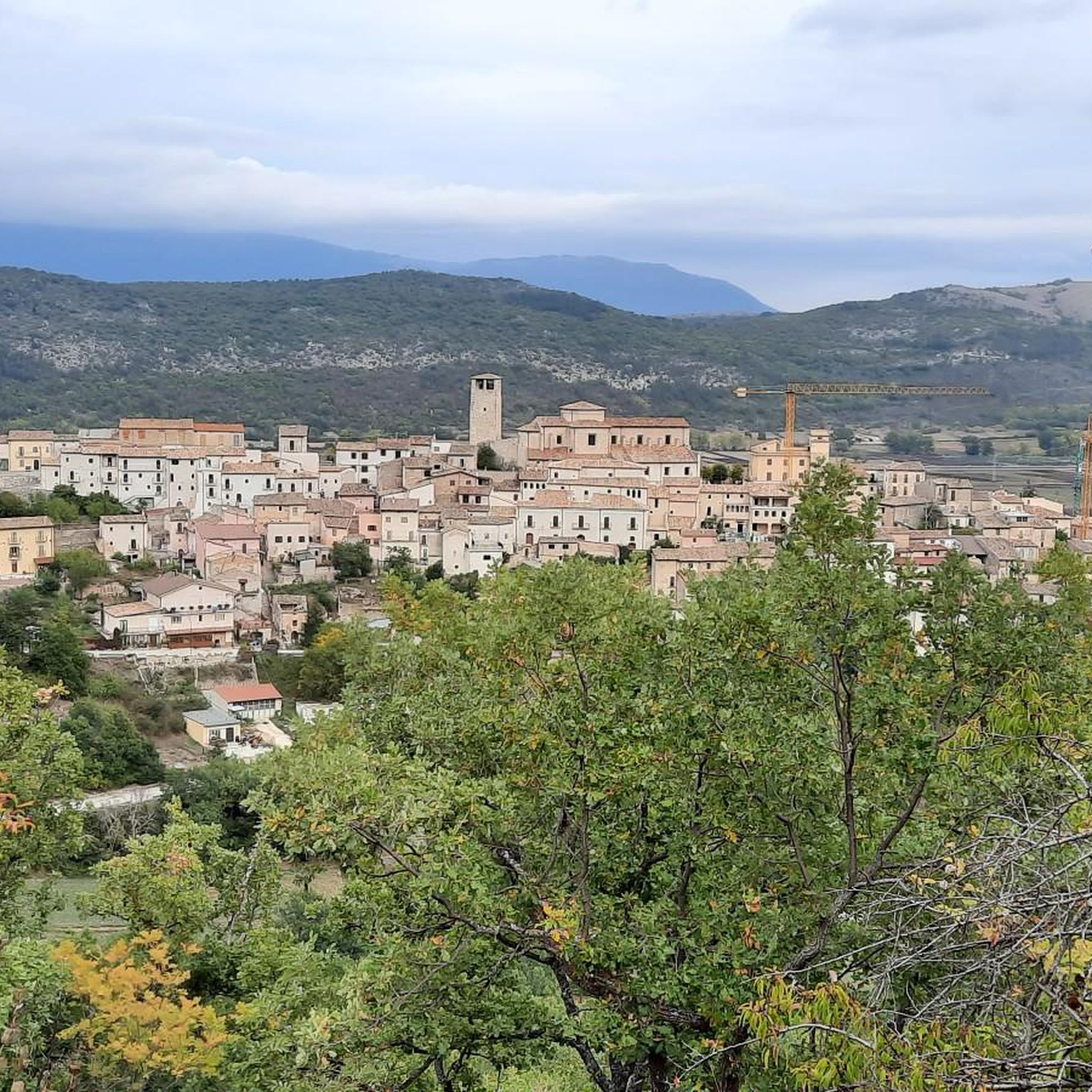
Best attractions and places to see around Caporciano include a variety of historical landmarks, cultural sites, and natural features. Caporciano is a historic medieval village located in the Abruzzo region, nestled on the Navelli plateau. The area offers a tranquil rural landscape with views of rolling fields and distant mountains. It provides a glimpse into traditional Abruzzese life and heritage.
Best attractions and places to see around Caporciano
- The most popular attractions is Rocca Calascio Castle, a castle that…
Last updated: August 30, 2026
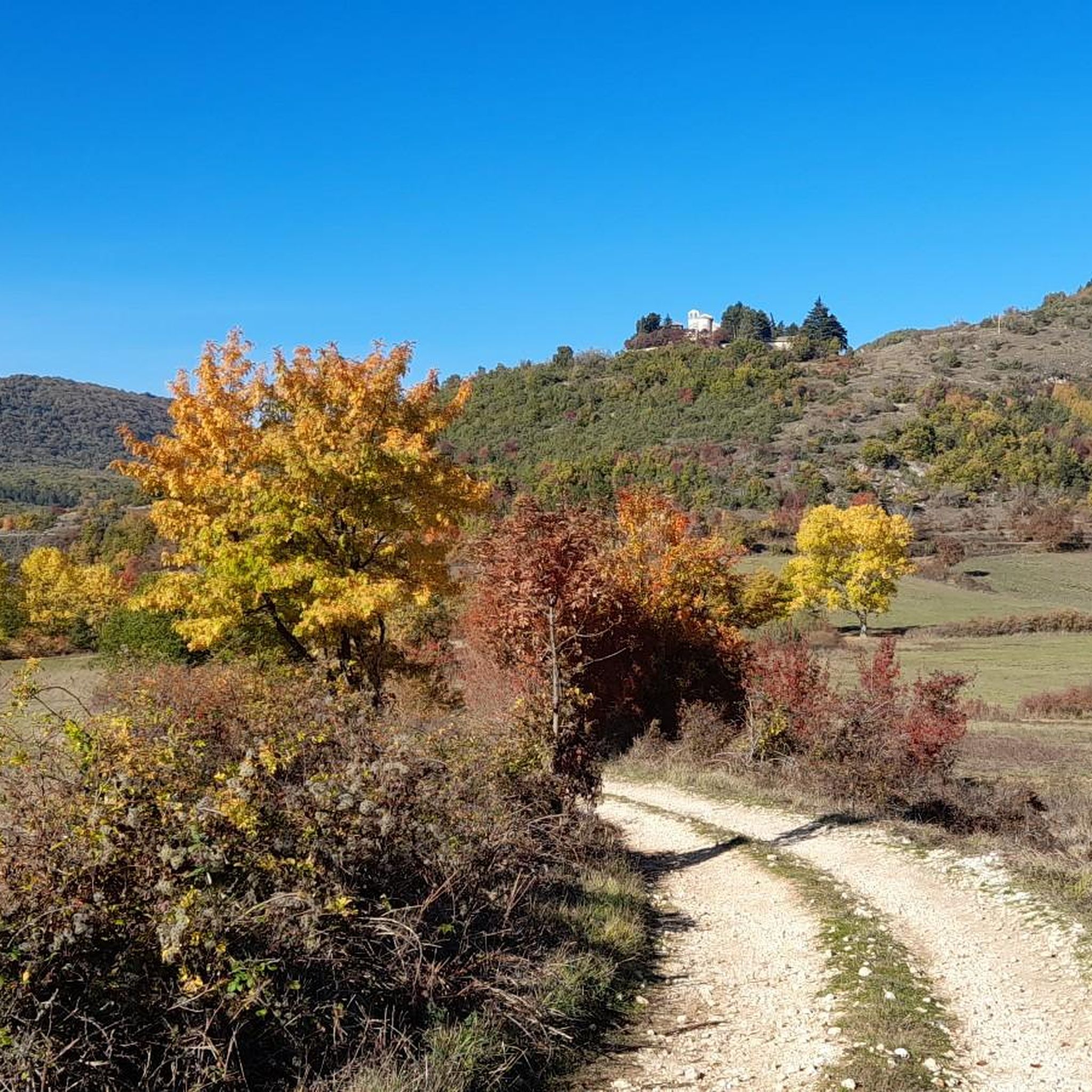
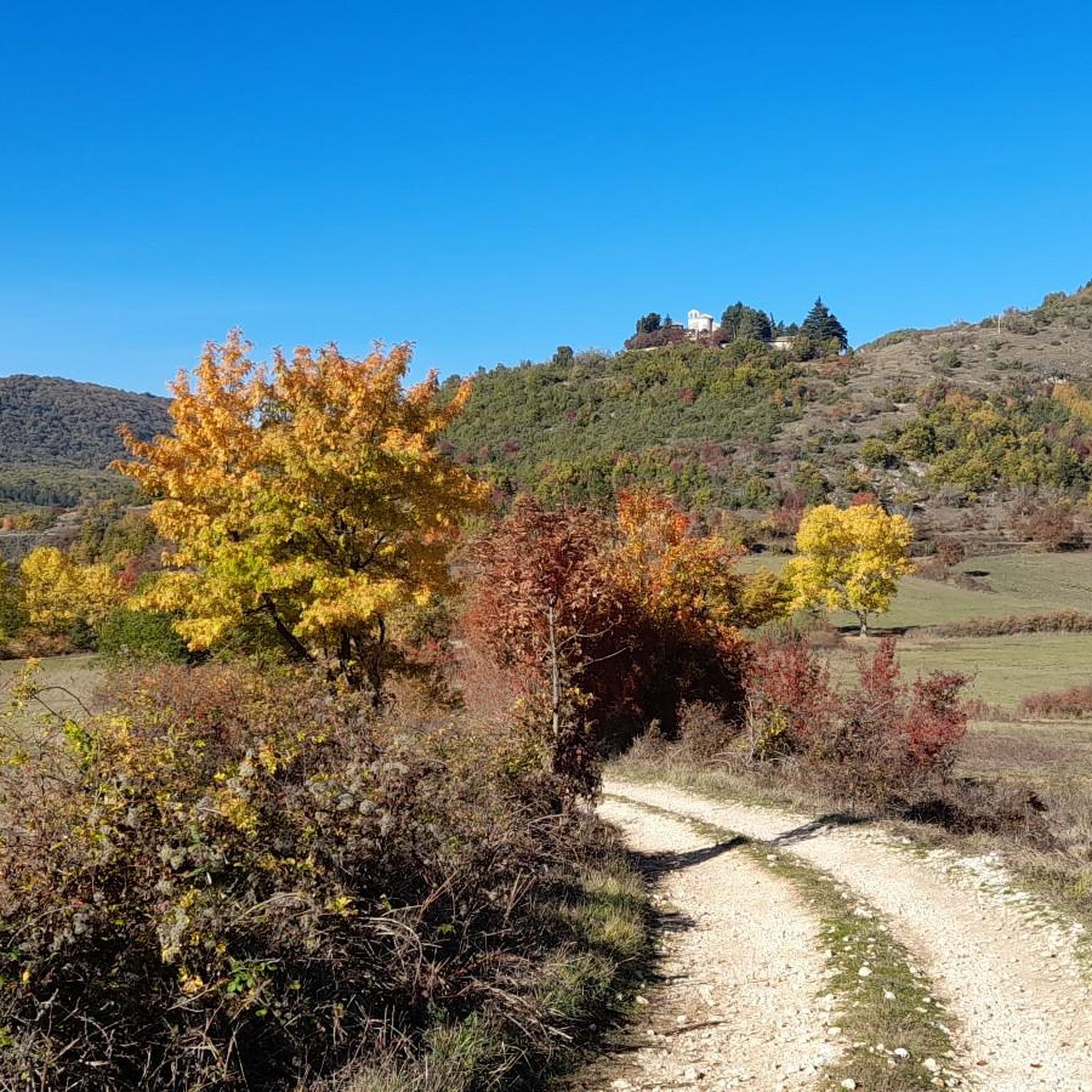
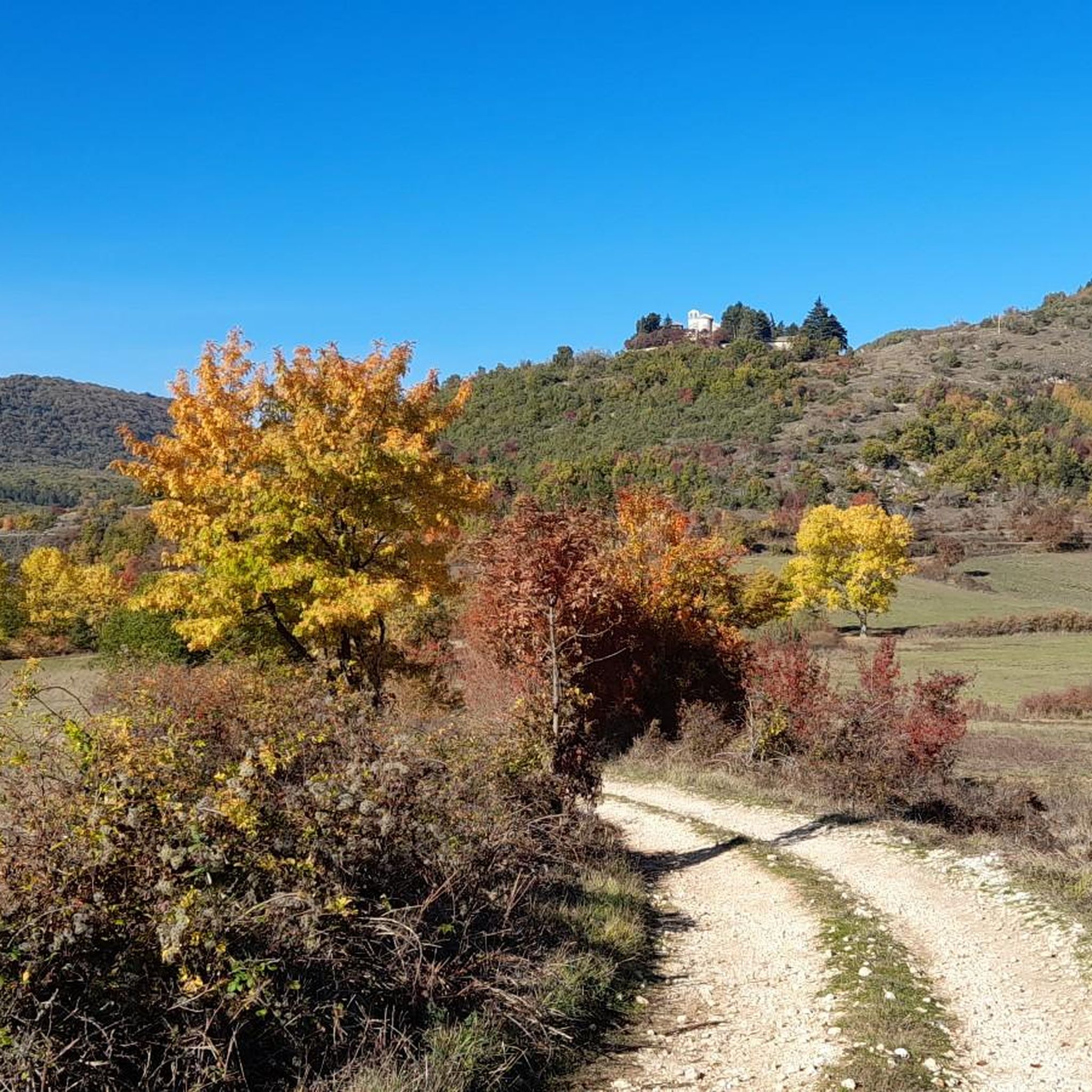
Our Lady of Pity
Highlight • Religious Site
Translated by Google •
Tip by

Rocca Calascio Castle
Highlight • Castle
Translated by Google •
Tip by

Sign up now to discover places like this
Get recommendations on the best single tracks, peaks, & plenty of other exciting outdoor places.
Sign up for free
Santo Stefano di Sessanio
Highlight • Settlement
Translated by Google •
Tip by
Lentil Fields of Santo Stefano di Sessanio
Highlight • Natural
Translated by Google •
Tip by

Pagliare di Tione
Highlight • Settlement
Translated by Google •
Tip by

Sign up for free to discover even more attractions around Caporciano.
Sign up for free
Already have an account?
Start today with a free account
Your next adventure awaits.
Login or Signup

Tips from the Community

It’s an enchanted village, walking in those narrow alleys makes you dream, just like the delicacies that Barbara and Andrea expertly prepare in their small restaurant make you dream.
0
0

The village is a little gem, it's a shame the welcome isn't great for cyclists, but it's a rather touristy area.
0
0
The village is a little gem, it's a shame about the lack of hospitality for cyclists.
0
0

A superbly beautiful village with narrow streets and delicious restaurants. However, it's also the most touristy village for miles around. Tour groups are also "delivered" here by bus.
0
0

It looks like a village from a fantasy movie. Totally unexpected!
0
0

It will be my next destination
2
0


Place rich in history. I recommend going outside of weekends and holidays.
0
0
Frequently Asked Questions
What historical and cultural sites can I explore in and around Caporciano?
Caporciano itself is a historic medieval village with ancient houses and stone lanes. You can visit the 16th-century Church of San Benedetto Abate, built over an old castle, or the Romanesque Church of San Pietro ad Oratorium, known for its 12th-century origins and frescoes. Nearby, the Bominaco Hamlet offers the Rocca Calascio Castle, a medieval fortress, and the Oratory of San Pellegrino, often called the 'Sistine Chapel of Abruzzo' for its stunning 13th-century frescoes. Another notable site is Santo Stefano di Sessanio, a medieval settlement that developed around a 14th-century Medici tower.
Are there any natural attractions or scenic viewpoints near Caporciano?
Yes, Caporciano is situated on the Navelli Plateau, offering quiet rural landscapes with views of rolling fields and distant mountains. From places like Piazza del Municipio, you can enjoy panoramic vistas. The area is also close to the Gran Sasso and Monti della Laga National Park, where you'll find the impressive Rocca Calascio Castle, one of Italy's highest castles, providing spectacular views. The Stiffe Caves, a complex of karst caves with an active resurgence, are also accessible for those willing to venture slightly further.
What kind of outdoor activities, like hiking or cycling, are available around Caporciano?
The Navelli Plateau and surrounding areas are ideal for walking and cycling. You can find various routes for different sports. For mountain biking, explore trails like the 'Bominaco Castle – Church of St. Mary of the Assumption loop from Caporciano'. Runners might enjoy the 'Rocca Calascio and loop around Monte delle Croci'. Road cyclists have options such as 'The Aterno Valley under Monte Sirente – loop in the Sirente-Velino Regional Park'. You can find more details and routes on the MTB Trails around Caporciano, Running Trails around Caporciano, and Road Cycling Routes around Caporciano guide pages.
Are there family-friendly attractions or activities in the Caporciano area?
Many of the historical sites and natural areas around Caporciano can be enjoyed by families. The medieval village of Caporciano itself is a charming place for a stroll. The Our Lady of Pity church, near Rocca Calascio, is listed as family-friendly. Exploring the ancient streets of Santo Stefano di Sessanio also offers an engaging experience for all ages. Gentle walks on the Navelli Plateau provide an opportunity to enjoy nature together.
What is the best time of year to visit Caporciano and its attractions?
The region around Caporciano is beautiful throughout much of the year. Spring and autumn generally offer pleasant temperatures for exploring historical sites and engaging in outdoor activities like hiking and cycling, with wildflowers blooming in spring and vibrant foliage in autumn. Summer is also popular, though it can be warmer, while winter offers a tranquil, often snow-covered landscape, especially in higher elevations like near Rocca Calascio Castle.
Can I visit other medieval villages near Caporciano?
Absolutely. Besides Caporciano's own medieval charm, you can visit the Bominaco Hamlet, which features a castle and two significant churches. Another highly recommended medieval settlement is Santo Stefano di Sessanio, known for its well-preserved architecture and the Medici tower. Additionally, Pagliare di Tione is an open-air museum of a medieval agro-pastoral settlement, with restored stone farmhouses.
Are there any unique religious buildings worth visiting near Caporciano?
Yes, the area is rich in religious heritage. In Caporciano, the Church of San Benedetto Abate features a magnificent Baroque interior. The Romanesque Church of San Pietro ad Oratorium, dating back to the 12th century, is notable for its sculpted façade and frescoes. The Church of Santa Maria dei Cintorelli, built in 1561, has a unique design to shelter shepherds. Near Rocca Calascio, you'll find Our Lady of Pity, a religious building constructed in 1596. In Bominaco, the Oratory of San Pellegrino is famous for its 13th-century frescoes, and the Church of Santa Maria Assunta is a Romanesque structure with ancient columns. The Church of the Holy Trinity of Pagliare is also a medieval site with Renaissance frescoes.
What makes the Navelli Plateau special for visitors?
The Navelli Plateau, where Caporciano is located, is characterized by its tranquil rural landscape, surrounded by farmland, olive groves, and open fields. It offers a quiet escape and a glimpse into traditional Abruzzese life. The plateau is ideal for gentle walks and cycling, allowing visitors to immerse themselves in nature and enjoy sweeping views of rolling fields and distant mountains. It's also historically significant as part of the ancient Tratturo Magno transhumance route.
What do other visitors enjoy most about the attractions around Caporciano?
Visitors frequently praise the historical significance and stunning scenery. Many describe Rocca Calascio Castle as a 'magical place' with 'wonderful views' and a 'spectacle that is difficult to describe.' The medieval village of Santo Stefano di Sessanio is cherished for its 'very suggestive' narrow, winding streets that lead to a 'discovery of past times.' The Our Lady of Pity church is noted for its 'wonderful building in impressive landscape' and being a 'great place to stay and take great photos.'
Are there any specific tips for visitors planning to hike near Caporciano?
When planning a hike, consider the difficulty levels of routes, which can range from moderate to difficult, especially in areas like Gran Sasso National Park. Always check trail conditions, especially seasonally. For example, higher elevations might have snow in winter. Guided walking tours are available to explore medieval streets and surrounding countryside paths. Remember to pack appropriate gear, especially for longer or more challenging trails. The area offers diverse terrain, from gentle plateau walks to more strenuous mountain ascents.
Where can I find places to eat or stay in Caporciano or nearby?
While Caporciano is a small village, you can find local cafes and restaurants offering traditional Abruzzese cuisine. For accommodation, options are available within Caporciano and in nearby hamlets like Bominaco. These typically include charming guesthouses or agriturismi that provide an authentic experience of the region. It's advisable to check local listings or booking platforms for current availability and options.
Is it possible to visit ancient transhumance routes near Caporciano?
Yes, Caporciano has a deep connection to its pastoral history, as the ancient Tratturo Magno route passes directly by the village. This historic path was used by shepherds for centuries to herd their flocks. Exploring sections of this route offers a unique way to experience the region's heritage and natural beauty, highlighting the traditional life of Abruzzo.
Most popular attractions around Caporciano

Get inspired with the komoot mobile app


Explore more
Still not found the Highlight you’re looking for? See guides of the top attractions in other regions:
