The best walks and hikes around Poggio San Lorenzo
4.4
(354)
1,414
hikers
44
hikes
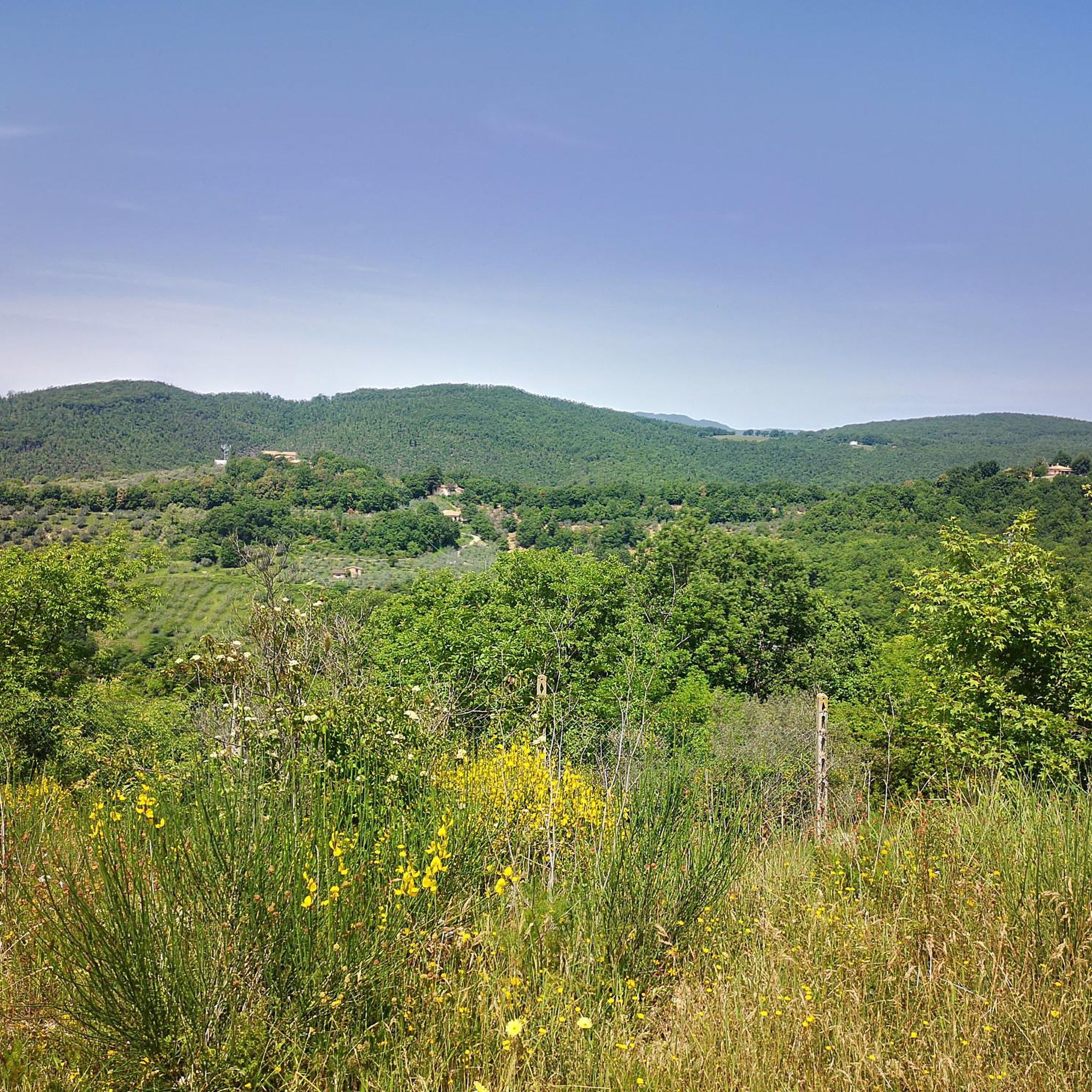
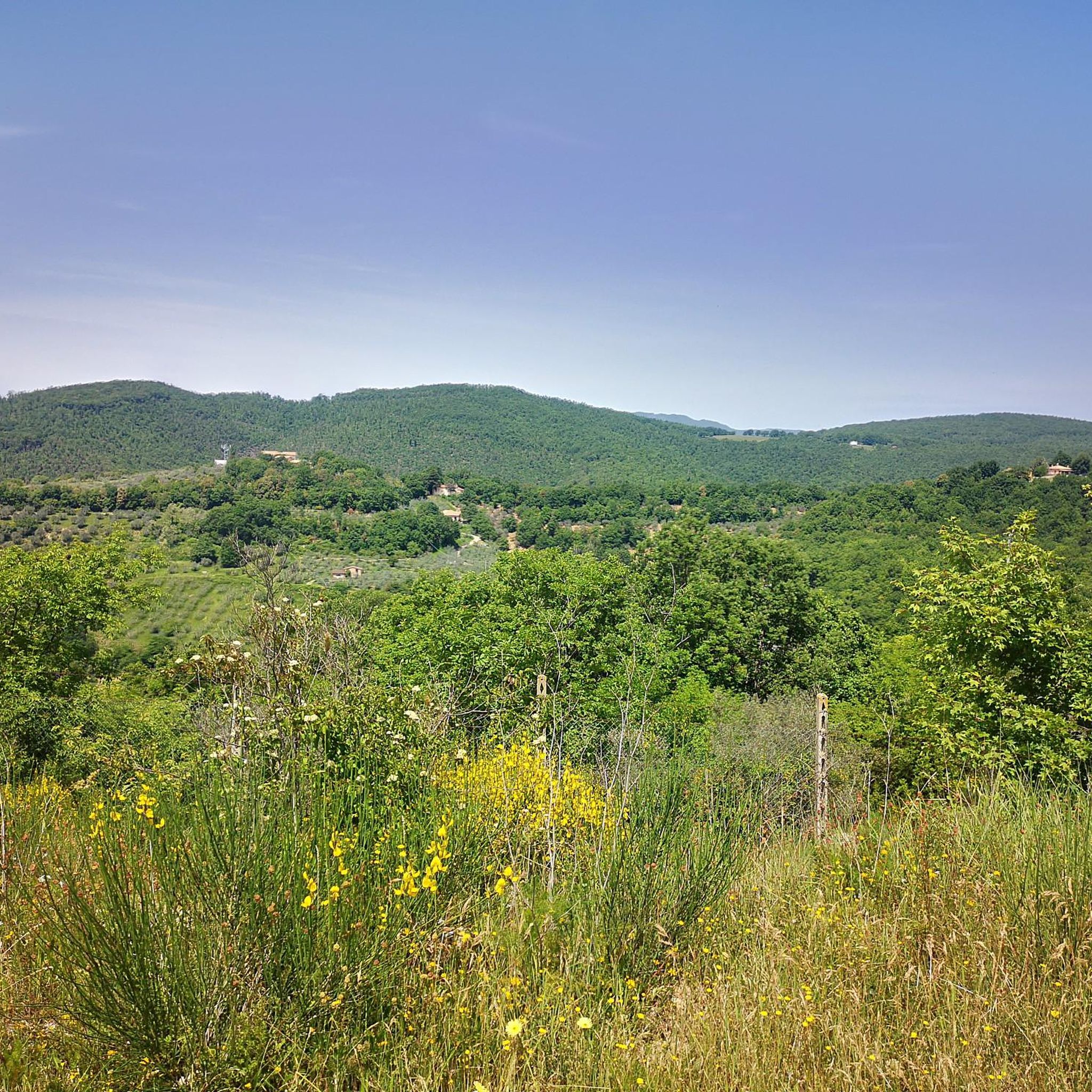
Hiking around Poggio San Lorenzo offers diverse landscapes characterized by rolling hills, ancient olive groves, and rich Mediterranean vegetation. The region features extensive olive terraces and typical Mediterranean scrubland with holm oak forests. River valleys and clear streams provide varied terrain, often leading into the surrounding hills. Hikers can also encounter historical elements, including ancient Roman ruins and medieval hilltop villages.
Best hiking trails around Poggio San Lorenzo
- The most popular hiking route is From Poggio Moiano to the Roman…
Last updated: July 9, 2026
1.5
(2)
7
hikers
8.75km
02:30
210m
210m
Moderate hike. Good fitness required. Easily-accessible paths. Suitable for all skill levels.
4.6
(18)
124
hikers
Hard hike. Very good fitness required. Easily-accessible paths. Suitable for all skill levels.

Sign up for free
4.7
(21)
136
hikers
Hard hike. Very good fitness required. Easily-accessible paths. Suitable for all skill levels.
4.2
(5)
17
hikers
12.7km
04:35
750m
750m
Moderate hike. Good fitness required. Easily-accessible paths. Suitable for all skill levels.
4.3
(3)
12
hikers
11.8km
03:56
520m
520m
Moderate hike. Good fitness required. Easily-accessible paths. Suitable for all skill levels.
Get access to more routes and recommendations from other explorers.
Sign up for free
Already have an account?
Our route recommendations are based on thousands of hikes, rides, and runs completed by other people on komoot.
Start today with a free account
Your next adventure awaits.
Login or Signup
Tips from the Community

Top of Mount Pelato, little shade since it's bald!
0
0

Poggio S. Lorenzo 'a jewel'. Capafarfa oil mill, oil in Roman times (in the structure there is a tunnel that takes the visitor back to the ROMAN PERIOD, in this case to the AQUEDUCT. But, in the village, we even find a fragment of the WALLS at least 100 m. simply MAJESTIC.
0
0

Rocca Sinibalda dominates the lush Turano Valley from above, the second most important river in Sabina after the Velino. The village is dominated by a castle founded around 1060. It was rebuilt as a fortress and noble residence in the 1630s by Cardinal Alessandro Cesarini who hired the famous Sienese architect Baldassarre Peruzzi for the occasion. It can only be visited on certain days. It is therefore advisable to inform yourself before departure.
0
0

Drinking water fountain on the "Via di Francesco"
0
0
The Sabine city of Trebula Mutuesca, (or Trebula Mutusca) mentioned by Publius Virgilio Marone in the Aeneid, was located in Lazio, in the province of Rieti, in the territory of the current town of Monteleone Sabino, at 496 meters above sea level , on the southern slopes of the Sabine mountains, about 60 km from Rome. Pliny the Elder mentions two Trebulan peoples: Trebulani qui cognominantur Mutuscaei, et qui Suffenates. The ancient site is located in Monteleone Sabino, a village about 3 km to the right of the Via Salaria, between Osteria Nuova and Poggio San Lorenzo. Here notable ruins of the ancient Roman center emerge, including those of a theatre, baths or spas and parts of the ancient flooring. Several inscriptions have been found, some of which bear the name of its people, Plebs Trebulana, Trebulani Mutuscani and Trebulani Mut., which removes any doubt about the attribution of the site.... continue on the site "https://www. romanoImpero.com/2020/04/trebula-mutuesca-monteleone-lazio.html"
1
0

The Castle of Rocca Sinibalda, located in the province of Rieti, has a rich and fascinating history. Its construction dates back to the 10th century and was built to defend the surrounding area and control the territory. Over the centuries, the castle passed between various noble families, including the Savellis, the Orsinis and the Sinibaldis, from which it takes its name.
1
0

beautiful, May 14 feast of San Vittoria
0
0

Declared a national monument in 1928, Rocca Sinibalda and its imposing castle have always exerted a great charm on the visitor. Its dominant position over the Turano Valley has made it a strategic point for innumerable populations and families since its foundation, probably dating back to the 11th century.
0
0
Frequently Asked Questions
What kind of terrain can I expect on hikes around Poggio San Lorenzo?
Hiking around Poggio San Lorenzo features diverse terrain, from gentle river valleys to ascents into rolling hills. You'll encounter ancient olive groves, extensive olive terraces, and typical Mediterranean scrubland with holm oak forests. Many paths also wind through beautiful countryside with constant vistas of medieval hilltop villages and ancient Roman remnants.
Are there many hiking options for different skill levels?
Yes, Poggio San Lorenzo offers a good variety of hiking options. There are over 40 routes in total, including 14 easy trails perfect for a relaxed stroll, 22 moderate routes for a more engaging experience, and 8 challenging trails for experienced hikers seeking a greater adventure.
Can I find circular hiking routes in the area?
Absolutely. Many trails around Poggio San Lorenzo are circular, allowing you to start and end in the same location. An example is the From Poggio Moiano to the Roman amphitheater - Circular walk, a moderate 5.4-mile route that includes historical points of interest.
What historical or natural landmarks can I see while hiking?
The region is rich in both natural beauty and historical significance. You might encounter ancient Roman walls, old Roman bridges like the Ponte Sanbuco, and medieval hilltop villages. Natural highlights include a remarkable centuries-old holm oak near the ancient Baths of Emperor Titus, and the opportunity for wildlife observation at the Piano dell'Abatino Wildlife Park. You can also explore highlights like the Rocca Sinibalda Castle or the Ponte Vecchio of Posticciola.
Are there any waterfalls accessible on the hiking trails?
Yes, the area features beautiful natural water features. You can discover the Pozze del Diavolo Waterfall and the Vallocchie Waterfall, both of which are notable natural monuments in the vicinity of Poggio San Lorenzo.
Is Poggio San Lorenzo part of any long-distance or pilgrimage routes?
Yes, Poggio San Lorenzo is a significant stop along the historic Via di San Francesco (St. Francis Way). This renowned pilgrimage route traverses the Holy Valley of Rieti and the Sabina region, offering culturally rich hikes that connect various villages and provide scenic views.
What do other hikers say about the trails in Poggio San Lorenzo?
The routes in Poggio San Lorenzo are highly rated by the komoot community, with an average score of 4.4 stars from over 280 reviews. Hikers often praise the varied terrain, the blend of natural beauty with historical sites, and the constant vistas of medieval hilltop villages.
What is the best time of year to go hiking in Poggio San Lorenzo?
The region offers beautiful autumn colors, making it a particularly scenic time for hiking. The Mediterranean climate generally allows for pleasant hiking conditions through much of the year, though spring and autumn are often ideal to avoid the summer heat and enjoy the vibrant landscapes.
Are there any challenging hikes for experienced trekkers?
For experienced trekkers, there are several challenging routes. One such difficult path is the View of Monteleone Sabino – Church of Santa Vittoria loop from il Torraccio a Poggio Moiano, an 18.0-mile trail offering panoramic views and historical sites. Another is the Amphitheater of Trebula Mutuesca – Church of Santa Vittoria loop from Ginestra, a 15.2-mile trail through ancient Roman remains.
Are there opportunities for wildlife spotting on the trails?
Yes, the Piano dell'Abatino Wildlife Park, established as a refuge for native and exotic wild animals, offers a unique opportunity for wildlife observation within a natural setting. The diverse Mediterranean scrubland and forests also provide habitats for various local species.
What kind of views can I expect on the hikes?
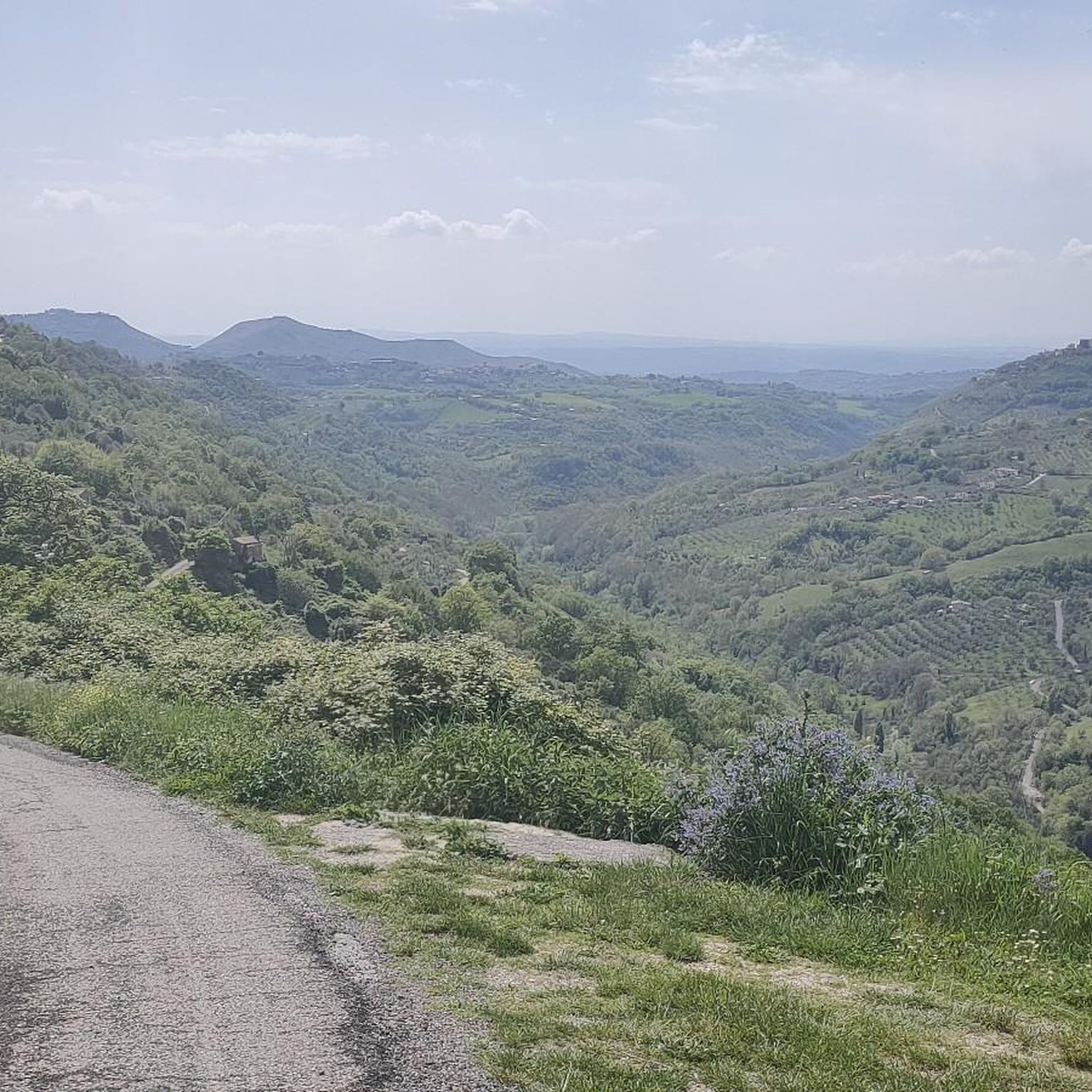
Hikes in Poggio San Lorenzo offer constant vistas of medieval hilltop villages, rolling hills, and expansive olive groves. Many trails follow river valleys before ascending, providing panoramic views of the verdant Sabina region and its characteristic Mediterranean landscape.
Can I find routes that lead to summits or high points?
Yes, some routes will take you to higher elevations with rewarding views. For example, the Fonte Castello – Cima Casarene Summit Cross loop from Poggio Moiano is a moderate 7.9-mile route that includes a summit. Another option is the Summit Cross of Monte Pelato – Rocca Sinibalda Castle loop from Rocca Sinibalda.
Most popular attractions around Poggio San Lorenzo

Get inspired with the komoot mobile app


Explore more
Browse the best Hikes in other regions.
