Attractions and Places To See around Scandriglia - Top 20
Best attractions and places to see around Scandriglia include a mix of historical, cultural, and natural sites. This charming town, nestled in the province of Rieti, Lazio, is situated at the northern foothills of the Lucretili Mountains. The area offers a tranquil escape with captivating landscapes and ancient heritage, providing numerous paths for exploration. Scandriglia's rich history dates back to Roman times, making it a destination for those interested in culture, history, and nature.
Best attractions and places to see…
Last updated: August 30, 2026
Ponte Vecchio of Posticciola
Highlight • Bridge
Translated by Google •
Tip by

San Rocco Chapel at Lake Turano
Highlight • Religious Site
Translated by Google •
Tip by

Sign up now to discover places like this
Get recommendations on the best single tracks, peaks, & plenty of other exciting outdoor places.
Sign up for free
Amphitheater of Trebula Mutuesca
Highlight • Historical Site
Translated by Google •
Tip by

Ruins of San Martino Abbey on Mount Acuziano
Highlight • Historical Site
Translated by Google •
Tip by

Abbey of Farfa
Highlight • Religious Site
Translated by Google •
Tip by

Sign up for free to discover even more attractions around Scandriglia.
Sign up for free
Already have an account?
Start today with a free account
Your next adventure awaits.
Login or Signup
Tips from the Community

Chapel of San Rocco
0
0

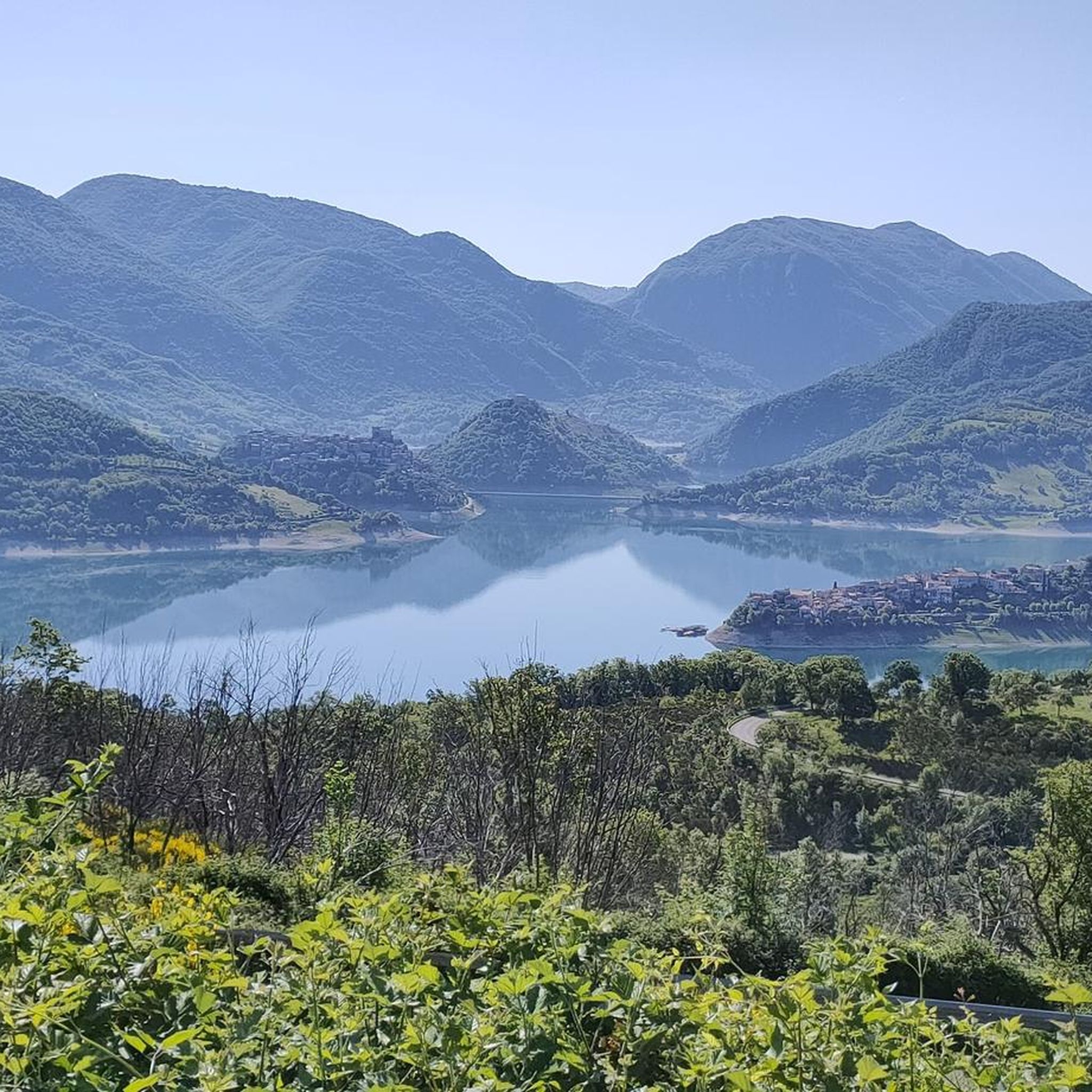
It is located just before the bridge that crosses the lake and leads to Castel di Tora
4
0

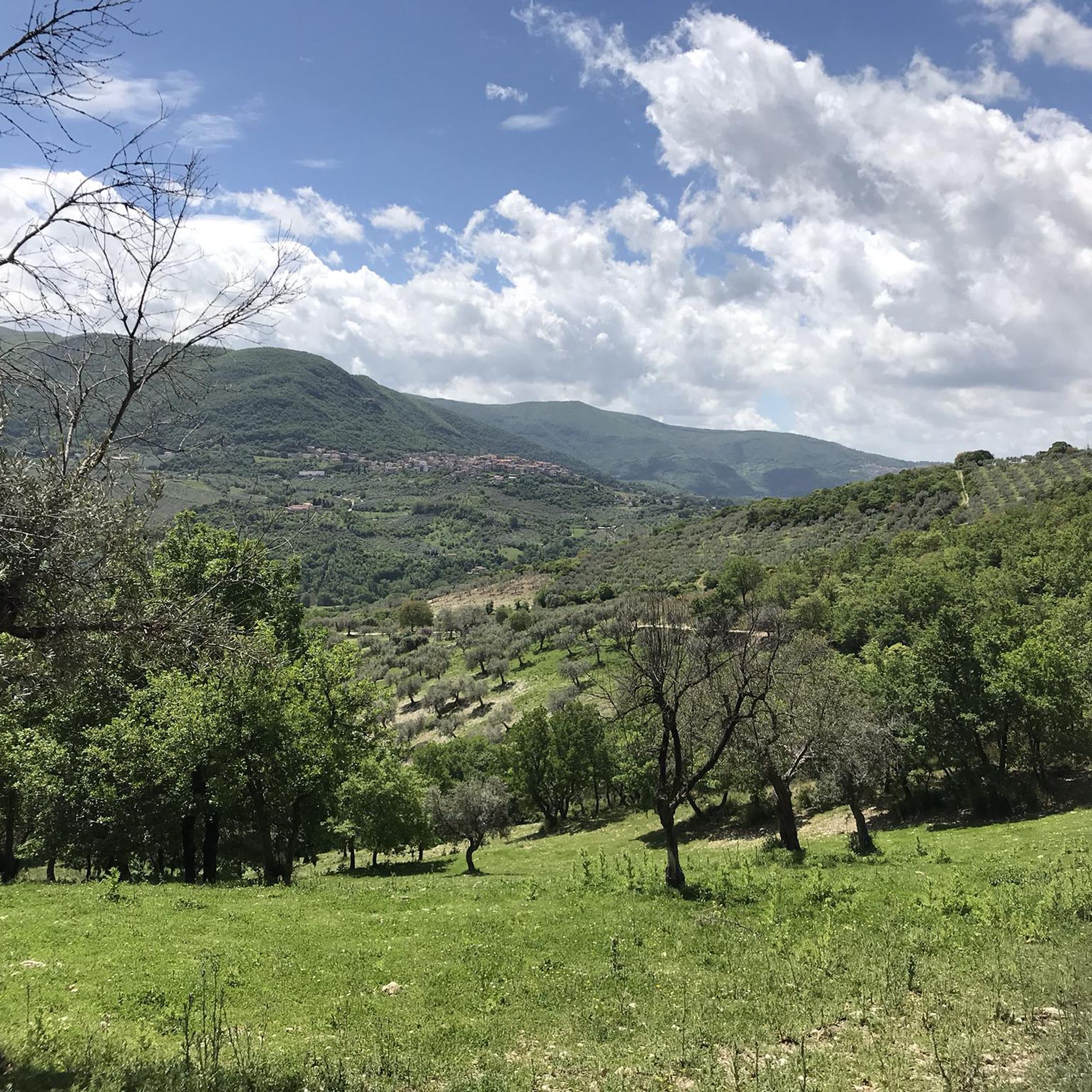
Beautiful village with an abbey that is worth a visit. From Fara Sabina there is a very long singletrack that is very fun to do only by MTB
0
0

San ROCCO was chosen as the patron saint for this church and the corresponding parish. Saint Roch was born in the middle of the 14th century in Montpellier, France. He is popularly regarded as the "plague saint" - alongside Saint Sebastian. A characteristic feature of Roch's depiction in paintings and as a statue is that he is usually pointing to a plague boil on his leg; a dog can also often be seen at his feet, because according to legend, when he was caring for plague victims, he himself became ill and withdrew into solitude, and the dog provided him with bread every day. The memorial day of San Rocco in the calendar of saints is August 16th.
0
0

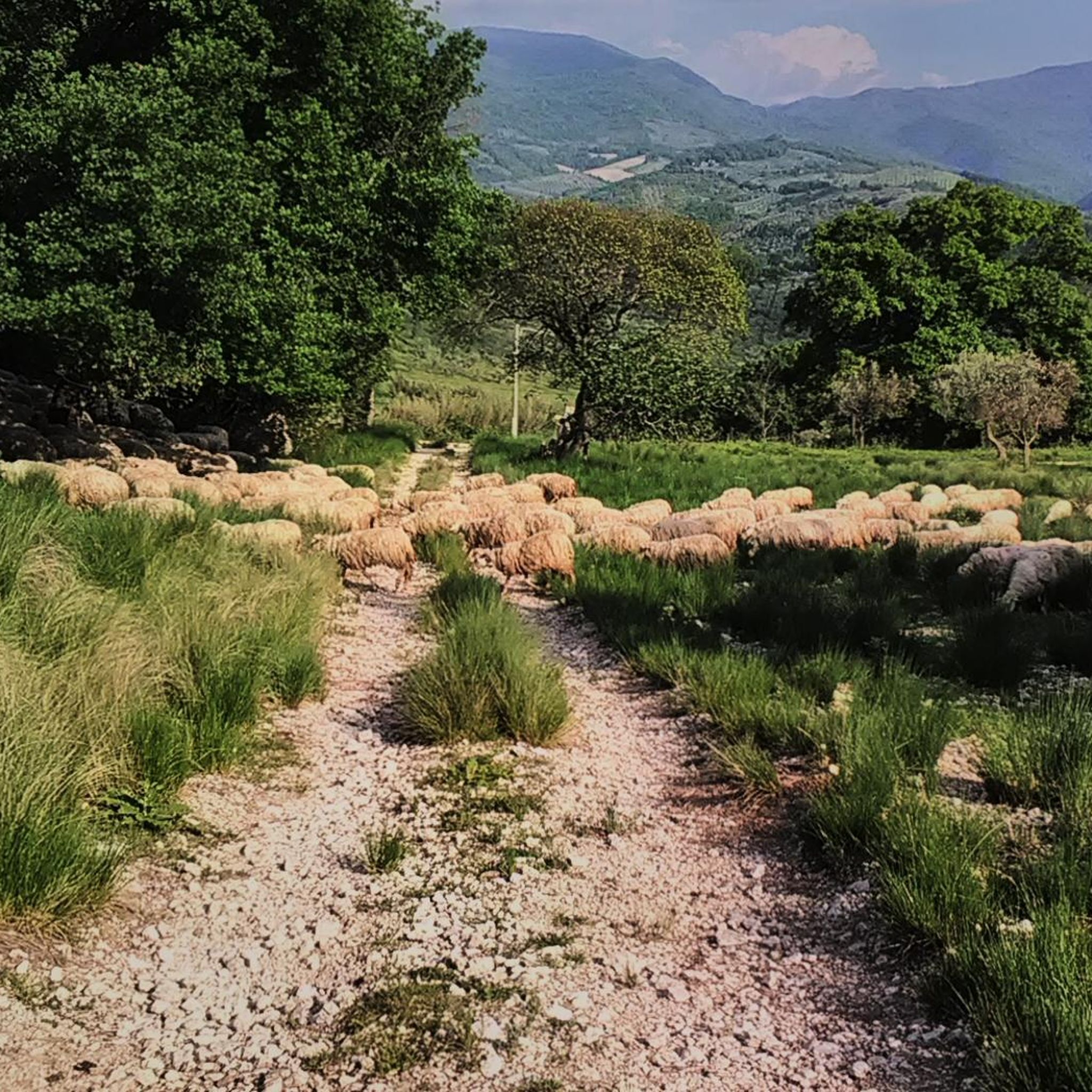
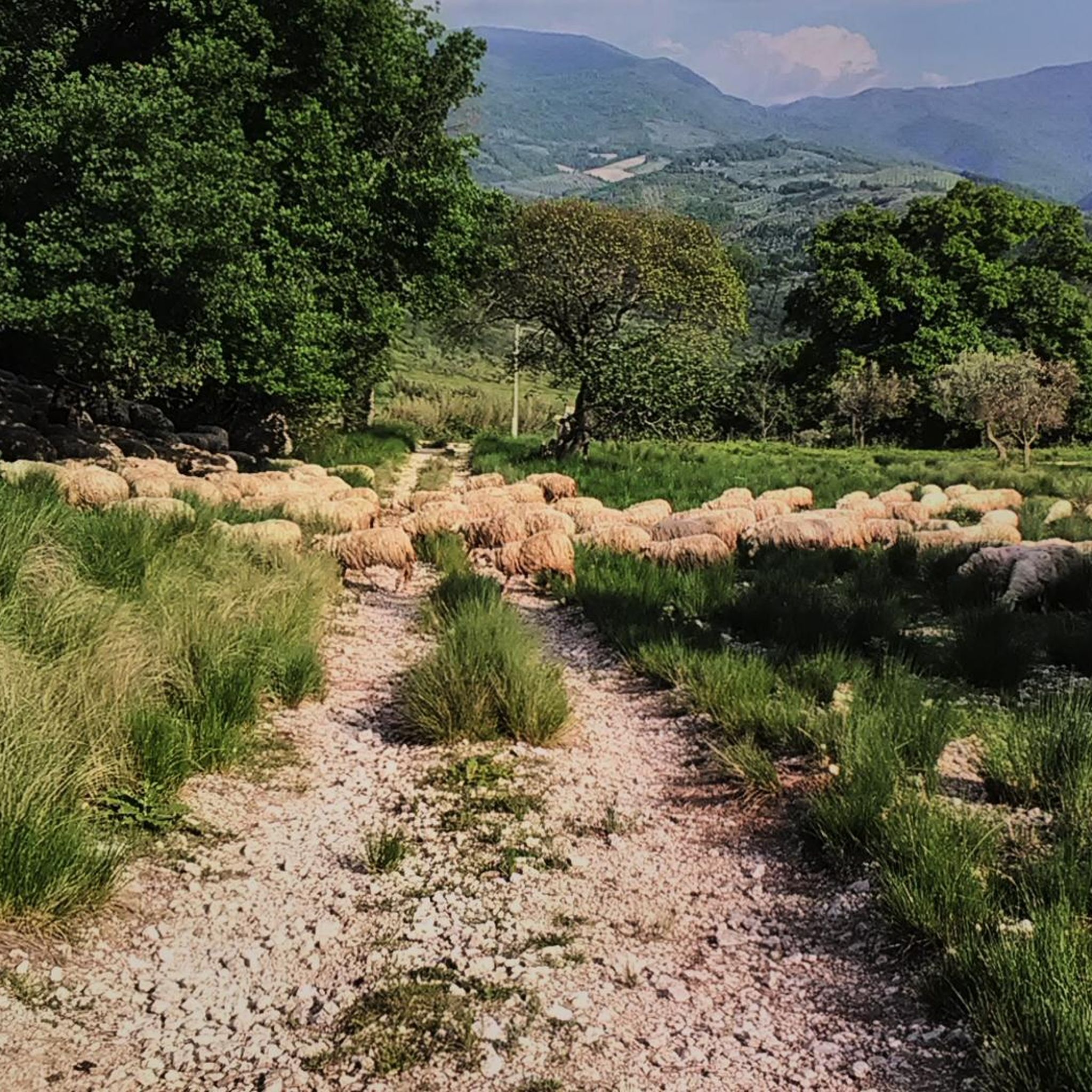
The Romanesque bridge dates back to the 11th century, but was probably built on a pre-existing building of an unspecified period, of rare beauty, still usable but which requires urgent and significant restoration. In the two pillars it is possible to notice the three "holes" used to insert wooden poles horizontally, capable of supporting the "centre" for closing the stone arch. As you pass the bridge on the left, going up towards Posticciola, there is still a clear trace of "Garitta Muraria" where the border point with the Papal State and Kingdom of the Two Sicilies was made, and with the "horizontal transhumance" the duty for the ride. Transhumance has an ancient history which most likely coincides with the history of breeding itself and was regulated and disciplined since Roman times by a set of laws of taxes to be paid in the various customs. Transhumance derives from the Latin "trans" (beyond) and "humus" (earth) = pastoralism transmigrating with the seasons, along the sheep tracks (from the Latin "tractoria" = the shepherds' roads). In southern Italy transhumance was divided into "vertical" and "horizontal". The first concerned the Kingdom of the Two Sicilies, with several sheep tracks that connected from Abruzzo to Puglia (the most important was the famous "Tratturo Magno"). Horizontal transhumance, however, also of ancient origins, descended into the Roman countryside and increased considerably in 1477, when Pope Sixtus IV forced all the shepherds of the "Kingdom of the Church" to take their animals to winter in the Agro Romano. Transhumance in Lazio reached its peak starting from 1800, when the "vertical" one entered into crisis. This was usually in provincial sections from Umbria towards Civitavecchia, from the Marche towards Polo and Maccarese, from Abruzzo towards the Roman countryside, from Ciociaria towards Anzio and Terracina. http://www.magiadelturano.it/index.php/posticciola/ponte-romanico
0
0
The Sabine city of Trebula Mutuesca, (or Trebula Mutusca) mentioned by Publius Virgilio Marone in the Aeneid, was located in Lazio, in the province of Rieti, in the territory of the current town of Monteleone Sabino, at 496 meters above sea level , on the southern slopes of the Sabine mountains, about 60 km from Rome. Pliny the Elder mentions two Trebulan peoples: Trebulani qui cognominantur Mutuscaei, et qui Suffenates. The ancient site is located in Monteleone Sabino, a village about 3 km to the right of the Via Salaria, between Osteria Nuova and Poggio San Lorenzo. Here notable ruins of the ancient Roman center emerge, including those of a theatre, baths or spas and parts of the ancient flooring. Several inscriptions have been found, some of which bear the name of its people, Plebs Trebulana, Trebulani Mutuscani and Trebulani Mut., which removes any doubt about the attribution of the site.... continue on the site "https://www. romanoImpero.com/2020/04/trebula-mutuesca-monteleone-lazio.html"
1
0

The Romanesque bridge (or Ponte Vecchio) near Posticciola is a really good example of the time it was. Formerly a post station and place of transit for transhumance, the bridge preserves the layout of a medieval Sabine village well.
2
0

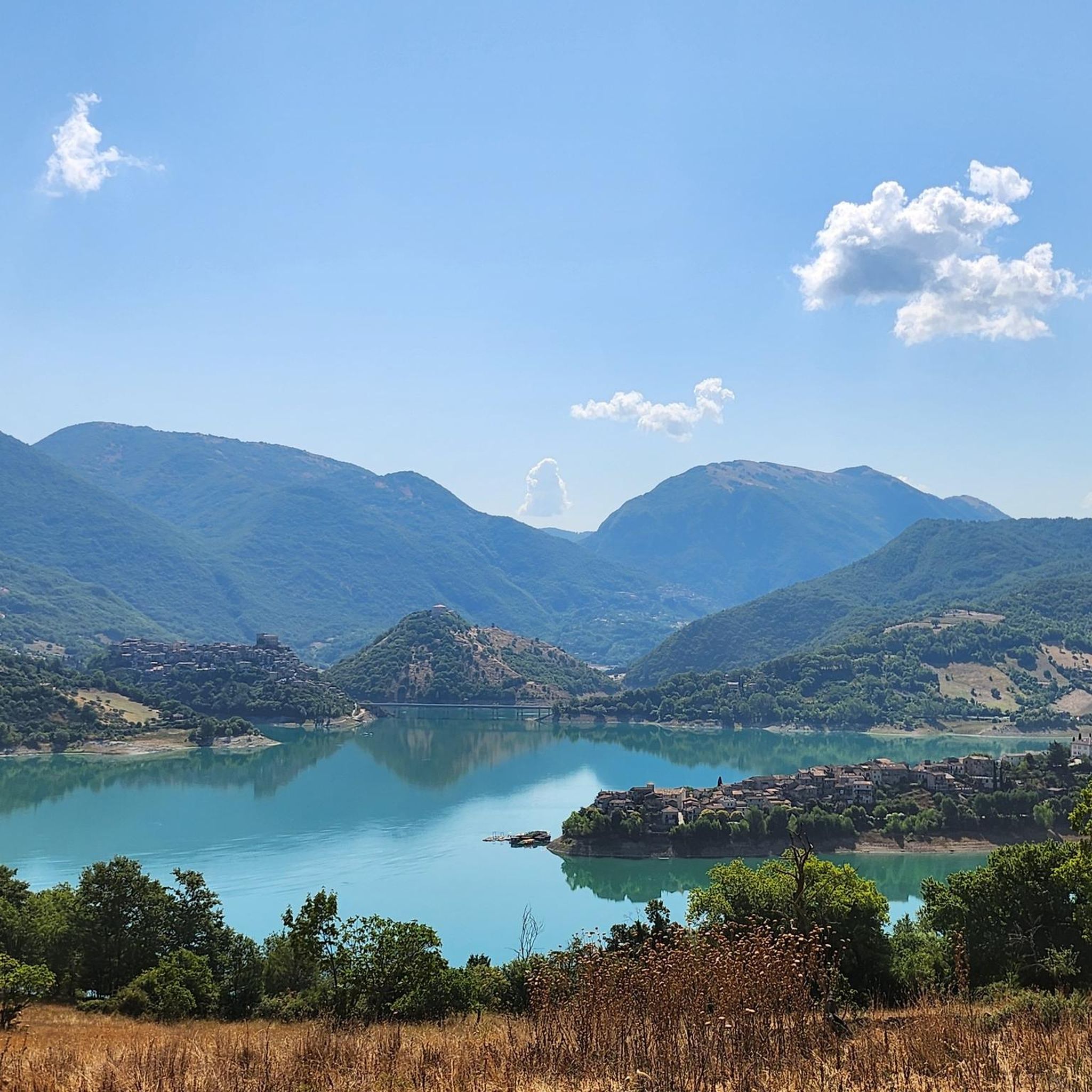
This small church is located on the shores of Lake Turano, just before the bridge to Castel di Tora, in an oasis of peace and serenity.
1
0
Frequently Asked Questions
What historical sites can I explore in Scandriglia?
Scandriglia is rich in history. You can visit the well-preserved Ponte Vecchio of Posticciola, a Romanesque bridge that retains the character of a medieval Sabine village. Other notable historical sites include the prestigious Palazzo Degli Anguillara, dating back to the 1400s, and The Rocca, which offers distinct medieval evidence of Scandriglia's past as a fortified settlement. Don't miss the archaeological remains at Cima Coppi, featuring a settlement tower and an altar to Jupiter, or the remnants of ancient Roman villas in Madonna of Colors.
Are there any significant religious buildings to visit in the area?
Yes, Scandriglia has several significant religious sites. The Abbey of Farfa is a well-preserved monastery with a rich history, offering a place of worship and relaxation. You can also visit the Church of the Assumption, a medieval church with an 18th-century renovation, whose bell tower is built on a Roman watchtower. The Sanctuary of Our Lady of Grace, dating back to 1370, and the Benedictine Monastery of the Holy Savior on Mount Pendente, an 11th-century Romanesque masterpiece, are also worth exploring. The Church of St. Mary of Colle in Ponticelli Sabino features 13th to 16th-century votive frescoes.
What natural attractions are there around Scandriglia?
Scandriglia is nestled at the northern foothills of the Lucretili Mountains, offering captivating landscapes. The Lucretili Mountains Park provides numerous paths and diverse flora and fauna. You can also explore Monte Serrapopolo, a long carbonate ridge within the park, offering stunning mountainous views. For a serene experience, the San Rocco Chapel at Lake Turano is located in an oasis of peace and serenity on the lake's shores.
Where can I go hiking near Scandriglia?
The Lucretili Mountains Park offers numerous hiking opportunities. You can find various trails that wind from Scandriglia to the top of Pellecchia Mountain. For specific routes, consider exploring the 'Hiking around Scandriglia' guide, which includes trails like the 'Valle Pecorara Fountain – Monte Serrapopolo Summit loop' and the 'Ara del Pozzo – Summit of Monte Pellecchia loop'. You can find more details and routes on the Hiking around Scandriglia guide page.
Are there any mountain huts or shelters for hikers in the area?
Yes, the Casa del Pastore Mountain Hut serves as an excellent shelter and resting point for those exploring the Lucretili Mountains, especially before tackling the uphill stretch to Mount Pellecchia. It's a renovated refuge at 1000 meters above sea level, with accessible portico and tables.
What kind of views can I expect in the Scandriglia area?
The Scandriglia area, particularly from the Lucretili Mountains, offers panoramic views of the Apennine range. From Monte Pellecchia (1368m), you can enjoy expansive vistas. The Ruins of San Martino Abbey on Mount Acuziano also provide a beautiful 360° panorama that stretches from the Tiber valley to Terminillo Pellecchia and Gennaro.
Are there family-friendly attractions or places to visit around Scandriglia?
Many of Scandriglia's historical and natural sites can be enjoyed by families. The Abbey of Farfa is considered family-friendly, offering a pleasant village setting. The San Rocco Chapel at Lake Turano is also a peaceful spot suitable for families. Exploring the ancient Roman remains and medieval structures can be an educational and engaging activity for children.
Can I find any Roman engineering marvels around Scandriglia?
Absolutely. The Devil's Bridge (Ponte del Diavolo), a Roman terracing wall along the ancient Via Salaria, is an unmissable visit for those interested in Roman engineering. Additionally, the Milestones of the Roman Bridge can be admired among the remnants of ancient Roman villas in Madonna of Colors.
What are some lesser-known or 'hidden gem' attractions in Scandriglia?
Beyond the main highlights, consider visiting the abandoned Convent of St. Nicholas on the slopes of Monte Pereatti, which offers a suggestive religious complex amidst a lush forest. The rural Church of Santa Barbara, dedicated to the village's patron saint, also holds local historical significance. For a glimpse into ancient trade routes, explore the Ginocchio Du Bove, an old connecting road accessible from the Benedictine monastery.
Are there cycling routes available near Scandriglia?
Yes, the region around Scandriglia offers various cycling opportunities. You can find both mountain biking (MTB) and road cycling routes. For MTB, explore the 'MTB Trails around Scandriglia' guide, which includes routes like the 'Lago del Turano viewpoint – Pratarelle Spring loop'. For road cycling, check out the 'Road Cycling Routes around Scandriglia' guide, featuring routes such as the 'Orvinio Historic Center – Vicovaro–Orvinio Climb loop'. More details are available on the respective guide pages: MTB Trails around Scandriglia and Road Cycling Routes around Scandriglia.
What is the best time of year to visit Scandriglia for outdoor activities?
Scandriglia, with its mountainous terrain and historical sites, is generally pleasant for outdoor activities during spring and autumn when temperatures are milder. These seasons are ideal for hiking and exploring the natural parks without the intense heat of summer or the colder conditions of winter. However, the Lucretili Mountains Park offers diverse experiences year-round.
What do visitors enjoy the most about Scandriglia?
Visitors appreciate Scandriglia for its blend of historical, cultural, and natural sites. The well-preserved medieval structures, ancient Roman remains, and the tranquil escape offered by the Lucretili Mountains are frequently highlighted. The serene atmosphere of places like the Abbey of Farfa and the scenic views from mountain peaks are also highly valued by the komoot community.
Most popular attractions around Scandriglia

Get inspired with the komoot mobile app


Explore more
Still not found the Highlight you’re looking for? See guides of the top attractions in other regions:
