Attractions and Places To See around Morlupo - Top 20
Best attractions and places to see around Morlupo include historical landmarks and natural features. This medieval town, perched on a horseshoe-shaped tufa rock spur, offers views of the Tiber Valley. Morlupo is situated within the Parco di Veio, providing opportunities for exploring woods and meadows. The area is historically significant, having been an important stopping point on the ancient Via Flaminia.
Best attractions and places to see around Morlupo
- The most popular attractions is Monte Gelato Waterfalls, a waterfall known for being a backdrop in period films. The shady trees and the Treja river in the Valle del Treja Natural Park create a peaceful environment.
- Another must-see spot is Hermitage of Saint Sylvester, a religious building located at the top of Mount Soratte. Its isolated location provides a suggestive atmosphere and panoramic views of the Tiber Valley.
- Visitors also love Monte Soratte Bunker, a man-made monument built in 1937 as a military bunker. This network of tunnels inside the mountain extends for about 4 km and is one of the largest military engineering works in Europe.
- Morlupo is known for its historical sites, religious buildings, and natural waterfalls. The area offers a variety of attractions to see and explore, from ancient Roman roads to medieval castles and natural parks.
- The attractions around Morlupo are appreciated by the komoot community, with over 350 upvotes and 160 photos shared by visitors.
Last updated: August 16, 2026
Monte Gelato Waterfalls
Highlight • Waterfall
The shady trees around the waterfall and the Treja river in the Vale del Treja Natural Park create a peaceful environment, ideal for taking a break on the Via Francigena towards Rome.
Translated by Google •
Tip by

Hermitage of Saint Sylvester
Highlight • Religious Site
Translated by Google •
Tip by

Sign up now to discover places like this
Get recommendations on the best single tracks, peaks, & plenty of other exciting outdoor places.
Sign up for free
Monte Soratte Bunker
Highlight • Monument
When, after 8 September 1943, the German supreme command of the South was bombed in Frascati, Field Marshal Albert Kesselring, who was in charge of it, arranged to transfer its headquarters to Soratte. There it would remain almost undisturbed until early June 1944. The bunker also resisted the bombing of 12 May 1944 carried out by two flocks of allied B-17s, which had left specifically from Foggia to destroy it. The operation, which hit many houses in nearby Sant'Oreste, caused about a hundred victims among the 980 German soldiers in the town. To leave, however, the Wehrmacht troops waited for June 5, when British and American tanks entered Rome. Before leaving, they flooded the tunnels with petrol and set them on fire. To enter, the British had to wait for the fire to burn itself out five days later.
After the end of the war, the complex remained abandoned until 1967, when a fallout shelter was built under the aegis of NATO, which however was not completed and abandoned in 1972.
Translated by Google •
Tip by

Sanctuary of Our Lady of the Sorb Tree
Highlight • Religious Site
This is the church that still welcomes the faithful, and on whose altar is the icon of the Virgin and Child, the one that, according to legend, had spoken to a young shepherd boy.
The buildings that rise around it are what remains of the ancient convent.
Translated by Google •
Tip by
Valle del Sorbo
Highlight • Gorge
Translated by Google •
Tip by

Sign up for free to discover even more attractions around Morlupo.
Sign up for free
Already have an account?
Start today with a free account
Your next adventure awaits.
Login or Signup

Tips from the Community

An open-air museum, recommended
0
0

the church was also open on Sunday from 7am to 7pm - a square full of flowering trees and many plants, in front of the church, is an excellent place to rest during the journey and perhaps refresh yourself and (possible water stop) To then continue the walk
0
0

Short panoramic walk with an exhibition of military vehicles.
0
0

The Santuario della Madonna del Sorbo is a historic sanctuary located in the Valle del Sorbo in Campagnano di Roma, an important stop on the Via Francigena in Lazio. Built on the remains of a 10th-century castle, the sanctuary houses a church with a wooden ceiling and an altar topped by an 11th-century icon of the Virgin and Child.
1
0
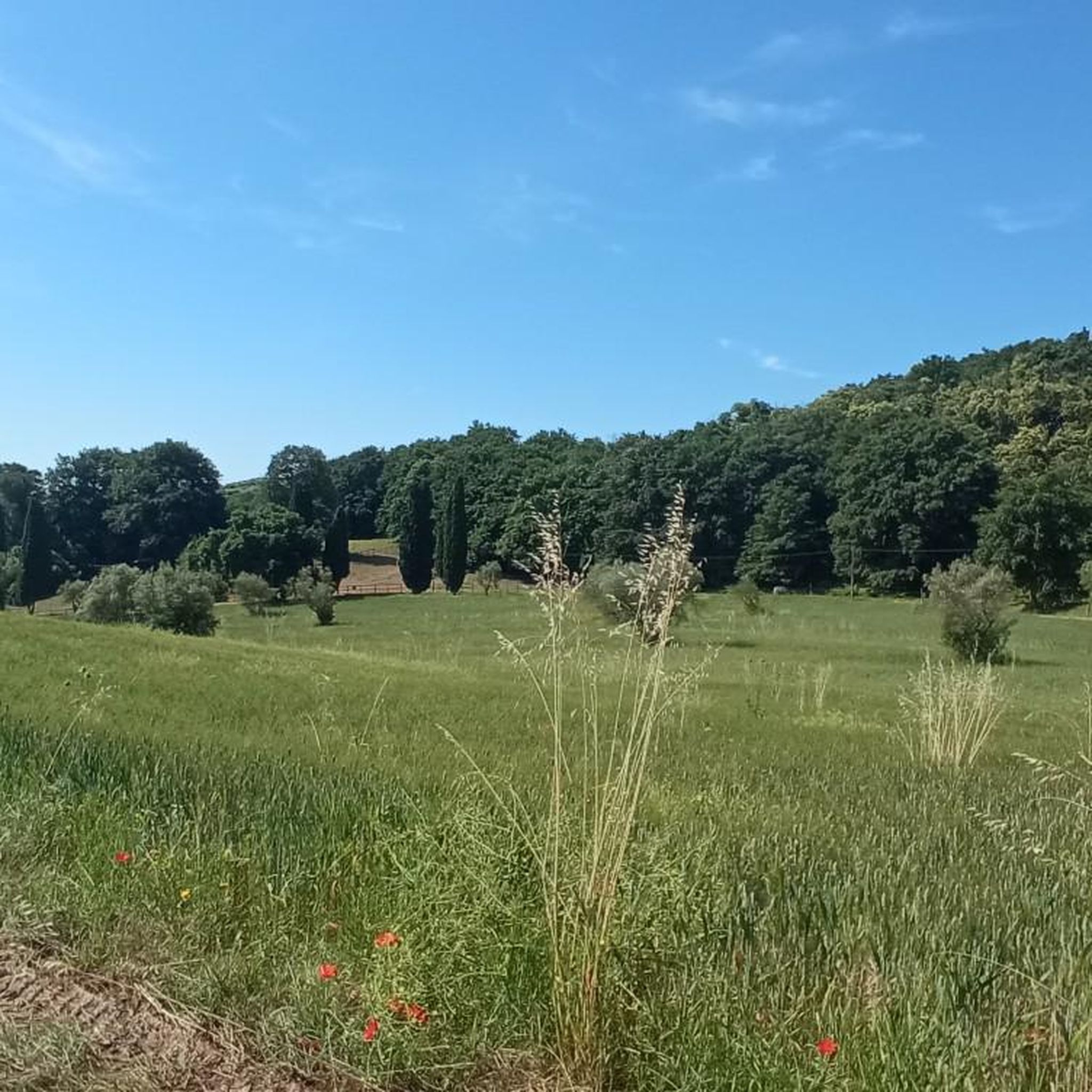
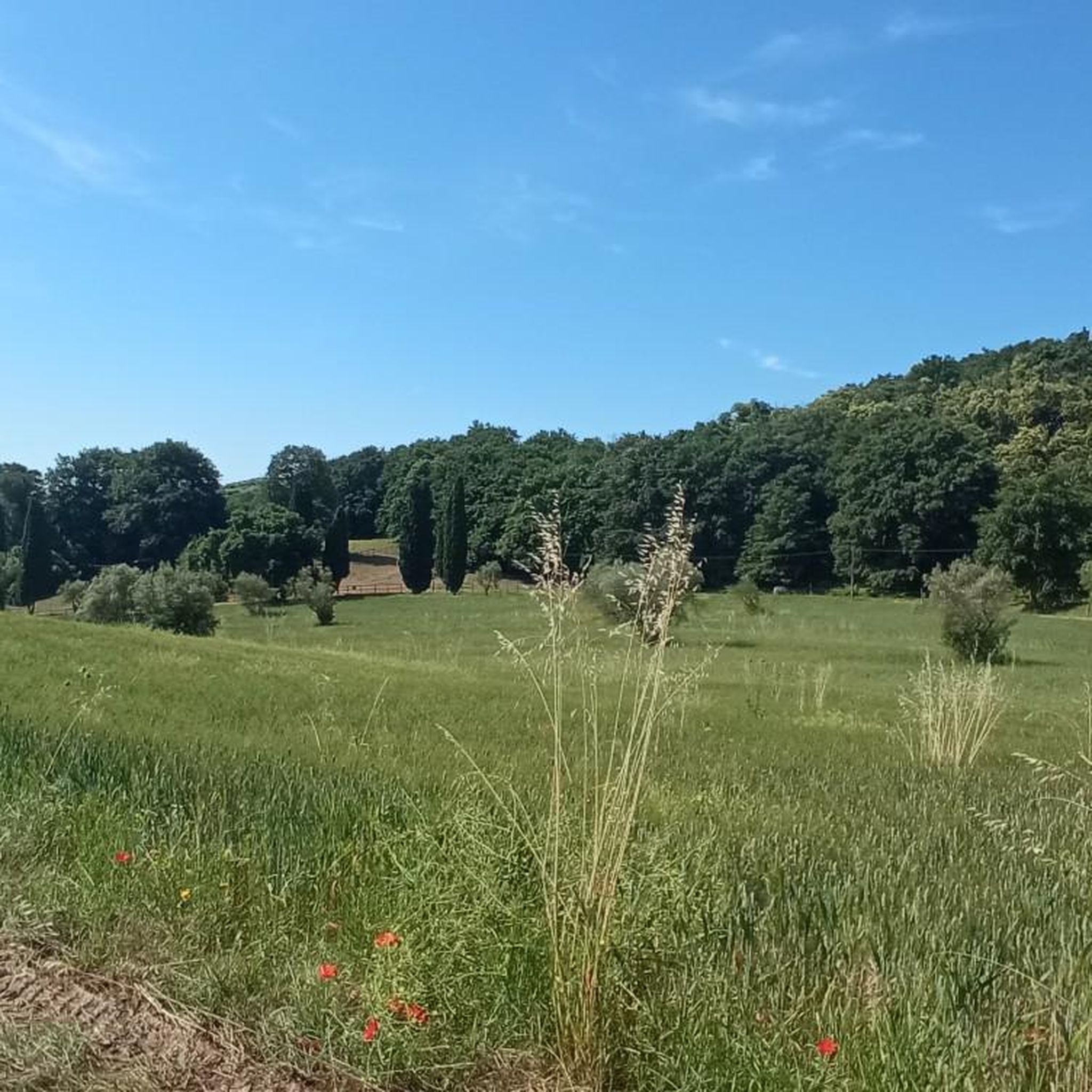
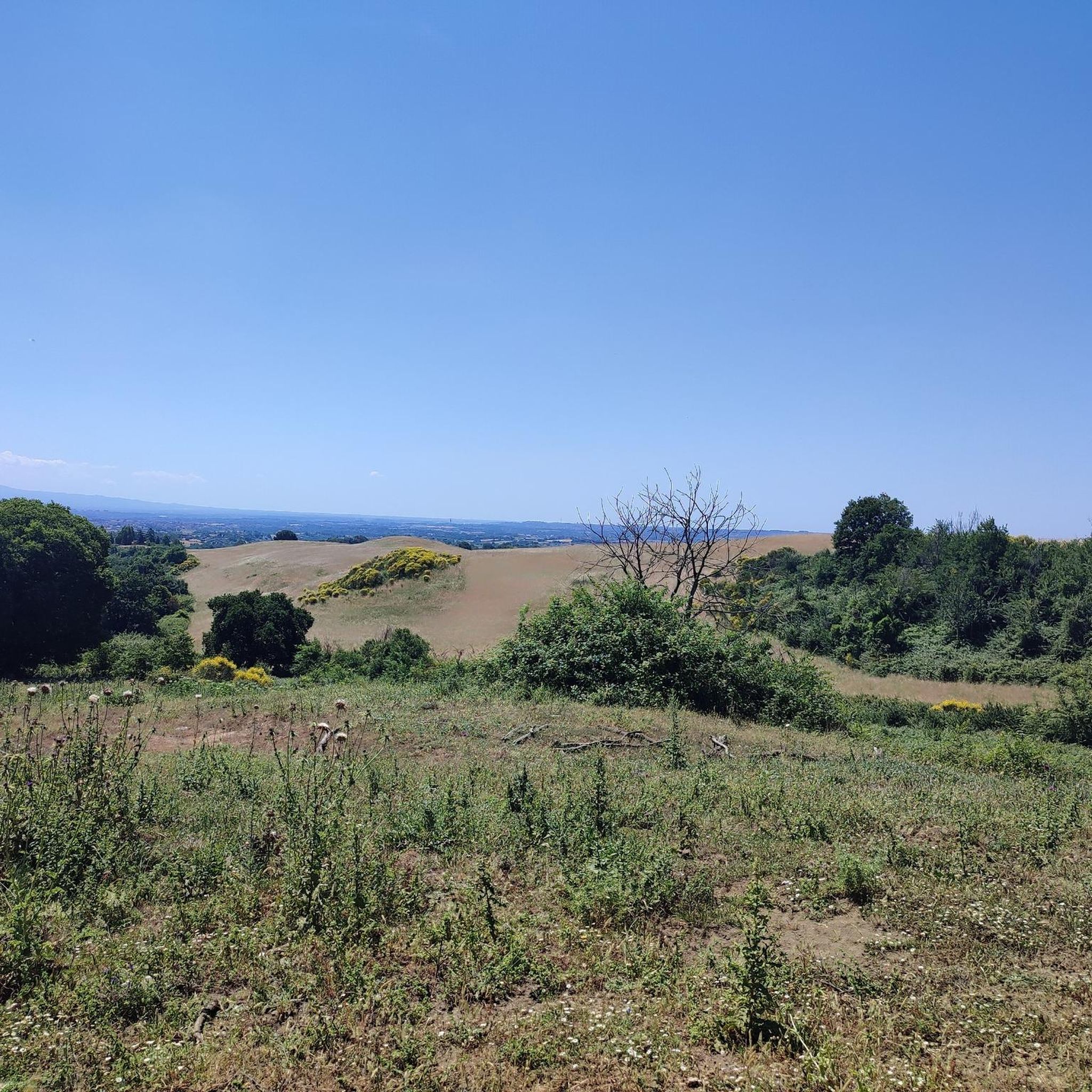
The Valle del Sorbo is an enchanting valley in the Parco di Veio, located just 30 kilometers from the capital Rome. It is a “Site of Community Interest” due to the presence of the characteristic tuff valleys of the Roman countryside. The valley, crossed by the Fosso della Mola (later named Valchetta), extends between Formello and Campagnano di Roma and is populated by livestock kept in the wild. It is one of the most visited places in the park. The valley is also home to the Santuario della Madonna del Sorbo, an important stop on Lazio's Via Francigena.
1
0

Beautiful waterfalls found on the Via Francigena between Sutri and Campagnano di Roma... it's a shame that their waters are particularly polluted.
1
0

On the way to the top of Soratte, just before the San Silvestro hermitage, you can take the path on the left that leads to the small San Sebastiano hermitage, of which modest wall traces remain. The latter was home to hermits in the 16th and 17th centuries, after which it began to be abandoned and fell into ruin. In the rock there is a cavity used to collect water. Short trail but to be followed with care.
0
1

This hermitage has a patronal name that is truly on everyone's lips, but only a few will know the person behind it: the feast day of Saint Sylvester (San Silvestro) is December 31st. He lived at the end of the third or beginning of the fourth century and was Bishop of Rome when Emperor Constantine - later generations gave him the nickname "the Great" - recognized Christianity as a religion with the so-called "Edict of Toleration" of Milan, thus ending - at least temporarily - the period of bloody persecution of Christians.
1
2
Frequently Asked Questions
What natural features and scenic viewpoints can I explore around Morlupo?
Morlupo offers stunning natural beauty. You can visit the Monte Gelato Waterfalls, known for their peaceful environment within the Valle del Treja Natural Park. The town itself is perched on a tufa rock spur, providing picturesque views of the Tiber Valley. Nearby, Mount Soratte offers extensive natural vistas and panoramic views, and Morlupo is nestled within the Parco di Veio, ideal for treks through woods and meadows. The Tevere-Farfa Nature Reserve also contributes to the diverse natural panorama.
Are there historical or cultural sites to visit in Morlupo?
Yes, Morlupo is rich in history. You can explore the reconstructed Orsini Castle, the early 17th-century Palazzetto Borghese, and the Church of San Giovanni Battista, which dates back to the 9th century and features a prominent 40-meter-high bell tower. The Church of the Madonna delle Grazie is also notable for its local traditions. Additionally, sections of the ancient Roman Via Flaminia have been rediscovered in the area, and Christian catacombs indicate ancient habitation.
What kind of outdoor activities can I do near Morlupo's attractions?
The area around Morlupo is excellent for outdoor activities. You can find numerous routes for hiking, cycling, and gravel biking. For hiking, consider trails like the 'Cistern of Castellaccio – Monte Calvio loop' or explore paths within the Parco di Veio. Cycling enthusiasts can enjoy routes such as the 'Ascent to Campagnano di Roma – Calcata Vecchia loop'. Many of these routes pass by natural and historical attractions. You can find more details on these activities at Hiking around Morlupo, Cycling around Morlupo, and Gravel biking around Morlupo.
Are there any family-friendly attractions or activities around Morlupo?
Yes, several attractions are suitable for families. The Monte Gelato Waterfalls offer a peaceful environment for a family outing, with shady trees and the Treja river. The Valle del Sorbo is another enchanting place for easy hikes and exploring nature. Many paths within the Parco di Veio are also suitable for relaxed family treks.
What is the <a href="https://www.komoot.com/highlight/2988509" target="_blank" rel="noopener">Hermitage of Saint Sylvester</a> and what makes it special?
The Hermitage of Saint Sylvester is a religious building located at the top of Mount Soratte. Its isolated position provides a suggestive atmosphere and offers stunning panoramic views of the surrounding valleys, including the beautiful Tiber Valley. It's a well-preserved historical site that offers a unique spiritual and scenic experience.
Can I visit the <a href="https://www.komoot.com/highlight/2607084" target="_blank" rel="noopener">Monte Soratte Bunker</a>?
Yes, the Monte Soratte Bunker is a significant man-made monument. Built in 1937 as a military bunker, this network of tunnels inside the mountain extends for about 4 km and is one of Europe's largest military engineering works. While the area outside is free to access, guided tours are recommended to explore the interior. You can find more information on visiting the site at bunkersoratte.it.
What is the best time of year to visit Morlupo for outdoor activities?
The spring and autumn months generally offer the most pleasant weather for outdoor activities around Morlupo, with mild temperatures ideal for hiking and cycling. Summer can be warm, but attractions like the Monte Gelato Waterfalls provide a refreshing escape. Winter can be cooler, but still suitable for exploring historical sites and less strenuous walks.
Are there any unique local traditions or events in Morlupo?
Morlupo is known for its 'Baciona' sausage, celebrated annually with a dedicated festival on the last Sunday of October since 1967. The Church of the Madonna delle Grazie also has a special tradition called 'la covata,' involving offerings of walnuts to the Madonna on September 8th.
What is the <a href="https://www.komoot.com/highlight/997490" target="_blank" rel="noopener">Sanctuary of Our Lady of the Sorb Tree</a>?
The Sanctuary of Our Lady of the Sorb Tree is a beautiful pilgrimage site with a rich history. Located on a hill where a castle once stood, it features a church dedicated to the Virgin Mary, built on the site of an ancient chapel. The surrounding buildings are remnants of an old convent, offering a serene and historically significant place for reflection and exploration.
What is the terrain like for hiking trails near Morlupo?
Hiking trails near Morlupo vary in terrain. Many paths, especially within the Parco di Veio and the Valle del Sorbo, traverse rolling hills, woods, and meadows. Some routes, particularly those leading to viewpoints or around Mount Soratte, may involve moderate ascents. The area's geological features, like the tufa rock spur Morlupo sits on, also contribute to diverse landscapes.
What do visitors enjoy most about the attractions around Morlupo?
Visitors particularly appreciate the blend of historical significance and natural beauty. The peaceful environment of the Monte Gelato Waterfalls, the stunning panoramic views from the Hermitage of Saint Sylvester, and the impressive engineering of the Monte Soratte Bunker are frequently highlighted. The area's historical sites and opportunities for outdoor activities like hiking and cycling are also highly valued by the komoot community.
Most popular routes around Morlupo
Most popular attractions around Morlupo

Get inspired with the komoot mobile app


Explore more
Still not found the Highlight you’re looking for? See guides of the top attractions in other regions:
