Attractions and Places To See around Marano Equo - Top 20
Best attractions and places to see around Marano Equo, a comune in the Aniene Valley within the Metropolitan City of Rome, Italy, offer a blend of historical landmarks, natural beauty, and cultural sites. Situated on a hill overlooking the Aniene River, the town is known as the "Land of the Waters" due to its numerous springs. These springs were historically significant for ancient Roman water supplies, including the Acqua Marcia and Claudio Aqueduct. The region provides opportunities to explore ancient ruins, religious sites, and scenic trails.
Best attractions and places to see around Marano Equo
- The most popular attractions is Sanctuary of Mentorella and Cave of Saint Benedict, a religious building that is one of Europe's oldest Marian sanctuaries. Inside, a tiny cave, accessed via a narrow gap in the rock, holds historical significance.
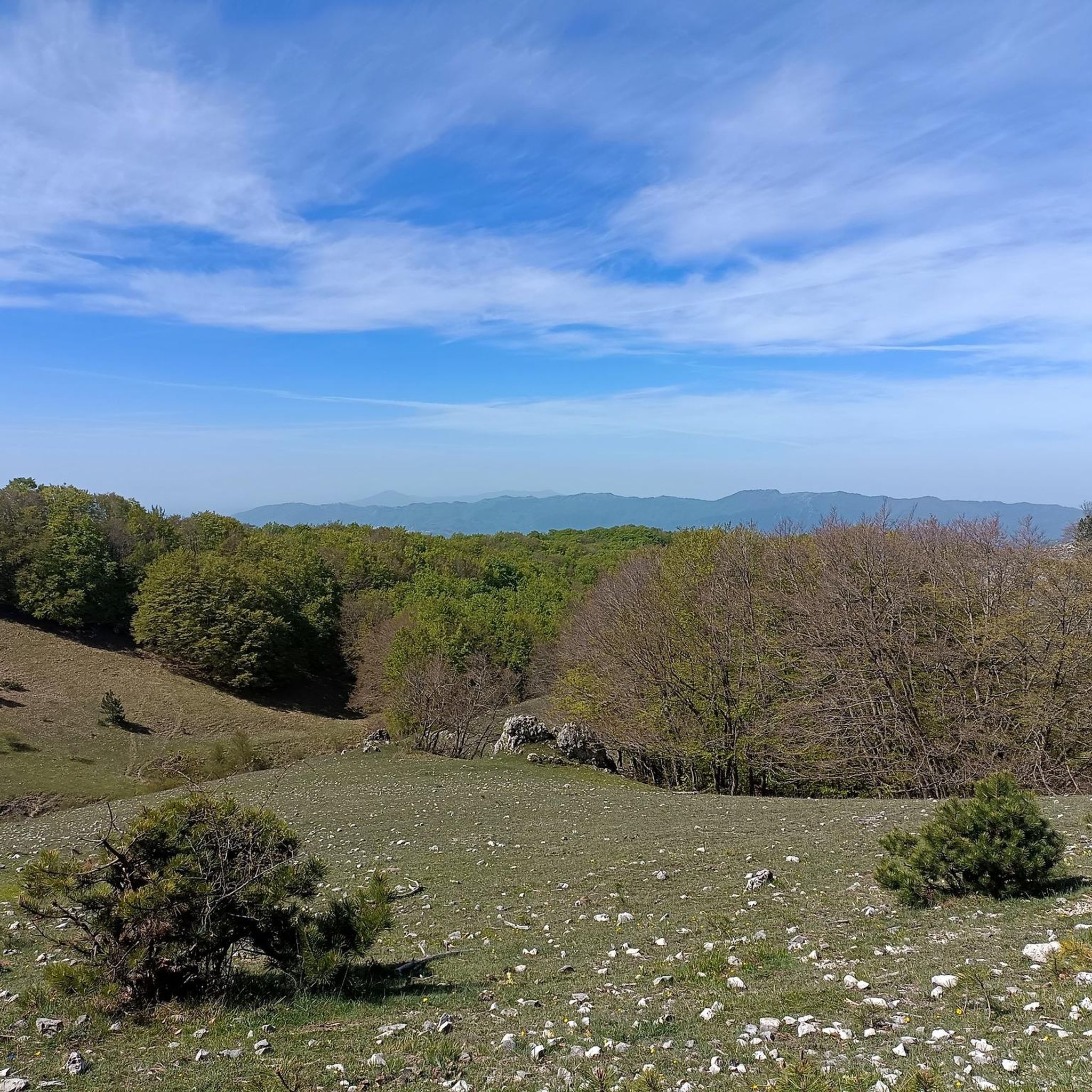
- Another must-see spot is Karol Wojtyła Trail to the Sanctuary of Mentorella, a trail dedicated to Pope John Paul II. This route crosses a wooded area, particularly notable in spring for its diverse flowers.
- Visitors also love Villa of Nero Ruins, a historical site featuring the remains of Emperor Nero's summer residence. This imperial villa is located next to the Aniene river.
- Marano Equo is known for its historical sites, religious buildings, and natural trails. The area offers a variety of attractions to explore, from ancient Roman aqueducts to medieval castles and scenic viewpoints.
- The attractions around Marano Equo are appreciated by the komoot community, with 27 upvotes and 47 photos shared across the highlights.
Last updated: August 16, 2026
Karol Wojtyła Trail to the Sanctuary of Mentorella
Highlight (Segment) • Trail
Translated by Google •
Tip by

Villa of Nero Ruins
Highlight • Historical Site
Translated by Google •
Tip by

Sign up now to discover places like this
Get recommendations on the best single tracks, peaks, & plenty of other exciting outdoor places.
Sign up for free
Ponte di San Francesco
Highlight • Bridge
Translated by Google •
Tip by

Ascent to the Monastery of Saint Benedict on the Via dei Monasteri
Highlight • Religious Site
Translated by Google •
Tip by

Sanctuary of Mentorella and Cave of Saint Benedict
Highlight • Religious Site
Translated by Google •
Tip by
Sign up for free to discover even more attractions around Marano Equo.
Sign up for free
Already have an account?
Start today with a free account
Your next adventure awaits.
Login or Signup


Tips from the Community

really really very tiring
0
0

These are the ruins of Nero's villa, on the road that goes from Subiaco towards the Benedictine monasteries.
4
0

The river Aniene passes underneath it
1
0

the San Francesco Bridge connects the two banks of the Aniene river at the entrance to the city of Subiaco (RM). Entirely built in blocks of local stone called cardellino, it is a perfectly preserved humpback bridge on a single span with a guard tower on one side.
1
0


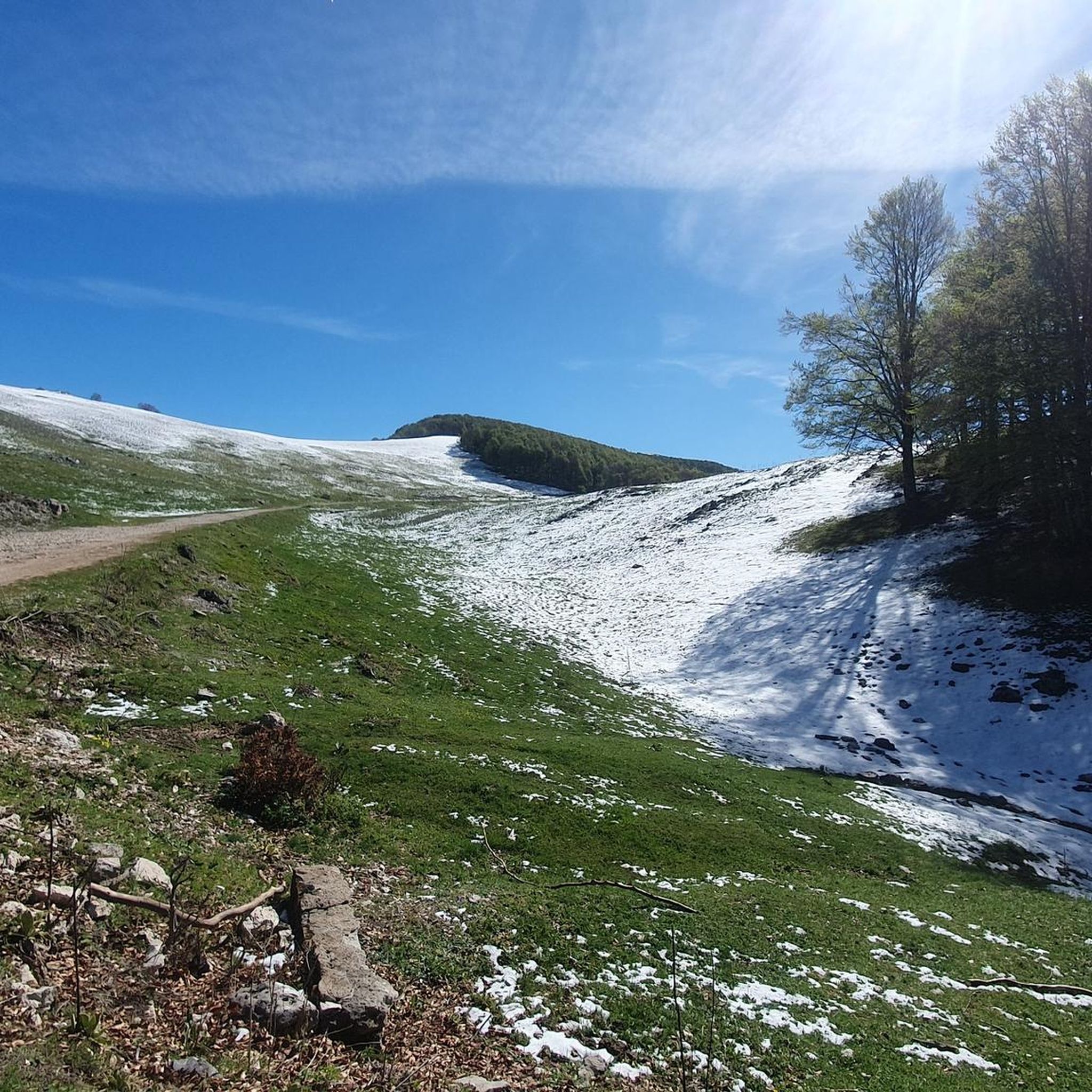
It is a challenging but absolutely wonderful path, to be followed like the ancient pilgrims, in silence and prayer...
1
0

"The Villa of Nero is a historic site located in Subiaco, Italy. It was part of a much larger and more complex Roman villa that was later used by Saint Benedict. The villa is located on the right bank of the Aniene River, along the road leading to the Benedictine monasteries of Subiaco. The remains of the villa are small but still provide evidence of one of the most original and ambitious works of the Roman Empire. The villa was built by Emperor Nero in 60 AD, before he built the Domus Aurea in Rome. The structure was located in a rural area along the Aniene river and was characterized by three artificial lakes, the Simbruina Stagna, which were created by three dams on the river. The lakes were designed to integrate with the surrounding natural environment and modify it in ways unthinkable for that time. The remains of the villa are a testimony to its grandeur and magnificence".
0
0
"It was built in 1358 by Abbot Ademaro, with the ransom paid by Tivoli for the prisoners of the Battle of Campo d'Arco. Crossing the door of the turret, walking on the stone cobblestones, worn by time, is an emotion but, above all, the Ponte di San Francesco is a place to be experienced and perhaps this is precisely why the European Film Commission Network has included it among the best film locations in Europe.
1
0
Frequently Asked Questions
What historical sites can I explore in Marano Equo?
Marano Equo is rich in history. You can visit the Castle of Marano Equo, which forms the heart of the historic center and offers commanding views. The area is also known for its Ancient Roman Aqueducts, including the Acqua Marcia and Claudio Aqueduct, which historically supplied Rome with water. Don't miss the Villa of Nero Ruins, the remains of Emperor Nero's summer residence located next to the Aniene river.
Are there any significant religious sites in the area?
Yes, Marano Equo hosts several important religious sites. The Sanctuary of Mentorella and Cave of Saint Benedict is one of Europe's oldest Marian sanctuaries, featuring a tiny cave with historical significance. You can also visit the Chiesa di San Biagio, the main church in the village, and the ancient Sanctuary of the Madonna of the Oak, located at the foot of the Monti Ruffi.
What natural features define the landscape around Marano Equo?
Marano Equo is nestled in the picturesque Aniene Valley, offering scenic vistas. The town is renowned as the 'Land of the Waters' due to its numerous spring waters, some believed to have therapeutic properties. The surrounding area is characterized by the Monti Ruffi and nearby Monti Simbruini, providing lush natural landscapes with chestnut and hornbeam trees.
What kind of hiking trails are available near Marano Equo?
The region offers diverse hiking opportunities. A notable trail is the Karol Wojtyła Trail to the Sanctuary of Mentorella, a pleasant route through a wooded area, particularly beautiful in spring. For more options, you can explore various routes in the area, ranging from easy to difficult, by checking the Hiking around Marano Equo guide.
What is the <a href="https://www.komoot.com/highlight/121515" target="_blank" rel="noopener">Sanctuary of Mentorella and Cave of Saint Benedict</a>?
The Sanctuary of Mentorella is one of Europe's oldest Marian sanctuaries. Inside, you'll find the tiny and special Cave of Saint Benedict, accessed via a very narrow gap in the rock. It's considered a challenging but rewarding destination, offering a unique spiritual and historical experience.
What is the <a href="https://www.komoot.com/highlight/4062906" target="_blank" rel="noopener">Karol Wojtyła Trail</a>?
The Karol Wojtyła Trail is a route dedicated to Pope John Paul II, who enjoyed walking in the Prenestini mountains. It's a moderately demanding trail that crosses a wooded area, particularly vibrant with diverse flowers in spring. It leads towards the Sanctuary of Mentorella, offering a pleasant walk through nature.
Are there scenic viewpoints in the Marano Equo area?
Yes, the elevated position of Marano Equo and its surrounding mountains provide several scenic viewpoints. The Castle of Marano Equo offers commanding views of the Aniene Valley. Additionally, the Sanctuary of Mentorella and the Ascent to the Monastery of Saint Benedict also provide impressive vistas of the surrounding landscape.
What do visitors particularly enjoy about the attractions around Marano Equo?
Visitors appreciate the blend of history and nature. Many enjoy the spiritual journey to the Sanctuary of Mentorella, describing it as a 'challenging but absolutely wonderful path.' The Villa of Nero Ruins is valued for its historical significance and the opportunity to access the Aniene river for swimming. The Ponte di San Francesco is also noted for its beauty and historical charm.
What is the best time of year to visit Marano Equo for outdoor activities?
The spring season is highly recommended for outdoor activities, especially for walks like the Karol Wojtyła Trail, when the woods are covered with many species of flowers. Generally, spring and autumn offer pleasant temperatures for exploring the historical sites and natural landscapes without the intense heat of summer.
Are there opportunities for cycling around Marano Equo?
Yes, the area around Marano Equo is suitable for various cycling activities. You can find routes for Road Cycling and Gravel Biking that explore the scenic mountain environment and valleys. For detailed routes and difficulty levels, refer to the Road Cycling Routes around Marano Equo and Gravel biking around Marano Equo guides.
Can I visit ancient Roman aqueducts near Marano Equo?
Yes, Marano Equo is historically significant as a source for ancient Roman water supplies. The Acqua Marcia, dating back to 144 BC and still operational, originated from a spring in the municipality. The Claudio Aqueduct also drew water from lakes between Marano Equo and Arsoli, showcasing impressive Roman engineering.
What is the historic town center of Marano Equo like?
The historic town center, or 'Borgo,' of Marano Equo is charming, with buildings harmoniously gathered around the main square. It offers a glimpse into its medieval origins, with the Castle of Marano Equo situated on the highest part, providing a sense of its rich past and strategic importance.
Most popular routes around Marano Equo
Most popular attractions around Marano Equo

Get inspired with the komoot mobile app


Explore more
Still not found the Highlight you’re looking for? See guides of the top attractions in other regions:
