Attractions and Places To See around Luco Dei Marsi - Top 20
Attractions and places to see around Luco Dei Marsi encompass a mix of historical sites and natural landscapes in the province of L'Aquila, Italy. The town's long history, dating back over 2500 years, is reflected in its ancient landmarks and churches. Situated near the former Fucino lake bed and surrounded by mountains, the area offers diverse natural features. Visitors can explore both cultural heritage and mountainous environments.
Best attractions and places to see around Luco Dei Marsi
- The most popular…
Last updated: July 6, 2026
Monte Salviano Pass
Highlight • Mountain Pass
Translated by Google •
Tip by

Monte Viglio summit (2,156 m)
Highlight • Summit
Translated by Google •
Tip by

Sign up now to discover places like this
Get recommendations on the best single tracks, peaks, & plenty of other exciting outdoor places.
Sign up for free
Small Waterfall
Highlight • Waterfall
Translated by Google •
Tip by

Moscosa Spring
Highlight • Natural Monument
Translated by Google •
Tip by
Serra Sant'Antonio Pass
Highlight • Mountain Pass
Translated by Google •
Tip by
Sign up for free to discover even more attractions around Luco Dei Marsi.
Sign up for free
Already have an account?
Start today with a free account
Your next adventure awaits.
Login or Signup

Tips from the Community


Hiking boots, fairly long and steep route.
0
0

This place is worth a vote as you reach the top and if the weather permits you can see both the Tyrrhenian and Adriatic seas.
1
0

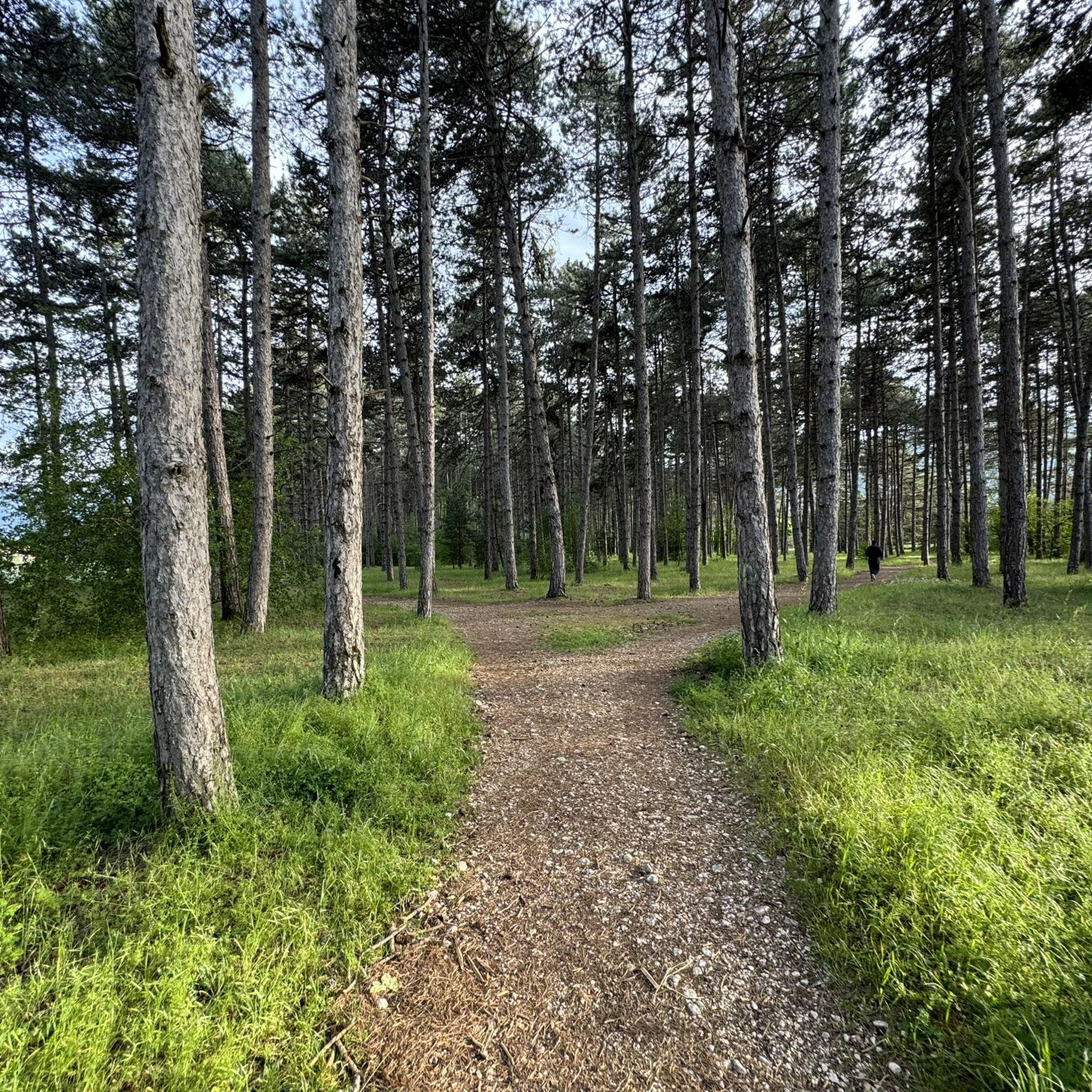
So, I recommend this waterfall, yes, nice circular route. But it's probably particularly impressive in spring. Now in September there wasn't that much water between the stones. Nevertheless, the area here is impressive and breathtakingly beautiful. But also lonely, here the fox and hare or wolf say “goodnight!” to each other.
0
0

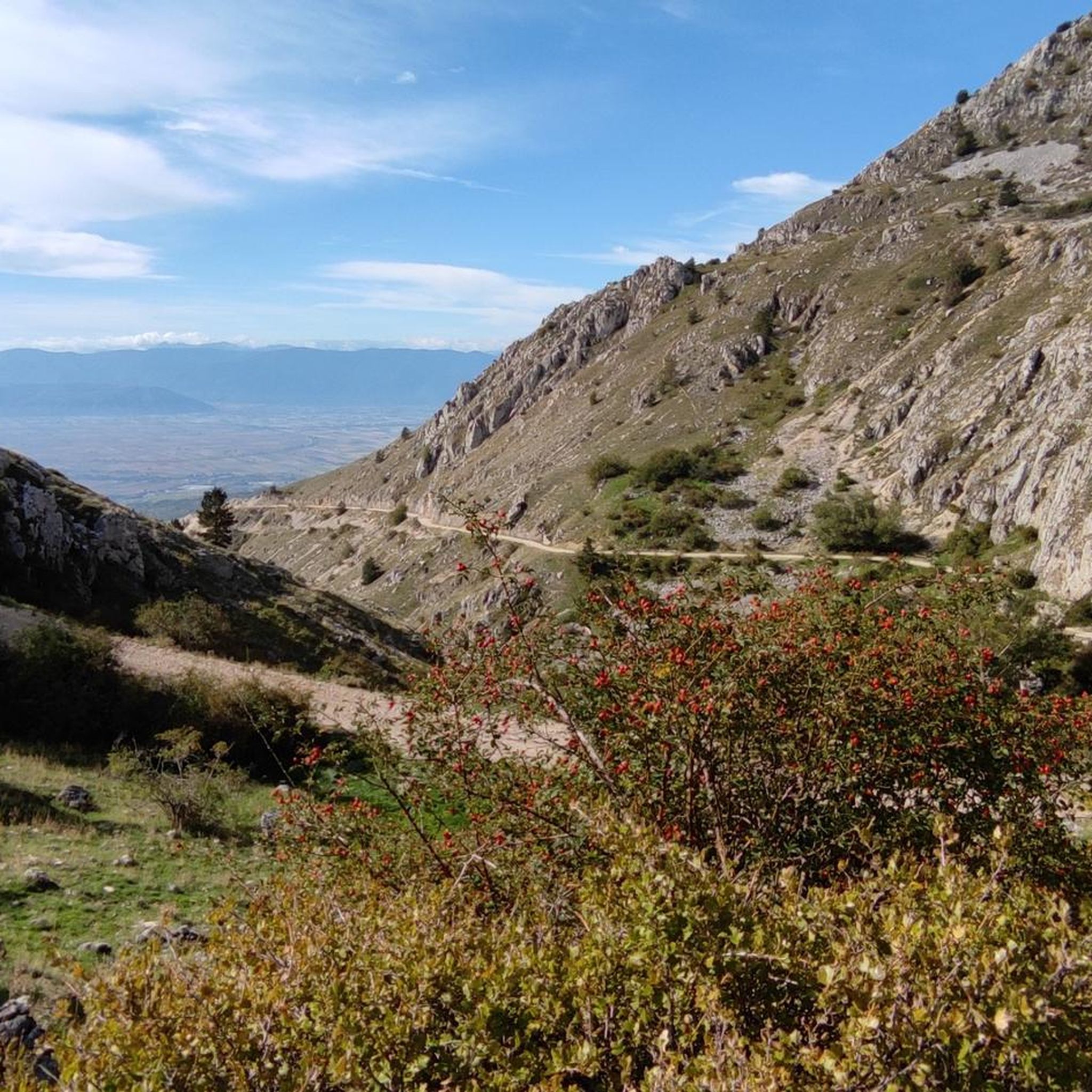
The Vali di Monte Salviano is located at 902 m above sea level within the homonymous nature reserve. In 2000 the work entitled "Teatro della Germinazione" was installed, a sculpture by the artist Pietro Cascella.
1
0

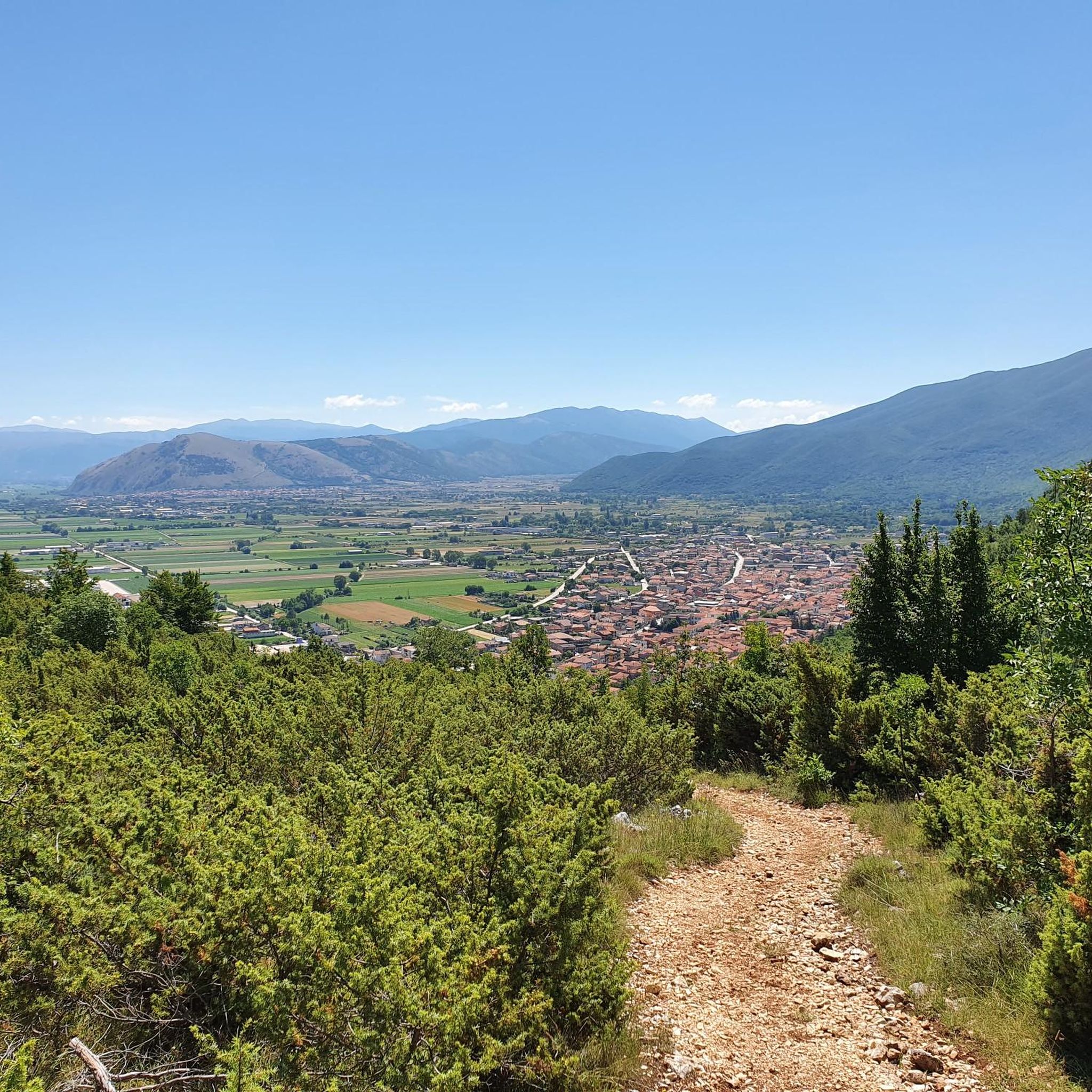
This peak is the highest of the Càntari Mountains and is located at 2156 m. From here it is possible to see the Fucino plain, the Gran Sasso (weather permitting), the Sirente-Velino chain, the Maiella, the Marsicani mountains, the Ernici mountains and the Simbruini mountains.
2
0
This spring (1619 m) is often used by horses and cows left in the wild.
1
0
The Serra Sant'Antonio pass is located at 1602 m, on the provincial road to Campo Staffi, and is a mountain pass (on the watershed between the Simbruini and the Cantari).
1
0
Frequently Asked Questions
What historical and archaeological sites can I explore in Luco Dei Marsi?
Luco Dei Marsi boasts a rich history. You can visit the ancient Archaeological Site of Lucus Angitiae, dedicated to the goddess Angizia, where you'll find remains of an acropolis, temples, ancient walls, and Roman-era structures. The town's historic center also preserves medieval houses and terraced alleys that hint at its past as a lakeside fishing village.
Are there any notable churches or religious sites to visit?
Yes, Luco Dei Marsi is home to several historic churches. The Parish Church of San Giovanni Battista from the 1700s houses valuable artifacts. Other significant churches include the 16th-century Church of Santa Maria delle Grazie with its adjoining Capuchin Friars convent, and the Church of Sant'Antonio Abate.
Where can I find panoramic views of the region?
For breathtaking panoramic views, head to Monte Viglio summit (2,156 m), the highest peak of the Càntari Mountains. From here, you can see the Fucino plain, Gran Sasso, Sirente-Velino chain, and other surrounding mountain ranges on clear days. The Monte Salviano Pass and Serra Sant'Antonio Pass also offer scenic vistas.
What natural attractions are there for outdoor enthusiasts?
Nature lovers will enjoy San Leonardo Park, which features trails leading to the Longagna and Romanella mountains and the Orlando cave. You can also discover the Small Waterfall along a scenic trail, or visit Moscosa Spring, a natural spring at 1619 meters.
Are there opportunities for hiking or trekking near Luco Dei Marsi?
Absolutely. Luco Dei Marsi is an ideal base for hiking, situated in the heart of the Abruzzo, Lazio and Molise National Park. The surrounding mountains offer numerous trails for various fitness levels. For challenging hikes with rewarding views, consider routes to Monte Viglio summit. The Monte Salviano Pass is also a starting point for the Via Dei Marsi, a 60 km naturalistic path.
What cycling routes are available around Luco Dei Marsi?
The area offers diverse cycling opportunities. For road cycling, you can explore routes like the 'Monte Salviano Pass – View of Scurcola Marsicana loop from Luco dei Marsi'. Mountain biking enthusiasts can enjoy trails such as 'Pedalando nella piana di Fucino da Luco dei Marsi'. You can find more details on these and other routes in the Road Cycling Routes around Luco Dei Marsi, Cycling around Luco Dei Marsi, and MTB Trails around Luco Dei Marsi guides.
Are there any castles or ancient towers to visit?
Yes, you can visit the exterior of Castello Orsini, a castle built around 1200 with a distinctive triangular structure. Additionally, the Torre di Santo Iona, a circular tower from the 13th century, stands on a hill, offering a glimpse into the region's medieval past.
What museums are located near Luco Dei Marsi?
In nearby Avezzano, you can visit the Museo Lapidario Marsicano, which houses over a hundred tombstones from Roman, medieval, and Renaissance periods. Also in Avezzano, the Pinacoteca d'Arte Moderna, located in the Orsini Castle-Colonna, exhibits sculptures, paintings, and graphics.
What is the best time of year to visit Luco Dei Marsi for outdoor activities?
The region offers attractions year-round. Spring and autumn are ideal for hiking and cycling, with pleasant temperatures and vibrant landscapes. Summer provides warm weather for exploring natural parks and higher mountain trails. While specific winter activities are not detailed, the mountainous environment suggests potential for snow-related pursuits.
Are there any unique natural features or caves to explore?
Beyond the well-known peaks, the area features several caves. The Orlando Cave is a small cavity within the Centopozzi karst system, accessible via trails from San Leonardo Park. On Mount La Ciocca, you can find the double-cavity cave known as "del Rimboschimento".
What is the significance of the Monte Salviano Pass?
The Monte Salviano Pass, located at 902 meters above sea level within its namesake nature reserve, is notable for the "Teatro della Germinazione," a sculpture by artist Pietro Cascella. It also serves as a gateway to the Via Dei Marsi, a significant naturalistic path connecting to the Abruzzo, Lazio and Molise National Park.
Most popular attractions around Luco Dei Marsi

Get inspired with the komoot mobile app


Explore more
Still not found the Highlight you’re looking for? See guides of the top attractions in other regions:
