Attractions and Places To See around Ciciliano - Top 20
Best attractions and places to see around Ciciliano, a medieval village, offer a blend of historical landmarks, cultural sites, and natural beauty. Situated on a hill northeast of Rome, at the intersection of the Prenestini and Ruffi Mountains, the area boasts a history dating back to ancient Roman and Palaeolithic times. Visitors can explore a region rich in historical significance and diverse landscapes, including the Giovenzano river valley.
Best attractions and places to see around Ciciliano
- The most popular attractions…
Last updated: July 6, 2026
Ponte Gregoriano
Highlight • Bridge
Translated by Google •
Tip by

Karol Wojtyła Trail to the Sanctuary of Mentorella
Highlight (Segment) • Trail
Translated by Google •
Tip by

Sign up now to discover places like this
Get recommendations on the best single tracks, peaks, & plenty of other exciting outdoor places.
Sign up for free
Temples of Vesta and Tiburnus
Highlight • Historical Site
Translated by Google •
Tip by
Brancaccio Castle in San Gregorio da Sassola
Highlight • Castle
Translated by Google •
Tip by

Fountain of the Organ, Villa d'Este
Highlight • Monument
Cardinal …
Translated by Google •
Tip by

Sign up for free to discover even more attractions around Ciciliano.
Sign up for free
Already have an account?
Start today with a free account
Your next adventure awaits.
Login or Signup
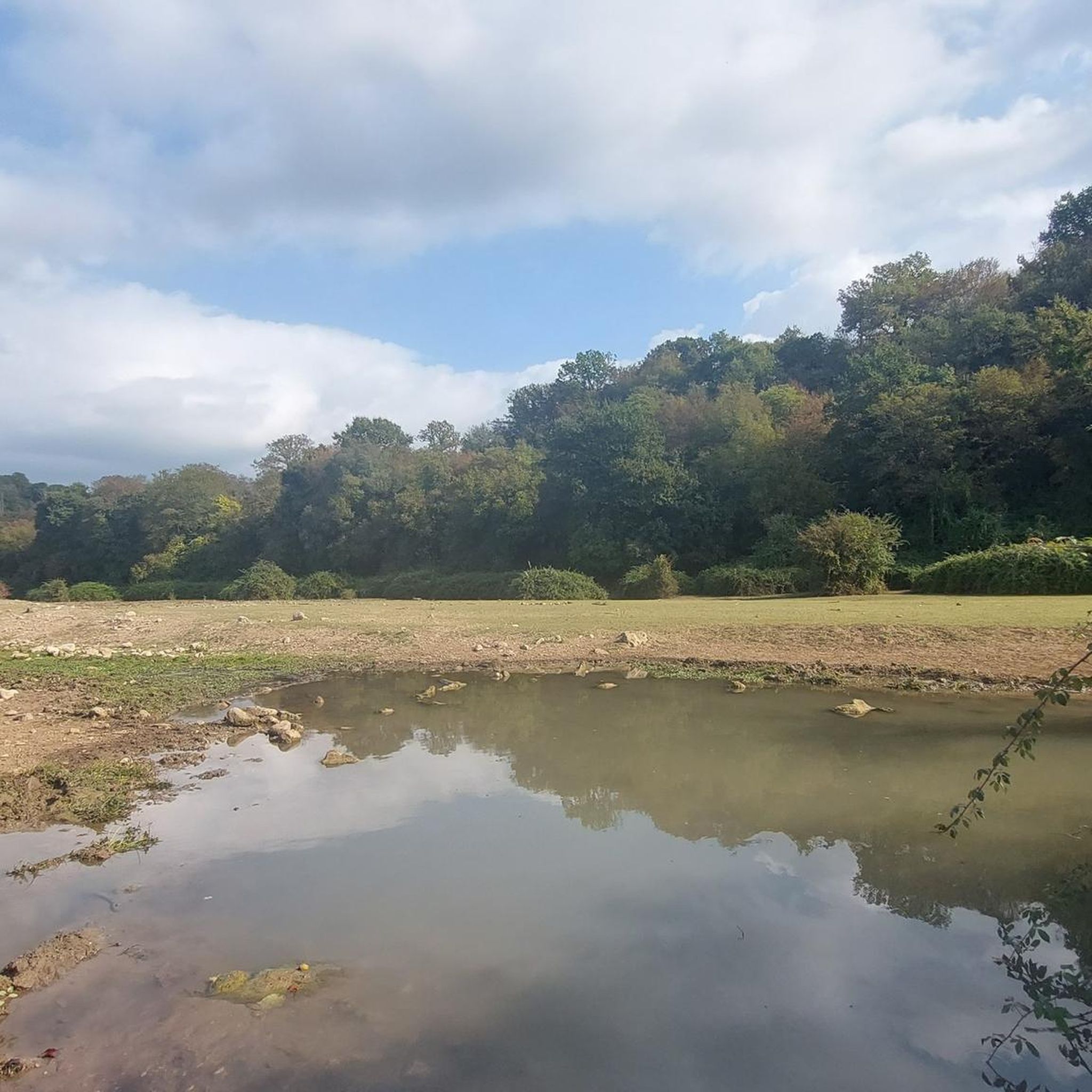
Tips from the Community

The Temple of Vesta is the best-known monument in Tivoli. The place where the Temple of Vesta stands is called the Acropolis of Tivoli and is located at the end of the nature trail of Villa Gregoriana. In the same place, there is also another Temple, rectangular in shape, known as the Temple of the Sibyl or of Tiburnus. In reality, the attribution of the temples is not precisely known because unfortunately the historical sources are not certain. According to some scholars, the temple we know today as the Temple of Vesta was actually a temple dedicated to Tiburnus, the founder of Tivoli. Many, however, are convinced that it was built for the Sibyl Albunea who, according to Christian mythology, was the one who predicted the arrival of Jesus. The same fate befell the rectangular temple, which is attributed either to Tiburnus or to the Sibyl.
1
0

The most unique fountain of all uses a hydraulic organ.
7
0

Declared a World Heritage Site by UNESCO in 2001, the villa, with its impressive concentration of fountains, nymphaeums, grottos, water features and the water organ, is a masterpiece of Italian garden art.
2
0

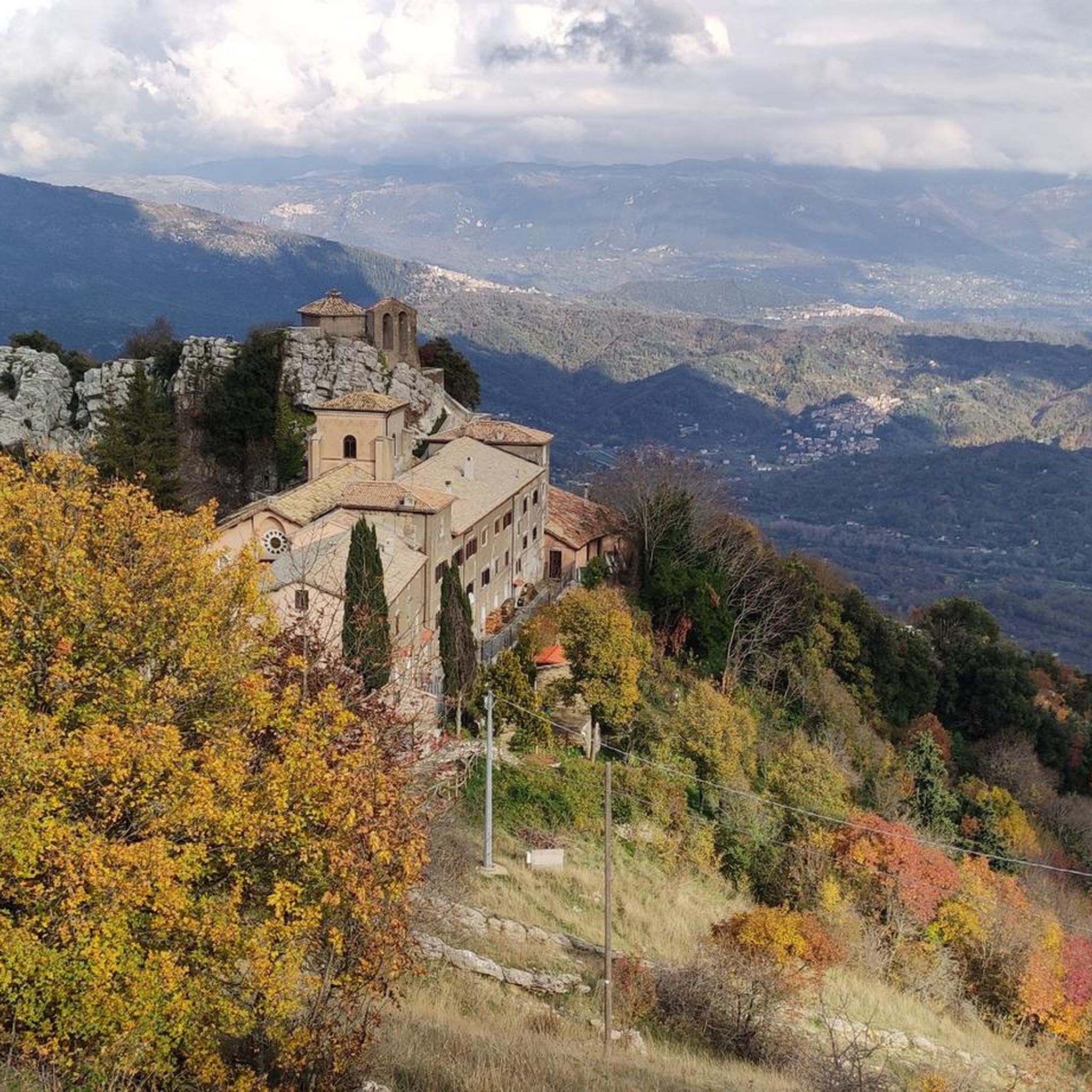
It is a challenging but absolutely wonderful path, to be followed like the ancient pilgrims, in silence and prayer...
1
0

The path is dedicated to Pope John Paul II who used to take walks in the little frequented areas of the Prenestini mountains. The route is not very demanding, except in the final part at the foot of the sanctuary, and crosses a wooded area of considerable interest. It is recommended to walk it especially in spring when the bottom of the wood is covered with many species of flowers and the Falconara ditch is full of water.
4
0

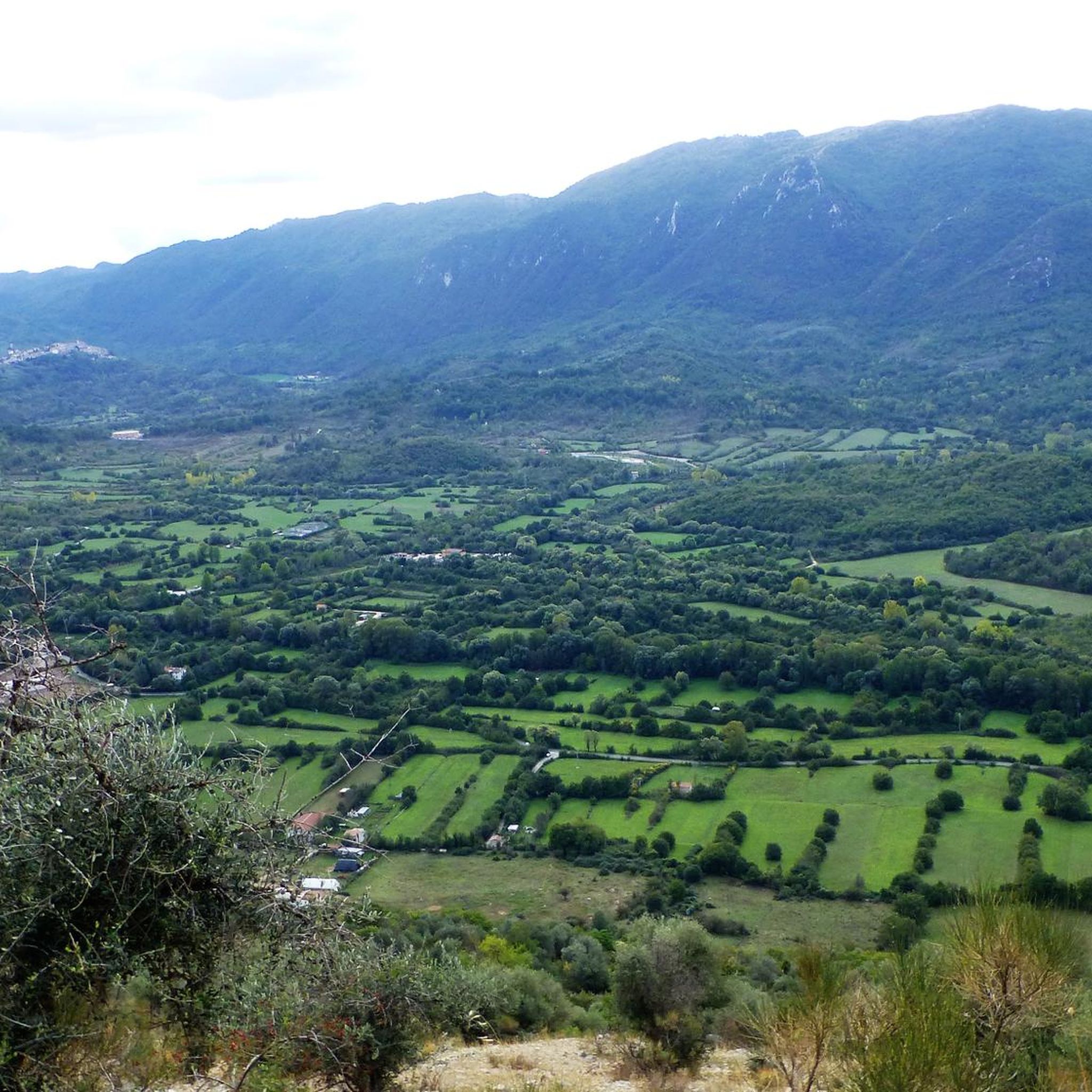
Gorgeous landscapes
0
0

Really nice village to cross by bicycle
1
0

The Gregorian Bridge is made up of a single arch of 20 meters of light, it was built in place of the ancient waterfall, after the catastrophic flood of the Aniene (1826) and inaugurated by Pope Gregory XVI on 24 May 1835. It was destroyed in 1944 by retreating German troops and immediately rebuilt. Below it the flow of water has recently been reactivated, thus recalling the ancient image of the waterfalls, which can be enjoyed both from Piazza Rivarola itself, and even better, from the Castrovetere district facing it (Piazza delle Mole). From the same bridge, the stupendous scenery of the Roman acropolis with the two temples of Vesta and Sibilla can be appreciated. (http://www.tivolitouring.com/elenco/ponte-gregoriano)
6
1
Frequently Asked Questions
What historical landmarks can I explore in Ciciliano itself?
In Ciciliano, you can visit the majestic Theodoli Castle, which dominates the Giovenzano river valley and offers amazing views from its roof garden. The town also features historical gates like Arco Valerio and Porta S. Anna. Additionally, several historic churches, such as the Church of St. Erasmus and the Church of Santa Maria Assunta in Cielo, are worth exploring.
Are there any ancient Roman sites to visit near Ciciliano?
Yes, at the foot of Ciciliano lies the Archaeological Area of Trebula Suffenas, an important ancient Roman settlement with remains of a forum, baths, and houses. Many artifacts discovered here are housed in the Civic Museum Lily Ross Taylor, offering a deeper insight into the region's Roman past.
What significant castles are located in the broader Ciciliano area?
Beyond Ciciliano's own Theodoli Castle, you can explore the Brancaccio Castle in San Gregorio da Sassola, a prominent feature of a characteristic medieval village. Another notable historical fortification is the Rocca Pia of Tivoli, a 15th-century castle boasting four splendid towers.
Where can I find natural attractions like waterfalls or scenic views near Ciciliano?
Ciciliano is rich in natural beauty. You can discover the Parabocio Waterfalls and Rocchetta Waterfalls, which are noted as magical areas. The Giovenzano River Valley, overlooked by Theodoli Castle, offers picturesque views where the Giovenzano merges with the Aniene river. For a stunning panorama, visit Ponte Gregoriano, which provides magnificent views of the Acropolis with the Tempio di Vesta and Tempio della Sibilla.
Are there hiking opportunities around Ciciliano?
Absolutely. The area offers various hiking trails, including the historic Sentiero dei Pellegrini (Pilgrims' Path). You can also experience the Karol Wojtyła Trail to the Sanctuary of Mentorella, a route dedicated to Pope John Paul II, which crosses a beautiful wooded area. For more detailed routes, explore the hiking guide for Ciciliano, featuring trails like the 'Monte Cerella – San Benedetto Cave loop'.
What kind of outdoor activities, besides hiking, can I do near Ciciliano?
Beyond hiking, the region around Ciciliano is excellent for road cycling and running. You can find challenging routes like 'Monte Livata from Mandela' in the road cycling guide, or explore running trails such as 'Path to Saracinesco under Monte Sainese' in the running trails guide.
Are there family-friendly attractions suitable for children around Ciciliano?
Yes, several attractions are suitable for families. The Brancaccio Castle in San Gregorio da Sassola is considered family-friendly, offering a chance to explore a medieval village. The Fountain of the Organ, Villa d'Este, with its impressive water features and gardens, is also a great family outing. Additionally, the Rocca Pia of Tivoli is another historical site that welcomes families.
What is the best time to visit Ciciliano for outdoor activities?
The spring months are particularly recommended for outdoor activities around Ciciliano. During this time, the wooded areas, such as those along the Karol Wojtyła Trail, are covered with many species of flowers, and streams like the Falconara ditch are full of water, enhancing the natural beauty of the trails.
What do visitors enjoy most about the attractions around Ciciliano?
Visitors particularly appreciate the blend of historical significance and natural beauty. The medieval villages and castles, like Brancaccio Castle, offer charming views and a glimpse into the past. The scenic trails, such as the Karol Wojtyła Trail, are loved for their tranquility and natural surroundings, especially in spring. The panoramic views from spots like Ponte Gregoriano are also highly rated for their breathtaking scenery.
Are there any unique local products or culinary experiences to look for in the Ciciliano area?
Yes, the valleys and woods east of Rome, including the Ciciliano area, are renowned for being rich in truffles. Visitors interested in local culinary delights might find opportunities to experience this regional specialty.
Can I find any cultural performance venues or modern attractions in Ciciliano?
Ciciliano is home to the Theater Agata Lanciotti, a modern building located at the entrance to the town in the belvedere square. It offers special experiences and contributes to the cultural life of the village.
Most popular attractions around Ciciliano

Get inspired with the komoot mobile app


Explore more
Still not found the Highlight you’re looking for? See guides of the top attractions in other regions:
