Attractions and Places To See around Poggio Sannita - Top 20
Best attractions and places to see around Poggio Sannita include a blend of historical landmarks, cultural sites, and natural beauty. This charming commune in the Province of Isernia, Molise, is nestled on a promontory overlooking the Verrino and Sente rivers. The area offers a variety of sites, from ancient sanctuaries to picturesque villages and nature reserves. Poggio Sannita provides opportunities to explore both its rich history and its natural surroundings.
Best attractions and places to see around Poggio Sannita
- The…
Last updated: July 7, 2026
Civitanova del Sannio
Highlight • Settlement
Translated by Google •
Tip by

Bagnoli del Trigno
Highlight • Settlement
Translated by Google •
Tip by

Sign up now to discover places like this
Get recommendations on the best single tracks, peaks, & plenty of other exciting outdoor places.
Sign up for free
San Nicola Staircase and Trivento Cathedral
Highlight • Historical Site
Tip by

Benedictine Monastery of Iumento Albo
Highlight • Religious Site
Translated by Google •
Tip by

Collemeluccio Nature Reserve
Highlight • Forest
Translated by Google •
Tip by

Sign up for free to discover even more attractions around Poggio Sannita.
Sign up for free
Already have an account?
Start today with a free account
Your next adventure awaits.
Login or Signup



Tips from the Community

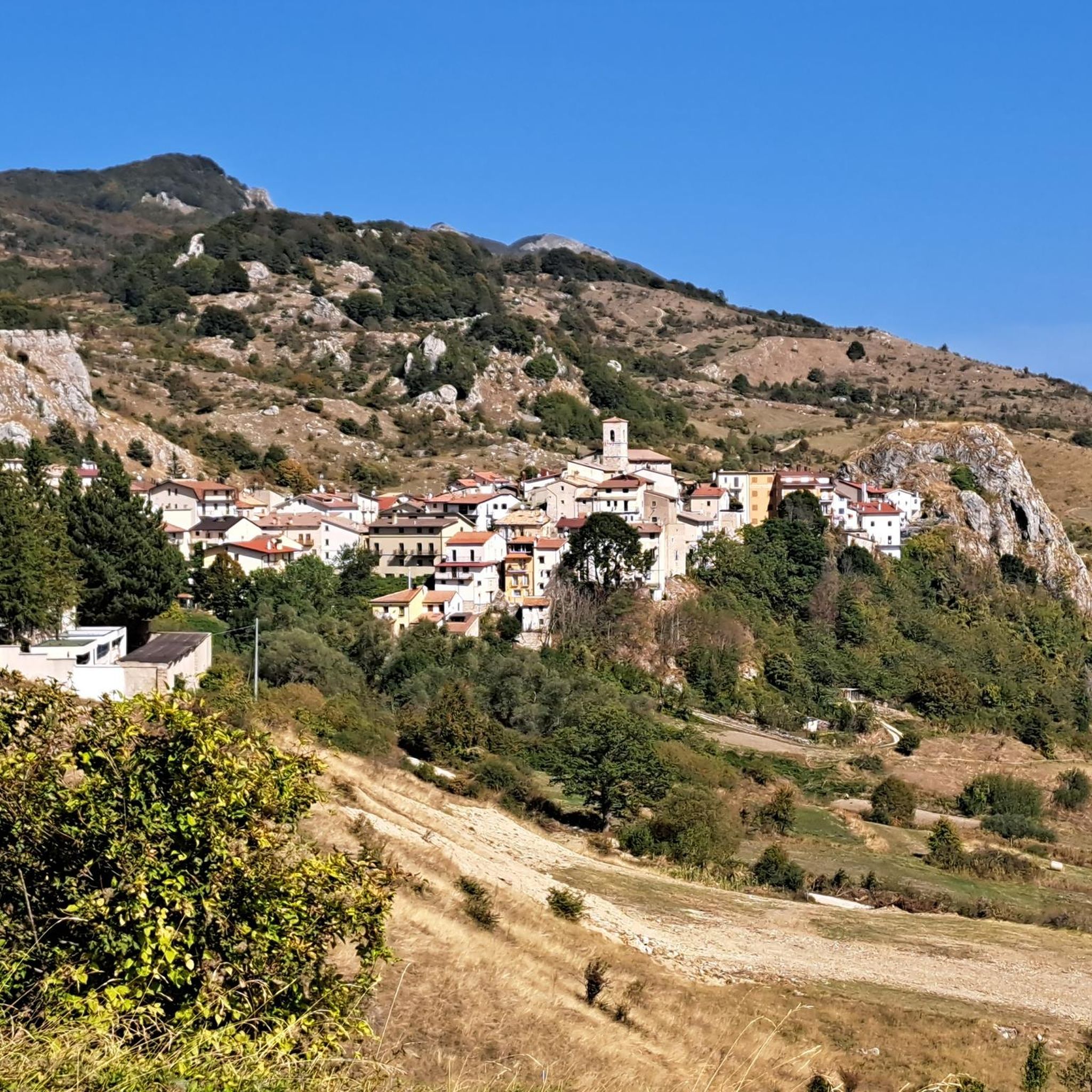
Civitanova del Sannio is located in the heart of Molise. The town is nestled in the mountains, surrounded by beech forests and with the Trigno river nearby. In August, sausage and cavatelli festivals are held, a typical pasta of this area.
2
1

The history of the de Iumento Albo can be reconstructed thanks to the parchment foundation that concerns it; preserved at the Abbey of Montecassino, the contents were published at the beginning of the 20th century. From the documents we learn that in 1002 the comes Berardo and his wife decided to donate a church dedicated to San Benedetto to Abbot Pietro «sita intra fines Banioli (Bagnoli del Trigno) in loco qui vocatur Molendini Vetulus». The church was therefore already existing in that year and the novelty was that the two aristocrats, involving Abbot Pietro, had decided to annex a monastery, a frequent custom among the Italian aristocracies of the time. In 1020 Abbot Pietro, together with another character named Paolo, decided to cede the monastery to Abbot Atenulf of Montecassino. The donation is part of the alliance between the Borrellis and the Lazio monastery which, in that territorial area, already held other monasteries, such as that of S. Colomba in Frosolone and the more distant ones of S. Pietro del Tasso in Carovilli and of S. Eustasio in Pietabbondante. The monastery was still under the control of Montecassino in 1057; it is also mentioned in the panels of the Cassino bronze doors installed with various interventions between the end of the 11th century and the beginning of the 12th and reappears in 1137 in a diploma, also confirming the assets of the Lazio abbey, issued by the Emperor Lothair III. https://www.turismoinmolise.com/de-iumento-albo/
1
0

A beautiful reserve with many paths for walking.
8
0

The Collemeluccio reserve is one of the two oriented nature reserves that are part of the "Collemeluccio-Montedimezzo Alto Molise" Biosphere Reserve, recognized by UNESCO in 1977. It is located in the province of Isernia, hosts one of the most beautiful beech woods in Italy and it can be visited with a ring itinerary that starts from the forest center.
5
0

The name Civitanuova, which means precisely "new city", was attributed to it to distinguish it from Civitavetula, i.e. the old city, which today is the village of Duronia a few km away from here.
1
0
Country located on a hill and built on different heights. The city is in fact divided into an "Above" and a "Below".
1
0

Civitanova del Sannio - Locanda degli Illustri for the credentials of the Via del Tratturo
0
0

Arte e storia del territorio molisano caratterizzano anche il paese di Trivento, in provincia di Campobasso, cosi chiamato perché ancora oggi è esposto ai venti dell’est, del sud e del nord. Vi si accede tramite una salita che porta in cima al colle e proietta il visitatore in un’altra dimensione, dove a trionfare è la pietra. Ovunque tutto intorno è fatto di pietra, ad incominciare dalla fontana monumentale fino alla magnifica scalinata a tre corsie, formata da quella centrale molto ampia e da due laterali più piccole. E’ la scalinata di San Nicola, dove sfilano uno dopo l’altro ben 365 gradini, che si dice siano uno per ogni giorno dell’anno. Conduce alla parte alta del borgo collegando la piazza al centro storico: ai suoi lati si ergono gli edifici più importanti del paese e da sempre è il simbolo di accoglienza di Trivento, rappresentando una delle più belle gradinate di tutto il Molise. Scalino dopo scalino si arriva davanti alla Chiesa di San Nicola, davanti alla quale si può ammirare una bella statua marmorea del Cuore Immacolato di Maria. A quota 150 scalini ci si può fermare su Largo di Porta Maggiore dove la visuale spazia sulla Trivento moderna e si perde sulla montagna circostante. A quota 175 una poderosa costruzione la costringe a diramarsi e dare luogo a Via Roma, una strada fatta di scale. Al 234esimo scalino si apre invece la grande piazza che ospita la Cattedrale, il Campanile, la chiesa della SS Trinità e la Curia. La Cattedrale è l’altro simbolo cittadino, eretta su una preesistente basilica dedicata a San Casto. Ha subito nei secoli vari restauri ma custodisce tutt’ora preziosi tesori artistici tra cui la Cripta, situata a qualche metro di profondità sotto il transetto e il presbiterio, che segna il passaggio dal Tempio pagano, dedicato a Diana, al primo Cristianesimo. Della sua fase più antica la Cattedrale conserva oltre ad un' iscrizione del 1076 con la dedica ai Santi Nazario e Casto, una serie di archetti pensili che a tratti la coronano esternamente. Sull'altare c'è una lunetta in pietra, risalente al XIII secolo, con bassorilievo raffigurante la Trinità fiancheggiata da due angeli e due delfini. Tra le tre sculture lignee spicca una Madonna in trono del Duecento. A sinistra della Cattedrale un portale con arco a ogiva introduce nel Giardino dell’Episcopio da cui si può osservare la fiancata romanica della chiesa e, nelle aiuole, frammenti di cippi funerari romane. Quando poi si arriva in cima la vista ripaga della salita, con la panoramica a 360° che spazia dai profili frastagliati dei monti ai paesini dirimpettai come Schiavi d’Abruzzo, Vastogirardi e Pietrabbondante.
0
0
Frequently Asked Questions
What are some notable historical landmarks in Poggio Sannita?
Poggio Sannita boasts several significant historical landmarks. You can visit the 15th-century Palazzo Ducale, which now houses the Municipal Library and offers magnificent views of the Verrino Valley. The main church, Chiesa di Santa Vittoria, located in the old medieval village, features an 18th-century organ and statues by Neapolitan sculptor Colombo. Another important site is the 14th-century Chiesa di San Francesco, declared a national monument, known for its frescoes.
What unique cultural sites can I visit in Poggio Sannita?
Beyond the churches and palaces, Poggio Sannita offers unique cultural experiences. Explore the charming Historic Center with its narrow streets and squares adorned with 'Babaci' puppets depicting ancient crafts. You can also visit the Antico Frantoio Iacovone, a historic, musealized olive oil mill, to learn about the local olive oil tradition. Nearby, the Museo Internazionale della Campana (International Bell Museum) preserves ancient tools and documents related to bell-making.
Are there any picturesque villages or settlements to explore near Poggio Sannita?
Yes, there are several picturesque settlements worth exploring. Civitanova del Sannio is nestled in the mountains, surrounded by beech forests and the Trigno river, offering natural beauty. Another must-see spot is Bagnoli del Trigno, a unique village built on a hill across different heights, where its streets offer a journey through time.
What natural attractions can I explore around Poggio Sannita?
Poggio Sannita is immersed in nature. The town is situated on a promontory overlooking the scenic Verrino and Sente River Valleys. For a panoramic vista, head to Colle Calvario, the highest point in town, which offers views of the Verrino Valley. You can also visit the Collemeluccio Nature Reserve, home to one of Italy's most beautiful beech woods, with many paths for walking.
Are there opportunities for hiking or walking near Poggio Sannita?
Absolutely. The Collemeluccio Nature Reserve offers a ring itinerary for exploring its beautiful beech woods. For more extensive outdoor activities, you can find various routes for cycling and mountain biking. Explore options like the 'Morgia di Pietravalle Loop' for mountain biking or 'Civitanova del Sannio and Bagn' for touring cycling. You can find more details on these and other routes in the Cycling around Poggio Sannita and MTB Trails around Poggio Sannita guides.
Where can I find the best panoramic views in Poggio Sannita?
For breathtaking panoramic views, visit Colle Calvario, the highest point in town, which offers expansive vistas of the Verrino Valley. The upper floors of the Palazzo Ducale also provide a magnificent outlook. Additionally, the San Nicola Staircase in Trivento, though a bit further, rewards climbers with a 360° panorama from its summit.
Are there family-friendly activities or places suitable for children?
Yes, Poggio Sannita and its surroundings offer family-friendly options. The natural beauty and opportunities for excursions around Civitanova del Sannio, with its beech forests and river, are great for families. The Collemeluccio Nature Reserve also provides easy walking paths suitable for all ages to enjoy nature.
Can I learn about the ancient Samnite people in the area?
Yes, you can delve into the history of the ancient Samnite people by visiting the Santuario Sannitico. Dating back to the 4th century BC, this unique sanctuary was a crucial meeting point for religious and social gatherings for the Samnites Pentri, with archaeological finds attesting to their rich culture.
What is the significance of the historic center of Poggio Sannita?
The historic center of Poggio Sannita is a captivating area characterized by charming alleys, small squares, and narrow streets. It features points of interest like Via Cosmo de Horatiis and the 'larghetto Ospedale,' the site of an ancient hospital. The squares and terraces are uniquely adorned with 'Babaci,' colorful cloth puppets depicting ancient crafts and daily life, offering a glimpse into the town's heritage.
What is the best time of year to visit Poggio Sannita?
The region is beautiful throughout the year, but the warmer months, particularly August, offer additional cultural experiences. Civitanova del Sannio, for example, hosts sausage and cavatelli festivals in August, providing a taste of local traditions and cuisine. Spring and early autumn are ideal for exploring the natural landscapes and historical sites in pleasant weather.
What kind of outdoor activities can I do near these attractions?
Beyond walking, the area around Poggio Sannita is excellent for cycling. You can find various routes for touring bicycles, road cycling, and mountain biking. Popular options include the 'Civitanova del Sannio and Bagn' touring route or the 'Bagnoli del Trigno and Duronia Loop' for road cycling. For mountain biking, consider the 'Morgia di Pietravalle Loop'. Detailed guides for these activities are available: Cycling around Poggio Sannita, Road Cycling Routes around Poggio Sannita, and MTB Trails around Poggio Sannita.
What do visitors enjoy most about the attractions around Poggio Sannita?
Visitors particularly appreciate the blend of historical richness and natural beauty. The unique architecture of villages like Bagnoli del Trigno and the serene, verdant beech woods of the Collemeluccio Nature Reserve are highly rated. The area's charm lies in its ability to offer both a journey through ancient history and peaceful immersion in nature.
Most popular attractions around Poggio Sannita

Get inspired with the komoot mobile app


Explore more
Still not found the Highlight you’re looking for? See guides of the top attractions in other regions:
