Attractions and Places To See around Toro - Top 20
Best attractions and places to see around Toro include a rich tapestry of historic landmarks, cultural sites, and natural features. This historic town in Zamora, Spain, is situated on an escarpment overlooking the Duero River, surrounded by renowned vineyards. Its strategic past and significant wine production contribute to a diverse range of points of interest for visitors. The area is known for its robust red wines and a blend of history, art, and scenic landscapes.
Best attractions and places to…
Last updated: July 1, 2026
Campobasso Historic Center
Highlight • Historical Site
Translated by Google •
Tip by

Church of San Giorgio of Campobasso
Highlight • Religious Site
Translated by Google •
Tip by

Sign up now to discover places like this
Get recommendations on the best single tracks, peaks, & plenty of other exciting outdoor places.
Sign up for free
Monforte Castle
Highlight • Castle
Translated by Google •
Tip by
Cathedral of the Most Holy Trinity (Campobasso)
Highlight • Religious Site
Translated by Google •
Tip by

Fred Bongusto
Highlight • Monument
Translated by Google •
Tip by

Sign up for free to discover even more attractions around Toro.
Sign up for free
Already have an account?
Start today with a free account
Your next adventure awaits.
Login or Signup

Tips from the Community

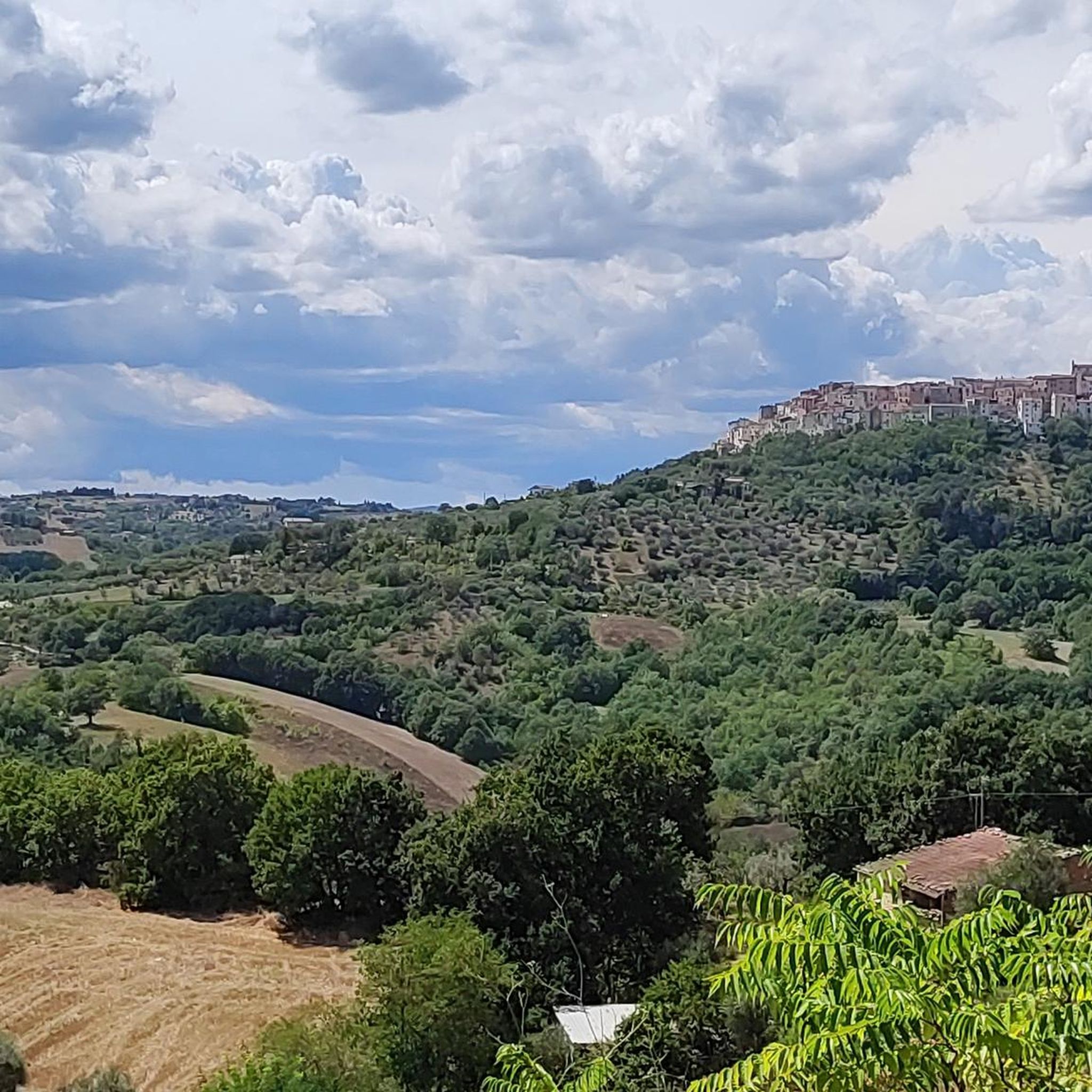
The historic center is beautiful and rises up to the Monforte castle.
0
0

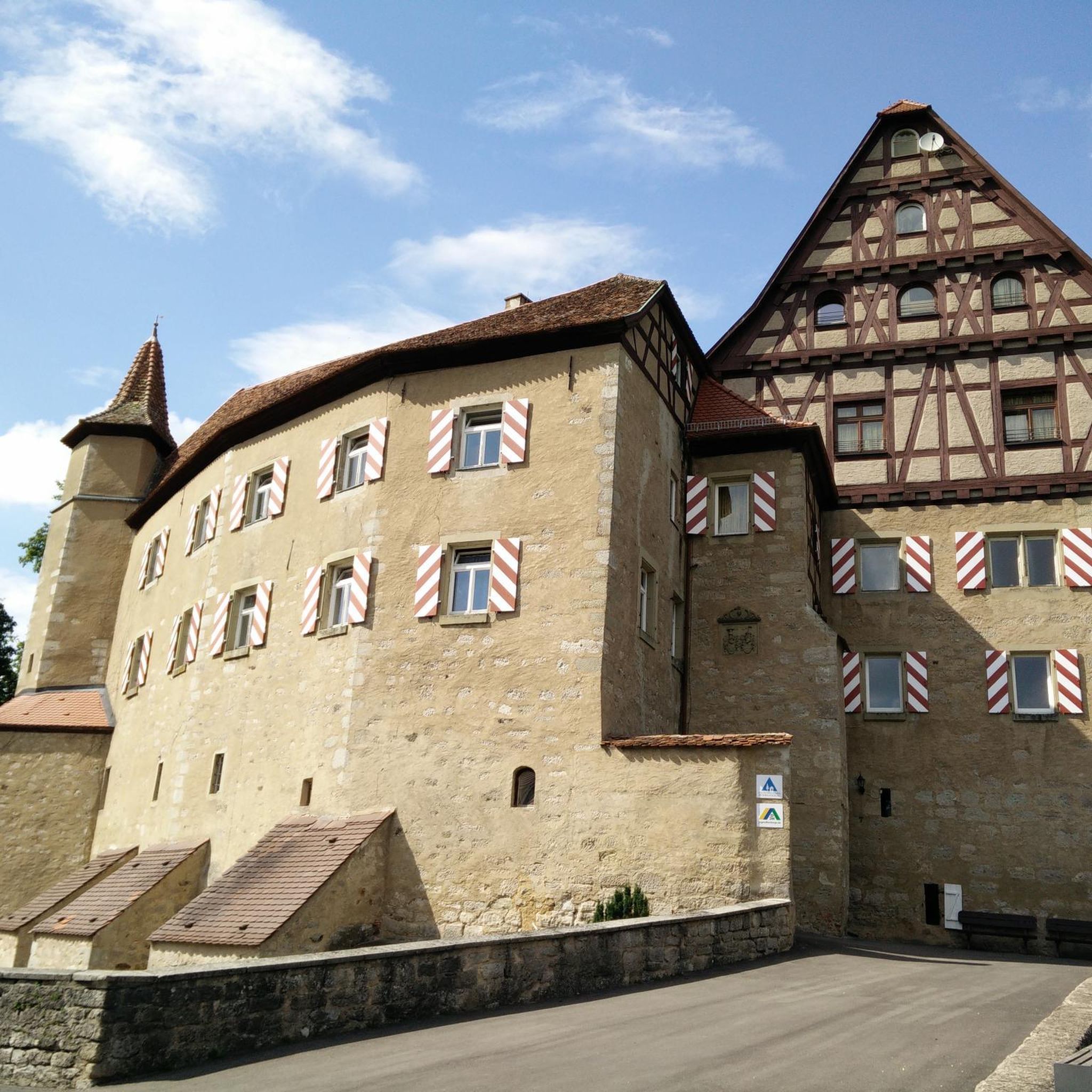
Almost nothing is reliably known about the life of Saint George, to whom the church of Campobasso was dedicated, but the veneration of his person goes back to early Christianity. A martyr identified with George is said to have lived in the third century. However, the legend of St. George as a dragon slayer is well known and widespread; he is usually depicted - in paintings or as a statue - as the conqueror of the monster, often as a knight on horseback. The memorial day of the very popular George - he is, among other things, patron of the English kingdom - in the calendar of saints is April 23rd.
0
0
The musician appears here casually, the singer born in Campobasso and known under the stage name FRED BONGUSTO. In a standing position, one foot raised so that the guitar can be supported on the raised thigh.
0
0

Campobasso is the capital of the Molise Region, an Apennine town full of greenery where there is no shortage of places to visit. The historic center contains the main tourist attractions, a visit by bike is not very feasible due to the stairways typical of the ancient villages of central Italy, but the distances are very short so it is possible to move around easily on foot. Despite this, among the various places the Monforte Castle stands out, reachable by bike from a completely asphalted climb. Worthy of note are the Sannitico Provincial Museum and the Museum of the Mysteries, the latter preserves throughout the year the "Mysteries" or processional machines, allegorical-religious scenic structures that allow figures to parade and be carried on their shoulders through the streets of city on Corpus Domini Sunday. The city offers fine public fountains where you can stop for a break and then leave again. Leaving the city it is easy to reach other small villages within a few kilometers while enjoying the hilly panorama that connects the various centres.
0
0

Campobasso, a city rich in history and culture.
11
0

The church of San Giorgio is the oldest church in Campobasso and according to some the oldest in the entire province, and is also the church dedicated to the city's patron saint.
13
0
Fred Bongusto, pseudonym of Alfredo Antonio Carlo Buongusto (Campobasso, 6 April 1935 – Rome, 8 November 2019), thanks to his persuasive voice was one of the most loved Italian singers between the Sixties and Seventies.
10
0

The Cathedral of the Holy Trinity is the mother church of Campobasso and seat of the metropolitan archdiocese. It is worth a visit inside because it is full of frescoes, stained glass windows and a pipe organ. It was destroyed by the earthquake of 1805 and rebuilt in neoclassical style in the 19th century.
5
0
Frequently Asked Questions
What historical landmarks should I visit in Toro?
Toro boasts a rich architectural heritage. Don't miss the 12th-century Romanesque Colegiata de Santa María la Mayor, famous for its Pórtico de la Majestad and views from its tower. The medieval Alcázar de Toro, with origins in the 10th century, offers panoramic views of the Duero River. Other significant sites include the Arco del Reloj, the Monasterio de Sancti Spiritus el Real, and the Romanesque Bridge over the Duero.
Where can I learn about Toro's wine culture?
Toro is renowned for its wine. The Pagos del Rey (Wine Museum) provides an in-depth look at the winemaking process and the history of Toro wines. Additionally, many local bodegas, such as Bodega Fariña and Bodega Valdigal, offer tours and tastings of the region's distinctive Tinta de Toro wines.
Are there any good viewpoints in Toro?
Yes, Toro offers several excellent viewpoints. The tower of the Colegiata de Santa María la Mayor provides great views of the Duero River and surrounding vineyards. The Alcázar de Toro also features a public viewing point with stunning vistas of the Duero. For a broader perspective, the Espolón Viewing Point (Mirador de la Vega) next to the Colegiata offers extensive views of the fertile plain, ideal for sunset.
What natural features can I explore around Toro?
The landscape around Toro is dominated by the Duero River and its extensive vineyards. You can enjoy picturesque views of the river from various points, including the Alcázar and the Romanesque Bridge. The fertile plain visible from the Espolón Viewing Point is also a notable natural feature, often referred to as the 'Oasis of Castile'.
What cultural sites are there beyond the main landmarks?
Beyond the major landmarks, Toro has several significant churches showcasing different architectural styles. The Church of San Salvador de los Caballeros is a fine example of Romanesque-Mudejar style, often used for exhibitions. The Church of San Sebastián is known for its medieval paintings and altarpiece. You can also find the Verraco, a granite bull-shaped megalith, offering a glimpse into the region's Celtiberian past.
Are there family-friendly activities in Toro?
Exploring the historic center, including the Plaza Mayor and the Alcázar, can be enjoyable for families. The Pagos del Rey (Wine Museum) is designed to be accessible and informative for all ages, offering an engaging way to learn about wine. Walking along the Duero River or visiting the Romanesque Bridge can also be pleasant family outings.
Can I find hiking or walking routes near Toro?
Yes, the area around Toro offers opportunities for outdoor activities. You can find various hiking and walking routes that explore the scenic Duero River valley and surrounding vineyards. For detailed information on trails, including difficulty and distance, explore the Hiking around Toro guide.
What is the best time to visit Toro for outdoor activities?
Toro's climate is generally favorable for outdoor activities during spring and autumn when temperatures are milder. These seasons are ideal for exploring the vineyards, walking along the Duero River, and visiting historical sites comfortably. Summers can be hot, while winters are cooler but still offer opportunities for exploration.
Are there cycling routes available around Toro?
Absolutely. The picturesque landscape of Toro, with its vineyards and river views, is well-suited for cycling. You can discover various routes for different skill levels. For specific cycling trails and their details, refer to the MTB Trails around Toro guide.
What is the Plaza Mayor like in Toro?
The Plaza Mayor is the vibrant central square of Toro. It is surrounded by significant buildings, including the City Hall, and features traditional houses with balconies. It serves as the heart of the city's social and cultural life, making it a great spot to experience local atmosphere and relax.
What are some lesser-known historical gems in Toro?
Beyond the main attractions, consider visiting the Palacio Condes de Requena, a 15th-century Gothic palace now used for cultural events. The Church of San Lorenzo el Real is another prominent Mudejar Romanesque ecclesiastical building worth exploring for its architectural beauty and historical significance.
Where can I see the Duero River in Toro?
The Duero River is a defining feature of Toro. You can see it from the Alcázar de Toro, which offers stunning panoramic views. The Romanesque Bridge over the Duero is another excellent spot to appreciate the river, and the Espolón Viewing Point also provides expansive views of the river valley.

Get inspired with the komoot mobile app


Explore more
Still not found the Highlight you’re looking for? See guides of the top attractions in other regions:
