The best walks and hikes around Räbke
4.6
(7959)
29,583
hikers
41
hikes
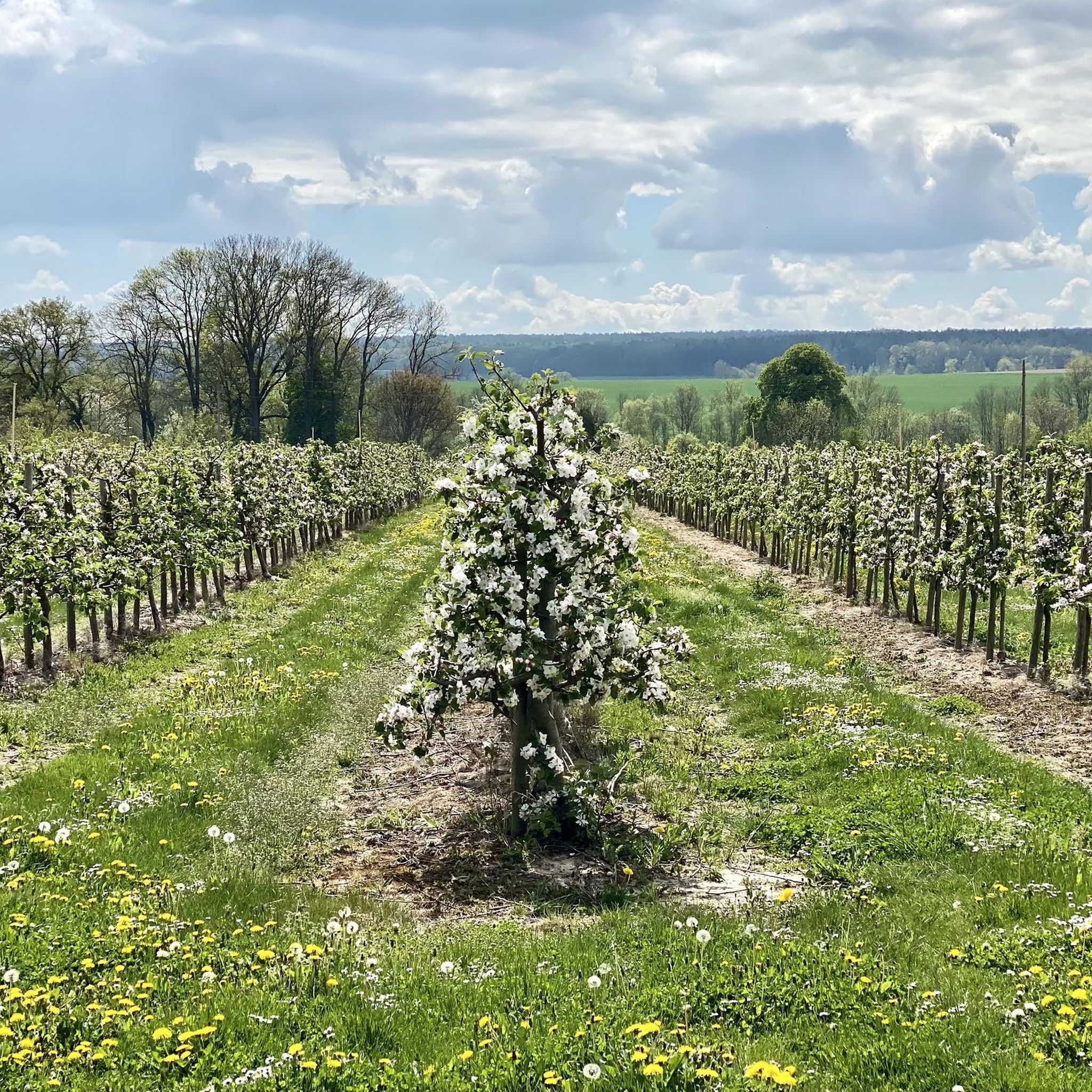
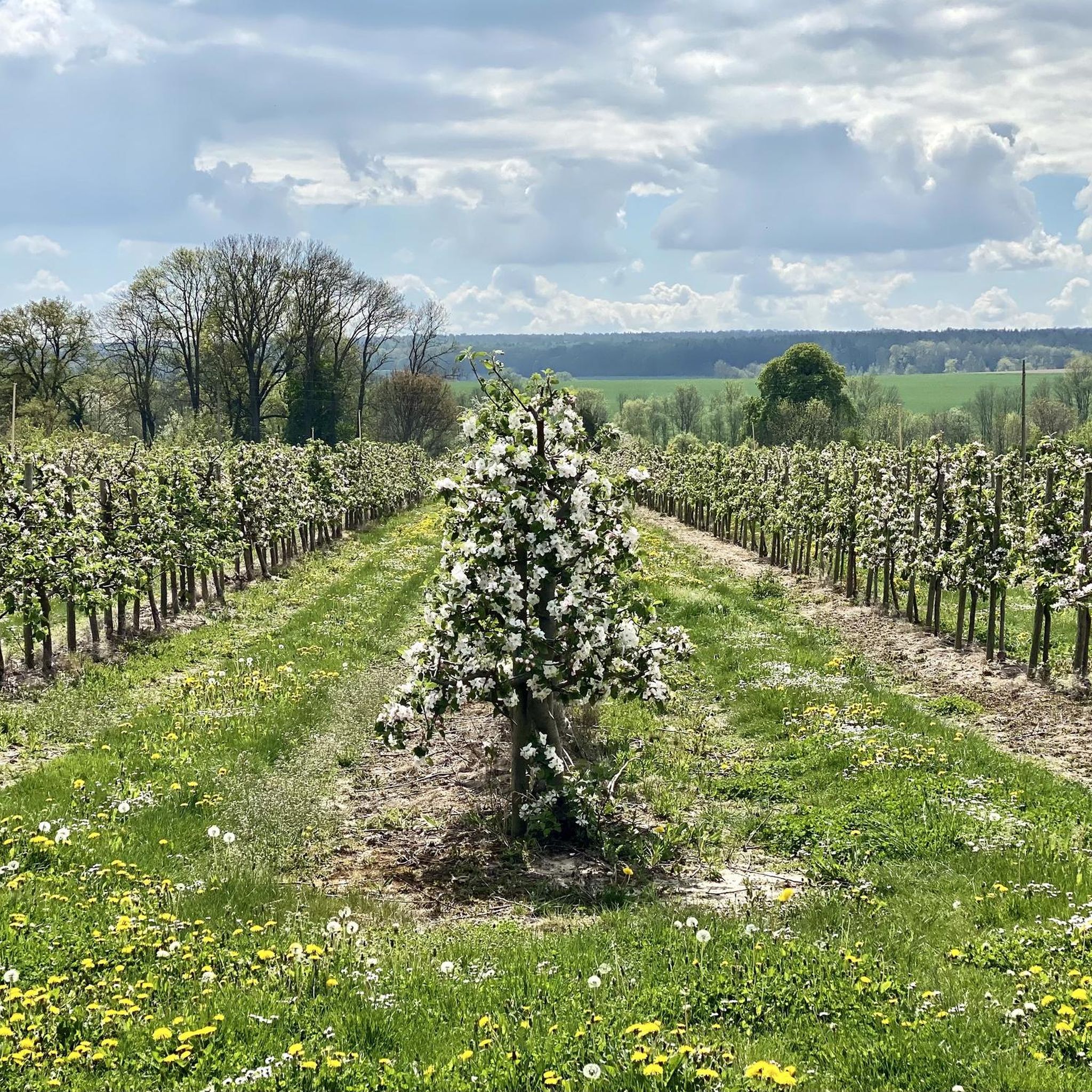
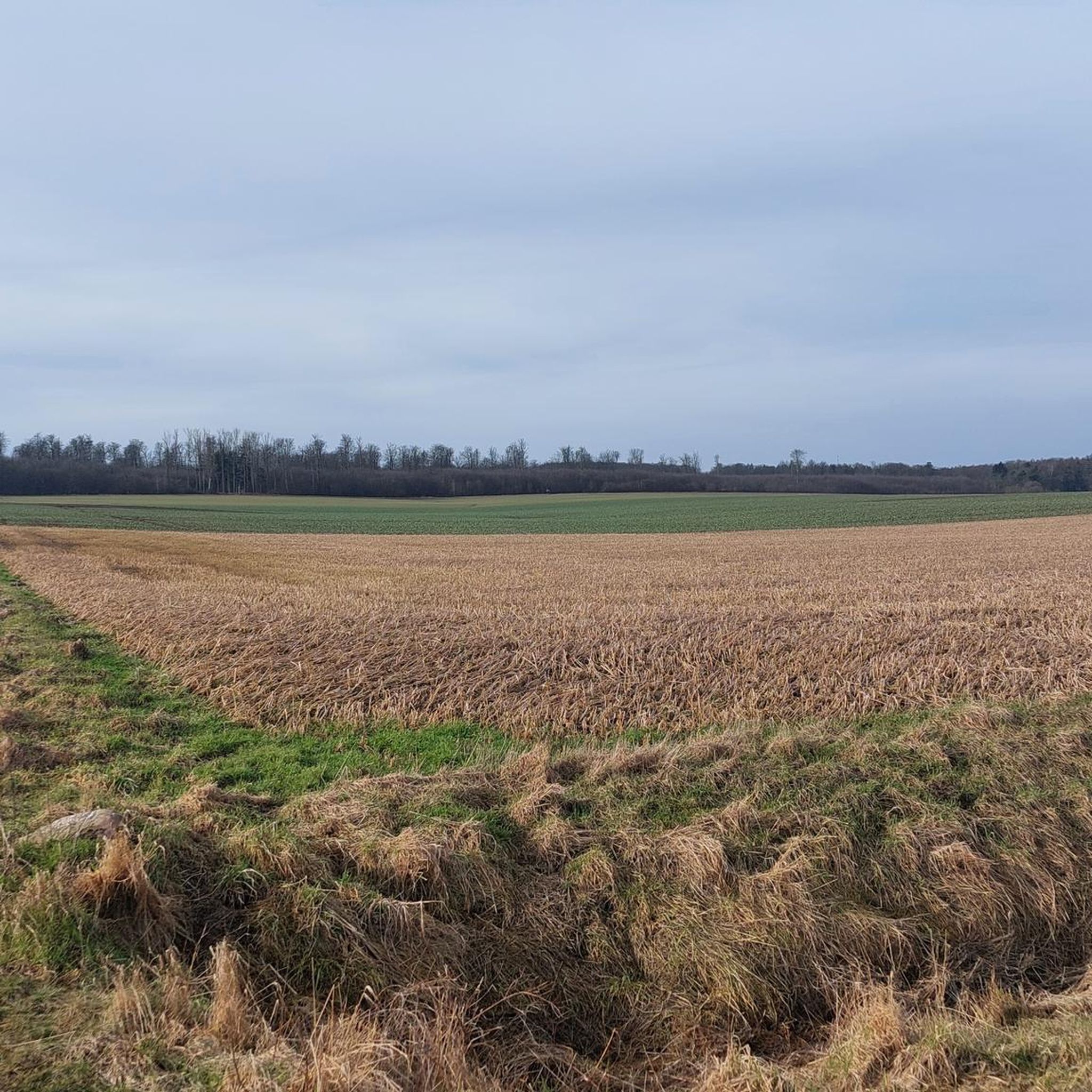
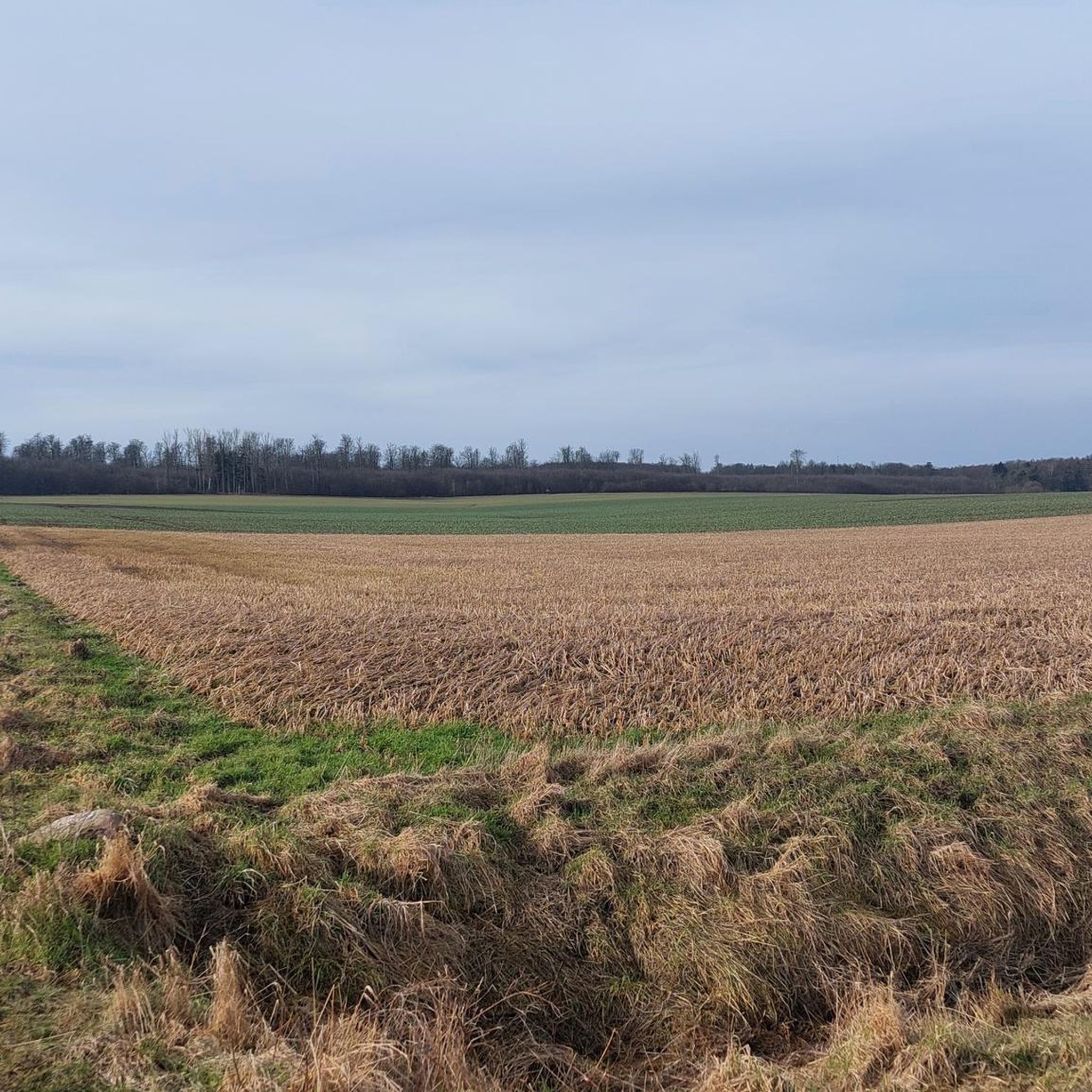
Hiking around Räbke offers diverse natural features within the Elm-Lappwald Nature Park in Lower Saxony, Germany. The region is characterized by the Elm, Northern Germany's largest continuous beech forest, providing extensive shaded forest paths. The landscape also features the renaturalized Schunter River, clear spring streams, and small lakes like the Schuntersee. Terrain includes soft forest paths, heathlands, and wetlands with gentle elevation changes, making many routes accessible for various fitness levels.
Best hiking trails around Räbke
- The most popular hiking…
Last updated: May 14, 2026
4.3
(18)
71
hikers
9.21km
02:27
90m
100m
Moderate hike. Good fitness required. Easily-accessible paths. Suitable for all skill levels.
4.5
(11)
60
hikers
10.3km
02:47
140m
140m
Moderate hike. Good fitness required. Easily-accessible paths. Suitable for all skill levels.

Sign up for free
4.7
(6)
31
hikers
3.92km
01:02
30m
30m
Easy hike. Great for any fitness level. Easily-accessible paths. Suitable for all skill levels.
4.6
(13)
40
hikers
14.7km
03:54
140m
140m
Moderate hike. Good fitness required. Easily-accessible paths. Suitable for all skill levels.
4.7
(6)
33
hikers
4.11km
01:05
30m
30m
Easy hike. Great for any fitness level. Easily-accessible paths. Suitable for all skill levels.
Get access to more routes and recommendations from other explorers.
Sign up for free
Already have an account?
Our route recommendations are based on thousands of hikes, rides, and runs completed by other people on komoot.
Start today with a free account
Your next adventure awaits.
Login or Signup

Tips from the Community

Finally, a shelter.
0
0

A very nice highlight.
0
0
It's worth taking a photo stop here.
0
0
Great installation. It's worth stopping here for a photo.
0
0
A great highlight. Highly recommended!
1
0
A great highlight. Highly recommended!
0
0

Warberg Castle is situated in a very attractive landscape on the northern slope of the Elmes River. After the destruction of the first motte-and-bailey castle in 1199, the complex was probably replaced in the 13th century by a fortified moated castle on an artificially created hill in the valley. In a war waged by Duke Magnus the Elder of Brunswick in 1347 against Archbishop Otto of Magdeburg, the noblemen Gebhard and Burchard von Warberg fought as leaders of the duke, who was defeated that same year. As a result of these military events, Warberg Castle was severely damaged in 1356 but was subsequently restored. In 1552, Christoph von Warberg converted the castle into an impressive Renaissance palace, which is documented in a Merian engraving from 1654. The very beautiful and well-preserved niche portal on the side facing the courtyard dates from this period. The addition of a storey to the old upper castle building resulted in such an increase in load that the foundations could not adequately withstand the pressure, and the two upper floors had to be demolished. At the beginning of the 16th century, during the Thirty Years' War, the noble von Warberg family began to decline. The castle was gradually demolished except for the ground floor walls. A temporary roof, probably dating from the 19th century, made it possible to preserve the remaining structure, which from then on served to manage the domain. The present castle complex is divided into a renovated lower castle, used by the Bundeslehranstalt Burg Warberg e.V. as a seminar hotel, and the now also renovated upper castle, which was reopened to the public on April 25, 2004. The German Foundation for Monument Protection was involved in the renovation of Warberg Castle in 2000 and 2001.
0
2
Frequently Asked Questions
What kind of terrain can I expect on hiking trails around Räbke?
Hiking around Räbke offers a diverse landscape within the Elm-Lappwald Nature Park. You'll find extensive shaded forest paths, particularly through Northern Germany's largest continuous beech forest, the Elm. The terrain also includes soft forest paths, heathlands, and wetlands, with gentle elevation changes that make most routes accessible for various fitness levels.
Are there many easy hiking trails suitable for beginners or families in Räbke?
Yes, Räbke is an excellent destination for easy hikes. Out of the 42 available routes, 25 are rated as easy. These trails often feature gentle elevation changes and well-maintained paths, making them ideal for families or those seeking a relaxed outdoor experience.
Are there any circular hiking routes in the Räbke area?
Many of the trails around Räbke are designed as circular routes, allowing you to start and end at the same point. For example, the Hagen Monument at the Tetzelstein – Tetzelstein loop from Brunsleberfeld is a moderate 6.4-mile (10.4 km) circular hike that takes about 2 hours 48 minutes to complete.
What natural features can I see along the hiking trails in Räbke?
The trails in Räbke often lead through the beautiful Elm-Lappwald Nature Park, featuring the extensive beech forests of the Elm. You can also explore the renaturalized Schunter River, clear spring streams, and small lakes like the Schuntersee. These natural elements are central to the hiking experience here.
Are there any historical landmarks or points of interest near the hiking routes?
While the region is primarily known for its natural beauty, some routes pass by interesting spots. For instance, the Schunter Spring – Old Warberg Castle Ruins loop from Brunsleberfeld is a moderate 9.2-mile (14.8 km) trail that includes the Old Warberg Castle Ruins. You might also encounter various shelters and huts, such as the Karl-May Valley Shelter and Stamp Station 5 or the Dieter Hauschild hut on the Drachenberg.
What do other hikers say about the trails in Räbke?
The hiking trails in Räbke are highly regarded by the komoot community, with an average rating of 4.6 stars from over 140 reviews. Hikers often praise the tranquil atmosphere of the beech forests, the well-maintained paths, and the accessibility of routes for various fitness levels.
How long do hikes in Räbke typically take?
Hiking durations in Räbke vary depending on the route's length and your pace. Many easy trails can be completed in 1 to 2 hours. For example, the Schuntersee – Schunter Spring loop from Brunsleberfeld, a moderate 5.7-mile (9.2 km) trail, typically takes about 2 hours 27 minutes.
Are there any challenging hiking routes for experienced hikers in Räbke?
While Räbke is known for its accessible trails, there are a few options for those seeking a bit more challenge. The region offers 2 difficult routes out of 42. These routes might feature longer distances or slightly more varied terrain, though significant elevation changes are generally not a defining characteristic of the area.
Is Räbke a good destination for dog-friendly walks?
Yes, the natural environment of Räbke, with its extensive forest paths and open areas within the Elm-Lappwald Nature Park, is generally very suitable for dog walking. Many trails offer plenty of space for dogs to explore, but always remember to keep your dog on a leash where required and clean up after them.
What is the best time of year to go hiking in Räbke?
Räbke offers pleasant hiking experiences throughout much of the year. The extensive beech forests provide welcome shade during warmer months, making summer hikes enjoyable. Spring and autumn are particularly scenic, with vibrant foliage changes. Winter hiking is also possible, though conditions may vary, and paths might be muddy or icy.
Are there places to rest or take shelter along the trails?
Yes, within the Elm-Lappwald Nature Park, you can find various shelters and huts that offer a place to rest or take cover from the weather. Examples include the Franz Bachmann Hut and a Shelter at trail junction, Naturpark Elm-Lappwald. These are often located at convenient points along popular routes.
Most popular attractions around Räbke

Get inspired with the komoot mobile app


Explore more
Browse the best Hikes in other regions.
