Attractions and Places To See around San Giuliano Del Sannio - Top 20
Best attractions and places to see around San Giuliano Del Sannio are situated within the Molise Mountains, offering views over the Tammaro river plain. This area features a blend of historical landmarks, including ancient Roman structures and churches, alongside natural beauty. The region is characterized by lush vegetation and ancient woods, providing various naturalistic paths for exploration. It is considered a nature reserve, offering an authentic experience for visitors.
Best attractions and places to see around San Giuliano Del Sannio
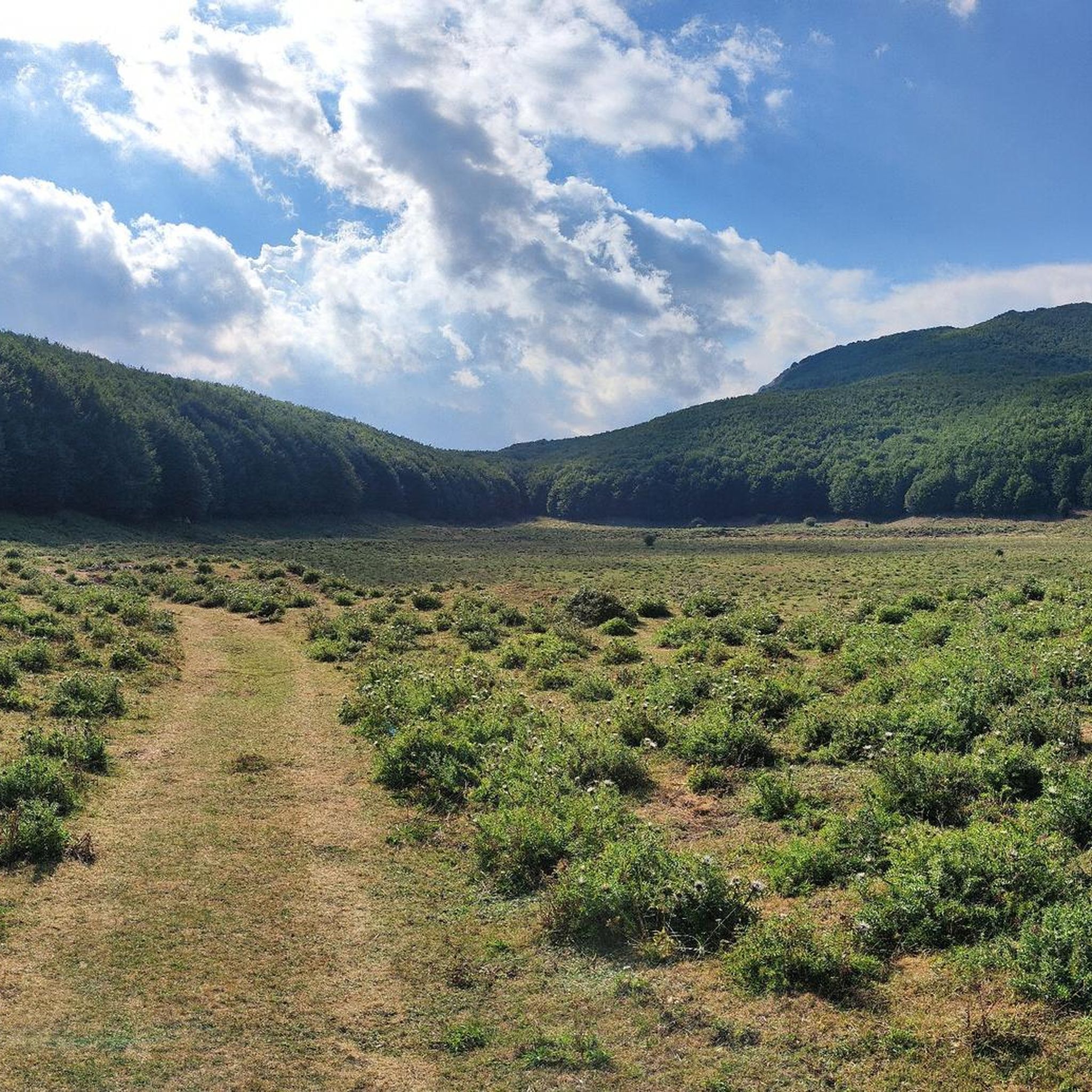
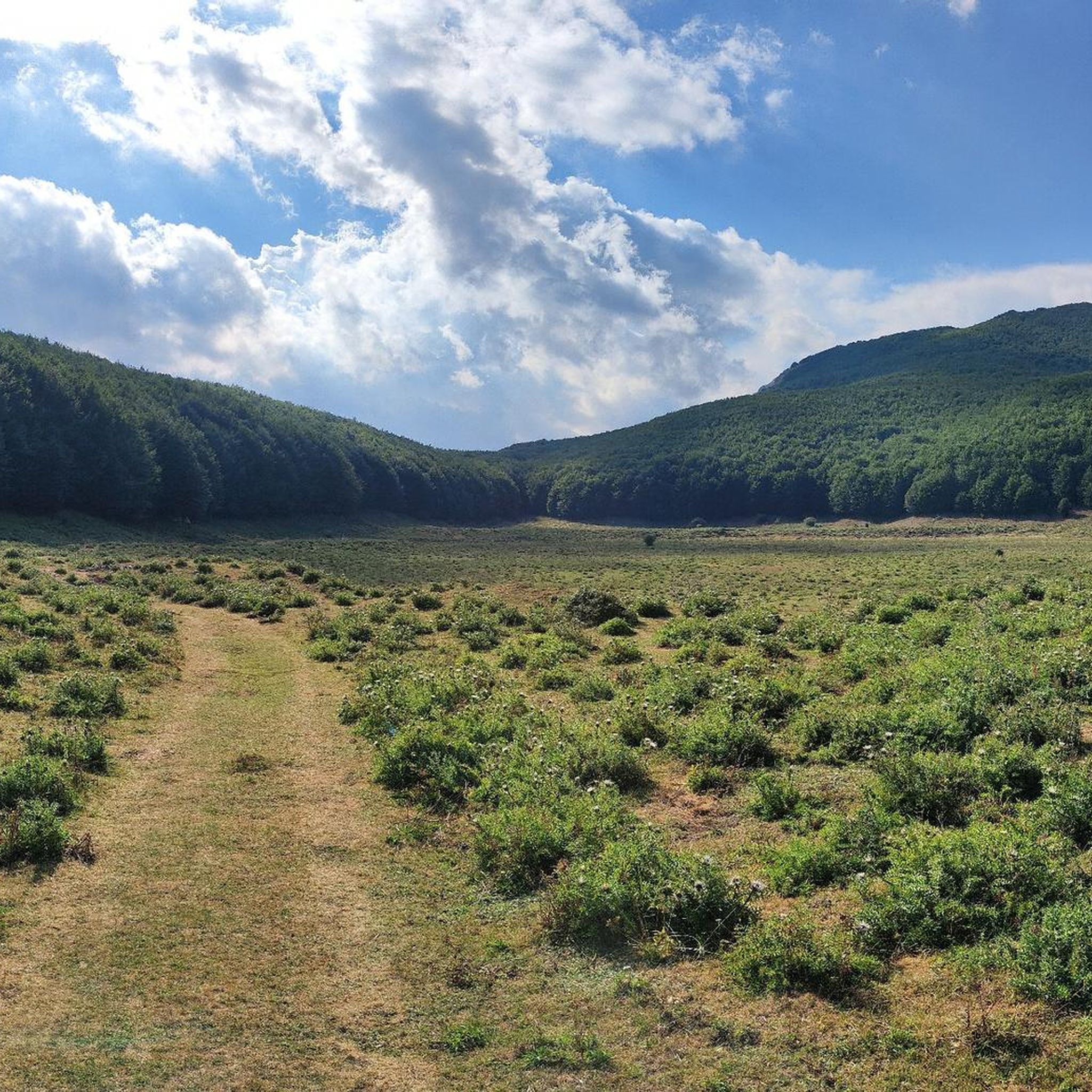
- The most popular attractions is Mount Mutria, a summit that is the highest peak of the Guardiaregia-Campochiaro Regional Reserve. With an elevation of 1823 meters, its panorama extends over the Apennine mountains.
- Another must-see spot is Campobasso Historic Center, a historical site and the capital of the Molise Region. This area contains main tourist attractions, including the Monforte Castle and various museums.
- Visitors also love La Casella Pass, a mountain pass marking the border between the Molise and Campania regions. It offers challenging climbs and viewpoints.
- San Giuliano Del Sannio is known for its historical sites, natural viewpoints, and cycling routes. Visitors can explore ancient Roman traces, historic churches, and various naturalistic paths.
- The attractions around San Giuliano Del Sannio are appreciated by the komoot community, with 15 upvotes and 6 photos shared.
Last updated: July 2, 2026
Campobasso Historic Center
Highlight • Historical Site
Translated by Google •
Tip by

Mount Mutria
Highlight • Summit
Translated by Google •
Tip by

Sign up now to discover places like this
Get recommendations on the best single tracks, peaks, & plenty of other exciting outdoor places.
Sign up for free
Chapel of Saint Anthony on Mount Mutria
Highlight • Religious Site
Translated by Google •
Tip by

La Casella Pass
Highlight • Mountain Pass
Tip by

Ancient Saepinum
Highlight • Historical Site
Access to the site is free, only the museum is subject to payment.
Translated by Google •
Tip by

Sign up for free to discover even more attractions around San Giuliano Del Sannio.
Sign up for free
Already have an account?
Start today with a free account
Your next adventure awaits.
Login or Signup
Tips from the Community

The historic center is beautiful and rises up to the Monforte castle.
0
0

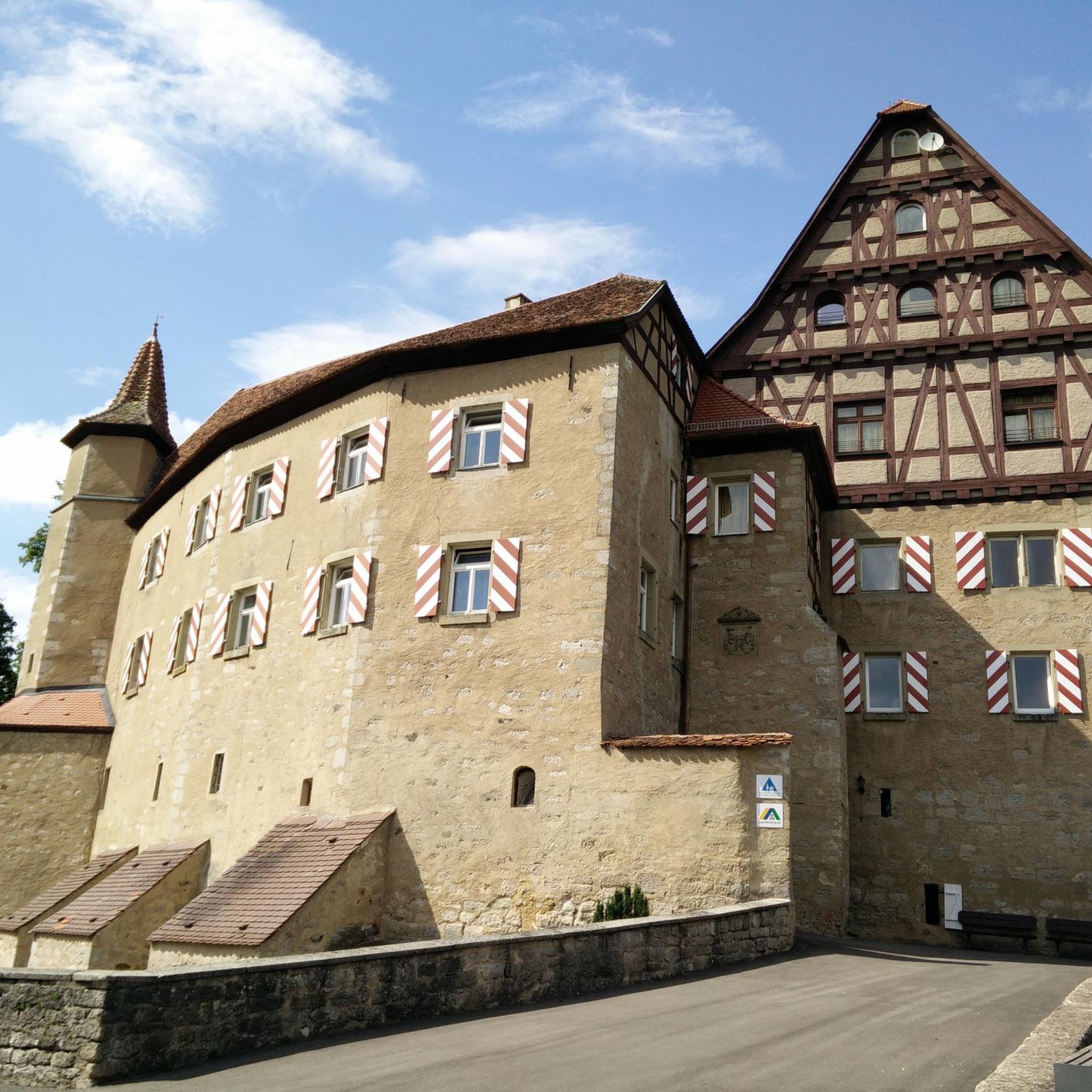
Campobasso is the capital of the Molise Region, an Apennine town full of greenery where there is no shortage of places to visit. The historic center contains the main tourist attractions, a visit by bike is not very feasible due to the stairways typical of the ancient villages of central Italy, but the distances are very short so it is possible to move around easily on foot. Despite this, among the various places the Monforte Castle stands out, reachable by bike from a completely asphalted climb. Worthy of note are the Sannitico Provincial Museum and the Museum of the Mysteries, the latter preserves throughout the year the "Mysteries" or processional machines, allegorical-religious scenic structures that allow figures to parade and be carried on their shoulders through the streets of city on Corpus Domini Sunday. The city offers fine public fountains where you can stop for a break and then leave again. Leaving the city it is easy to reach other small villages within a few kilometers while enjoying the hilly panorama that connects the various centres.
0
0

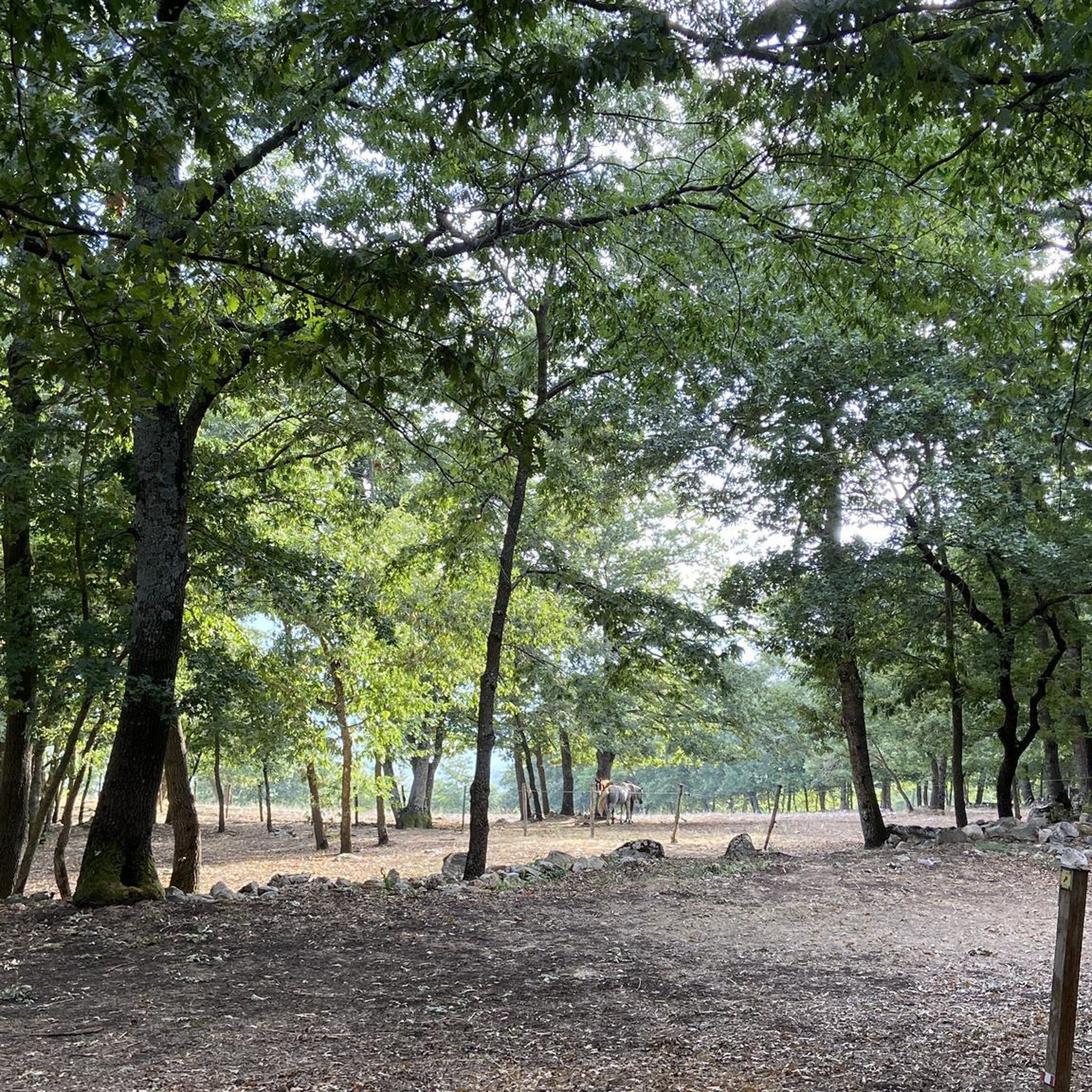
The name Saepinum derives from the Latin and means to fence and therefore refers to the breeding activities practiced here at the time. It was conquered by the Romans in the Third Samnite War in 293 BC.
0
0

Monte Mutria is the highest peak of the Guardiaregia-Campochiaro Regional Reserve, with its 1823 meters of altitude. Near the top is the chapel of Sant'Antonio, built in the 1990s and a destination for summer pilgrimages. The panorama extends over the great mountains of the Apennines, and on the clearest days you can even see the sea.
2
0

Capital and most important and populous city of Molise. Its symbol, which stands out over the city, is the Monforte Castle.
1
0

Saepinum is an ancient Roman city. The name derives from the Latin "saepire", or fence. Originally, in fact, it is thought that there was a fence for the flocks here. There is currently an interesting archaeological museum and an impressive Roman theater which seated around 3,000 is still visible. Access to the site is free, only the museum is subject to payment.
2
0

On the ancient Tratturo Pescasseroli-Candela you can visit the ruins of the Roman town with theater, forum, baths, basilica and much more.
0
0

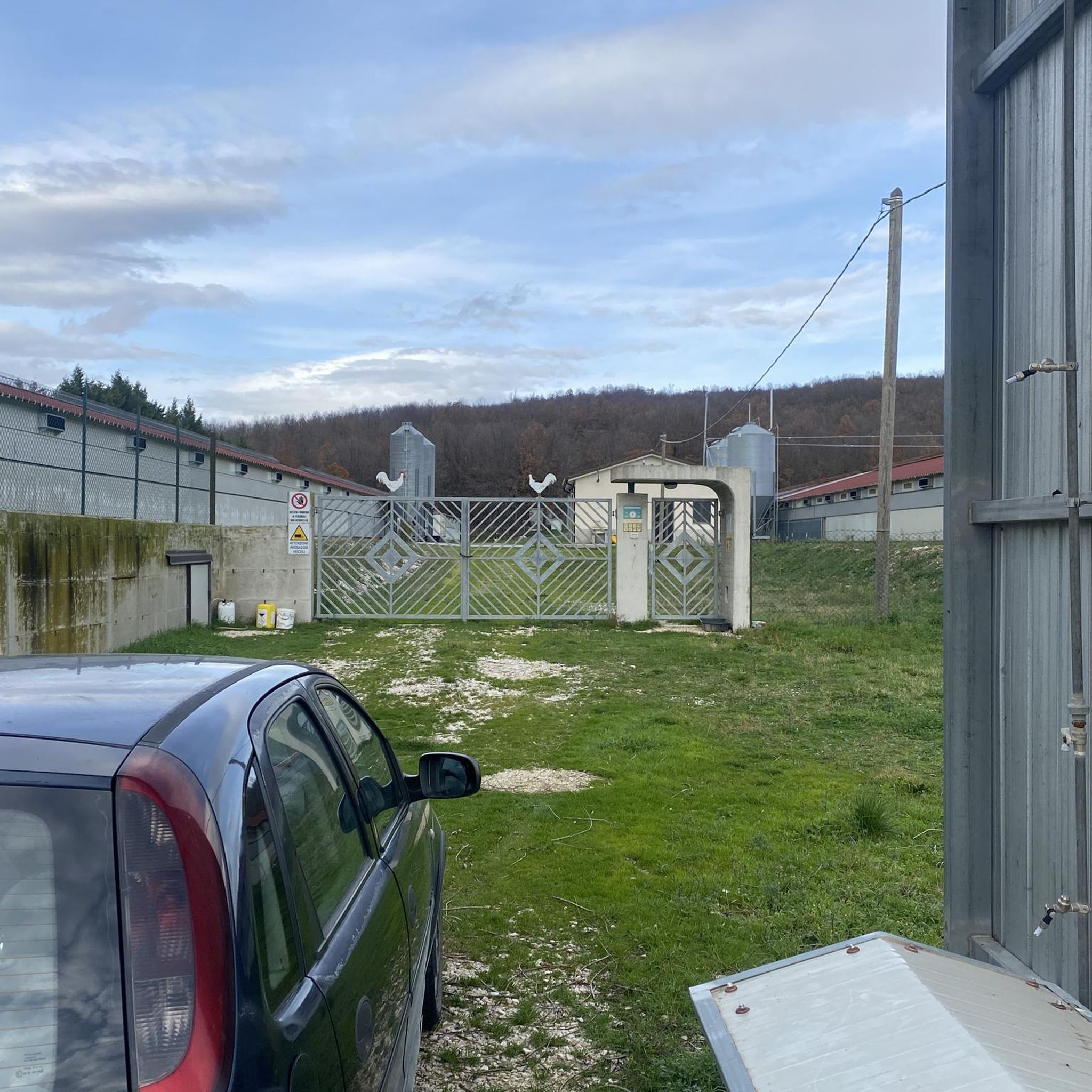
Border between the regions of Molise and Campania. Hard climbing, road could be closed or tricky during wintertime
0
0
Frequently Asked Questions
What historical sites can I explore around San Giuliano Del Sannio?
The region is rich in history. You can visit the historic churches of Sant'Antonio da Padova and San Nicola di Bari, with the latter known for its unique double bell tower. The Campobasso Historic Center also offers significant historical attractions like the Monforte Castle and various museums. Additionally, explore the ancient Palazzo Marchesale, built upon an ancient castle, and traces of Roman structures, including the remains of a Roman villa believed to belong to the influential Neratii family.
Are there opportunities for hiking near San Giuliano Del Sannio?
Yes, the Molise Mountains offer numerous hiking opportunities. You can explore trails around Mount Mutria, the highest peak of the Guardiaregia-Campochiaro Regional Reserve, which also features the Chapel of Saint Anthony. For more options, you can find various routes, including the 'Saepinum Archaeological Park Loop' and 'Monte Mutria – loop tour in the Riserva Regionale Guardiaregia-Campochiaro', in the Hiking around San Giuliano Del Sannio guide.
What natural features can I discover in the area?
San Giuliano Del Sannio is set within the Molise Mountains, offering views over the Tammaro river plain. The area boasts lush vegetation and ancient woods, including the tranquil Bosco Mandrilli. Mount Mutria provides panoramic views extending over the Apennine mountains, and on clear days, even the sea.
Are there any cycling routes available?
Absolutely. The region offers several cycling paths. A notable option is the Altilia–Saepinum Cycle Path, which runs along Provincial 82. For mountain biking enthusiasts, the MTB Trails around San Giuliano Del Sannio guide lists routes like 'Il tratturo Lucera-Castel di Sangro da Campobasso – giro ad anello' and 'Giro ad anello nell'Oasi WWF Guardiaregia - Campochiaro'.
What cultural traditions or events can I experience?
The town celebrates the traditional Festival of San Nicola annually on May 8th and 9th, featuring a unique parade of 'fucilieri' (men with rifles) accompanying the saint's procession. The patron saint is also celebrated again on August 10th. You can also visit the permanent exhibition dedicated to the cult of San Nicola di Bari within the Palazzo Marchesale.
What is the best time to visit San Giuliano Del Sannio?
The region offers an authentic experience year-round. The summer months are ideal for outdoor activities like hiking and cycling, with pilgrimages to the Chapel of Saint Anthony on Mount Mutria. The Festival of San Nicola in May and August provides a unique cultural experience. The lush vegetation and ancient woods are pleasant to explore in spring and autumn.
Are there any family-friendly attractions or activities?
Families can enjoy exploring the naturalistic paths through the ancient woods, such as Bosco Mandrilli, which offers a peaceful environment. Visiting the ancient mills provides a glimpse into the past, and the tranquil atmosphere of the town itself, particularly along Via Roma, is welcoming for all ages.
Where can I find traces of ancient Roman civilization?
You can find significant Roman presence in the area, including traces of ancient Roman dwellings and the remains of a Roman villa, believed to belong to the influential Neratii family. Archaeological excavations continue to uncover ceramic materials, shedding light on the villa's role in agrarian colonization.
What makes the Church of San Nicola di Bari unique?
The Church of San Nicola di Bari is particularly distinctive for its unique double bell tower, a rare architectural feature in Molise. Its origins date back to the 12th century, though it has been rebuilt multiple times following earthquakes.
Can I find places for running or jogging?
Yes, there are several running trails in the vicinity. The Running Trails around San Giuliano Del Sannio guide features routes such as 'To Castello Monforte di Campobasso – loop run from the train station' and 'Campobasso City Highlights – Campobasso loop from Campobasso', offering various distances and difficulties.
What is the significance of the 'teglia' tree in San Giuliano Del Sannio?
The 'teglia' is an ancient tree that stands at the center of the town. It symbolizes San Giuliano Del Sannio's long history and serves as a natural landmark, reflecting the town's deep roots and respect for its heritage.
Is there a specific viewpoint to see the border between Molise and Campania?
Yes, La Casella Pass marks the border between the Molise and Campania regions. It offers challenging climbs and provides excellent viewpoints of the surrounding landscapes.
Most popular routes around San Giuliano Del Sannio
Most popular attractions around San Giuliano Del Sannio

Get inspired with the komoot mobile app


Explore more
Still not found the Highlight you’re looking for? See guides of the top attractions in other regions:
