Attractions and Places To See around Sesto Campano - Top 20
Best attractions and places to see around Sesto Campano include historical sites, natural features, and charming villages in the Molise region of Italy. This area is characterized by a hilly landscape, significant rivers like the Volturno, and ancient structures. Sesto Campano offers a blend of cultural heritage and natural beauty for exploration.
Best attractions and places to see around Sesto Campano
- The most popular attractions is Conca della Campania Waterfall, a waterfall that is fed by the Rivo di Conca stream. It is particularly impressive during rainy seasons and is situated in an environment stemming from the extinct Roccamonfina volcano.
- Another must-see spot is Prata Sannita, a medieval village located on a rock ridge overlooking the valley of the river Lethe. It features narrow, winding alleys, stairways, arches, and stone portals, with its castle now housing several museums.
- Visitors also love Castello di Pandone, a castle in nearby Venafro. This ancient fortress was transformed into a medieval palace and now serves as a national museum, housing sculptures and paintings.
- Sesto Campano is known for its waterfalls, historical castles, and medieval villages. The region offers a variety of attractions to see and explore, from natural monuments to significant cultural sites.
- The attractions around Sesto Campano are appreciated by the komoot community, with 11 upvotes and 2 photos shared by visitors.
Last updated: July 2, 2026
Lete Waterfalls
Highlight • Waterfall
Translated by Google •
Tip by

Conca della Campania Waterfall
Highlight • Waterfall
Translated by Google •
Tip by

Sign up now to discover places like this
Get recommendations on the best single tracks, peaks, & plenty of other exciting outdoor places.
Sign up for free
Prata Sannita
Highlight • Settlement
Translated by Google •
Tip by

Laghetto di Venafro
Highlight • Lake
first a mill, then a power plant and cinema, today it is a multifunctional centre
Translated by Google •
Tip by

Fontegreca Cypress Grove
Highlight • Forest
Translated by Google •
Tip by
Sign up for free to discover even more attractions around Sesto Campano.
Sign up for free
Already have an account?
Start today with a free account
Your next adventure awaits.
Login or Signup


Tips from the Community

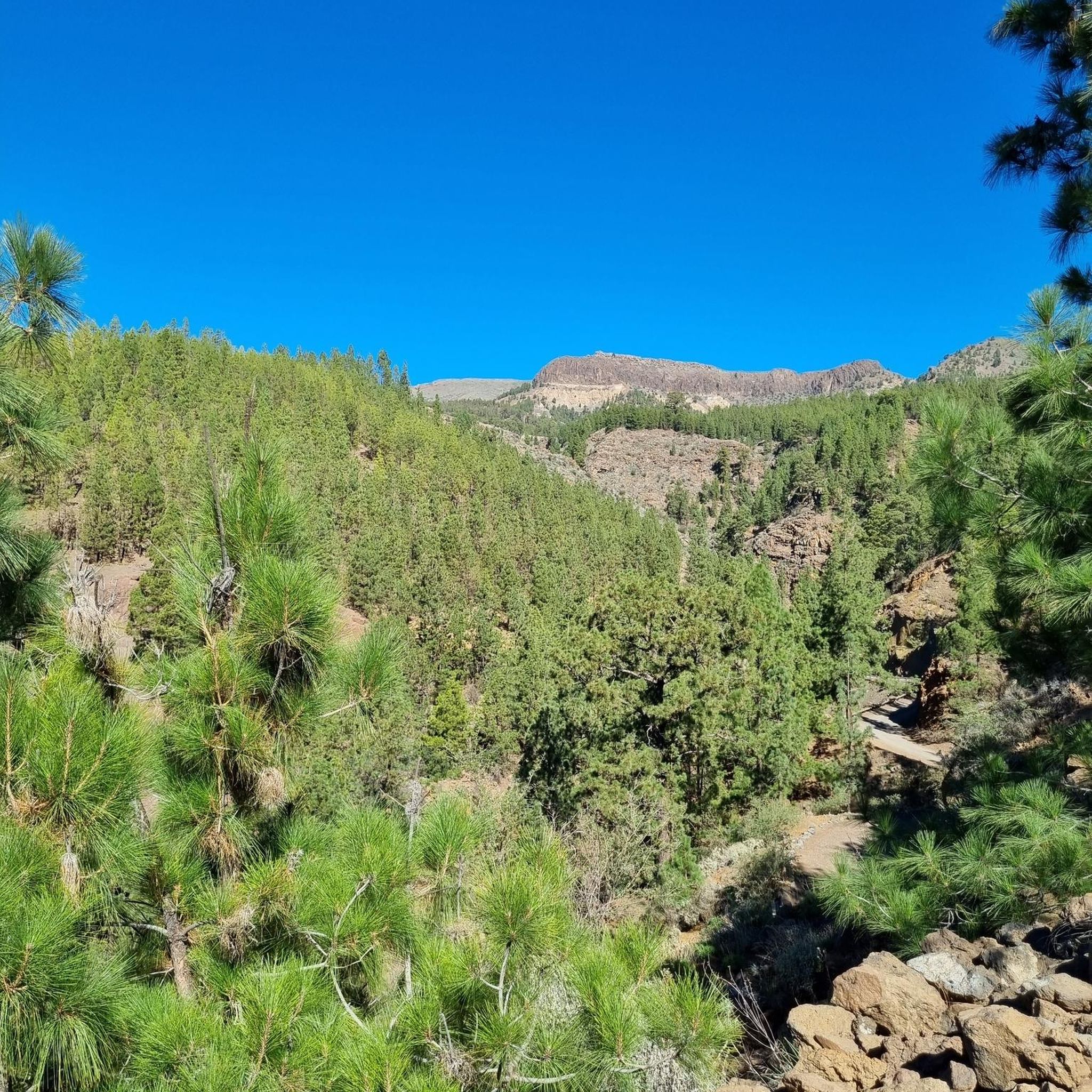
The Cipresseta di Fontegreca is one of the most well-equipped natural areas in the Matese: a forest of centuries-old cypress trees crisscrossed by streams, waterfalls, and shaded paths. There is a €3 entrance fee to the park, which allows for sustainable management of the area. Visitors have access to picnic tables, shaded areas for laying out a towel, public restrooms, and a seasonal shuttle service from the parking lot.
1
0

The cypress grove is accessible with the payment of 3 euros per person. It can be reached by shuttle, offered by a local association that takes care of it following the payment of 1 euro per person. It is an enchanting place to refresh and stop for a picnic. From there, several challenging and unmarked paths (mule tracks) wind towards the highest parts of the ridges where it stands, to be followed with caution.
0
0
The trail is not an official CAI trail and although the route suggested by koomot is intuitive, the deviation it proposes is risky. In fact, the undergrowth has almost reclaimed the trail, making it difficult and unpredictable. Access to the waterfalls is quite intuitive even if they are also not marked. On site you have to make do to find a location and bathing remains difficult. Exploring a bit you find several pools of freezing water. Despite the difficulty, it remains an enchanting place.
1
0


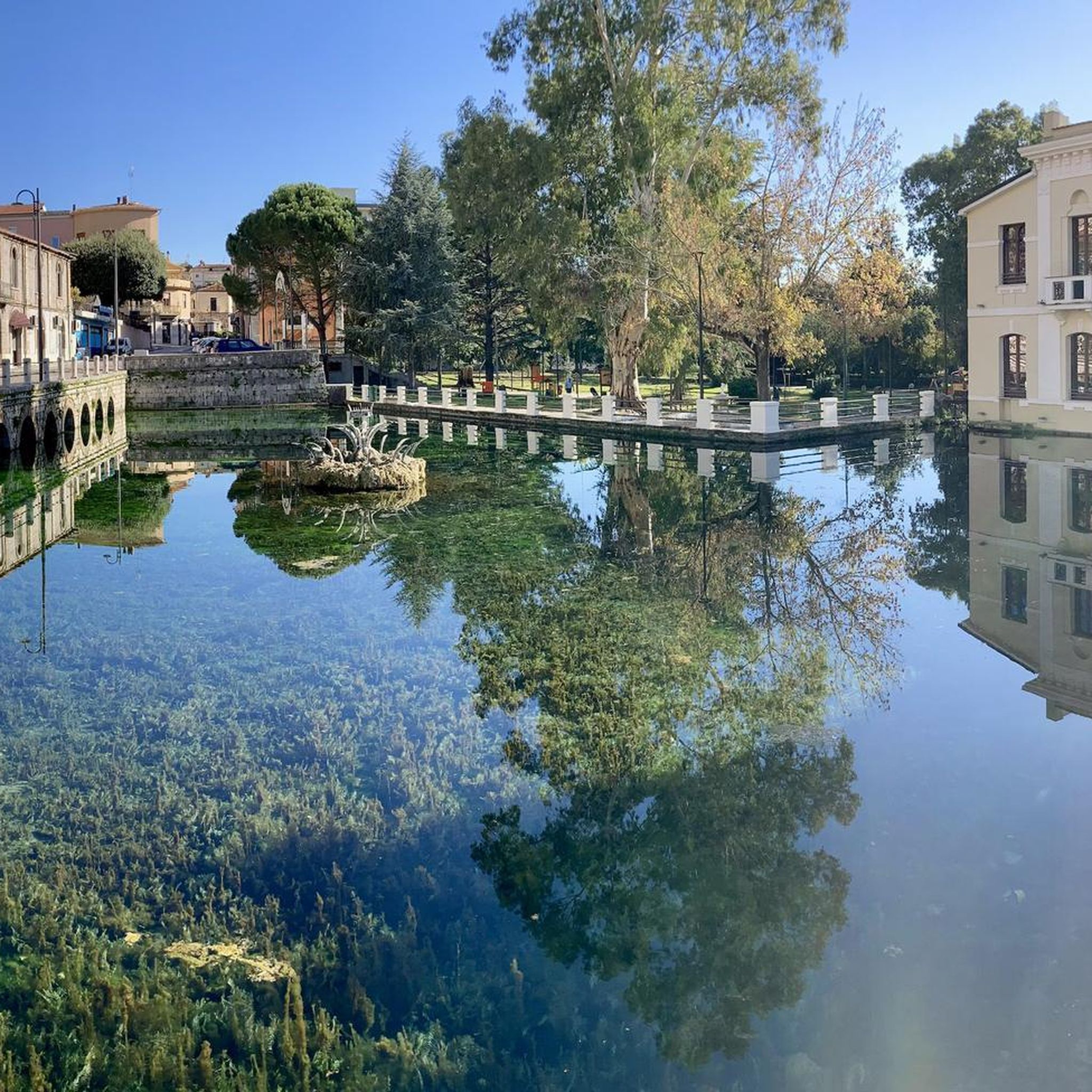
The beautiful Liberty building overlooks the spring water lake, first a mill, then a power plant and cinema, today it is a multifunctional centre
0
0

The Lete stream produces small waterfalls and natural pools where it is possible to swim.
0
0
The Bosco degli Zappini, better known as the "Cipresseta di Fontegreca", is one of the major symbols of the Matese Park. It is the subject of study because it is the only cypress forest of this size in Italy. Here there are also some fascinating waterfalls and natural pools.
1
0

Frequently Asked Questions
What natural attractions can I explore around Sesto Campano?
Sesto Campano is surrounded by a picturesque hilly landscape and offers several natural highlights. You can visit the Conca della Campania Waterfall, which is particularly impressive during rainy seasons. Another option is the Lete Waterfalls, known for its enchanting pools of freezing water, though the trail can be challenging. The area also features Monte Cesima and the River Volturno, part of a Special Area of Conservation.
Are there historical sites or cultural landmarks to visit in Sesto Campano itself?
Yes, Sesto Campano boasts a rich historical heritage. The majestic Castello Spinola, originally a Lombard fortress, now houses a museum and serves as an open-air theater. The village also has several churches of significant historical value, including the 13th-century Chiesa di Sant'Eustachio Placido and the ancient Chiesa di Santa Maria Assunta. Don't miss Roccapipirozzi, a charming fraction of Sesto Campano with a medieval castle and narrow stone streets.
What medieval villages can I visit near Sesto Campano?
Beyond Sesto Campano, you can explore the medieval village of Prata Sannita, perched on a rocky ridge overlooking the Lethe river valley. It's characterized by narrow, winding alleys, stairways, arches, and stone portals, and its castle now hosts several museums. Another nearby option is Filignano, known for its rural landscape and historical heritage.
What castles or fortresses are there in the vicinity of Sesto Campano?
Besides Castello Spinola in Sesto Campano, you can visit the ancient Castello di Pandone in nearby Venafro. This fortress was transformed into a medieval palace and now functions as a national museum, housing sculptures and paintings. Roccapipirozzi also features an ancient medieval castle with cylindrical towers that maintained its original defensive character.
What kind of outdoor activities can I do around Sesto Campano?
The region around Sesto Campano offers various outdoor activities. For running, you can find routes like the 'Lavatoio – Teatro romano loop from Venafro' or 'Running loop from Venafro'. Cyclists can explore routes such as 'From Venafro to Atina – loop tour' or 'EuroVelo 5: Venafro and Pietravairano Loop'. You can find more details on these and other routes in the Running Trails around Sesto Campano, Road Cycling Routes around Sesto Campano, and Cycling around Sesto Campano guides.
Are there any family-friendly attractions or activities in the area?
Many of the historical sites and natural areas can be enjoyed by families. For instance, the Castello di Pandone is listed as family-friendly, offering an engaging historical experience. Exploring medieval villages like Prata Sannita with its narrow streets can also be an adventure for children. The natural beauty of the waterfalls and hilly landscapes provides opportunities for gentle walks and exploration.
What is the best time to visit Sesto Campano for sightseeing and outdoor activities?
Sesto Campano and the Molise region generally offer pleasant conditions for sightseeing and outdoor activities during spring (April-June) and autumn (September-October). During these seasons, the weather is typically mild, making it comfortable for exploring historical sites and enjoying the natural landscapes. The Conca della Campania Waterfall is particularly impressive during rainy seasons, which often occur in late autumn or early spring.
What makes the Molise region, where Sesto Campano is located, unique?
Molise, Italy's second-smallest region, is known for its authentic Italian experience away from mass tourism. It offers a captivating blend of history, culture, and natural beauty, characterized by a picturesque hilly landscape, significant rivers like the Volturno, and ancient structures. Its strategic location near Campania and Lazio also makes it a great base for wider regional exploration.
Are there any specific natural areas important for biodiversity near Sesto Campano?
Yes, the plain below Sesto Campano is traversed by the River Volturno and San Bartolomeo, which are part of a Special Area of Conservation (ZSC) and Site of Community Importance (SIC). This area is crucial for biodiversity, hosting protected species like the river crab and otter, indicating a healthy ecosystem.
What do visitors enjoy most about the attractions around Sesto Campano?
Visitors appreciate the blend of cultural heritage and natural beauty. For example, the Conca della Campania Waterfall is noted for its interesting environment stemming from the extinct Roccamonfina volcano. The medieval village of Prata Sannita is loved for its charming, winding alleys and historical significance. The Castello di Pandone is praised for its transformation into a national museum with impressive art collections.
Can I find any hidden gems or less-known spots around Sesto Campano?
While not widely publicized, the Lete Waterfalls offer an enchanting, albeit challenging, experience with several pools of freezing water, making it a unique natural discovery for those willing to explore off the beaten path. The medieval village of Roccapipirozzi, with its well-preserved defensive castle and tightly packed stone houses, also provides a glimpse into the region's authentic past.
Most popular attractions around Sesto Campano

Get inspired with the komoot mobile app


Explore more
Still not found the Highlight you’re looking for? See guides of the top attractions in other regions:
