The best road cycling routes around Castello Del Matese
4.3
(64)
1,350
riders
13
rides
Road cycling around Castello del Matese, located within Italy's Apennine Mountains, offers diverse terrain for cyclists. The region features significant elevation changes, with routes traversing lush valleys and ascending towards mountain passes. Cyclists encounter a mix of well-paved roads and some unpaved sections, providing varied challenges. The landscape includes views of Lake Matese and surrounding peaks like Monte Miletto and La Gallinola.
Best road cycling routes around Castello Del Matese
- The most popular road cycling route is Alife Historic Center…
Last updated: July 8, 2026
20
riders
78.4km
03:43
880m
880m
Moderate road ride. Good fitness required. Mostly well-paved surfaces and easy to ride.
15
riders
55.0km
02:48
840m
840m
Moderate road ride. Good fitness required. Mostly well-paved surfaces and easy to ride.

Sign up for free
5.0
(1)
13
riders
42.0km
02:21
880m
880m
Moderate road ride. Good fitness required. Mostly well-paved surfaces and easy to ride.
10
riders
109km
05:03
1,280m
1,280m
Hard road ride. Very good fitness required. Mostly well-paved surfaces and easy to ride.
7
riders
Moderate road ride. Good fitness required. Some segments of this route may be unpaved and difficult to ride.
Get access to more routes and recommendations from other explorers.
Sign up for free
Already have an account?
Our route recommendations are based on thousands of hikes, rides, and runs completed by other people on komoot.
Start today with a free account
Your next adventure awaits.
Login or Signup
Tips from the Community

The Carolino Aqueduct (also known as Vanvitelli's Aqueduct) is a monumental engineering work designed by Luigi Vanvitelli to supply the Royal Palace of Caserta, its fountains, gardens, and the nearby industrial complex of San Leucio. Inaugurated in 1762 after 9 years of work, the aqueduct draws water from the Fizzo springs in the territory of Airola and winds for about 38 kilometers, much of which is underground. In 1997 it was included in the UNESCO World Heritage list along with the Palace and the Belvedere of San Leucio.
1
0

Wonderful aqueduct built by Vanvitelli to bring water to the Royal Palace of Caserta
1
0

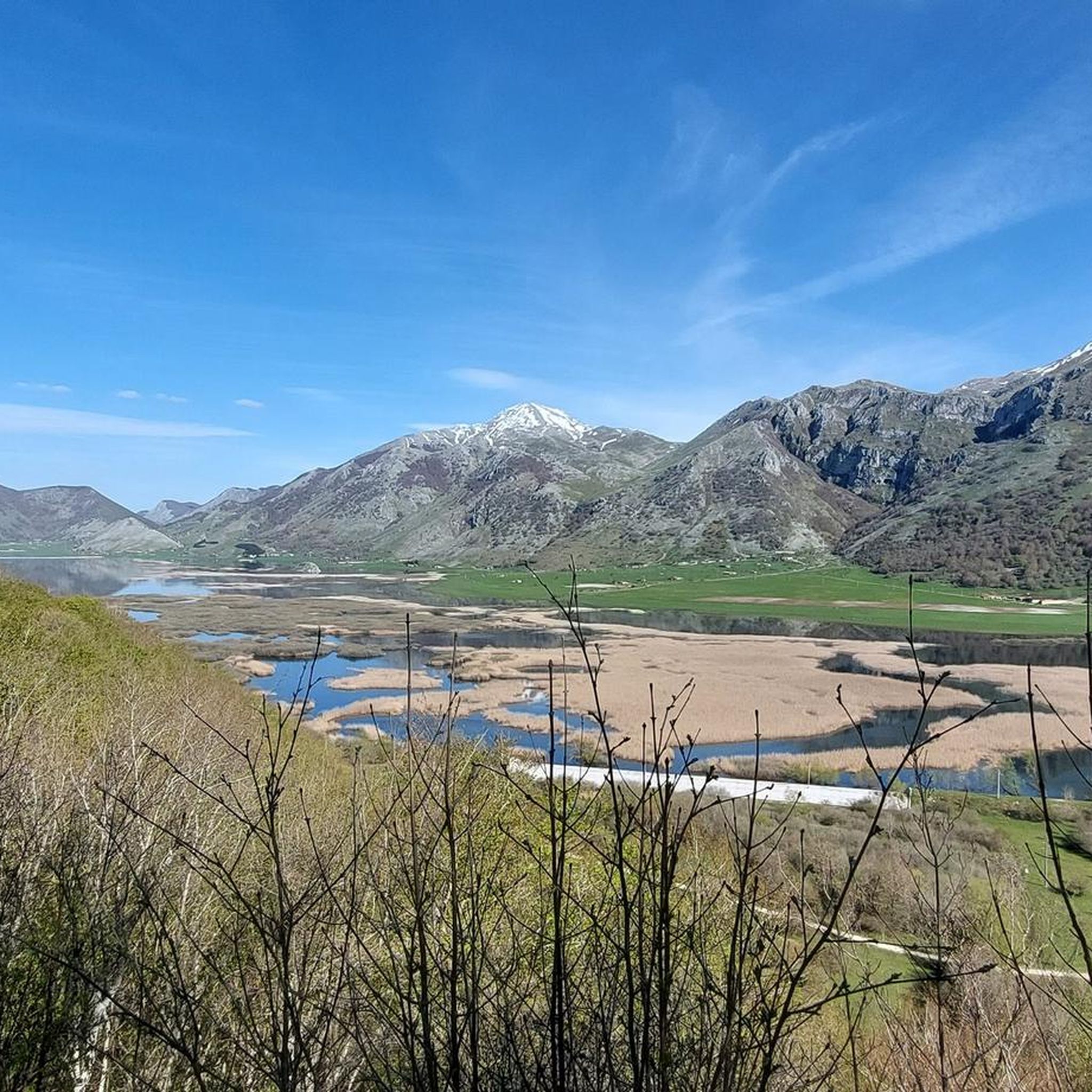
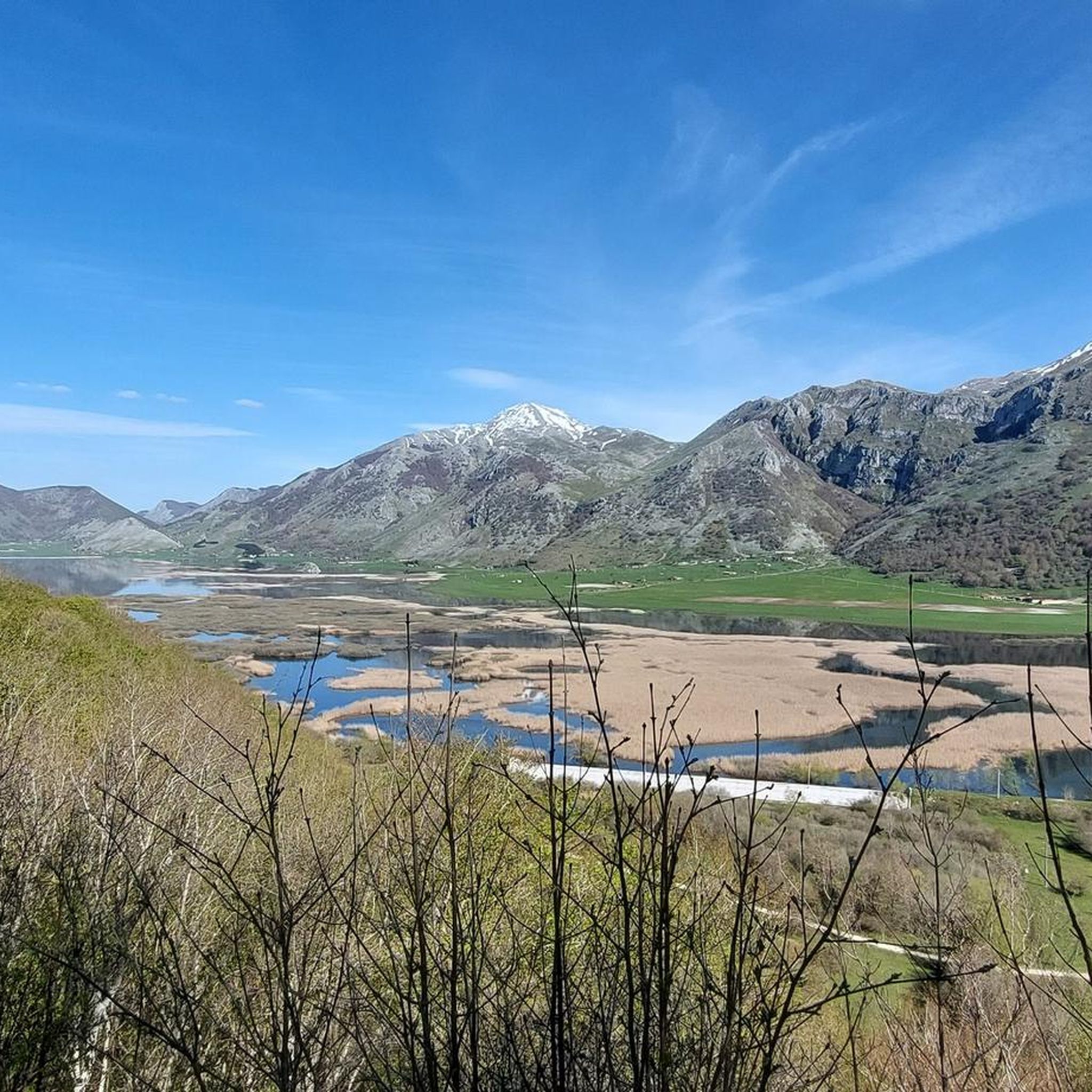
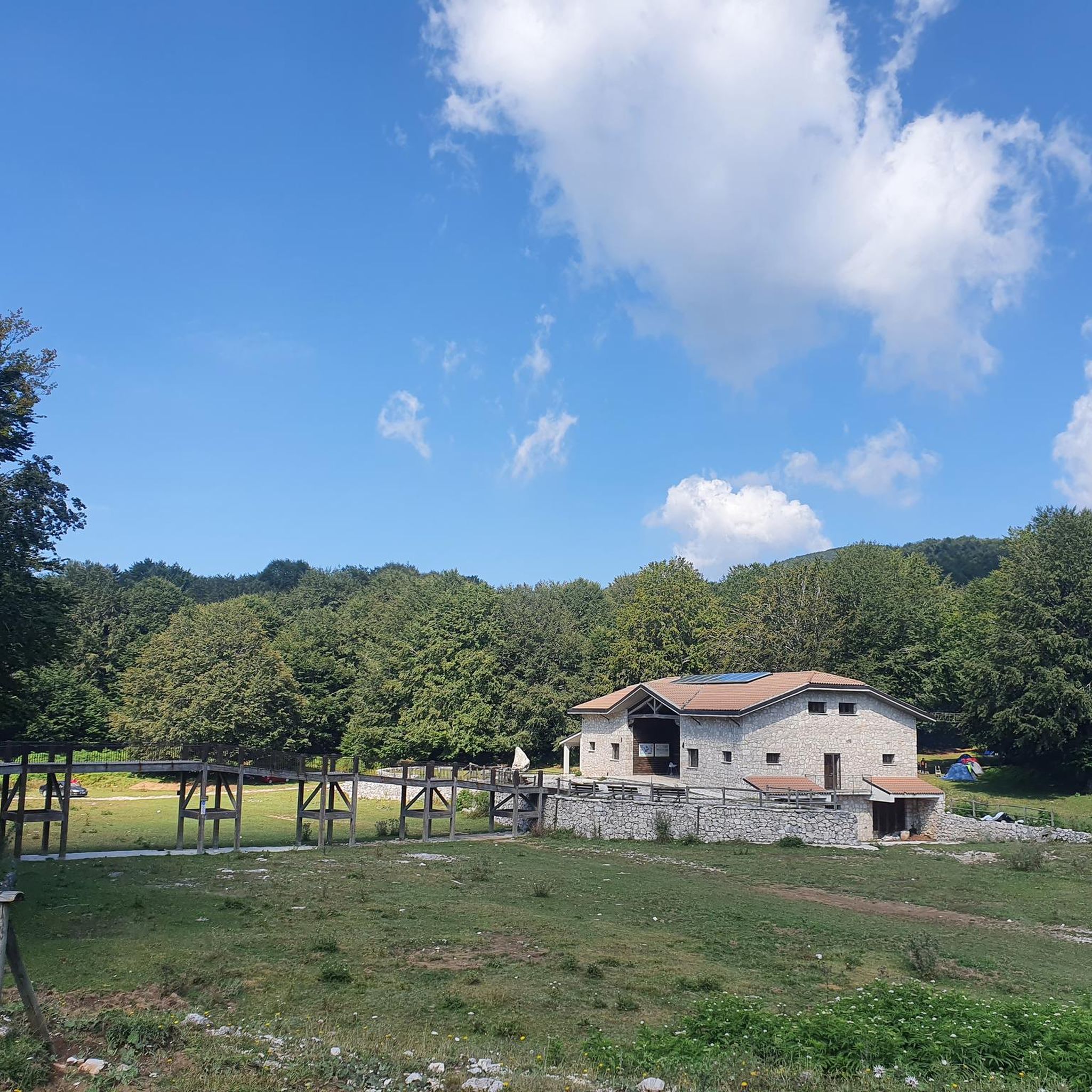
Excellently organized park with a cafe. It also has a very refreshing water fountain and a solar-panel bench where you can charge your smartphone. Congratulations to the municipality 👍👍👍
0
0

Pepe in Grani is known for its inventive pizza creations, taking traditional flavours and elevating them with unique twists and high-quality ingredients. The tasting menus are a highlight, allowing you to sample a diverse array of imaginative pizzas. You can extend your visit by staying in one of their two reasonably priced rooms.
0
0

Vairano Patenora, in Campania, stands out for its imposing Aragonese Castle, built on the remains of a Norman-Swabian structure between 1491 and 1503. This fortress, with four towers and a rich history, dominates the territory and testifies to the important medieval past of the city.
0
0
Piedimonte Matese is a municipality in the province of Caserta, located between the Campania plain and the Matese massif. It is located at the foot of Mount Muto, near the 'Castello terrace', where the town of Castello del Matese stands.
1
0
Alife boasts an ecclesiastical history dating back to 499. Located in Sannio, at the foot of the Matese, it is known as the "city of the onion" for the historic cultivation of this vegetable since Roman times.
1
0
Vairano Patenora, in Campania, stands out for its imposing Aragonese Castle, built on the remains of a Norman-Swabian structure between 1491 and 1503. This fortress, with four towers and a rich history, dominates the territory and testifies to the important medieval past of the city.
1
0
Frequently Asked Questions
How many road cycling routes are available around Castello del Matese?
There are over 10 road cycling routes around Castello del Matese, offering a mix of moderate and difficult options. The komoot community has explored these routes over 1,000 times, with an average rating of 4.0 stars.
What kind of terrain can I expect on road cycling routes near Castello del Matese?
The Matese region features significant elevation changes, with routes traversing lush valleys and ascending towards challenging mountain passes. You'll encounter a mix of well-paved roads, but some segments may include unpaved or more difficult terrain, requiring good to very good fitness.
What natural features or scenic viewpoints can I see along the road cycling routes?
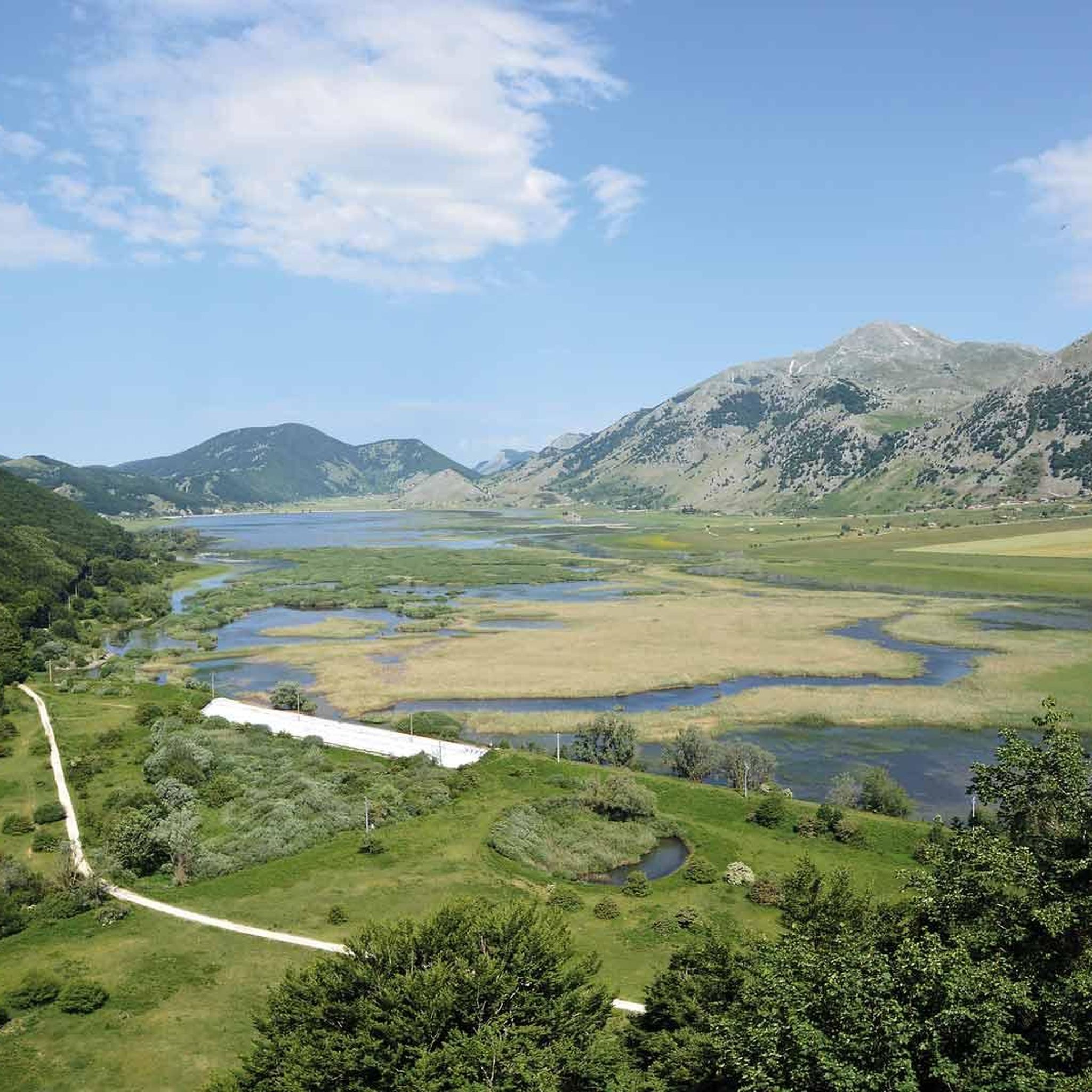
Road cycling routes often feature stunning views of Lake Matese and the surrounding mountains, including prominent peaks like Monte Miletto and La Gallinola. The access road to the Matese Regional Park from Capriati to Volturno offers panoramic points overlooking the valley where Gallo Matese is situated and the Volturno valley. You can also find highlights like the Campitello Matese Plateau and various mountain passes such as La Casella Pass.
Are there any historical landmarks or cultural sites to explore while cycling?
Yes, the area boasts a rich historical heritage. Routes often connect picturesque medieval towns like Alife, known for its ancient Roman walls, and Piedimonte Matese, with its reconstructed Doge's Palace. You might also encounter the ancient Hermitage of Sant'Egidio on the eastern side of the Matese.
Are there any waterfalls accessible from the cycling routes?
While not directly on every road cycling route, the stunning Cascate di Pescopagano, renowned for its waterfalls and beautiful views, is a notable natural attraction in the broader Matese region that can be explored as part of a longer ride or detour.
Are there circular road cycling routes available?
Yes, many routes are designed as loops. For instance, the Acquedotto Carolino – Vaccheria loop from Castello del Matese is a challenging 109.7 km route, and the Piedimonte Matese – Ducal Castle of Faicchio loop from Castello del Matese offers another challenging 92.2 km option.
Are there challenging climbs for experienced road cyclists?
Absolutely. The Matese region is known for significant elevation changes and challenging mountain passes. Routes like the Piedimonte Matese – Alife Historic Center loop from Passo di Prete Morto, at 109.3 km with 1,950m of elevation gain, are designed for experienced riders seeking demanding climbs.
What is the best time of year for road cycling in the Matese region?
The Matese region, nestled in the Apennine Mountains, generally offers pleasant cycling conditions from spring through early autumn. Summers can be warm, especially in valleys, but mountain passes provide cooler air. Spring and autumn offer milder temperatures and beautiful scenery, making them ideal for exploring the diverse landscapes.
Where can I find parking for road cycling in Castello del Matese?
Castello del Matese, being a historic town, offers various parking options, often in or near the town center. For specific route starting points, it's advisable to check local signage or use navigation apps for designated parking areas, especially when starting from popular trailheads or villages like Piedimonte Matese.
Is public transport available to reach the cycling routes in the Matese region?
Public transport options to and within the Matese region can be limited, especially for reaching specific trailheads or smaller villages. While some bus services connect larger towns, bringing a bike on public transport might require checking specific operator policies. Driving to a starting point is often the most flexible option for cyclists.
Are there cafes or places to stop for refreshments along the routes?
Yes, many routes pass through or near towns and villages like Alife and Piedimonte Matese, where you can find cafes, restaurants, and shops to refuel. It's always a good idea to carry sufficient water and snacks, especially on longer or more remote sections of your ride.
Can I find accommodation suitable for cyclists in Castello del Matese?
Castello del Matese and surrounding towns offer various accommodation options, from hotels to guesthouses. Many establishments in outdoor-focused regions are accustomed to hosting cyclists and may offer amenities like secure bike storage. It's recommended to inquire directly with accommodations about cyclist-specific services when booking.
Are there any quiet roads for cycling away from traffic?
Yes, the access road to the Matese Regional Park from the north, specifically from Capriati to Volturno, is noted as a very quiet provincial road. It is largely free of vehicular traffic and completely surrounded by greenery, offering a peaceful cycling experience with scenic views.
Most popular attractions around Castello Del Matese

Get inspired with the komoot mobile app


Explore more
Browse the best Road cycling routes in other regions.
