Attractions and Places To See around Venosa - Top 20
Best attractions and places to see around Venosa include a rich tapestry of sites showcasing its ancient Roman origins, medieval history, and cultural significance. Located in Italy's Basilicata region, Venosa is known as the birthplace of the Roman poet Horace. The area features a blend of architectural styles reflecting its diverse past, nestled amidst rolling hills and fertile plains with the Vulture mountains nearby.
Best attractions and places to see around Venosa
- The most popular attractions is Barile, a settlement that is an ancient Albanian colony founded in the late 1400s. For a long time, the Arbëreshe language, typical of Albanian exiles in Italy, was used here.
- Another must-see spot is Venosa, a picturesque town of almost 12,000 inhabitants. It is known as the "Horatian City" for being the birthplace of the Latin poet Horace.
- Visitors also love Lavello Town Center and Fountain, located in the Vulture-Melfese area. This town is characterized by its ancient origin and is home to the historic 16th-century church of Sant'Anna.
- Venosa is known for its historical sites, ancient Roman ruins, and medieval architecture. Visitors can explore a variety of attractions, from castles and abbeys to archaeological parks and catacombs.
- The attractions around Venosa are appreciated by the komoot community, with more than 10 upvotes and 12 photos shared.
Last updated: July 1, 2026
Palazzo San Gervasio
Highlight • Settlement
Translated by Google •
Tip by

Venosa
Highlight • Settlement
Translated by Google •
Tip by

Sign up now to discover places like this
Get recommendations on the best single tracks, peaks, & plenty of other exciting outdoor places.
Sign up for free
Barile
Highlight • Settlement
Translated by Google •
Tip by

Masseria Parasacco
Highlight • Historical Site
Translated by Google •
Tip by

Melfi Castle
Highlight • Castle
Translated by Google •
Tip by
Sign up for free to discover even more attractions around Venosa.
Sign up for free
Already have an account?
Start today with a free account
Your next adventure awaits.
Login or Signup

Other adventures around Venosa

Tips from the Community

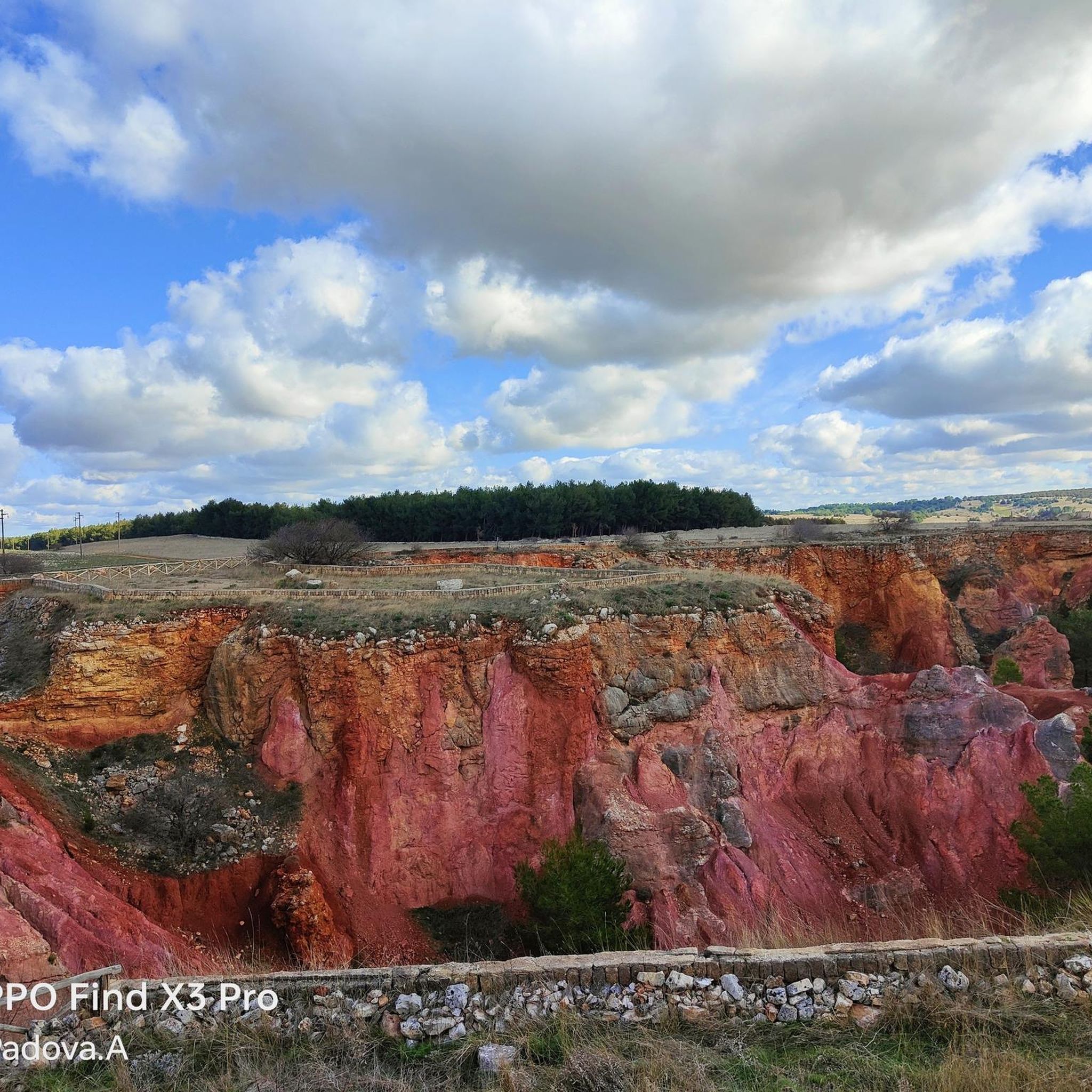
The Parasacco farm, next to the industrial area of San Nicola di Melfi, on the border between Basilicata and Puglia, tells a fascinating story. It is said that it dates back to the time of Frederick II of Swabia and over the centuries it passed through the hands of the Templars, the Angevins, the Dorias and the Bourbons. In 1846, the property became the property of Luigi Aquilecchia, whose name is engraved on the keystone of the entrance portal. A history full of influences and changes that has shaped Masseria Parasacco into a meeting point between history and contemporaneity.
1
0

Palazzo San Gervasio, a small town in the province of Potenza, is immersed in the lush nature of Basilicata and rich in history. Probably founded around 1050, it is known for its historic waters and for being one of the first to join the Neapolitan Republic in 1799. Here is also the characteristic mother church of "San Nicola", a splendid example of Apulian Romanesque architecture from the Nineteenth century.
0
0
Melfi, in Basilicata, boasts a rich medieval past having been the first Norman capital in southern Italy and residence of Frederick II, who promulgated the Constitutions of Melfi here. The city is home to the famous Melfi Castle, built by the Normans and witness to significant historical events. Today, Melfi retains its historical and architectural charm, with traces of different dominations that have marked its history.
1
0

The particularity of this municipality is that it is an ancient Albanian colony founded at the end of the 1400s by Albanians fleeing persecution by the Turks. For a long time the Arbëreshe language was used in this municipality, typical of the Albanian exiles in Italy.
1
0

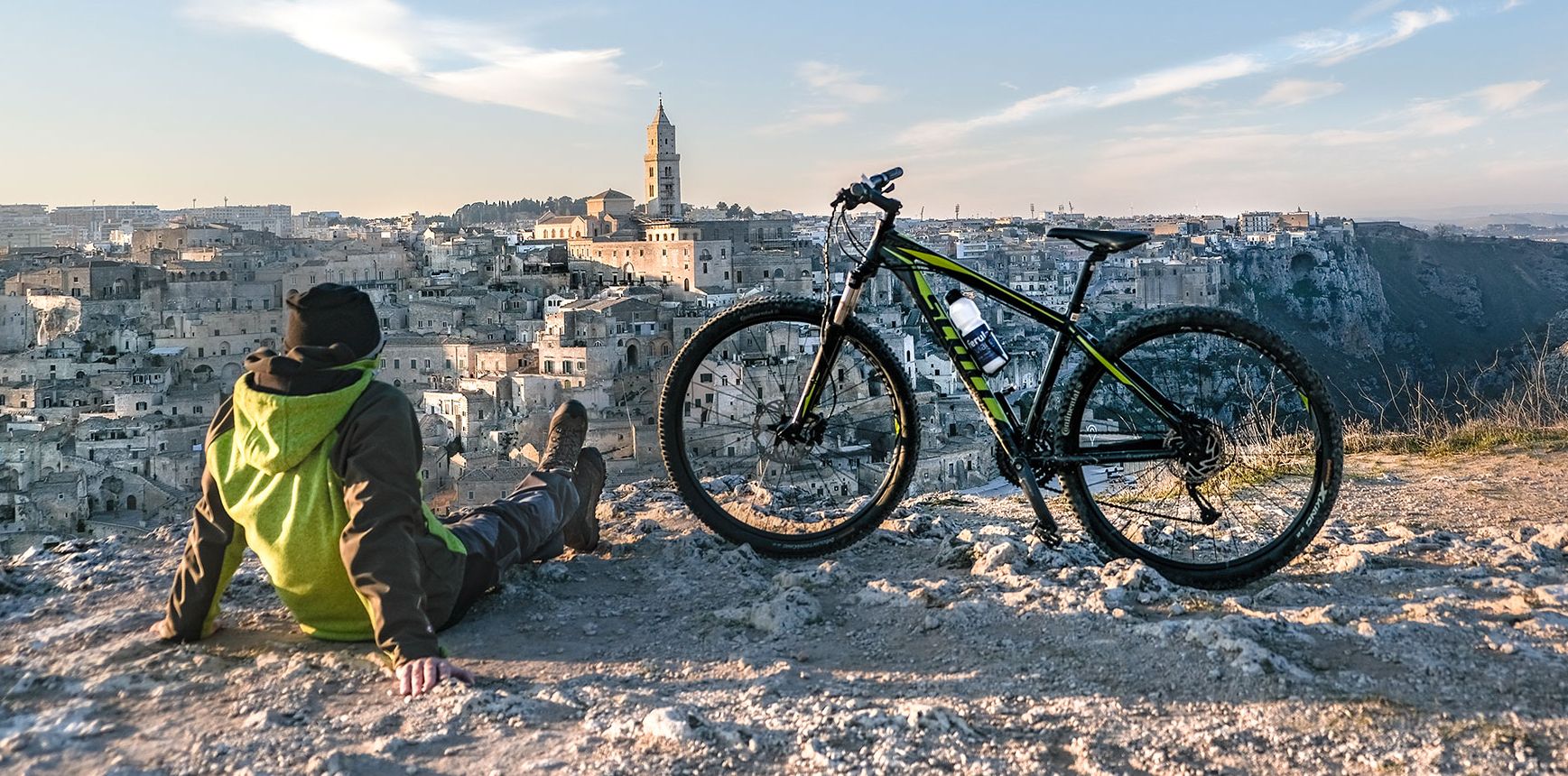
Picturesque town of almost 12,000 inhabitants in the province of Potenza, located in the Vulture-Melfese area. Venosa is known as the "Horatian City", for being the birthplace of the Latin poet Horace. It is also counted among the most beautiful villages in Italy.
2
0
Frequently Asked Questions
What historical sites can I explore in Venosa?
Venosa is rich in history, offering several significant sites. You can visit the impressive Aragonese Castle, which houses the National Archaeological Museum. Another must-see is the partially unfinished Abbey of the Santissima Trinità, featuring Roman columns and Norman tombs. The Venosa Archaeological Park showcases monumental remains of the ancient Roman colony of Venusia, including an amphitheater and bathhouses. Don't miss the unique Jewish Catacombs, offering a glimpse into the ancient Jewish community.
Are there family-friendly attractions in the Venosa area?
Yes, several attractions around Venosa are suitable for families. The historic town of Venosa itself, with its castle and archaeological park, offers engaging exploration. The settlement of Barile, an ancient Albanian colony, provides a unique cultural experience. Additionally, Lavello Town Center and Fountain is a charming spot with historical significance, and Palazzo San Gervasio is immersed in nature and history, making them all good options for a family outing.
What natural features can I discover near Venosa?
Venosa is nestled amidst rolling hills and fertile plains, with the picturesque Vulture mountains visible nearby, offering scenic views. The landscape is a remnant of ancient volcanic activity. While not directly in Venosa, the Lakes of Monticchio, volcanic lakes, are a notable natural attraction in the broader Vulture area and are accessible from Venosa.
What outdoor activities, like cycling, can I do around Venosa?
The area around Venosa offers various cycling opportunities. You can find several routes for different cycling types. For road cycling, consider the 'Aragonese Castle of Venosa – Venosa Town Center loop from Venosa-Maschito' which is a moderate route. If you prefer gravel biking, routes like 'Melfi Castle – Barile loop from Melfi' are available. For general cycling, there's a 'Lavello to Venosa Loop'. You can find more details and routes on the Road Cycling Routes around Venosa, Gravel biking around Venosa, and Cycling around Venosa guide pages.
Where can I learn about the region's ancient history and archaeology?
To delve into the region's ancient past, visit the Venosa Archaeological Park, which preserves the remains of the Roman colony of Venusia, including a Roman amphitheater and bathhouses. The Museo Archeologico Nazionale, housed within the Aragonese Castle, displays artifacts from the area's ancient Greek and Roman history, such as intricate mosaics. Additionally, the Paleolithic Site of Notarchirico reveals insights into ancient civilizations with centuries-old tombs and crypts.
What is the significance of the Aragonese Castle in Venosa?
The Aragonese Castle is a stunning 15th-century fortress built by Pirro del Balzo. Originally a defensive stronghold, it later became a stately home and now houses the National Archaeological Museum of Venosa. Visitors can explore its architecture, courtyards, and enjoy breathtaking views from its towers. Its entrance is marked by a fountain granted by King Charles I of Anjou, making it a central historical landmark.
Can I visit the birthplace of the Roman poet Horace in Venosa?
Yes, Venosa is known as the birthplace of the famous Roman poet Horace (born 65 BC). While you can see the Casa di Orazio (House of Horace), it is generally viewed from the outside. The town of Venosa itself is often referred to as the 'Horatian City' in his honor.
What are some unique cultural experiences in the Venosa area?
Beyond its Roman and medieval history, Venosa offers unique cultural experiences. You can explore the Jewish Catacombs, rare underground burial sites from the 4th to 6th centuries AD, showcasing the life of Venosa's ancient Jewish community. The region is also known for its excellent red Aglianico wine, and visitors can explore local wineries like Cantine del Notaio for tastings and to learn about the area's viticulture.
What is there to see in the historic center of Venosa?
Strolling through the Historic Center of Venosa offers a journey through the town's layered history. You can admire charming buildings, ancient stones, plaques, and bas-reliefs. Key landmarks include the Cattedrale di Santa Maria Assunta, which incorporates Roman fragments, the Chiesa di San Giovanni Battista with its intricate facade, and the 17th-century Baroque Church of the Purgatory. Don't miss the charming Fontana delle Rane and the ancient Messer Oto Fountain.
What is the Masseria Parasacco and its historical significance?
The Masseria Parasacco is a historic farm with a fascinating story, said to date back to the time of Frederick II of Swabia. Over centuries, it passed through the hands of the Templars, Angevins, Dorias, and Bourbons. In 1846, it became the property of Luigi Aquilecchia, whose name is engraved on the entrance portal. It represents a significant meeting point between history and contemporaneity in the region.
What is the best time to visit Venosa for sightseeing?
Venosa, located in Italy's Basilicata region, generally experiences warm summers and mild winters. The spring (April-June) and autumn (September-October) months are often considered the best times to visit for sightseeing. During these periods, the weather is pleasant for exploring historical sites and outdoor attractions, avoiding the peak heat of summer and the cooler, potentially wetter, winter months.
Most popular attractions around Venosa

Get inspired with the komoot mobile app


Explore more
Still not found the Highlight you’re looking for? See guides of the top attractions in other regions:
