Attractions and Places To See around Portico Di Caserta - Top 20
Best attractions and places to see around Portico Di Caserta. This tranquil municipality in the Province of Caserta, Campania, Italy, serves as a base for exploring historical, cultural, and natural attractions. The area features green hills and the Volturno River, which supports rich ecosystems. Its proximity to significant sites makes it a destination for visitors.
Best attractions and places to see around Portico Di Caserta
- The most popular attractions is Acquedotto Carolino, a man-made monument built in the mid-1700s…
Last updated: May 27, 2026
Acquedotto Carolino
Highlight • Monument
Translated by Google •
Tip by

Piazza della Vaccheria and the Church of Santa Maria delle Grazie
Highlight • Religious Site
Translated by Google •
Tip by

Sign up now to discover places like this
Get recommendations on the best single tracks, peaks, & plenty of other exciting outdoor places.
Sign up for free
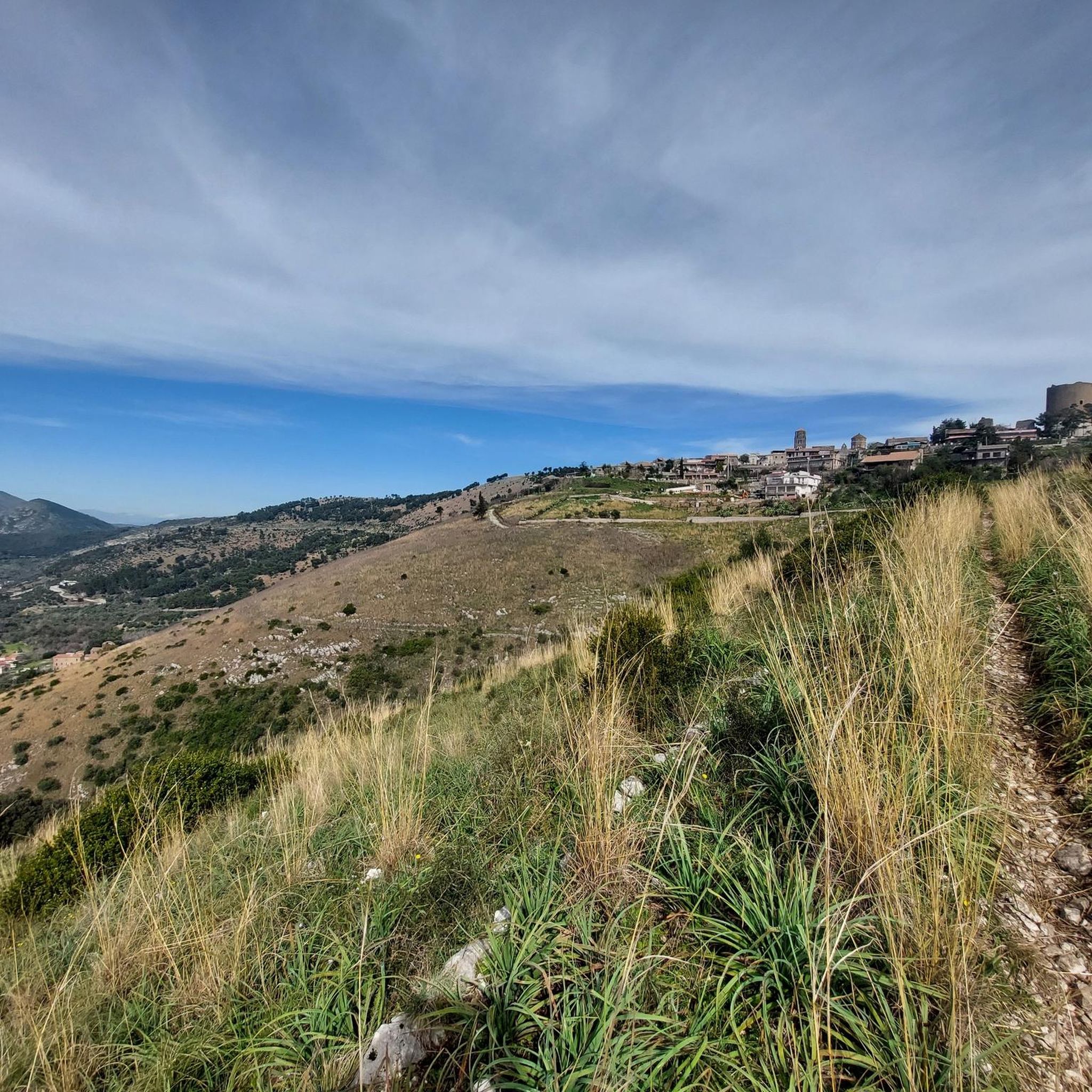
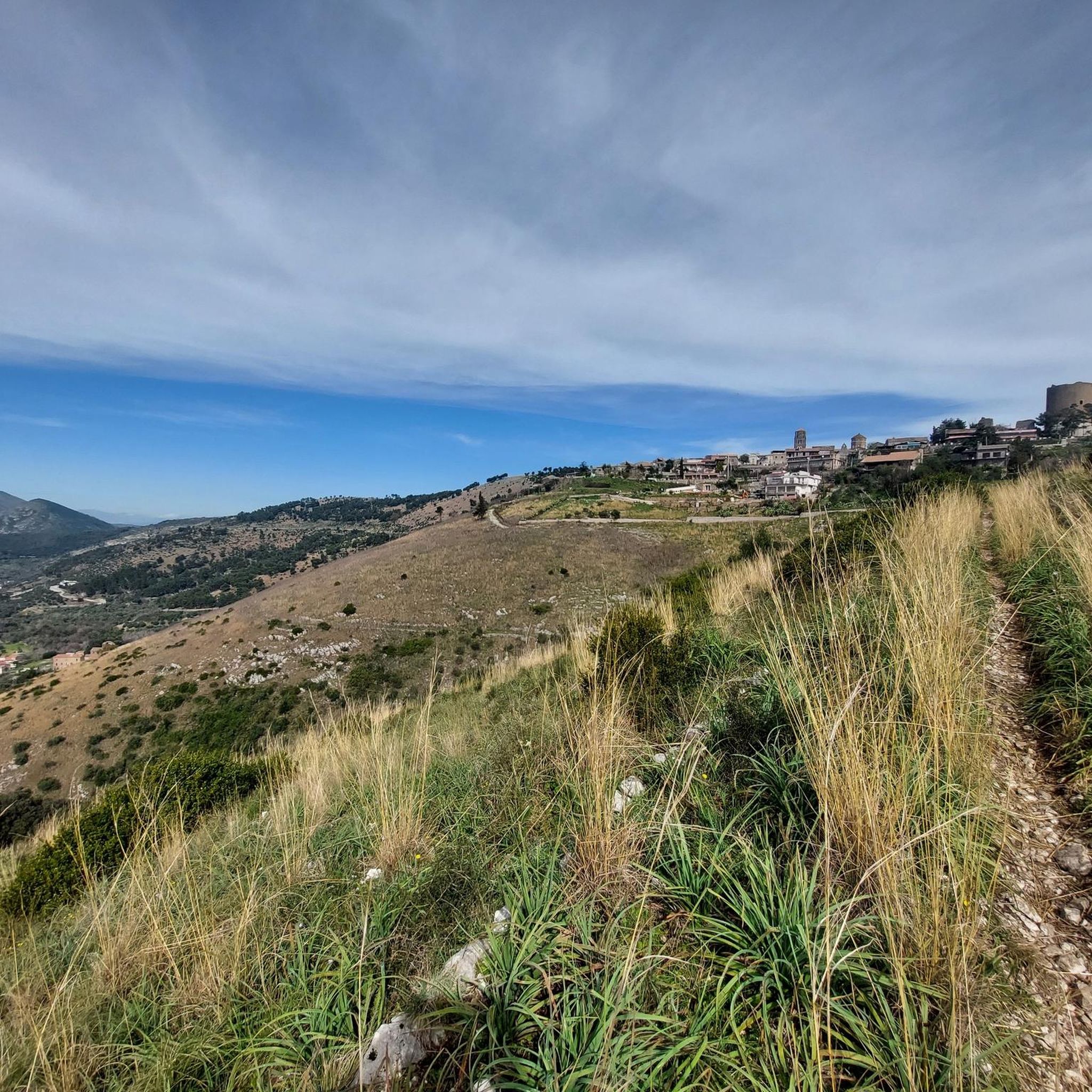
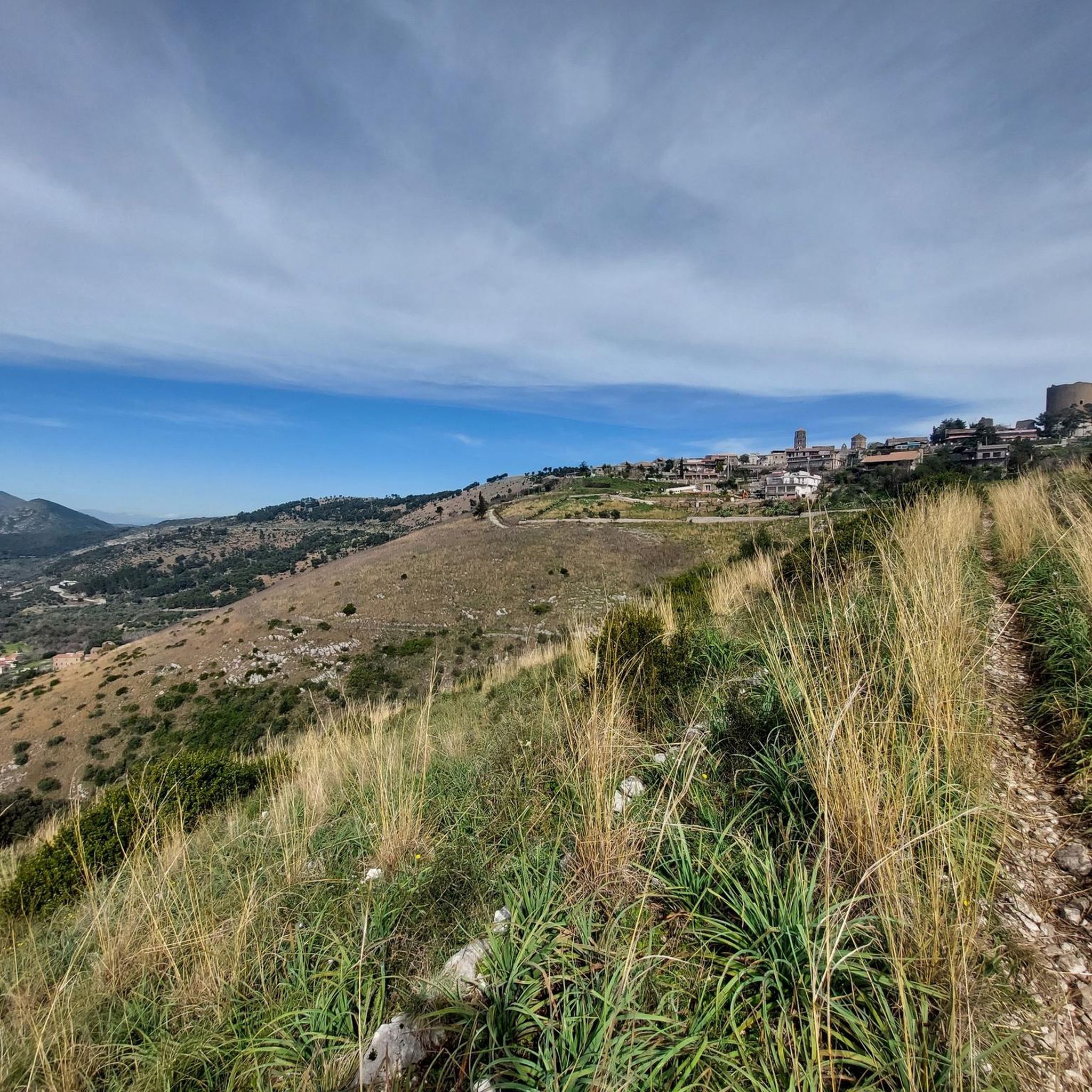
Casertavecchia Medieval Village
Highlight • Historical Site
Translated by Google •
Tip by
Amphitheatre of Capua
Highlight • Historical Site
Translated by Google •
Tip by

Casertavecchia Tower
Highlight • Historical Site
Translated by Google •
Tip by

Sign up for free to discover even more attractions around Portico Di Caserta.
Sign up for free
Already have an account?
Start today with a free account
Your next adventure awaits.
Login or Signup


Tips from the Community

The Carolino Aqueduct (also known as Vanvitelli's Aqueduct) is a monumental engineering work designed by Luigi Vanvitelli to supply the Royal Palace of Caserta, its fountains, gardens, and the nearby industrial complex of San Leucio. Inaugurated in 1762 after 9 years of work, the aqueduct draws water from the Fizzo springs in the territory of Airola and winds for about 38 kilometers, much of which is underground. In 1997 it was included in the UNESCO World Heritage list along with the Palace and the Belvedere of San Leucio.
1
0

Wonderful aqueduct built by Vanvitelli to bring water to the Royal Palace of Caserta
1
0

Spectacular amphitheater, the largest of antiquity after the Colosseum, located in Santa Maria Capua Vetere, the ancient Capua. It is clearly visible from the outside without having to enter the archaeological area
0
0
Very interesting archaeological site in Santa Maria Capua Vetere, the ancient Capua. The Campanian amphitheater stands out, the largest of antiquity after the Colosseum
1
0

The Campanian amphitheater or Capuano amphitheater is a Roman-era amphitheater in the city of Capua, today located in Santa Maria Capua Vetere
0
0
It is a Roman-era amphitheater in the city of Capua, nowadays located in Santa Maria Capua Vetere
0
0
The Campania amphitheater is second only to the Colosseum in importance and size
0
0

magnificent. the second largest amphitheater after the colise in Rome
0
0
Frequently Asked Questions
What historical and cultural sites can I explore near Portico Di Caserta?
The region offers a rich array of historical and cultural sites. You can visit the magnificent Royal Palace of Caserta, a UNESCO World Heritage site, or explore the ancient alleyways and panoramic views of Casertavecchia Medieval Village. Don't miss the 18th-century engineering marvel, the Acquedotto Carolino, also a UNESCO site. For a unique blend of art and history, see Piazza della Vaccheria and the Church of Santa Maria delle Grazie, known for its Neapolitan eclectic art.
Are there any UNESCO World Heritage sites in the Portico Di Caserta area?
Yes, the area is home to significant UNESCO World Heritage sites. The Royal Palace of Caserta, along with the Aqueduct of Vanvitelli (Acquedotto Carolino) and the Belvedere San Leucio Monumental Complex, are all recognized for their outstanding universal value. You can find more information about these sites on the UNESCO website.
What can I expect to see at the Royal Palace of Caserta?
The Royal Palace of Caserta is a grand 18th-century palace with a vast park and gardens. Key highlights include the impressive grand staircase, the opulent Throne Room, the Palatine Chapel, and the royal apartments. The extensive gardens feature fountains, sculptures, and the spectacular Grand Cascade. Within the English Garden, you can also discover the Criptoportico and the picturesque Bagno di Venere.
Can I visit ancient Roman ruins near Portico Di Caserta?
Absolutely. The Amphitheatre of Capua, located nearby, is a significant ancient Roman site. It was famously the site of a gladiator school, associated with Spartacus and his slave rebellion. It's the largest ancient amphitheater after the Colosseum and offers a fascinating glimpse into Roman history.
What natural features and outdoor activities are available around Portico Di Caserta?
Portico Di Caserta is surrounded by green hills, offering a tranquil environment. The Volturno River creates rich ecosystems, making it a haven for birdwatchers. For hikers and cyclists, the Vaccheria Panoramic Trail runs along Mount San Leucio, providing scenic views. You can also explore the unique craters of Mount Fioralito. For more structured outdoor activities, consider exploring the running trails, road cycling routes, or MTB trails available in the wider region.
Are there family-friendly attractions near Portico Di Caserta?
Yes, several attractions are suitable for families. The Royal Palace of Caserta with its expansive gardens is a great option for all ages. The Amphitheatre of Capua offers an engaging historical experience for children and adults alike. The Acquedotto Carolino is also considered family-friendly, offering an impressive sight of 18th-century engineering.
What is the best time of year to visit Portico Di Caserta and its attractions?
The best time to visit the Portico Di Caserta area is generally during the spring (April to June) and early autumn (September to October). During these months, the weather is pleasant for exploring outdoor sites like the Royal Palace gardens and medieval villages, and for engaging in activities like hiking or cycling, avoiding the intense heat of summer.
How long should I plan for visiting the main attractions?
To fully experience the Royal Palace of Caserta and its gardens, you should allocate at least half a day, if not a full day. Visiting Casertavecchia Medieval Village typically takes 2-3 hours. The Amphitheatre of Capua can be explored in 1-2 hours. If you plan to combine several sites or engage in outdoor activities, consider a multi-day visit to the region.
Are there any hidden gems or less-known places to discover?
While not entirely 'hidden,' the Casertavecchia Medieval Village is often described by visitors as underrated, offering ancient charm and panoramic views away from the main tourist crowds. The Criptoportico within the Royal Palace's English Garden is also a unique and less-frequented spot, designed to evoke an archaeological excavation site.
What kind of outdoor trails are available for cycling or running?
The area around Portico Di Caserta offers various trails. For cyclists, the Vaccheria Panoramic Trail provides scenic views. You can find numerous road cycling routes and MTB trails that explore the green hills and historical sites. Runners can also find several running trails, including loops around the Royal Palace of Caserta and nearby towns.
What do visitors enjoy most about the attractions near Portico Di Caserta?
Visitors frequently praise the breathtaking views from Casertavecchia Medieval Village and the impressive scale of the Royal Palace of Caserta. The Acquedotto Carolino is admired as a significant engineering feat. Many appreciate the blend of historical depth and natural beauty, finding the region to offer diverse and enriching experiences.
Are there any specific architectural styles or art forms prominent in the local attractions?
Yes, the region showcases a blend of architectural styles. The Royal Palace of Caserta is a prime example of 18th-century Baroque architecture, designed to rival Versailles. The Church of Santa Maria delle Grazie in Vaccheria is noted for its Neapolitan eclectic art, combining Gothic exteriors with Baroque classical interiors. Casertavecchia Medieval Village, on the other hand, offers a glimpse into medieval urban planning and architecture.
Most popular routes around Portico Di Caserta
Most popular attractions around Portico Di Caserta

Get inspired with the komoot mobile app


Explore more
Still not found the Highlight you’re looking for? See guides of the top attractions in other regions:
