Attractions and Places To See around San Cipriano D'Aversa - Top 9
Best attractions and places to see around San Cipriano D'Aversa, a municipality in the Province of Caserta, Campania, Italy, include historical sites and natural landscapes. The area offers a blend of local history, cultural heritage, and ancient Roman remains. Visitors can explore religious buildings, a ducal palace, and significant archaeological sites. The region also features scenic lakes and Bourbon residences, providing diverse points of interest.
Best attractions and places to see around San Cipriano D'Aversa
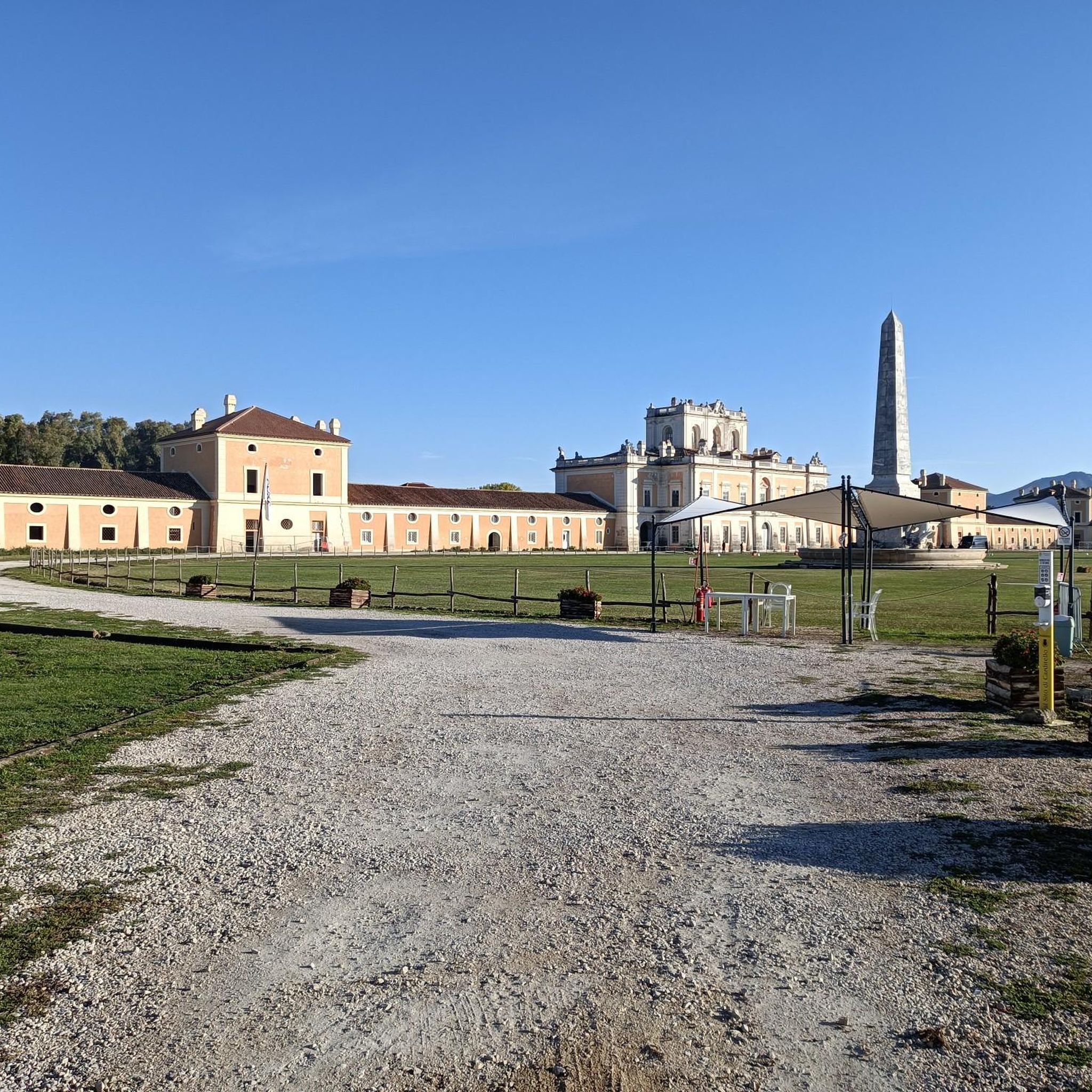
- The most popular attractions is Royal Palace of Carditello, a historical site that was an 18th-century Bourbon residence. Commissioned by Ferdinand IV, it served for hunting, horse breeding, and agricultural production.
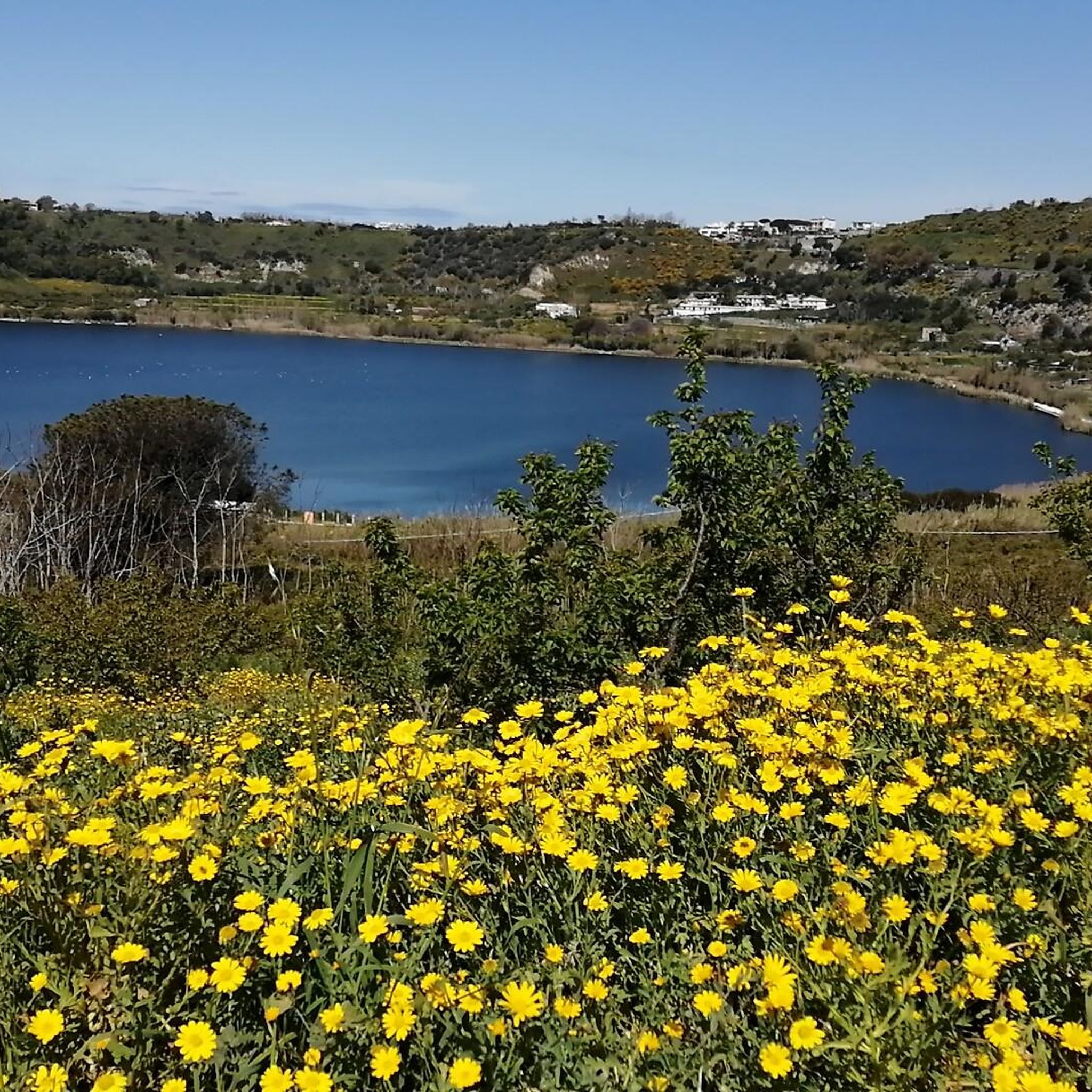
- Another must-see spot is Pirate Dock at Lake Patria, a lake viewpoint. This location offers views of Lake Patria, which is part of the Foce del Volturno - Costa di Licola Nature Reserve.
- Visitors also love Bridge over Lake Patria, a bridge over the lake. This area is near the ancient Roman city of Liternum, founded in 194 BC.
- San Cipriano D'Aversa is known for historical sites, ancient Roman ruins, and natural attractions like Lake Patria. The area provides a variety of landmarks and historical sites near San Cipriano D'Aversa Italy to see and explore.
- The attractions around San Cipriano D'Aversa are appreciated by the komoot community, with 9 photos and 44 upvotes.
Last updated: July 1, 2026
Bridge over Lake Patria
Highlight • Bridge
Translated by Google •
Tip by

Royal Palace of Carditello
Highlight • Historical Site
Translated by Google •
Tip by
Sign up now to discover places like this
Get recommendations on the best single tracks, peaks, & plenty of other exciting outdoor places.
Sign up for free
Pirate Dock at Lake Patria
Highlight • Lake
Translated by Google •
Tip by

View of Lake Patria and Torre Patria
Highlight • Viewpoint
Translated by Google •
Tip by

Liternum
Highlight • Historical Site
Liternum gained particular renown as the final residence of the Roman general Publius Cornelius Scipio Africanus, victor over Hannibal in the Second Punic War. Scipio withdrew here into political exile and died in Liternum around 183 BC. His tomb is believed to have been located nearby, which gave the town great symbolic significance.
Economically, Liternum thrived primarily on agriculture, fishing, and trade, facilitated by the fertile soil and its proximity to lagoons and the sea. During the Imperial period, the city boasted typical Roman structures such as a forum, basilica, baths, and an amphitheater.
From late antiquity onward, Liternum increasingly declined. Floods, the spread of marshland and malaria, as well as the collapse of the Roman administrative structures, led to the city's abandonment. In the early Middle Ages, Liternum was largely deserted and submerged under sediment and vegetation.
Today, the remains of Liternum form an archaeological site near Giugliano in Campania. Excavations provide insights into the city's structure and underscore Liternum's historical significance as a link between Roman history and the landscape surrounding Lake Patria.
Translated by Google •
Tip by

Sign up for free to discover even more attractions around San Cipriano D'Aversa.
Sign up for free
Already have an account?
Start today with a free account
Your next adventure awaits.
Login or Signup

Tips from the Community

Liternium (Liternum) was a Roman colony in Campania, near the modern-day coast north of Naples and not far from present-day Lake Patria. It was founded by the Romans in 194 BC, after the area had previously been inhabited by the Samnites and other Italic peoples. Strategically, Liternum was situated on the Via Domitiana, an important coastal road connecting Rome with southern Italy. Liternum gained particular renown as the final residence of the Roman general Publius Cornelius Scipio Africanus, victor over Hannibal in the Second Punic War. Scipio withdrew here into political exile and died in Liternum around 183 BC. His tomb is believed to have been located nearby, which gave the town great symbolic significance. Economically, Liternum thrived primarily on agriculture, fishing, and trade, facilitated by the fertile soil and its proximity to lagoons and the sea. During the Imperial period, the city boasted typical Roman structures such as a forum, basilica, baths, and an amphitheater. From late antiquity onward, Liternum increasingly declined. Floods, the spread of marshland and malaria, as well as the collapse of the Roman administrative structures, led to the city's abandonment. In the early Middle Ages, Liternum was largely deserted and submerged under sediment and vegetation. Today, the remains of Liternum form an archaeological site near Giugliano in Campania. Excavations provide insights into the city's structure and underscore Liternum's historical significance as a link between Roman history and the landscape surrounding Lake Patria.
1
0

The beautiful tower which takes its name from the lake, between the sea and the lake is the best preserved tower on the Phlegraean-Domitia coast.
0
0

Lake Patria, located between Giugliano and Castel Volturno, is part of the Foce del Volturno - Costa di Licola Nature Reserve. Here was the ancient city of Liternum, founded by the Romans in 194 BC. as a maritime colony.
2
1
The Carditello palace is a Bourbon residence commissioned by Ferdinand IV of Bourbon in the 18th century for hunting, horse breeding and agricultural production. It is a neoclassical complex that can be visited and managed by the Carditello Foundation.
1
0

Bridge over the lake Patria
0
1
Beautiful view of the lake Patria
0
0
Splendid view of the lake Patria.
1
0

Nice loop option around Lago di Patria, with quieter roads along the north shore.
1
0
Frequently Asked Questions
What historical sites can I visit in San Cipriano D'Aversa and its surroundings?
Within San Cipriano d'Aversa, you can explore historical religious buildings such as the 16th-century Church of Sainte-Croix, the 17th-century Church of the Annunciation, the Parish Church of Saint Joseph, the Sanctuary of Mia Madonna e Mia Salvezza, and the Church of San Filippo Neri. The town also features a Ducal Palace, originally from the 13th-14th centuries. Nearby, don't miss the Royal Palace of Carditello, an 18th-century Bourbon residence, and the ancient Roman city of Liternum near Lake Patria. The magnificent Royal Palace of Caserta and the Campanian Amphitheater in Santa Maria Capua Vetere are also within easy reach.
Are there any natural attractions near San Cipriano D'Aversa?
Yes, the most prominent natural attraction is Lake Patria, which is part of the Foce del Volturno - Costa di Licola Natural Reserve. You can enjoy scenic views from spots like the Pirate Dock at Lake Patria or cross the Bridge over Lake Patria. The area around the lake offers a blend of natural beauty and historical significance.
What outdoor activities are available around San Cipriano D'Aversa?
The region offers various outdoor activities. For mountain biking enthusiasts, there are several trails, including routes like the 'View of the Gulf of Pozzuoli – Lake Avernus loop'. Cyclists can explore routes such as the 'Historic Center of Capua – The Moats of Capua loop'. If you prefer running, you'll find loops starting from nearby towns like San Marcellino or San Cipriano d'Aversa itself. You can find more details on these activities in the dedicated guides for MTB Trails, Cycling, and Running Trails around San Cipriano D'Aversa.
Are there family-friendly attractions in the area?
Absolutely. The Royal Palace of Carditello is considered family-friendly, offering a glimpse into Bourbon history. The Pirate Dock at Lake Patria also provides a pleasant spot for families to enjoy the lake views and natural surroundings.
What is the best time of year to visit San Cipriano D'Aversa for outdoor activities?
The Campania region generally enjoys mild weather, making spring (April-June) and autumn (September-October) ideal for outdoor activities. During these seasons, temperatures are pleasant for exploring historical sites, cycling, or walking around natural areas like Lake Patria, avoiding the peak heat of summer.
Can I find ancient Roman ruins in the vicinity of San Cipriano D'Aversa?
Yes, the most significant Roman ruin nearby is Liternum, an ancient Roman city founded in 194 BC. It's located near Lake Patria and is famous as the place where Scipio Africanus retired and died. Additionally, the Campanian Amphitheater in Santa Maria Capua Vetere, second only to the Colosseum in size, is another impressive Roman site worth visiting.
What are some notable religious buildings within San Cipriano d'Aversa itself?
San Cipriano d'Aversa is home to several historical religious buildings, including the 16th-century Church of Sainte-Croix, the 17th-century Church of the Annunciation, the Parish Church of Saint Joseph, the Sanctuary of Mia Madonna e Mia Salvezza, and the 17th-century Church of San Filippo Neri. These offer a glimpse into the town's local history and cultural heritage.
Is the Royal Palace of Caserta easily accessible from San Cipriano d'Aversa?
The Royal Palace of Caserta, a UNESCO World Heritage site, is located a short distance from San Cipriano d'Aversa. It is a major attraction in the Campania region and can be reached by car or public transport, offering a magnificent experience with its splendid architecture and vast Italianate gardens.
Are there any viewpoints offering scenic views in the area?
Yes, the area around Lake Patria offers several scenic viewpoints. The Pirate Dock at Lake Patria provides splendid views of the lake. Another spot, View of Lake Patria and Torre Patria, offers beautiful vistas of the lake and its historic tower.
What is the local culinary specialty of San Cipriano d'Aversa?
San Cipriano d'Aversa is recognized for its production and export of buffalo mozzarella. This is a significant local culinary tradition, and you'll find opportunities to taste this renowned cheese in the region.
Are there options for cycling around San Cipriano D'Aversa?
Yes, the flat terrain of the Agro Aversano region makes it suitable for cycling. There are various routes available, including those that take you through historic areas like the 'Historic Center of Capua' or offer shorter loops like the 'Nato di Gricignano Loop'. For detailed routes and difficulty levels, refer to the Cycling around San Cipriano D'Aversa guide.
How can I get to the attractions near San Cipriano D'Aversa by public transport?
While specific public transport details for each attraction can vary, San Cipriano d'Aversa is situated within the Province of Caserta, which has a regional public transport network. For destinations like Aversa or Caserta (for the Royal Palace), local buses or regional trains are typically available. It's advisable to check local transport schedules for the most up-to-date information when planning your visit.
Most popular routes around San Cipriano D'Aversa

Get inspired with the komoot mobile app


Explore more
Still not found the Highlight you’re looking for? See guides of the top attractions in other regions:
