The best cycling routes around Castello Di Cisterna
4.4
(146)
2,362
riders
142
rides
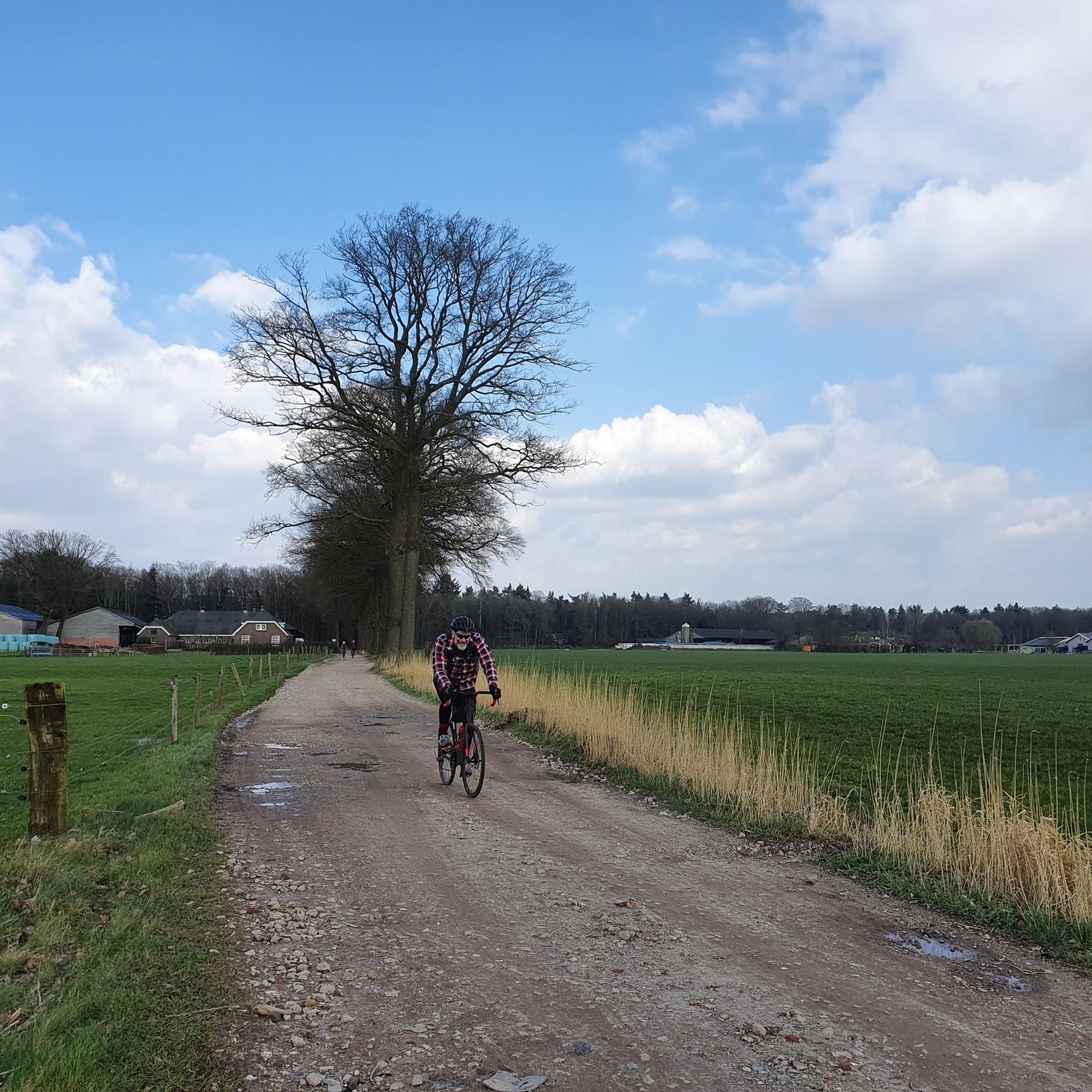
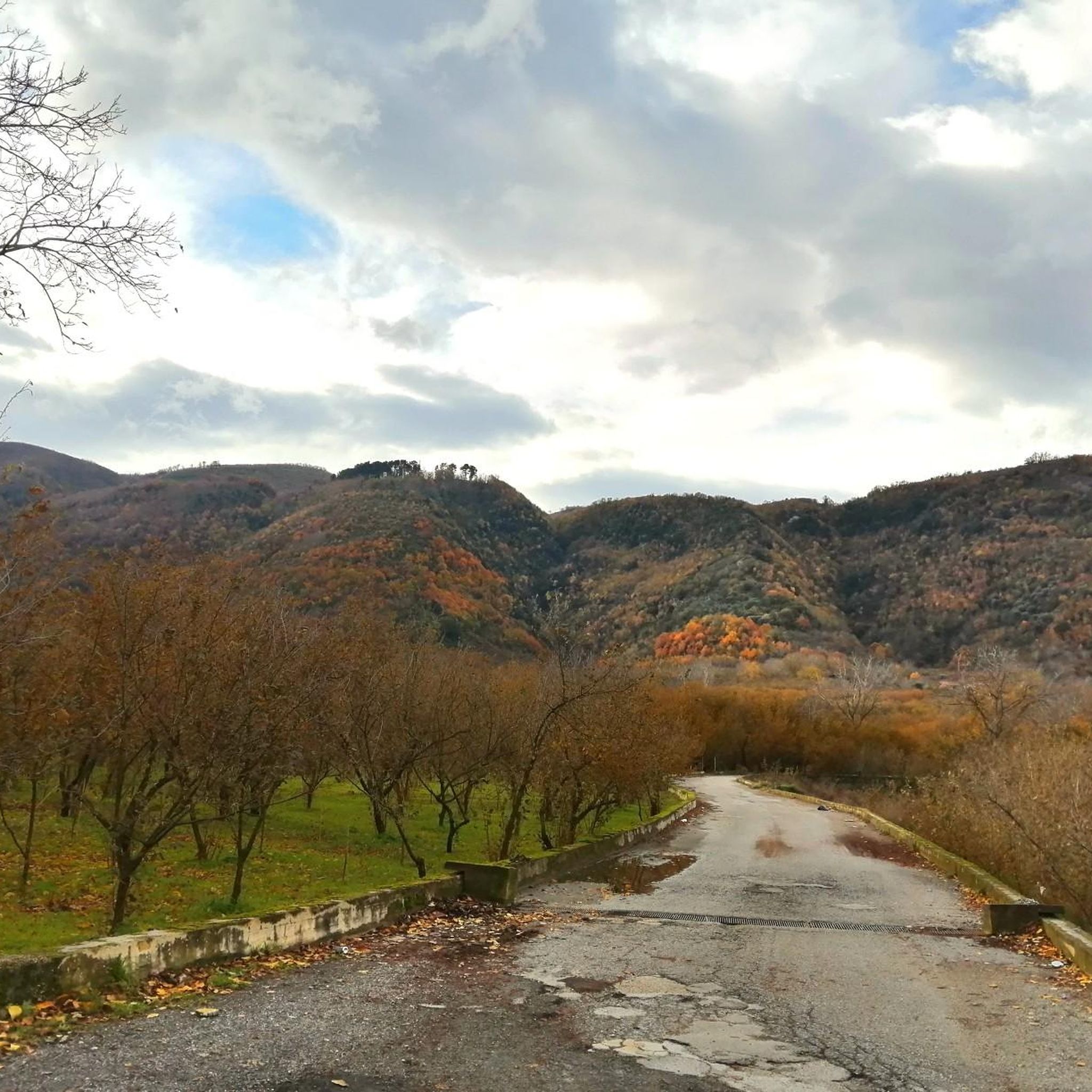
Touring cycling routes around Castello Di Cisterna, located in Italy's Campania region, traverse a landscape characterized by agricultural plains, volcanic foothills, and historical sites. The area offers diverse terrain, from routes winding through vineyards and orchards to paths near the slopes of Mount Vesuvius. Cyclists can experience both flat sections and moderate ascents, providing varied options for exploration.
Best touring cycling routes around Castello Di Cisterna
- The most popular touring cycling route is Sant'Agata dei Goti – Durazzano Climb loop…
Last updated: September 1, 2026
5.0
(2)
50
riders
71.6km
04:27
620m
620m
Hard bike ride. Very good fitness required. Mostly paved surfaces. Suitable for all skill levels.
4.7
(12)
48
riders
Moderate bike ride. Good fitness required. Mostly paved surfaces. Suitable for all skill levels.

Sign up for free
5.0
(1)
33
riders
65.0km
04:00
540m
540m
Hard bike ride. Very good fitness required. Mostly paved surfaces. Suitable for all skill levels.
5.0
(1)
26
riders
Moderate bike ride. Good fitness required. Mostly paved surfaces. Suitable for all skill levels.
22
riders
77.4km
04:44
700m
700m
Hard bike ride. Very good fitness required. Mostly paved surfaces. Suitable for all skill levels.
Get access to more routes and recommendations from other explorers.
Sign up for free
Already have an account?
Our route recommendations are based on thousands of hikes, rides, and runs completed by other people on komoot.
Start today with a free account
Your next adventure awaits.
Login or Signup



Tips from the Community

The Carolino Aqueduct (also known as Vanvitelli's Aqueduct) is a monumental engineering work designed by Luigi Vanvitelli to supply the Royal Palace of Caserta, its fountains, gardens, and the nearby industrial complex of San Leucio. Inaugurated in 1762 after 9 years of work, the aqueduct draws water from the Fizzo springs in the territory of Airola and winds for about 38 kilometers, much of which is underground. In 1997 it was included in the UNESCO World Heritage list along with the Palace and the Belvedere of San Leucio.
1
0

Update as of April 2026: under renovation in the stretch near Piazza Vittoria
1
0

Iside (also known as Iside Velata) is a monumental street art work by the Argentine artist Francisco Bosoletti, located in the Quartieri Spagnoli in Naples, near the Maradona square. The work was realized in 2016–2017. The mural is inspired by the sculpture La Pudicizia (also known as the Veiled Truth) from the Cappella Sansevero in Naples. Bosoletti connects classical art and mythology with contemporary street art through Iside. The figure of the Egyptian goddess Isis symbolizes wisdom, life, and hidden knowledge. Characteristic of Bosoletti’s style is the use of negative imaging: light and dark areas are reversed. When the work is photographed and digitally inverted, another, hidden image appears. Thus, Iside invites the viewer to look beyond what is visible at first glance.
3
0
The world-famous mural of Diego Armando Maradona in the Quartieri Spagnoli in Naples was originally painted in 1990 by the Neapolitan artist Mario Filardi, following SSC Napoli's second league title. Over the years, the work was damaged by weather influences and structural interventions. At the end of the 1990s, a window was even installed where Maradona's face was, severely disfiguring the portrait. In 2016, the mural was restored for the first time by local artist Salvatore Iodice, who stabilized the work and gave it new color. A year later, in 2017, the Argentine street artist Francisco Bosoletti was asked to specifically rework Maradona's face. Bosoletti redrew the face entirely, with more expression and realism, while the rest of the mural was preserved.
2
0
The church of San Pantaleone (Saint Pantaleon) is a disused church in Naples located in the Spanish Quarter in the historic heart of the city, via San Pantaleone. It is dedicated to the patron saint of doctors, Saint Pantaléon.
4
0

Wonderful aqueduct built by Vanvitelli to bring water to the Royal Palace of Caserta
1
0

The Spanish Quarters, or Quartieri Spagnoli in Italian, are a district above the main shopping street Via Toledo, also known as Via Roma among Neapolitans. The Spanish Quarters are therefore part of the historic center of Naples. Most of the houses are two or more storeys high, the streets are very narrow and rarely wider than five meters. Behind the Spanish Quarters begins the city hill Vomero, on which there is a monastery and the fortress of St. Elmo. However, only a few streets lead up to it. Their name comes from the fact that in the past they served primarily as residential quarters for the soldiers of the ruling Spanish viceroys.
2
0

Even from the beach of Castellammare di Stabia, a town with over 60,000 inhabitants in the province of Naples, you can easily observe the top of Vesuvius. The volcano is imposing and often characterizes the skyline of these areas.
0
0
Frequently Asked Questions
How many touring cycling routes are available around Castello Di Cisterna?
There are over 130 touring cycling routes in the Castello Di Cisterna area, offering a wide range of options for different skill levels and preferences. You'll find everything from routes through agricultural plains to more challenging climbs near volcanic landscapes.
What kind of terrain can I expect on touring cycling routes in this region?
The touring cycling routes around Castello Di Cisterna feature diverse terrain. You can expect to cycle through agricultural plains, vineyards, and orchards, as well as experience routes near the volcanic foothills of Mount Vesuvius. The paths offer a mix of flat sections and moderate ascents, providing varied options for exploration.
Are there routes suitable for beginners or those looking for an easy ride?
Yes, Castello Di Cisterna offers a good selection of routes for beginners. There are 37 easy touring cycling routes available, perfect for a relaxed ride through the region's scenic agricultural landscapes without significant elevation challenges.
What are some challenging touring cycling routes in the area?
For experienced touring cyclists seeking a challenge, there are 51 difficult routes. One notable option is the Sant'Agata dei Goti – Durazzano Climb loop from Pomigliano d’Arco, which covers 71.6 km with significant elevation gain. Another demanding route is the Carolino Aqueduct – Sant'Agata dei Goti loop from Pomigliano d’Arco, combining historical landmarks with natural scenery over 63.8 km.
What natural features or landmarks can I see along the touring cycling routes?
Many routes offer views of significant natural and historical landmarks. You can cycle near Mount Vesuvius, experiencing volcanic landscapes. Highlights include the Crater of Mount Vesuvius, the Cognoli Summit and Valle dell'Inferno, and the Monte Somma Summit. You might also encounter historical sites like Matinale Castle or the Sanctuary of Sant'Angelo a Palombara.
Are there any touring cycling routes that offer views of Mount Vesuvius?
Yes, several routes provide stunning views of Mount Vesuvius and its surrounding volcanic landscapes. The Passo del Vesuvio – Municipality of Marigliano loop from Pomigliano d’Arco is a great option, leading through volcanic areas and agricultural lands. These routes often offer panoramic views of the city of Naples and the Gulf.
What is the best time of year to go touring cycling around Castello Di Cisterna?
The Campania region generally offers pleasant cycling conditions during spring (April-May) and autumn (September-October) when temperatures are milder. Summer can be quite hot, especially in July and August, while winter might bring cooler, wetter weather. Always check local forecasts before your ride.
Are there any circular touring cycling routes available?
Yes, many of the touring cycling routes around Castello Di Cisterna are designed as loops, allowing you to start and finish in the same location. Examples include the Church of San Vincenzo Ferreri – Ducal Palace of Avella loop from Brusciano and the Castello di Acerra – Church of San Vincenzo Ferreri loop from Pomigliano d’Arco.
What do other touring cyclists enjoy most about cycling in Castello Di Cisterna?
The area is highly rated by the komoot community, with an average score of 4.3 stars. Reviewers often praise the diverse regional landscapes, which combine agricultural plains with volcanic scenery and historical points of interest. The variety of routes, from moderate to challenging, is also frequently highlighted.
Can I find cafes or places to stop for refreshments along the routes?
While specific cafes are not listed for every route, the region is known for its agricultural production, and you'll often find small towns and villages along the routes. These typically offer opportunities to stop for refreshments, especially in areas with vineyards and local produce. Planning your route with potential stops in mind is recommended.
Is public transport available to reach the starting points of touring cycling routes?
Castello Di Cisterna is part of the Metropolitan City of Naples, which has a public transport network. While specific connections to every route start point can vary, it's generally possible to reach the broader area by train or bus from Naples. We recommend checking local public transport schedules for the most up-to-date information on reaching your desired starting point.
Are there opportunities to combine cycling with visits to historical sites?
Absolutely. The region is rich in history. While cycling, you can explore areas near ancient Roman sites like the Pompeii Archaeological Park and the Archaeological Park of Herculaneum, which are within reach. Routes often pass through or near historic towns and villages, allowing you to combine your ride with cultural exploration.
Most popular routes around Castello Di Cisterna
Most popular attractions around Castello Di Cisterna

Get inspired with the komoot mobile app


Explore more
Browse the best Cycling routes in other regions.
