Attractions and Places To See around Qualiano - Top 20
Best attractions and places to see around Qualiano are primarily located in the surrounding Metropolitan City of Naples, offering a rich blend of historical sites and natural landscapes. This region is characterized by its volcanic origins, with features like the Phlegraean Fields and Lake Avernus. Visitors can explore ancient Roman ruins, significant religious buildings, and scenic viewpoints. The area provides diverse opportunities for cultural exploration and outdoor activities.
Best attractions and places to see around Qualiano
- The most popular attractions…
Last updated: May 10, 2026
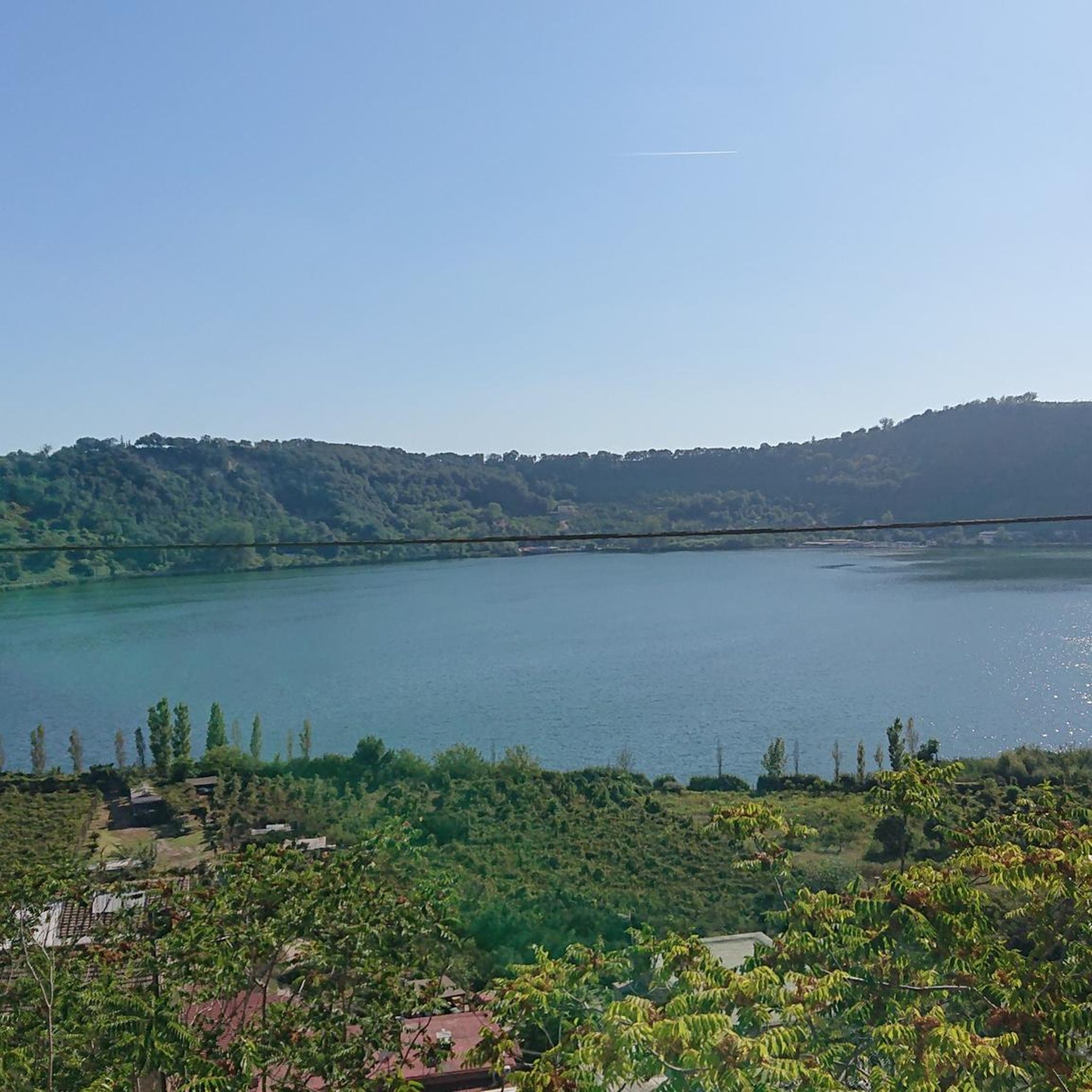
Lake Avernus
Highlight • Lake
It is possible to walk around its perimeter with a pleasant walk.
Translated by Google •
Tip by

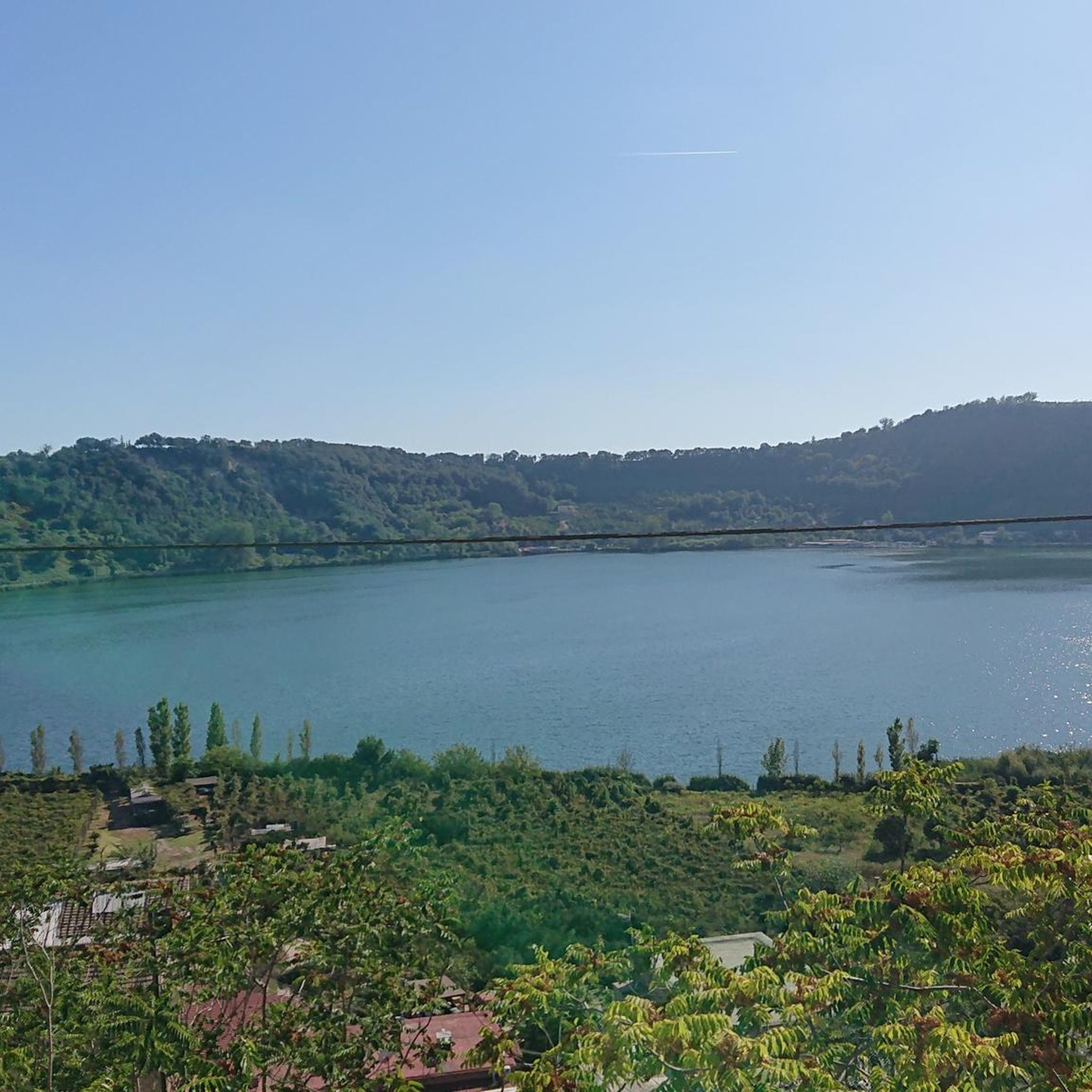
Lake Avernus
Highlight • Lake
Translated by Google •
Tip by

Sign up now to discover places like this
Get recommendations on the best single tracks, peaks, & plenty of other exciting outdoor places.
Sign up for free
Macellum (Temple of Serapis), Pozzuoli
Highlight • Historical Site
Translated by Google •
Tip by

Camaldoli Hermitage
Highlight • Religious Site
Translated by Google •
Tip by
Frigidarium of the Lake Avernus Thermal Baths
Highlight • Historical Site
Translated by Google •
Tip by
Sign up for free to discover even more attractions around Qualiano.
Sign up for free
Already have an account?
Start today with a free account
Your next adventure awaits.
Login or Signup

Tips from the Community

I recommend parking the car in the space outside the Monte Nuovo oasis, crossing the oasis and then going down towards Lake Averno, along this lake there are farmhouses and restaurants
1
0

A walk among nature and wild animals, between dirt roads and cobblestone pavements, not to be missed in any season.
1
0

Beautiful volcanic lake with a very simple and comfortable circular tour, during which it is possible to admire local fauna and flora. I recommend it together with the circular tour of Monte Nuovo to have a view of the volcanic panorama of the Campi Flegrei area.
1
0
Tranquility and beauty of the landscape in contact with nature.
2
0

Lago d'Averno is an easy biking destination on usually quiet rural roads. The volcanic lake in the Avernus crater is around 4 kilometres west of Pozzuoli. Along the way you can pass the volcanic field known as the Phlegraean Fields (Campi Flegrei) and see part of the wider Campanian volcanic arc. The road around the lake is roughly circular: the lake measures two kilometres in circumference and is up to 60 metres deep.
2
0

The Temple of Serapis is one of the best known and representative monuments of the Phlegraean Fields: it is located in the most vital area of the center of Pozzuoli, a few steps from the port docks.
0
0

The Macellum of Pozzuoli is an archaeological site located in the municipality of the same name in the metropolitan city of Naples. Due to the dual interest it has, archaeological and scientific, it is one of the best-known monuments of the entire ancient world. The building has long been improperly called the Temple of Serapis, due to the discovery of a statue of the Egyptian god in 1750, at the time of the first excavations. Subsequent studies have instead ascertained that it is the ancient Macellum, that is, the public market of Roman Puteoli. In terms of size, it is the third most important Neapolitan monument of this type. On a scientific level, it has represented for some centuries the most precious and precise metric index available to measure the phenomenon of bradyseism.
1
0

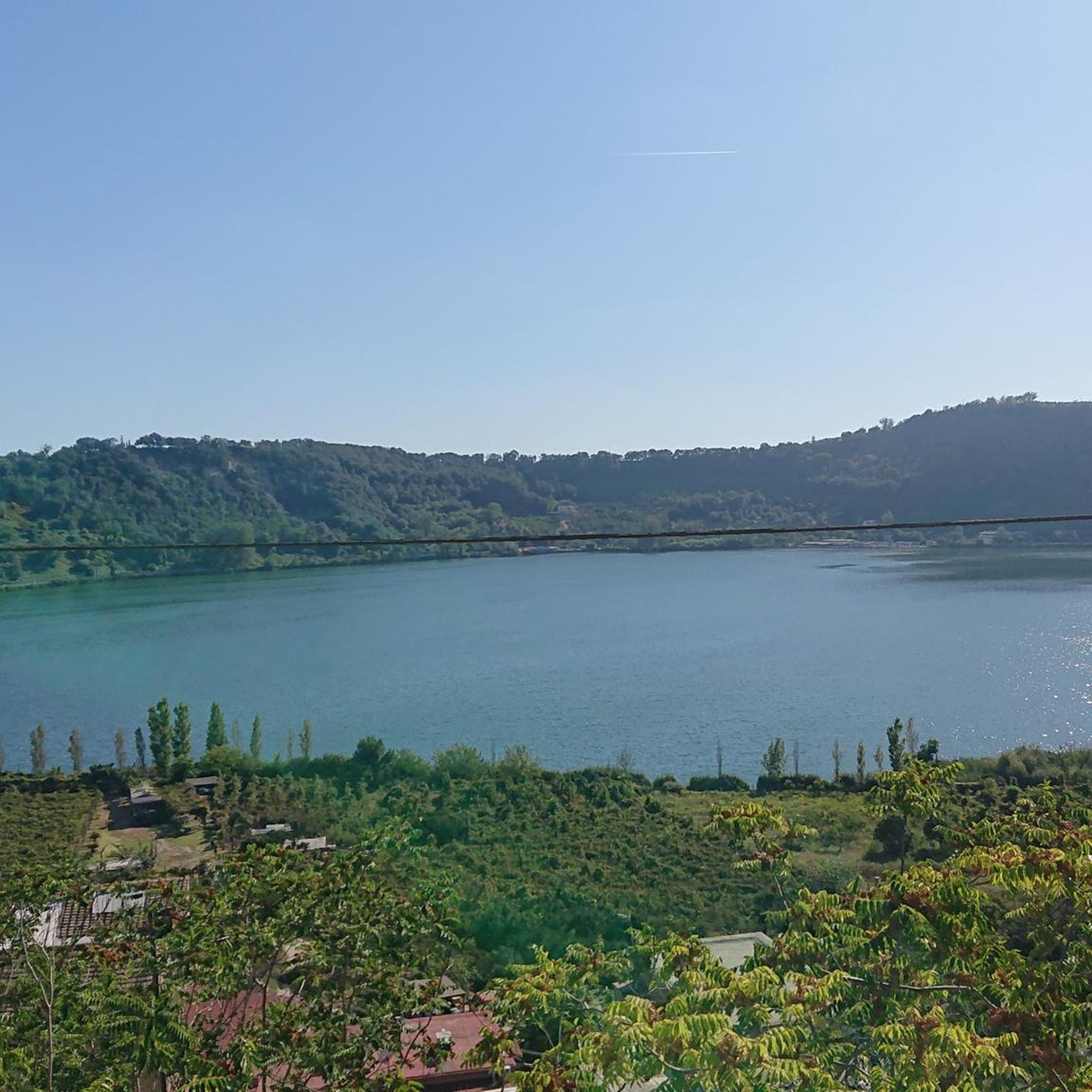
This lake is located in the municipality of Pozzuoli, it is a lake of volcanic origin.. It is possible to walk around its perimeter with a pleasant walk.
4
1
Frequently Asked Questions
What are some notable historical and cultural sites near Qualiano?
The area surrounding Qualiano is rich in history. You can explore the ancient Roman market at the Macellum (Temple of Serapis), Pozzuoli, known for its unique geological history. Other significant sites include the Flavian Amphitheater and the Rione Terra Archaeological Park in Pozzuoli, offering insights into Roman and Greek history. In Naples, don't miss the extensive Catacombs of San Gennaro, the Naples National Archaeological Museum, or the iconic Pompeii Archaeological Park.
Are there any significant natural attractions to visit around Qualiano?
Yes, the region boasts several natural wonders. The most popular is Lake Avernus, a volcanic lake with a pleasant walking path around its perimeter, historically considered an access to the Underworld. You can also visit Mount Vesuvius and its National Park, or explore the unique volcanic landscapes of the Campi Flegrei (Phlegraean Fields) and the Riserva Naturale Cratere degli Astroni.
What unique historical sites can be found around Lake Avernus?
Near Lake Avernus, you can discover the Frigidarium of the Lake Avernus Thermal Baths. This monumental structure, often mistakenly called the Temple of Apollo, was actually part of a Roman thermal complex that utilized the lake's beneficial waters.
What do visitors particularly enjoy about the attractions near Qualiano?
Visitors appreciate the diverse blend of historical sites and natural beauty. Many enjoy the peaceful walks around Lake Avernus, noting the ducks and the scenic views. The historical significance of sites like the Macellum (Temple of Serapis), Pozzuoli, with its evidence of bradyseism, also captivates those interested in geology and ancient history. The panoramic views from places like the Camaldoli Hermitage are also highly praised.
What outdoor activities, like hiking or cycling, can I do near Qualiano?
The area around Qualiano offers various outdoor activities. You can find numerous routes for hiking, mountain biking, and running. For instance, there are moderate to difficult mountain biking trails like the 'View of the Gulf of Pozzuoli – Lake Avernus loop' and hiking routes such as 'Trails in the Capodimonte Wood'. You can explore more options on the dedicated guide pages for Hiking around Qualiano, MTB Trails around Qualiano, and Running Trails around Qualiano.
Are there specific hiking trails recommended around Qualiano?
Yes, there are several hiking trails. For an easy walk, consider the 'Ciaurro Roman Ruins loop' or the 'Marina di Varcaturo Beach loop'. More challenging options include the 'Royal Palace of Naples – Dante Square loop'. For a full list and details, refer to the Hiking around Qualiano guide.
Can I find mountain biking trails in the Qualiano area?
Absolutely. Mountain biking enthusiasts can enjoy trails such as the 'View of the Gulf of Pozzuoli – Lake Avernus loop' or the 'Bosco Contessa Entrance – Jump Ramp loop'. These routes vary in difficulty from moderate to difficult. More details can be found in the MTB Trails around Qualiano guide.
Are there family-friendly attractions around Qualiano?
Yes, Lake Avernus is considered family-friendly, offering an easy walk around its perimeter. The natural setting and the opportunity to see ducks make it enjoyable for all ages. Many of the archaeological parks, while historical, can also be engaging for families interested in ancient history.
Are there any viewpoints offering panoramic scenery near Qualiano?
For breathtaking views, visit the Camaldoli Hermitage. Situated on the highest point of Naples, it offers a suggestive panorama over the Gulf of Naples, including the islands of Ischia, Capri, and Procida, and the surrounding mountains.
What is the best time of year to visit the attractions around Qualiano?
The spring (April-May) and autumn (September-October) months are generally ideal for visiting the attractions around Qualiano. The weather is pleasant for exploring historical sites and engaging in outdoor activities without the intense heat of summer or the cooler, wetter conditions of winter.
Are there any ancient Roman ruins to explore near Qualiano?
Yes, the region is rich in Roman history. In Pozzuoli, you can explore the impressive Flavian Amphitheater and the Macellum (Temple of Serapis), Pozzuoli, which was once a public market. The Rione Terra Archaeological Park also provides a deep dive into Pozzuoli's ancient past. Further afield, the Pompeii Archaeological Park offers a remarkably preserved glimpse into Roman life.
How can I experience the volcanic landscape of the Phlegraean Fields near Qualiano?
The Phlegraean Fields (Campi Flegrei) are a vast area of intense volcanic activity. You can experience this unique landscape by visiting Lake Avernus, which lies within an extinct volcanic crater. The area around Pozzuoli, including the Macellum (Temple of Serapis), Pozzuoli, also shows evidence of bradyseism, a phenomenon linked to the region's volcanic nature.
Are there any religious sites of interest near Qualiano?
Yes, there are several significant religious sites. The Camaldoli Hermitage is a monumental historical and artistic complex offering peace and spirituality. In Pozzuoli, the Santuario di San Gennaro alla Solfatara is built on the site where Saint Januarius is believed to have been martyred. In Naples, you can visit the Basilica dell'Incoronata Madre del Buon Consiglio, often called 'Little St. Peter's', and the Duomo di Santa Maria Assunta (Naples Cathedral).
Most popular attractions around Qualiano

Get inspired with the komoot mobile app


Explore more
Still not found the Highlight you’re looking for? See guides of the top attractions in other regions:
