The best walks and hikes around Fragagnano
3.5
(13)
48
hikers
12
hikes
Hiking around Fragagnano, situated in Italy's Apulia region, offers diverse terrain within the Murgia Tarantina. The area features rolling hills, ancient olive groves, and natural reserves like Bosco delle Pianelle, known for its ancient oak forests and limestone formations. Hikers can also explore sections of the Parco Naturale Regionale Terra delle Gravine, characterized by rugged landscapes and dramatic ravines.
Best hiking trails around Fragagnano
- The most popular hiking route is Faggiano e Roccaforzata – loop from San Giorgio Ionico,…
Last updated: May 23, 2026
3.5
(2)
3
hikers
19.6km
05:15
230m
230m
Hard hike. Very good fitness required. Easily-accessible paths. Suitable for all skill levels.
4.0
(1)
5
hikers
Moderate hike. Good fitness required. Easily-accessible paths. Suitable for all skill levels.

Sign up for free
5
hikers
7.98km
02:03
30m
30m
Moderate hike. Good fitness required. Easily-accessible paths. Suitable for all skill levels.
4
hikers
7.53km
01:56
40m
40m
Easy hike. Great for any fitness level. Easily-accessible paths. Suitable for all skill levels.
2
hikers
9.30km
02:31
120m
120m
Moderate hike. Good fitness required. Easily-accessible paths. Suitable for all skill levels.
Get access to more routes and recommendations from other explorers.
Sign up for free
Already have an account?
Our route recommendations are based on thousands of hikes, rides, and runs completed by other people on komoot.
Start today with a free account
Your next adventure awaits.
Login or Signup

Tips from the Community

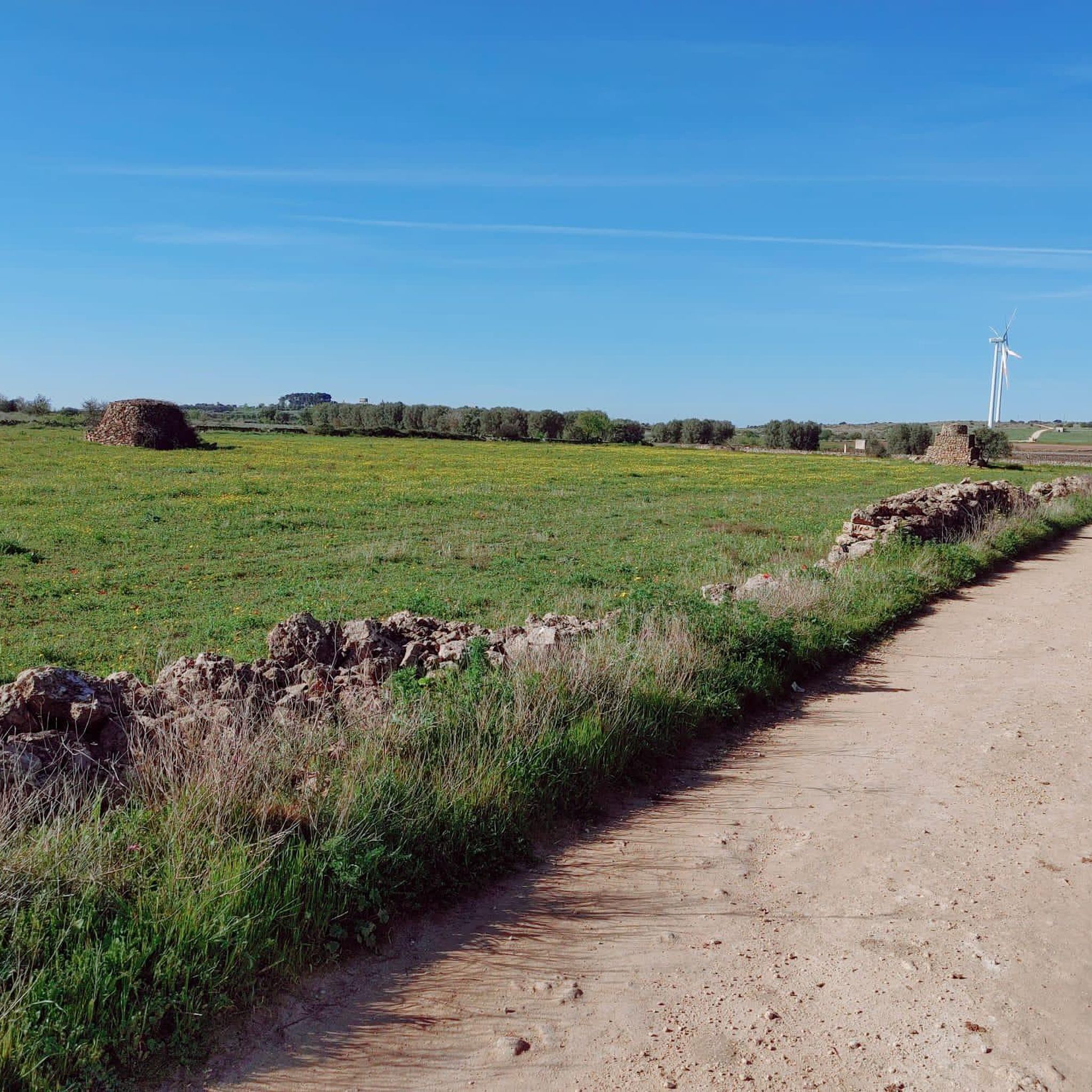
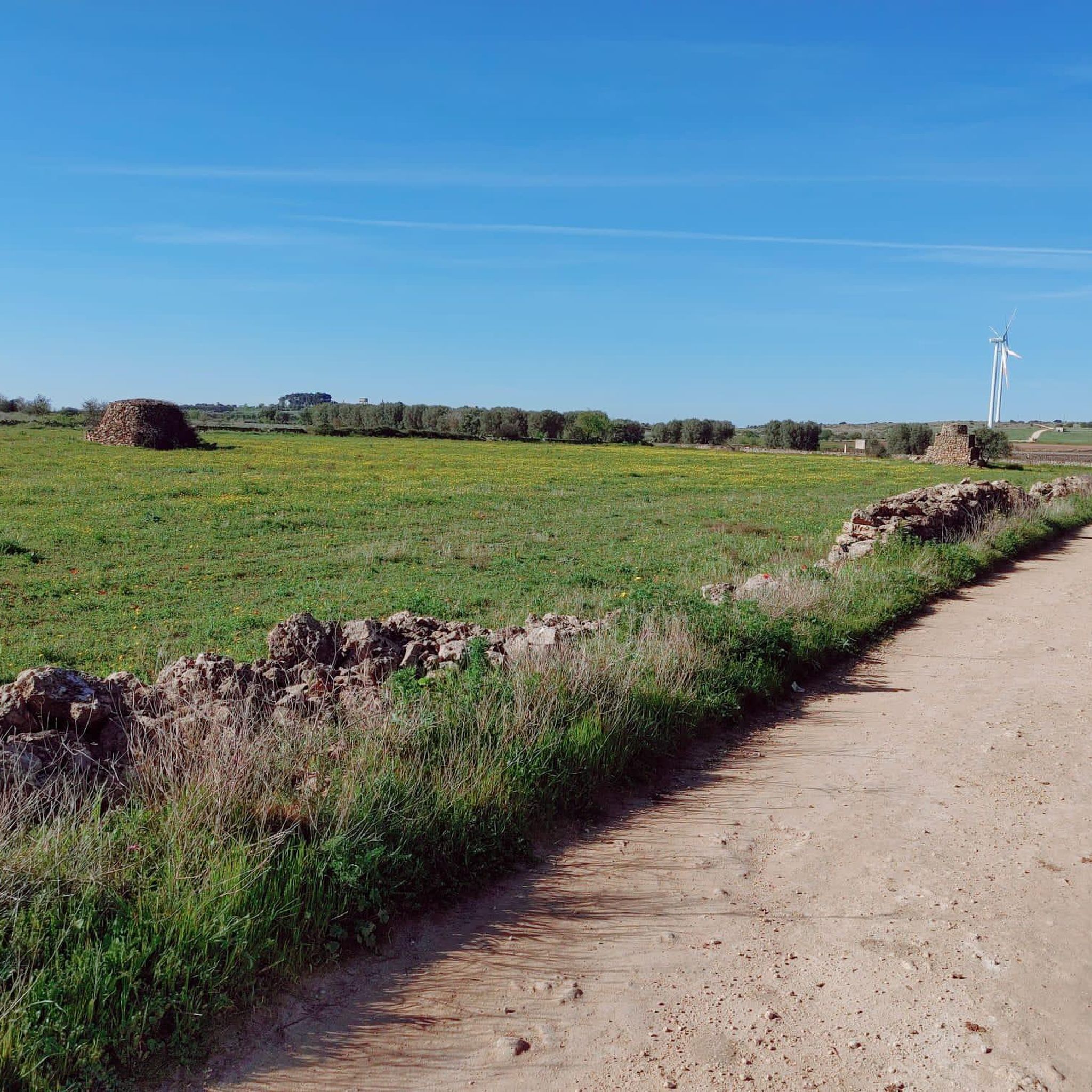
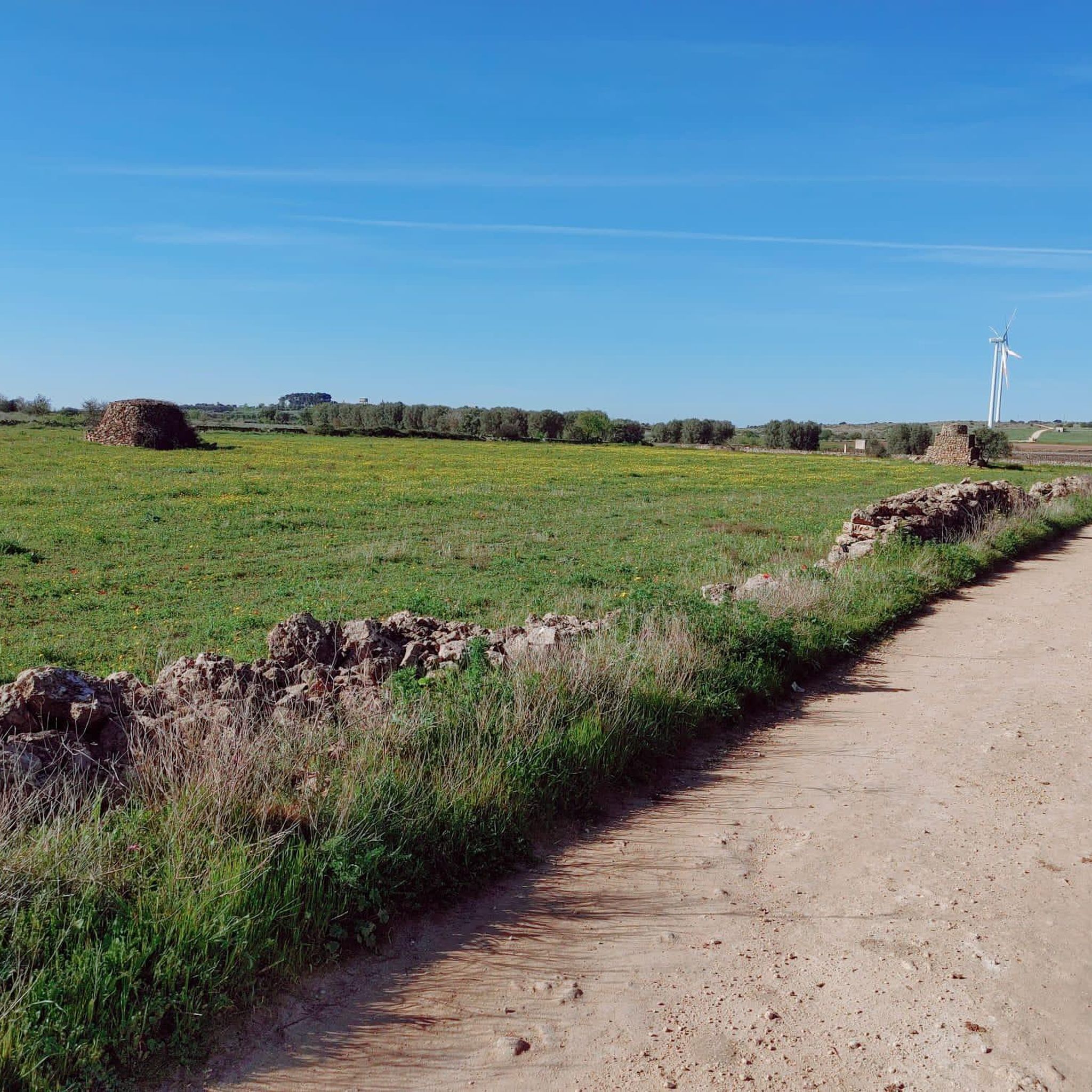
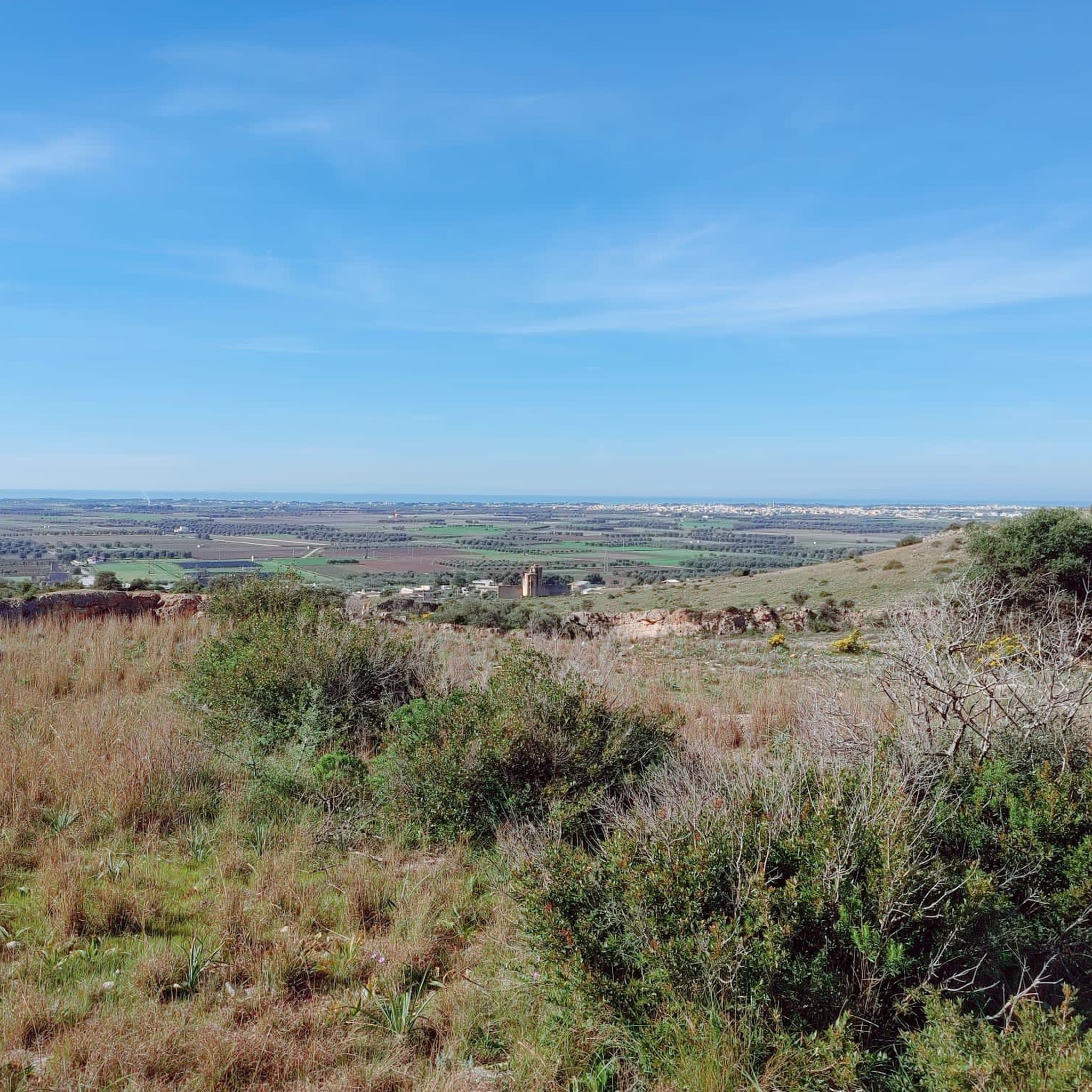
Stunning and relaxing landscape, excellent for going as a couple to have a bit of relaxation. Very green and excellent to visit
0
0
Stunning and relaxing landscape, excellent for going as a couple to have a relaxing time. Very green and excellent to visit
0
0
San Marzano di San Giuseppe (Shën Marcani in arbërisht, AFI: [ar'bəreʃ], Sa'Mmarzanu in Salento dialect) is an Italian municipality of 8,862 inhabitants[1] in the province of Taranto in Puglia. San Marzano di San Giuseppe, together with Casalvecchio di Puglia (Albanian: Kazallveqi) and Chieuti (Albanian: Qefti), is an ancient Albanian center (arbëresh) in the region, founded at the end of the 15th century. By number of citizens, today it is the largest of the Albanian colonies in Italy[4]. Its inhabitants have preserved the memory of their ancestors over the centuries and retain the use of the Albanian mother tongue (gjuha mëmë arbëreshe), remaining the only one among the 14 towns founded or re-founded by the Albanians of the province[5][6] to retain customs and customs of the country of origin[7]. The Byzantine, or Greek-Catholic, rite, typical of the Italian-Albanian community, became extinct in past centuries due to neighboring ecclesiastical pressures.
0
0

Disused quarry between Faggiano and the hamlet of San Crispieri, where calcarenite was extracted, a sedimentary rock composed of calcite granules very common in the Taranto area and Salento. You walk immersed in a suggestive and disturbing panorama, among the abandoned buildings of the quarry.
2
0
Roccaforzata is the smallest municipality in the province of Taranto by resident population. It stands on a hill, the highest in the Serra di Sant'Elia, at an altitude of 145 metres. It has medieval origins and was inhabited by Albanian followers of Scanderbeg in the fifteenth century. Its name derives from the rock position that made it impregnable, and from the small Monte della Croce Park, just outside the town, you can enjoy the panorama towards the Gulf of Taranto.
2
0
Faggiano is a town in the province of Taranto that has been twinned with Bethlehem since 2017 and is famous for the living nativity scene that takes place every year on the hills around the town. The Mother Church of Faggiano is dedicated to Santa Maria Assunta and dates back to the 17th century. It has a Baroque facade with a stone portal and a bell gable.
2
0
The castle of San Giorgio Ionico is a recently built building commissioned by the D'Ayala-Valva counts in the 20th century and built on a hill overlooking the town. It is not a real medieval castle, but a stately residence with towers and battlements, still owned by the D'Ayala-Valva family. The castle cannot be visited and is surrounded by a park with secular trees and a chapel dedicated to the Madonna della Croce.
2
0
The church above is of recent construction and houses the simulacrum of the Madonna delle Grazie, probably made in 1800.
0
0
Frequently Asked Questions
What types of landscapes can I expect to see while hiking around Fragagnano?
Fragagnano, located in Puglia's Murgia Tarantina, offers a diverse terrain. You'll find nature trails winding through breathtaking landscapes, ancient oak forests in areas like the Bosco delle Pianelle Nature Reserve, and unique limestone formations. The region also features sections of the historic Apulian Aqueduct Greenway, showcasing rolling hills and rugged Murgia landscapes.
Are there hiking trails suitable for beginners or those looking for an easy walk?
Yes, Fragagnano offers a range of trails for all fitness levels. Among the 10 available routes, 4 are classified as easy. For example, the Grottaglie – Episcopal Castle loop from Grottaglie is an easy 3.6-mile (5.7 km) trail that takes about 1 hour 30 minutes, leading through the town's historic center.
What are some notable natural features or landmarks to look out for on the trails?
Beyond the diverse terrain, you can explore significant natural and historical sites. The region is home to the Bosco delle Pianelle Nature Reserve with its ancient oak forests, and the Parco Naturale Regionale Terra delle Gravine. You might also encounter historical cave areas, such as those near the Arena delle Cave – Cava Grande Trail loop from Grottaglie, or cultural routes through historic centers.
Are there any circular hiking routes available in Fragagnano?
Yes, many of the hiking routes around Fragagnano are designed as loops, offering convenient circular walks. An example is the Hiking loop from San Marzano di San Giuseppe, a moderate 5.4-mile (8.7 km) trail.
What do other hikers say about the trails in Fragagnano?
The hiking routes in Fragagnano are highly rated by the komoot community, with an average score of 3.2 stars from over 10 reviews. Hikers often praise the varied terrain and the opportunity to explore both natural landscapes and historic areas.
Can I find trails that connect Fragagnano to nearby towns or municipalities?
Yes, many hiking routes in the region connect Fragagnano to neighboring municipalities, allowing for broader exploration of the area's diverse scenery and cultural heritage. This offers a great way to discover more of Puglia.
Are there any historical sites or castles I can visit near the hiking trails?
Absolutely. The region is rich in history. You can explore sites like the Episcopal Castle, which is part of the Grottaglie – Episcopal Castle loop. Other nearby castles include Castello di Pulsano and Carosino Castle. The Historic center of Torricella also offers cultural insights.
What is the best time of year to go hiking in Fragagnano?
Puglia generally enjoys a mild climate, making hiking pleasant for much of the year. Spring and autumn offer comfortable temperatures and vibrant landscapes, ideal for exploring. Even winter can be suitable for hiking, though checking local weather forecasts is always recommended.
Are there any trails that pass through olive groves or vineyards?
The countryside around Fragagnano, typical of Puglia, is characterized by extensive olive groves and vineyards. Many rural walking paths will naturally lead you through these iconic agricultural landscapes, offering a quintessential Apulian experience.
What are the options for parking when accessing rural hiking routes?
For rural walks around Fragagnano, parking is generally available near trailheads or in the small towns and villages that serve as starting points for routes. It's advisable to check specific route details on komoot for recommended parking locations.
Are there any trails that feature ancient cave dwellings or rock churches?
Yes, the area around Fragagnano is known for its unique historical cave sites. You can find attractions like the Rock Church of the Holy Trinity and the Lama del Fullonese Cave Dwellings, offering a glimpse into the region's ancient past.
How long do hikes in Fragagnano typically take?
Hikes in Fragagnano vary significantly in duration. Easy routes, like the Gravina di San Biagio loop from Grottaglie (3.9 miles / 6.2 km), can take around 1 hour 40 minutes. More challenging routes, such as the Faggiano e Roccaforzata – loop from San Giorgio Ionico (12.2 miles / 19.6 km), can take over 5 hours.
Most popular routes around Fragagnano
Most popular attractions around Fragagnano

Get inspired with the komoot mobile app


Explore more
Browse the best Hikes in other regions.
