The best road cycling routes around Roccaforzata
4.4
(74)
2,662
riders
81
rides
Road cycling routes around Roccaforzata are characterized by the region's elevated position within the Murge Tarantine, offering varied terrain. The area features hilly landscapes with diverse elevation changes, providing engaging routes for road cyclists. Riders can expect scenic rides through picturesque rural landscapes, including olive groves and vineyards, typical of the Apulian countryside. The "Muro di Roccaforzata" is a notable climb within the village, adding a challenge for cyclists.
Best road cycling routes around Roccaforzata
- The most popular road cycling…
Last updated: July 8, 2026
17
riders
63.8km
02:51
440m
440m
Moderate road ride. Good fitness required. Mostly well-paved surfaces and easy to ride.
4.5
(2)
29
riders
67.8km
03:23
600m
610m
Moderate road ride. Good fitness required. Mostly well-paved surfaces and easy to ride.

Sign up for free
5.0
(4)
13
riders
51.3km
02:12
230m
230m
Moderate road ride. Good fitness required. Mostly well-paved surfaces and easy to ride.
5.0
(2)
12
riders
42.9km
01:55
150m
150m
Easy road ride. Great for any fitness level. Mostly well-paved surfaces and easy to ride.
5.0
(1)
9
riders
38.0km
01:46
200m
200m
Moderate road ride. Great for any fitness level. Some segments of this route may be unpaved and difficult to ride.
Get access to more routes and recommendations from other explorers.
Sign up for free
Already have an account?
Our route recommendations are based on thousands of hikes, rides, and runs completed by other people on komoot.
Start today with a free account
Your next adventure awaits.
Login or Signup
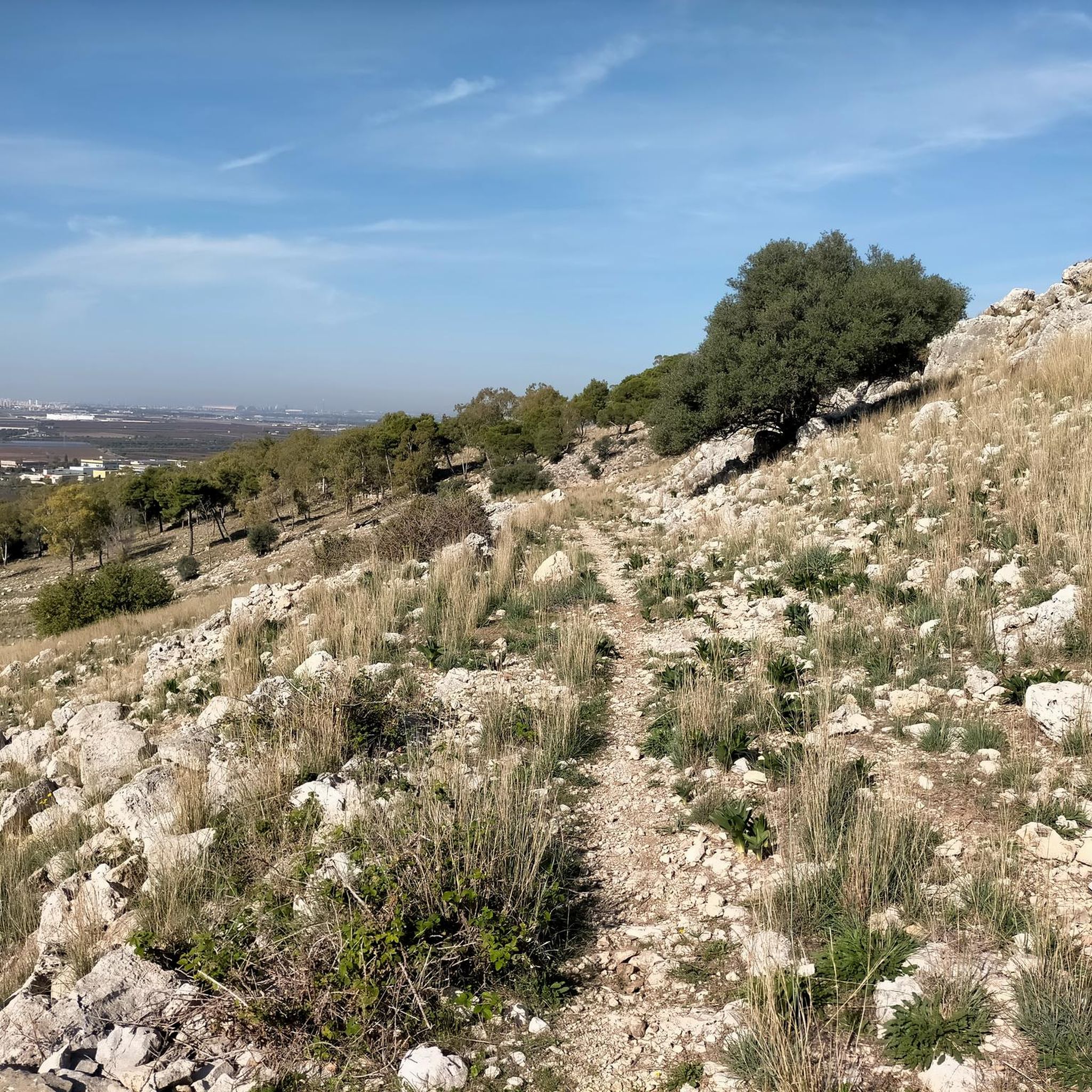
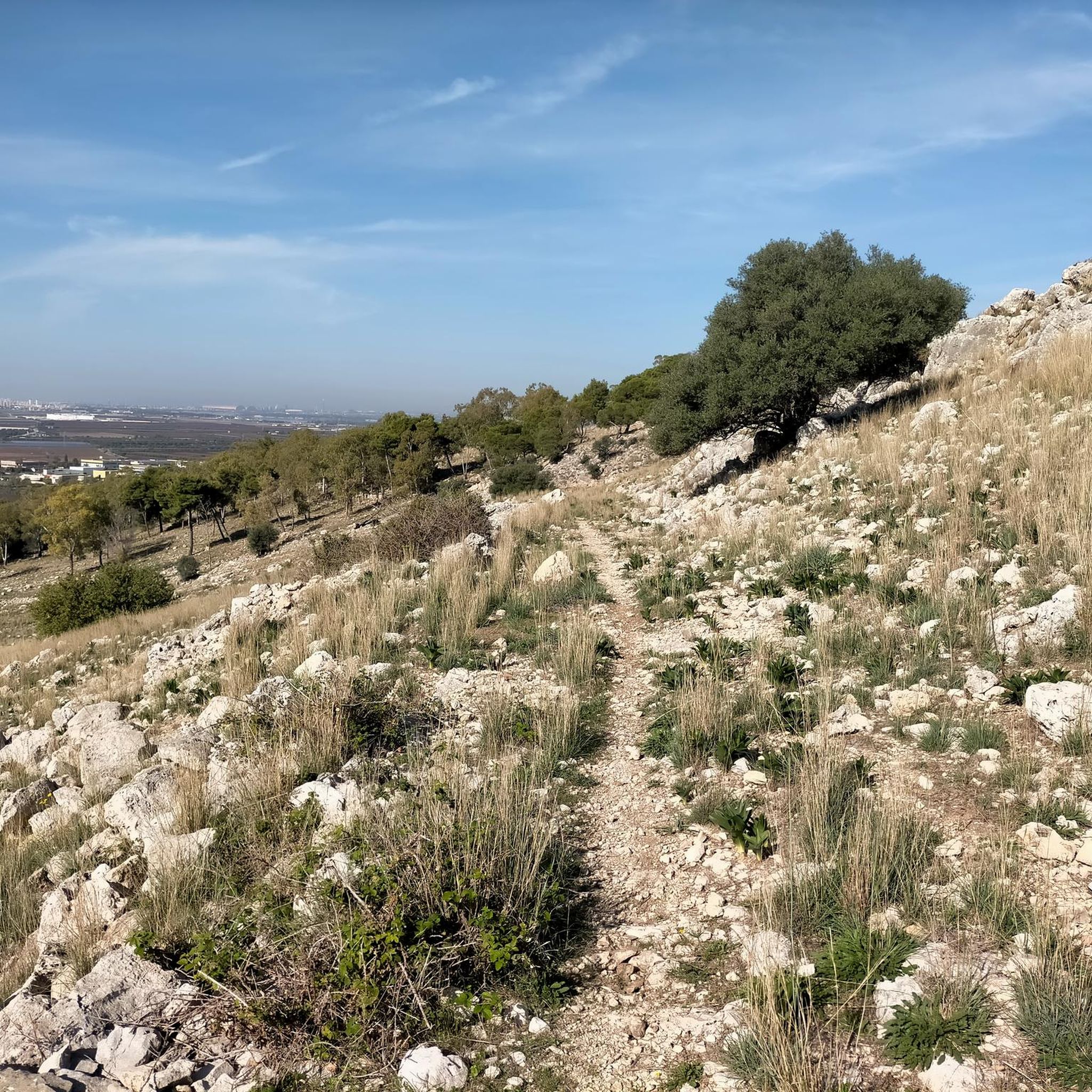
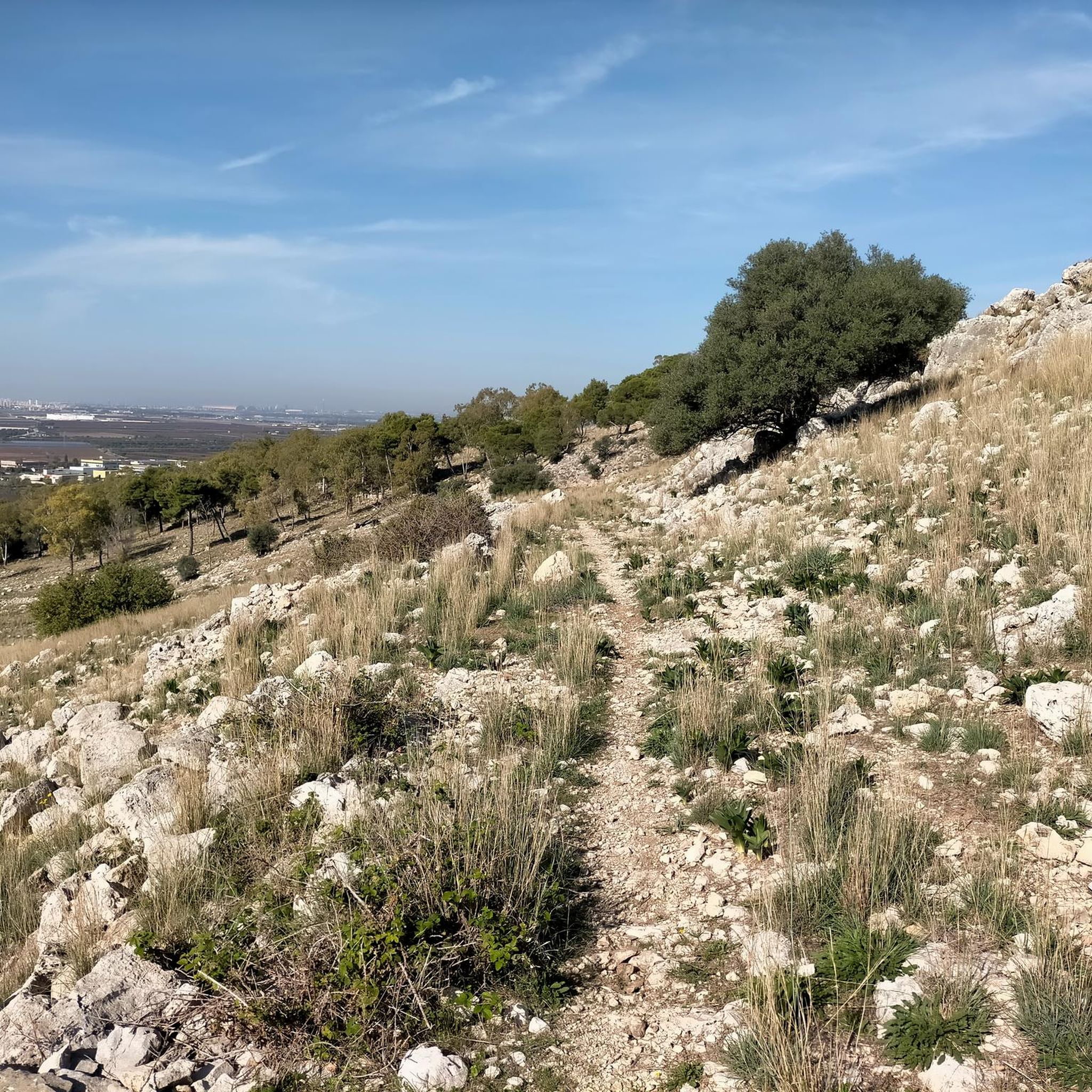

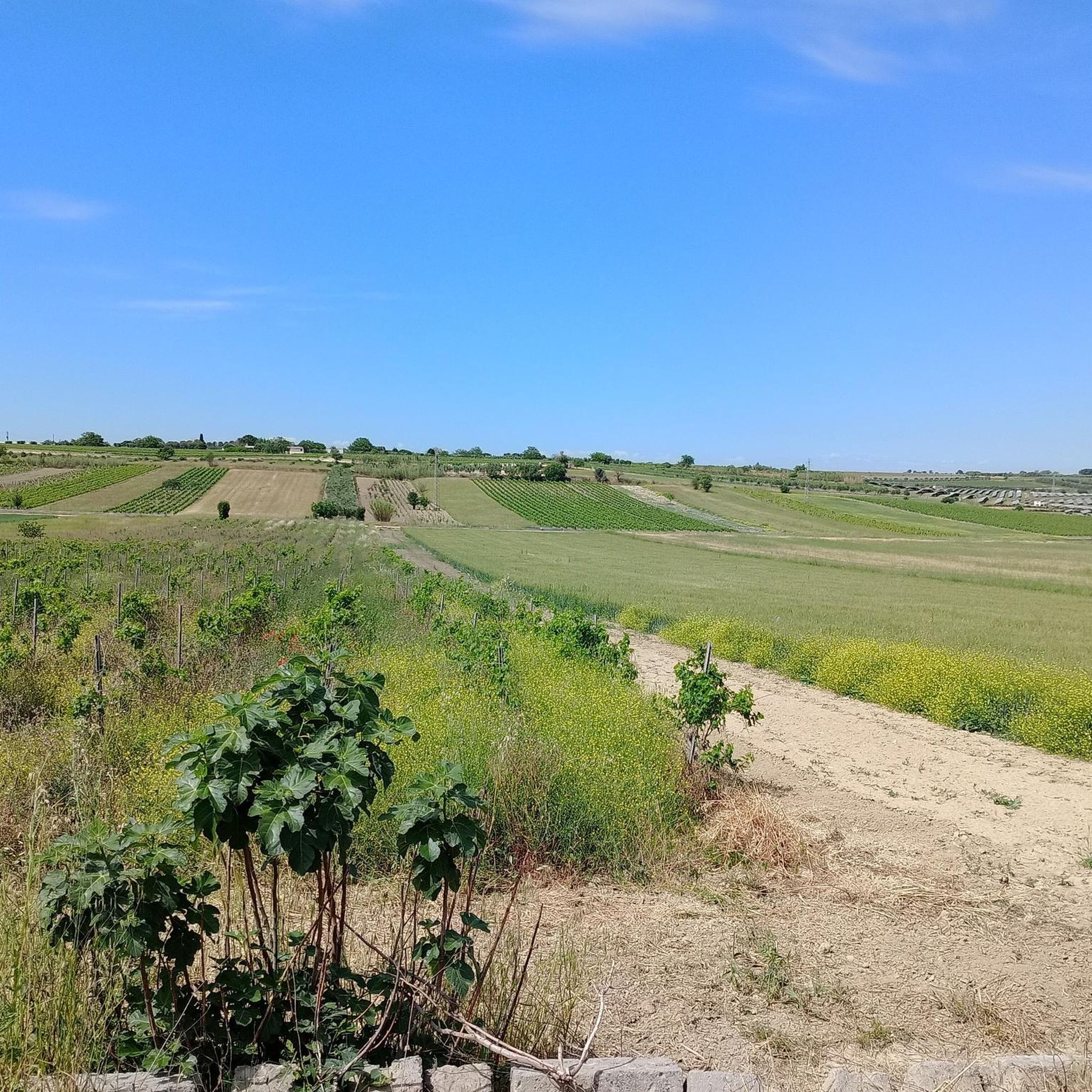
Tips from the Community

The section with 10%, or possibly even more, comes long before the sign, when you ride through the village below. There is a proper ramp that really gets the pulse racing. Then you turn left onto the road and come to the section with the 10% sign. In this area, however, it is then only about 4-6% to the top. It is still a beautiful climb. One of the few in the region.
0
0
Short climb with approx. 8% max. Once at the top, you are rewarded with a great view.
0
0


"The Bucito Cave", in Grottaglie I'll make a very brief introduction: generally the manifestations of worship in caves, here, refer to what is the devotion for the Archangel Michael (quis ut Deus). And we owe this to the Lombards who made him their national saint. I would not leave out, however, the Byzantines of Puglia among whom this saint enjoyed enormous popularity. "The Grottaglie area, like other places in the area, has been inhabited by man since the most remote times. In fact, in some districts (Bucito, Coluccio and Lonoce) roughly worked stone tools, splinters and processing residues have been found, belonging to the Paleolithic, that is, to the period of the Ancient Stone. The Buccito Cave (or Coluccio), near Grottaglie, is located at an important road junction, closely connected to the Tratturo Martinese. These are the oldest signs of the presence of man in our territory. In the Neolithic Age (from the mid-5th to the first centuries of the 4th millennium BC) the first agricultural villages began to emerge (Bucito and Caprarica). Caves and natural caverns were then used in all phases of the Bronze and Iron Ages, especially in the villages of Riggio, Lonoce, Fullonese and Pensieri. In the last period of the Bronze Age, the agricultural economy took over from pastoralism, so the ravines were gradually abandoned to form small urban-type settlements. This process was however stifled with the foundation of Taranto by Spartan colonists (towards the end of the 8th century BC)” (From metropolis.it) Why is it called that? The cave takes its name from the Greek term βοῦς, βοός- bus,- or “ox” and οἰκία or “house, shelter, dwelling” and therefore, originally, indicated a place of shelter for these animals. The Greek etymology is evidence of both Magna Graecia, of Byzantine d+-++-homination and of the subsequent presence of the Basilian monks in our territory For some years, in this cave, the mass of December 24th was celebrated. Suggestive! A custom that would be nice to resume, both for our religion and for our traditions.
0
0
The Cave is part of the Gravine di Grottaglie and is located in the Terra delle Gravine Regional Park. The Bucito cave (also known as the Coluccio cave) is located in an important road junction, closely connected to the Tratturo Martinese, an ancient primary communication route until the 19th century in Puglia. On a boulder adjacent to the cave there are two statuettes, one of Padre Pio da Pietrelcina and one of Jesus Christ. Until a few years ago, in the Bucito cave, on the night of December 25, the inhabitants of Grottaglie and the surrounding area flocked there for the Christmas vigil and for the celebration of the Midnight Christmas Mass.
0
0


The "we got it" sign on that road. If you've passed by you'll have seen it. Isn't it 10%? You have to blame the municipal office. Maybe it was the only sign they had available
1
0
The panoramic road is very beautiful, but also very busy.
1
0
Frequently Asked Questions
What kind of terrain can I expect on road cycling routes around Roccaforzata?
Road cycling routes around Roccaforzata are characterized by the region's elevated position within the Murge Tarantine. You can expect varied terrain, including hilly landscapes with diverse elevation changes, providing engaging routes. The area features picturesque rural scenery, with extensive olive groves and vineyards typical of the Apulian countryside. The "Muro di Roccaforzata" is a notable climb within the village, offering a challenge for cyclists.
Are there road cycling routes suitable for beginners or those looking for an easier ride?
Yes, the network of road cycling routes around Roccaforzata offers options for various ability levels. While the region is known for its hilly terrain, there are routes categorized as easy, alongside moderate and difficult options, catering to beginners and those seeking a less strenuous ride.
Are there any challenging climbs for experienced road cyclists in the Roccaforzata area?
Absolutely. The region's hilly terrain, part of the Murge Tarantine, provides excellent opportunities for challenging climbs. The "Muro di Roccaforzata" is specifically highlighted as a short, notable climb within the village itself, offering a good test for experienced riders. You can find it on routes like the Marina di Pulsano – Muro di Roccaforzata loop from Carosino.
What are some interesting historical sites or landmarks I can see along the road cycling routes?
Many routes wind through the rural Apulian countryside, passing by historical sites. For instance, the Grottaglie – Sanctuary of Our Lady of the Chamber loop from Faggiano passes by the historic Sanctuary of Our Lady of the Chamber. You can also explore nearby attractions like the Grottaglie Ceramics District or various castles such as Carosino Castle, which are often accessible from cycling routes.
Are there loop trails available for road cycling around Roccaforzata?
Yes, many of the road cycling routes around Roccaforzata are designed as loops, allowing you to start and end in the same location. Examples include the Marina di Pulsano – Muro di Roccaforzata loop from Carosino and the Church of St. Mary of the Cross – Masseria Pilano loop from San Giorgio Ionico.
What do other road cyclists say about the routes in Roccaforzata?
The road cycling routes in Roccaforzata are highly rated by the komoot community, with an average score of 4.5 stars from over 40 reviews. Cyclists often praise the varied terrain, the scenic rural landscapes with olive groves and vineyards, and the engaging challenges like the "Muro di Roccaforzata" climb.
Are there options for family-friendly road cycling routes in the area?
While Roccaforzata's terrain includes hills, the availability of easy-rated routes suggests there are options suitable for families or those preferring a more relaxed pace. These routes would typically feature less elevation gain and quieter roads through the picturesque countryside.
Where can I find parking when planning a road cycling trip to Roccaforzata?
Roccaforzata is a village in the province of Taranto. Parking is generally available within the village itself or in nearby towns that serve as starting points for routes, such as Carosino or San Giorgio Ionico. Look for public parking areas in these settlements when planning your ride.
Can I access Roccaforzata and its cycling routes using public transport with my bike?
While Roccaforzata is a smaller village, it is located within the Taranto province. Public transport options, such as regional buses, may connect it to larger towns. It's advisable to check local bus schedules and their policies regarding bicycle transport in advance, as this can vary.
Are there places to eat or drink along the road cycling routes or in Roccaforzata?
Roccaforzata itself has a charming historic center where you can find local cafes and restaurants. As you cycle through the rural Apulian countryside, you might encounter small villages or masserias (traditional farmhouses) that offer refreshments, especially in the wider Salento area. Planning your route with komoot can help identify potential stops.
What is the typical length and duration of road cycling routes around Roccaforzata?
The routes vary in length and duration, catering to different preferences. For example, the Marina di Pulsano – Muro di Roccaforzata loop from Carosino is about 40.5 miles (65.2 km) and takes approximately 2 hours 47 minutes, while the Church of St. Mary of the Cross – Masseria Pilano loop from San Giorgio Ionico is 45.7 miles (73.6 km) and typically takes around 3 hours 21 minutes.
What is the best time of year for road cycling in Roccaforzata?
Puglia, where Roccaforzata is located, generally enjoys a Mediterranean climate. Spring (April-May) and Autumn (September-October) are often considered ideal for cycling, offering pleasant temperatures and less intense heat than the summer months. Winter cycling is also an option, with milder temperatures compared to many other European regions.
Are there any less crowded road cycling trails around Roccaforzata?
The rural landscapes of the Murge Tarantine generally offer serene rides through olive groves and vineyards, which tend to be less crowded than urban areas. Exploring routes that venture further into the countryside, away from main roads, will likely provide a more tranquil cycling experience.
Most popular routes around Roccaforzata
Most popular attractions around Roccaforzata

Get inspired with the komoot mobile app


Explore more
Browse the best Road cycling routes in other regions.
