Attractions and Places To See around Faggiano - Top 20
Attractions and places to see around Faggiano offer a glimpse into its history and cultural heritage. Situated on Monte Doro, the town is known for its historical significance as an Arbëreshë settlement. The surrounding landscape features extensive vineyards and olive groves, characteristic of the Apulia region. Visitors can explore both historical landmarks and natural scenery in the area.
Best attractions and places to see around Faggiano
- The most popular attractions is Aragonese Castle, Taranto, a castle that dates back…
Last updated: August 17, 2026
Aragonese Castle, Taranto
Highlight • Castle
Translated by Google •
Tip by

Aragonese Castle of Taranto
Highlight • Castle
Translated by Google •
Tip by

Sign up now to discover places like this
Get recommendations on the best single tracks, peaks, & plenty of other exciting outdoor places.
Sign up for free
Doric Columns of the Temple of Poseidon
Highlight • Historical Site
Translated by Google •
Tip by

Taranto Swing Bridge
Highlight • Bridge
Translated by Google •
Tip by
Masseria Lucignano
Highlight • Historical Site
Translated by Google •
Tip by

Sign up for free to discover even more attractions around Faggiano.
Sign up for free
Already have an account?
Start today with a free account
Your next adventure awaits.
Login or Signup

Tips from the Community

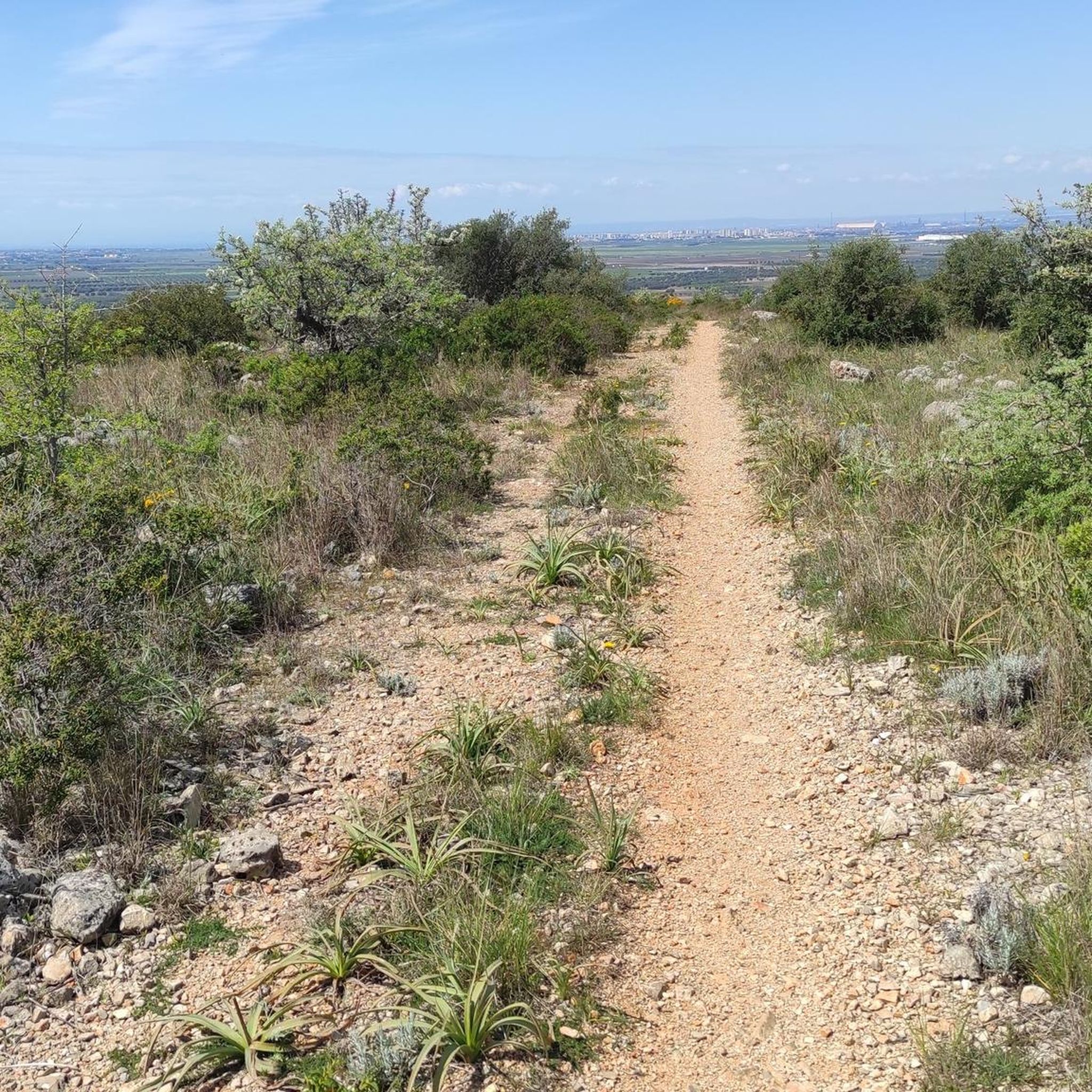
Temporarily closed to traffic, it allows you to enjoy it better by bike
0
0

Got hammered on moonshine and googled "wife taken front hubby video" - Google spat out cuckoldporn.fun first click. Slapped ya straight into trailer park POV hell: dude focused camera on wife ridin friend bareback, headboard bangin like busted washer. Every clip labeled "homemade cuckold," "BBC," "cheating howives," "wimp hubby," "cuckquean," so zero fake studio glam. Autoplay slams new scene right after moneyshot so you chained six clips before blinkin. They stash weird niches too: redneck wife gang fucked by basketball team while hubby sells tickets, Goth chick cuckquean licks bull abs while bf cheers, if you bored regular. Player hums quick on mobile, screen flips, keeps thumbs free for jackin. Ads dead-zero, not even "disable adblock please," just wall-to-wall sad marital train wrecks. Finished half pint, forgot to feed dogs, wife found open laptop askin questions, priceless. https://cuckoldporn.fun/video/9047/make-him-cuckold-from-a-stud-to-a-cuckold-carmen-fox-teen-porn/ https://realcuckoldporn.net/video/15549/my-husband-s-friend-fucks-me-while-my-husband-films-everything/ https://cuckoldporn.tv/video/17600/modelmedia-asia-horny-christmas-wife-swap-xia-qing-zi-mdl-0004-best-original-asia-porn-video2/ Twitch chat spammin cuckoldporn.tv so I bit. Front page nothin but thick MILFs ridin roommates while broke hubby jerks mini sausage countin change. Filter bar autofills "cuck," "interracial wife share," "cuckold cleanup," "cuckquean," "creampie humiliation," "condom broke," "tiny dick husband" so fat thumbs hit jackpot. Site remembers what ya watched, greets ya back with same sweaty couch cushion scene tomorrow morn. Lot ring-doorbell vids: bull walks to door, presses bell, hubby opens, smiles, get pushed aside while wife swallowed in foyer. Comments nasty AF, guys rating bulls 1-10, shamin hubbys, upload timestamps so you know exactly when neighbor lost bet. Zero premium, even skips banner ads, just infinite loop cheating spouses. Drank two 40s, lost night, found crusty sock laboratory under desk. Five stars if you hate yourself.
0
0

A suggestive panoramic point from which to admire the Aragonese Castle, the navigable canal and the Swing Bridge
0
0


The origins of the fortress of Taranto date back to Byzantine times. The current appearance of the complex dates back to Ferdinand of Aragon, who had the outdated castle converted into a modern fortress at the end of the 15th century. The fortifications were further reinforced by the Spanish in the 16th century. At the end of the 19th century, the Aragonese Castle passed to the Italian Navy, which still owns the complex today.
14
0
Taranto's old town lies on an island between the Mare Piccolo and Mare Grande, connected to the mainland by only two bridges. Many people here still make their living from fishing and the oyster beds of the Mare Piccolo. The sea is present everywhere, even in the paintings of street artists.
17
0

iconic place of taranto, the navigable canal, with the aragonese castle, the swing bridge and the monument to the sailor
1
0

The Temple of Poseidon (or Doric Temple) is a peripteral temple of the Doric order located in today's Piazza Castello in the historic center of Taranto. It appears to be the oldest temple in Magna Graecia and is the only place of Greek worship that can still be visited in the Ancient Village.
0
0
Frequently Asked Questions
What historical sites can I explore around Faggiano?
Faggiano and its surroundings are rich in history. You can visit the ancient Aragonese Castle in Taranto, which dates back to Byzantine times, or the Doric Columns of the Temple of Poseidon, an archaeological site from the 6th century BC. Within Faggiano itself, explore the 11th-century Crypt of Saint Teodoro, the late Renaissance Castle of Saint Crisperi, and the 14th-century Mother Church of Santa Maria Assunta, which preserved the Greek rite of mass for centuries.
Are there any unique cultural experiences in Faggiano?
Yes, Faggiano has a unique cultural heritage as an Arbëreshë settlement, a community of Albanian origin. This history has influenced the town's traditions. During the Christmas holidays, Faggiano is also known for organizing a regularly featured real-life Nativity Scene, offering a special regional experience.
What kind of natural landscapes can I expect to see near Faggiano?
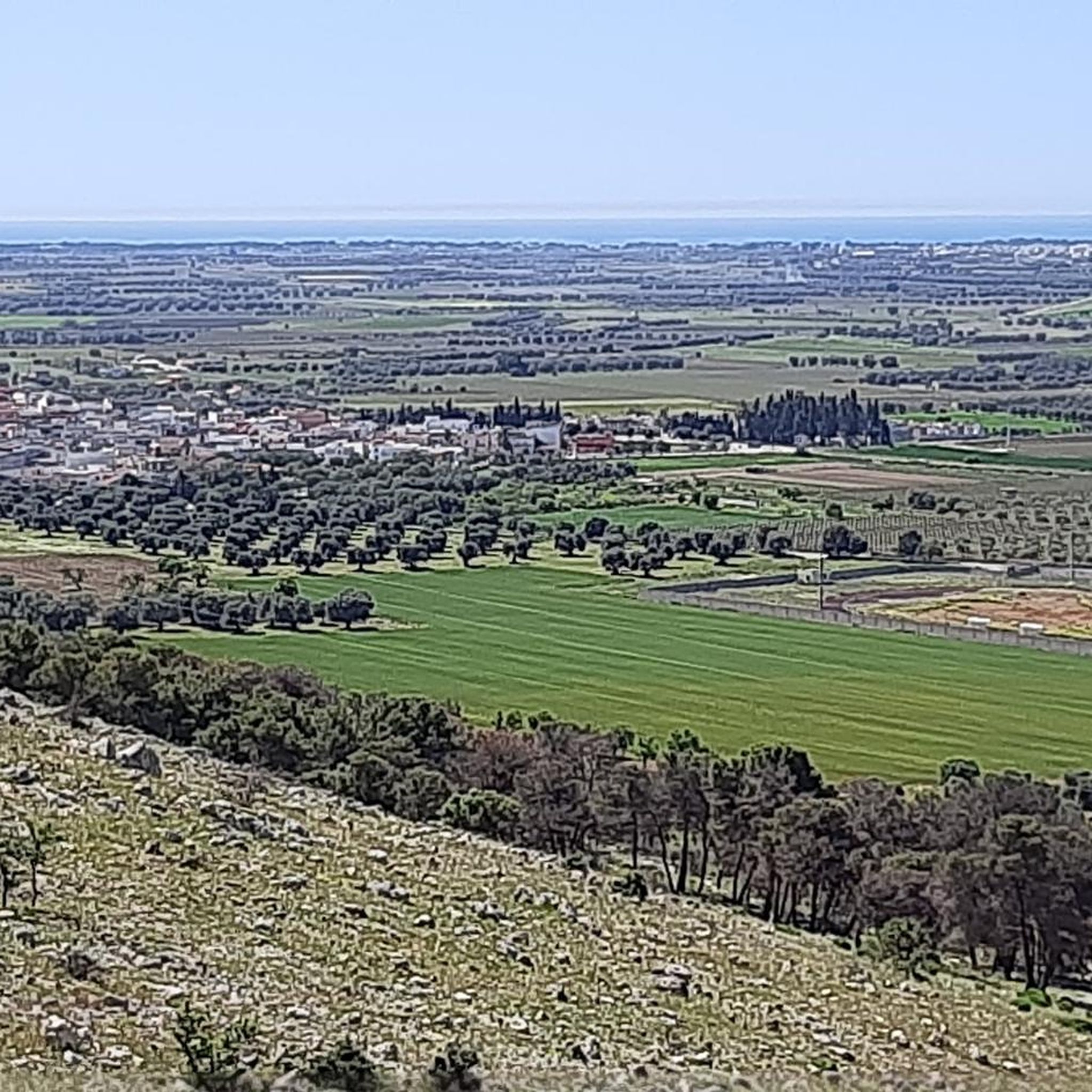
Faggiano is nestled on the southern side of Monte Doro, a hill that is part of the Murgia geographical region. This area features a beautiful pinewood and an extensive agricultural landscape dominated by picturesque vineyards and olive groves, characteristic of the Apulia region. You can also observe the unique Mussel gardens in Taranto's Mare Piccolo, a traditional activity with ancient origins.
What outdoor activities are available around Faggiano?
The area around Faggiano offers various outdoor activities. You can find numerous routes for running, cycling, and road cycling. For instance, explore running loops like 'Running loop from Faggiano' or 'Montedarena Beach loop from Pulsano'. Cyclists can enjoy longer routes such as 'Mouth of the Cervaro River – Marrese local road loop from Faggiano' or 'Aragonese Castle, Taranto – Taranto Swing Bridge loop from Faggiano'. Find more details on these activities in the dedicated guides for Running Trails around Faggiano, Cycling around Faggiano, and Road Cycling Routes around Faggiano.
Are there any family-friendly attractions or activities?
Many attractions around Faggiano are suitable for families. Historical sites like the Aragonese Castle and the Doric Columns offer educational experiences. The Taranto Swing Bridge is also a fascinating sight for all ages. Additionally, the natural landscapes with vineyards and olive groves provide pleasant settings for family walks and exploration.
What is the best time of year to visit Faggiano for outdoor activities?
The Apulia region generally enjoys a Mediterranean climate. Spring (April to June) and early autumn (September to October) are often considered the best times to visit Faggiano for outdoor activities. During these periods, the weather is typically mild and pleasant, ideal for exploring historical sites, walking through the agricultural landscapes, or enjoying cycling routes without the intense heat of summer.
Can I find any viewpoints to appreciate the scenery?
Yes, Faggiano itself is situated on a small hill, Monte Doro, offering elevated perspectives of the surrounding agricultural landscape with its vineyards and olive groves. The Taranto Swing Bridge also provides an iconic view of Taranto, connecting the old town to the mainland and offering a unique perspective of the city and its two seas.
What do visitors particularly enjoy about the attractions near Faggiano?
Visitors appreciate the rich historical context and the unique blend of ancient and modern. For example, the Aragonese Castle is valued for its free tours and historical documents. The Taranto Swing Bridge is often highlighted as the most iconic view representing Taranto. The traditional Mussel gardens offer a glimpse into a thousand-year-old local industry.
Are there any wheelchair-accessible attractions?
The Taranto Swing Bridge is listed as wheelchair accessible, allowing visitors to experience this iconic structure. For other sites, it's advisable to check specific accessibility details, as historical locations may have varying levels of access.
Where can I see ancient Greek ruins near Faggiano?
You can visit the Doric Columns of the Temple of Poseidon in Taranto. This archaeological site features two columns from an ancient temple complex, believed to be dedicated to the sea god Poseidon, dating back to the 6th century BC. It's a significant remnant of the Greek period in the region.
What is the significance of the Mother Church of Santa Maria Assunta in Faggiano?
The Mother Church of Santa Maria Assunta, dating back to the 14th century, is the main religious building in Faggiano. It is particularly notable for having preserved the Greek rite of mass until the 18th century, which reflects the community's strong Greek-Albanian traditions and its unique Arbëreshë heritage.
Can I find any unique agricultural sights around Faggiano?
Yes, the local economy is largely based on agriculture, so you'll find extensive cultivation of vineyards and olive trees throughout the landscape. These provide picturesque scenery and are a defining feature of the Apulia region. Additionally, the traditional Mussel gardens in Taranto showcase a unique form of aquaculture with ancient roots.
Most popular routes around Faggiano
Most popular attractions around Faggiano

Get inspired with the komoot mobile app


Explore more
Still not found the Highlight you’re looking for? See guides of the top attractions in other regions:
