Attractions and Places To See around Lungro - Top 20
Best attractions and places to see around Lungro include a mix of historical sites, cultural landmarks, and natural features within the Pollino National Park. Lungro is situated at an elevation of about 600 meters, surrounded by mountains and verdant hills, and is known for its Arbëreshë heritage and Byzantine rite traditions. The area offers opportunities to explore ancient salt mines, historic churches, and scenic viewpoints.
Best attractions and places to see around Lungro
- The most popular attractions is A breathtaking…
Last updated: August 16, 2026
Castrovillari
Highlight • Settlement
Translated by Google •
Tip by

Castrovillari–Morano Calabro Greenway
Highlight • Cycleway
Translated by Google •
Tip by
Sign up now to discover places like this
Get recommendations on the best single tracks, peaks, & plenty of other exciting outdoor places.
Sign up for free
Lungro
Highlight • Settlement
Translated by Google •
Tip by
A breathtaking view
Highlight (Segment) • Viewpoint
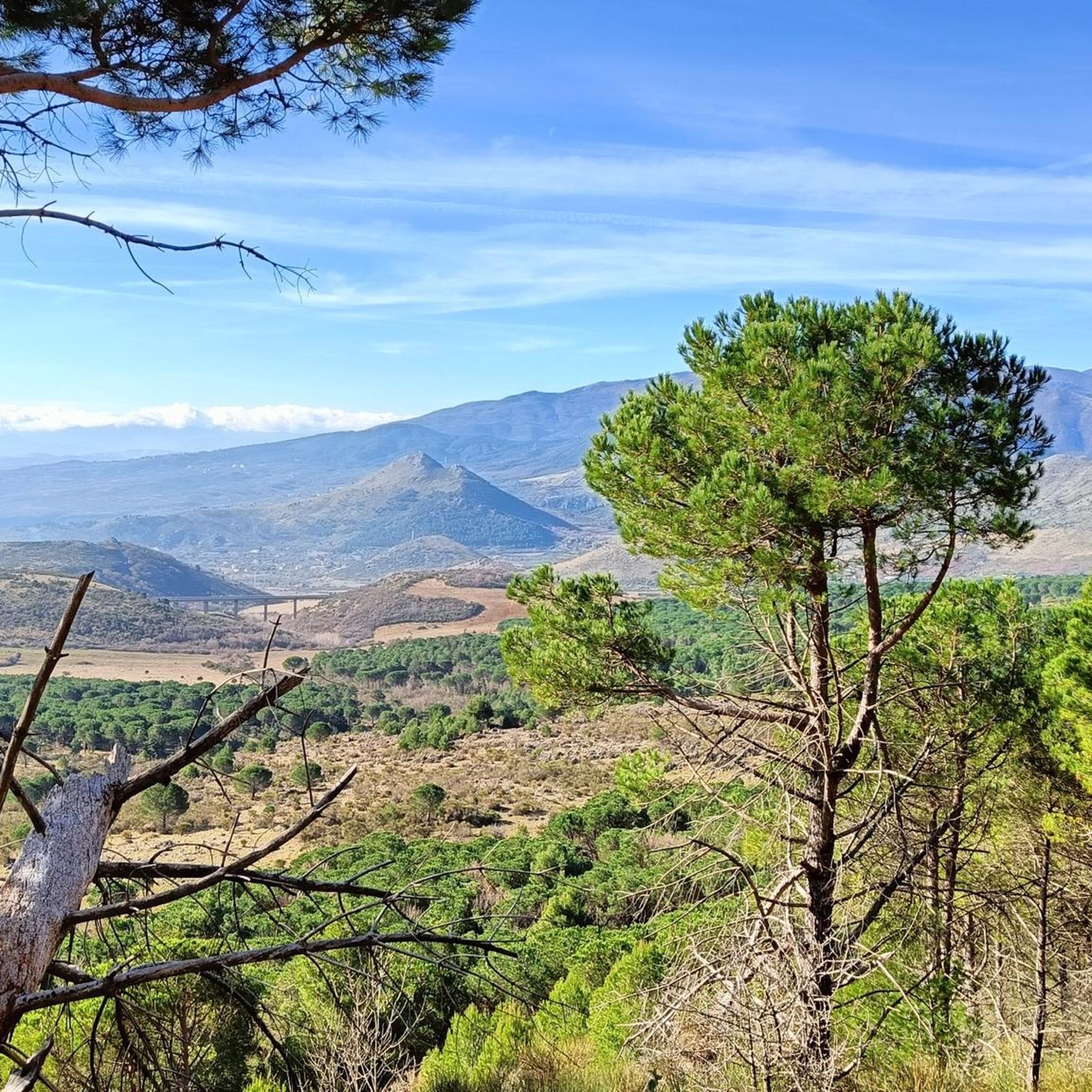
The Calabrian mountains are a real show, I suggest you observe and photograph them.
Translated by Google •
Tip by

Road through the orchards
Highlight (Segment) • Cycleway
Translated by Google •
Tip by
Sign up for free to discover even more attractions around Lungro.
Sign up for free
Already have an account?
Start today with a free account
Your next adventure awaits.
Login or Signup

Tips from the Community

A nicely laid out route, but with some shortcomings: 1. Very uneven surface. With luggage or a racing bike, it's much easier to ride on the road; unfortunately, you get a lot of jolts here. 2. The narrow path makes visibility difficult in many places, and you share the path with oncoming cyclists and pedestrians—which can make it dangerous. 3. Furthermore, there are small, unmarked bollards in the middle of the path in many places. These are particularly dangerous with panniers on your bike.
0
0

The Convent of the Capuchin Friars of Morano Calabro, in addition to being a place of worship, is also a place of historical interest that is definitely worth a visit…….
0
0

Lungro is the seat of the EPARCHY of the Italian Albanians of Continental Italy; in the cathedral a beautiful example of an Orthodox iconostasis. it.wikipedia.org/wiki/Cattedrale_di_Lungro
0
0

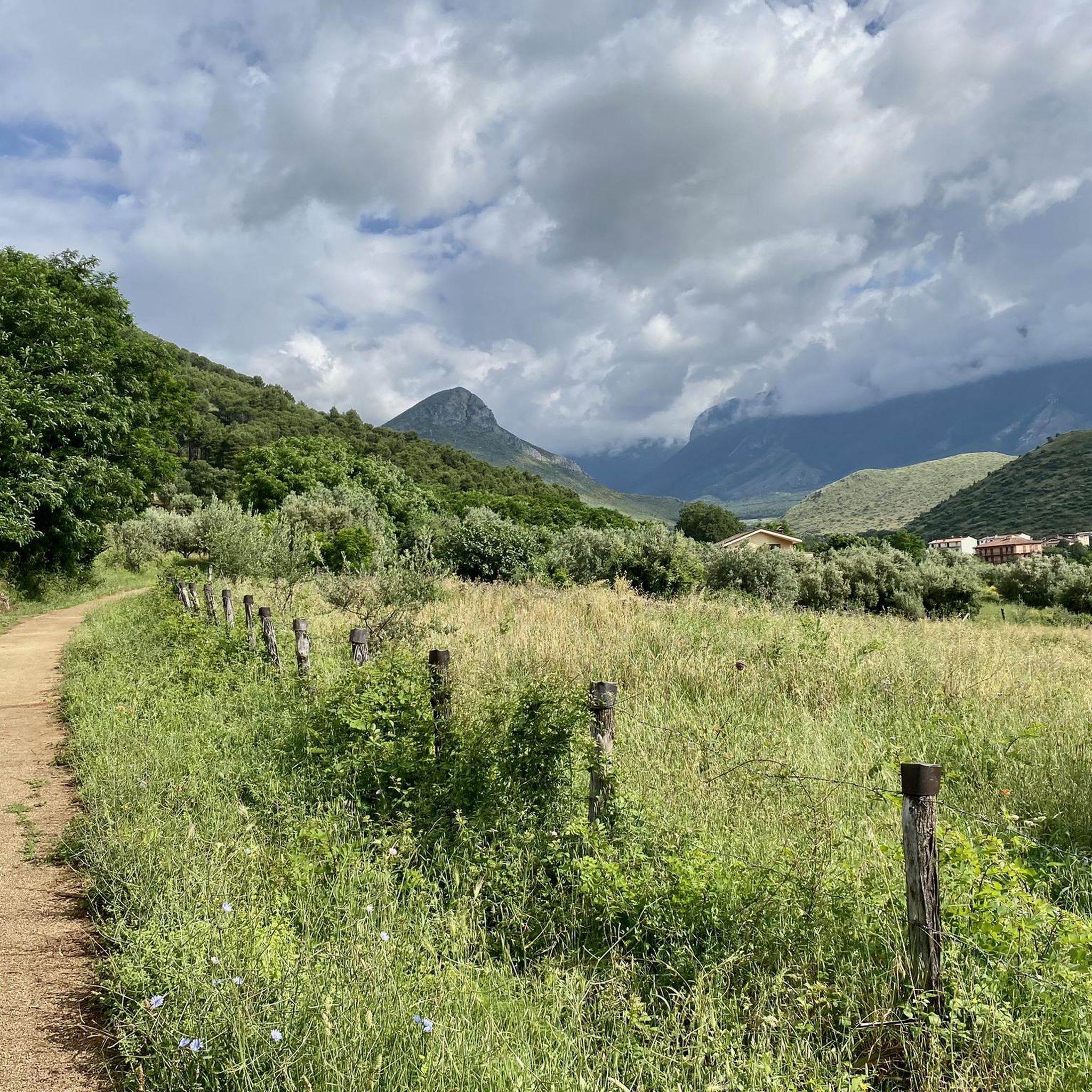
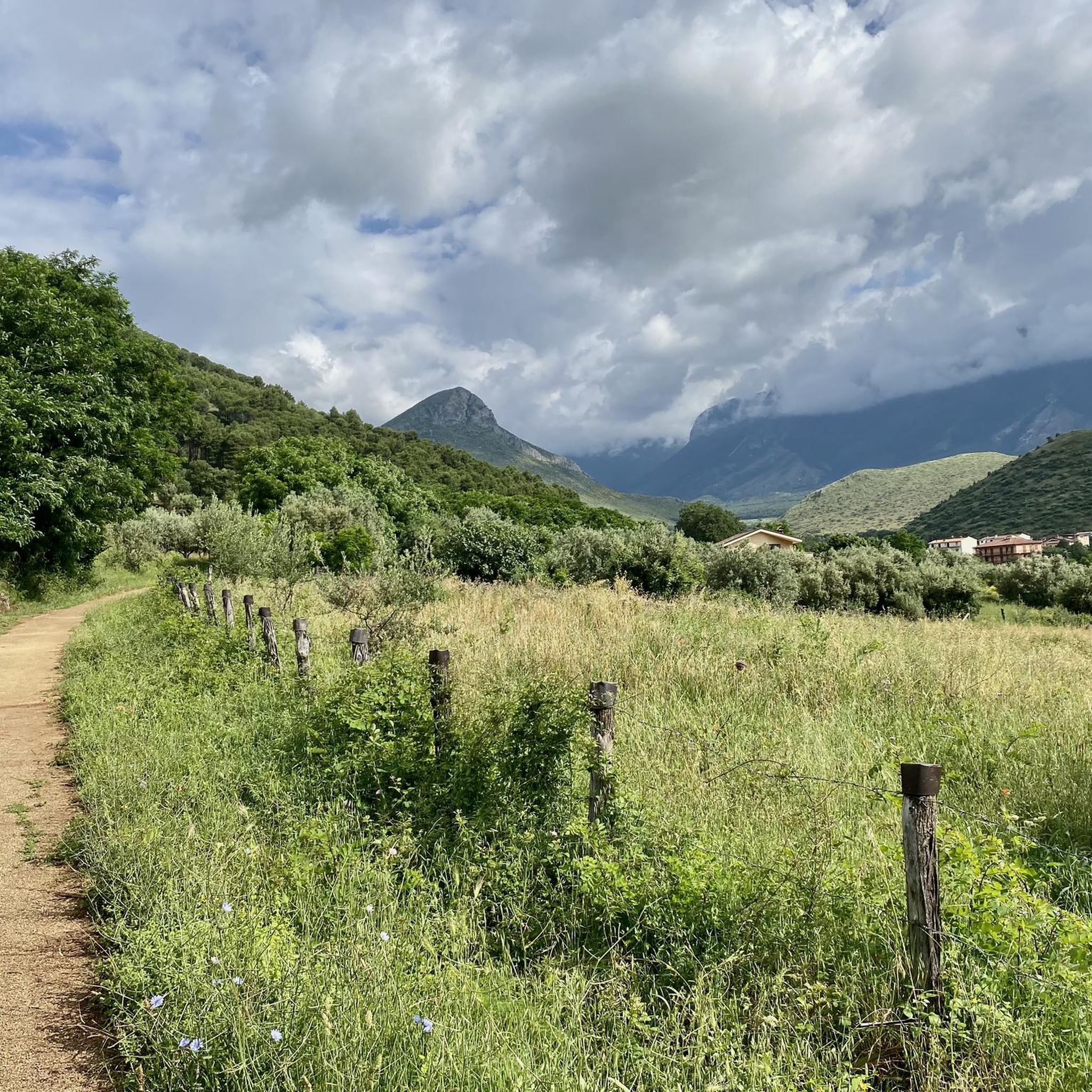
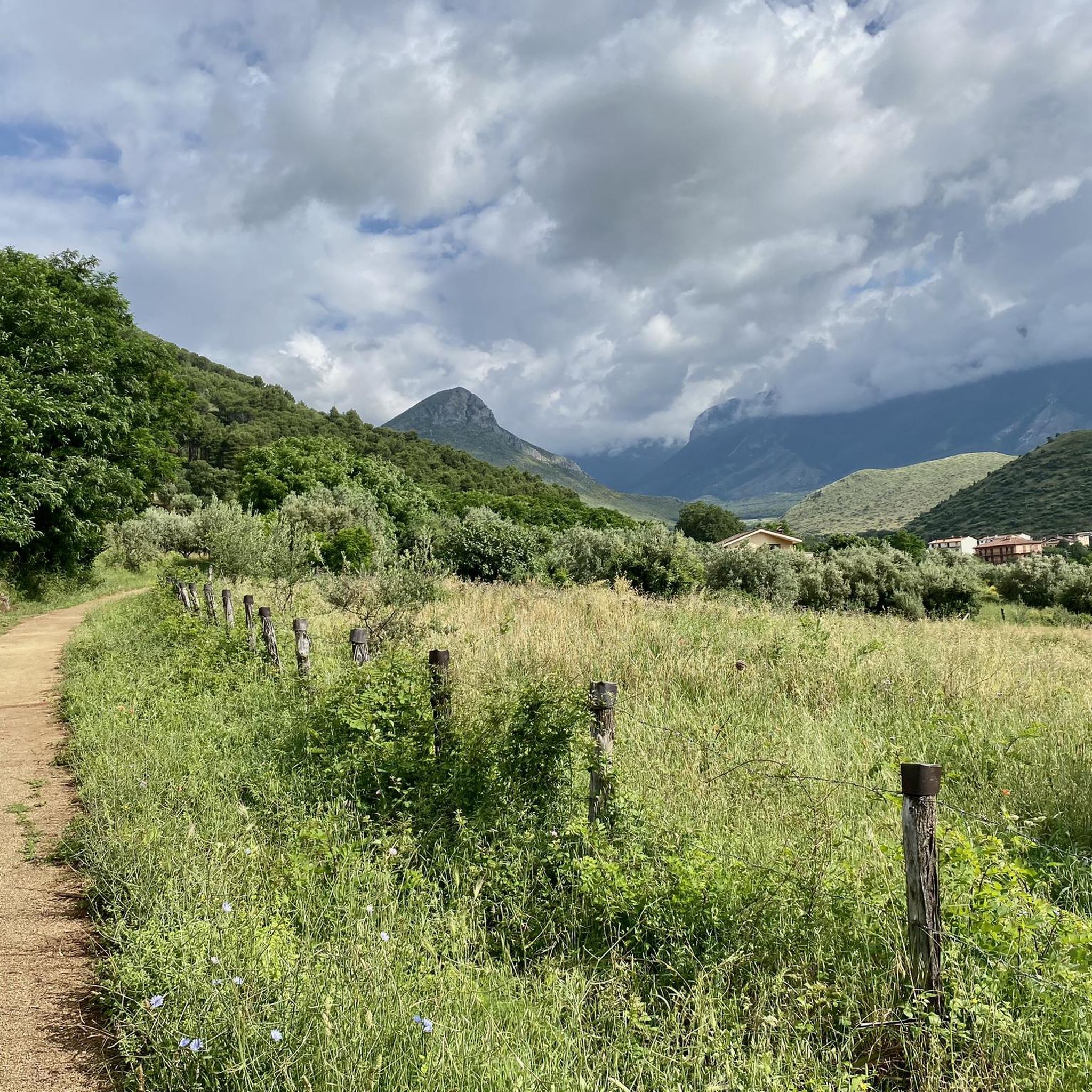
This road is an extraordinary setting for viewing the majestic Pollino peaks on the horizon, a unique spectacle of mother nature. Crossing it, you will find yourself in a landscape characterized by an incredible number of orchards, in particular picturesque orange and lemon plantations. The route winds through many fruit trees, offering an enchanting and enveloping perspective. A journey that combines the magnificence of the mountains with the richness of fertile soil, offering an unforgettable experience.
1
0

Castrovillari is a city full of stories to tell; Roman, Albanian and Catholic. It is the fourth most populous city of Cosenza. The city is crossed by the Parchi Calabresi cycle path and surrounded by mountains, making it an extraordinary place for cycling enthusiasts.
1
0

Arrived at the gates of Lungro, instead of going up the ramp on the left with indications for the cycle path in the direction of Acquaformosa, it is better to proceed towards the center of the town and continue on the main road; in this way you avoid that very hard uphill stretch which shortens by very little. Better to preserve strength in view of other asperities.
0
0
Lungro is a town of Arbëreshe tradition, seat of the Byzantine Eparchy which welcomes all the Albanian communities of Italy under its wing.
0
0
Along the slopes of the Orsomarso towards the villages of the Arbëreshe ethnic group, San Basile, Saracena, Firmo, Lungro, Acquaformosa: a magnificent journey between nature and culture, landscape and history.
0
1
Frequently Asked Questions
What are the main historical and cultural attractions in Lungro?
Lungro offers a rich array of historical and cultural sites. You can visit the Cathedral of St. Nicholas of Myra, an 18th-century church showcasing Greek-Byzantine rite architecture with mosaics and frescoes. The Diocesan Eparchy Museum of Lungro provides insights into the town's religious history. Don't miss the "G. B. Rennis" Historical Museum of the Salt Mine, dedicated to Lungro's ancient salt mining heritage, and the Ancient Salt Mines themselves, which have been active since ancient times. The historic center also features unique "gjitonia" neighborhoods and the Bust of Giorgio Castriota Scanderbeg, honoring the town's Albanian origins.
What natural attractions can I explore around Lungro?
Lungro is nestled within the beautiful Pollino National Park, Italy's largest nature reserve. The town itself is situated at the foot of Mount Petrosa and is flanked by the Galatro and Tiro rivers, offering verdant hills and mountains. Visitors can enjoy spectacular scenery and breathtaking views from various points, such as A breathtaking view, a popular viewpoint in the area.
Are there opportunities for hiking or trekking near Lungro?
Yes, the Pollino National Park surrounding Lungro provides excellent opportunities for hiking and trekking. There are numerous mountain trails offering unspoiled nature and scenic vistas. For specific routes, you can explore options like the "Caramolo Trail" or "Italy Trail - Stage U31." You can find more details on these and other hiking routes in the Hiking around Lungro guide.
What makes Lungro's cultural heritage unique?
Lungro is a significant center for the Arbëreshë ethnic-linguistic minority, preserving its unique heritage through its Byzantine rite and traditions. The Arbëreshë language, an Albanian dialect, is still spoken, and the town maintains ancient traditions and hosts evocative religious festivities, such as the rites of Arbëreshë Holy Week and Easter, and the lively Carnival (Karnivalli).
Can I visit the ancient salt mines in Lungro?
Yes, Lungro is famous for its ancient salt mines, which are among Europe's oldest and were active since ancient times. You can learn about their history and significance at the "G. B. Rennis" Historical Museum of the Salt Mine, which details the reality of the ancient mine through panels, historical notes, and a collection of memorabilia.
Are there any family-friendly attractions in the Lungro area?
Yes, several attractions around Lungro are considered family-friendly. For instance, Castrovillari, a settlement in the heart of Pollino National Park, offers historical buildings and is suitable for families. Another great option is Morano Calabro, recognized as one of Italy's most beautiful villages, with its historic center and castle, providing an engaging experience for all ages.
What kind of religious sites can I find in Lungro?
Lungro is rich in religious sites, reflecting its strong Byzantine rite traditions. Key sites include the Cathedral of St. Nicholas of Myra, the principal church of the Eparchy of Lungro, and the Chapel of Our Lady of Constantinople, a 16th-century church with early Byzantine iconography. The Church of St. Elias, built in the late 17th century, dramatically rises above the Tiro river and is dedicated to a saint revered by the Albanian people of Lungro.
Are there cycling routes available near Lungro's attractions?
Yes, there are several cycling routes in the vicinity of Lungro. A notable option is the Castrovillari–Morano Calabro Greenway, a 7 km path following a former railway route, suitable for all skill levels. You can find more detailed cycling tours and routes in the Cycling around Lungro guide.
What are some other interesting settlements to visit near Lungro?
Beyond Lungro itself, you can explore other charming settlements. Castrovillari is located in the heart of the Pollino National Park and features historical buildings like the Aragonese Castle. Another must-see is Morano Calabro, often cited as one of Italy's most beautiful villages, known for its historic center and houses spread around a castle.
What do visitors enjoy most about the attractions around Lungro?
Visitors particularly appreciate the panoramic views of the Calabrian mountains, especially from spots like A breathtaking view. The historical and cultural richness of the region, including the unique Arbëreshë heritage and the ancient salt mines, also receives high praise. The opportunity to explore the natural beauty of the Pollino National Park through hiking and cycling is another highlight for many.
What is the best time of year to visit Lungro's attractions?
The region's natural beauty, especially within the Pollino National Park, is particularly vibrant in spring and early summer when the landscape is lush. The weather is generally pleasant for outdoor activities like hiking and cycling during these seasons. Cultural festivities, such as the Arbëreshë Holy Week and Easter, or the Carnival, offer unique experiences if you plan your visit around these events.
Most popular attractions around Lungro

Get inspired with the komoot mobile app


Explore more
Still not found the Highlight you’re looking for? See guides of the top attractions in other regions:
